Heat & Fire
Rendering Fat
Slowly heating fatty tissue to melt out clean liquid fat from the solids.
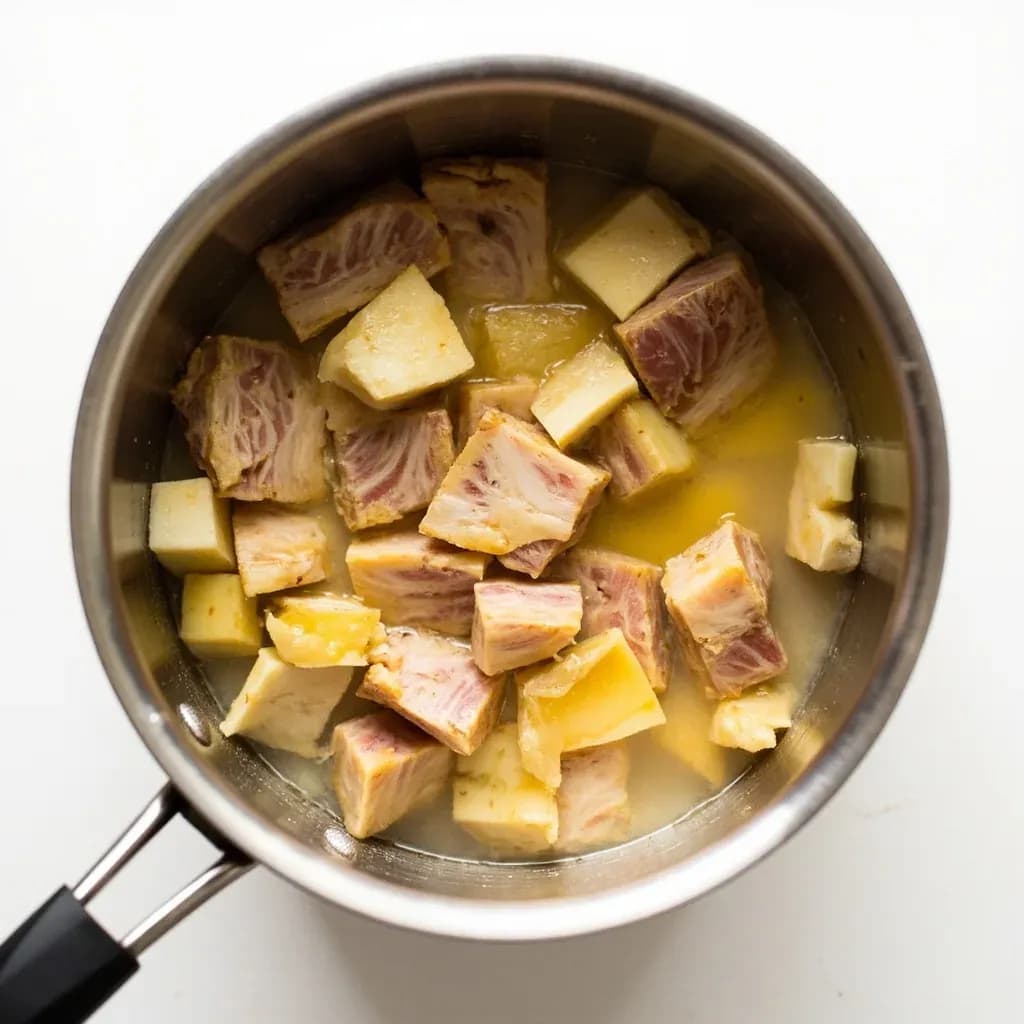
Rendering gently heats fatty tissue (pork fat for lard, poultry skin for schmaltz, beef trim for tallow) so the fat melts and separates from connective tissue and crisp solids like cracklings. Low, slow heat keeps the fat clean and free of scorched flavor. The strained fat is a prized cooking medium and the crisp solids are a bonus.
Rendering is the slow, patient work of separating pure liquid fat from the connective tissue, water, and solids locked inside animal fatty tissue. Heat, applied gently, melts the triglycerides loose while the proteins, collagen, and water either cook off or stay behind as crisp brown solids. The payoff is a clean, stable fat — the kind that fries without smoking, makes pastry that flakes, and keeps for months in a cool pantry. Done well, it is one of the quiet transformations in the kitchen: a butcher's by-product becomes a cook's staple.
The character of the finished fat is shaped by three things: the source tissue, the temperature, and how thoroughly you strain. Leaf fat and kidney fat give a near-neutral, pale result; belly and skin yield something more savory. Heat kept under a bare simmer preserves color and flavor; heat that bubbles and spits scorches the solids and drags bitterness into the fat. A fine strain through cheesecloth, followed by a quiet rest so the last fine sediment sinks, is what separates a brilliantly clear fat from one that turns rancid early. The crisp solids left in the strainer — cracklings, gribenes, ciccioli — are not waste but a second harvest, as flavorful as good bacon and free for the taking.
- Difficulty
- Easy
Types & varieties
Rendered pork fat, neutral to mildly porky. Leaf-fat and fatback lard are the palest and most neutral; belly fat carries more meat and a more pronounced porky flavor.
Rendered beef or sheep fat with a high smoke point and beefy depth. Classic for fries, confit, and traditional soap and candle making.
Rendered poultry fat, classically cooked slowly with onions until deep golden; the caramelized onions are often mixed back in.
Silky, rich but not heavy; the classic choice for pommes de terre sarladaises and confit.
Fat heated alone in a heavy pot or low oven. Yields deeper flavor and well-browned cracklings.
A small amount of water is added at the start to prevent scorching, then evaporates. Gentler, paler result.
Fat spread on a sheet pan or in a Dutch oven at 200–250 °F; even melt with almost no stirring.
Set-and-forget options; the pressure cooker dramatically shortens the time to roughly 1–2 hours.
How to do it
- 1
Source and trim the fat
Start with the cleanest fatty tissue you can find: pork fatback or leaf fat for lard, beef suet for tallow, chicken skin and fat for schmaltz, duck or goose skin and fat for confit fat. Trim away every trace of muscle meat, blood spots, glands, and the thin silvery membrane. The cleaner the trim, the cleaner and longer-keeping the rendered fat.
- 2
Cut into uniform pieces
Dice the fat into roughly ½-inch (1 cm) cubes. Uniform size means even melting; small pieces release their fat faster and more completely than large slabs, and they let you finish the job in hours rather than a full afternoon.
- 3
Choose your method and vessel
For the stovetop, use a heavy Dutch oven. For the oven, use a low-sided heavy pan or a Dutch oven with the lid ajar. For a slow cooker, just the insert. For wet rendering, add about ½ cup (120 ml) water per pound of fat; for dry rendering, add nothing. Never fill the vessel more than one-third to one-half full — fat foams and spits as its water cooks off.
- 4
Heat slowly
Bring the pot to the barest simmer over low heat, or set it in a 200–250 °F (95–120 °C) oven. The fat should melt gently, not sizzle. Active bubbling means the heat is too high and you are on the way to scorching.
- 5
Stir occasionally and skim
Stir every 20–30 minutes to prevent sticking on the bottom. Skim any foam of impurities that rises to the surface. In the wet method, the water gradually evaporates; in the dry method, the fat clears as its moisture cooks away.
- 6
Cook until the solids are golden and crisp
Continue until the cracklings are deeply golden brown and feel sandy or crisp in the spoon, and the liquid fat runs clear. This usually takes 2–4 hours on the stovetop, 3–8 hours in the oven, or 6–8 hours in a slow cooker. The solids should never go black — that means burnt flavor has leached into the fat.
- 7
Strain while warm
Set a fine-mesh sieve lined with several layers of cheesecloth over a heatproof bowl or large measuring cup. Pour the fat and cracklings through and let drain for 10–15 minutes. Do not press or squeeze the solids, or you will push sediment and bitterness into the clear fat.
- 8
Settle and decant
Let the strained fat cool briefly until a thin film forms on top and any fine sediment sinks to the bottom. Carefully ladle the clear golden fat into clean glass jars, leaving the cloudy dregs behind in the bowl.
- 9
Cool, store, and save the cracklings
Cool the jars uncovered at room temperature until the fat is fully set, then lid and refrigerate. Properly rendered and strained fat keeps 3–6 months refrigerated and up to a year frozen. Salt the cracklings while still warm and eat within a day or two, or stir them into cornbread, salads, or scrambled eggs.
Choosing your source
The fat you start with dictates the fat you end up with. Cleanest sources give the mildest, longest-keeping result.
- Pork: leaf fat (the flare fat around the kidneys) is palest and most neutral; fatback is nearly as clean and easier to find; belly fat renders well but carries more meat and a stronger porky flavor.
- Beef: suet — the hard fat encasing the kidneys — produces the cleanest tallow. Trimmings from other cuts work but yield a more beefy fat that benefits from a second rendering.
- Poultry: skin and trimmed fat from whole birds, classically rendered slowly with onions for traditional schmaltz.
- Waterfowl: a high proportion of fat under the skin; duck and goose fat are prized for their silky texture.
The cracklings question
The golden solids left in the strainer are too good to throw away. How you handle them depends on tradition and taste.
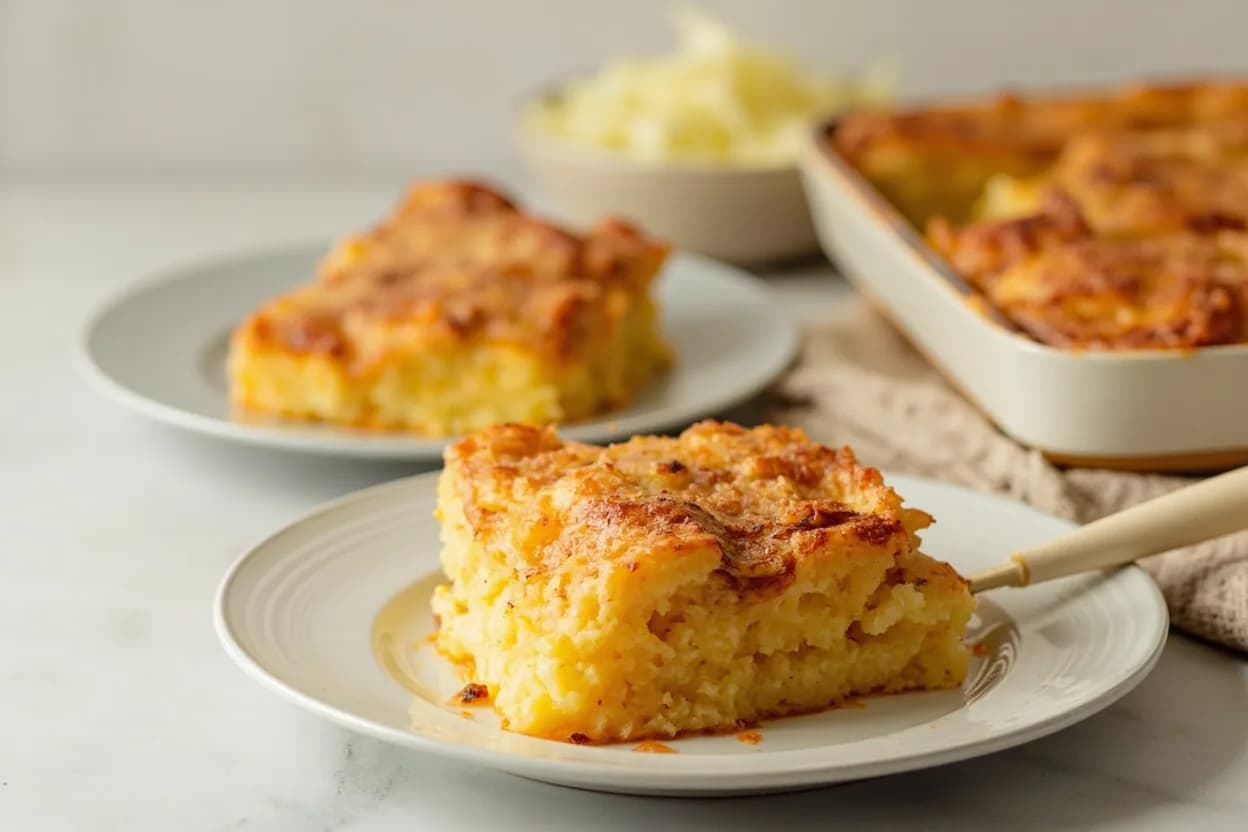
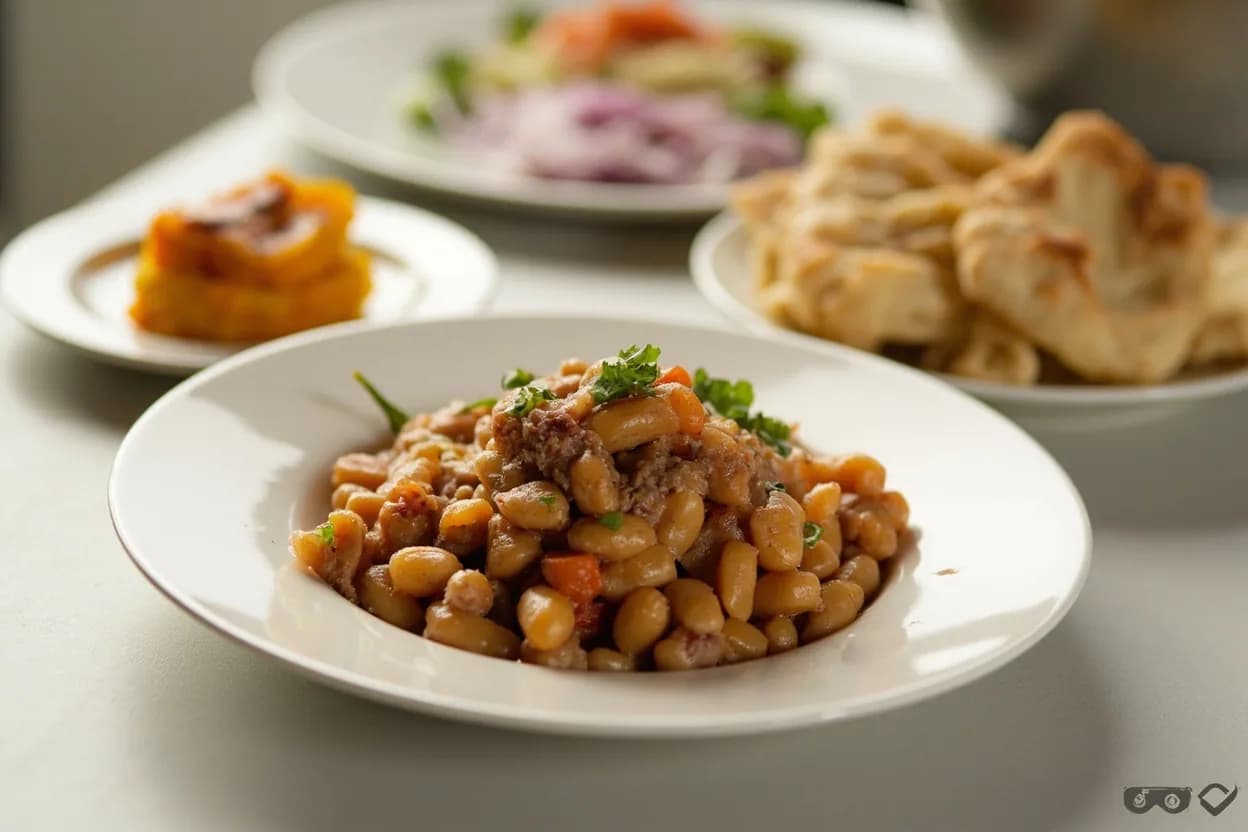
- Pork cracklings: salt while warm, eat within a day or two, or crumble over salads, cornbread, or baked beans.
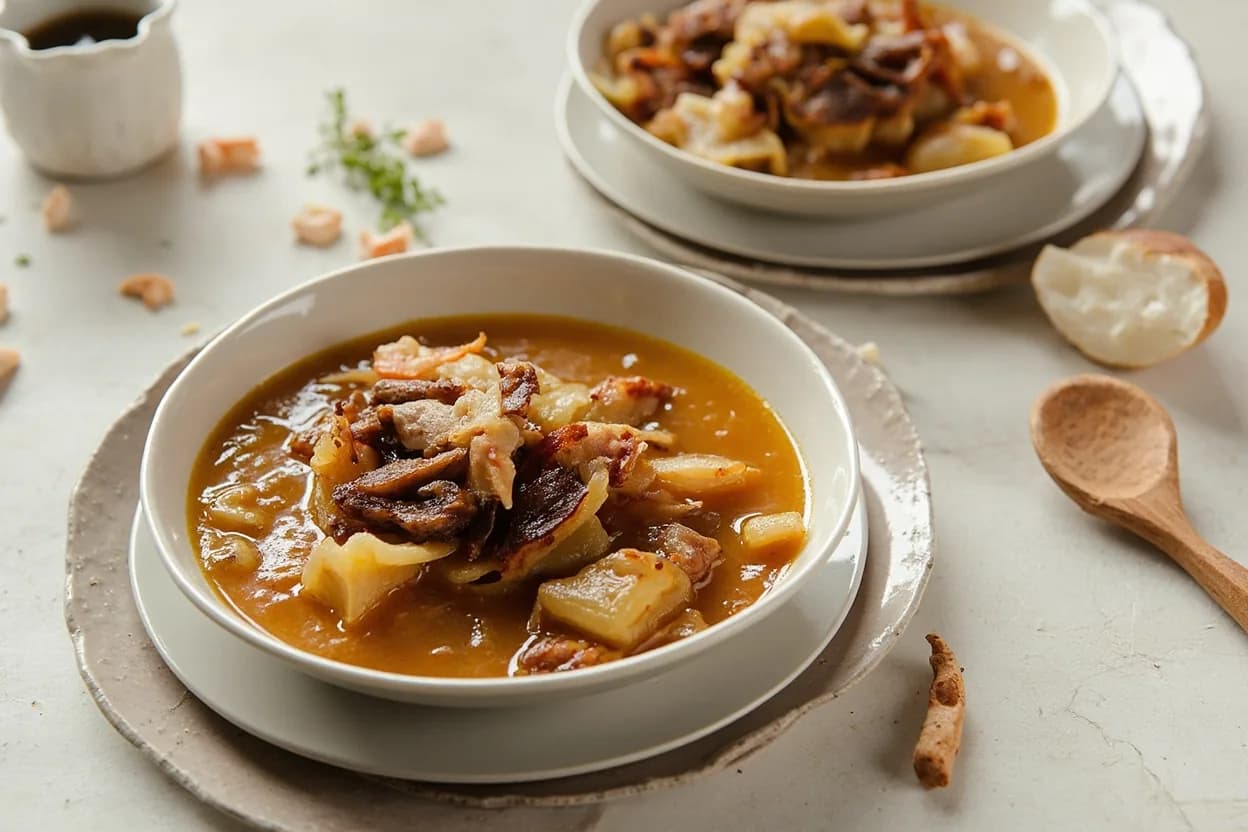
- Gribenes: the Ashkenazi tradition stirs these crispy chicken-rendering bits back into the schmaltz, or serves them with chopped liver and rye bread.
- Ciccioli: the Italian name for pork rendering solids, treated much like cracklings in Italian cookery.
- Never press the cracklings in the strainer — that forces sediment and bitter oil into the clear fat.
Storage and shelf life
Rendered fat is remarkably stable, but only if it is rendered and stored cleanly. Cloudiness, off-smells, and mold are signs of trouble.
- Cool uncovered, then lid and refrigerate. A sealed glass jar keeps 3–6 months cold, up to a year frozen.
- When ladling into storage jars, leave the milky sediment behind in the bowl — that is where off-flavors hide.
- If the fat smells sharp or rancid, is cloudy, or develops surface mold, discard it. Clean rendered fat smells neutral and faintly savory.
- Glass is best: plastic absorbs odor and stains, and reactive metals can taint the fat over time.
Common uses
Tips & pitfalls
- Source the cleanest, freshest fat you can — kidney fat, leaf fat, and fatback give the mildest, longest-keeping result; trim away all meat, blood spots, and silvery membrane before you start.
- Dice uniformly small, about ½ inch (1 cm); small pieces render faster and more evenly than large chunks, and you are far less likely to scorch.
- Keep the heat at a bare simmer — if you see active bubbling, the fat is too hot and you are about to lose flavor and color.
- For the wet method, add about ½ cup (120 ml) water per pound of fat; it protects the fat from scorching and evaporates by the end of cooking.
- Strain through cheesecloth and then let the fat settle so the last fine sediment sinks; ladle the clear fat off the top rather than pouring the whole jar — the dregs are where off-flavors hide.
- Salt the cracklings while warm and eat them within a day or two; never salt the fat itself before rendering, since salt draws out moisture and causes sputtering.
- Store in glass jars with a tight lid; plastic absorbs odor and stains, and reactive metals can taint the fat over time.
- If the finished fat smells sharp, is cloudy, or develops surface mold, discard it — well-rendered, well-stored fat should smell clean and neutral.
Good to know
- Definition
- Gently heating fatty animal tissue to melt out clean liquid fat, separating it from water, connective tissue, and the crisp solids left behind.
- Two methods
- Dry rendering (fat alone, direct low heat) and wet rendering (a small amount of water is added to prevent scorching and evaporates as rendering proceeds).
- Key fats produced
- Lard from pork, tallow from beef or mutton, schmaltz from poultry, and rendered duck or goose fat.
- Heat range
- Low and slow: 130–180 °F (55–80 °C) on the stovetop; 200–250 °F (95–120 °C) in the oven.
- Approximate yield
- Roughly 1 lb (450 g) of finished fat per 1.25–1.5 lb of trimmed raw fatty tissue, varying with moisture and connective tissue content.
- Smoke points (rendered)
- Lard ~370 °F / 190 °C; tallow ~400 °F / 205 °C; duck, goose, and schmaltz ~375 °F / 190 °C.
- Storage
- Sealed in glass, 3–6 months refrigerated, up to about 1 year frozen.
- Solids left behind
- Crisp pieces known as cracklings (pork), gribenes (chicken, Ashkenazi tradition), or ciccioli (Italian, generally pork).
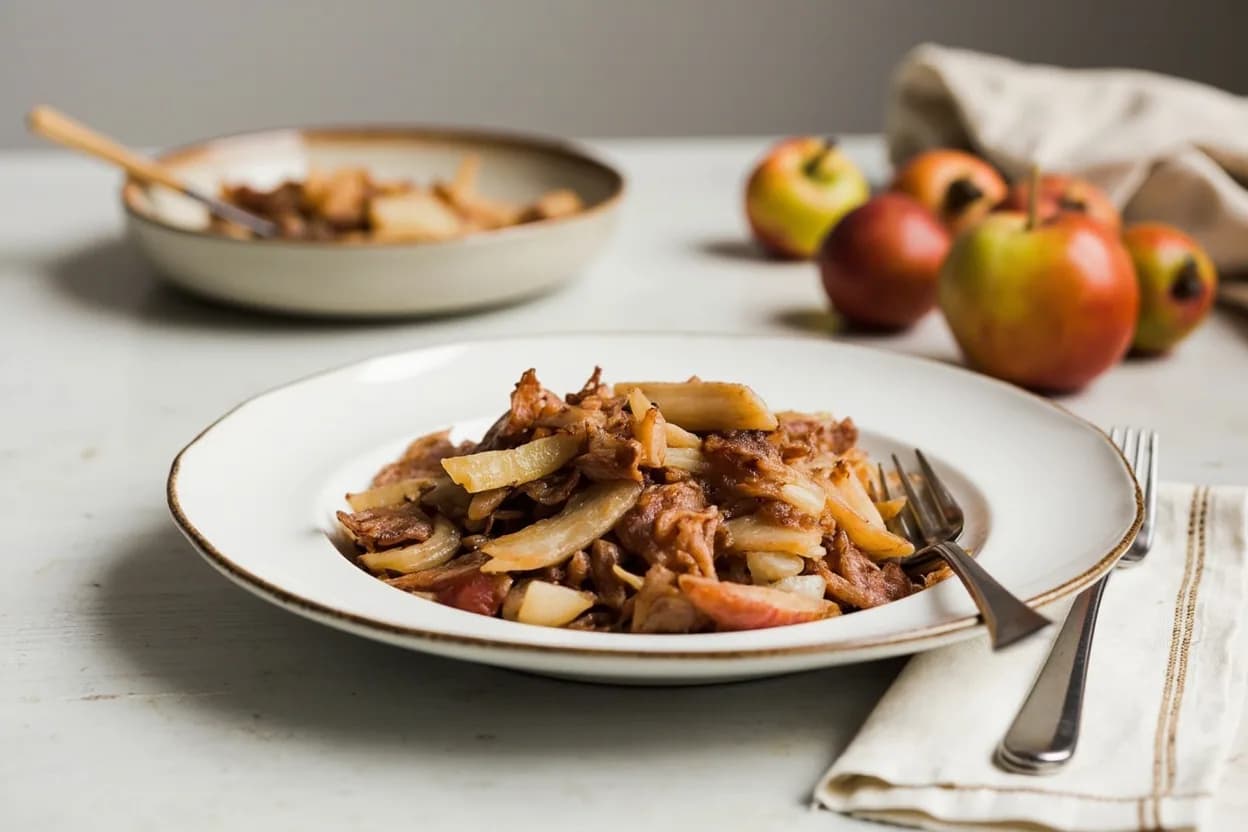
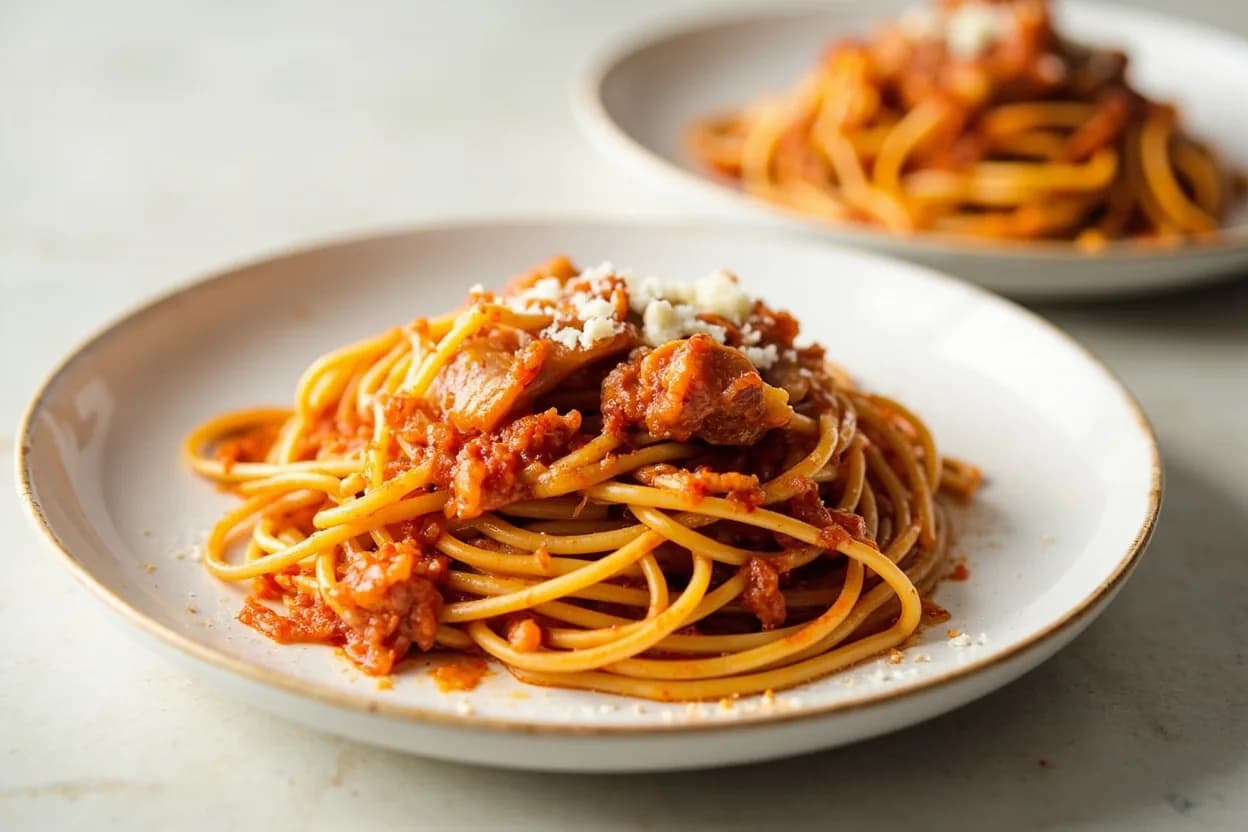
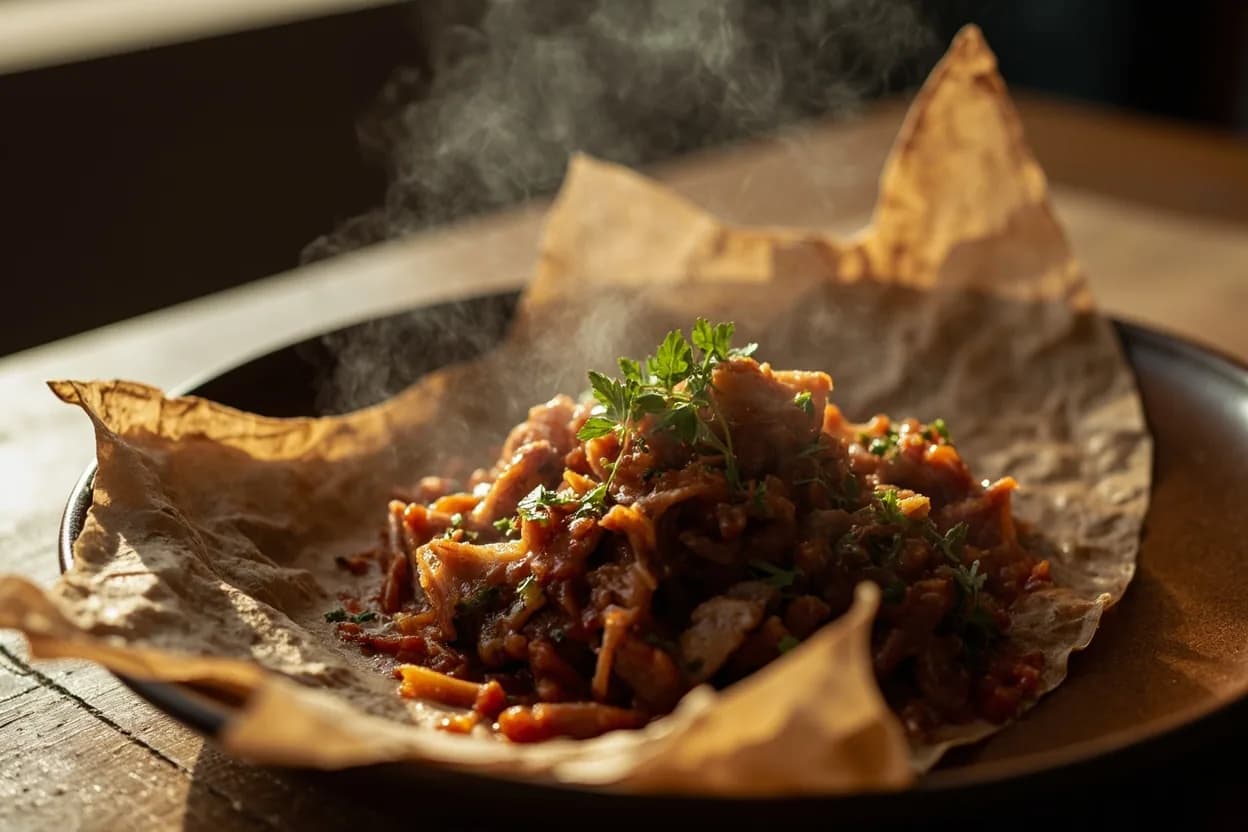
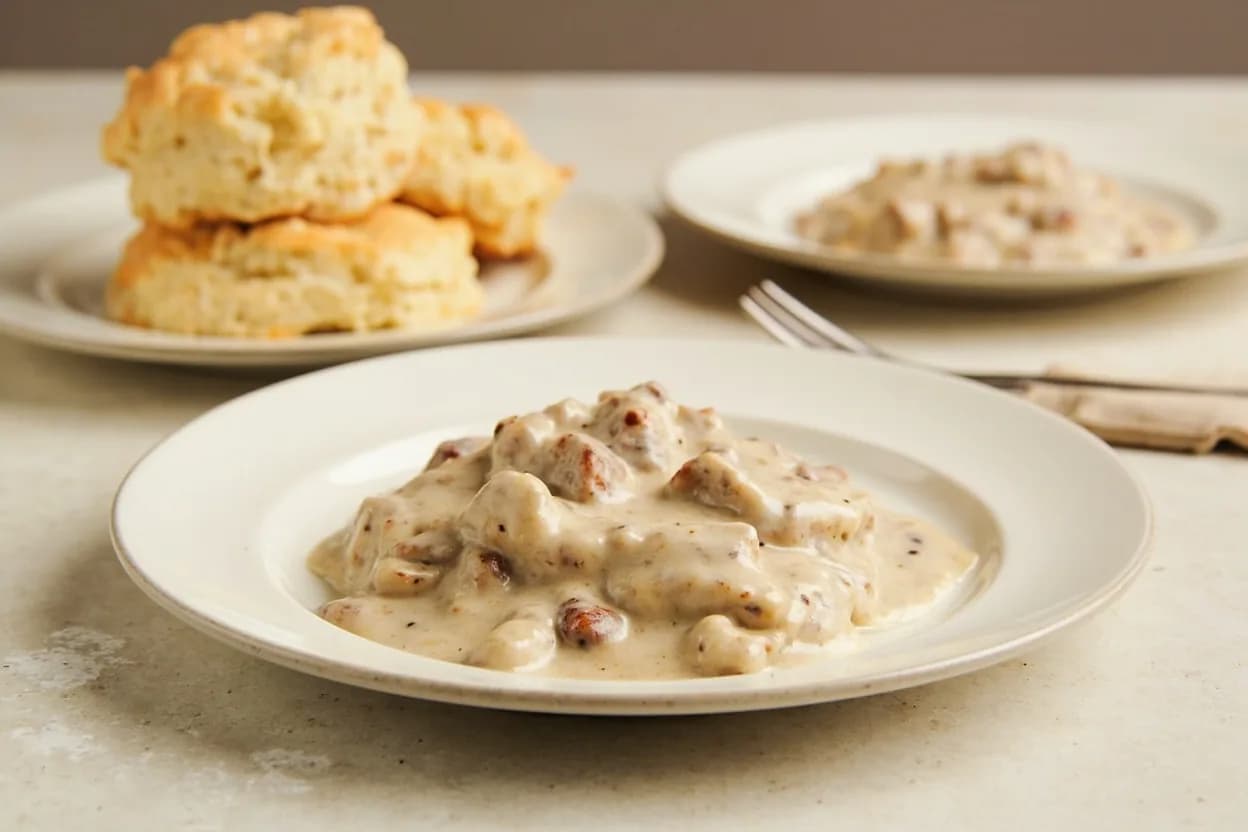
Dishes that rely on it
Related

Sear
Blast the surface hot for a deep-browned, savory crust

Sauté
Cook quickly in a little fat over lively heat, tossing as you go

Stir-Fry
Toss bite-sized pieces over roaring heat for fast, smoky cooking

Pan-Fry
Crisp food in a shallow layer of hot fat, turning once or twice

Deep-Fry
Submerge in hot oil for an all-over crackling crust

Roast
Cook uncovered in dry oven heat for browned edges and tender centers

Bake
Cook with steady, surrounding oven heat — the soul of bread and pastry

Broil
Hit food from directly above with fierce overhead heat