Heat & Fire
Sautéing
Quickly cooking food in a little hot fat over high heat to soften and develop flavor.
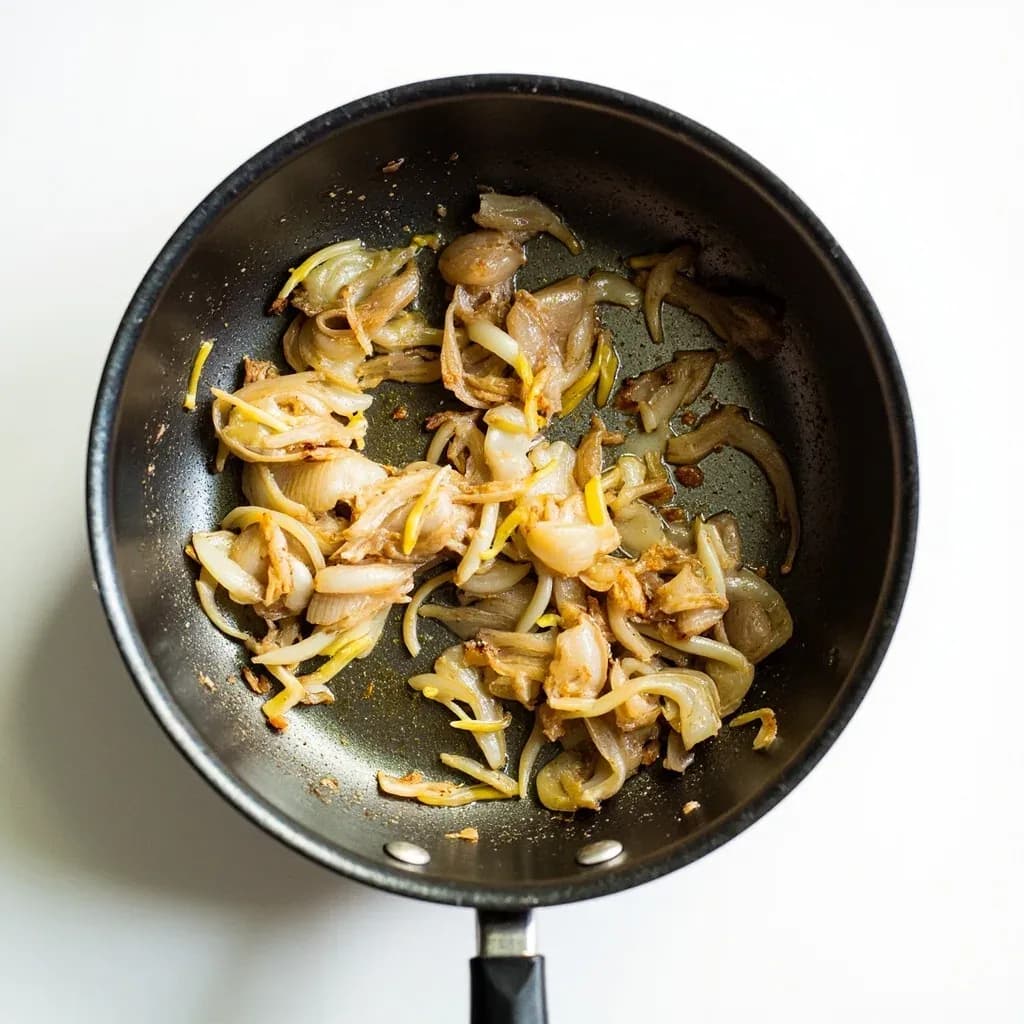
Sautéing cooks food fast in a thin film of hot fat, tossing or stirring so it browns and softens without stewing. It is the foundational step for aromatic bases worldwide: sofrito, refogado, Indonesian tumis spice paste, and Hungarian paprika porkolt base. Building these flavor bases slowly over moderate heat sets the depth for the whole dish.
Sautéing is a high-heat, fast-cooking technique in which small or thin pieces of food are cooked in a thin film of hot fat, tossed frequently so they cook evenly and develop light color. The word comes from the French sauter, "to jump," and refers to the tossing motion of food in the pan. Unlike sweating, which softens aromatics slowly under a cover, or pan-frying, which uses enough fat to come partway up the food, sautéing uses just enough fat to lubricate the pan — typically a tablespoon or two — and relies on direct contact with the hot metal to drive off surface moisture and trigger the Maillard browning that gives sautéed food its characteristic savory-sweet flavor.
The technique matters because it preserves texture. A quick sear in a hot pan keeps green vegetables vivid and crisp-tender, scallops caramelized on the outside but tender within, and chicken cutlets juicy. It also builds fond — the browned caramelized bits that cling to the pan — which is the raw material for any quick pan sauce. Mastering sautéing is less about a recipe than about controlling three variables: how dry the food is, how hot the pan is, and how much you crowd it. Get those right and a thin layer of fat, a single layer of food, and a few minutes of attentive tossing will produce more flavor than far more elaborate methods.
A sauté pan (straight, vertical sides, usually with a lid and a long handle) is the classic tool because the straight sides keep food contained during tossing and hold in a finishing sauce, but a slope-sided skillet works equally well for turning food with a spatula. The pan and the burner should be matched in size so heat is not wasted around the edges, and the technique is fast enough that most dishes come together in two to ten minutes per batch.
- Difficulty
- Easy
Types & varieties
Dry sauté with no added fat; used for mushrooms and other high-moisture vegetables to drive off water before browning can begin.
Cooking mirepoix, soffritto, or similar flavor bases in fat as the first step of a sauce, soup, stew, or risotto.
Finishing step: cold butter is swirled in off the heat to emulsify and gloss a pan sauce or the vegetables themselves.
Chinese adaptation in a wok with very high heat, a small amount of oil, and near-continuous tossing.
Close cousin using more fat (about 1/8 to 1/4 inch deep) and a longer cook time, suited to larger or thicker pieces.
Sits between sauté and deep-fry; food is turned in hot oil that comes roughly halfway up the sides of the food.
How to do it
- 1
Choose the right pan
Use a wide sauté pan or slope-sided skillet that matches the burner and holds the food in a single uncrowded layer. A sauté pan's straight sides are ideal for tossing and for holding a finishing sauce; a skillet's sloped sides make it easy to slip a spatula under turning food.
- 2
Prep the food
Cut ingredients into uniform, bite-sized or thin pieces so they finish at the same moment. Pat proteins and vegetables thoroughly dry with towels, and season with salt just before they go into the pan.
- 3
Heat the pan
Place the empty pan over high heat for 30–60 seconds. Add 1–2 tablespoons of a high-smoke-point oil and swirl to coat; the oil should shimmer and just begin to ripple, not smoke heavily. A cold pan is the most common cause of steamed, gray food.
- 4
Add aromatics first, if using
For a flavor base, start with hardier aromatics — onions, shallots, carrots, celery — and cook, stirring, until softened and lightly colored, 1–3 minutes. Add garlic, fresh herbs, and ground spices later, often in the last 30–60 seconds, so they perfume the fat without burning.
- 5
Add the main food in a single layer
Lay pieces in the pan with a little space between them. Resist the urge to stir immediately; let them sit 20–40 seconds so a crust can form. This is the moment browning happens, and it cannot happen while the food is moving.
- 6
Toss or turn
Use a quick wrist snap, a wooden spoon, tongs, or a heat-safe spatula to turn and redistribute the food. Continue cooking, tossing every 30–60 seconds, until the food is evenly browned and just cooked through. Most thin items need only 2–4 minutes total.
- 7
Adjust and finish
If the fat is smoking or browning is happening too fast, pull the pan off the heat for a moment. To finish, lower the heat and add a splash of stock, wine, citrus juice, or a knob of cold butter and swirl to emulsify into a quick pan sauce that coats the food.
- 8
Remove and deglaze the pan
Transfer the food to a plate or serving dish. If fond remains, return the pan to medium heat, add liquid, and scrape with a wooden spoon to lift the browned bits. Reduce briefly and spoon over the food, or use as the base of a larger sauce.
How sautéing differs from its neighbors
Sautéing occupies a specific middle ground on the dry-heat spectrum. Understanding what it is not is as useful as knowing what it is.
- Sweating cooks aromatics in a little fat over low heat, usually covered, with the explicit goal of drawing out moisture without browning. A sauté by contrast is uncovered and aims for color.
- Pan-frying uses enough fat to come roughly one-third of the way up the food and a longer cook time, so the piece cooks through in the fat itself. A sauté piece is small or thin enough to cook through in the pan's ambient heat.
- Stir-frying shares the high-heat, tossed-in-a-little-fat DNA of sautéing but uses a wok (which concentrates heat at the base), even higher temperatures, and an almost constant motion.
Building a pan sauce from the fond
The browned bits left in the pan after sautéing are not debris; they are concentrated flavor. A short deglaze turns them into a sauce in the same pan the food was cooked in.
- Pull the food and keep the pan on the heat; pour off excess fat if there is more than a tablespoon.
- Add a cold liquid — wine, stock, citrus juice, or a combination — which will sizzle and release the fond as you scrape with a wooden spoon.
- Reduce the liquid by half to two-thirds to concentrate it, then finish with a knob of cold butter swirled in off the heat (monte au beurre) for gloss and body.
Common uses
Tips & pitfalls
- Preheat the pan dry over high heat before adding fat; a cold pan steams food and turns it gray. Adding oil to a cold pan means the oil heats slowly and can degrade before the pan is hot enough to sear.
- Pat proteins and vegetables completely dry with towels before they hit the pan — surface moisture is the single biggest enemy of browning.
- Crowding drops the pan temperature and traps steam; cook in batches rather than sacrifice the sear. Two small batches almost always beat one large one.
- Let the food sit undisturbed for 20–40 seconds between tosses. The crust that forms is what carries the flavor; constant stirring prevents it from developing.
- Use a high-smoke-point oil — grapeseed, canola, peanut, or avocado — for the main cook, and add butter only at the end for flavor. Butter burns quickly over the heat a sauté requires.
- Salt vegetables early to draw out moisture, but season proteins just before or right after cooking; salting meat too far ahead pulls juices to the surface and prevents browning.
- Cut food to a uniform size so everything finishes together. A mix of thick and thin pieces means the small ones overcook before the large ones brown.
- Match the pan to the burner. A small pan on a large burner wastes heat around the edges; a large pan on a small burner never gets hot enough in the center.
- Don't use a metal utensil in a nonstick pan — the surface scratches and the nonstick coating breaks down under the high heat sautéing demands. Use wood, silicone, or just shake the pan.
Good to know
- Etymology
- From the French verb sauter, "to jump," describing the tossing motion of food in the pan.
- Origin
- Codified in 19th- and 20th-century French cuisine by Antonin Carême, Auguste Escoffier, and their successors.
- Pan used
- A sauté pan (straight sides, lid, long handle) or a slope-sided skillet that matches the burner.
- Fat amount
- Just enough to coat the pan — typically 1–2 tablespoons for a 10–12 inch pan.
- Heat level
- High direct heat; pan surface generally 350–450°F (175–230°C), depending on the fat and food.
- Cooking time
- Usually 2–10 minutes per batch; thin or small pieces cook fastest.
- Batch size
- Food in a single uncrowded layer so moisture escapes and browning occurs.
- Key signal
- Light Maillard browning and fond (caramelized bits) clinging to the pan surface.
- Related techniques
- Sweating (low, covered, no color), pan-frying (deeper fat, longer), stir-frying (wok, very high heat).
Also called
Saute · Sauté · Faire Revenir · Refogar · Tumis · Sofrito
Dishes that rely on it
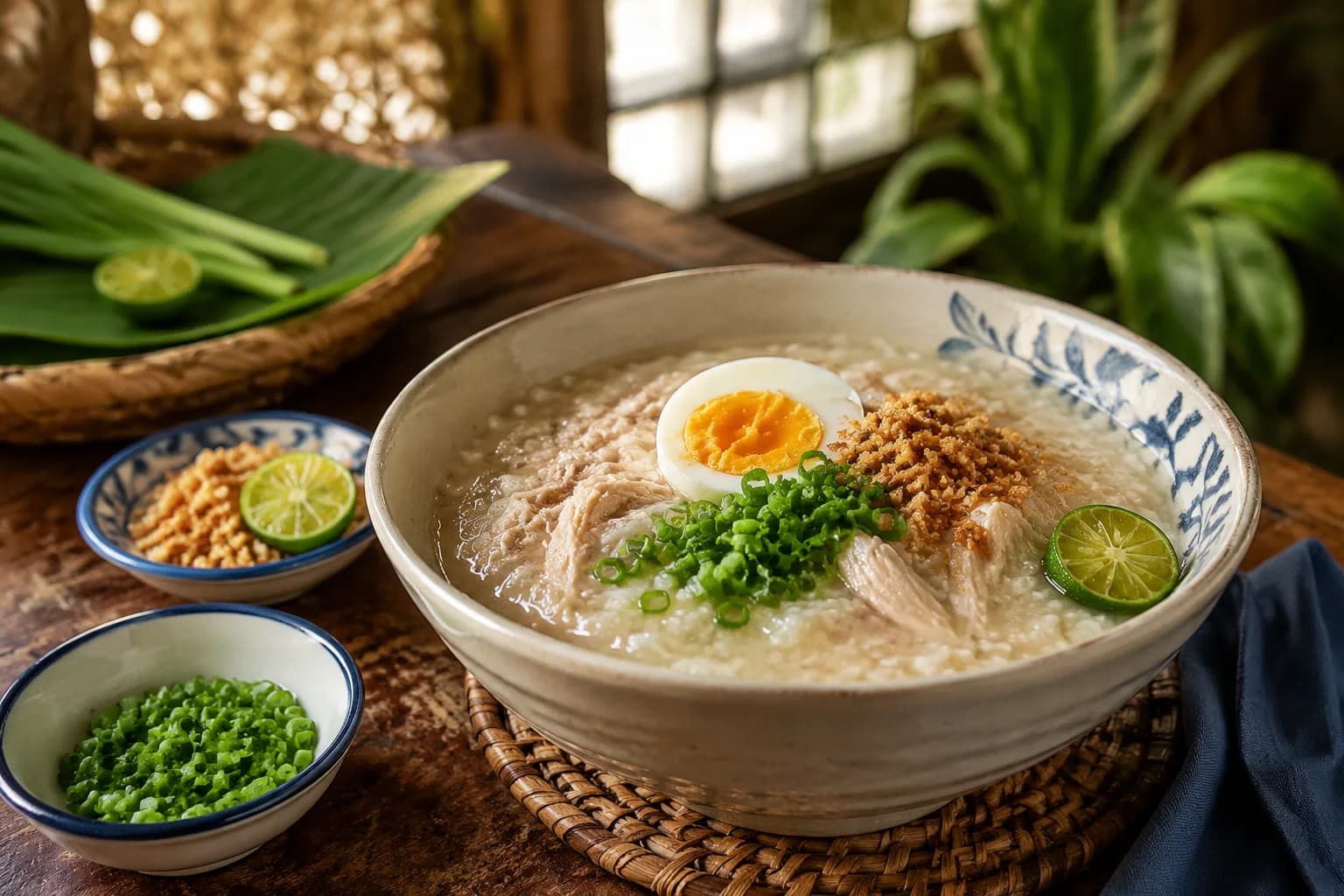
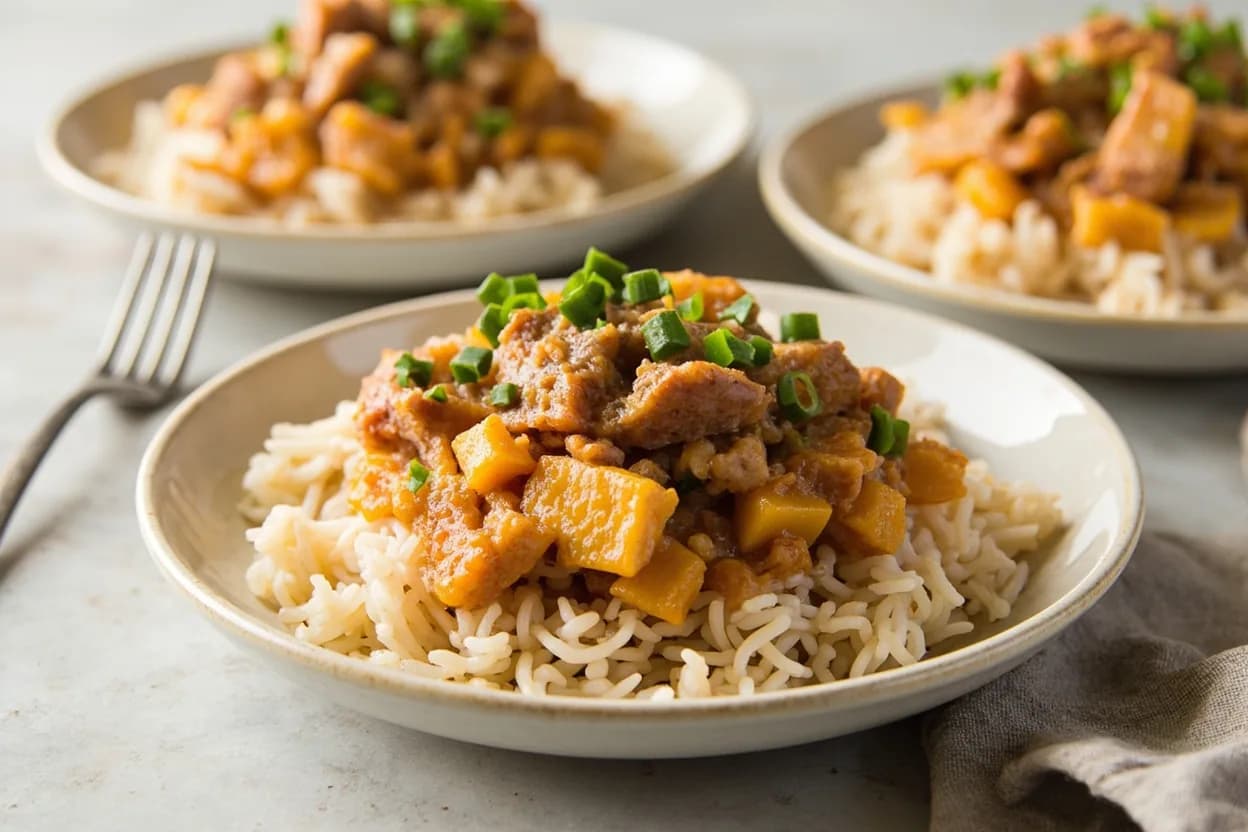
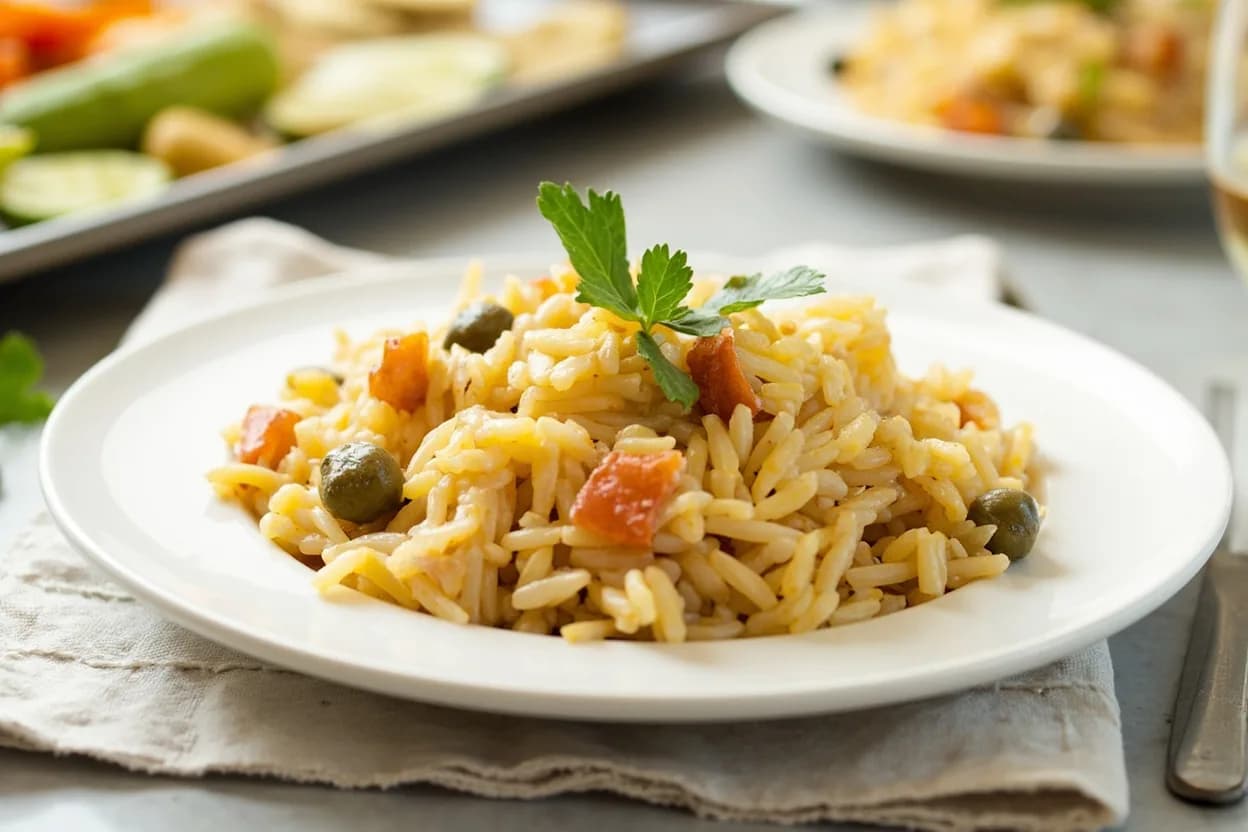
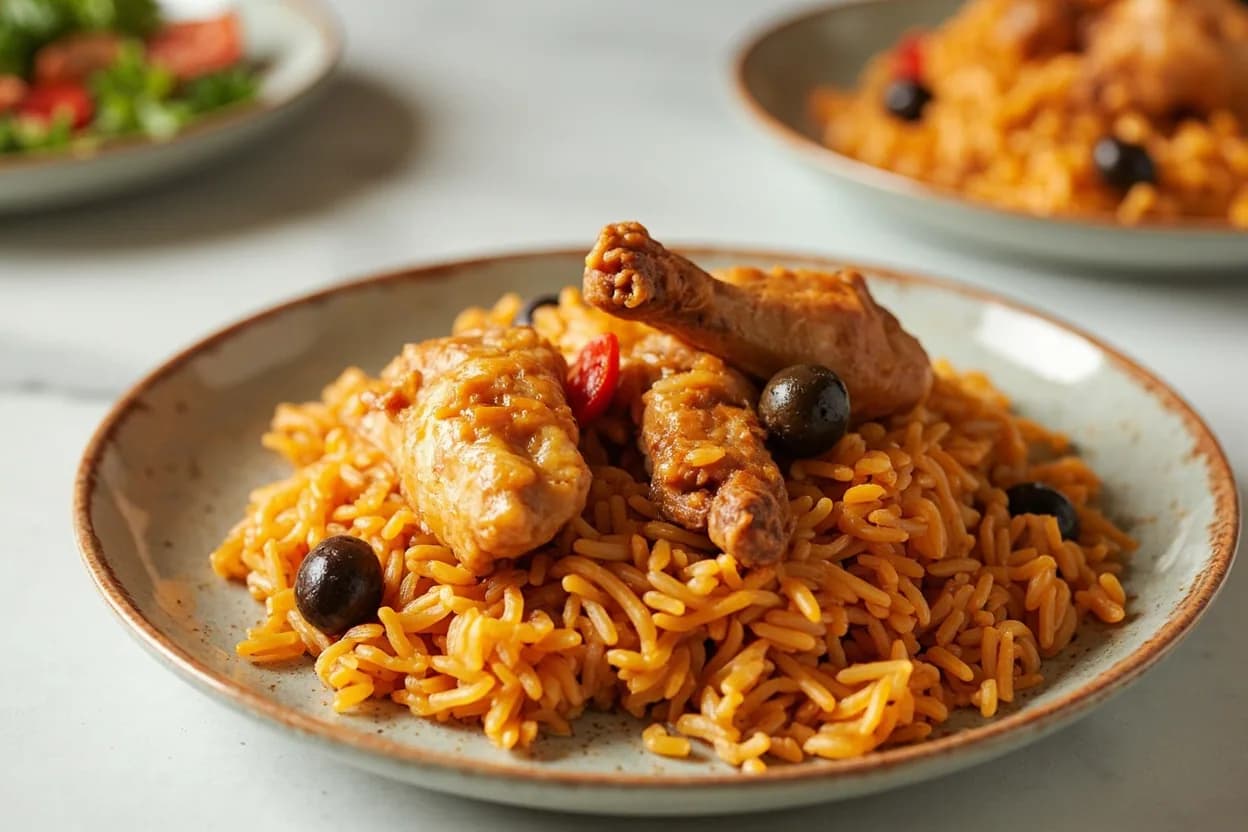
Related

Sear
Blast the surface hot for a deep-browned, savory crust

Sauté
Cook quickly in a little fat over lively heat, tossing as you go

Stir-Fry
Toss bite-sized pieces over roaring heat for fast, smoky cooking

Pan-Fry
Crisp food in a shallow layer of hot fat, turning once or twice

Deep-Fry
Submerge in hot oil for an all-over crackling crust

Roast
Cook uncovered in dry oven heat for browned edges and tender centers

Bake
Cook with steady, surrounding oven heat — the soul of bread and pastry

Broil
Hit food from directly above with fierce overhead heat