Transform & Preserve
Salting
Applying salt to draw out moisture, season, or begin preserving food.
Salting rubs or sprinkles salt onto food to draw out excess water, season it through, firm its texture, or start a preservation process. It is used to weep bitterness or liquid from vegetables like cabbage and eggplant, to pre-season meat hours ahead for deeper flavor, and as the first step in many cures. The salt pulls moisture to the surface by osmosis, which is why salted vegetables soften and release water.
Salting is a family of related techniques united by the same tool: ordinary salt, almost always sodium chloride. Cooks reach for it to do several different jobs—season a finished dish, pull water from a watery vegetable, plump a lean protein before cooking, or preserve meat and fish for months or years. Understanding which job you are doing is the first step toward using salt with intention rather than by feel.
What makes salt so effective is that it acts on three properties of food at once. It dissolves into the free water inside food and lowers the water activity, the measure of available moisture that bacteria need to grow; below roughly 0.86 aw, most spoilage organisms stall, which is why salt is humanity's oldest preservative. In meat, salt dissolves some of the muscle proteins so they bind water more tightly, helping the protein hold onto its juices when heat sets the structure. And on the tongue, salt directly amplifies our perception of savory, sweet, and aromatic flavors while suppressing bitterness—the reason a pinch of salt makes caramel taste richer and a tomato taste sweeter.
The right salt, the right amount, and the right timing depend entirely on the goal. A pinch tossed over a salad and a thirty-day country ham are made of the same crystals, but everything else about the technique is different. The single most useful habit a cook can build is to weigh salt in grams and to taste as they go, because salt is the one seasoning you can never take back once it is in the pot.
- Difficulty
- Easy
Types & varieties
Light surface application just before or during cooking, used to bring out and balance flavor.
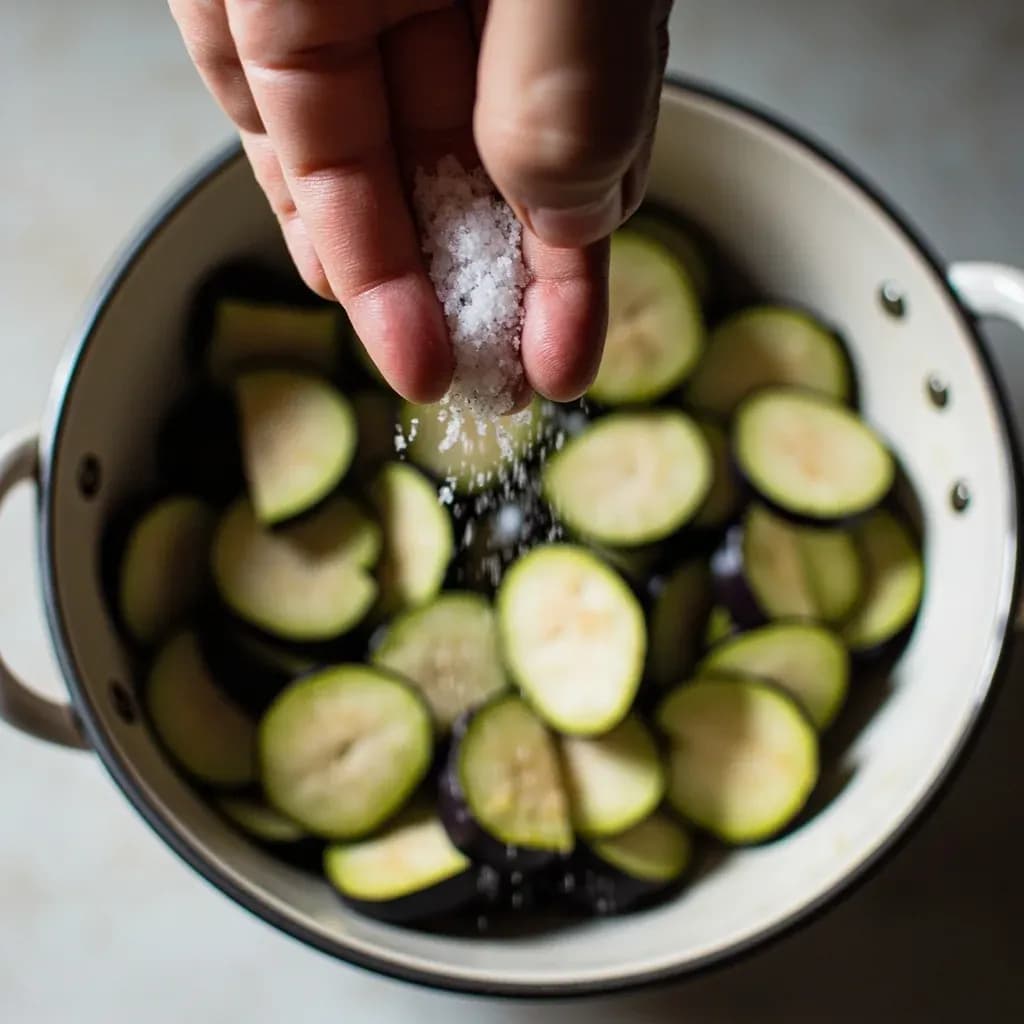
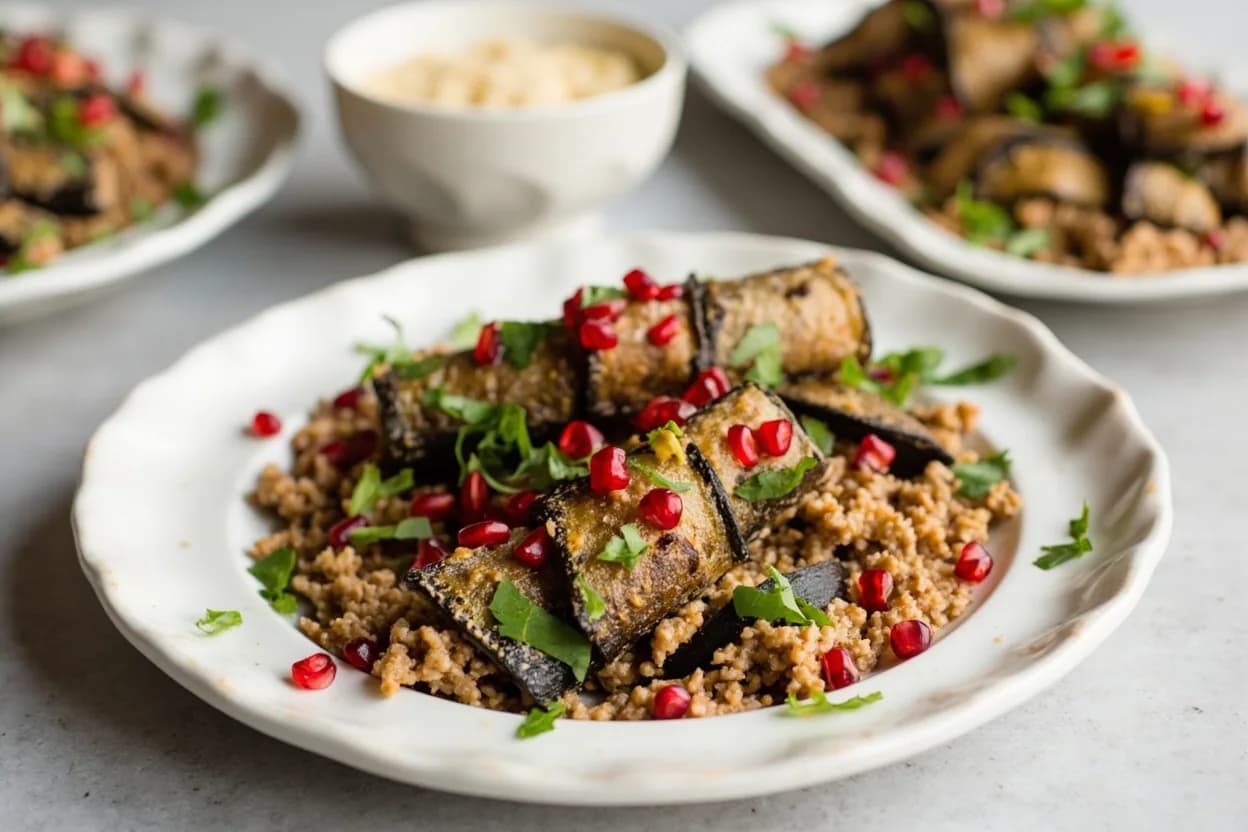
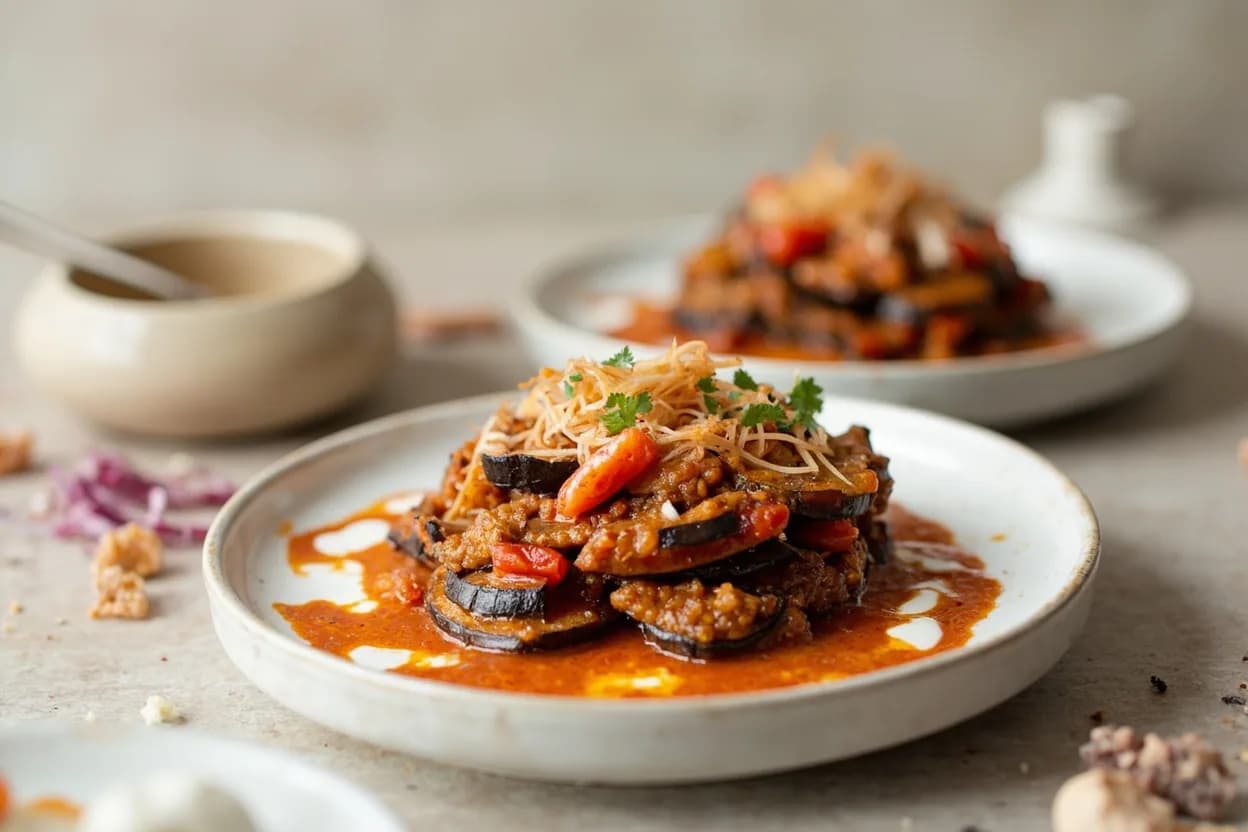
Salt applied ahead of cooking to draw water out of vegetables such as eggplant, cucumber, zucchini, mushrooms, and shredded cabbage, preventing soggy or watery finished dishes.
Salt rubbed directly onto meat—classically poultry—then refrigerated uncovered for many hours; produces well-seasoned flesh and dry, crispy skin.
Immersion in a salt-water solution, often with sugar and aromatics; plumps lean proteins like chicken, turkey, pork chops, and shrimp.
Heavy packing or rubbing of salt, sometimes with sugar and a measured curing salt, used to preserve meats (prosciutto, jamón, pancetta, bacon, bresaola, coppa) and fish (salt cod, bottarga).
Immersion in a flavored salt brine used for gravlax, corned beef, tongue, and pickled herring.
Encasing food—most often a whole fish or root vegetables—in a thick crust of salt mixed with egg whites; the food essentially steams inside the crust.
Salt dosed at 2–2.5% of vegetable weight to select for lactic acid bacteria in sauerkraut, kimchi, and other vegetable ferments.
Pretzels, bagels, and lye rolls are briefly dipped in a strongly alkaline solution—lye water or baked baking soda plus salt—producing their glossy, mahogany crust.
How to do it
- 1
Seasoning by the pinch
Sprinkle a small amount of fine or kosher salt evenly over the food's surface just before or during cooking, dispersing it from a height so it lands in a thin layer. For soups, stews, sauces, and braises, add salt in stages, stirring and tasting after each addition; this lets the flavor build rather than spike, and protects against accidental over-salting.
- 2
Pre-salting vegetables to draw out moisture
Cut the vegetable into the shape you will cook (slices, planks, diced, or grated). Toss with about ½ to 1 teaspoon of kosher salt per pound, or layer in a colander with a generous scattering of salt. Weight lightly if you like, and let stand 15 to 60 minutes until visible beads of liquid appear. If you used a lot of salt, rinse briefly under cold water, then squeeze or pat thoroughly dry in clean towels. The vegetable is now ready to fry, grill, or roast without weeping into the pan.
- 3
Dry-brining poultry
Pat the bird dry inside and out. Sprinkle kosher salt evenly over the entire surface and inside the cavity—roughly ½ teaspoon per pound (about 1 tablespoon per 3-pound chicken, or 1 tablespoon per 4-pound turkey breast). Place breast-side up on a wire rack over a sheet pan and refrigerate uncovered for at least 12 hours and up to 48 hours. Do not rinse; roast directly. The skin will be dry and papery, and the meat seasoned all the way through.
- 4
Wet-brining poultry or pork
In a large pot, dissolve ½ cup kosher salt and ½ cup sugar in 1 gallon of cold water, adding aromatics such as bay leaves, peppercorns, smashed garlic, thyme, or citrus zest. Cool the brine thoroughly. Submerge the meat fully, weighing it down with a plate if needed, and refrigerate: 2–4 hours for pork chops or pork loin, 8–12 hours for a whole chicken, 18–24 hours for a turkey breast or small turkey. Remove, rinse briefly, pat dry, and cook. Discard the brine.
- 5
Salt-curing meat or fish
Weigh the food in grams. Using a tested cure calculator, determine the amount of salt (typically 2–3% of meat weight) and, for charcuterie, the precise grams of Prague Powder #1 or #2 required. Mix the salt with any sugar and spices. Pack or rub the cure thoroughly over every surface of the food and place it in a non-reactive (glass, stainless, or food-grade plastic) container. Cover and refrigerate: thin fish fillets cure in 1–3 days; salmon for gravlax in 36–72 hours; pork belly for bacon in 5–7 days; whole hams in weeks. After curing, rinse off the salt mixture, then cook, hot-smoke, cold-smoke, or air-dry according to your recipe.
- 6
Salt-baking a whole fish or vegetables
Whisk together about 4–5 pounds of coarse kosher or sea salt with 4–5 egg whites and a few tablespoons of water until the mixture feels like damp sand and holds when squeezed. Spread a third of the salt mixture in a baking dish just large enough to hold the food. Lay a cleaned, gutted, and lightly oiled whole fish (or trimmed vegetables like beets or potatoes) on top, then mound the remaining salt over and around it, sealing completely. Bake at 400°F (200°C) until the food is just cooked through—roughly 20–30 minutes for a 2-pound fish. Crack the crust with a knife, lift the skin and flesh out with a spatula, and brush away any clinging salt before serving.
- 7
Preparing a fermentation or pickle salt base
Weigh the vegetables (cabbage, cucumbers, carrots, daikon, etc.) on a kitchen scale. Calculate salt at 2–2.5% of that weight for vegetable ferments such as sauerkraut or kimchi, or prepare a 5–7% brine (50–70 g salt per liter of water) for fully submerged ferments and brine pickles. Dissolve the salt in the appropriate amount of water if making a brine, or toss it directly with the vegetables. Pack tightly into a clean jar, keep the food submerged under its own brine or a weighted follower, and ferment at cool room temperature (about 65–72°F) until the desired tang is reached.
Choosing the right salt
The crystals you keep in the kitchen matter far more than most cooks realize. A tablespoon of one salt can hold roughly twice the weight of another, which means a recipe that calls for 'a tablespoon of salt' is fundamentally ambiguous. Stock your kitchen with two or three salts chosen for their jobs, and learn how they behave in your hands.
- Diamond Crystal kosher salt: light, coarse, and the standard in most American test kitchens; ideal for general cooking, brines, and dry-brining because it dissolves cleanly and disperses evenly.
- Morton kosher salt or fine sea salt: denser than Diamond Crystal; when substituting for Diamond Crystal, use roughly one-third less by volume (about two-thirds as much), or just weigh in grams.
- Fine sea salt or table salt: the right choice for baking and any application where you want the salt to disappear into a batter or dough; avoid iodized table salt for curing, pickling, and fermenting.
- Flake salts (Maldon, fleur de sel): finishing salts; their pyramid crystals deliver a clean, briny crunch and are best scattered on a finished dish rather than dissolved into a brine.
- Pickling or canning salt: fine, pure sodium chloride with no iodine or anti-caking agents; the cleanest choice for ferments and brine pickles where cloudiness is unwanted.
- Curing salts (Prague Powder #1, Prague Powder #2, Instacure): dyed pink to keep them distinct from regular salt; contain sodium nitrite or nitrate and are used in tiny, precisely weighed amounts to prevent botulism in cured meats. They are not interchangeable with regular salt.
Salt concentrations at a glance
Most recipe confusion about salt comes from not knowing what concentration is appropriate for the job. These ranges cover the vast majority of kitchen and home-preservation work.
- Seasoning: 0.5–2% salt by weight of food; the everyday range for finished dishes, soups, and braises.
- Vegetable fermentation: 2–2.5% salt by weight of trimmed vegetables.
- Wet brines: 5–8% salt in the water, roughly ½ cup Diamond Crystal kosher salt per gallon.
- Salt-baking: a thick crust of salt mixed with egg whites; the crust is in direct contact with the food's exterior, but the skin or peel acts as a barrier so the flesh underneath does not absorb much salt.
- Dry cures for charcuterie: 2–3% salt by weight of meat, plus a precisely weighed amount of Prague Powder #1 or #2 per kilogram of meat.
- Heavy salt curing for long keeping: 8–15% salt by weight of meat or fish, used for salt cod, salt pork, and country hams; usually followed by rinsing and long soaking before eating.
Common uses
Tips & pitfalls
- Weigh salt on a kitchen scale instead of measuring by volume; different crystals and brands can vary by 50% or more per tablespoon, and that is the most common cause of over- or under-salted food.
- Use kosher salt (especially Diamond Crystal) for general cooking and dry-brining—it dissolves cleanly, distributes evenly, and lacks iodine.
- Never use iodized salt for curing meats, pickling, or fermenting; the iodine discolors cured meat and the anti-caking agents cloud brines and pickles.
- For dry-brined poultry, salt 12–48 hours ahead and leave the bird uncovered on a rack in the fridge so the skin dries out; this is what gives truly crisp, glassy skin after roasting.
- When pre-salting watery vegetables, rinse briefly under cold water if the salt was heavy, then pat very dry in clean towels; otherwise the food will both taste briny and steam instead of browning in the pan.
- Salt early in cooking whenever you can; surface salt applied at the end only flavors the very top layer, while salt given time to diffuse seasons the dish through and through.
- Taste as you go. Salt is essentially the only seasoning you cannot remove once it goes in, and finishing a dish that is slightly flat almost always means adding more salt, not more of anything else.
- Curing salts such as Prague Powder #1 and #2 are colored pink and measured in grams per kilogram of meat; they are not interchangeable with regular salt and can be toxic if overdosed—always follow a tested recipe and use a precise scale.
Good to know
- Origin
- Among the oldest preservation and seasoning techniques, with archaeological evidence of salt-cured fish from coastal sites dating back at least 5,000 years; used widely in ancient Egypt, Greece, Rome, China, and Mesoamerica.
- Active agent
- Sodium chloride (NaCl); sometimes combined with curing salts that contain sodium nitrite (Prague Powder #1) or sodium nitrate (Prague Powder #2).
- Mechanism
- Salt lowers water activity (aw); bacterial growth is largely inhibited below aw ~0.86. In meat, salt denatures proteins so they retain more moisture during cooking, and it enhances flavor perception on the tongue by amplifying savory and sweet notes and suppressing bitterness.
- Concentration ranges
- Seasoning: 0.5–2% salt by weight of food. Wet brining: 5–8% salt in the water. Vegetable fermentation: 2–2.5% salt by weight of vegetables. Dry cures: 2–3% salt by weight of meat (with measured curing salt) for charcuterie; 8–15% for long-keeping salt cod and country hams.
- Common salt types
- Kosher salt (coarse, no iodine or anti-caking agents; Diamond Crystal and Morton are common U.S. brands with very different densities), fine sea salt, table salt (usually iodized), pickling or canning salt, flake finishing salts like Maldon, and curing salts such as Prague Powder #1 and #2.
- Salt weight variance
- By volume, salts differ dramatically: 1 tablespoon table salt weighs about 18 g; Diamond Crystal kosher salt about 9–10 g; Morton kosher salt about 15 g; fine sea salt about 16 g. Recipes should specify salt by grams whenever possible.
- Iodized salt caution
- Iodine darkens cured meats and can make pickles cloudy or speckled; anti-caking agents in table salt also cloud brines. Avoid iodized salt for curing, pickling, and fermenting.
- Typical times
- Seasoning: seconds to minutes. Pre-salting vegetables: 15–60 minutes. Dry-brining poultry: 12–48 hours. Wet-brining a whole turkey: 18–24 hours. Bacon from pork belly: 5–7 days. Salt cod: 12 hours to several days of cure, followed by 24–48 hours of soaking.
Also called
Salting · Dry-Salting · Pre-Salting
Dishes that rely on it
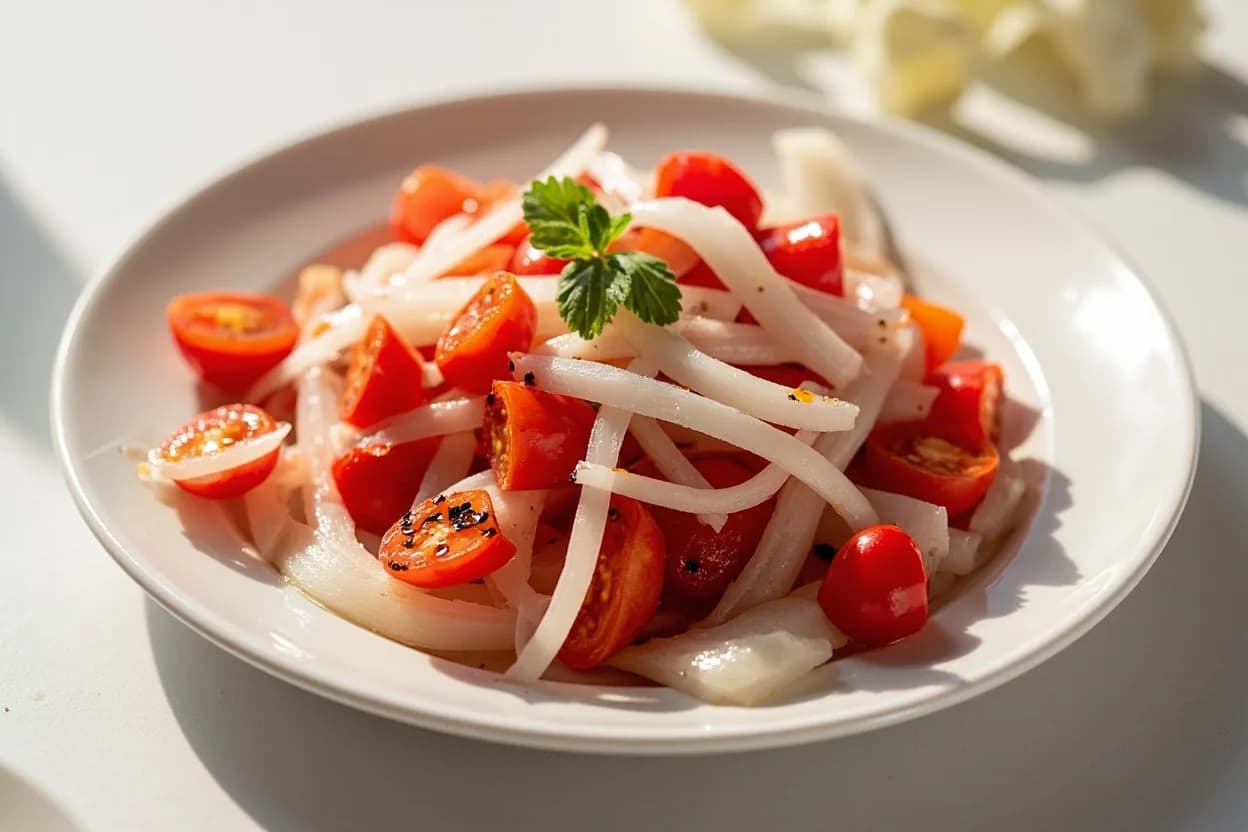
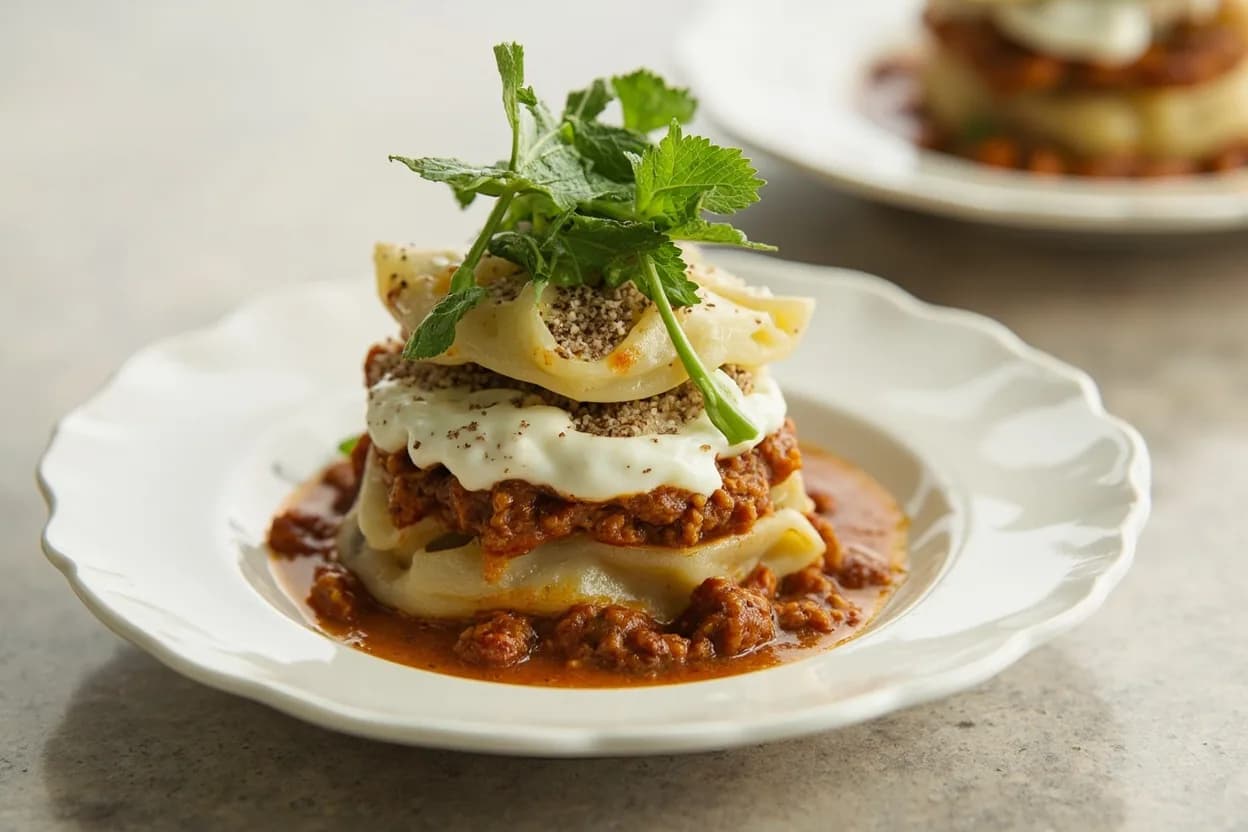
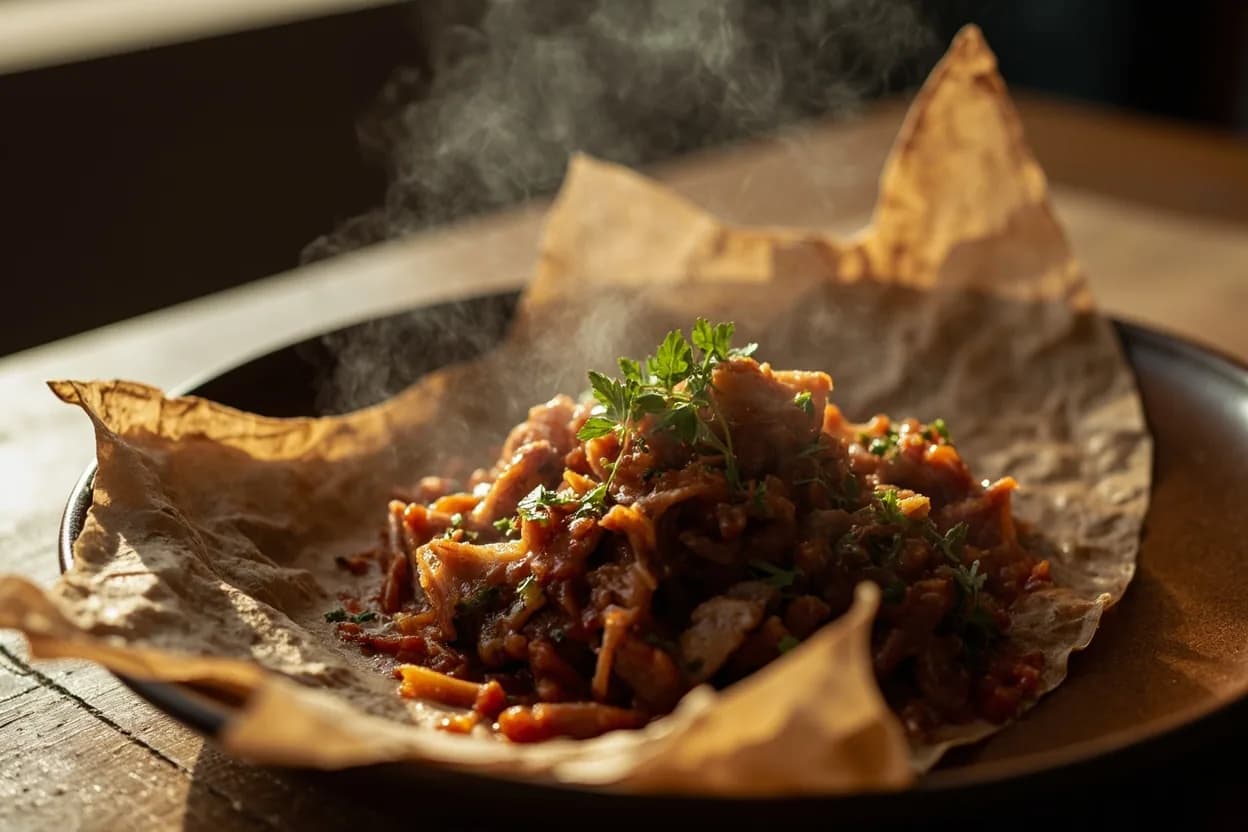



Related

Confit
Cook slowly submerged in fat for silky tenderness and keeping

Cure
Draw out moisture with salt and time to preserve and concentrate

Pickle
Steep in acidic brine for bright, tangy, crunchy preservation

Ferment
Let friendly microbes transform food into tangy, complex flavor

Marinate
Soak in a seasoned mix to flavor and tenderize before cooking

Brine
Soak in salt water so meat stays juicy and seasoned throughout

Dehydrate
Slowly dry out moisture to concentrate flavor and extend shelf life

Cold-Smoke
Perfume cured food with smoke without cooking it through