
Transform & Preserve
Confit
Cook slowly submerged in fat for silky tenderness and keeping
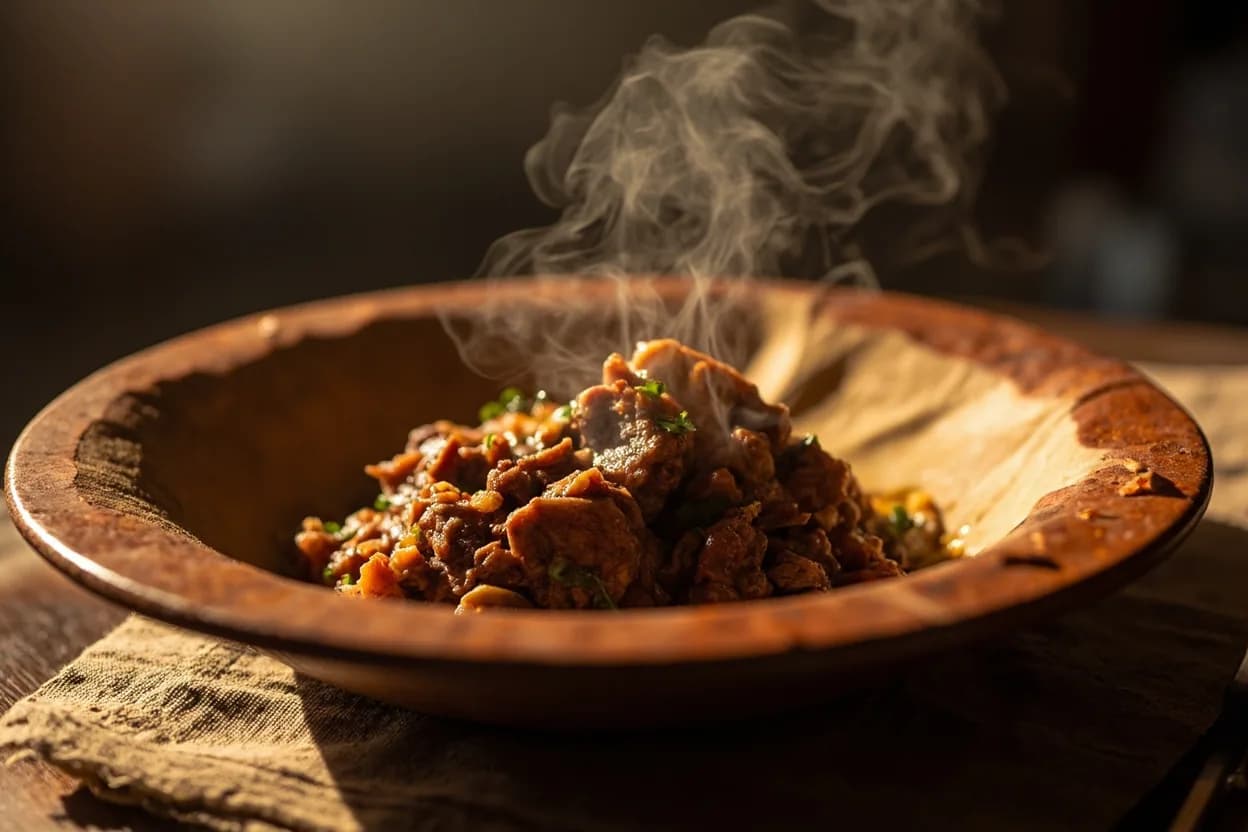
Confit cooks food gently fully submerged in fat at a low temperature, yielding luxuriously tender meat that also keeps well under its fat cap. Duck legs and garlic are classics. Hold the temperature low and steady — the fat poaches, it should never fry.
Confit is preservation by fat. Long before refrigeration, cooks in Gascony and southwest France perfected the technique (duck and goose confit), building on the older, widespread practice of preserving meat under its own rendered fat — meat cooked slowly until tender and then stored fully submerged in fat, where the fat cap seals out air and the microbes that need it. The same gentle fat-poach that preserves also transforms texture: collagen melts into gelatin, the flesh turns silky and falls from the bone, and the seasoning concentrates inward. Today we prize confit as much for that luxurious mouthfeel as for keeping, and the word has stretched to cover anything cooked low and slow in fat or oil — duck legs, garlic, tomatoes, even tuna.
- Difficulty
- Intermediate
Types & varieties
The benchmark: salt-cured legs poached in duck fat, then crisped skin-side down to serve.
Whole peeled cloves softened in olive oil until sweet and spreadable; the oil becomes a bonus.
Halved tomatoes slow-cooked in oil with herbs until jammy and intense.
Gently oil-poached at low heat for a moist, flaky alternative to canned.
How to do it
- 1
Cure the meat
Rub duck legs with salt, crushed garlic, thyme, and bay. Refrigerate 12–24 hours to draw out moisture and season deeply.
- 2
Rinse and dry
Wipe off the cure and pat thoroughly dry. Leftover surface salt makes the finished confit too salty.
- 3
Submerge in fat
Nestle the meat in a snug dish and pour over melted fat until every piece is completely covered.
- 4
Cook low and slow
Hold in a 90 °C oven (or stovetop with a thermometer) until fork-tender, 2–4 hours. The fat should barely shimmer, never bubble hard.
- 5
Cool and seal
Let it cool in the fat, then refrigerate. For storage, make sure an unbroken fat cap covers the meat with no air pockets.
- 6
Crisp to serve
Lift a portion from the fat, scrape off excess, and sear skin-side down in a hot pan until the surface crackles.
Why fat preserves
Submersion in fat is a physical barrier, not a sterilizer. It excludes oxygen, which starves the aerobic spoilage organisms that would otherwise rot the meat. The initial salt cure lowers water activity and seasons throughout, and the long low cook pasteurizes the surface. Together they buy weeks of fridge life — but the fat does not kill anaerobes, so cleanliness and cold storage still matter.
Safety
Confit lives in genuine food-safety territory, so respect it. Crucially, confit does NOT make food shelf-stable and the fat seal does not kill botulism spores — a fat-sealed jar is an oxygen-free environment ideal for Clostridium botulinum, the very anaerobe the fat cannot kill. Pregnant, infant, elderly, and immunocompromised eaters are at highest risk.
- Always salt-cure before cooking and always refrigerate finished confit at or below 4°C — do not rely on the old room-temperature larder method, which predates the understanding of botulism. Use meat confit within about 2 weeks.
- Garlic, herbs, and vegetables in oil are a classic botulism risk: keep garlic confit refrigerated, consume it within a few days, and never store it at room temperature.
- Bring stored confit fully back to a safe internal temperature before serving.
- Use clean utensils each time you breach the fat cap, and re-cover the meat completely afterward.
Common uses
Tips & pitfalls
- Strain and save the fat after cooking — it keeps in the fridge and gets richer with each use.
- Pack the meat snugly so you need less fat to cover it.
- Dry the meat well before crisping; surface moisture steams instead of browns.
- Let confit rest a few days before eating — the flavor rounds out and deepens.
- A digital probe or oven thermometer is worth more here than guesswork.
Good to know
- Temperature
- 75–95 °C (170–200 °F) — a bare quiver, never a fry
- Time
- 2–4 hours for duck legs; 30–45 min for garlic confit
- Cure first
- Salt-cure meat 12–24 hrs before cooking (~2% salt by weight)
- Keeps for
- 1–3 months refrigerated, fully fat-sealed; days if exposed
- Fat
- Duck/goose fat, lard, or neutral oil — enough to submerge completely
Also called
fat-poaching
Dishes that rely on it
Related

Cure
Draw out moisture with salt and time to preserve and concentrate

Pickle
Steep in acidic brine for bright, tangy, crunchy preservation

Ferment
Let friendly microbes transform food into tangy, complex flavor

Marinate
Soak in a seasoned mix to flavor and tenderize before cooking

Brine
Soak in salt water so meat stays juicy and seasoned throughout

Dehydrate
Slowly dry out moisture to concentrate flavor and extend shelf life

Cold-Smoke
Perfume cured food with smoke without cooking it through

Emulsify
Whisk fat and liquid into one glossy, stable suspension