Oils & Fats
Schmaltz (Rendered Chicken Fat)
Rendered chicken fat, often cooked with onion (gribenes). Rich savory cooking fat for matzo balls, chopped liver, and roasting potatoes; solid when chilled, golden when warm.
Schmaltz is the rendered fat of chickens, taken chiefly from the loose fat surrounding the kidneys and gizzard, supplemented with skin, back fat, and occasionally gizzards themselves. The name (from the Yiddish and German Schmalz) covers both the clear, golden liquid fat and the popular preparation in which onions have been slowly cooked in that fat until deeply browned, leaving a sweet, savory backbone that defines the flavor profile of Ashkenazi Jewish cooking.
Its dominance in Jewish kitchens is a direct consequence of kashrut: the prohibition against mixing meat and dairy eliminated butter as an everyday cooking fat, and schmaltz filled the role that lard played in gentile Central European cookery. The same fat appears in German, Polish, Hungarian, and Ukrainian rural cooking outside Jewish communities, where it was prized for the same reasons — a high smoke point, a tenderizing, flakemaking effect on doughs, and the deep savor it lends to fried potatoes and dumplings. Beyond flavor, schmaltz behaves like other solid animal fats: it is plastic and spreadable just out of the refrigerator, pours as a clear gold liquid when warm, and sets into an opaque, cream-colored solid when fully chilled.
In modern kitchens schmaltz is enjoying a quiet revival, both from chefs re-examining pre-war Central European cooking and from home cooks rediscovering what a spoonful does to a skillet of onions or a tray of roasting potatoes. It is sold jarred by several kosher producers, but homemade rendering remains the standard because the cook controls the two variables that matter most — the browning of the onions and the texture of the cracklings (gribenes).
- Measured in
- tbsp
- Storage
- Refrigerate In A Sealed Jar Or Freeze For Long Storage
Find it in
Types & varieties
The rendered liquid fat alone, strained clear of solids
The rendered fat with the crisp browned cracklings stirred back in or plated alongside
Onions (about 1 part onion to 4 parts fat) slowly cooked in the fat until deep golden; the fat takes on a sweet, savory backbone and the onions become gribenes
The separately reserved crisp chicken-skin and onion cracklings left after rendering; eaten as a snack or sprinkled over finished dishes
A German specialty in which rendered schmaltz is whipped with tart apple, onion, and seasonings and served cold as a spread
Rendering schmaltz at home
The quality of finished schmaltz is determined almost entirely by patience during rendering. Too much heat drives off the lighter, aromatic compounds and leaves a greasy, scorched-tasting fat; too little patience and the skin never surrenders its full yield. The standard method begins with skin and fat cut into roughly 1-inch pieces, a splash of water in the cold pot to prevent sticking before the fat liquefies, and a bare simmer — you should see only an occasional lazy bubble, never a rolling boil. Onion, sliced about 1/2-inch thick, goes in once the fat has pooled; it lowers the effective temperature, seasons the schmaltz from within, and is itself the source of the gribenes.
- Cut skin and fat into roughly 1-inch pieces; a splash of cold water in the pot prevents scorching before the fat begins to render.
- Keep the heat at the lowest possible setting — the surface should shimmer, not bubble.
- Add a generous layer of sliced onion once the fat melts; it slows the render and flavors the fat.
- Stir occasionally so nothing sticks to the bottom and the onion browns evenly.
- When the cracklings are deep gold and the onion is mahogany, strain through a fine sieve (or cheesecloth for a clear, long-keeping product) while still warm.
Storage and keeping
Schmaltz keeps far longer than most home cooks expect because animal fat is largely saturated. A thin layer of liquid schmaltz poured over stored gribenes protects them from oxygen and rancidity; dry-stored cracklings turn stale within weeks. A pinch of salt stirred into warm schmaltz extends its keeping time and seasons it for immediate use. Smell is the reliable freshness test — fresh schmaltz smells faintly of roasted chicken; off schmaltz smells sharp, paint-like, or acrid.
Common uses
Tips & pitfalls
- Render at a bare simmer — visible bubbling means the fat is too hot and will scorch; aim for an occasional lazy bubble or no bubbles at all.
- Cut skin and fat into roughly 1-inch pieces and start with a splash of water in the pot to prevent sticking before the fat releases.
- Add a 1/2-inch layer of thinly sliced onion once the fat has melted; it slows the render, flavors the schmaltz, and yields the gribenes in one step.
- Strain while still warm — chilled schmaltz is solid and will not pass through a sieve without reheating.
- Reserve gribenes in a separate jar covered with a thin layer of liquid schmaltz; never store them dry, or they turn stale within weeks.
- A pinch of salt stirred into warm schmaltz extends shelf life and seasons the fat for immediate use.
- Avoid using breast skin only — it yields little fat and produces a waxy, neutral result; combine with the loose kidney fat and back/skin trimmings for proper yield and flavor.
- Reuse schmaltz two or three times for frying potato pancakes before its flavor turns; discard sooner if it smells sharp or smoky.
Nutrition
Energy
2632 kJ · per 100 g
Where the calories come from
Protein
3.7g
7% DV
Carbs
0g
0% DV
Fat
68g
87% DV
Fiber
0g
0% DV
Sugars
0g
of which
Sodium
32mg
1% DV
Source · USDA FoodData Central · Chicken, broilers or fryers, separable fat, raw
View on FDC →In the shops
Matched grocery products
No matched grocery products for Schmaltz (Rendered Chicken Fat) yet.
Good to know
- Also known as
- Schmalz (German/Yiddish); schmaltz mit gribenes when the crisp cracklings are folded in or served alongside
- Source
- Rendered fat from chickens — primarily the loose fat around the kidneys and gizzard, plus skin and back fat; gizzards are sometimes added for depth
- Smoke point
- Approximately 375°F / 190°C unrefined; clarified schmaltz can reach 400°F / 205°C
- Texture
- Soft and spreadable just above refrigeration temperature, clear liquid when warm, firm and opaque cream-white when fully chilled
- Yield
- Roughly 1 to 1.5 cups (240–360 ml) of liquid schmaltz per pound (450 g) of raw chicken skin and fat
- Render time
- 2 to 3 hours on the stovetop at very low heat, or 4 to 6 hours in a 250°F / 120°C oven
- Storage
- Sealed jar in the refrigerator for 3 to 4 months; frozen for 6 to 12 months
- Dietary status
- Kosher and widely used as the non-dairy fat in Ashkenazi kosher cooking (chicken is meat, but schmaltz carries no dairy restriction)
Substitutes
- Duck fat — The closest substitute; rich and savory with a similar texture and a slightly higher smoke point — use in equal measure for latkes and roast potatoes
- Goose fat — Equally traditional in Central European cooking; richer and more assertive than chicken schmaltz, so use slightly less
- Lard (rendered pork fat) — Similar solid-at-room-temperature texture and high smoke point, but a distinctly porky flavor; not acceptable in kosher contexts
- Clarified butter / ghee — Useful as a 1:1 substitute for flavor and high-heat cooking, though not kosher-meat-compatible
Pairs with
Also called
rendered chicken fat · chicken fat · gribenes fat
Appears in these dishes
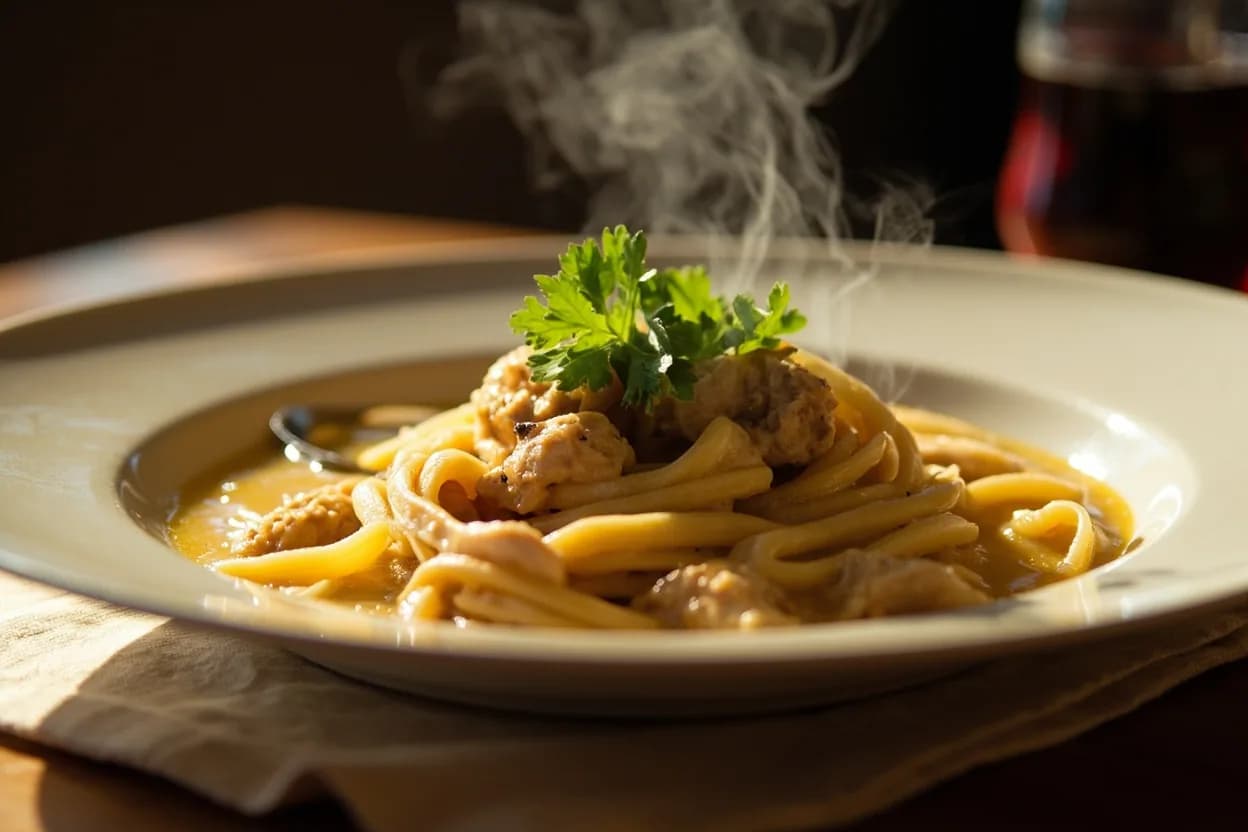
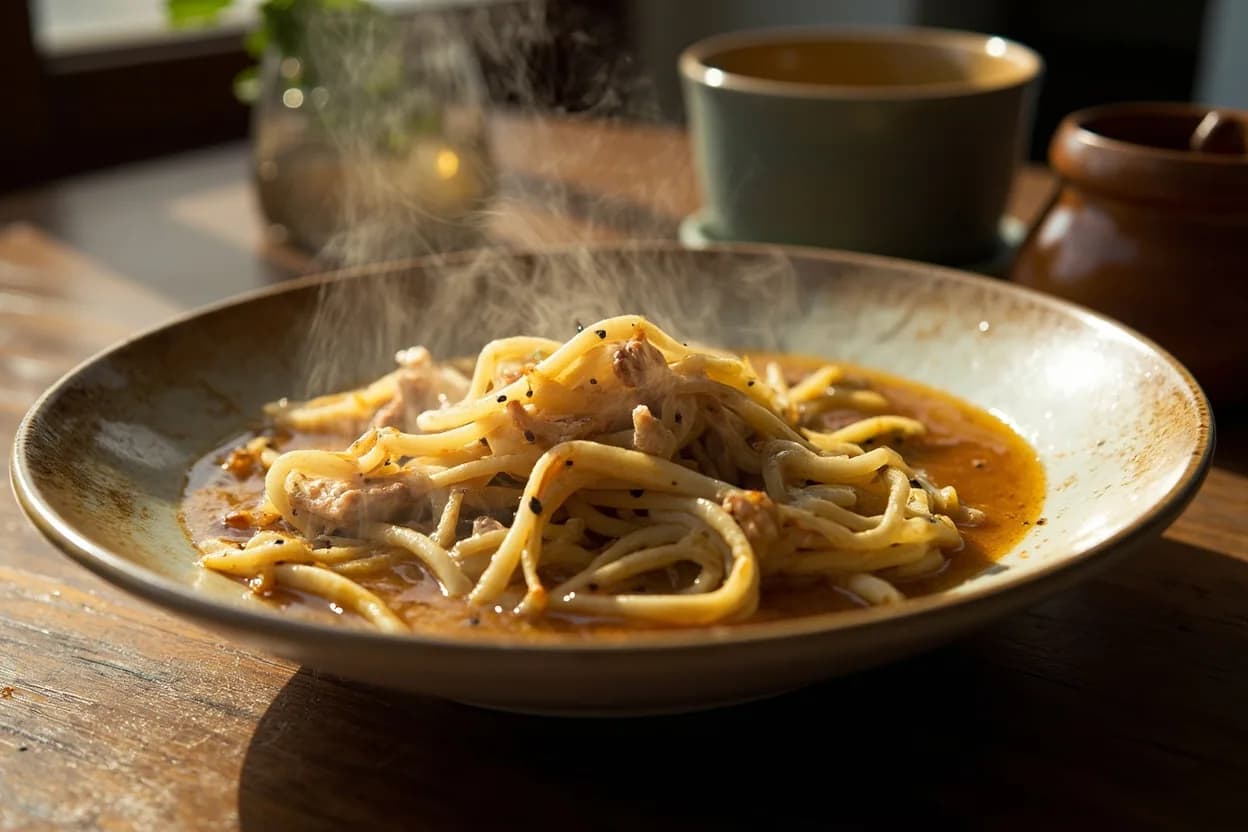
Related
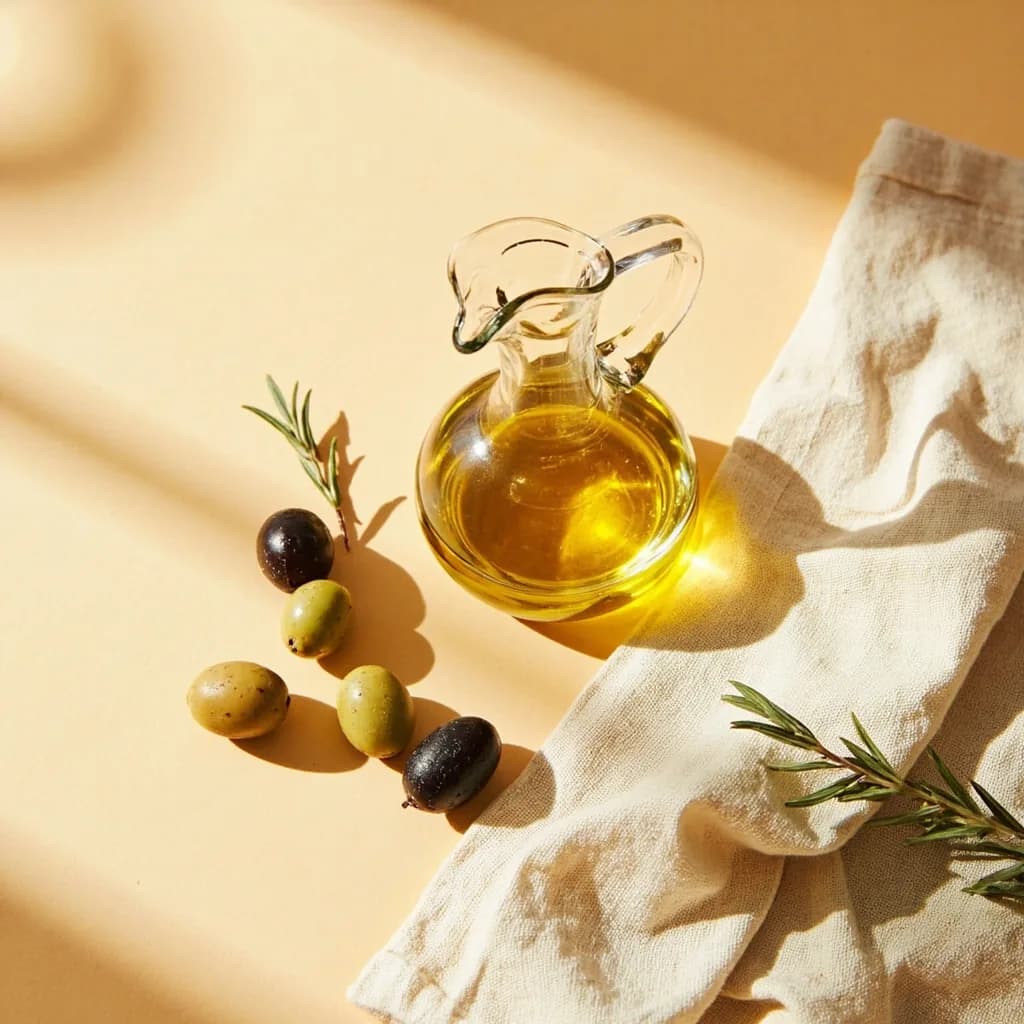
Olive Oil
Fruity, peppery everyday oil for sautéing, dressing, and finishing
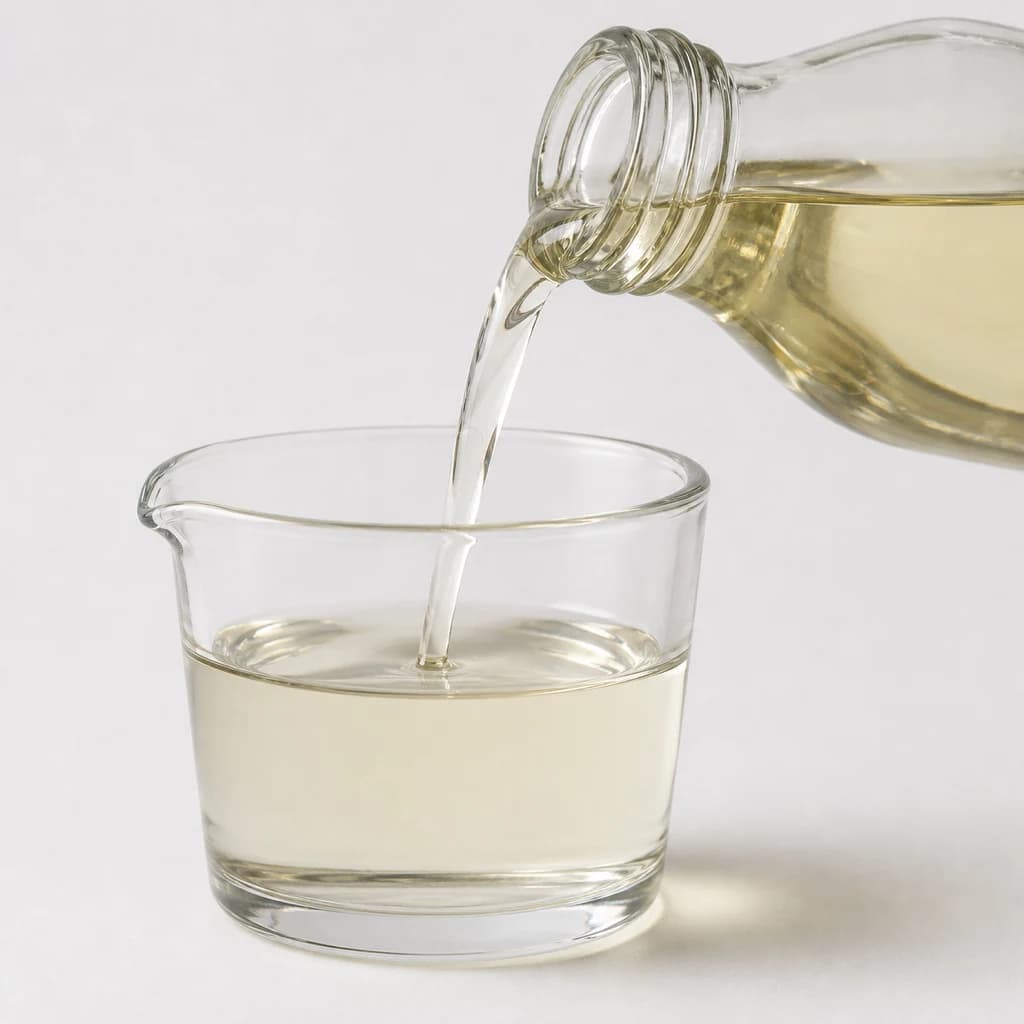
Vegetable Oil
Neutral, high-heat oil for frying and all-purpose cooking
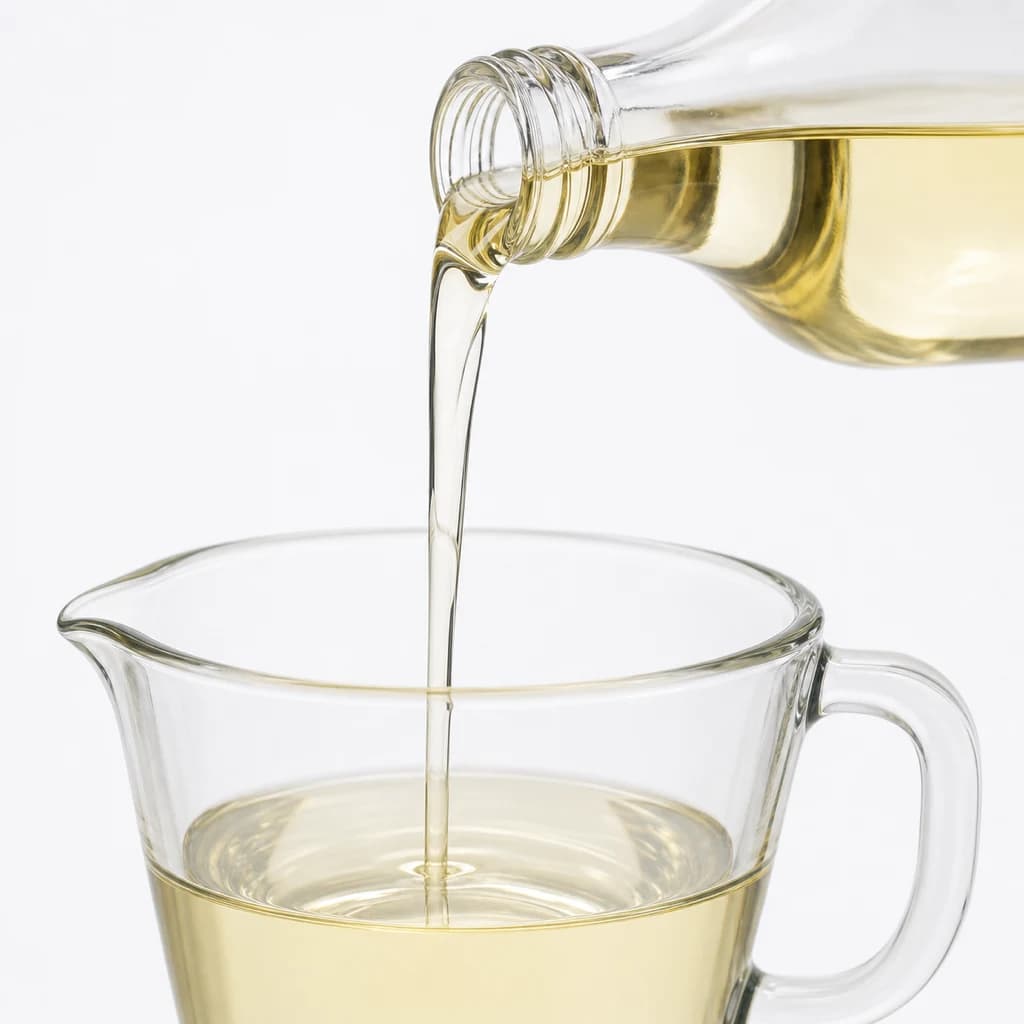
Canola Oil
Light, neutral oil for frying, baking, and dressings

Sunflower Oil
Clean, neutral oil for frying and everyday cooking
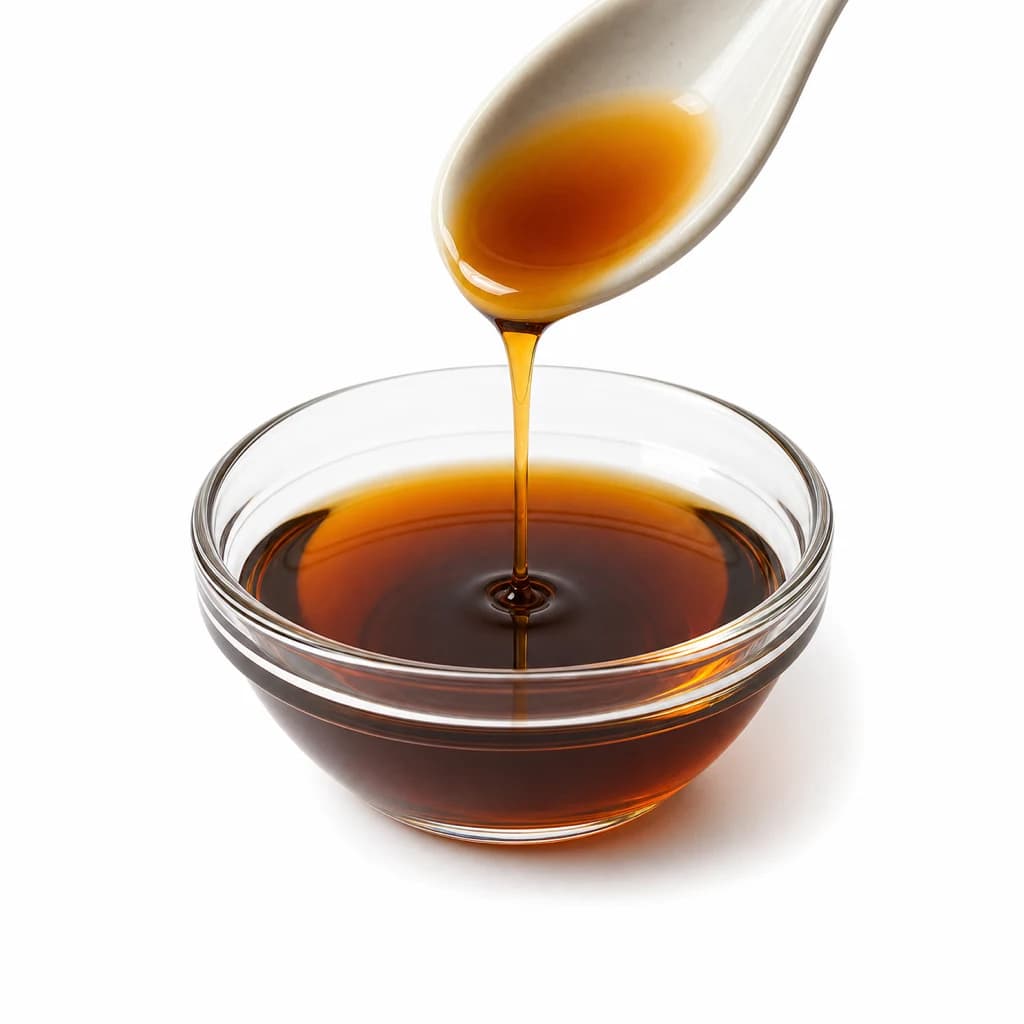
Sesame Oil
Toasty, aromatic oil — a finishing splash for Asian dishes
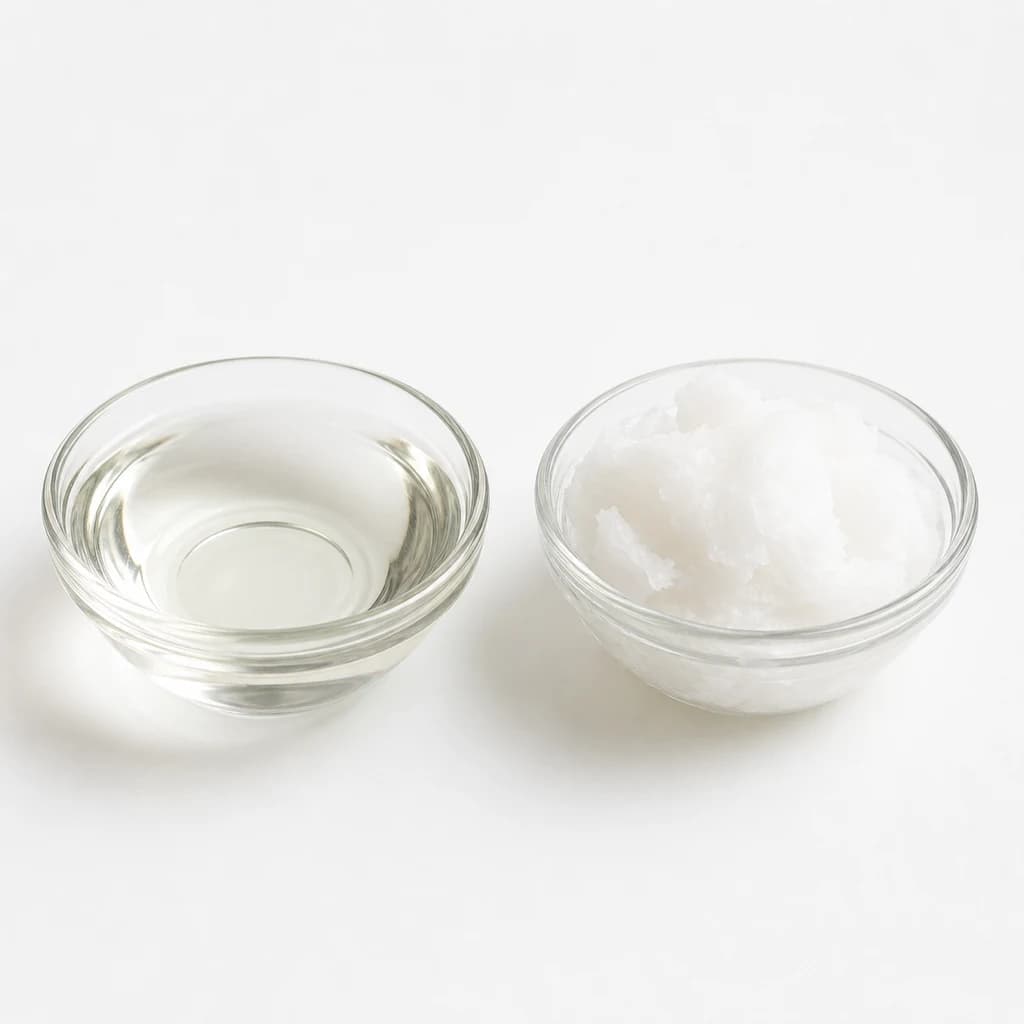
Coconut Oil
Fragrant, solid-at-room-temp fat for baking and frying
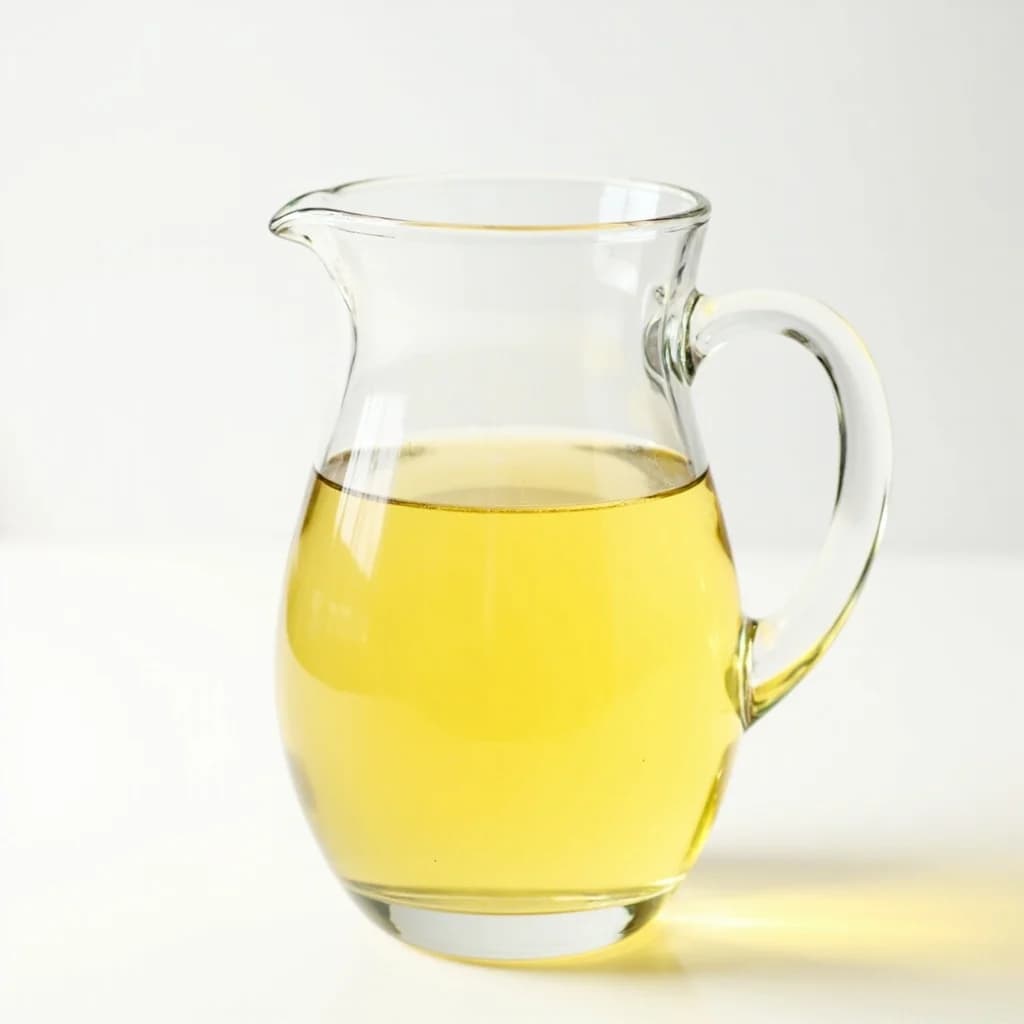
Peanut Oil
High-heat oil with a faint nutty note — ideal for frying

Lamb Tail Fat
Rich rendered fat from fat-tailed sheep — used as a cooking fat and flavor base in Central Asian and Middle Eastern dishes.