Oils & Fats
Duck Fat
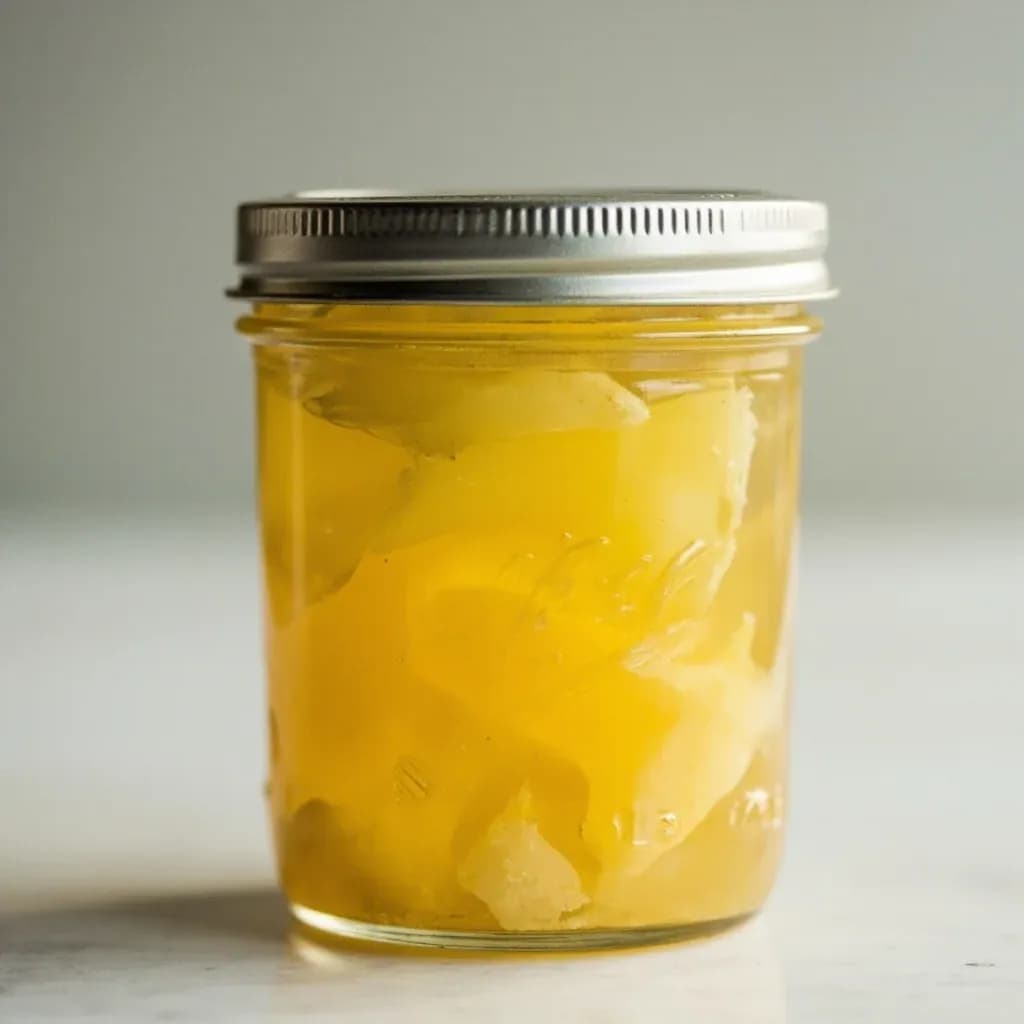
Rendered duck fat used for ultra-crisp roast potatoes, confit, and frying.
Duck fat is the rich rendered fat from duck, a cornerstone of French cooking. It is used to confit meats, fry potatoes to exceptional crispness, and add savory depth to roasts and sautés. With a relatively high smoke point and silky mouthfeel, it imparts a distinctive savory richness.
Duck fat is rendered from the skin, fat trim, and carcasses of ducks, most prized from Moulard ducks raised in Southwest France, particularly in Gascony and Périgord where the confit industry dominates. The rendering process extracts pure fat from connective tissue and skin through slow, controlled heat — producing a cooking medium that is almost entirely flavorless on its own yet acts as a powerful savory amplifier, carrying and deepening the natural flavors of whatever it touches. At room temperature duck fat is solid and waxy, melting smoothly to a clear pale-gold liquid when heated. Its high smoke point of 375–400°F (190–204°C) makes it remarkably versatile: it performs equally well for long, gentle submersion cooking like confit and for high-heat roasting and frying, where its distinctive meaty, slightly gamey character adds a depth that no neutral oil can match. Commercially rendered duck fat from producers such as D'Artagnan is now widely available in grocery stores and specialty food shops, making home rendering optional though entirely straightforward for those who break down whole ducks.
- Measured in
- g
- Storage
- Fridge
Types & varieties
Pure fat rendered from duck skin, trim, and carcasses; the standard all-purpose cooking medium
Duck legs cooked submerged in their own rendered fat; the fat takes on savory, herbed notes and can be reused for subsequent confits
Commercial or homemade versions infused with thyme, bay, or black pepper; aromatics are added in the last 10–15 minutes of rendering to impart flavor without bitterness
Rendering Duck Fat at Home
Rendering duck fat is a straightforward process that rewards patience. The fat renders best from skin and fat trim collected during butchery, though whole carcasses can be used — they yield less fat per pound but work fine. A heavy pot or Dutch oven retains heat evenly, preventing the hot spots that cause scorching. Strain the finished fat through a fine-mesh strainer or layered cheesecloth while still warm to remove all solids, which would otherwise accelerate rancidity during storage. For long-term keeping, clarify the strained fat by gently heating it once more and letting any residual moisture settle before decanting.
- Collect skin, fat trim, and carcasses in a zip-top bag and freeze until you have 2–3 lbs — enough to render a meaningful quantity at once
- Add 1–2 tbsp water to the pot when starting; it helps draw out moisture and prevents the skin from frying rather than rendering
- Render over low to medium-low heat, stirring occasionally, for 30–45 minutes until skin pieces turn golden brown and sizzling stops entirely
- Strain immediately through fine-mesh strainer or cheesecloth into a heatproof container
- Store in small airtight containers; freeze portions in ice cube trays for convenient single-use quantities
Storage and Shelf Life
Proper storage dramatically extends the life of duck fat. Refrigerated in an airtight container, it keeps up to 6 months; frozen, up to 1 year. For pantry storage, keep it in a cool, dark place and use within about 1 month. Discard any fat with a strong, rancid, or sour smell — oxidation compromises both flavor and safety. Never reuse fat that has cooked raw poultry unless it reached safe temperatures; strain and refrigerate promptly after each use.
Common uses
Tips & pitfalls
- Render slowly over low to medium-low heat — rushing with high heat causes moisture to remain in the fat and produces a darker, less clean-flavored product
- Strain rendered fat through a fine-mesh strainer or layered cheesecloth while still warm to remove all solids and extend shelf life
- Store duck fat in small containers — freeze portions in ice cube trays for convenient single-use quantities
- A small amount of water (1–2 tbsp) added to the pot when rendering helps draw out moisture and prevents the skin from frying rather than rendering
- The fat is ready when skin pieces turn golden brown and sizzling stops — silence means moisture has fully evaporated
- Never reuse duck fat that has been used to cook raw poultry if it was not fully heated to safe temperatures; strain and refrigerate promptly after each use
- If fat has a strong, rancid, or sour smell, discard it — oxidation compromises both flavor and safety
- For confit, the fat must cover the meat completely by at least 1 inch; any exposed parts will spoil
- Add aromatics like thyme or bay leaves only in the last 10–15 minutes of rendering for infusion without bitterness
Nutrition
Energy
3766 kJ · per 100 g
Where the calories come from
Protein
0g
0% DV
Carbs
0g
0% DV
Fat
99.8g
128% DV
Fiber
0g
0% DV
Sugars
0g
of which
Sodium
0mg
0% DV
Source · USDA FoodData Central · approx. Fat, chicken
View on FDC →In the shops
Matched grocery products
 €1.90
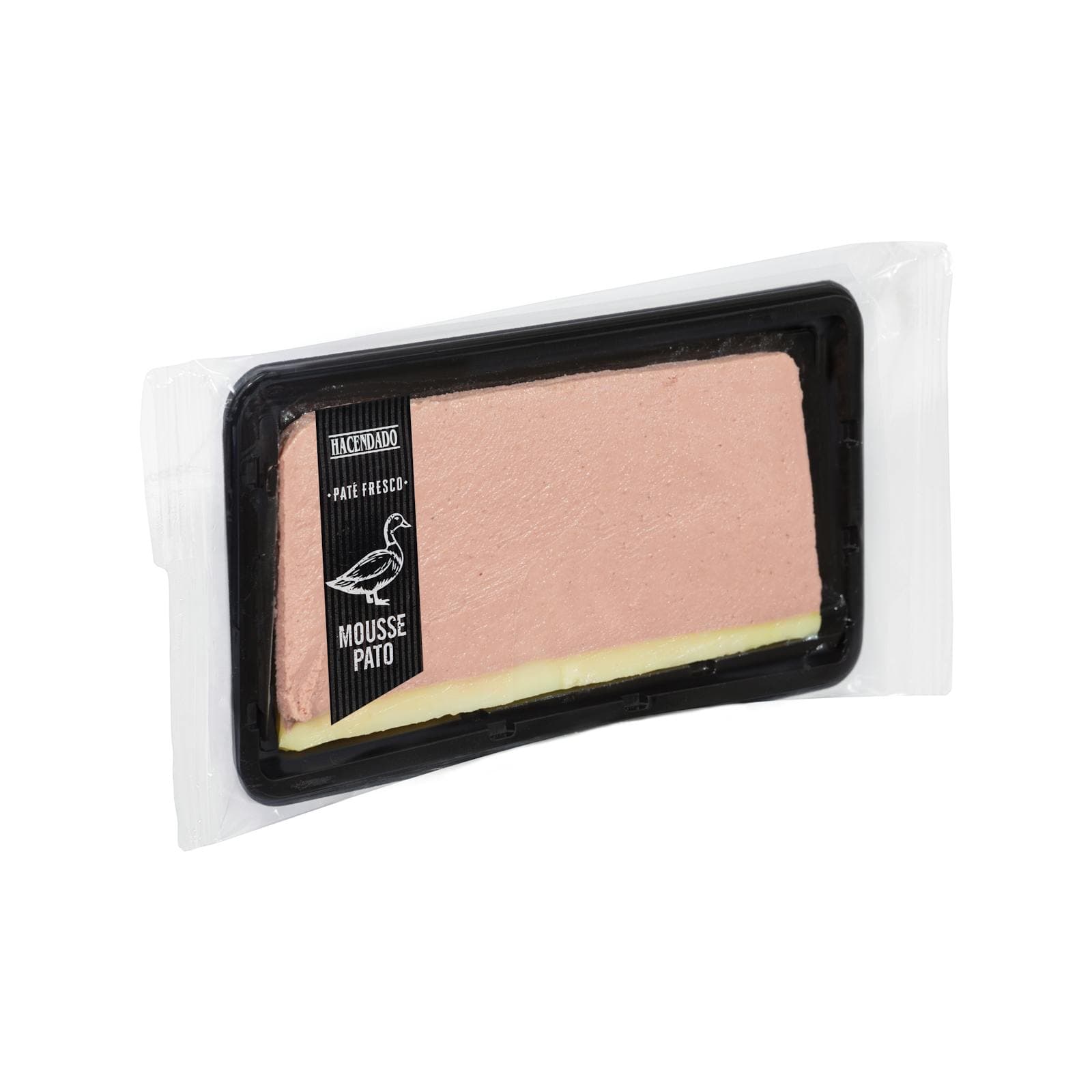
€1.90Duck Mousse
Hacendado · 100 g · Mercadona
 €8.85
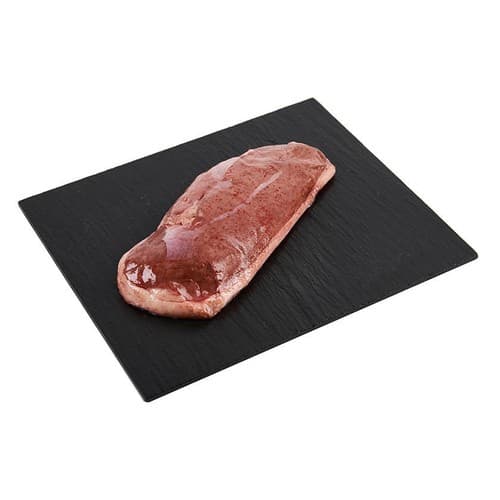
€8.85Duck Breast
BONPREU · kg · Bonpreu
 €9.12
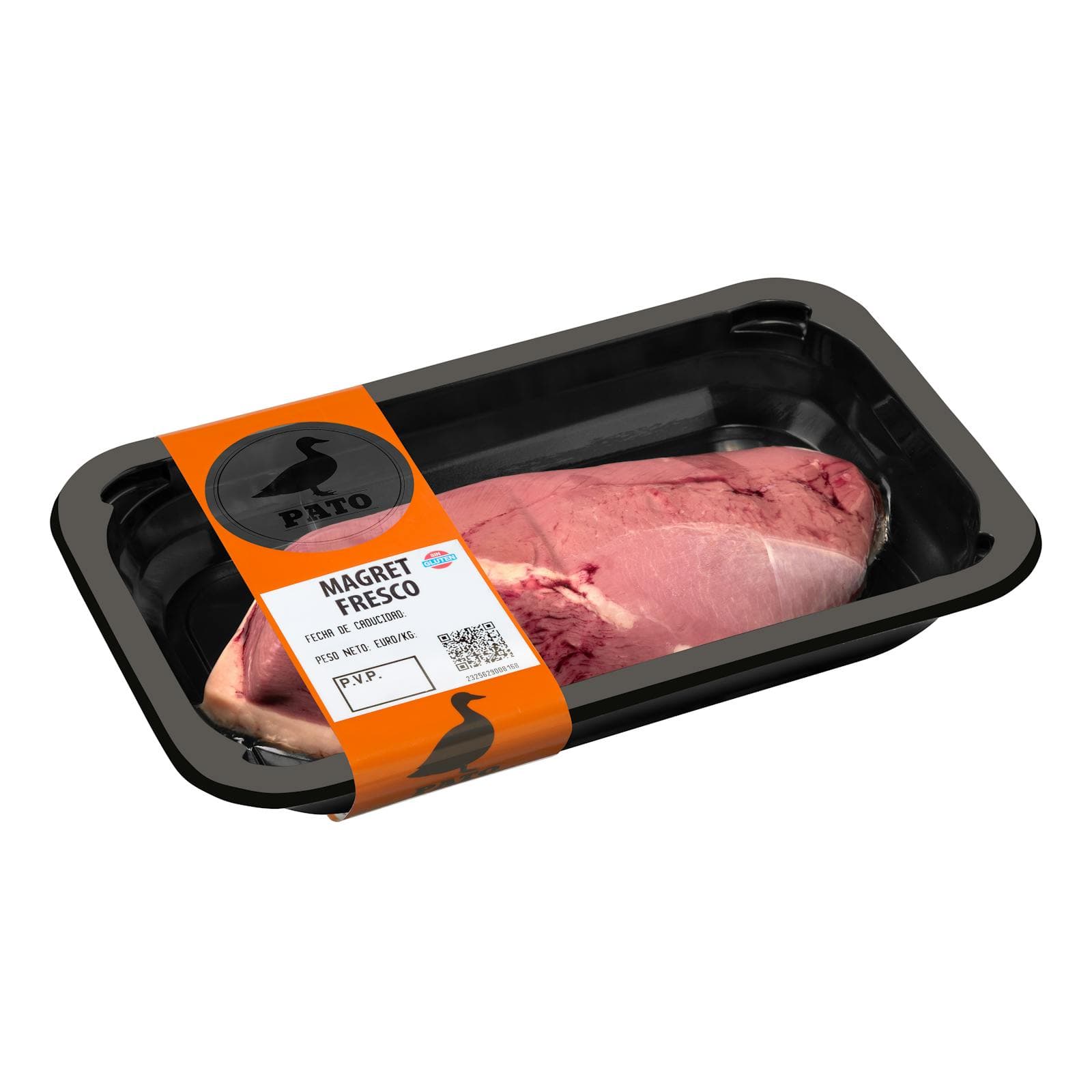
€9.12Duck Magret
380 g · Mercadona
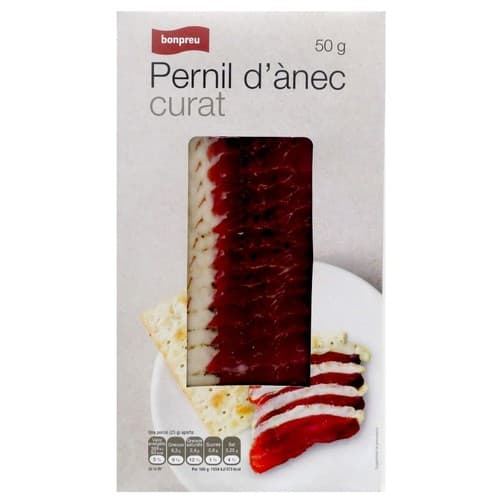 €3.99
€3.99Cured Duck Ham
BONPREU · kg · Bonpreu
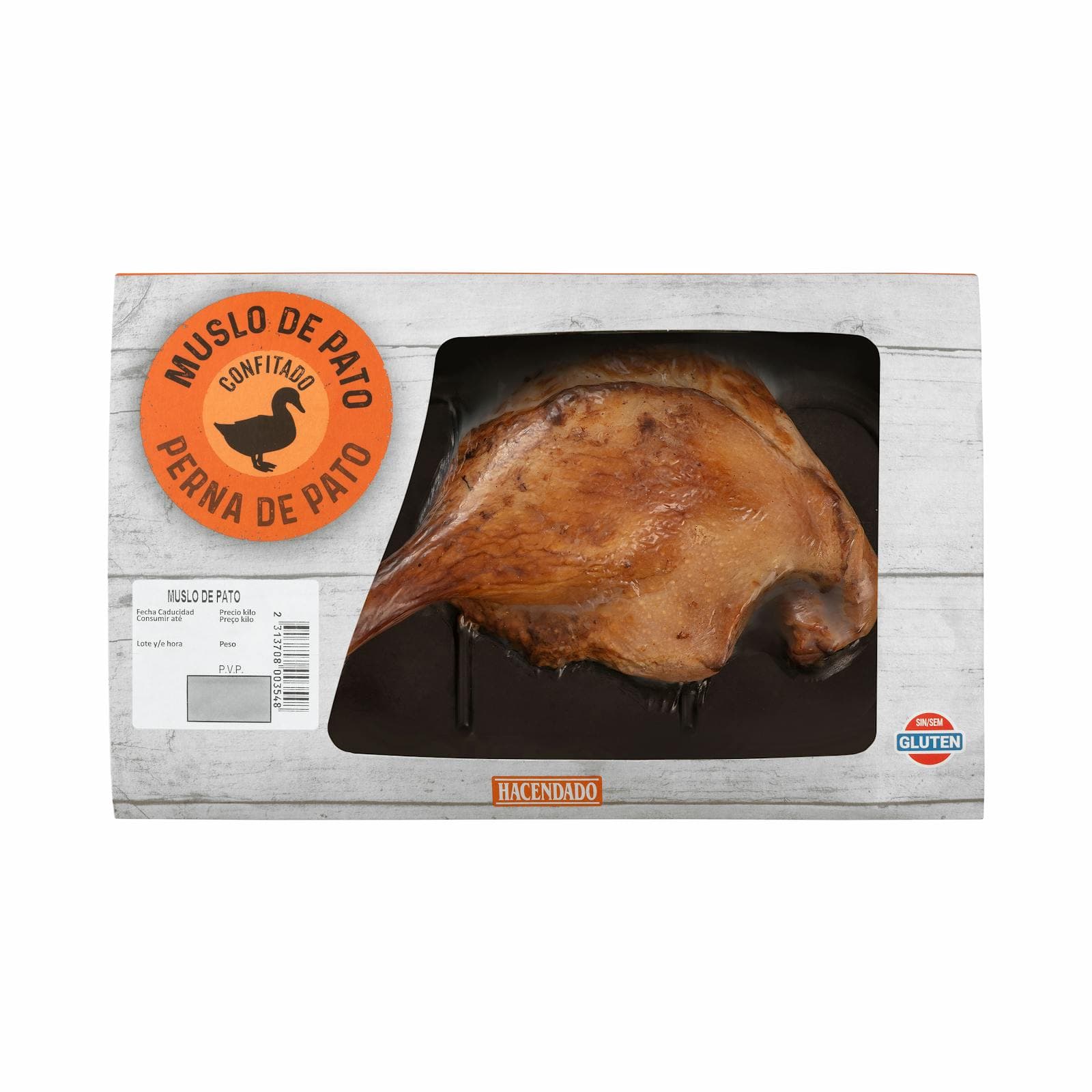 €6.30
€6.30Confit Duck Thigh
Hacendado · 300 g · Mercadona
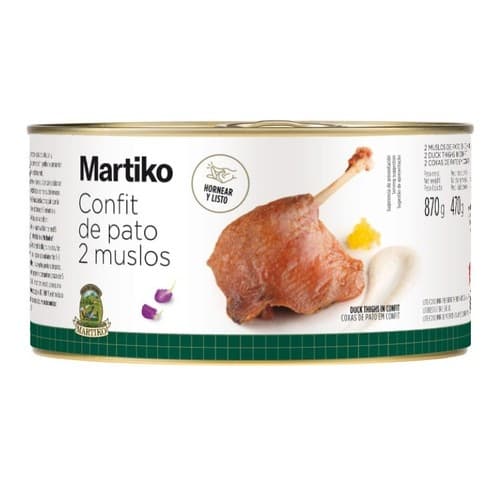 €17.99
MARTIKO Duck Legs
MARTIKO · kg · Bonpreu
Good to know
- Smoke point
- 375–400°F (190–204°C)
- Flavor profile
- Rich, savory, slightly gamey; distinctive duck essence, more nuanced than other cooking fats
- Texture at room temperature
- Solid, waxy; melts smoothly to a clear golden liquid when heated
- Primary origin
- Essential to French cuisine; strongly associated with Gascony and Périgord (Southwest France)
- Yield
- Approximately 2–3 oz rendered fat per pound of duck parts (skin and fat trim)
- Shelf life (refrigerated)
- Up to 6 months in an airtight container
- Shelf life (frozen)
- Up to 1 year
- Shelf life (pantry)
- About 1 month in a cool, dark place; longer if refrigerated after opening
- Equipment for rendering
- Heavy pot or Dutch oven, fine-mesh strainer or cheesecloth, heatproof container
- Rendering time
- 30–45 minutes from raw parts; longer for larger quantities
- Color when properly rendered
- Clear, pale gold; milky indicates moisture, dark indicates scorching
Substitutes
- Goose fat — The closest substitute; nearly identical smoke point and flavor profile, though slightly richer
- Lard (rendered pork fat) — Neutral-flavored alternative for frying and roasting; lacks the distinctive savory depth of duck fat
- Chicken fat (schmaltz) — Milder substitute; useful in similar applications but noticeably less flavorful
- Beef tallow — Acceptable for high-heat frying; adds savory richness but a distinctly different, meatier flavor
Pairs with
Also called
Rendered Duck Fat
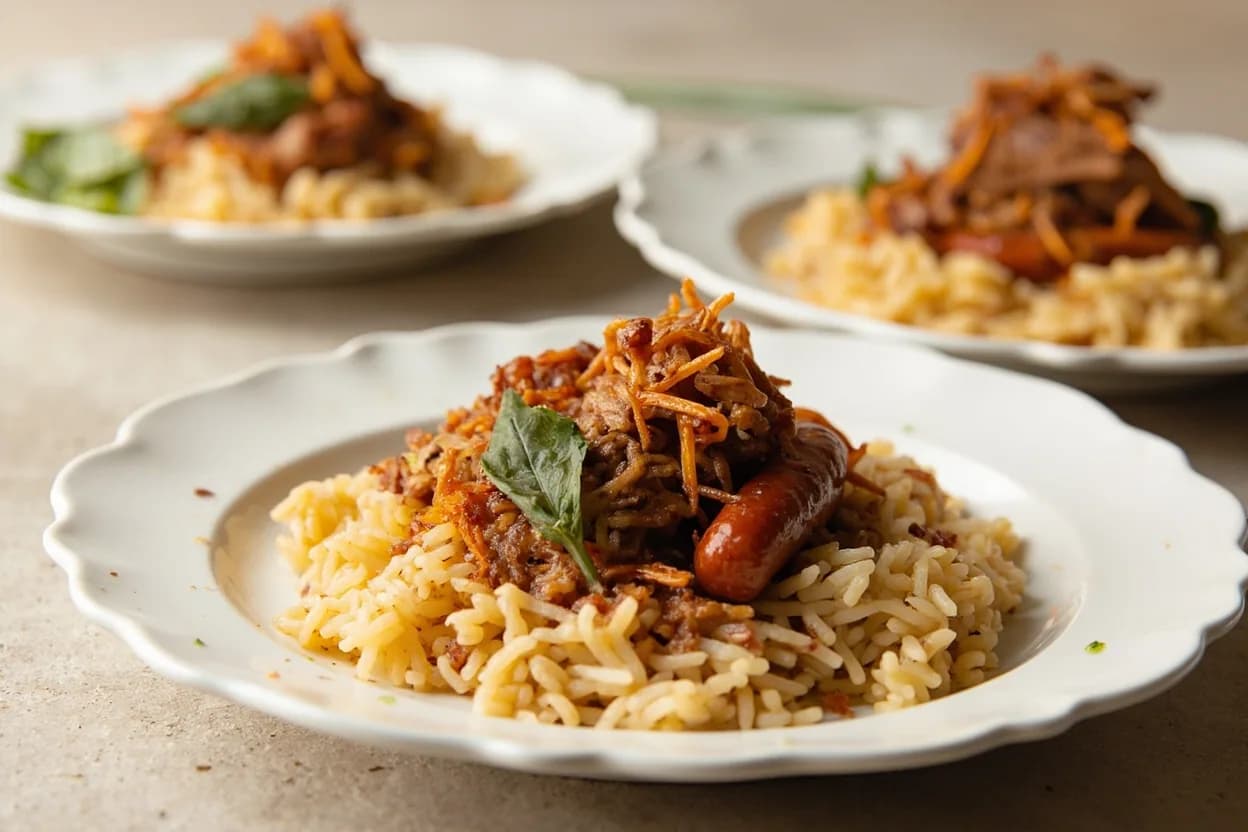
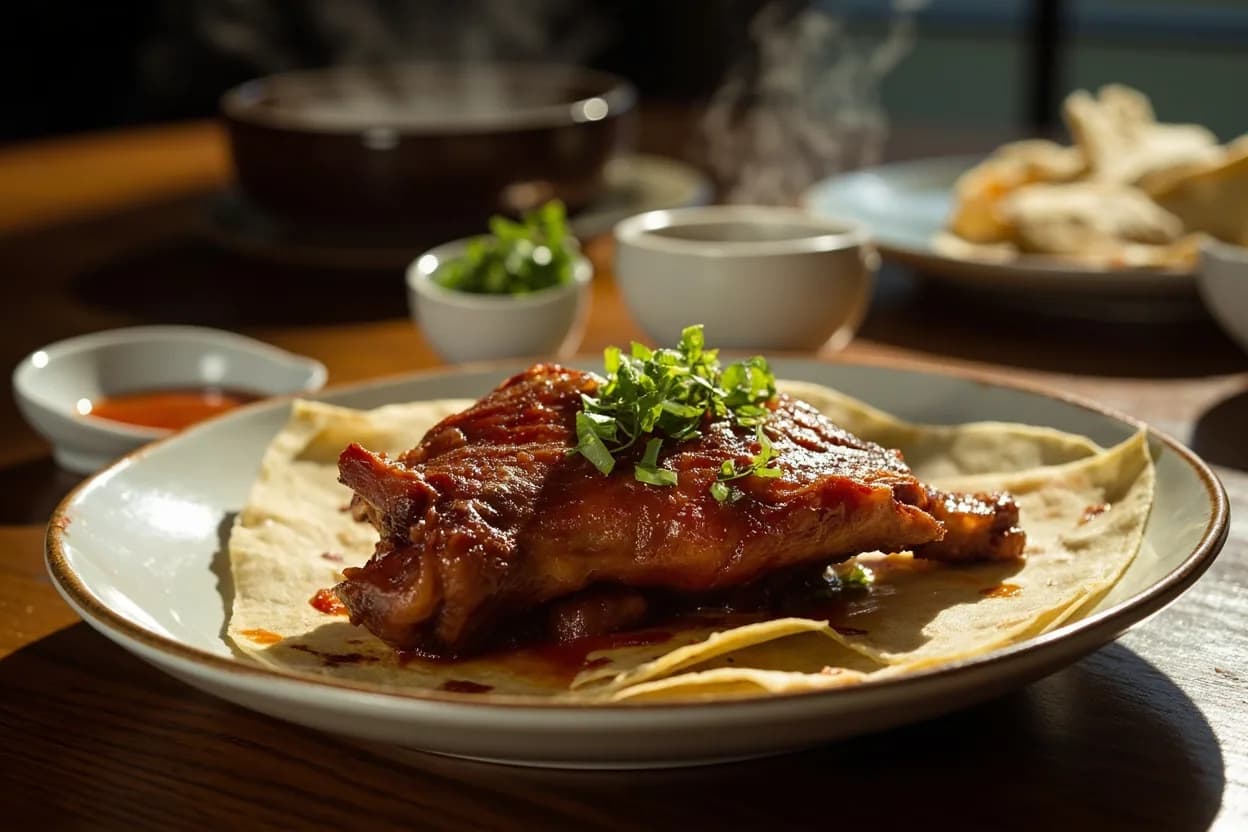
Appears in these dishes
Related
Olive Oil
Fruity, peppery everyday oil for sautéing, dressing, and finishing
Vegetable Oil
Neutral, high-heat oil for frying and all-purpose cooking
Canola Oil
Light, neutral oil for frying, baking, and dressings

Sunflower Oil
Clean, neutral oil for frying and everyday cooking
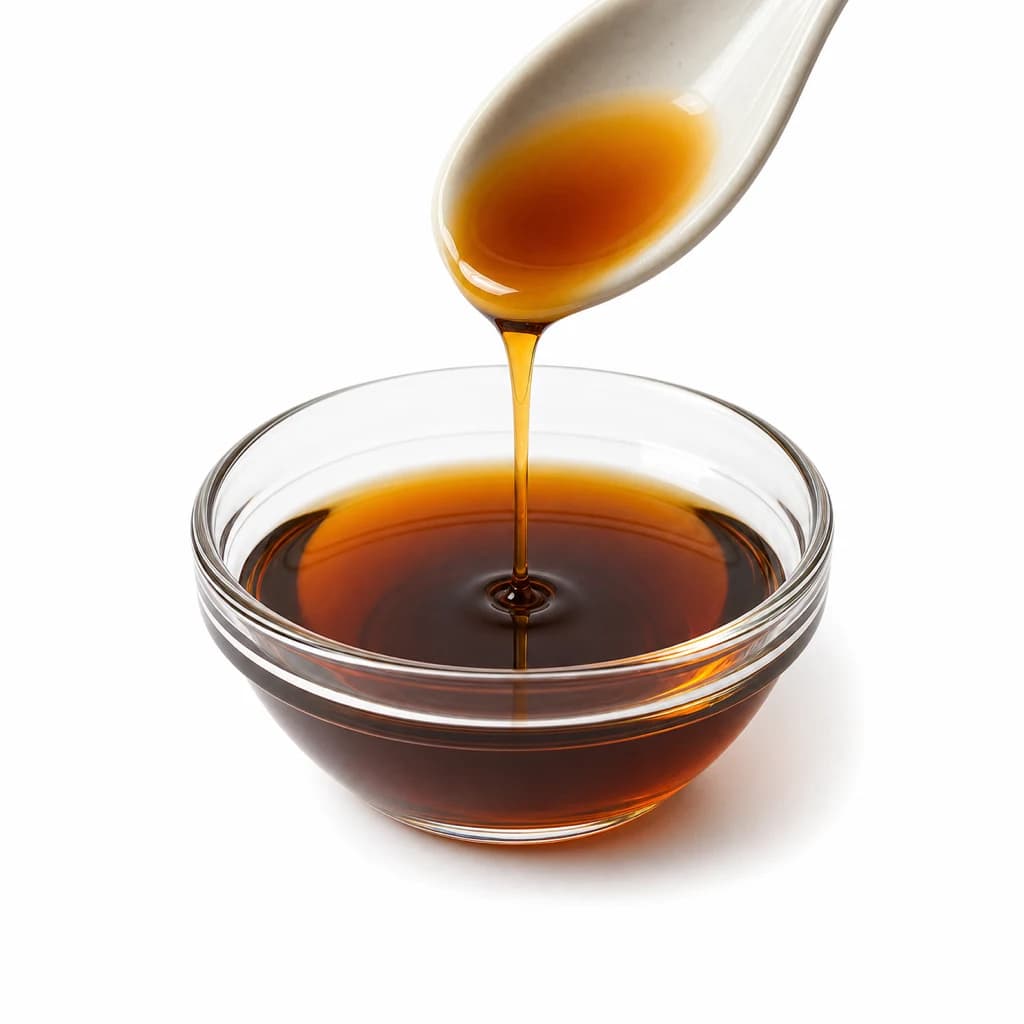
Sesame Oil
Toasty, aromatic oil — a finishing splash for Asian dishes
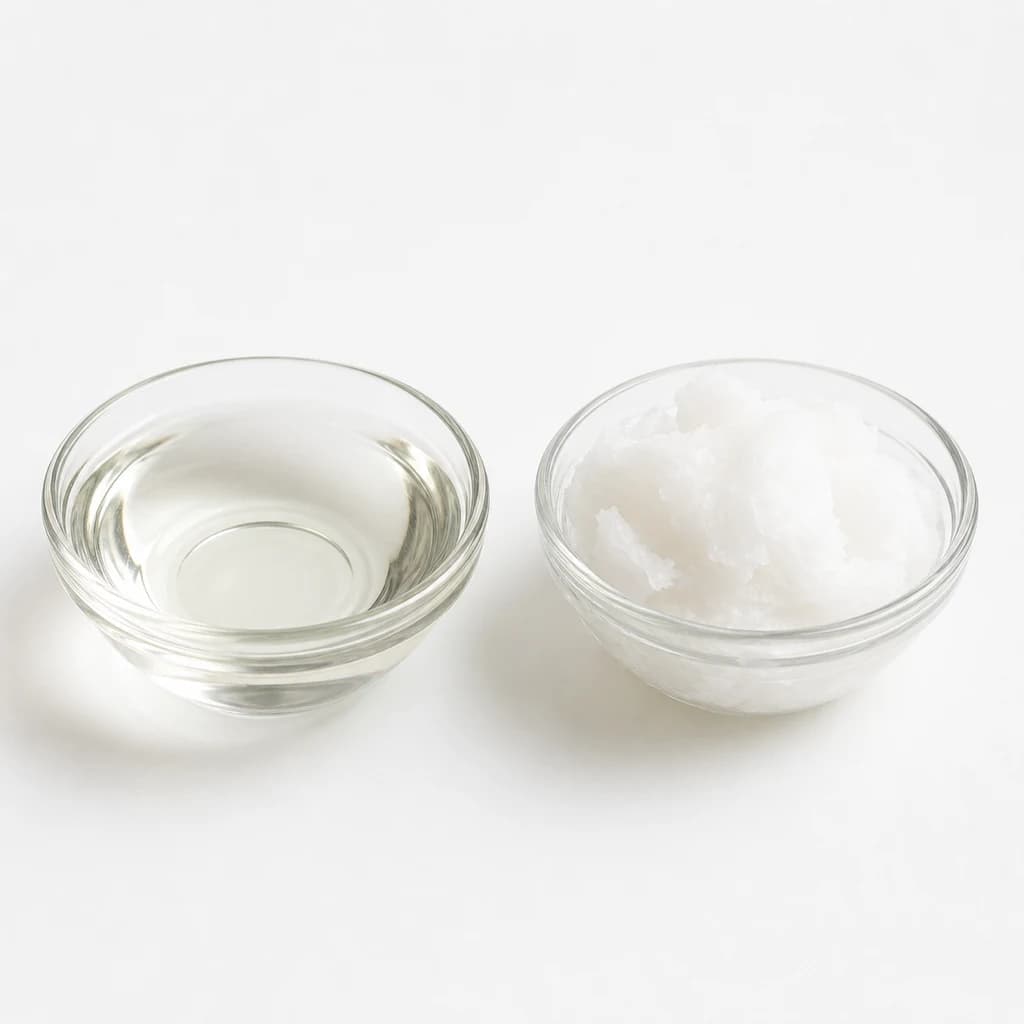
Coconut Oil
Fragrant, solid-at-room-temp fat for baking and frying
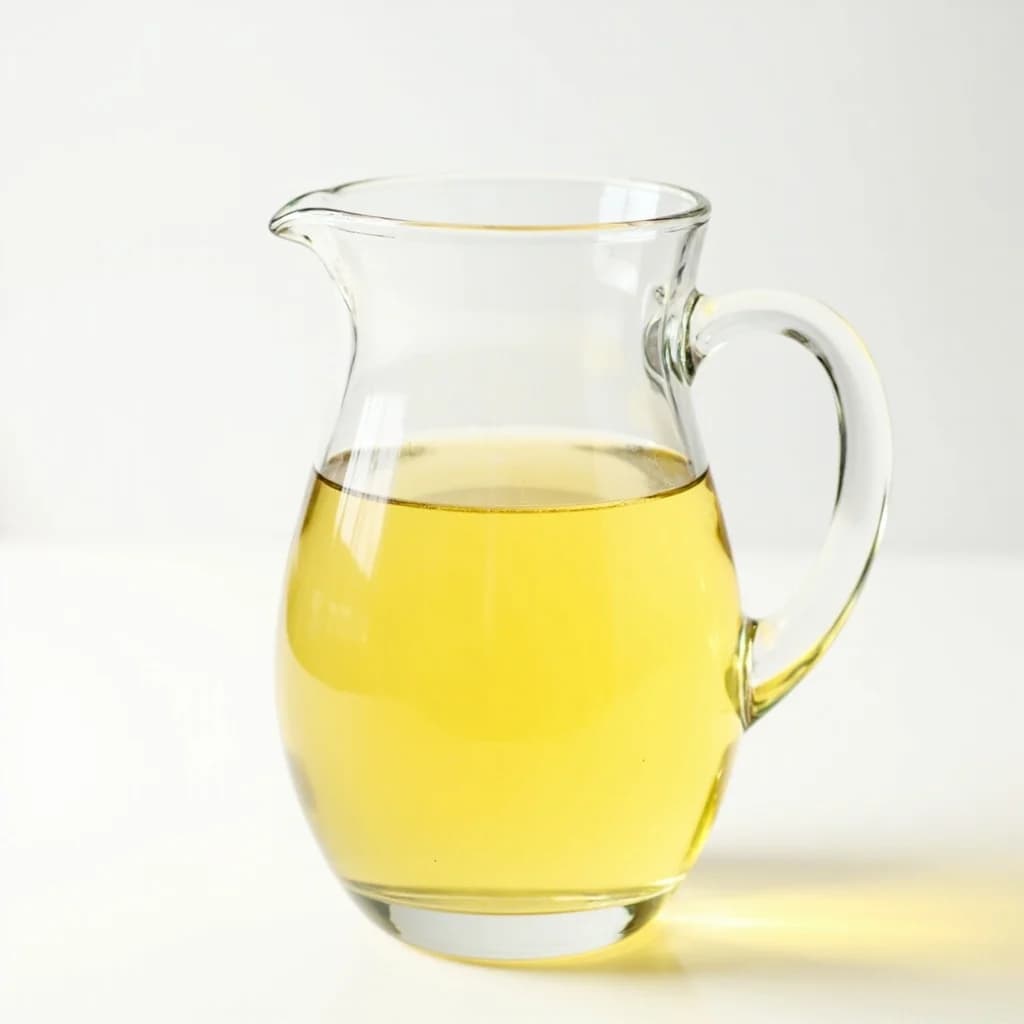
Peanut Oil
High-heat oil with a faint nutty note — ideal for frying

Lamb Tail Fat
Rich rendered fat from fat-tailed sheep — used as a cooking fat and flavor base in Central Asian and Middle Eastern dishes.