Source
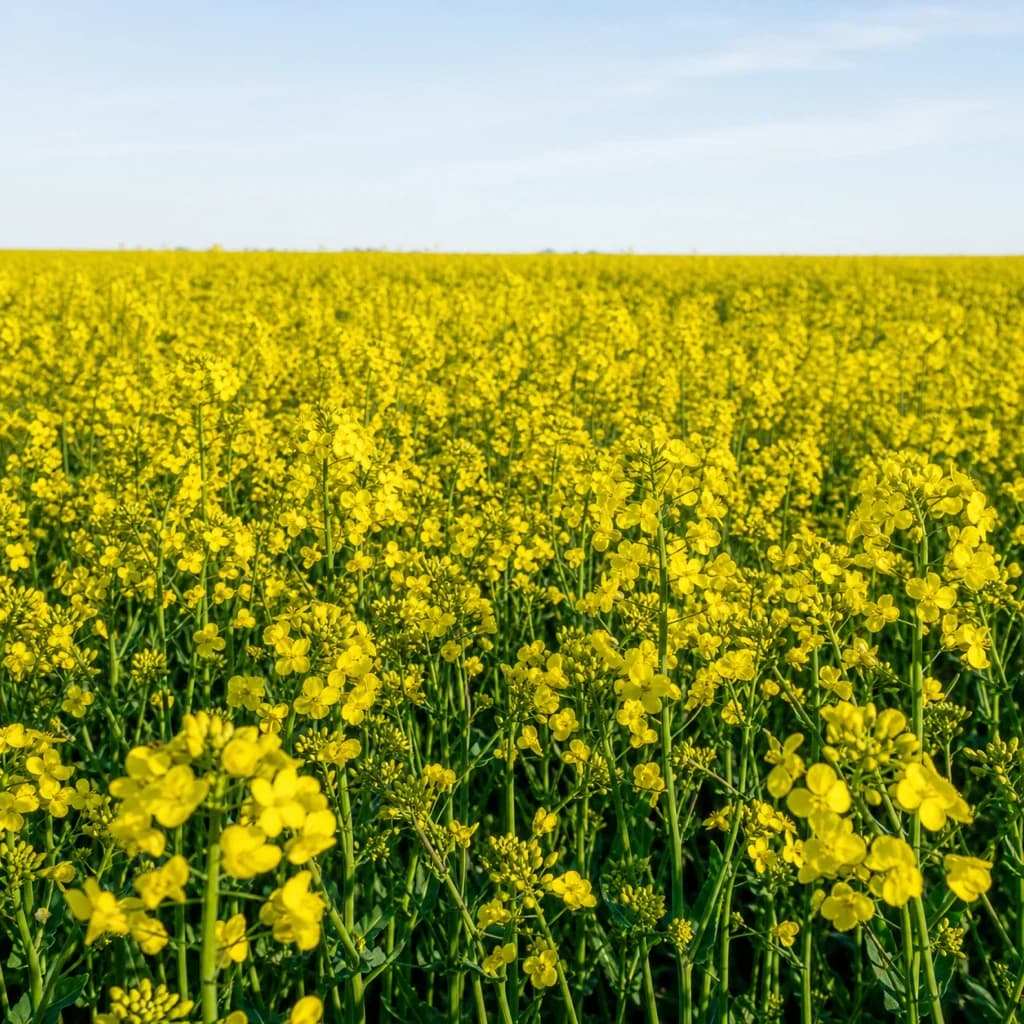
Brassica napus canola crop in full bloom — the agricultural source of canola oil.
Shows readers where canola oil originates — the distinctive yellow flowering Brassica napus plant — establishing the crop identity before processing.
Oils & Fats
Canola Oil
Light, neutral oil for frying, baking, and dressings
Mild and low in saturated fat, canola oil handles high heat and disappears into baked goods and dressings. A solid all-rounder; store it away from light and heat.
Canola oil is pressed from rapeseed bred to be low in erucic acid, giving a light, neutral oil that has become a kitchen staple. It is among the lower-saturated-fat cooking oils, high in monounsaturated fat and a source of omega-3s, with a clean taste and a high smoke point. That combination makes it a go-to for frying, baking, and everyday cooking where you want a neutral fat.
- Measured in
- ml
- Storage
- Dark Cool
Find it in
Types & varieties
The standard high-smoke-point bottle for cooking.
Faint nutty, grassy note; better for dressings than frying.
Extra-stable, used for commercial frying and longer shelf life.
How to choose
For everyday cooking, refined canola is fine. If you want flavor in a finishing oil, look for cold-pressed or expeller-pressed virgin canola, which keeps a gentle nuttiness.
How to store
Its omega-3 content makes canola a touch more prone to rancidity than soy oil. Keep it capped, cool, and dark, and don't buy bigger bottles than you'll finish in a year.
Common uses
Tips & pitfalls
- A great neutral choice for cakes — it keeps crumb moist without adding flavor.
- Interchangeable with vegetable oil 1:1 in nearly any recipe.
- Its high smoke point makes it reliable for searing and stir-frying.
- Buy a size you'll use within a year to stay ahead of rancidity.
Nutrition
Energy
3699 kJ · per 100 g
Where the calories come from
Protein
0g
0% DV
Carbs
0g
0% DV
Fat
100g
128% DV
Fiber
0g
0% DV
Sugars
0g
of which
Sodium
0mg
0% DV
Source · USDA FoodData Central · Oil, soybean, salad or cooking
View on FDC →In the shops
Matched grocery products
No matched grocery products for Canola Oil yet.
Good to know
- Flavor
- Neutral, very mild
- Smoke point
- ~400–450°F (204–232°C), refined
- Saturated fat
- Among the lowest of common oils (~7%)
- Best for
- Frying, baking, dressings, all-purpose
- How to store
- Cool, dark, sealed
- Shelf life
- ~1 year; the omega-3s make it slightly perishable
Substitutes
- Vegetable oil — Direct 1:1 swap, equally neutral.
- Sunflower oil — Neutral and high-heat; swap evenly.
- Grapeseed oil — Neutral, clean, slightly pricier.
Also called
rapeseed oil · aceite de canola · aceite de colza · oli de colza
Appears in these dishes
Related
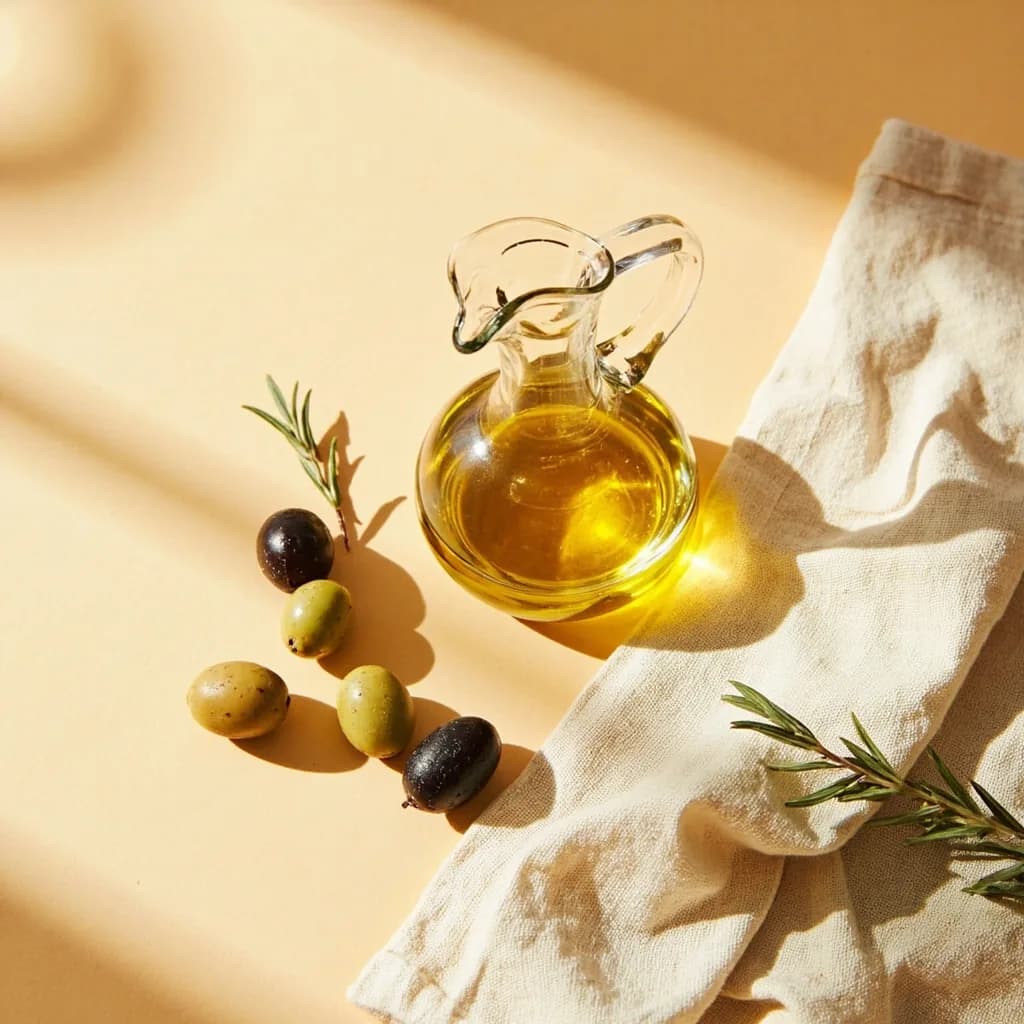
Olive Oil
Fruity, peppery everyday oil for sautéing, dressing, and finishing
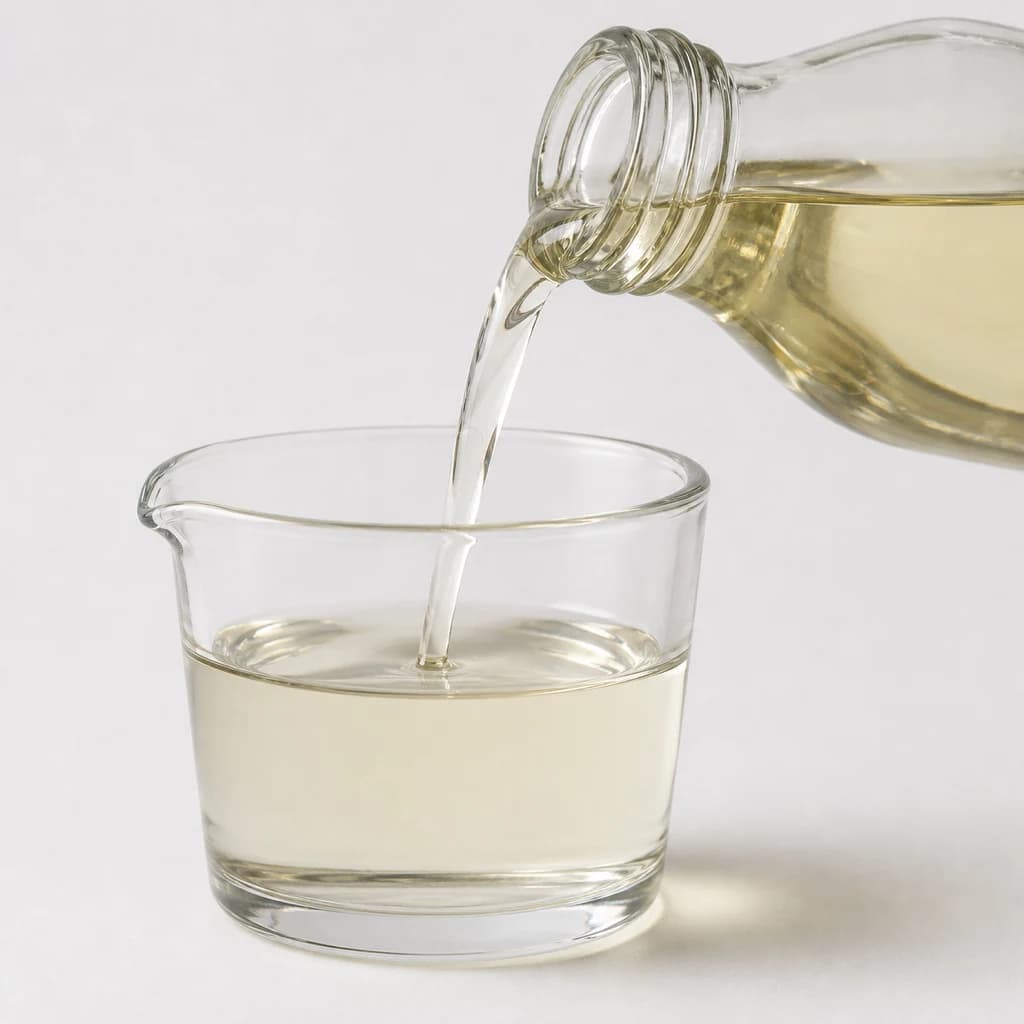
Vegetable Oil
Neutral, high-heat oil for frying and all-purpose cooking

Sunflower Oil
Clean, neutral oil for frying and everyday cooking
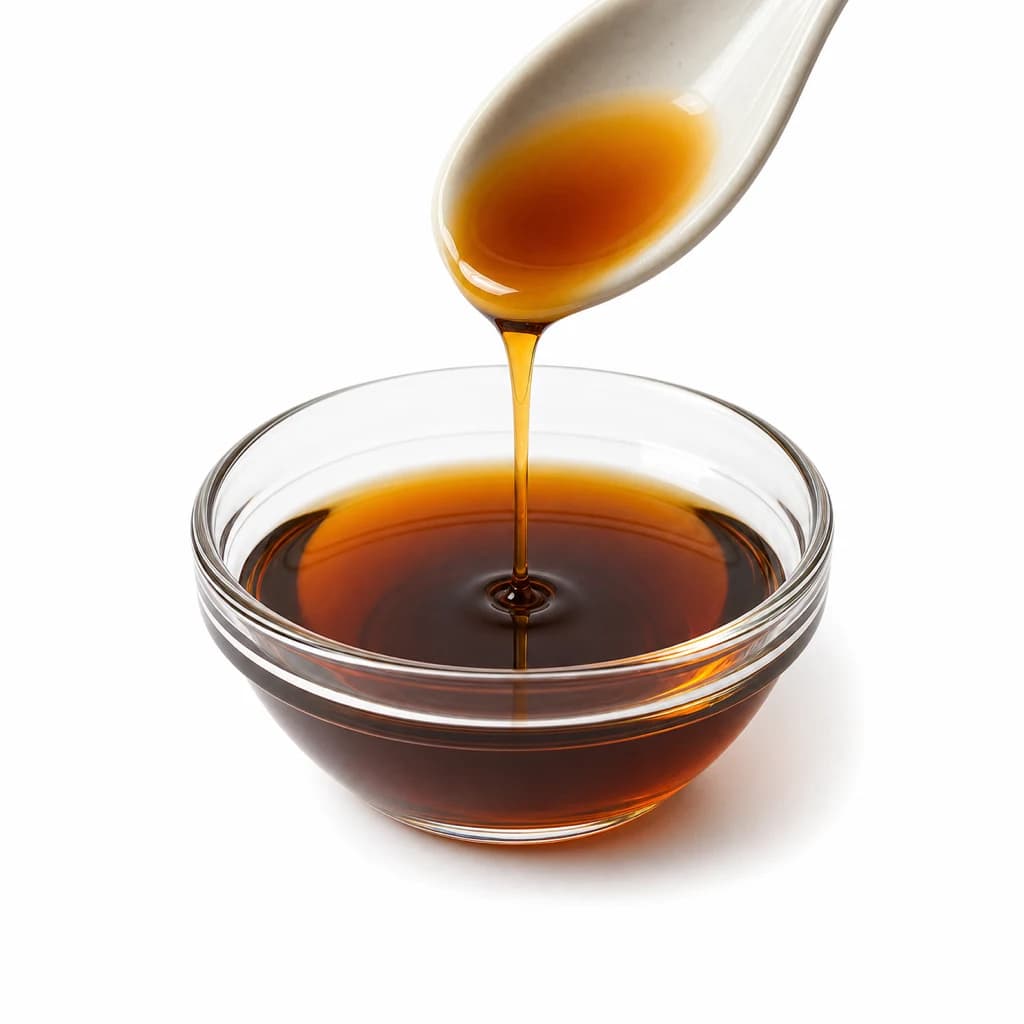
Sesame Oil
Toasty, aromatic oil — a finishing splash for Asian dishes
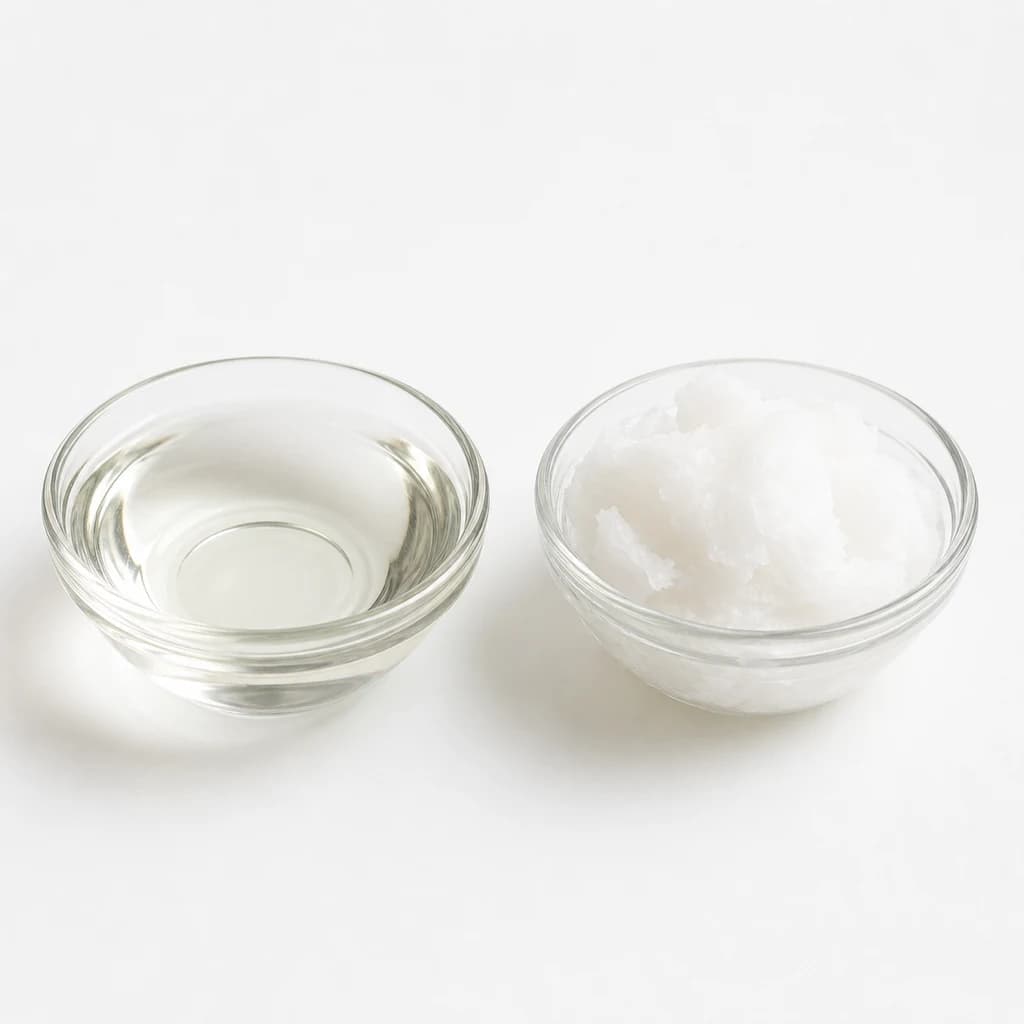
Coconut Oil
Fragrant, solid-at-room-temp fat for baking and frying
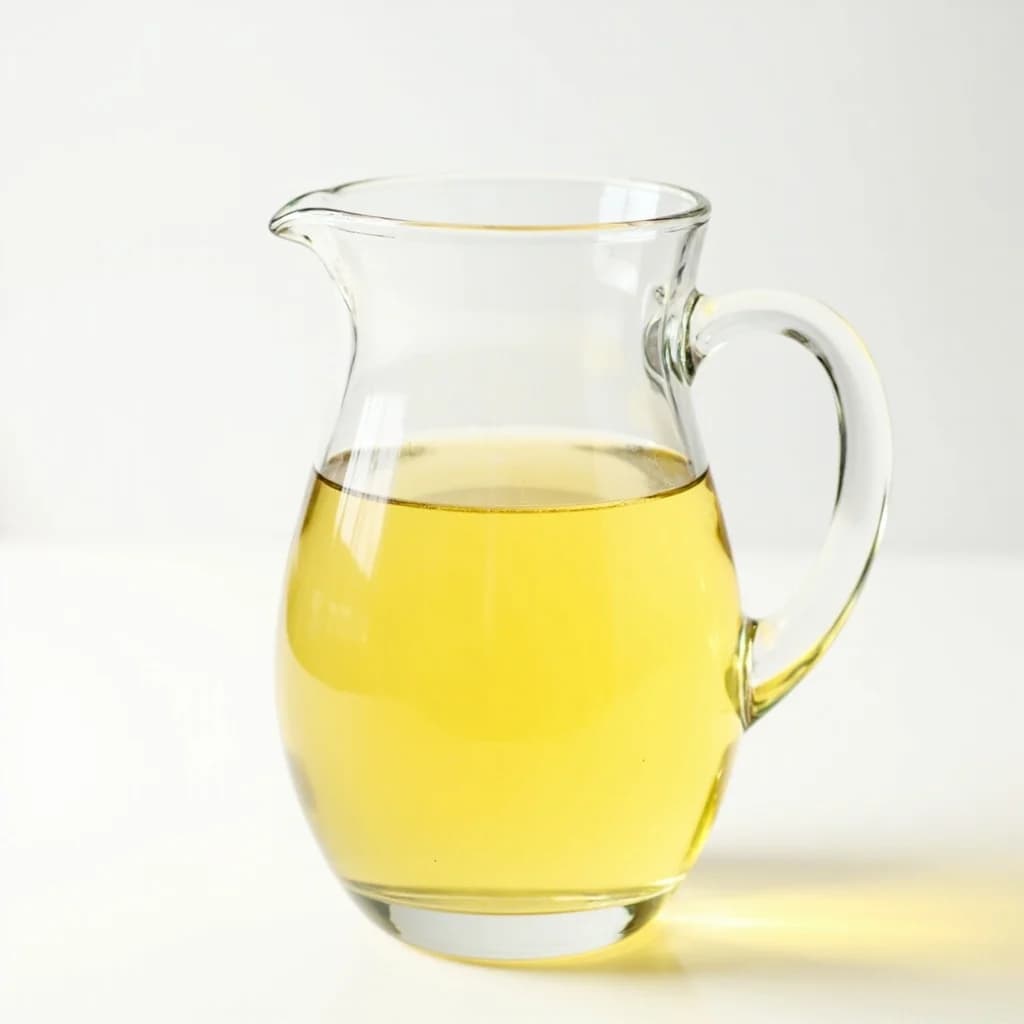
Peanut Oil
High-heat oil with a faint nutty note — ideal for frying

Lamb Tail Fat
Rich rendered fat from fat-tailed sheep — used as a cooking fat and flavor base in Central Asian and Middle Eastern dishes.

Pork Back Fat
Hard fat from the pig's back, used for larding, sausages, and rendered lard.