Varieties
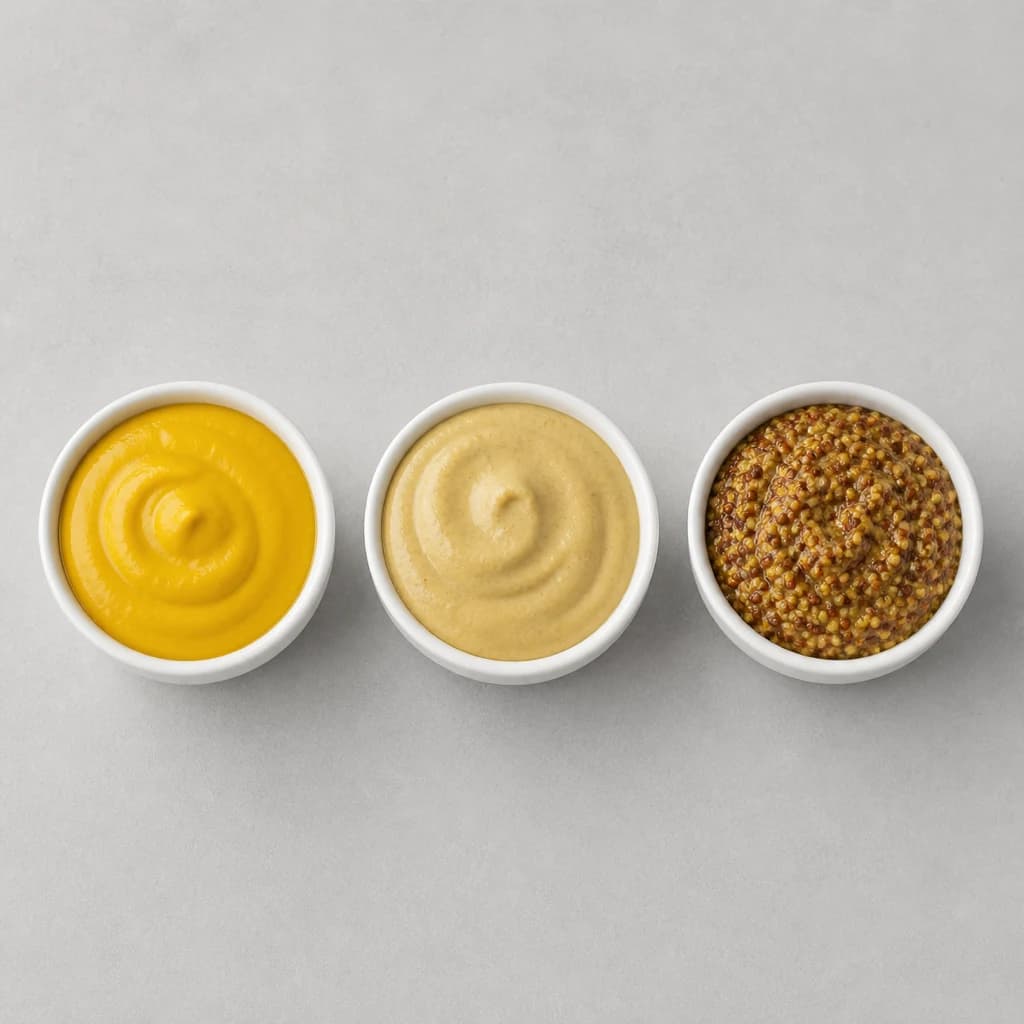
Three mustard forms side by side: yellow, Dijon, and whole-grain, each in a small bowl.
Showing the three main commercial types together lets readers immediately distinguish color, texture, and seed structure.
Condiments
Mustard
Sharp, tangy condiment for sandwiches, dressings, and glazes
Pungent and tangy, mustard sharpens a sandwich, emulsifies a vinaigrette, and glazes ham and roasts. Dijon is the all-rounder. Keep it cold; it keeps a long time.
Mustard is the pungent condiment made from the seeds of the mustard plant, ground and mixed with liquid — and the kind of liquid and seed determines everything. Hot English and Dijon get their nose-tingling sharpness from cold water releasing the seeds' enzymes; vinegar-based American yellow is mild and tangy. Beyond a hot-dog squeeze, mustard is a kitchen workhorse: it sharpens dressings, emulsifies vinaigrettes, glazes ham, and crusts roasts.
- Measured in
- ml
- Storage
- Refrigerate
- Shelf life
- 365 days
Allergens
Find it in
Types & varieties
Smooth, sharp, wine- or verjuice-based; the cook's mustard.
Mild, tangy, turmeric-bright; for hot dogs and burgers.
Seedy, textured, mellow; great in dressings and on meat.
Fiercely hot; serve a little with roast beef.
Sweetened and mellow; for dipping and glazing.
How to choose
Reach for Dijon when cooking — it's sharp, smooth, and emulsifies dressings. Use yellow for classic American sandwiches, whole-grain for texture and rustic glazes, and English when you want serious heat.
How to use
A teaspoon of mustard helps a vinaigrette emulsify and stay creamy. Mustard also crusts roasts, glazes ham, and brings tang to sauces and cheese dishes.
- Emulsifying and sharpening vinaigrettes
- Crusting pork and beef roasts
- Glazing ham (with honey or brown sugar)
- Pan sauces and cheese dishes
Common uses
Tips & pitfalls
- A teaspoon of Dijon helps vinaigrettes emulsify and stay creamy.
- Mustard's heat fades with cooking — add some at the end for punch.
- Whole-grain mustard gives sauces and dressings a pleasant pop.
- Make instant honey mustard by stirring honey into Dijon.
Nutrition
Energy
92 kJ · per 100 g
Where the calories come from
Protein
2.2g
4% DV
Carbs
3.9g
1% DV
Fat
0.3g
0% DV
Fiber
2.8g
10% DV
Sodium
21mg
1% DV
Source · USDA FoodData Central · Mustard spinach, (tendergreen), raw
View on FDC →In the shops
Matched grocery products
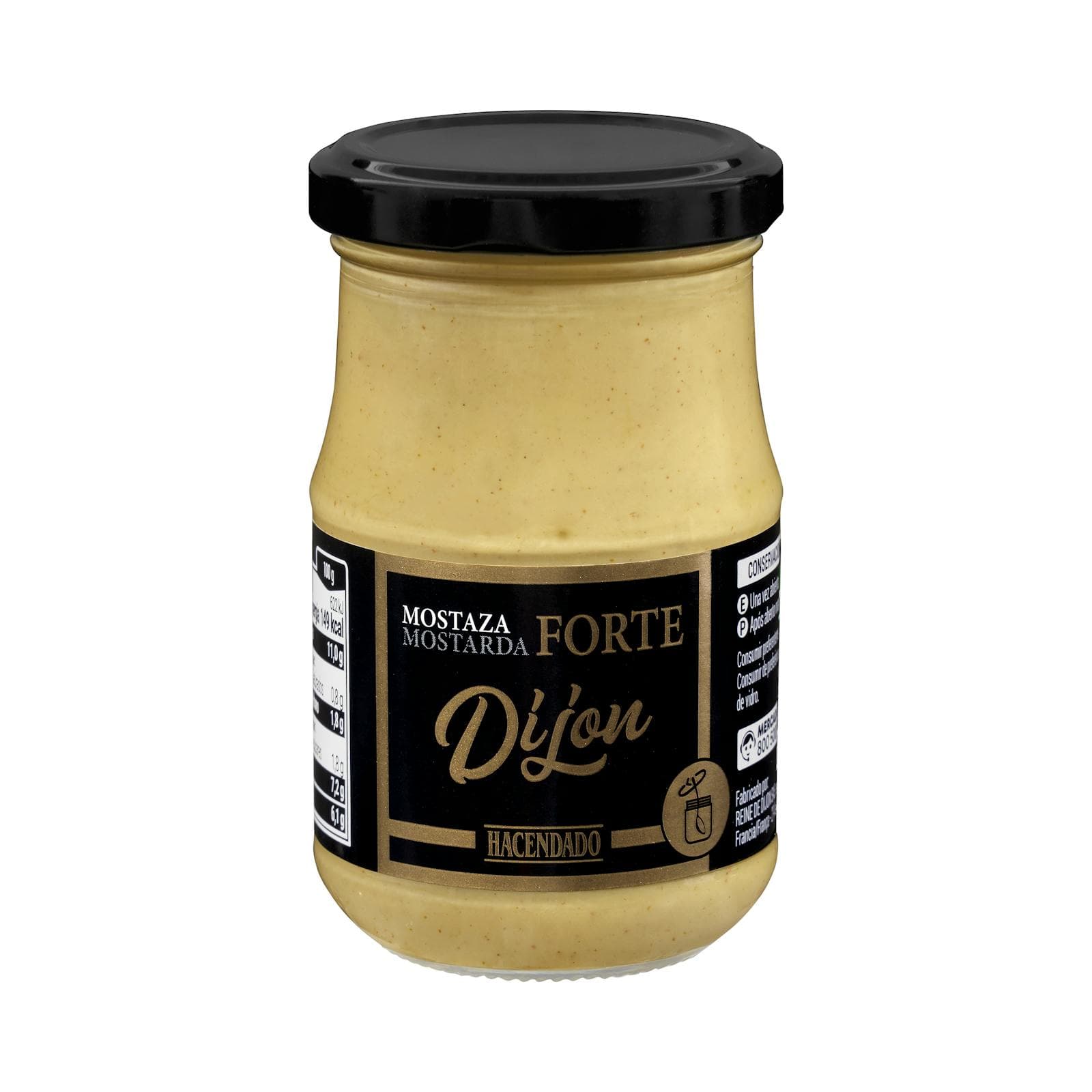 €1.25
€1.25Dijon Mustard
Hacendado · 200 g · Mercadona
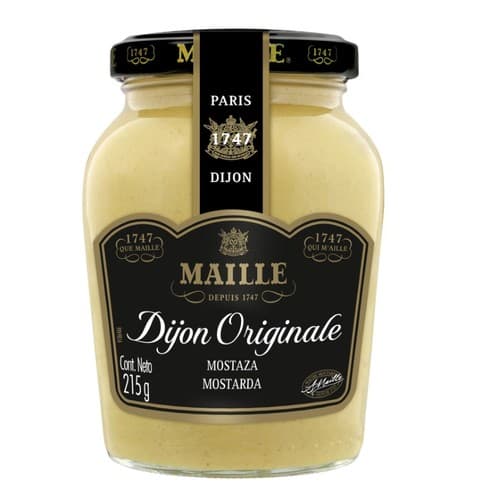 €3.65
€3.65Dijon Mustard
MAILLE · kg · Bonpreu
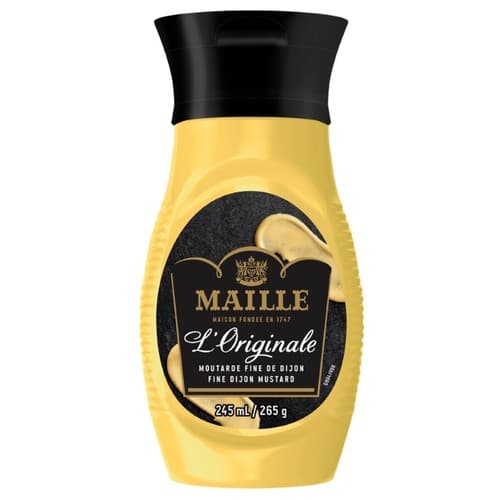 €3.99
€3.99Maille Dijon Mustard
MAILLE · kg · Bonpreu
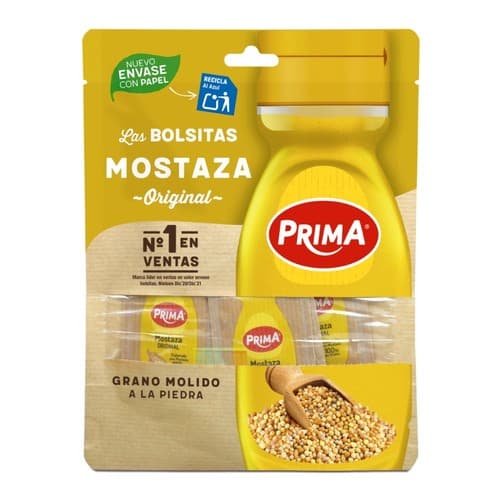 €2.29
€2.29PRIMA Mustard
PRIMA · ud · Bonpreu
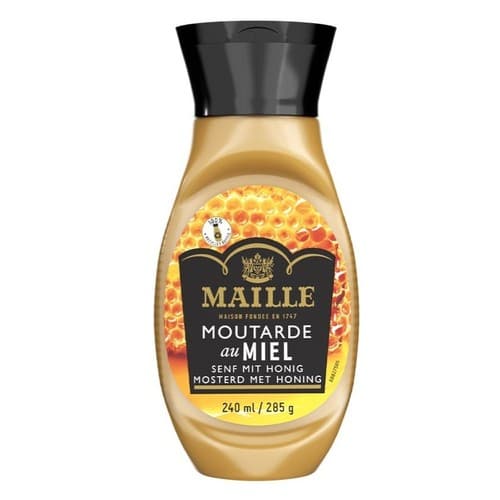 €3.99
€3.99Honey Mustard
MAILLE · kg · Bonpreu
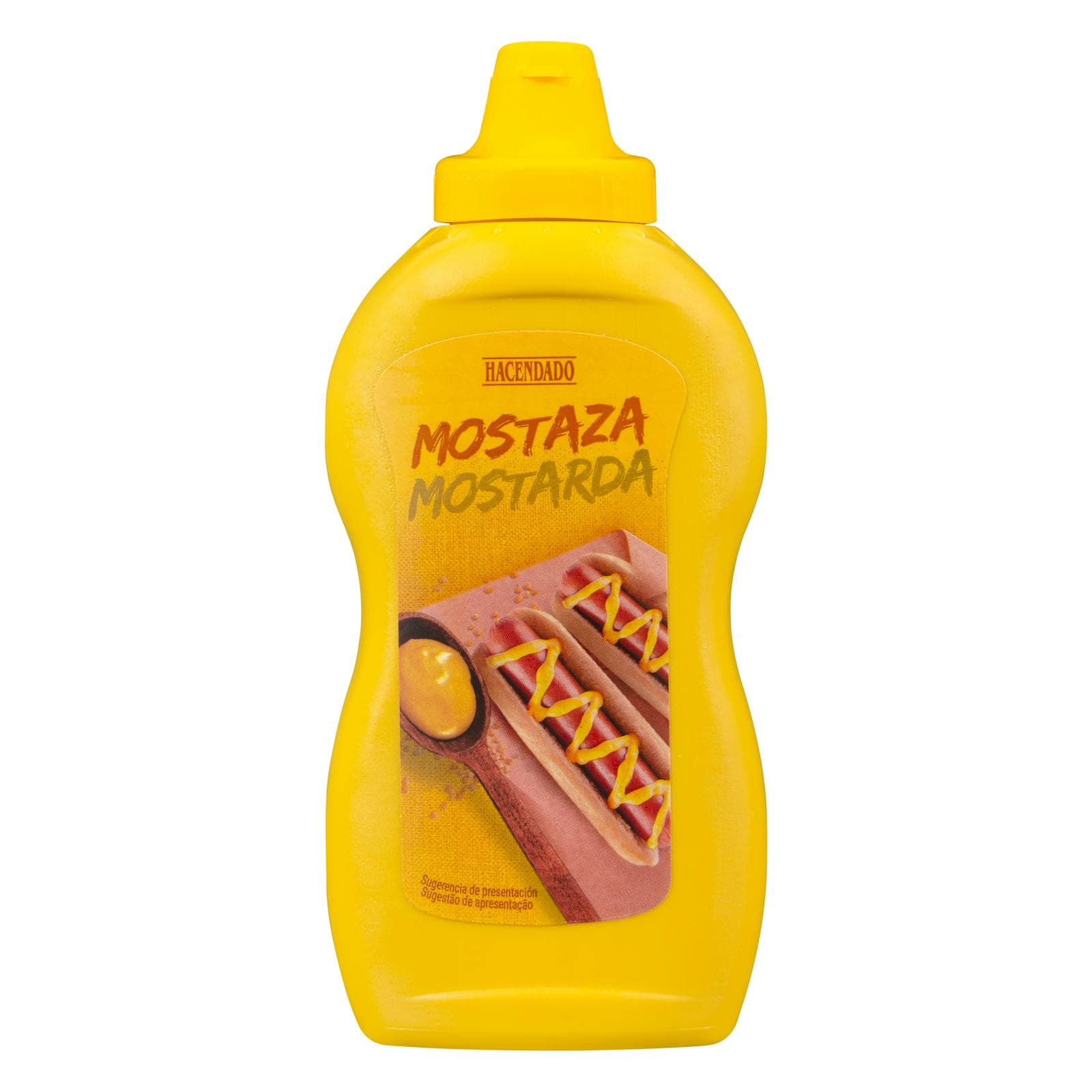 €1.35
€1.35Classic Mustard
Hacendado · 388 g · Mercadona
Good to know
- Flavor
- Pungent and tangy, from mild to sinus-clearing
- Made from
- Ground mustard seeds, liquid, salt
- Best for
- Vinaigrettes, glazes, sandwiches, sauces
- Kitchen role
- Natural emulsifier for dressings
- How to store
- Refrigerate after opening
- Shelf life
- About a year refrigerated; heat fades over time
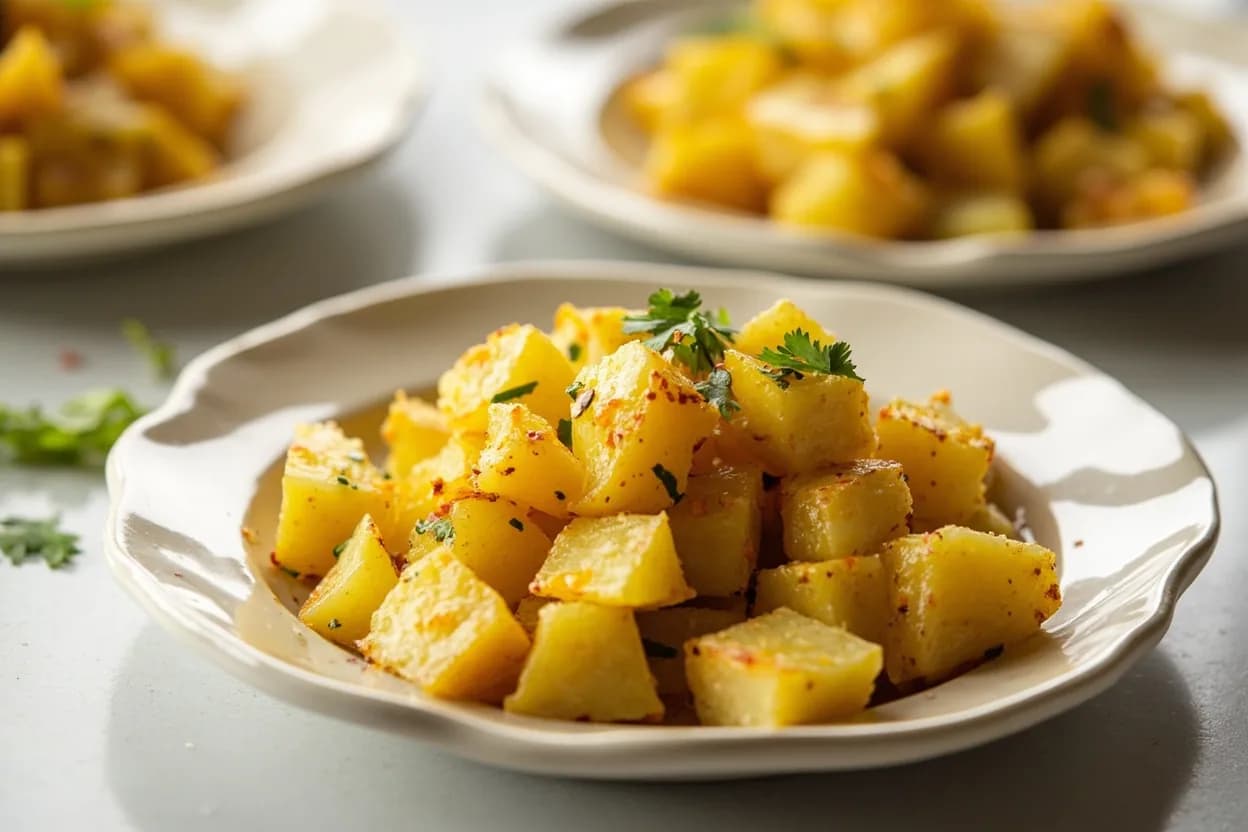
Appears in these dishes
Related
Ketchup
Sweet-tangy tomato condiment for fries, burgers, and glazes
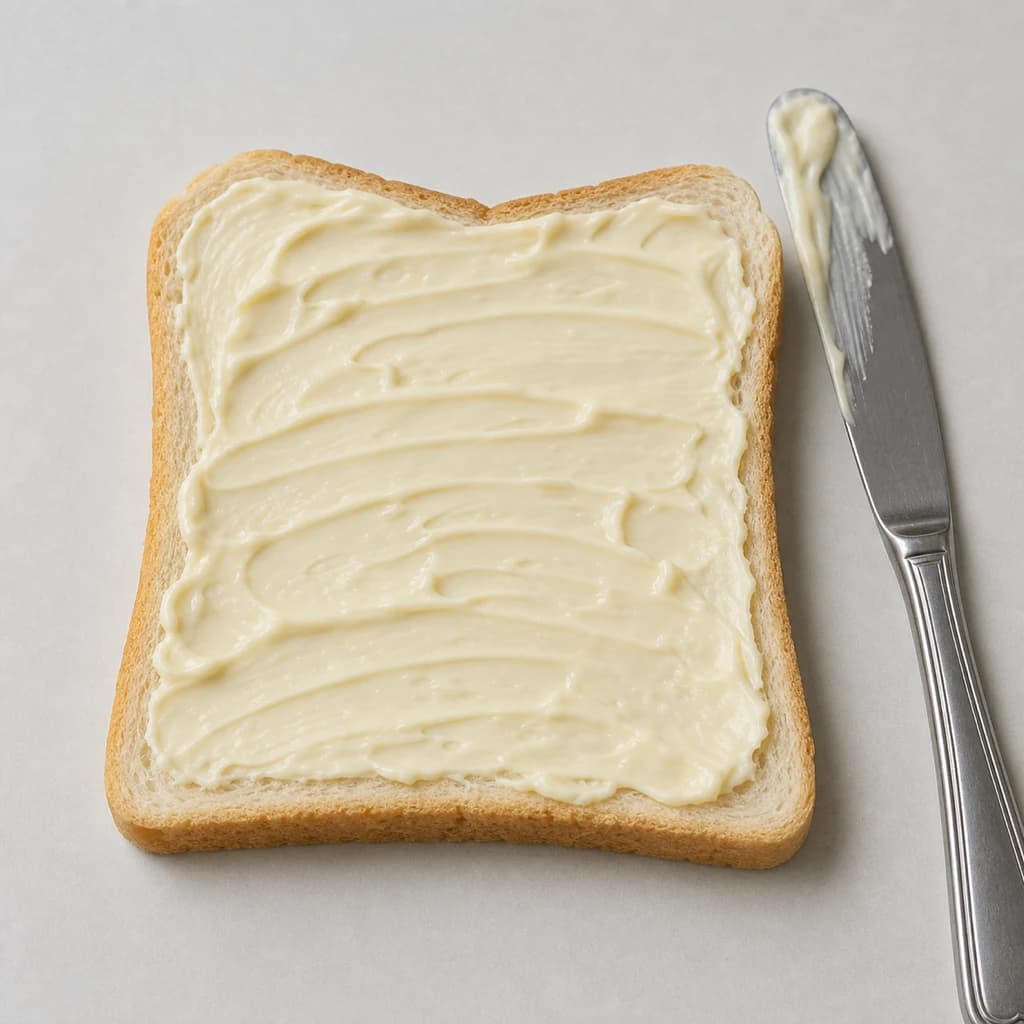
Mayonnaise
Creamy emulsion for sandwiches, dressings, and dips
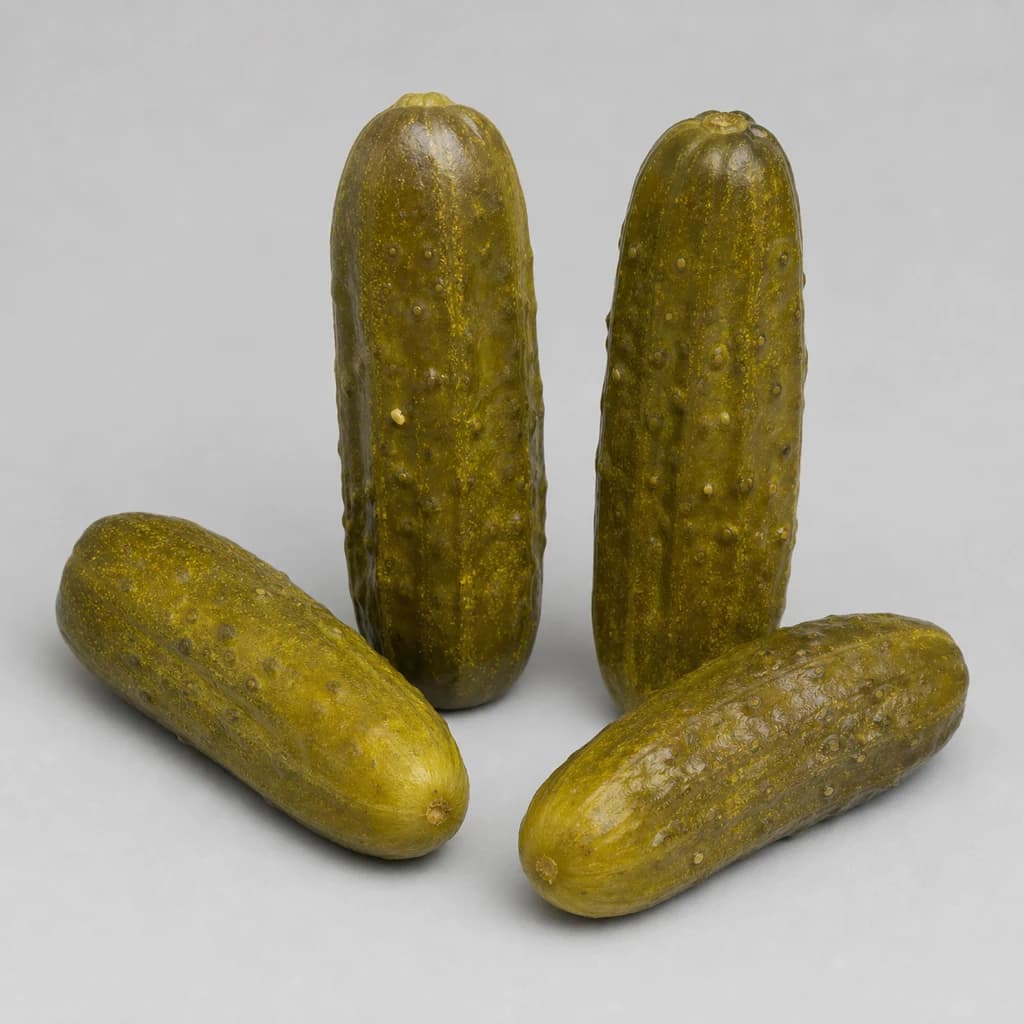
Pickles
Crunchy, tangy cucumbers for burgers, boards, and snacking
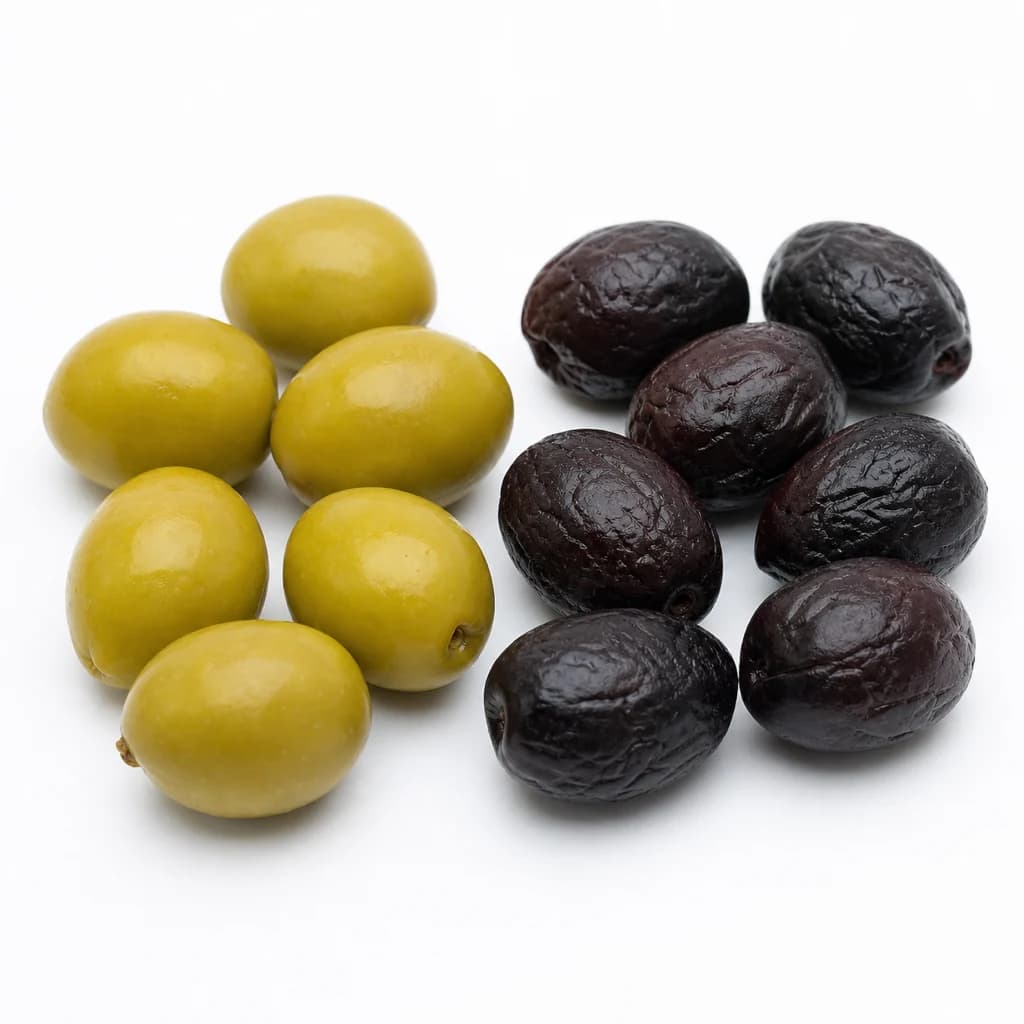
Olives
Briny, meaty fruit for snacking, tapenade, and braises
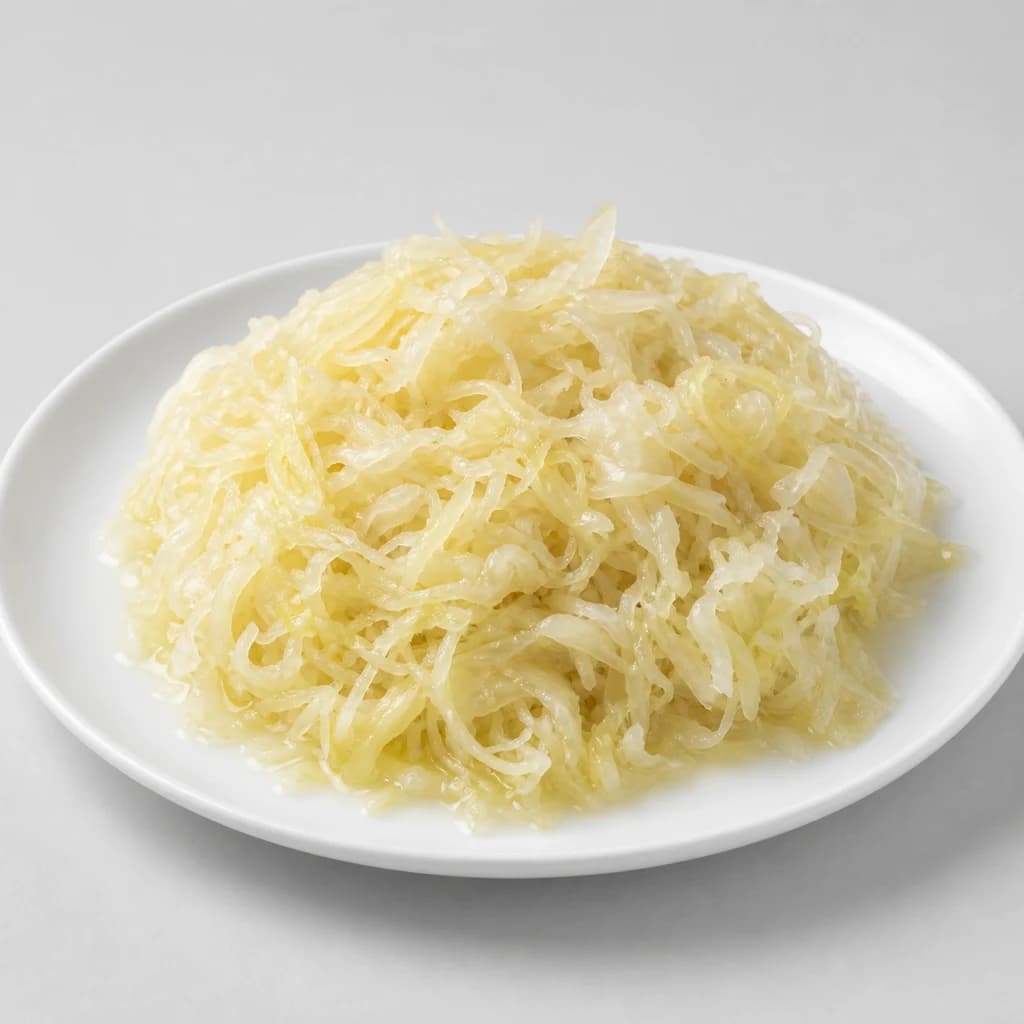
Sauerkraut
Fermented shredded cabbage with a tangy, sour bite, served as a side or cooked into stews.
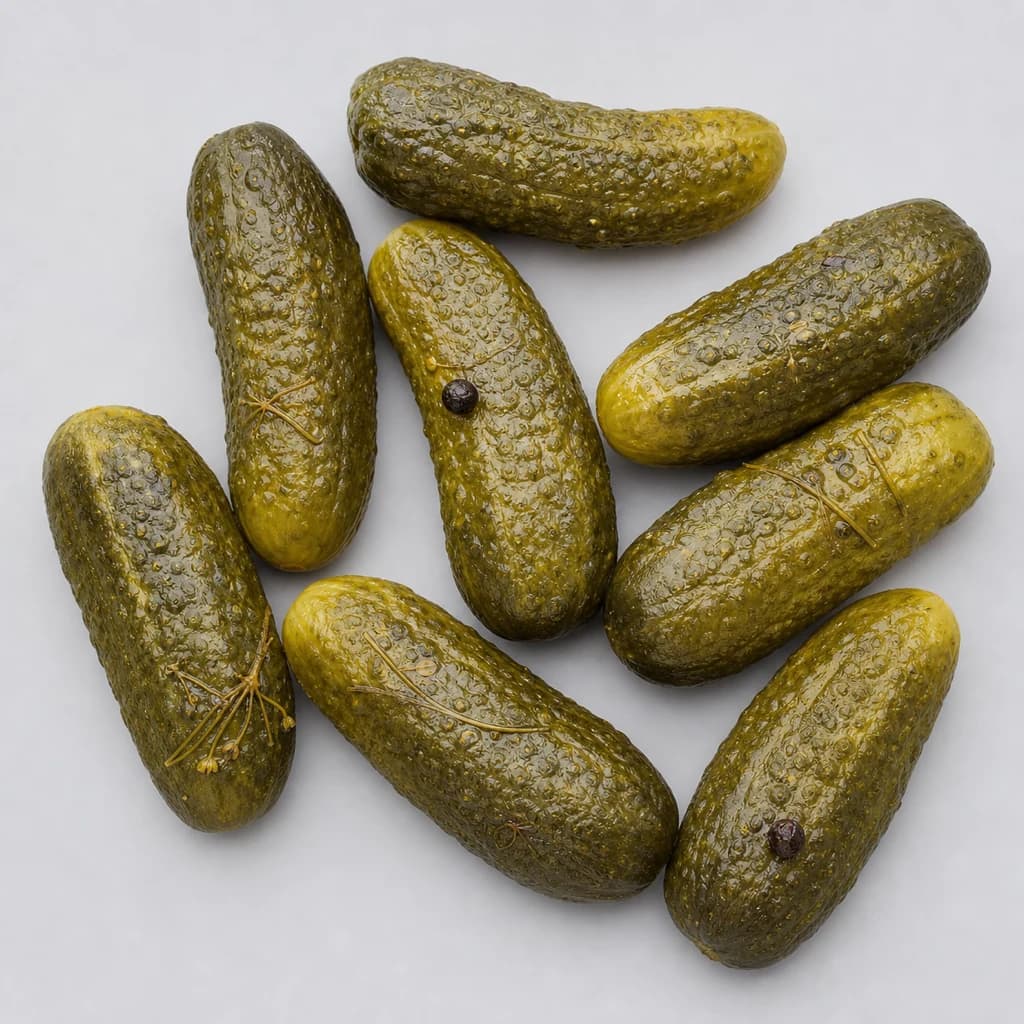
Pickled Cucumber
Brined or vinegar-cured cucumbers, tangy and crunchy, served as a side or in sandwiches.

Pickled Pepper
Brined or vinegared peppers eaten as a tangy condiment or salad component.

Preserved Mustard Greens (Yacai)
Salt-cured, fermented Chinese mustard greens used as a savory cooking seasoning.