Natural form
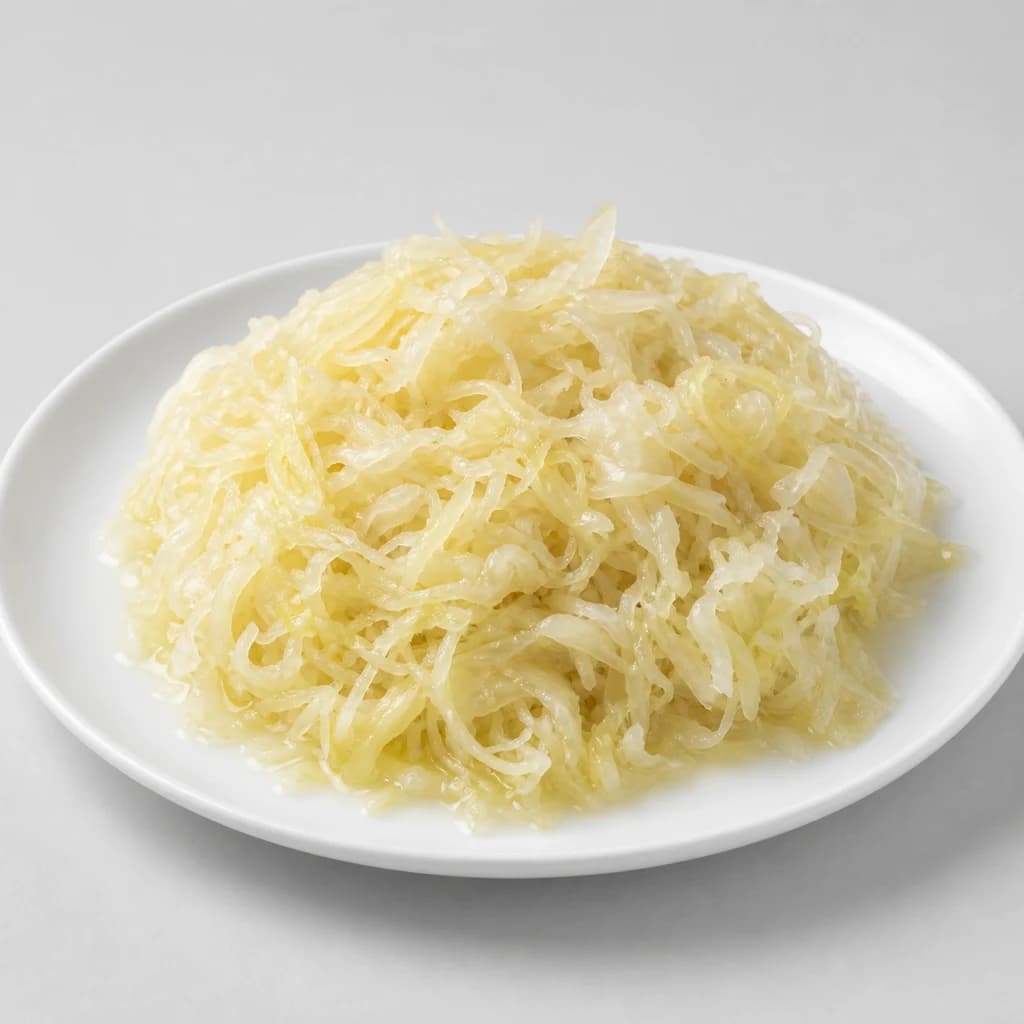
Sauerkraut as it comes from the jar — pale yellow, finely shredded, glistening with brine.
Shows the recognizable appearance, texture, and color of sauerkraut so readers can identify it immediately.
Condiments
Sauerkraut
Fermented shredded cabbage with a tangy, sour bite, served as a side or cooked into stews.
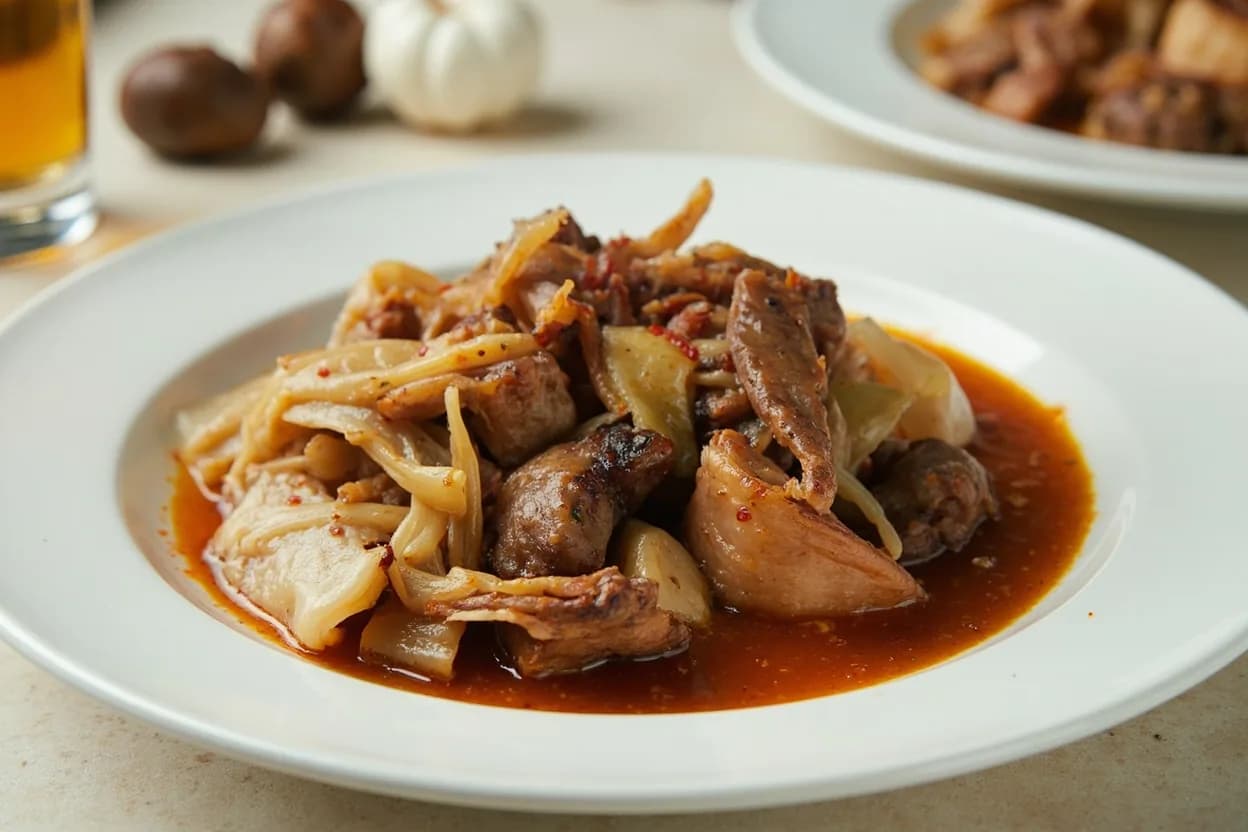
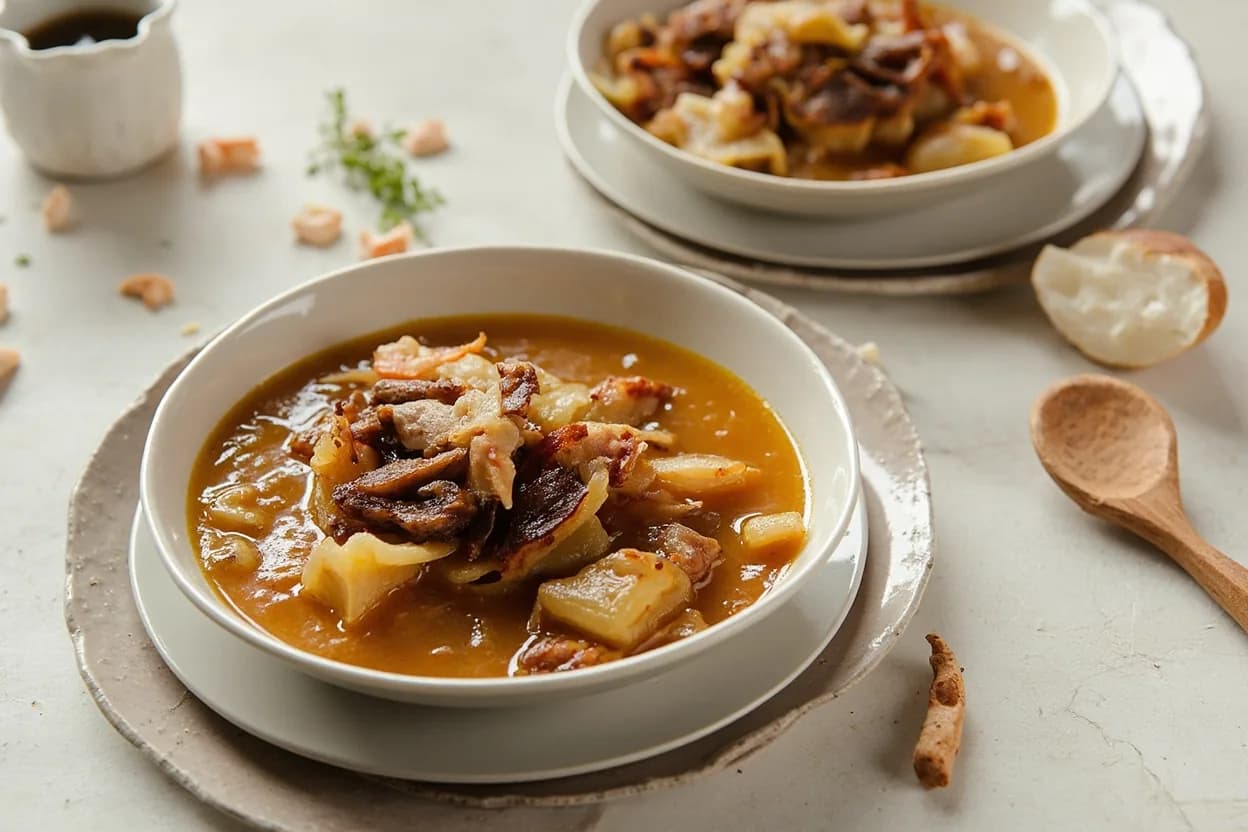
Sauerkraut is finely shredded cabbage fermented in its own brine by lactic-acid bacteria, giving it a sharp, sour tang and crisp texture. A staple of Central and Eastern European cooking, it is eaten cold as a condiment or cooked into dishes like bigos and braised pork. The fermentation also makes it a natural source of probiotics and vitamin C.
Sauerkraut is shredded cabbage that has been salted and left to ferment by naturally occurring Lactobacillus bacteria. This lacto-fermentation process—no vinegar is added in traditional production—converts sugars into lactic acid over one to four weeks, creating the characteristic tangy, sour bite. The result is a deeply flavorful condiment with a firm, slightly crunchy texture. Its origins lie in Central and Eastern Europe, particularly Germany, Poland, and Alsace, where it has been documented since at least the 4th century BCE. The modern lacto-fermentation method developed during the Middle Ages, transforming a simple preservation technique into a culinary cornerstone. In traditional German and Eastern European cooking, sauerkraut functions as a supporting side rather than a centerpiece, typically braised briefly with aromatics to maintain its texture and bright acidity. Quality varies enormously between raw refrigerated versions and pasteurized shelf-stable jars—the raw product offers far more complex, vibrant sourness and live probiotic cultures, while pasteurized versions taste notably flatter and duller by comparison.
- Measured in
- g
- Storage
- Fridge
Types & varieties
Often made with caraway seeds and juniper berries; pale, mild, and slightly sweet
May include grated carrot; firmer texture, tangier
Made with red cabbage; deeper purple color, slightly sweeter
Brushed with brown sugar or honey; sweeter, darker
Smoked over pine or juniper; deeply savory, aromatic
Refrigerate; contains live cultures; brighter, more complex sourness
Cooked with wine or sugar; reduced sourness, glossy finish
Common uses
Tips & pitfalls
- Buy raw, refrigerated sauerkraut from the refrigerated section for live cultures and brighter flavor; the pasteurized shelf-stable versions taste notably duller
- Rinse under cold water briefly if the brine is excessively salty, then taste before adding more seasoning
- Drain and pat dry before sautéing or frying if you want caramelization and some crispness rather than steaming
- When braising, add a splash of dry white wine or apple cider to the pot for complexity
- Do not overcook: extended boiling destroys the tang and turns it mushy; add near the end or braise briefly
- Taste before using—if it smells rotten, slimy, or has mold beyond a thin surface film, discard the batch
- For a quick prep, sauté onion in butter or bacon fat, add drained kraut, and cook until edges brown slightly
- The brine itself is valuable: use it in salad dressings, marinades, or as a probiotic-rich sip (diluted)
Nutrition
Energy
105 kJ · per 100 g
Where the calories come from
Protein
1.3g
3% DV
Carbs
5.8g
2% DV
Fat
0.1g
0% DV
Fiber
2.5g
9% DV
Sugars
3.2g
of which
Sodium
18mg
1% DV
Source · USDA FoodData Central · Cabbage, raw
View on FDC →In the shops
Matched grocery products
No matched grocery products for Sauerkraut yet.
Good to know
- Origin
- Central/Eastern Europe (Germany, Poland, Alsace); documented since at least the 4th century BCE, though modern lacto-fermentation methods developed in the Middle Ages
- Primary Fermentation Agent
- Lactobacillus bacteria (lactic acid fermentation); no vinegar added in traditional production
- Core Ingredients
- Cabbage and salt only; some varieties add caraway, juniper berries, or other spices
- Sodium Content
- High (500–900mg per 100g serving); rinse to reduce if needed
- Shelf Life (Unopened)
- 12–18 months in cool, dark storage; pasteurized jars are shelf-stable
- Shelf Life (Opened)
- Refrigerate; use within 3–6 months for best quality
- Probiotic Status
- Raw/unpasteurized sauerkraut contains live cultures; pasteurized versions do not
- Color
- Pale yellow-green to deep golden depending on cabbage variety and fermentation
Substitutes
- Kimchi — Korean fermented napa cabbage; spicier, more complex, funkier; use sparingly as a 1:1 substitute in non-German contexts
- Curtido — Salvadoran fermented cabbage with lime and chilies; tangy but milder, excellent in sandwiches
- Quick-Pickled Cabbage — Cabbage salted and tossed with vinegar; lacks fermentation depth but close in texture and acid
Pairs with
Also called
Sour Cabbage · Kiseli Kupus
Appears in these dishes


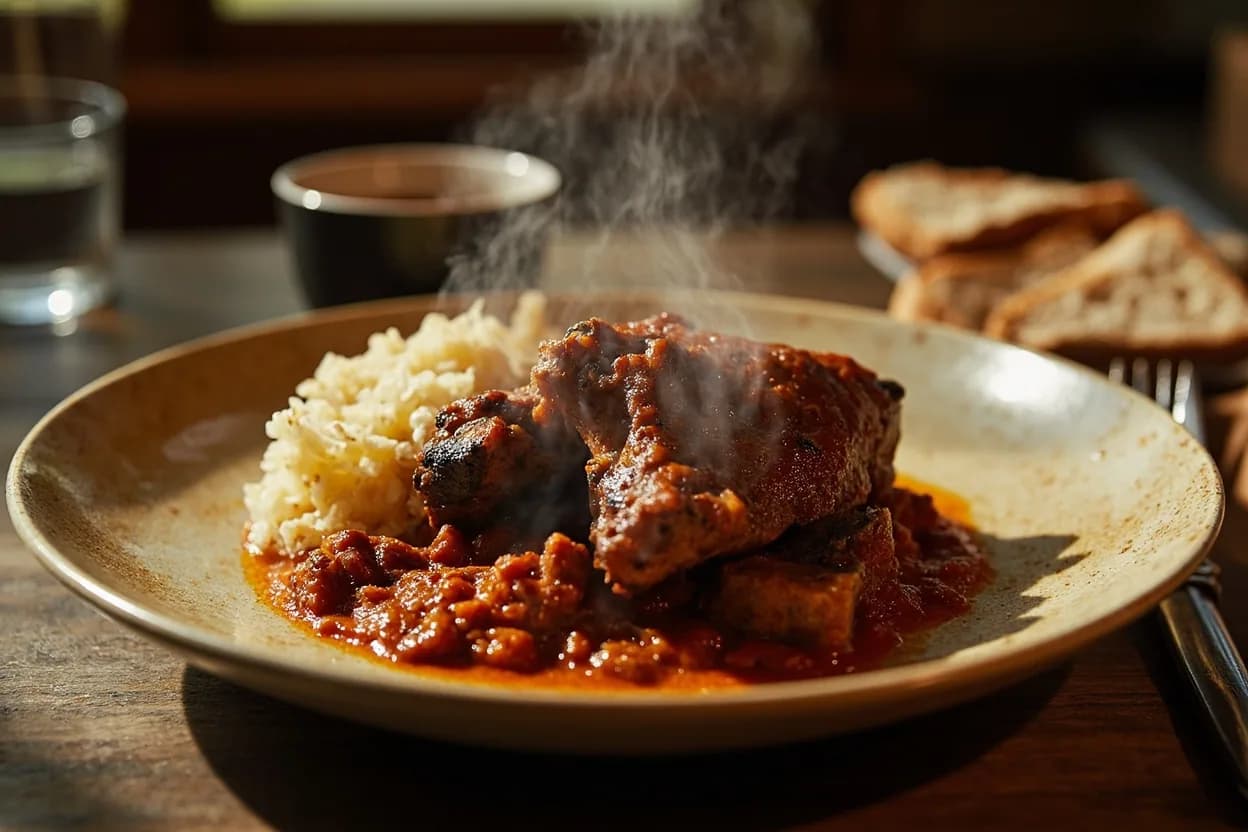
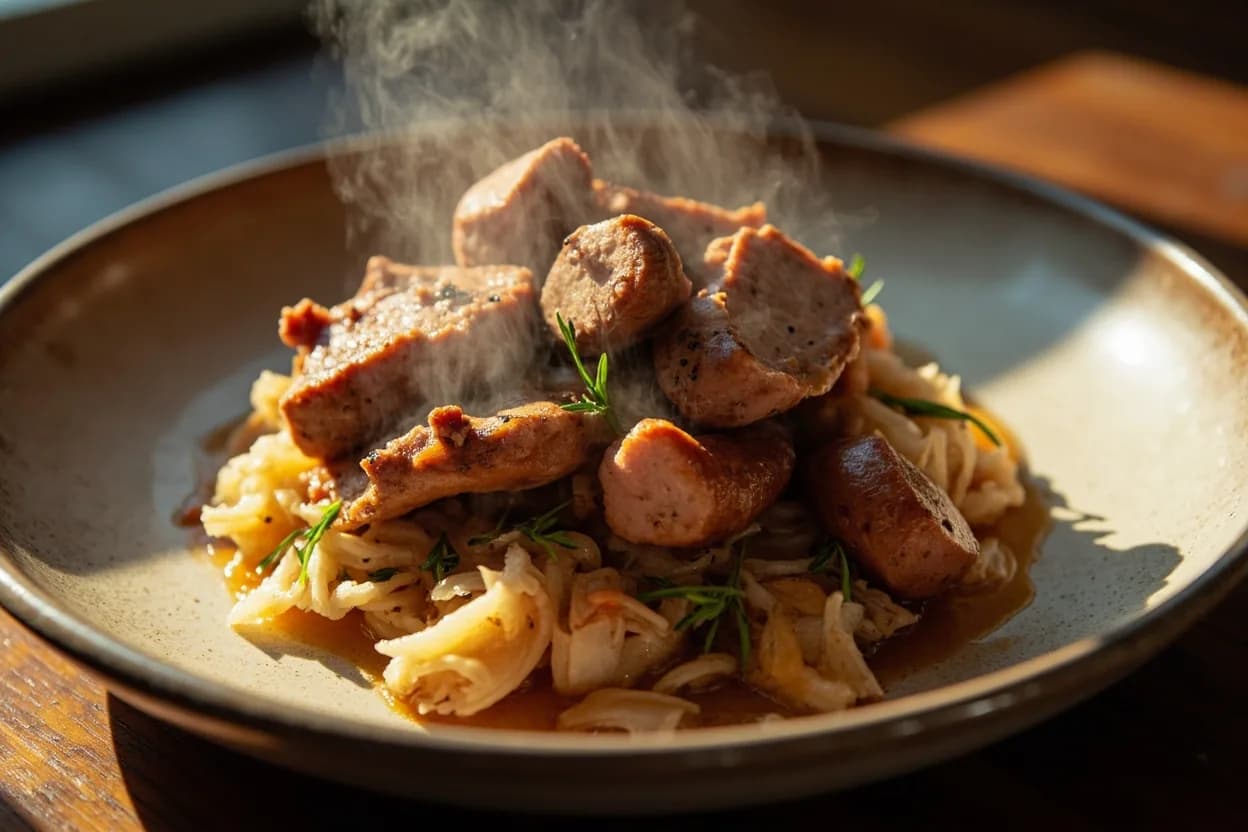

Related
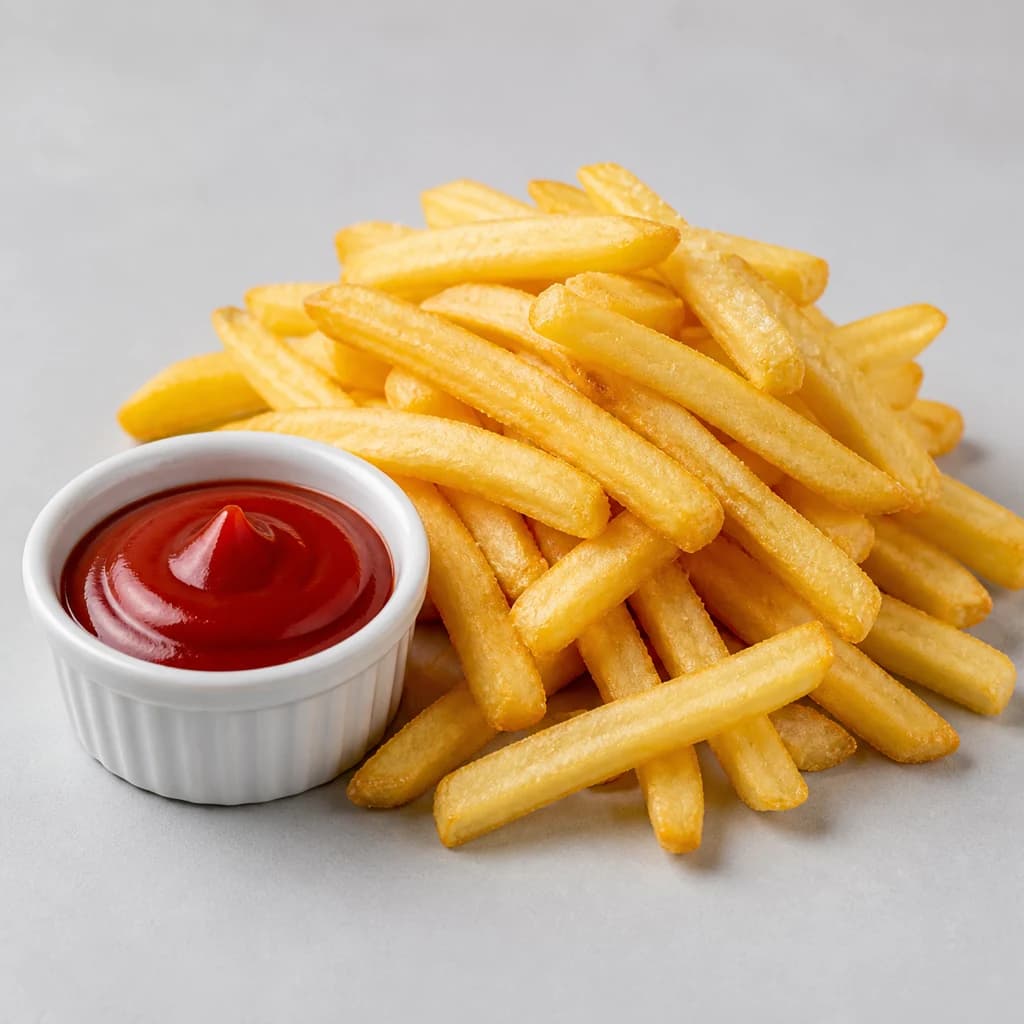
Ketchup
Sweet-tangy tomato condiment for fries, burgers, and glazes
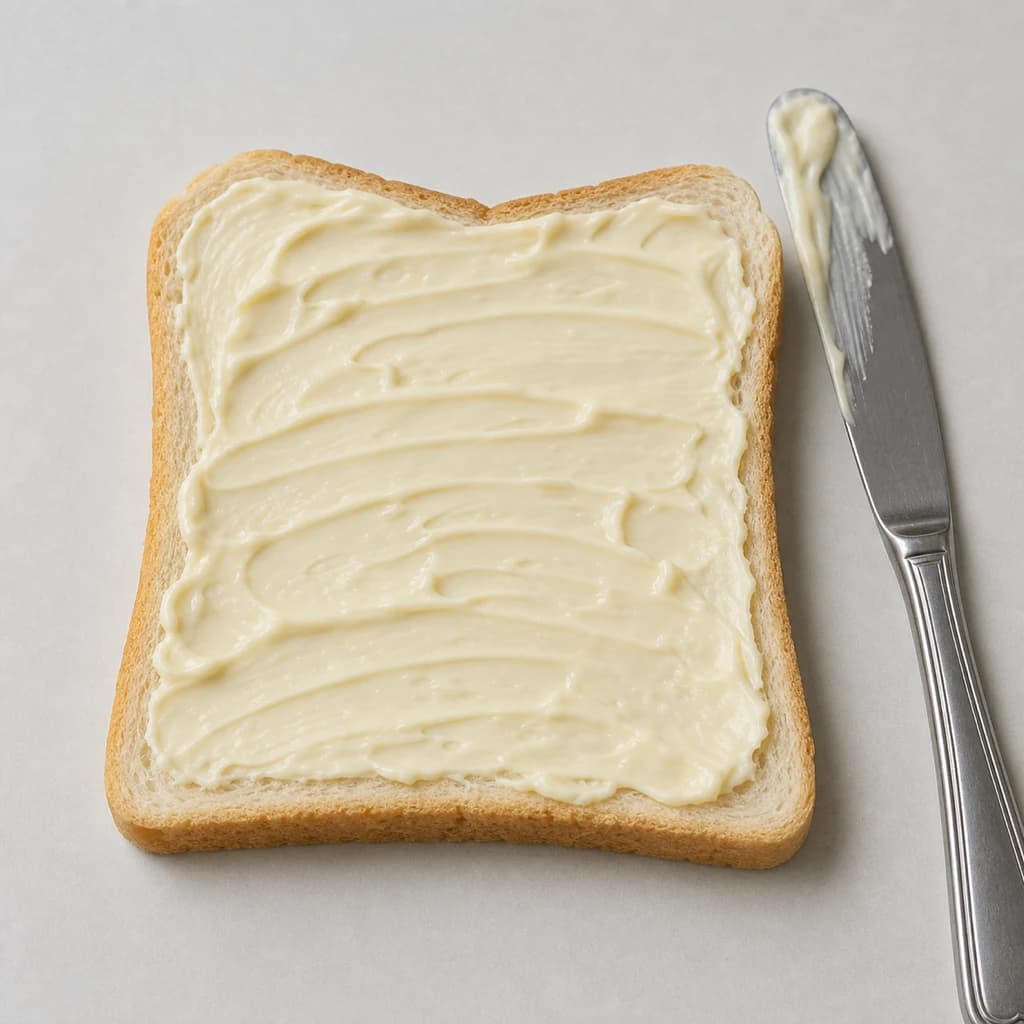
Mayonnaise
Creamy emulsion for sandwiches, dressings, and dips
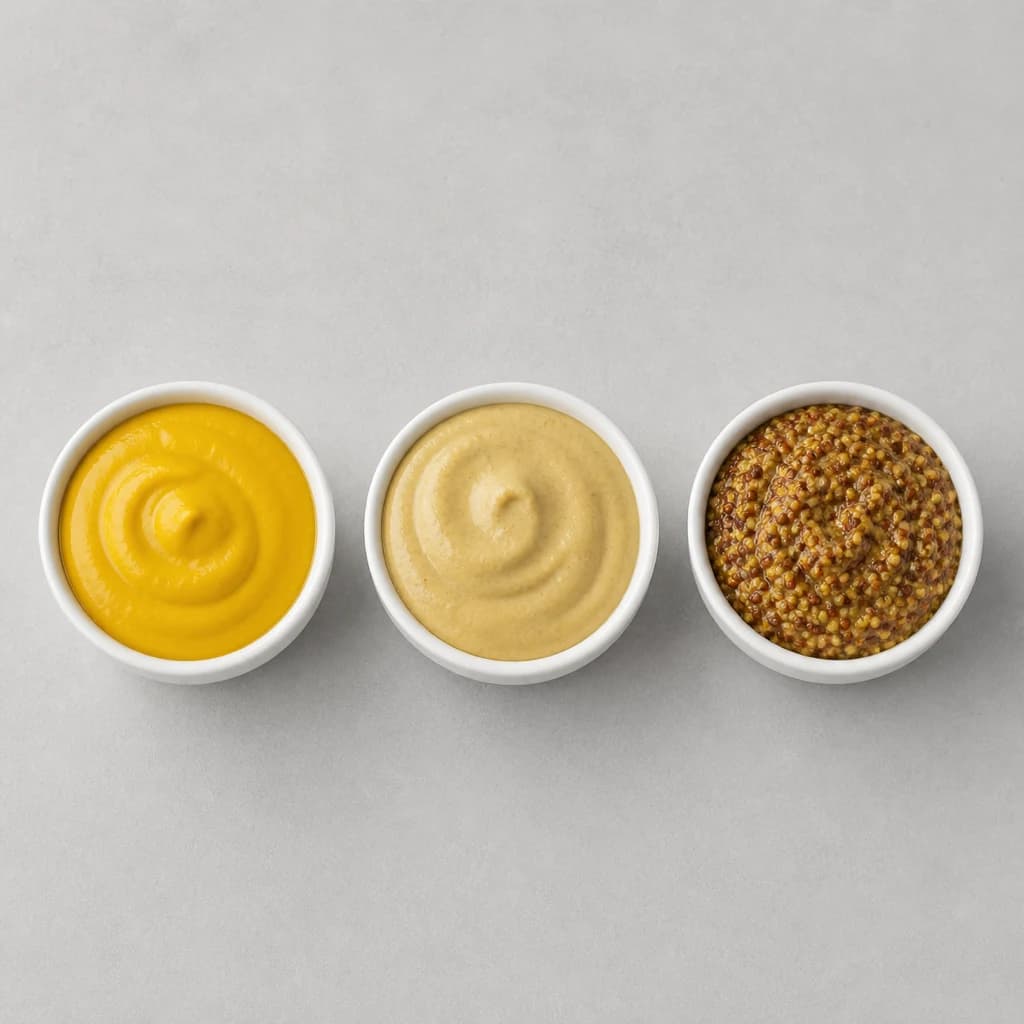
Mustard
Sharp, tangy condiment for sandwiches, dressings, and glazes
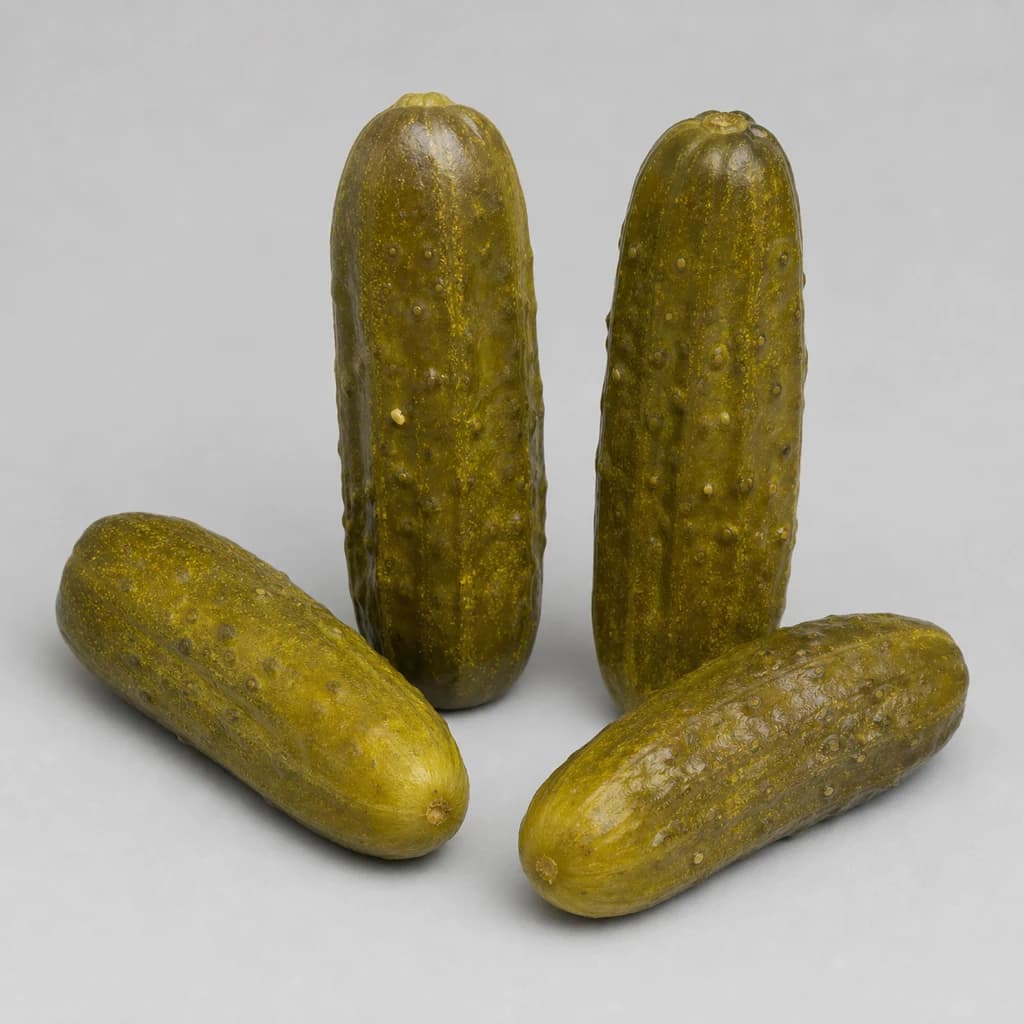
Pickles
Crunchy, tangy cucumbers for burgers, boards, and snacking
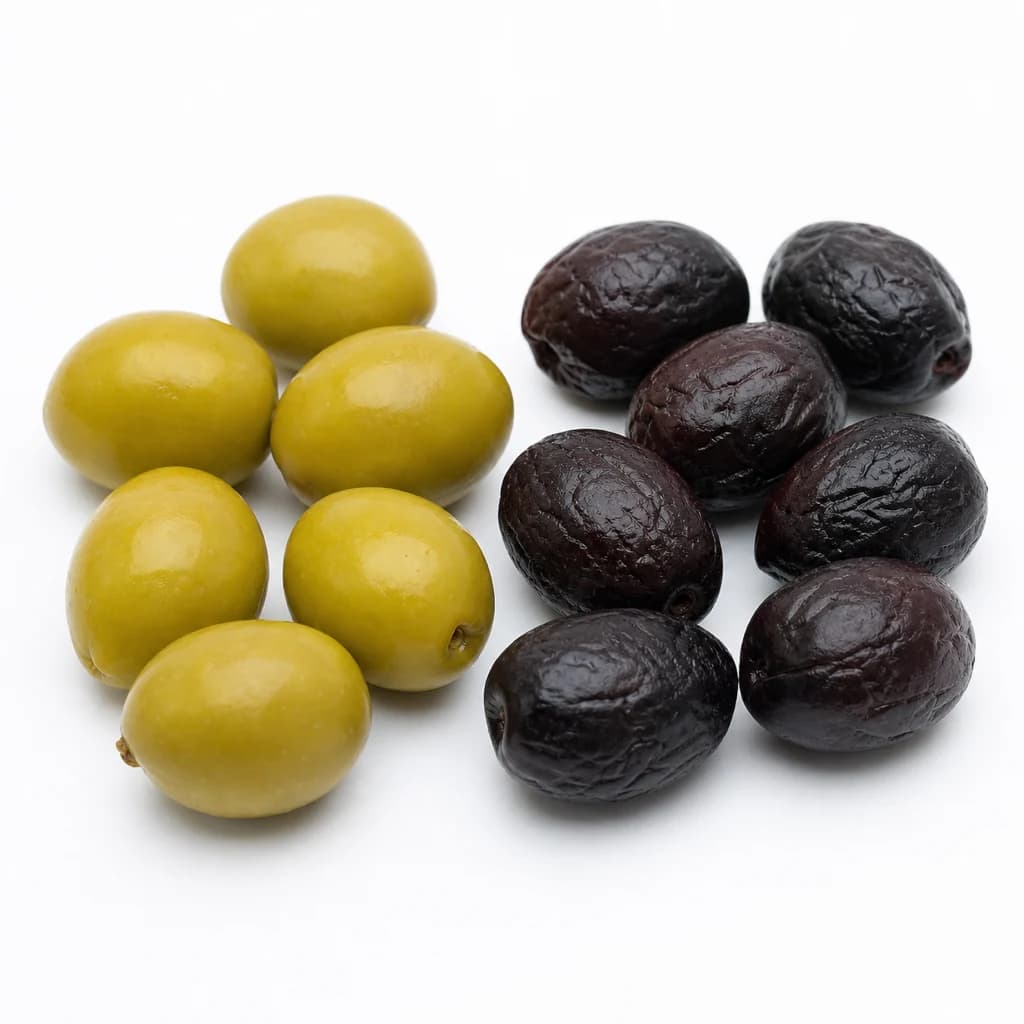
Olives
Briny, meaty fruit for snacking, tapenade, and braises
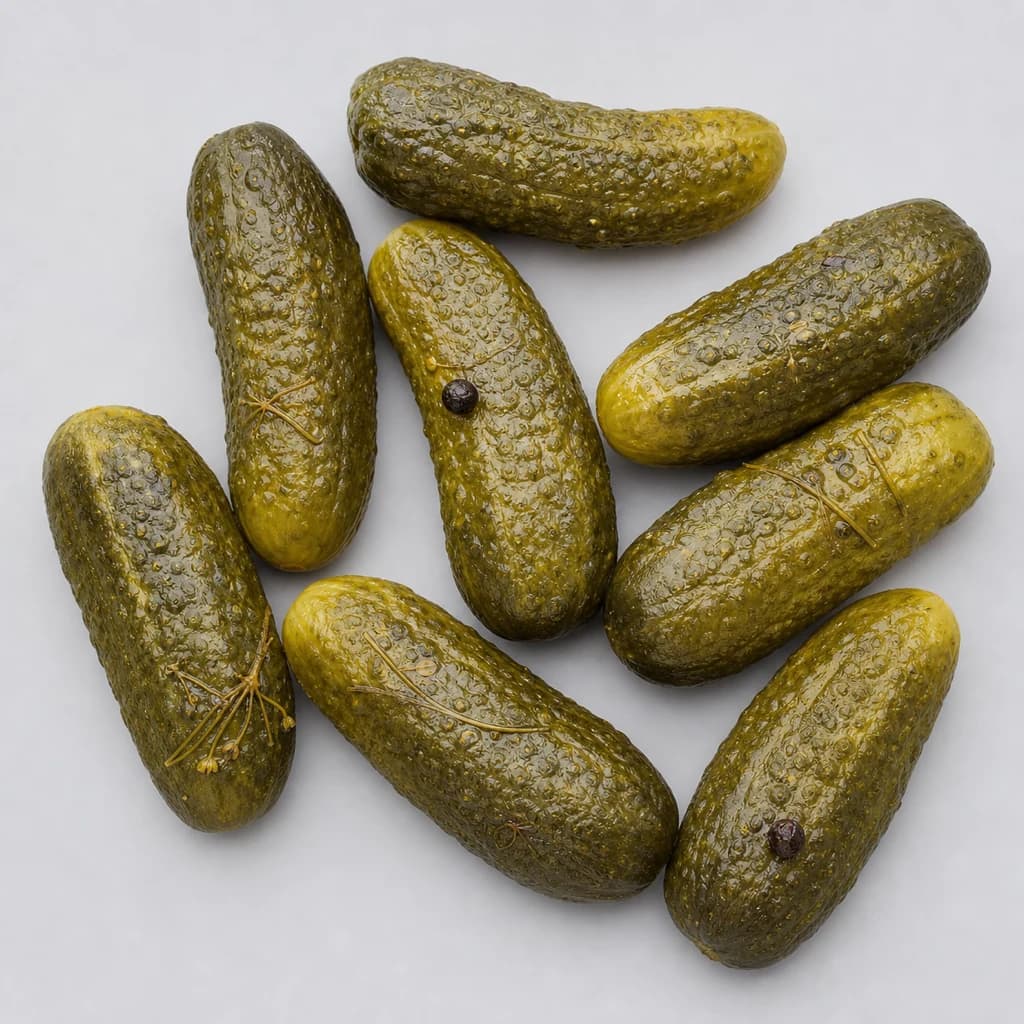
Pickled Cucumber
Brined or vinegar-cured cucumbers, tangy and crunchy, served as a side or in sandwiches.

Pickled Pepper
Brined or vinegared peppers eaten as a tangy condiment or salad component.

Preserved Mustard Greens (Yacai)
Salt-cured, fermented Chinese mustard greens used as a savory cooking seasoning.