Grains & Rice
Pumpernickel
Dense, dark German rye bread slow-baked to a sweet, malty depth.
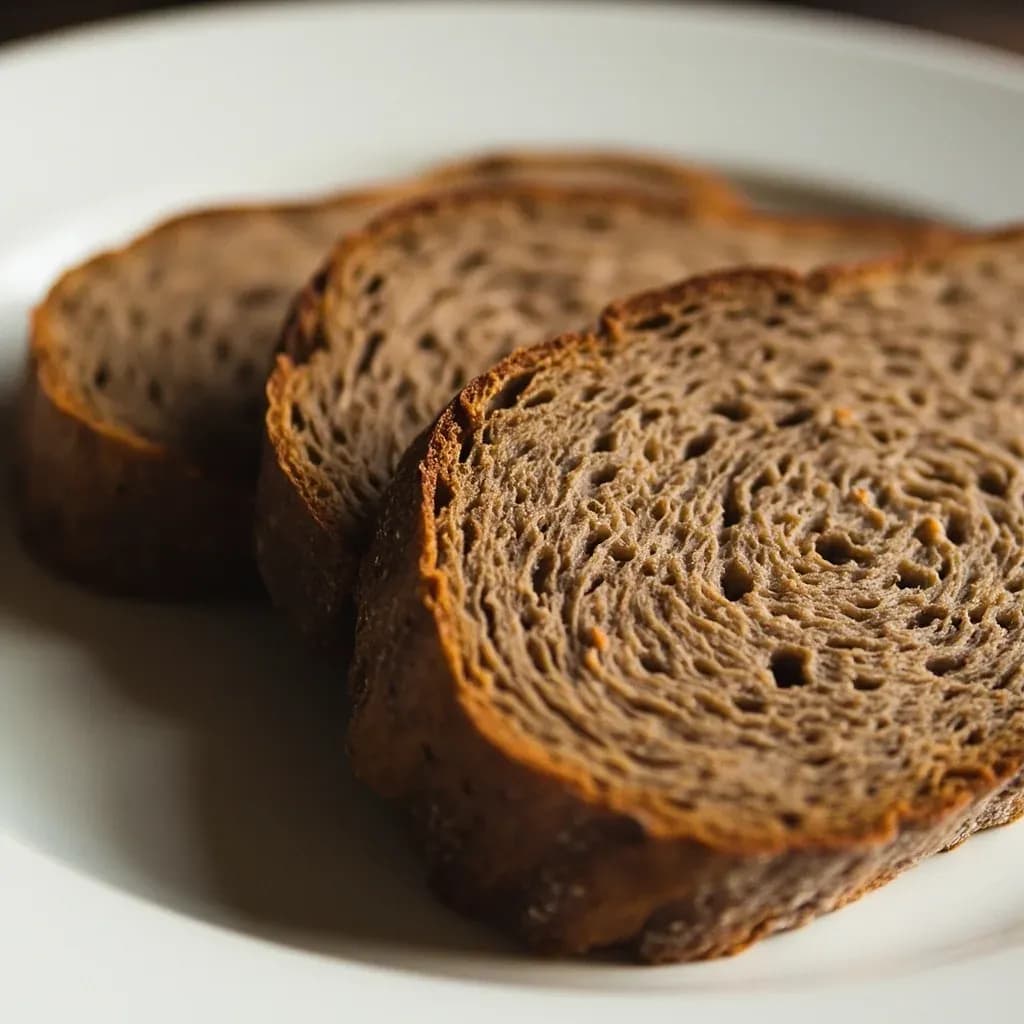
Pumpernickel is a dense, dark German bread made from coarsely ground whole rye and rye sourdough, traditionally steam-baked for many hours at low heat. The long bake caramelizes the grain through the Maillard reaction, giving a deep brown color and sweet, malty, slightly tangy flavor. It is moist, hearty, and long-keeping, classic with cured fish and cheese.
Pumpernickel is a dense, dark German bread made primarily from coarse whole rye flour and whole rye berries, traditionally baked for 12 to 24 hours at very low temperatures (200–250°F / 95–120°C) in lidded rectangular pans. The extended baking process caramelizes the natural sugars in rye starch, producing the bread's characteristic deep brown color and sweet, malty depth without any added colorants or sweeteners in the traditional version. This long, slow bake is what distinguishes genuine Westphalian pumpernickel from commercially produced versions, which often rely on coffee, cocoa, caramel color, or molasses to approximate the appearance and flavor. The result is an intensely flavored bread with a moist, tightly packed crumb that holds its shape firmly when sliced thin. Pumpernickel's assertive character and structural density make it a singular ingredient—one that demands respect and deliberate pairing rather than casual substitution. It is not a neutral carrier but an active flavor component that anchors a specific vocabulary of deli, bistro, and Germanic preparations. Understanding pumpernickel means understanding that its strength lies in contrast: its earthy sweetness against smoky fish, its dense chew against creamy spreads, its dark malty depth against bright pickles and mustards.
- Measured in
- piece
- Storage
- Pantry
Allergens
Types & varieties
The traditional German version; long-baked with whole rye berries, dark and intensely flavored. Contains only rye flour, rye berries, water, salt, and sourdough starter—no added sweetener, fat, or spice.
Lighter color and texture; often colored with caramel color, cocoa, or coffee; may contain wheat flour for a softer crumb.
Small, dense Austrian rye loaf similar in spirit but not true pumpernickel; shorter bake, lighter color.
The Long Bake: Why Time Matters
The defining characteristic of traditional pumpernickel is not the grain but the heat and duration of baking. At temperatures between 200°F and 250°F, rye starches undergo sustained caramelization and Maillard browning over the better part of a day. This slow process breaks down complex carbohydrates into simpler sugars, creating the bread's signature sweet depth that borders on faintly chocolatey. Commercial versions shortcut this entirely—they achieve the dark color through additives and the softer texture through wheat flour and faster baking. If authenticity matters to you, read the ingredient label: true pumpernickel contains no sweetener, no fat, and no colorants. The ingredient list should read simply: whole rye flour, rye berries, water, salt, sourdough starter.
- A 16–20 hour bake at 225°F is the authentic Westphalian standard
- Commercial ovens can approximate this with careful temperature control and a covered Dutch oven or loaf pan
- The bread is done when an instant-read thermometer reads 200°F in the center
- Traditional loaves are often baked overnight and cooled slowly in the oven with the heat turned off
Choosing and Buying Pumpernickel
Most home cooks will purchase rather than bake traditional pumpernickel. When buying, the most important decision is whether you want the authentic or commercial product. The ingredient label tells the story at a glance. Authentic Westphalian pumpernickel has a very short ingredient list—no sugar, no oil, no caramel color. American supermarket versions typically list caramel color or cocoa as ingredients and may include wheat flour. The flavor difference is significant: authentic versions taste of dark malt, coffee-like depth, and faint sweetness without any added sweetener. Commercial versions taste flatter and more artificial. For sandwiches and charcuterie boards where presentation matters, the American-style slice's lighter interior color may be preferable. For the genuine experience, seek out artisan bakers or import brands that follow the Westphalian tradition.
- Check for whole rye berries visible in the crumb—they indicate a less-processed, more traditional product
- Avoid loaves that feel lightweight or springy when pressed; true pumpernickel yields slowly under pressure
- Sourdough-based pumpernickel has a mildly tangy finish; yeast-based commercial versions are more neutral
- Frozen pumpernickel slices are convenient for service but lose moisture; thaw completely before use
Common uses
Tips & pitfalls
- Slice thin—1/4 inch or less—to manage the dense texture; a sharp serrated knife gives the cleanest cuts without crushing the crumb
- Store at room temperature wrapped in a clean cloth, not plastic, to prevent sogginess; the bread actually benefits from light air exposure
- Toast briefly before serving to enhance aroma and improve slicing; 1 minute under a broiler or in a dry skillet is sufficient
- True traditional pumpernickel improves on the second day as the crumb hydrates further and flavors deepen and meld
- Avoid varieties with artificial caramel color if seeking authenticity; read the ingredient label carefully
- Do not use pumpernickel as dippers for heavy stews—the dense crumb can become gummy and fall apart in liquid
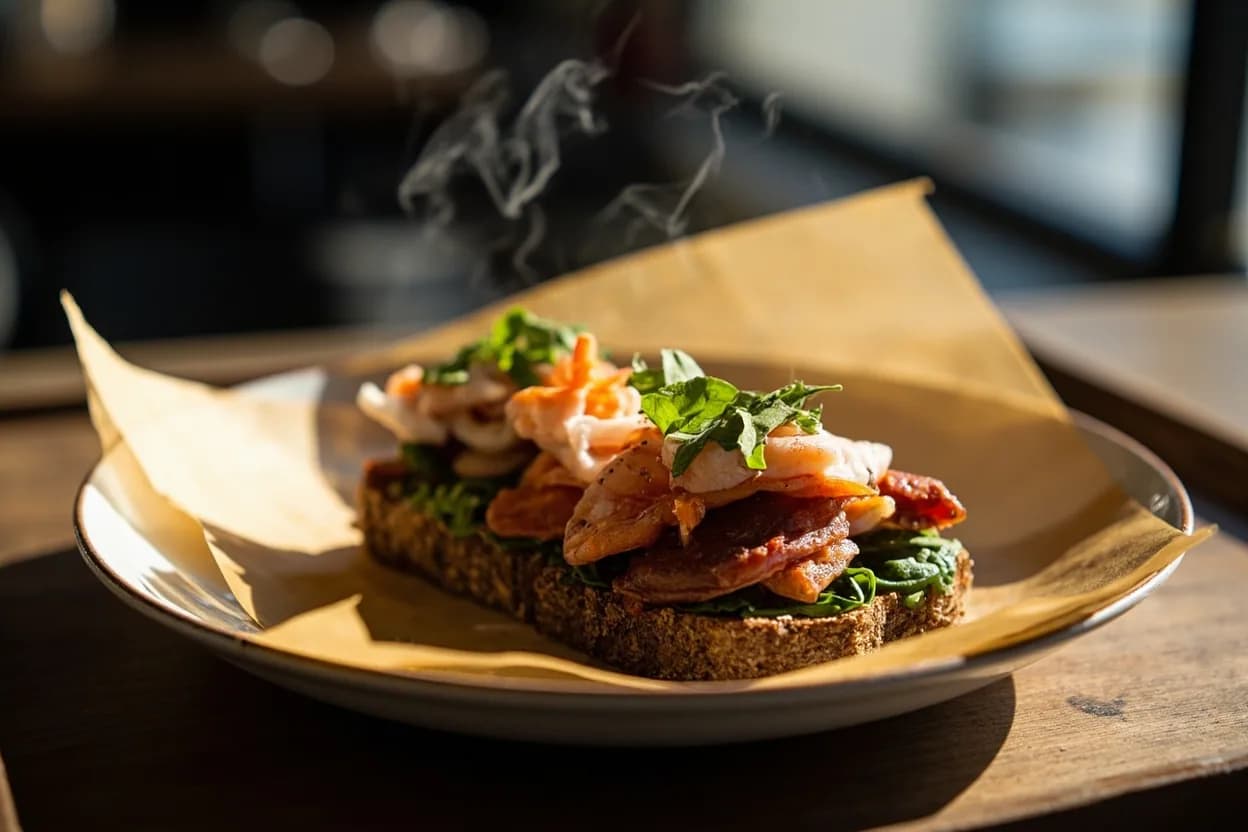
- For open-faced canapés, spread butter or cream cheese before adding toppings to create a barrier that prevents the crumb from absorbing moisture too quickly
- When cutting decorative shapes from pumpernickel, use a sharp cookie cutter and press firmly; the density requires clean, decisive cuts
- Pair pumpernickel with bold, assertive flavors—it will be overpowered by bland or delicate toppings
Nutrition
Energy
1084 kJ · per 100 g
Where the calories come from
Protein
8.5g
17% DV
Carbs
48.3g
18% DV
Fat
3.3g
4% DV
Fiber
5.8g
21% DV
Sugars
3.9g
of which
Sodium
603mg
26% DV
Source · USDA FoodData Central · Bread, rye
View on FDC →In the shops
Matched grocery products
No matched grocery products for Pumpernickel yet.
Good to know
- Origin
- Germany, particularly Westphalia and the town of Paderborn
- Primary grain
- Coarse whole rye flour and whole rye berries
- Baking time
- 12–24 hours at low temperature (200–250°F / 95–120°C)
- Color source
- Caramelization of rye sugars and Maillard reaction from extended baking; commercial versions may add coffee, cocoa, or molasses
- Texture
- Very dense, compact, moist crumb; slices hold together firmly
- Shelf life
- 5–7 days at room temperature; improves over 2–3 days as flavors meld
- Leavening
- Sourdough starter (traditional); commercial versions may use baker's yeast
- Shape
- Traditionally baked in lidded rectangular pans (Bock form)
- Slices per loaf
- Approximately 20–24 thin slices from a standard 1-lb loaf
Substitutes
- Dark rye bread — Closest flavor match and widely available; may be less dense and slightly lighter in color
- Marble rye — Acceptable textural substitute; swirled light and dark appearance differs visually but flavor is comparable
- Whole grain rye bread — Similar nutty depth and density; typically lighter in color and less intensely flavored
- Black bread (Russian or European) — Comparable density and dark color; often contains caraway seed which adds a different flavor dimension
Pairs with
Also called
Rye Bread · Schwarzbrot
Appears in these dishes
Related

White Rice
Fluffy long-grain rice — the neutral base for almost any meal

White Bread
Soft sandwich loaf for toast, sandwiches, and crumbs
Brown Rice
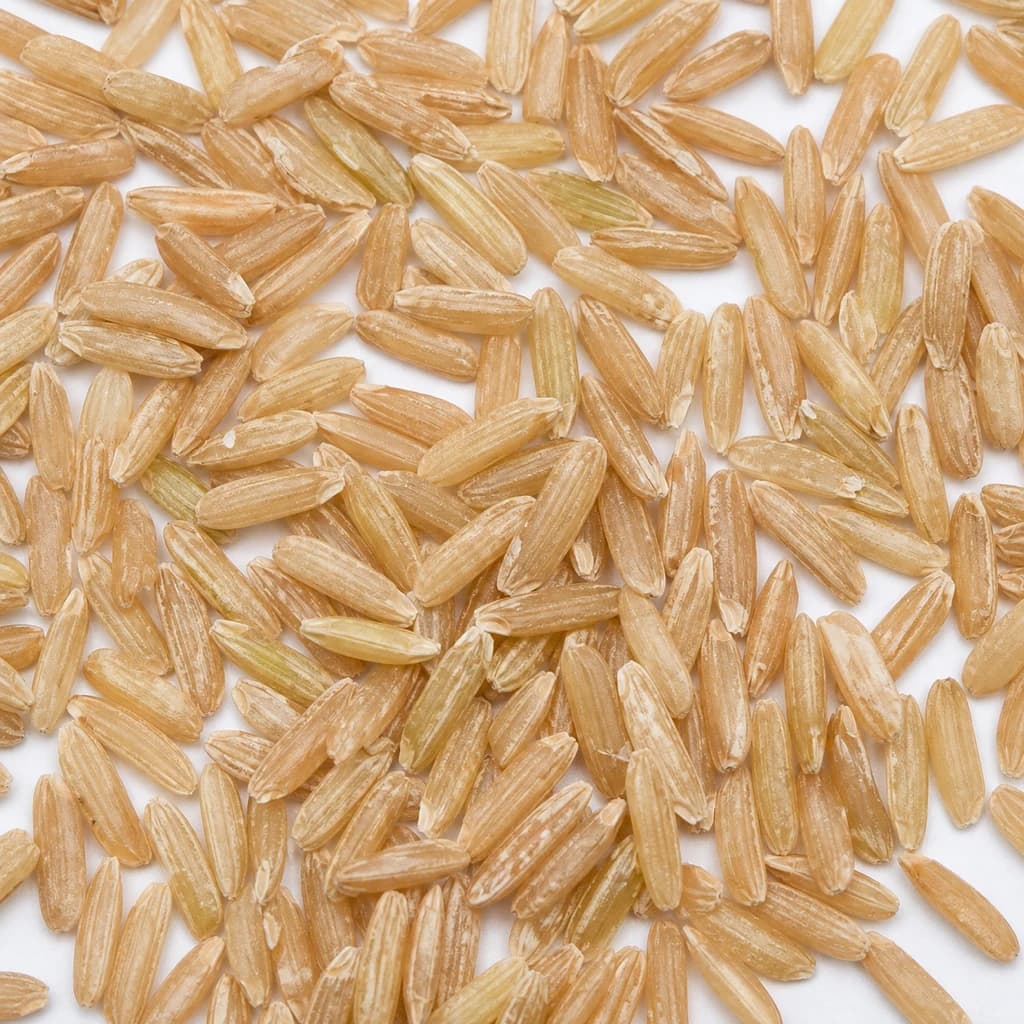
Nutty, whole-grain rice with chew and extra fiber

Basmati Rice
Fragrant, long-grain rice that cooks up light and separate
Jasmine Rice
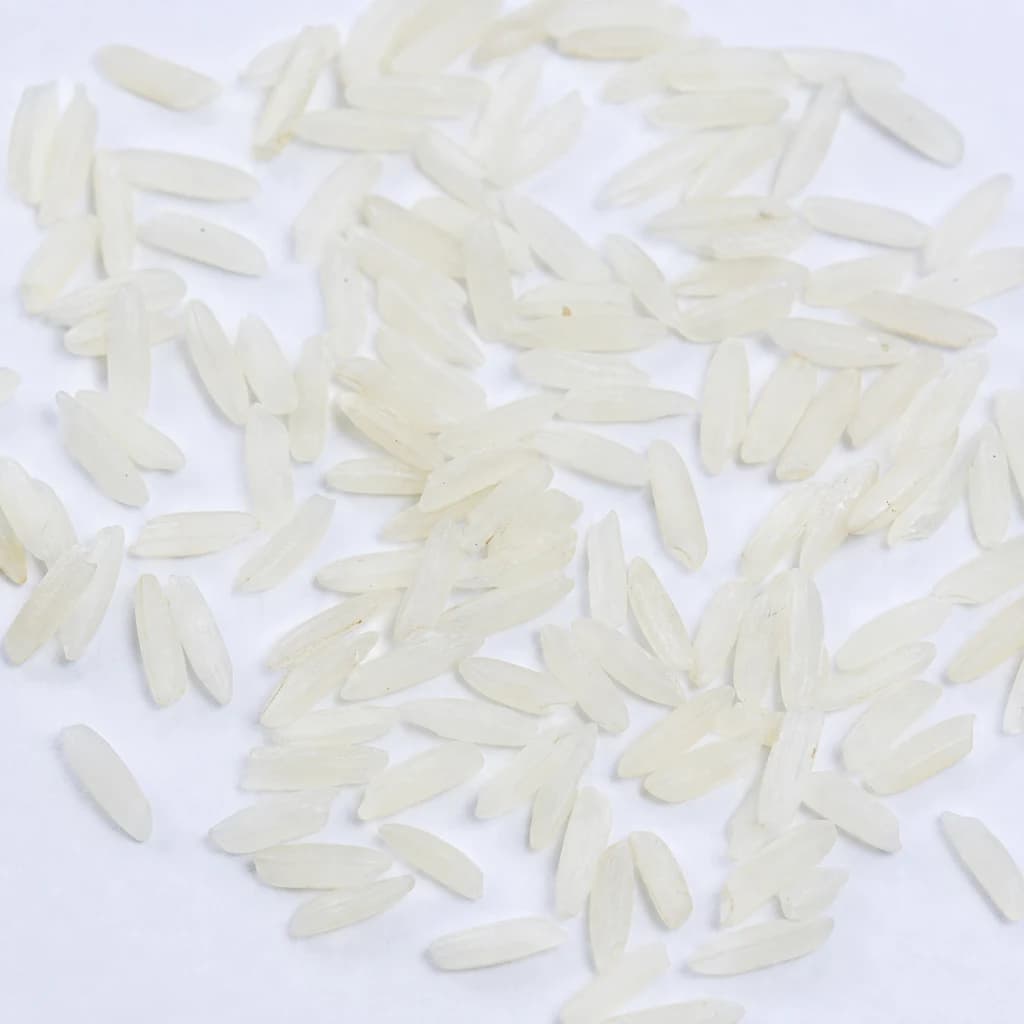
Soft, floral-scented rice that's the pillar of Thai meals
Arborio Rice
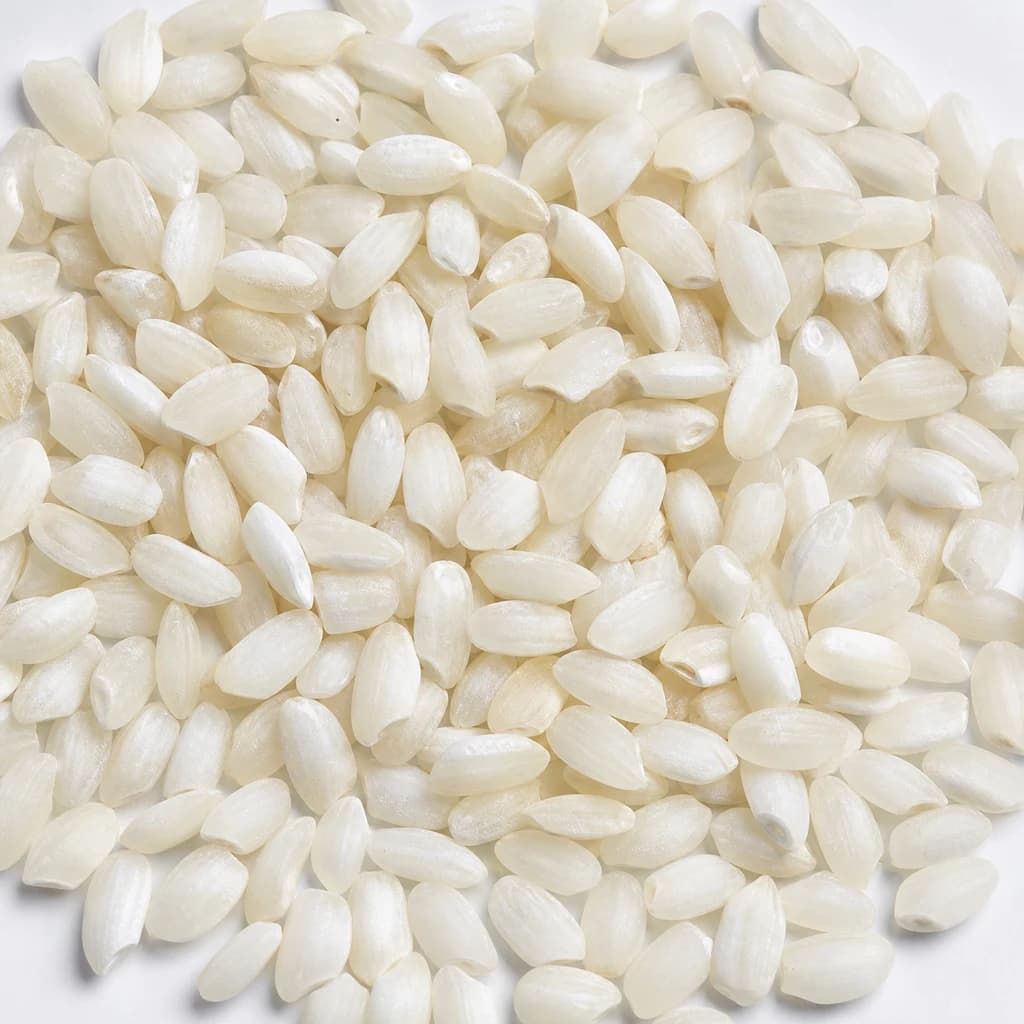
Plump, starchy rice that makes risotto creamy
Fusilli
Spiraled pasta that twirls up sauce and dresses cold salads
Rolled Oats
Hearty flakes for porridge, granola, and chewy cookies