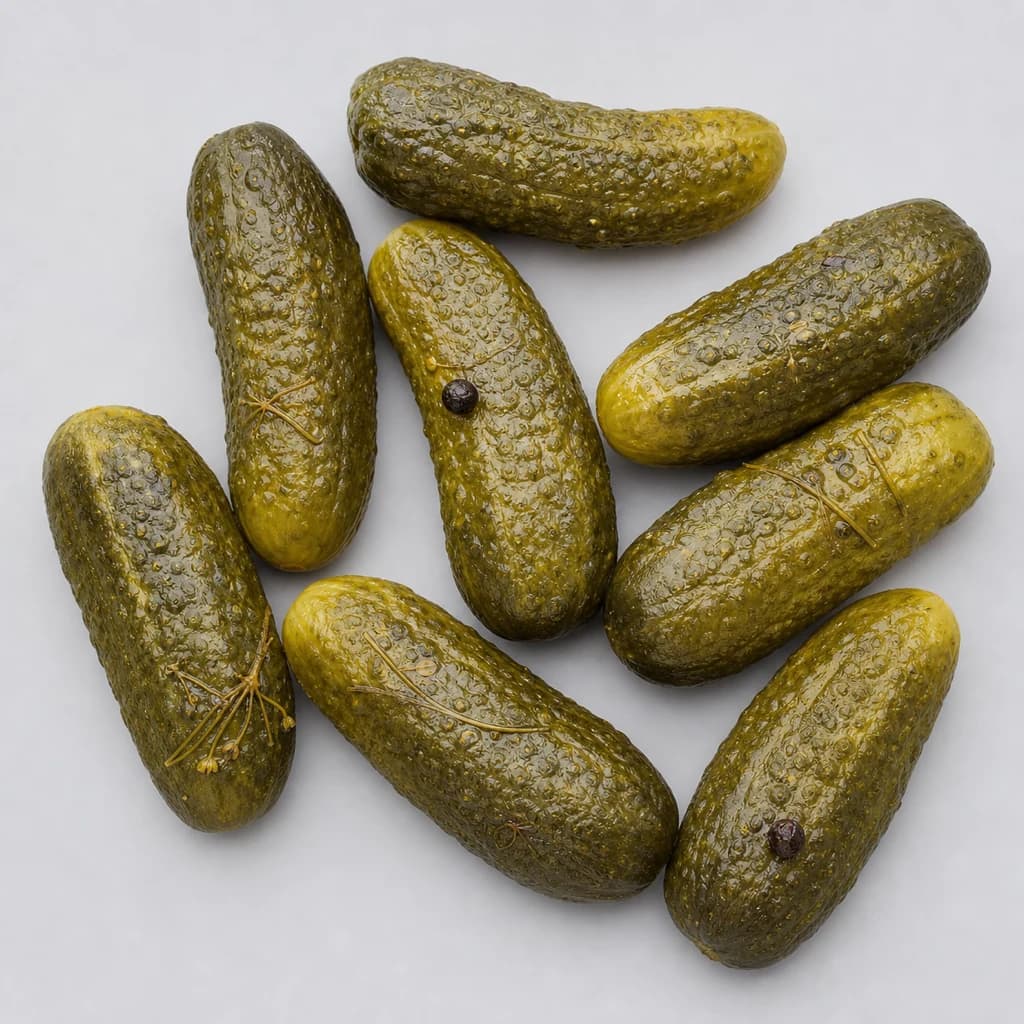
Natural form
Whole pickled cucumbers in brine, showing characteristic dark-green skin and compact size.
Shows the reader exactly what pickled cucumbers look like before cutting — the size, skin color, and brine context that distinguish them from fresh cucumbers.
Condiments
Pickled Cucumber
Brined or vinegar-cured cucumbers, tangy and crunchy, served as a side or in sandwiches.
Pickled cucumbers are small cucumbers preserved in salt brine or vinegar, often with dill, garlic, and spices. They range from sour fermented dills to sweet bread-and-butter styles and are eaten as a snack, chopped into salads, or layered into burgers and sandwiches. The lactic or acetic acid gives them their signature tang and snap.
Pickled cucumber is one of the most ancient and widely made preserves in the world, born from the practical need to extend the short cucumber season. The category divides cleanly into two distinct methods: lacto-fermented pickles, where beneficial bacteria convert natural sugars into lactic acid over days, developing deep, complex tanginess and a live culture profile; and quick-pickled cucumbers, cured in acetic acid (vinegar) within hours, producing a cleaner, sharper acidity suitable for safe canning. The behavior of each type differs substantially in the finished dish — fermented pickles contribute a mellow, layered sourness and probiotic benefit, while quick-pickled cucumbers offer immediate brightness and structural integrity. What unites both is the transformation of a high-water, perishable vegetable into a pantry staple with dramatically extended shelf life and intensified flavor. The cucumber variety itself matters enormously: pickling cucumbers (Kirby, Persian, bush-type) are bred with fewer internal water channels and thinner skins, making them far more resistant to the textural collapse that plagues standard slicing cucumbers when submerged in liquid.
Storage conditions dramatically affect the finished product. Fermented pickles require room temperature (15–21°C) initially for bacteria to establish, then refrigeration once the desired sourness is reached, which halts further fermentation and preserves crunch. Quick-pickled cucumbers, by contrast, should go straight into the refrigerator and will keep safely for months due to their acidic pH (3.4–4.0). The blossom end of the cucumber — the dried floral remnant at the stem end — contains polygalacturonase, an enzyme that breaks down pectin in the cell walls and causes softening during cure. This is why serious pickle makers always remove it, typically by cutting or rubbing it off before packing.
The flavor profile of pickled cucumber is built on acid (lactic or acetic depending on method), salt, and the aromatic contributions of dill, garlic, and spices, with dillapiole from dill weed providing the characteristic herbal backbone. Beyond the classic deli spear, pickled cucumber is a versatile condiment that cuts richness, adds crunch, and provides a sharp counterpoint across cuisines from Polish to Korean to American soul food.
- Measured in
- piece
- Storage
- Fridge
Types & varieties
Fresh or lacto-fermented with dill weed, garlic, and spices; standard American deli style
Prepared according to Jewish dietary law, typically with garlic and dill; sometimes with chili pepper
A small cucumber variety, usually harvested immature; common in British cuisine and cocktail garnishes
French gherkin pickled in white wine vinegar with shallots and tarragon; standard in charcuterie platters
Sweet and tangy, made with sugar and ginger; typically sliced; a classic sandwich filler
Long-fermented for full sourness; nearly all acid, very low salt
Short fermentation (2–3 days); retains cucumber's natural color, crunch, and mild salinity
Traditional preparation with salt brine, dill, and garlic; sometimes includes rye bread to kick-start fermentation
Seasoned with gochugaru, garlic, and fish sauce; sweet-spicy and served as a banchan or in bibimbap
Choosing the right cucumber
Not all cucumbers are equal for pickling. Pickling cucumbers (Cucumis sativus cultivars bred for this purpose) have thicker flesh, smaller seed cavities, and fewer large water channels — structural features that resist the textural collapse caused by extended immersion in liquid. Kirby and Persian cucumbers are the most widely available commercial pickling varieties. Standard slicing cucumbers (the kind sold for salads) have high internal water content and thin skins; they will become soft and watery in the jar, not crunchy. If you can only find slicing cucumbers for quick pickling, salt them first (see tips) and use them within days rather than canning them for long-term storage. Look for firm cucumbers with no soft spots, ideally sold at farmers' markets within 24 hours of harvest.
- Kirby cucumbers — best all-around availability and texture
- Persian cucumbers — thin-skinned but crisp flesh, excellent for quick pickling
- Bush-type cucumbers — compact plants, bred for pickling, found at farmers' markets
- Avoid overripe cucumbers: seeds will be large and gel-like, degrading texture
Lacto-fermentation fundamentals
Lacto-fermentation is the oldest and most flavor-complex method for making pickled cucumber. It relies on naturally occurring Lactobacillus bacteria present on the cucumber surface, which thrive in a salt brine environment where harmful bacteria cannot survive. The process produces lactic acid, which sour the cucumbers gradually over several days to weeks. Fermented pickles are alive — they contain beneficial probiotic bacteria and continue to develop flavor slowly in cold storage. The critical conditions for success are: correct salt concentration (2–3% by weight of the total brine — use a scale, not volume measures), keeping cucumbers fully submerged below the brine surface (oxygen above the liquid promotes mold and yeast), and maintaining a cool room temperature (15–21°C). Temperatures above 24°C accelerate fermentation but produce off-flavors and mushy texture. Below 15°C, fermentation stalls. An airlock lid is helpful but not essential; a loose-fitting lid or weight system works fine if you burp the jar daily to release trapped CO2.
- Weigh your cucumbers and calculate salt by weight of total liquid, not cucumber weight
- Submerge cucumbers completely — use a fermentation weight or a zip-lock bag filled with brine as a DIY weight
- Burp jars daily during active fermentation to release carbon dioxide
- Transfer to refrigeration once flavor reaches your target sourness
Quick pickling technique
Quick pickling uses acetic acid in the form of vinegar to preserve cucumbers rapidly. Unlike fermentation, it requires no bacterial culture, no special equipment, and no waiting — most recipes are ready in 24–72 hours. The acid environment (pH below 4.0) inhibits spoilage organisms, making quick-pickled cucumbers safe for refrigerated storage for weeks to months. For longer shelf-stable storage suitable for pantry or gifting, quick-pickled cucumbers can be processed in a boiling water bath (10 minutes for pints at sea level), which creates a vacuum seal and kills any remaining microorganisms. A brine ratio of roughly 1:1 vinegar to water with 1–2% salt by weight of the liquid is a reliable starting point, adjusted to taste.
- Distilled white vinegar or apple cider vinegar for clean, versatile flavor
- Customize with spices, garlic, dill, sugar, or mustard seed — steep them in the warm brine before pouring over cucumbers
- Pack cucumbers tightly in the jar; pour hot brine over them and tap the jar to release trapped air bubbles
- Salt cucumbers briefly before packing to draw out excess water and improve texture retention
Common uses
Tips & pitfalls
- Use small, firm cucumbers harvested before full maturity (Kirby, Persian, or bush-type) — large slicing cucumbers have too much internal water and will turn soft and mushy
- Pierce the cucumber skin with a fork or make small cuts before fermentation, OR use a weight to keep cucumbers fully submerged below the brine — floating cucumbers above the liquid line will soften and risk mold
- Always remove the blossom end (the dried floral remnant at the stem end) — it contains polygalacturonase, an enzyme that breaks down pectin and causes mushy pickles
- Use pickling salt — table salt contains anti-caking agents that can cloud brine and may interfere with fermentation
- Ferment at room temperature (18–21°C) for best results; above 24°C, texture deteriorates rapidly and off-flavors develop
- Check and gently shake fermentation jars daily to release trapped CO2 — pressure buildup can force liquid out of the jar or crack glass
- Once desired sourness is reached, move fermented pickles to the refrigerator to halt further fermentation and preserve crunch
- For quick-pickled cucumbers, salt them first and let them sit 30–60 minutes to draw out excess water — this firms the flesh and improves crunch far more effectively than blanching
- After fermentation, do not reuse the old brine to start a new batch — make fresh brine each time to ensure food safety and proper acidity
- Remove the blossom end by snapping or cutting off the very tip of the cucumber — a tiny step that makes a significant difference in texture over time
Nutrition
Energy
544 kJ · per 100 g
Where the calories come from
Protein
0.4g
1% DV
Carbs
35.1g
13% DV
Fat
0.5g
1% DV
Fiber
1.1g
4% DV
Sugars
29.1g
of which
Sodium
811mg
35% DV
Source · USDA FoodData Central · Pickle relish, sweet
View on FDC →In the shops
Matched grocery products
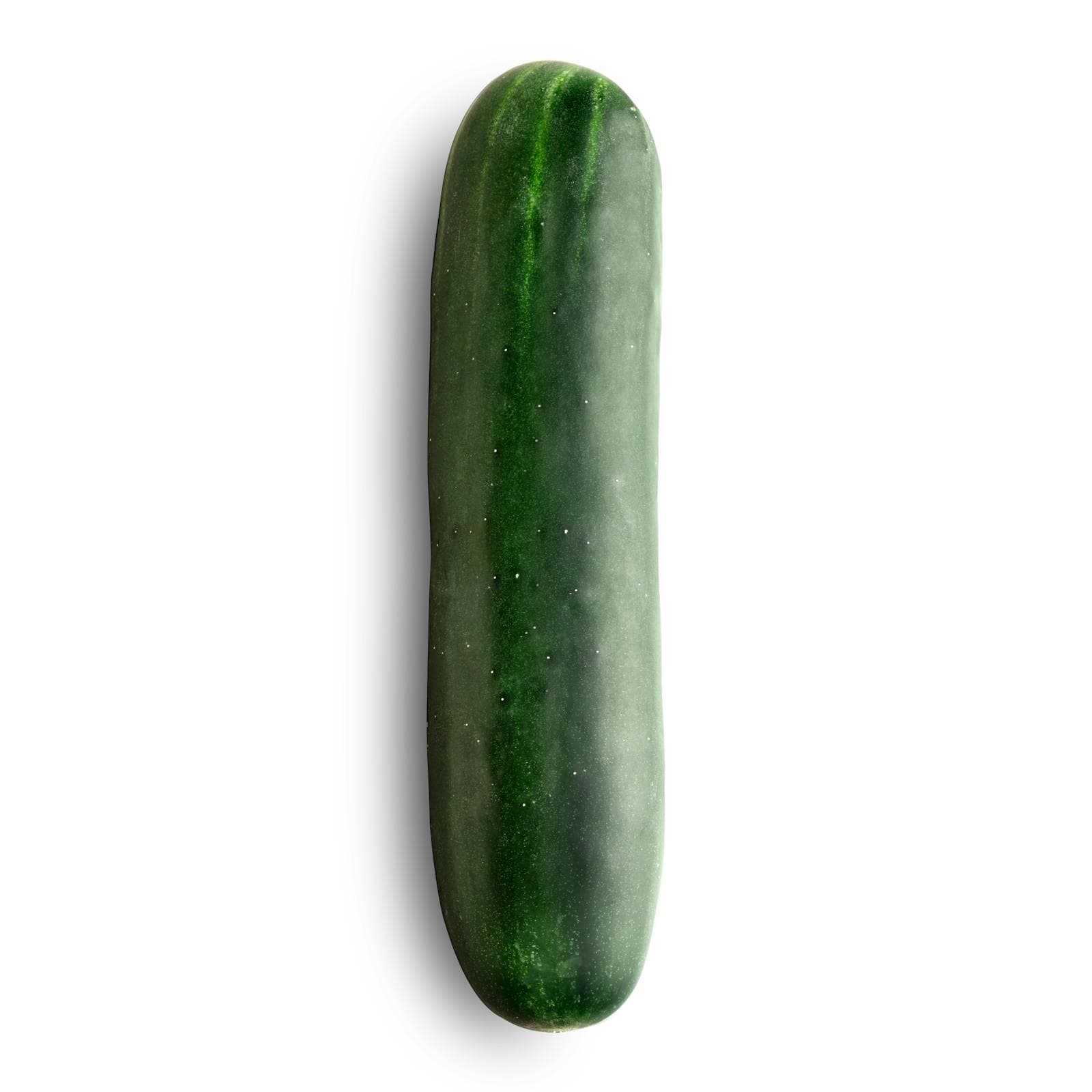 €0.40
€0.40Cucumber
210 g · Mercadona
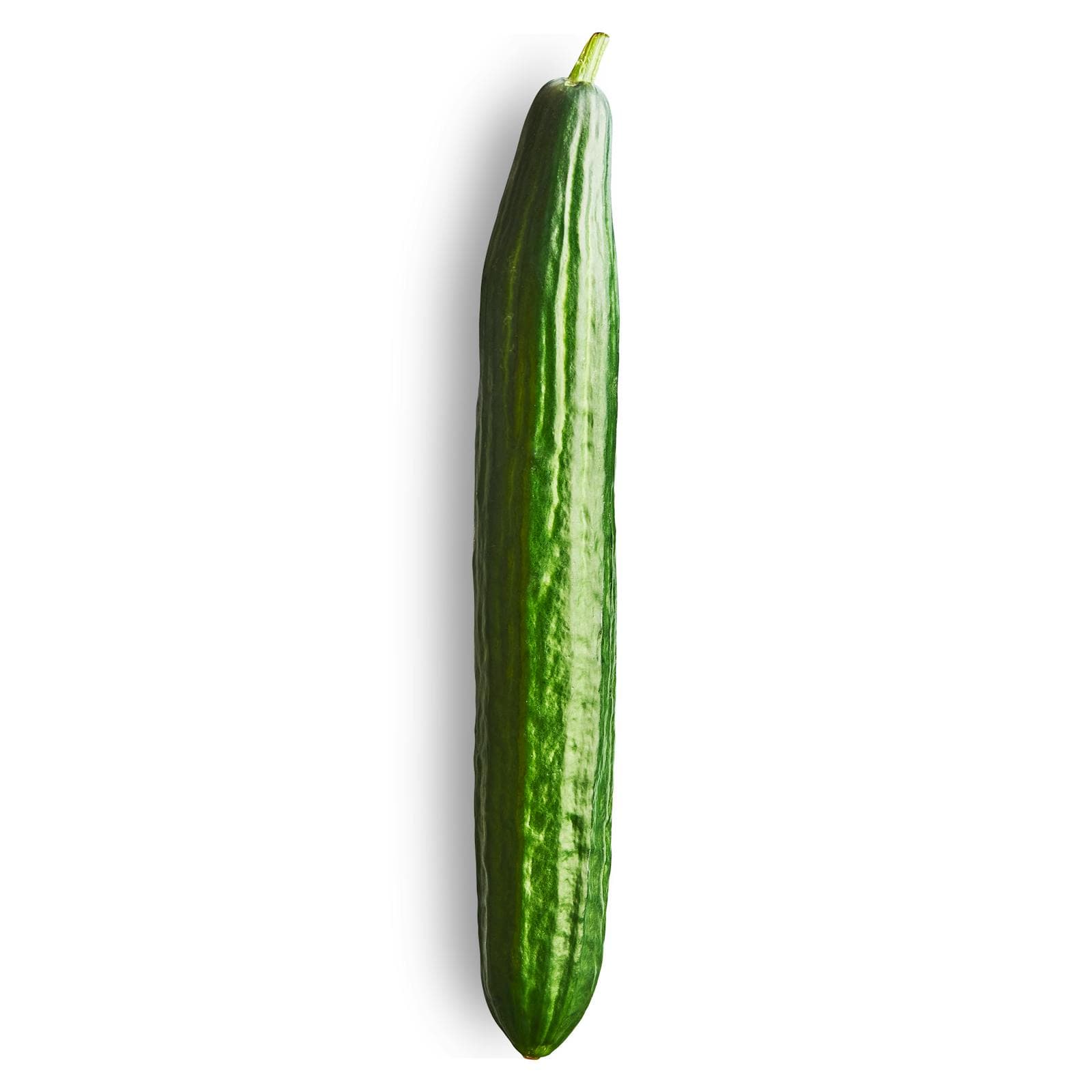 €1.13
€1.13Dutch Cucumber
425 g · Mercadona
 €0.59
€0.59Cucumber 1 unit
Bonpreu
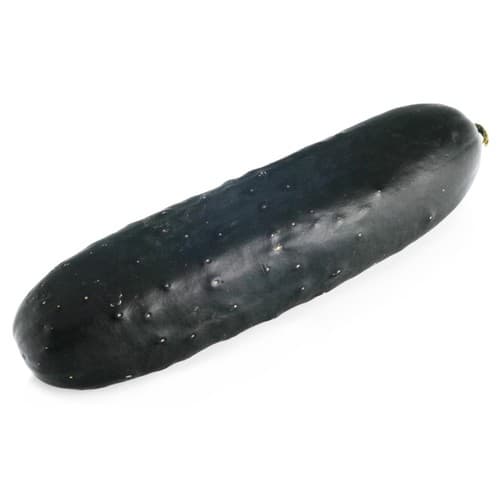 €0.66
€0.66Cucumber 1 unit
ud · Bonpreu
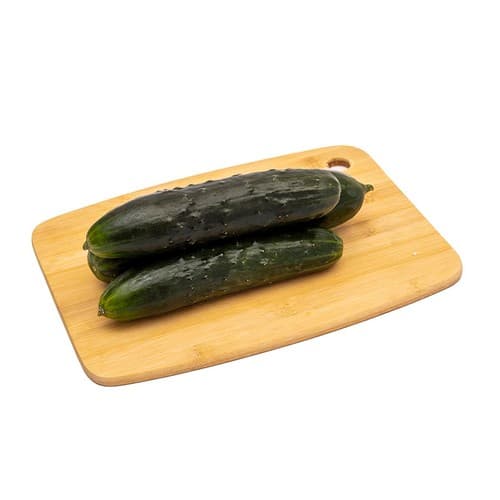 €3.39
€3.39La Collita Organic Cucumber Tray 600 g
LA COLLITA · kg · Bonpreu
Good to know
- Main type
- Cucumis sativus — pickling varieties (Kirby, Persian, bush-type)
- Primary preservation methods
- Lacto-fermentation in 2–3% salt brine OR quick pickling in 3–5% acetic acid (vinegar)
- Fermentation time
- 3–14 days for lacto-fermented; 24–72 hours for quick-pickled in vinegar
- Origin
- Ancient India and Mesopotamia; word derives from Dutch pekel (brine)
- Shelf life
- Fermented unopened: 2–4 months refrigerated (opened: 2–3 months); quick-pickled unopened: 12–18 months (opened: 1–3 months)
- pH range
- Quick-pickled: 3.4–4.0 (safe for canning); fermented: 3.5–4.5
- Salt content
- Fermented: 2–5% by weight of brine; quick-pickled: negligible unless salt is added
- Yield
- 1 lb fresh cucumbers ≈ 1 pint jar finished pickles
Substitutes
- Quick-pickled zucchini — Similar texture and acidity; milder flavor, works as a low-carb substitute in most applications
- Capers — Deliver briny, acidic punch in sauces and dressings but lack the cucumber's crunch entirely
- Green olives — Not a cucumber substitute, but provide comparable salty, acidic crunch as a sandwich garnish
- Sauerkraut — Offers fermented acidity and gut-health benefits; very different texture and is best suited to savory meat pairings
- Quick-pickled carrots — Provide comparable crunch and acidity; excellent in salads, grain bowls, and as a sandwich garnish
Pairs with
Also called
Pickling Cucumber · Dill Cucumber · Gherkin · Pickle
Appears in these dishes
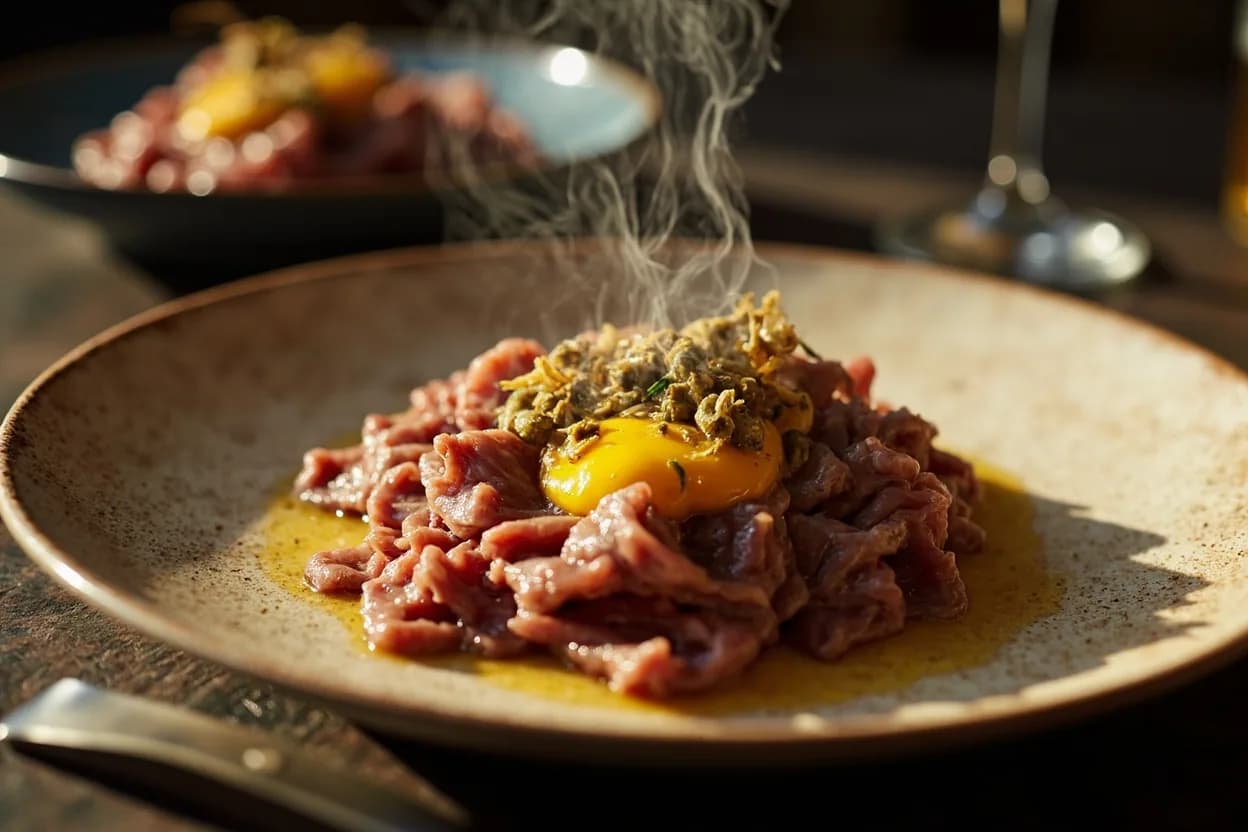
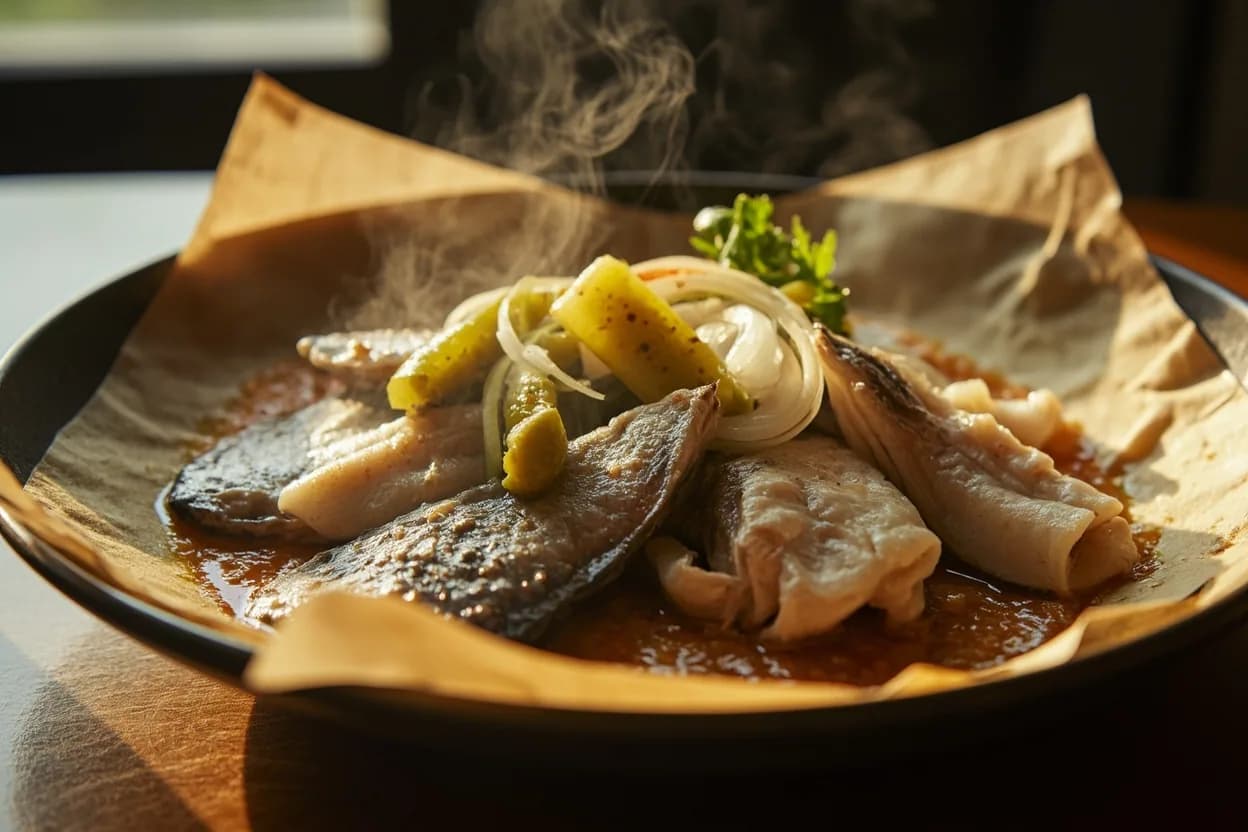
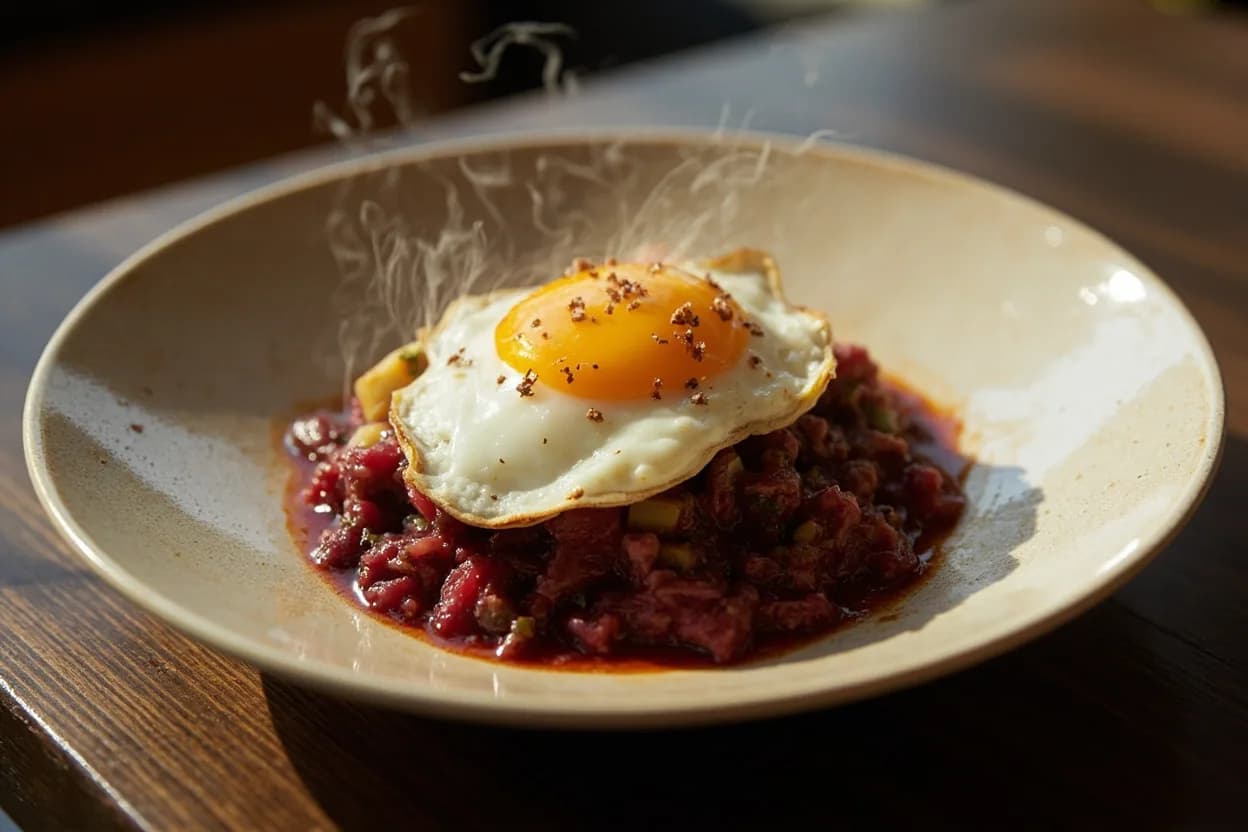
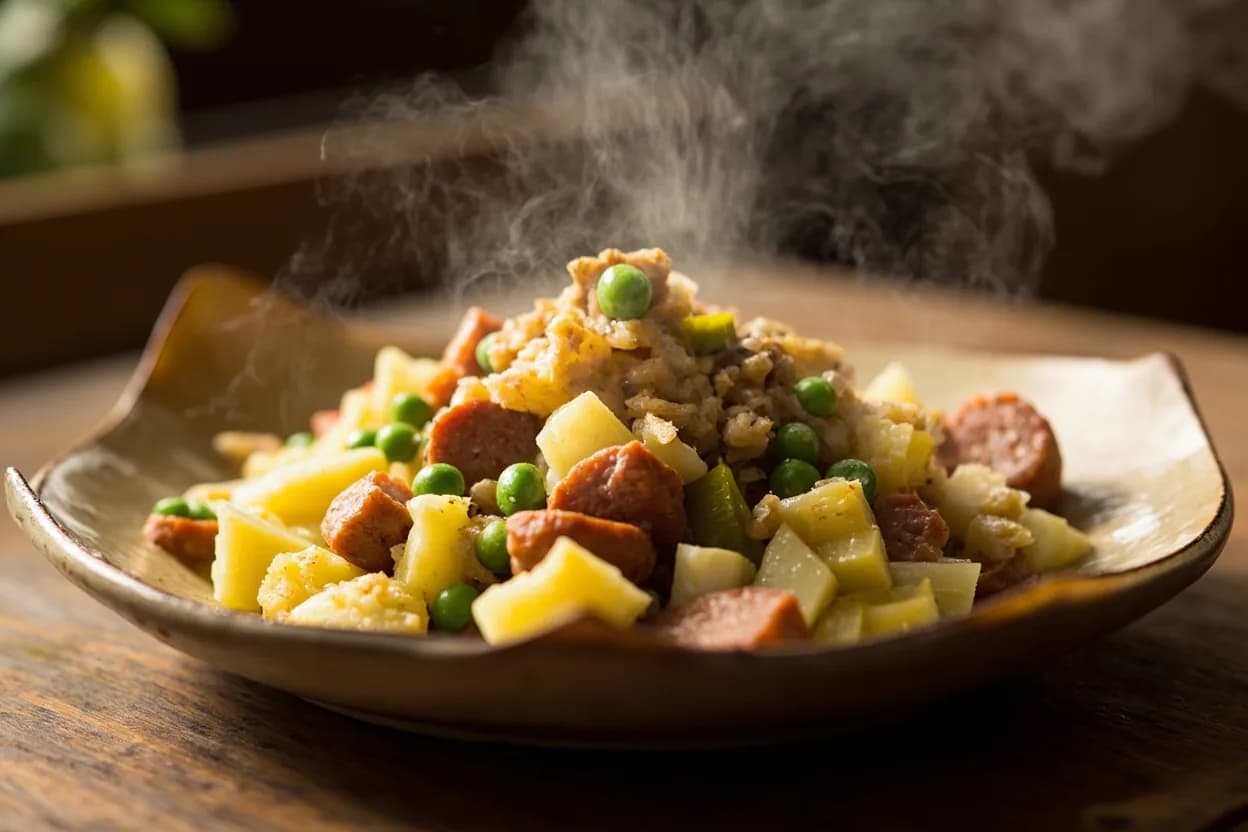
Related
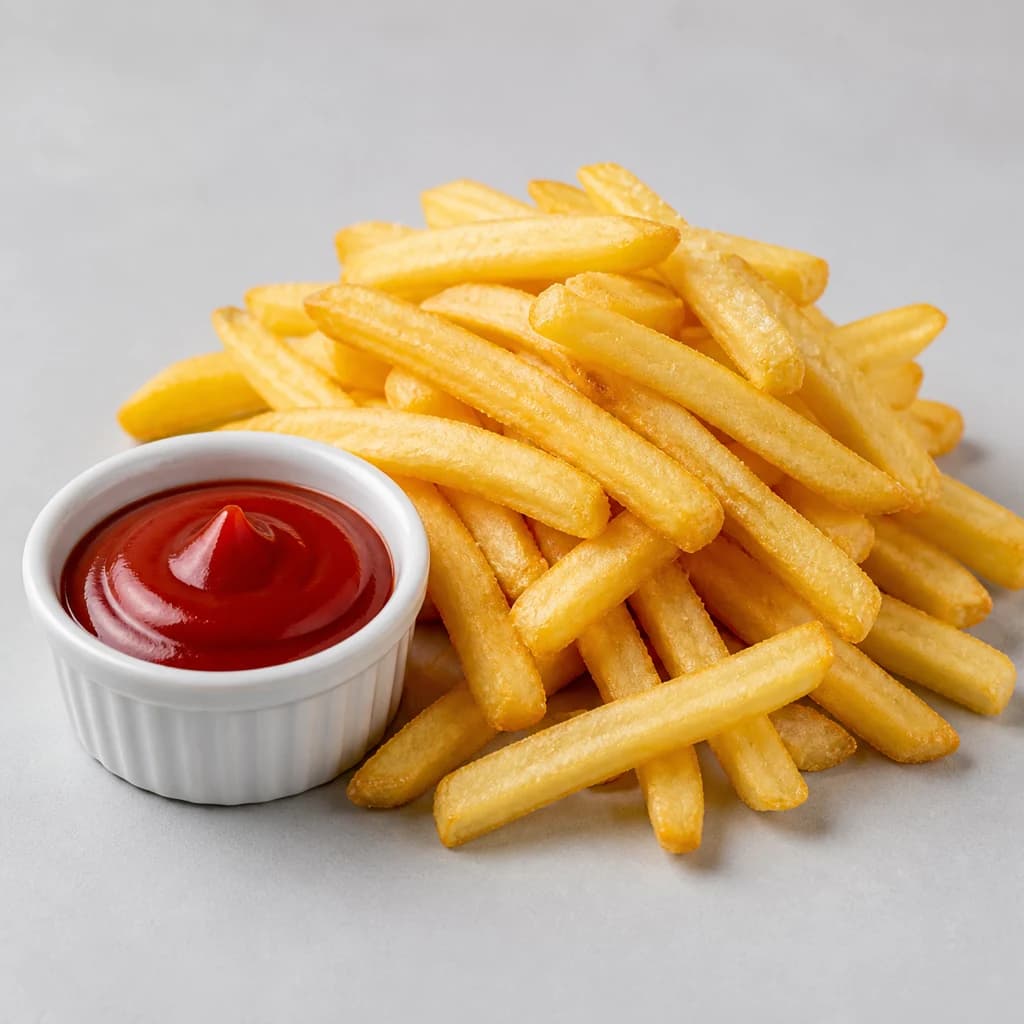
Ketchup
Sweet-tangy tomato condiment for fries, burgers, and glazes
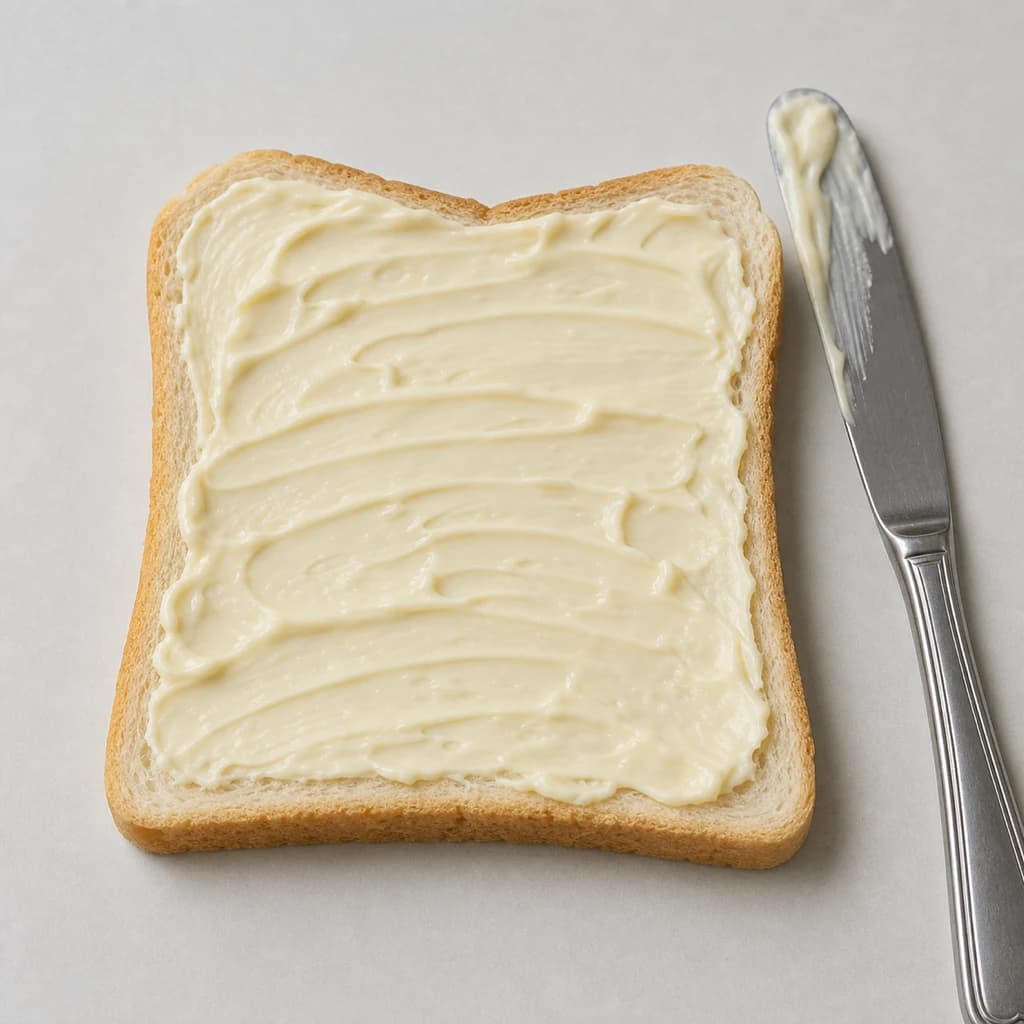
Mayonnaise
Creamy emulsion for sandwiches, dressings, and dips
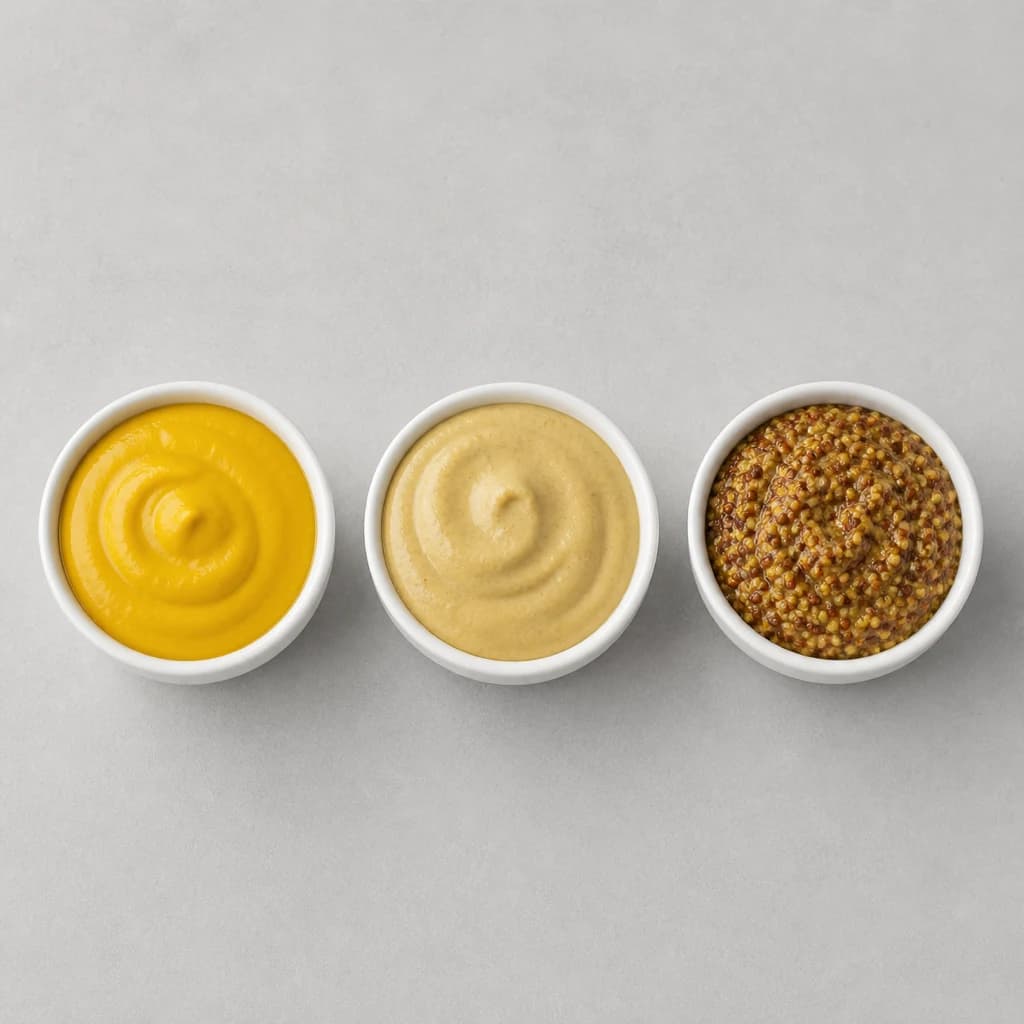
Mustard
Sharp, tangy condiment for sandwiches, dressings, and glazes
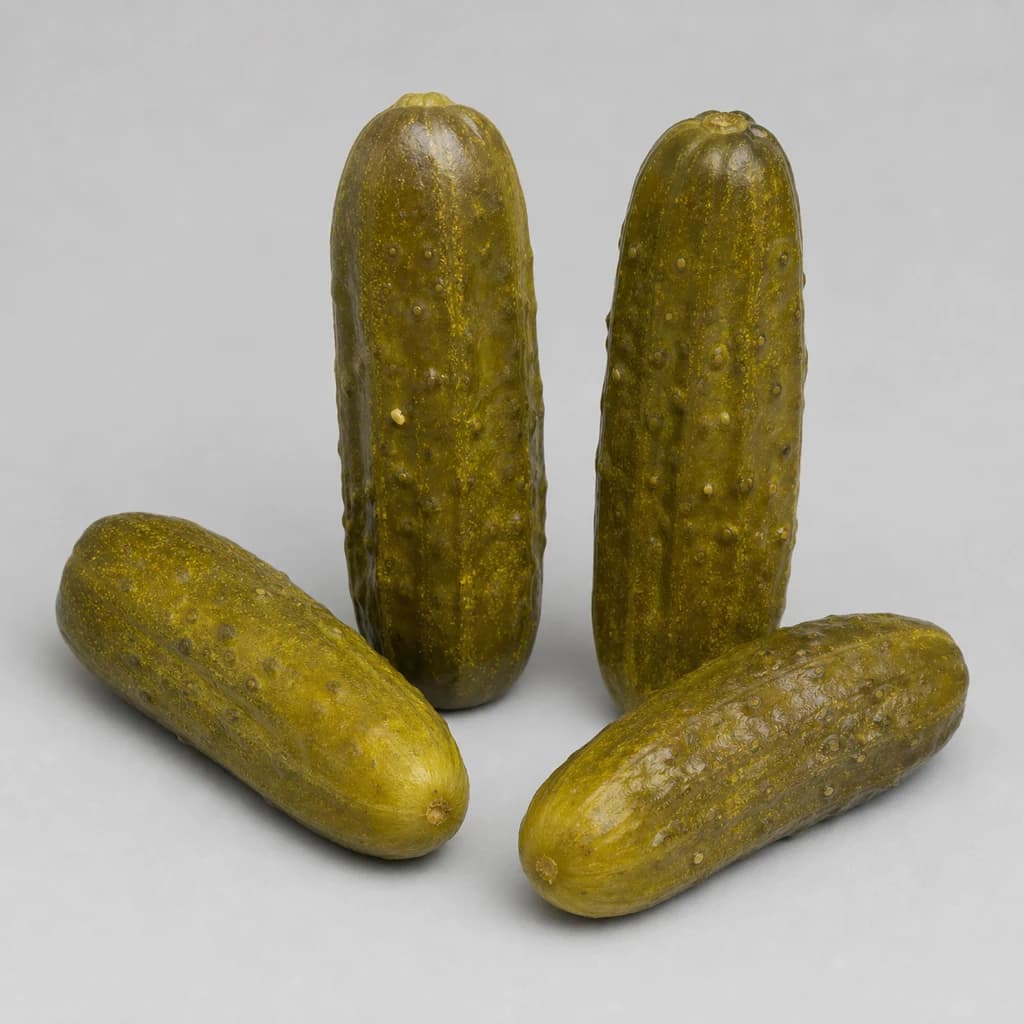
Pickles
Crunchy, tangy cucumbers for burgers, boards, and snacking
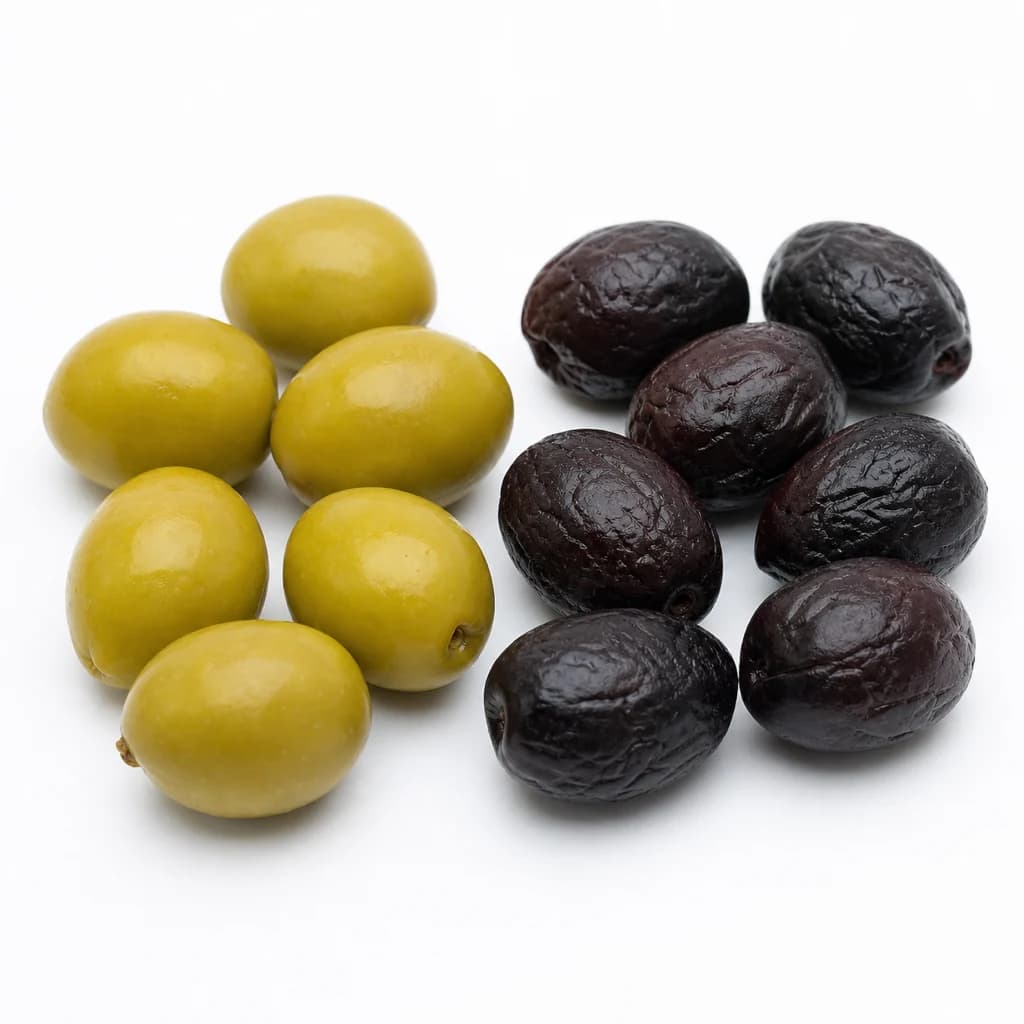
Olives
Briny, meaty fruit for snacking, tapenade, and braises
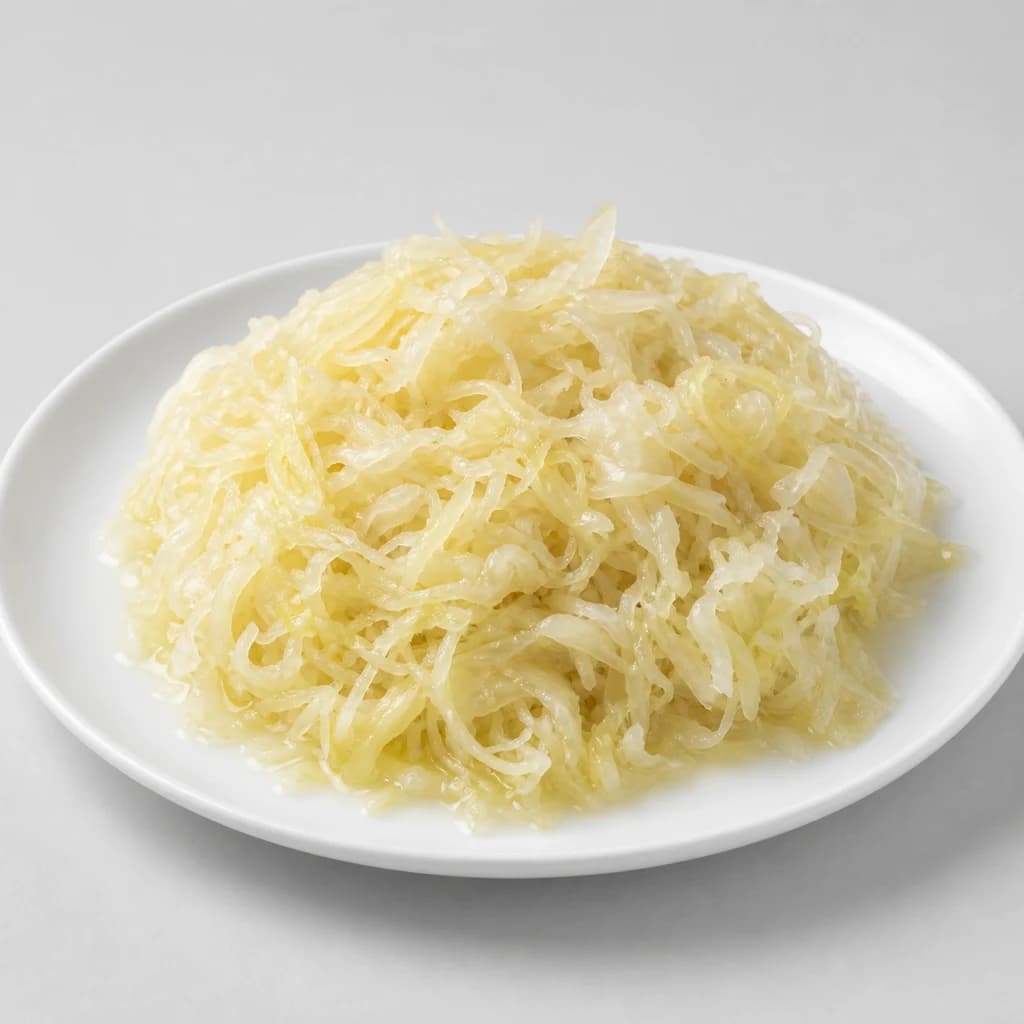
Sauerkraut
Fermented shredded cabbage with a tangy, sour bite, served as a side or cooked into stews.

Pickled Pepper
Brined or vinegared peppers eaten as a tangy condiment or salad component.

Preserved Mustard Greens (Yacai)
Salt-cured, fermented Chinese mustard greens used as a savory cooking seasoning.