Stored
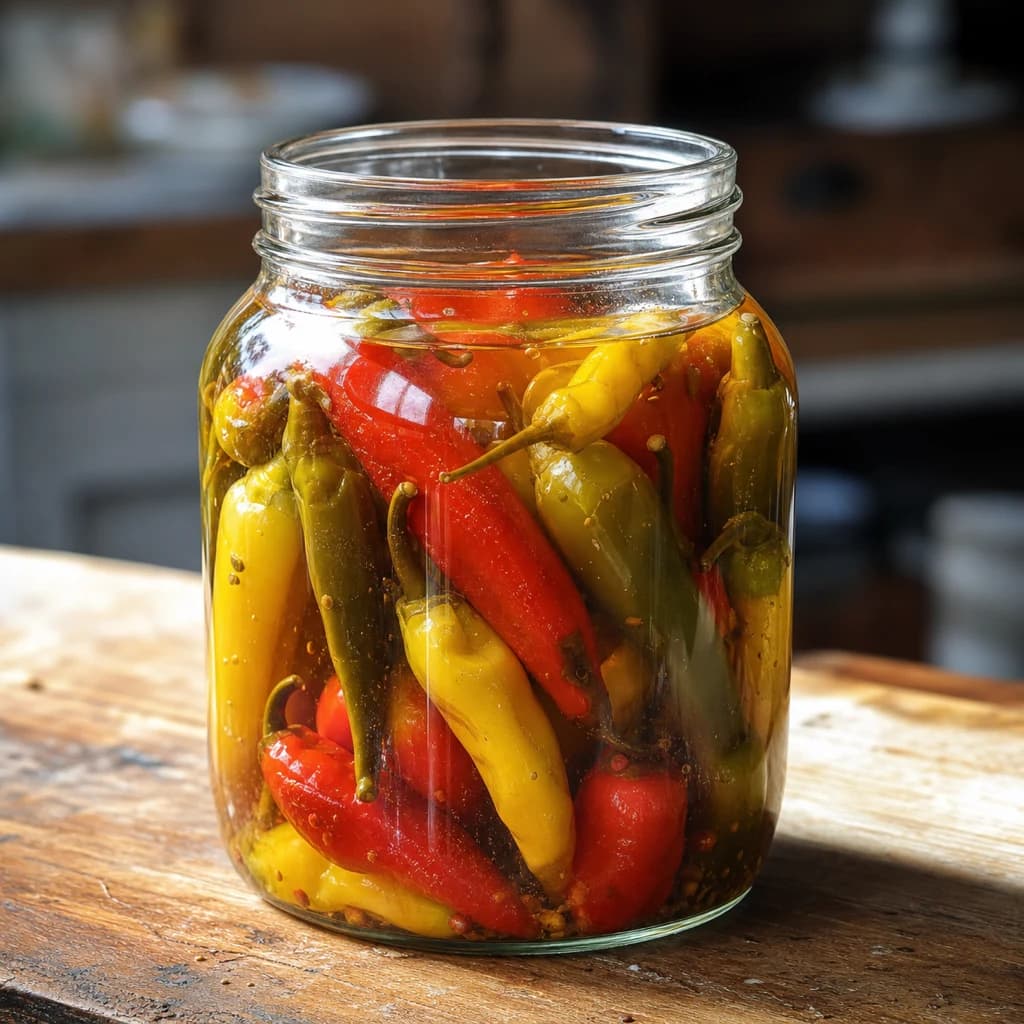
Whole pickled peppers packed in brine inside a wide-mouth glass jar.
Shows the most common way readers encounter pickled peppers — jarred in vinegar brine, which defines the ingredient's preserved form.
Condiments
Pickled Pepper
Brined or vinegared peppers eaten as a tangy condiment or salad component.
Pickled peppers are peppers preserved in vinegar or brine, ranging from mild to fiery. In the Balkans they form part of turšija, a mixed pickled-vegetable relish eaten through winter. They add tangy, sour crunch to sandwiches, salads, and meze platters.
Pickled peppers are fresh peppers preserved in an acidic brine—either a quick vinegar solution or a slow lacto-fermented mixture—which transforms their texture and flavor simultaneously. The brine softens cell walls, yielding a yielding-yet-structured bite, while the acid imparts tang that amplifies and extends the pepper's native heat or sweetness. The result is a condiment that behaves unlike the raw ingredient: it adds vinegar character, prolonged shelf stability, and textural complexity that fresh peppers simply cannot.
Two distinct methods produce pickled peppers. Quick pickling submerges peppers in heated vinegar (at least 5% acidity) with aromatics for a bright, clean, acidic product—this is what you'll find in most commercial jars. Lacto-fermentation uses a saltwater brine where beneficial bacteria convert sugars into lactic acid, creating a more complex, deeply savory, softly sour profile over days or weeks. Fermented peppers are increasingly available at specialty and farmers' market stalls, and their flavor is noticeably different from quick-pickled versions.
Pickled peppers occupy a specific functional niche in the kitchen: they provide acid, heat, and brine character without the dilution of fresh salsa or the cooking heat of a fresh chili. They perform where a condiment must survive refrigeration or pantry storage, integrate into cold preparations without wilting, and deliver a punch that improves over time in the jar.
- Measured in
- g
- Storage
- Fridge
Types & varieties
Most common in US; bright green; medium heat; firm and crunchy when properly processed
Italian origin; wrinkled, yellow-green; mild heat (100–500 SHU); characteristic tang; Hungarian immigrants popularized this variety in the US
Mild (0–500 SHU); yellow to orange; elongated, curved shape; a deli and sub sandwich staple
Sweet, round, red; thick-fleshed; mild to no heat; often stuffed with cheese or anchovy before pickling
Medium heat (5,000–15,000 SHU); yellow to orange-red; waxy texture holds up well in brine
Hot (10,000–25,000 SHU); small, thin-fleshed; common in Mexican-American kitchens; turns olive-green in brine
Italian-American condiment; hot and sweet peppers alongside cauliflower, carrots, and celery; packed in oil or vinegar
Mexican-style quick pickle; carrots, onion, cauliflower, and jalapeños or serranos in spiced vinegar; a traditional preservation method
Pimientos (bell-type) roasted, peeled, then packed in vinegar with olive oil; a cornerstone of Mediterranean cooking
Fermented vs. Quick-Brined: Choosing the Right Style
The fermentation method fundamentally changes the pepper's flavor profile and is worth understanding before you shop or cook. Quick-brined peppers taste like fresh peppers with added vinegar tang—they are bright, acidic, and retain much of the pepper's original character. Fermented peppers taste like nothing fresh: the bacteria have transformed sugars into lactic acid and produced new flavor compounds that are savory, deeply sour, and complex. A fermented pickled jalapeño is not simply a more intense version of the quick-brined kind—it is a different condiment entirely. Most commercial jars are quick-brined. Specialty producers and home preservers make fermented versions. If a recipe calls for pickled peppers as a cold condiment or sandwich topper, quick-brined is the standard expectation. Fermented peppers work in the same applications but contribute a noticeably different, more assertive flavor that may or may not suit the dish.
- Quick-brined: bright, acidic, fresh pepper flavor; commercially dominant; shelf-stable when properly canned
- Fermented: complex, savory, deeply sour; living product requiring refrigeration after opening; increasingly available at specialty shops
- Substitutions between the two are not seamless—fermented peppers are not a straight swap for quick-brined in most applications
- If a recipe simply says 'pickled peppers,' it almost certainly means quick-brined unless fermentation is specified
The Vinegar Question: Type and Acidity
The vinegar you choose affects both flavor and safety. White distilled vinegar produces the cleanest brine and clearest visual presentation—the peppers themselves provide all the color. Apple cider vinegar adds fruity, rounded acidity and amber color. White wine vinegar contributes a more sophisticated, less sharp tang. Whatever vinegar you use, the acidity must measure at least 5% for safe water-bath canning. Many specialty and artisanal vinegars are not standardized to this level and cannot be relied upon alone for preservation. If you want a particular flavor, use a compliant vinegar as the base and add a small amount of flavored vinegar or infusion for character.
- Always verify vinegar acidity with a calibrated pH meter or test strips; do not rely on product labels alone for high-acid preservation
- For a balanced brine: 1 part vinegar to 1 part water is a common starting ratio, adjustable to taste
- A pinch of sugar balances sharp vinegar acidity without making the product sweet
- White vinegar gives clearest brine; cider and wine vinegars tint the liquid amber
Common uses
Tips & pitfalls
- Use a calibrated pH meter or test strips: the brine must register below pH 4.6 for safe shelf-stable canning with water-bath processing; refrigeration pickles have more flexibility but should still taste comfortably acidic
- For crisp pickled peppers, blanch fresh peppers in boiling water for 30–60 seconds before packing; over-processing in the canner makes them soft, gray, and unappetizing
- Do not pack peppers tightly in jars—leave ½-inch headspace so the brine fully submerges every piece; exposed peppers will spoil
- If lacto-fermenting, use 2% salt by weight (roughly 1 teaspoon per cup of water); insufficient salt fails to suppress harmful bacteria, while excess stalls the fermentation entirely
- Remove garlic cloves from the brine after 2–3 weeks; garlic turns blue-gray from natural sulfur compounds in the acidic environment—this discoloration is harmless but alarming-looking
- Opened jars must be refrigerated; cold slows but does not stop eventual softening—use within 2–3 months for the best texture
- A pinch of sugar balances sharp vinegar acidity without making the product sweet; taste and adjust before processing
- For best color retention with green peppers, process quickly and store in a dark location; light and prolonged heat fade bright green to olive
Nutrition
Energy
121 kJ · per 100 g
Where the calories come from
Protein
0.9g
2% DV
Carbs
6.5g
2% DV
Fat
0.4g
0% DV
Fiber
2.8g
10% DV
Sugars
4.1g
of which
Sodium
3mg
0% DV
Source · USDA FoodData Central · approx. Peppers, jalapeno, raw
View on FDC →In the shops
Matched grocery products
No matched grocery products for Pickled Pepper yet.
Good to know
- Preservation method
- Vinegar brining (quick pickle) or lacto-fermentation (traditional brine)
- Minimum vinegar acidity
- 5% for safe water-bath canning; below pH 4.6 is critical for shelf stability
- Shelf life (unopened, quick-pickled)
- 12–18 months in a cool, dark pantry
- Shelf life (opened)
- Refrigerate; use within 2–3 months for best texture
- Fermented shelf life
- 4–6 months refrigerated after fermentation completes
- Heat range
- Mild (pepperoncini, cherry) to hot (jalapeño, serrano, Hungarian wax); 0–25,000 SHU depending on variety
- Key aromatics
- Garlic, bay leaf, black peppercorns, oregano, dill
- Equipment essentials
- Glass jars with lids; water-bath canner or large pot for canning; optional fermenting crock or airlock jar for fermentation
Substitutes
- Banana peppers — Interchangeable with pepperoncini in most deli and sandwich applications; pepperoncini has more character and wrinkled texture
- Giardiniera — Works in place of pickled peppers but introduces cauliflower, carrots, and celery; drain or pick around as needed
- Crushed red pepper in vinegar — Provides heat and acid but no textural element; acceptable for sauces and dressings only
- Caper berries or capers with vinegar brine — No heat; adds tangy brine character in salads and sandwiches
- Diced fresh jalapeño with lime juice and salt — Close flavor profile for raw preparations; does not replicate brine tang or shelf stability
- Fresh peppers with lemon juice — Not a close substitute; lacks brine complexity and softening; acceptable for garnish only
Pairs with
Also called
Turšija · Pickled Peppers · Tursu
Appears in these dishes
Related
Ketchup
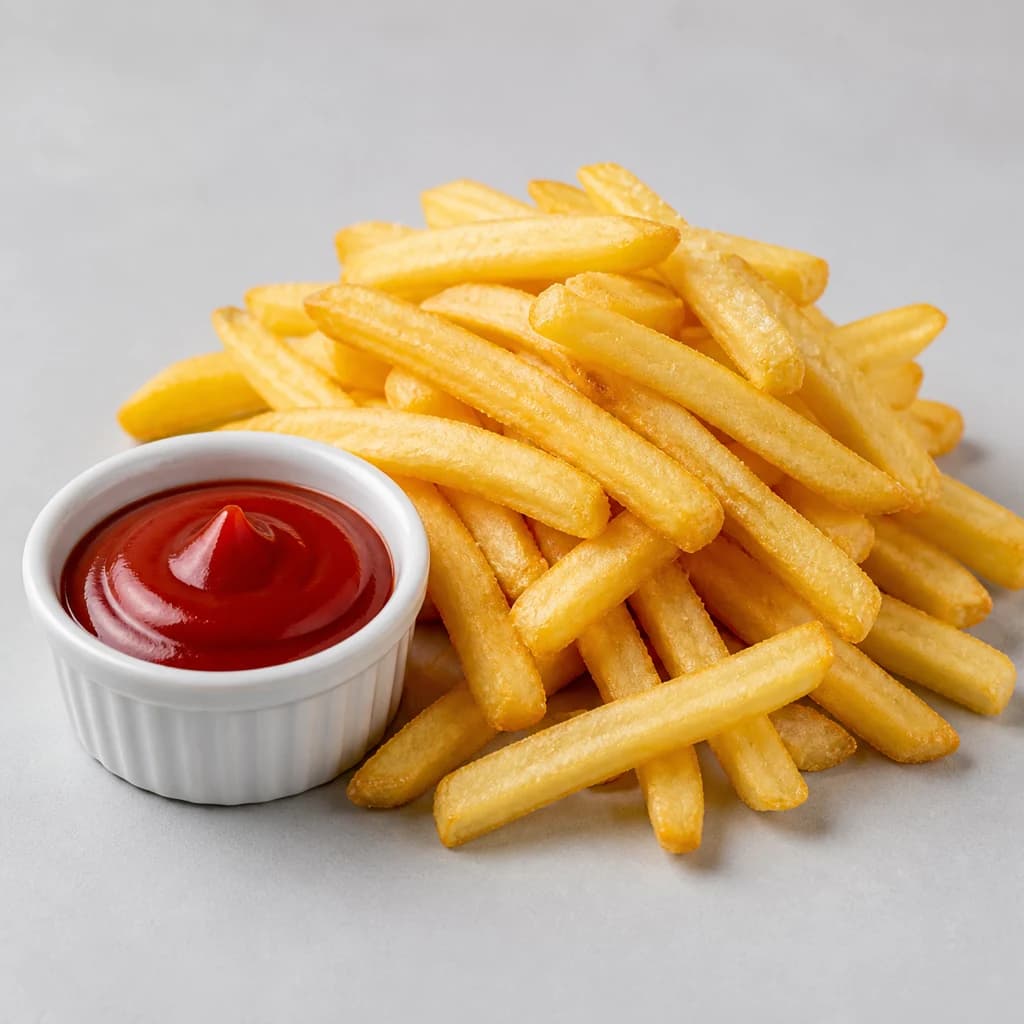
Sweet-tangy tomato condiment for fries, burgers, and glazes
Mayonnaise
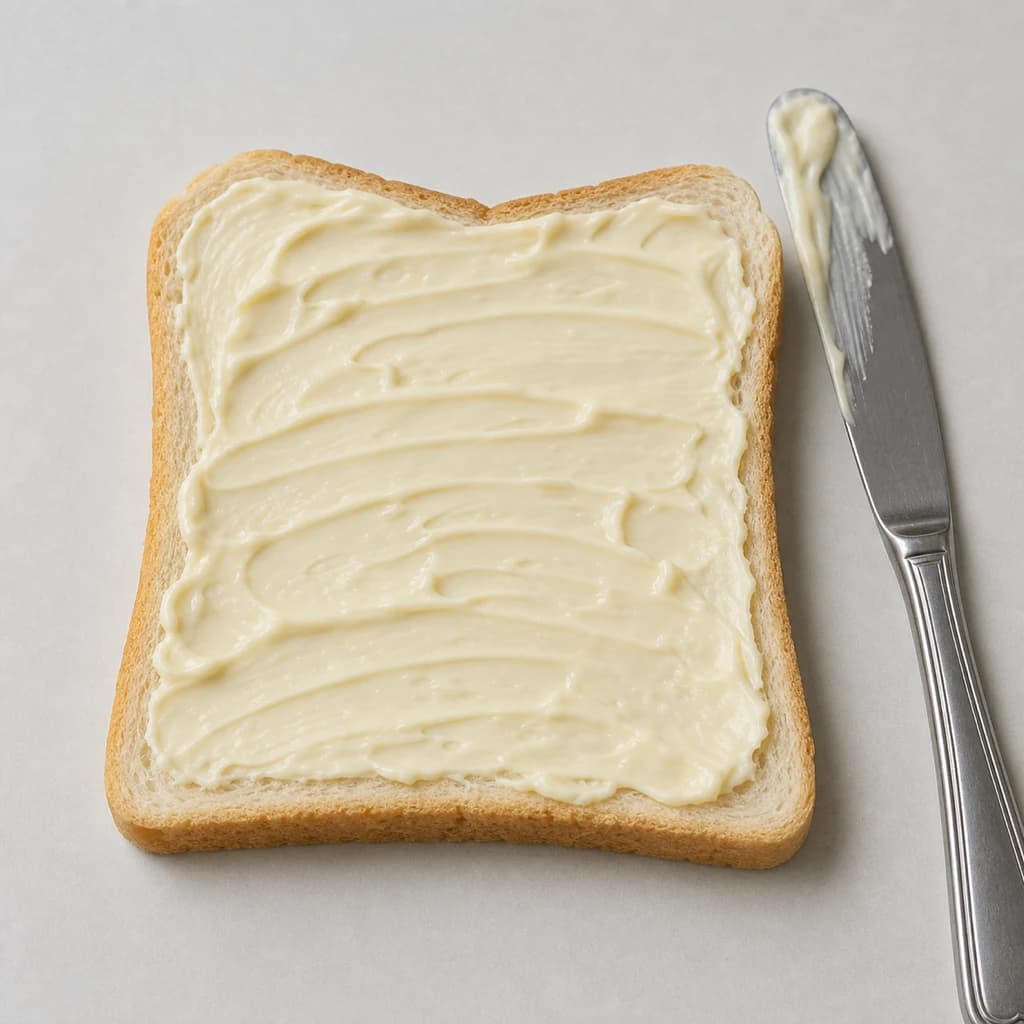
Creamy emulsion for sandwiches, dressings, and dips
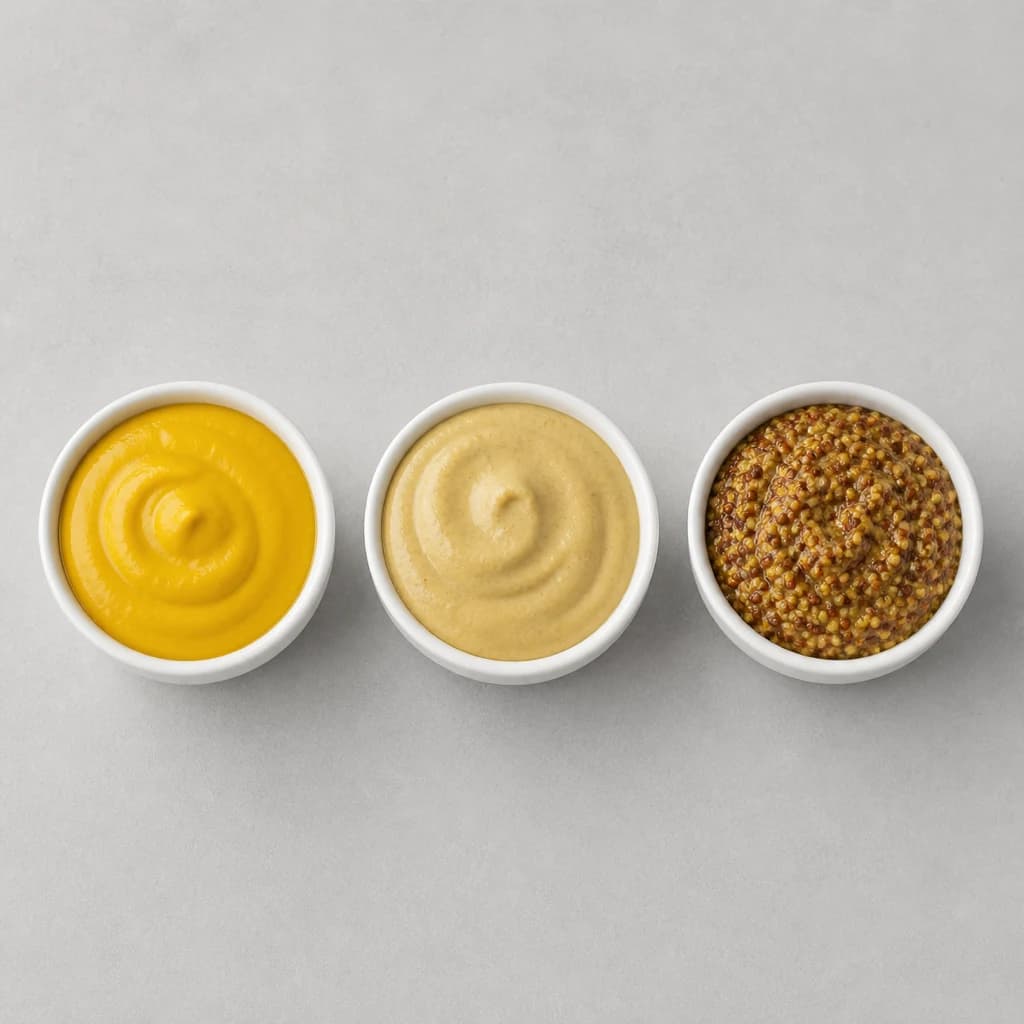
Mustard
Sharp, tangy condiment for sandwiches, dressings, and glazes
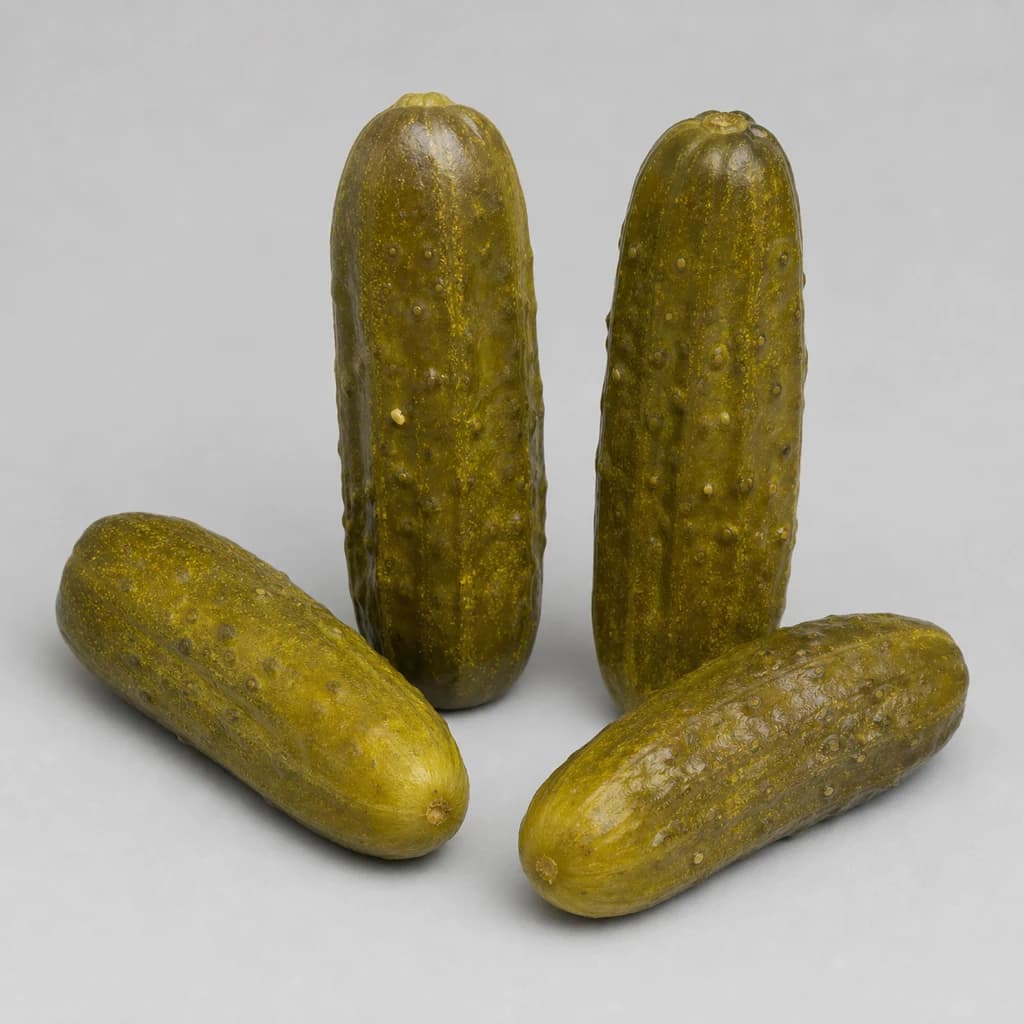
Pickles
Crunchy, tangy cucumbers for burgers, boards, and snacking
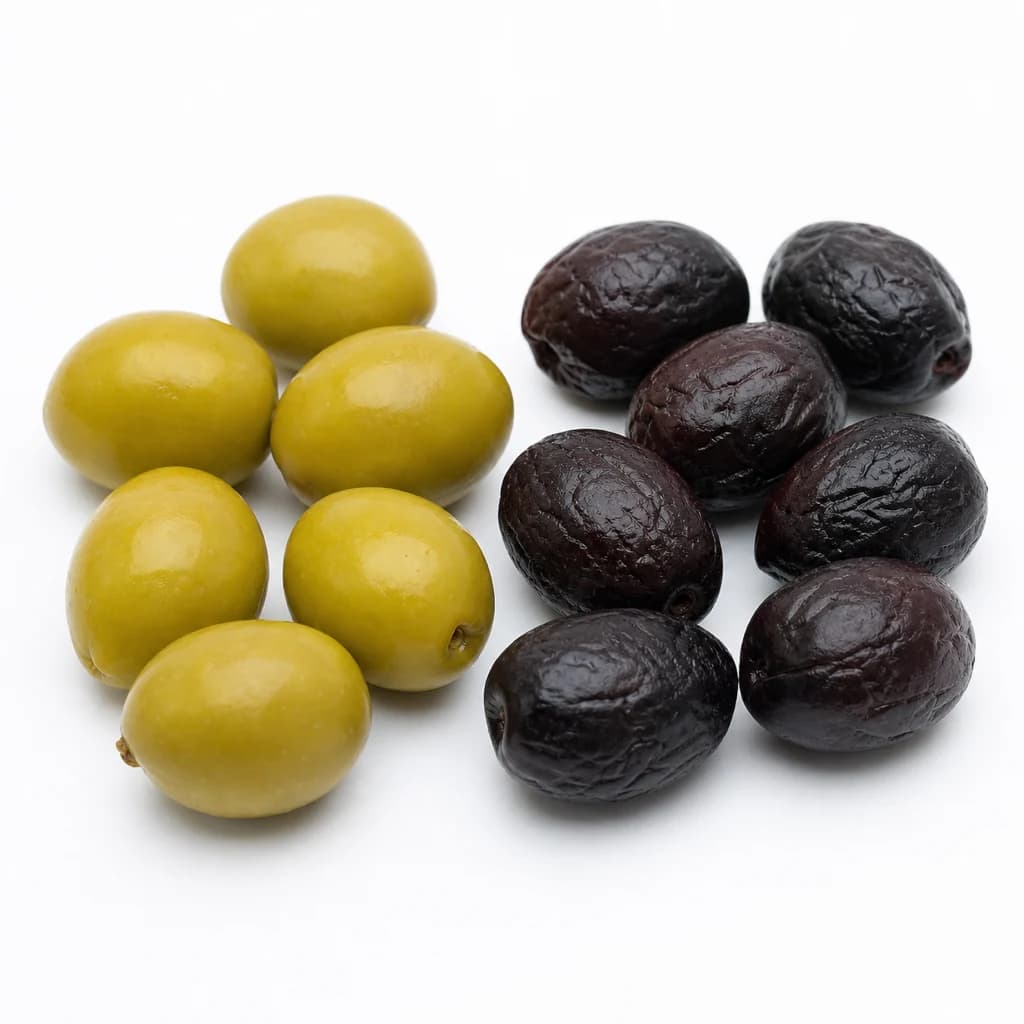
Olives
Briny, meaty fruit for snacking, tapenade, and braises
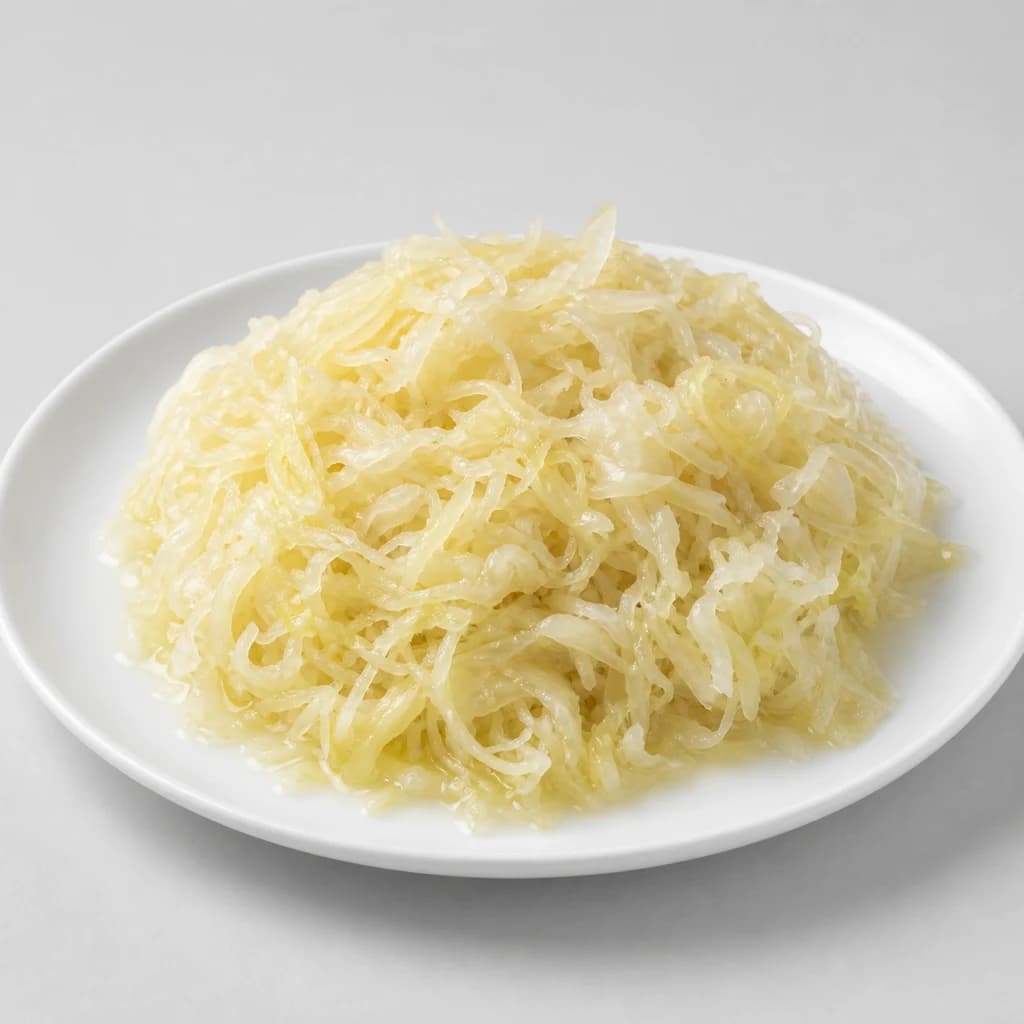
Sauerkraut
Fermented shredded cabbage with a tangy, sour bite, served as a side or cooked into stews.
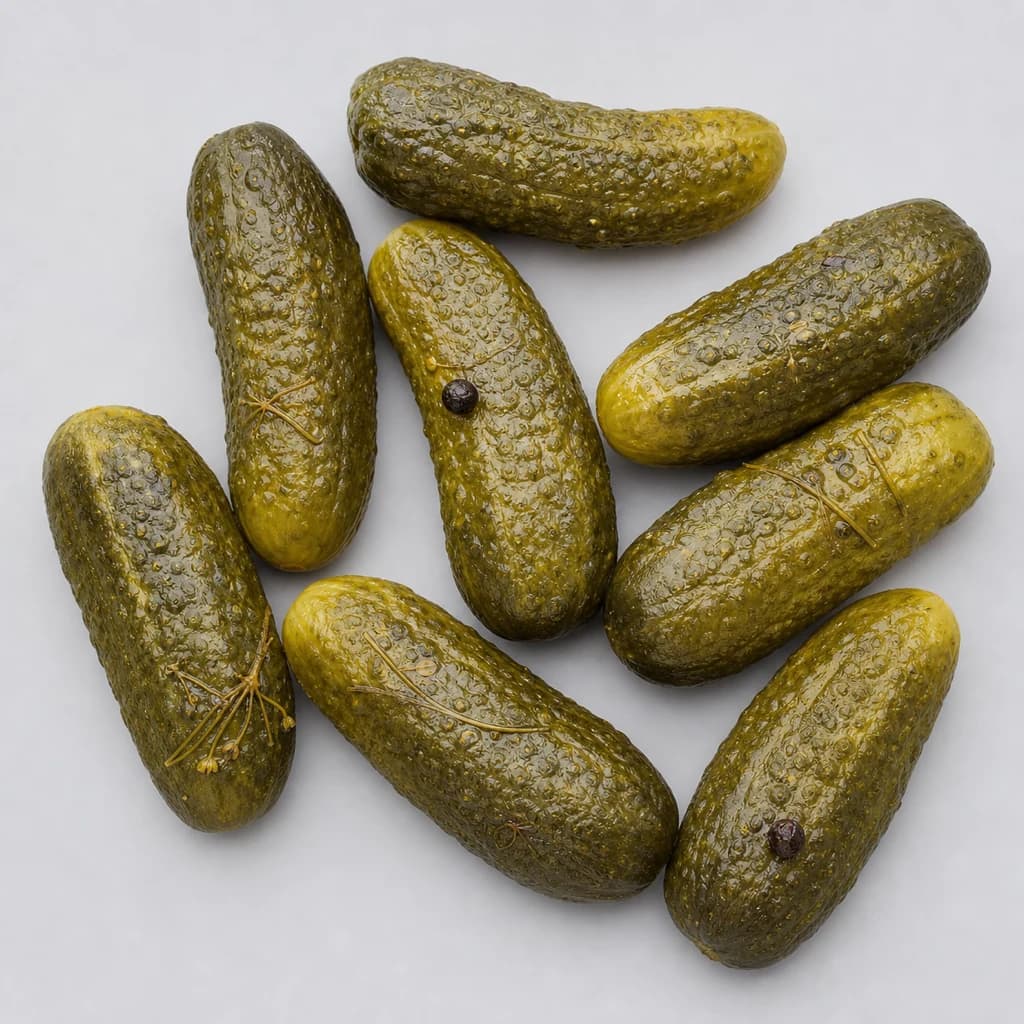
Pickled Cucumber
Brined or vinegar-cured cucumbers, tangy and crunchy, served as a side or in sandwiches.

Preserved Mustard Greens (Yacai)
Salt-cured, fermented Chinese mustard greens used as a savory cooking seasoning.