Varieties
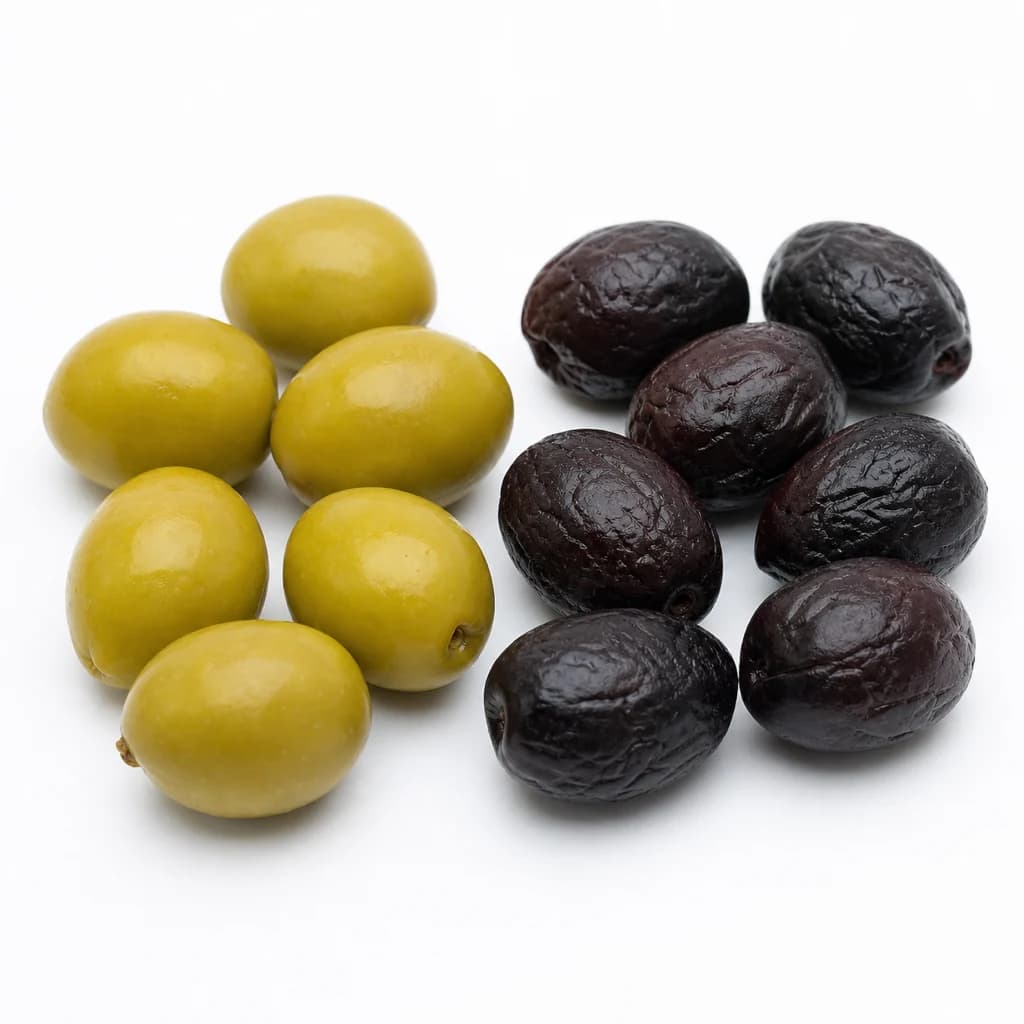
Green and black olives side by side show the spectrum from unripe to fully mature fruit.
Showing both color stages in one scene teaches readers that color signals ripeness, not variety alone.
Condiments
Olives
Briny, meaty fruit for snacking, tapenade, and braises
Salty and meaty, olives anchor a tapenade, dot a pizza, and lend their brine to braises and martinis. Green or black, they're a Mediterranean staple. Keep them in brine, cool.
Olives are the cured fruit of the olive tree — inedibly bitter raw, then transformed by brine, salt, water, or lye into the briny, meaty, savory staples of Mediterranean cooking. Color signals ripeness: green olives are picked unripe and stay firm and sharp; black olives are picked ripe and turn soft and mellow. From a tapenade to a tagine to a martini, olives bring salt, fat, and umami in one bite.
- Measured in
- g
- Storage
- Room Temperature
Find it in
Types & varieties
Purple-black Greek olives, rich and fruity; for salads and braises.
Bright green, buttery, mild Sicilian; a snacking favorite.
Small, dark, nutty French olives for salad and tapenade.
Firm, briny, often pitted and stuffed.
Wrinkled, intense, and salty; for tapenade and pizza.
How to choose
Buy olives with pits for the best flavor and texture (pitting yourself is easy). Choose buttery Castelvetrano for snacking, Kalamata for cooking and salads, and oil-cured for intense, concentrated dishes. Canned 'black ripe' olives are mild and soft — fine for pizza, not for a board.
How to use
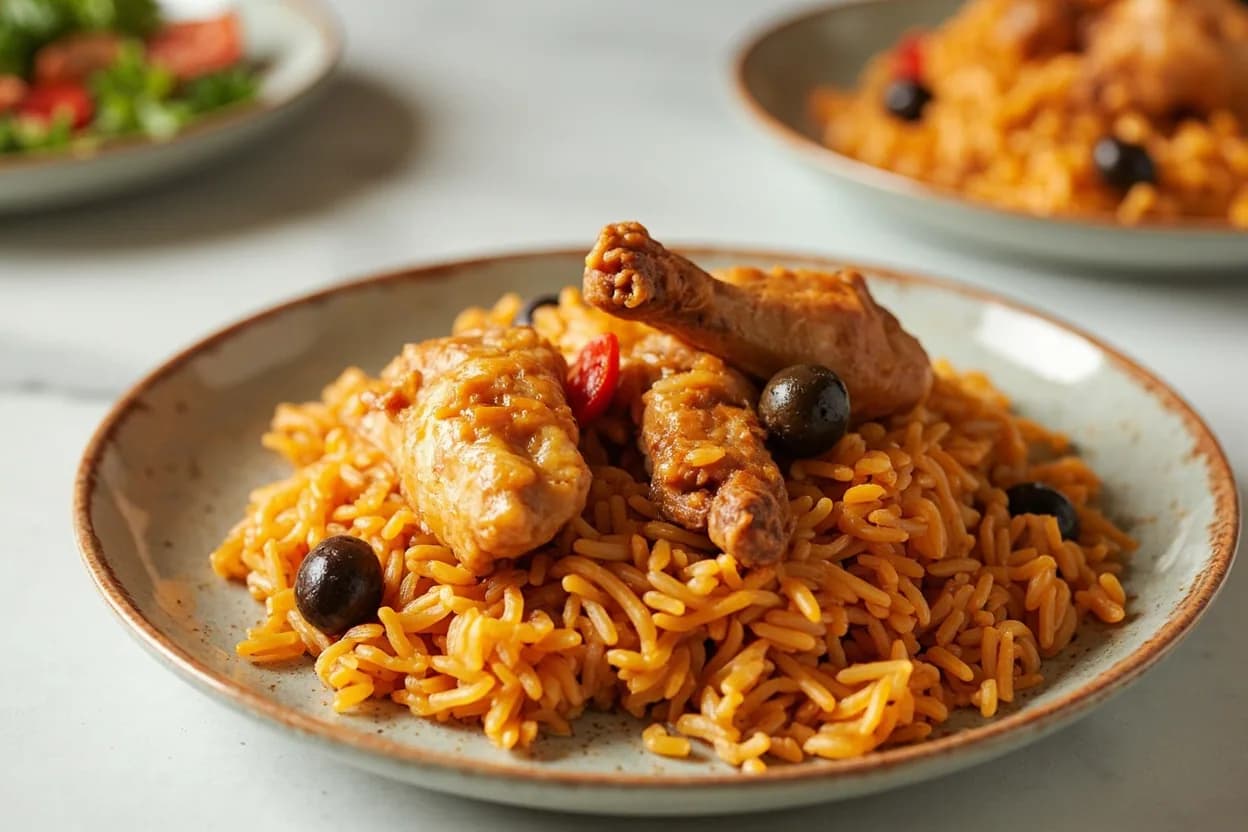
Eat them straight, blitz them into tapenade, or simmer them into braises and tomato sauces where they melt into briny depth (puttanesca, chicken with olives, tagines).
- Snacking and charcuterie boards
- Tapenade and pasta sauces (puttanesca)
- Braises and tagines
- Greek salad and pizza
How to store
Keep them submerged in their brine and refrigerated. If you discard the brine, cover them in olive oil or salted water so they don't dry out.
Common uses
Tips & pitfalls
- Buy them with pits — they keep more flavor than pre-pitted.
- Olives turn salty and meaty in braises; add them in the last stretch.
- Castelvetrano are the gateway olive for skeptics — mild and buttery.
- Keep leftovers submerged in brine or oil so they don't dry out.
Nutrition
Energy
983 kJ · per 100 g
Where the calories come from
Protein
11.8g
24% DV
Carbs
9.2g
3% DV
Fat
16.5g
21% DV
Fiber
0g
0% DV
Sugars
0g
of which
Sodium
964mg
42% DV
Source · USDA FoodData Central · Olive loaf, pork
View on FDC →In the shops
Matched grocery products
No matched grocery products for Olives yet.
Good to know
- Flavor
- Briny, savory, meaty; bitter to buttery by type
- Cured by
- Brine, dry salt, water, or lye
- Best for
- Snacking, tapenade, braises, salads, pizza
- Color tells
- Green = unripe; black = ripe (or oxidized)
- How to store
- Refrigerate in brine after opening
- Shelf life
- Weeks to months refrigerated in brine
Substitutes
- Capers — Smaller, sharper brine; good in sauces and salads.
- Pickled vegetables — For briny crunch where olives are missed.
- Sun-dried tomatoes — Savory-salty depth in cooked dishes.
Also called
green olives · black olives · aceitunas · aceituna · olivas · olives
Appears in these dishes

Related
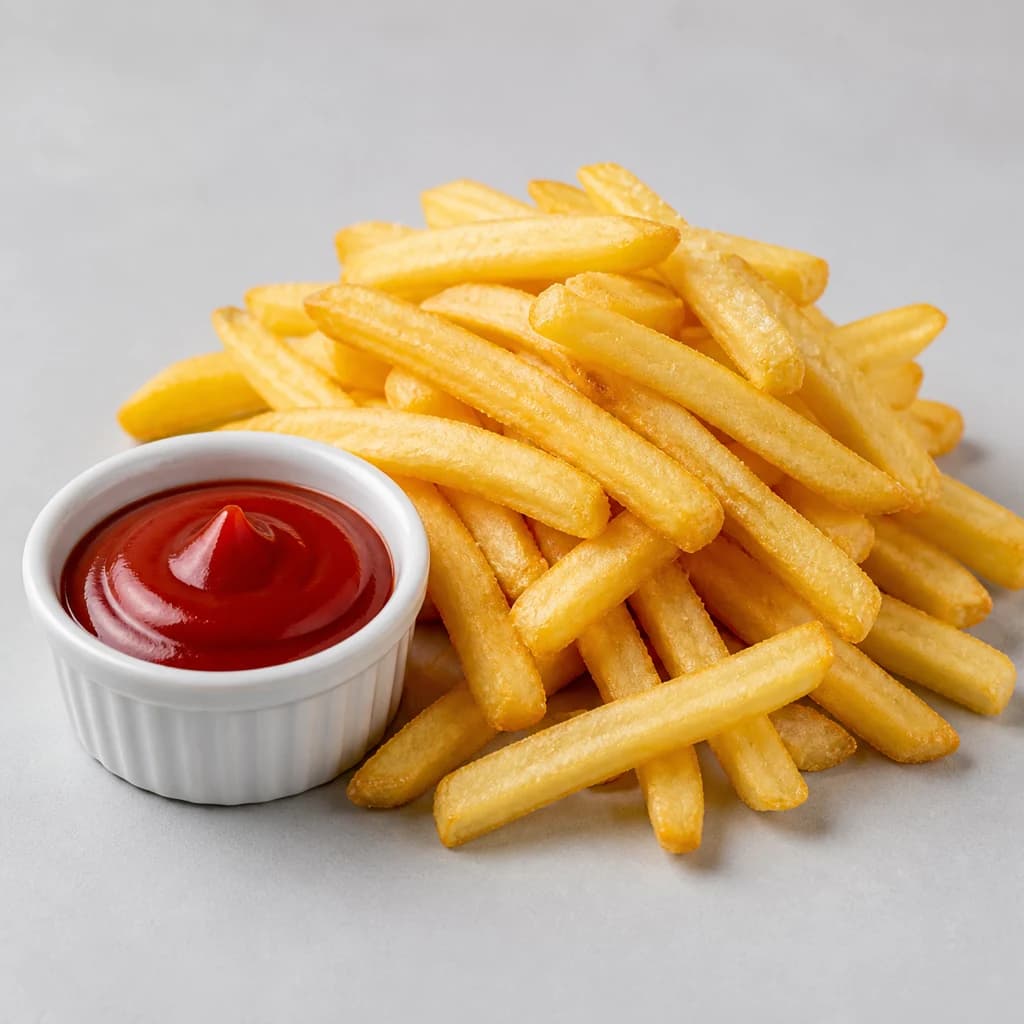
Ketchup
Sweet-tangy tomato condiment for fries, burgers, and glazes
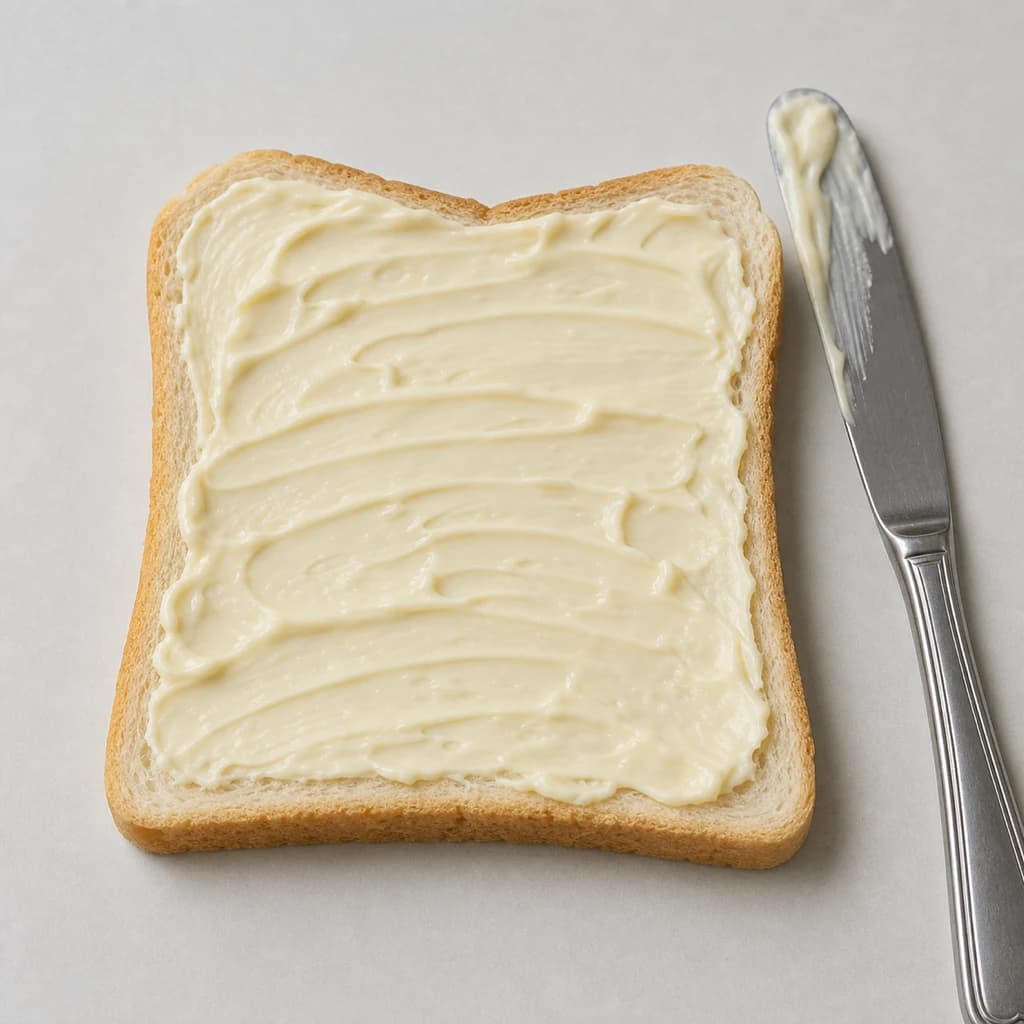
Mayonnaise
Creamy emulsion for sandwiches, dressings, and dips
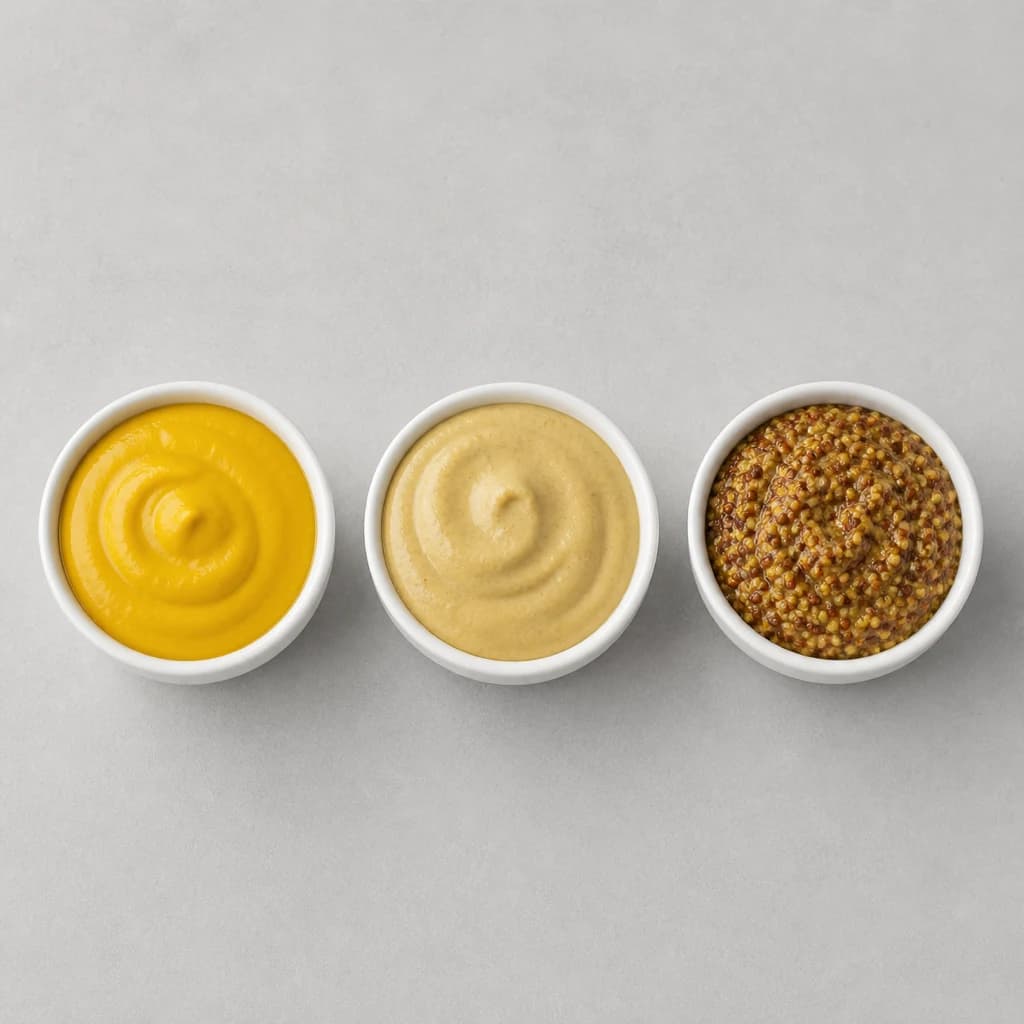
Mustard
Sharp, tangy condiment for sandwiches, dressings, and glazes
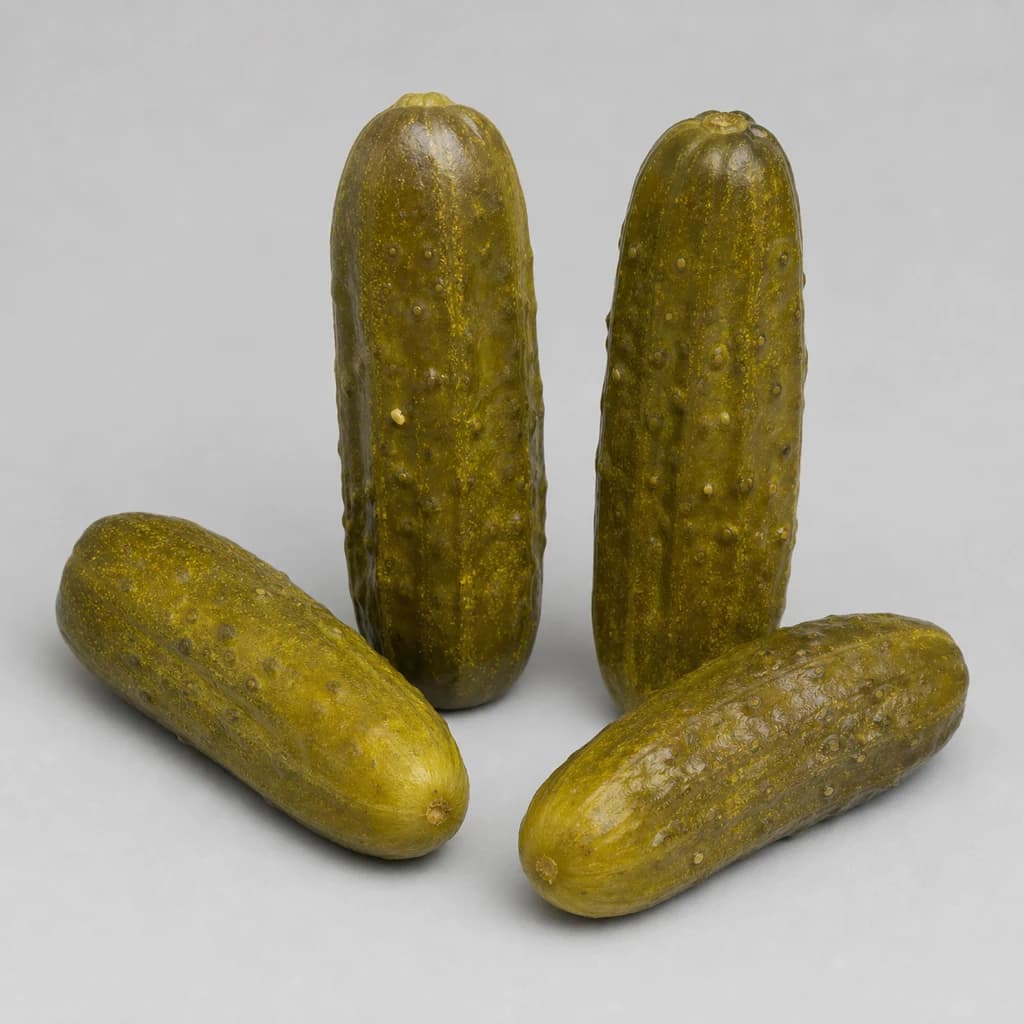
Pickles
Crunchy, tangy cucumbers for burgers, boards, and snacking
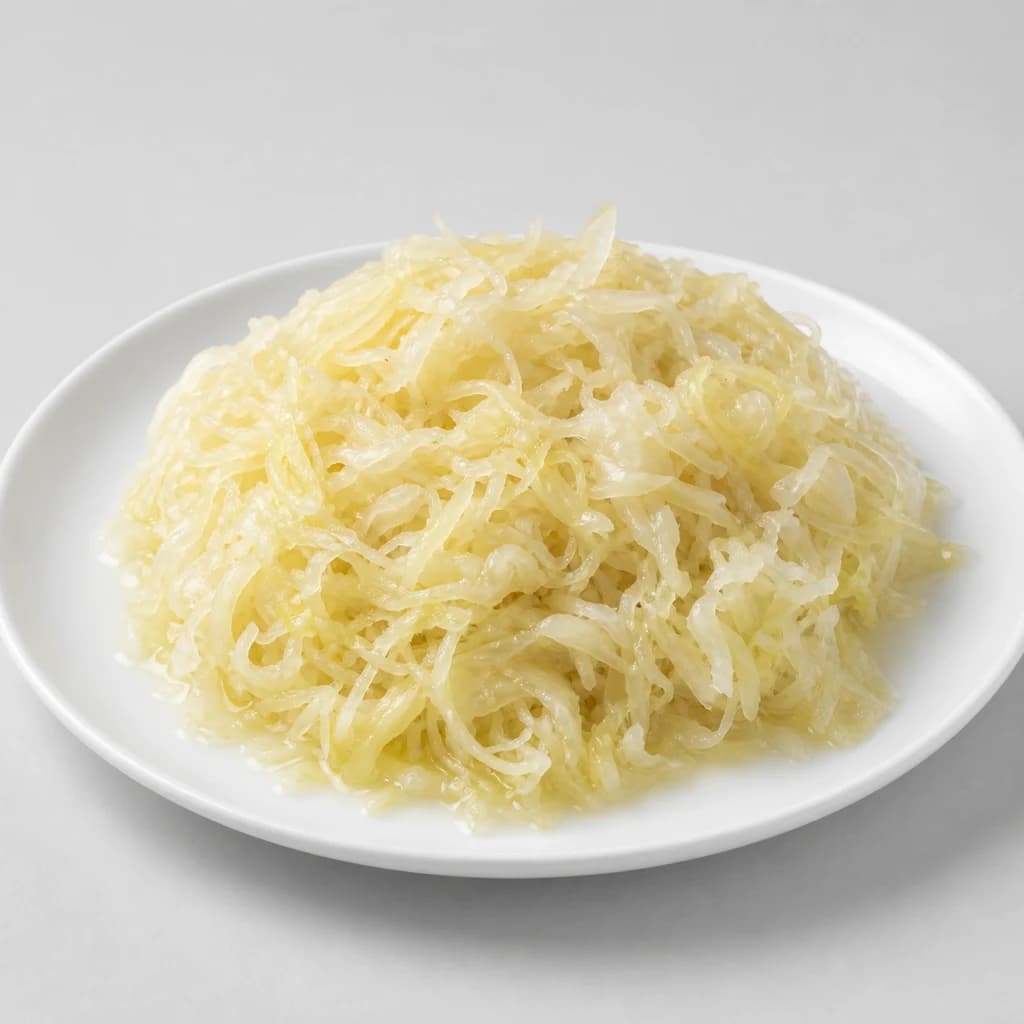
Sauerkraut
Fermented shredded cabbage with a tangy, sour bite, served as a side or cooked into stews.
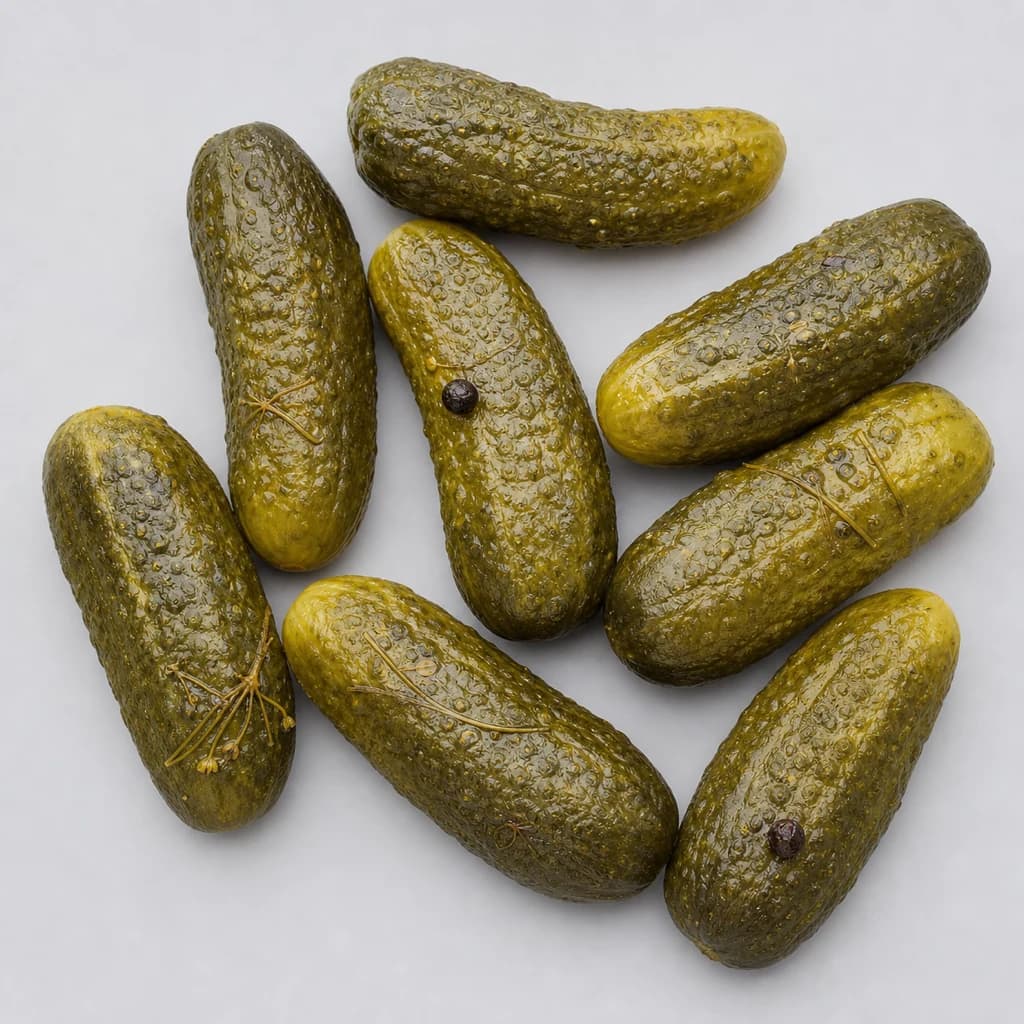
Pickled Cucumber
Brined or vinegar-cured cucumbers, tangy and crunchy, served as a side or in sandwiches.

Pickled Pepper
Brined or vinegared peppers eaten as a tangy condiment or salad component.

Preserved Mustard Greens (Yacai)
Salt-cured, fermented Chinese mustard greens used as a savory cooking seasoning.