Natural form
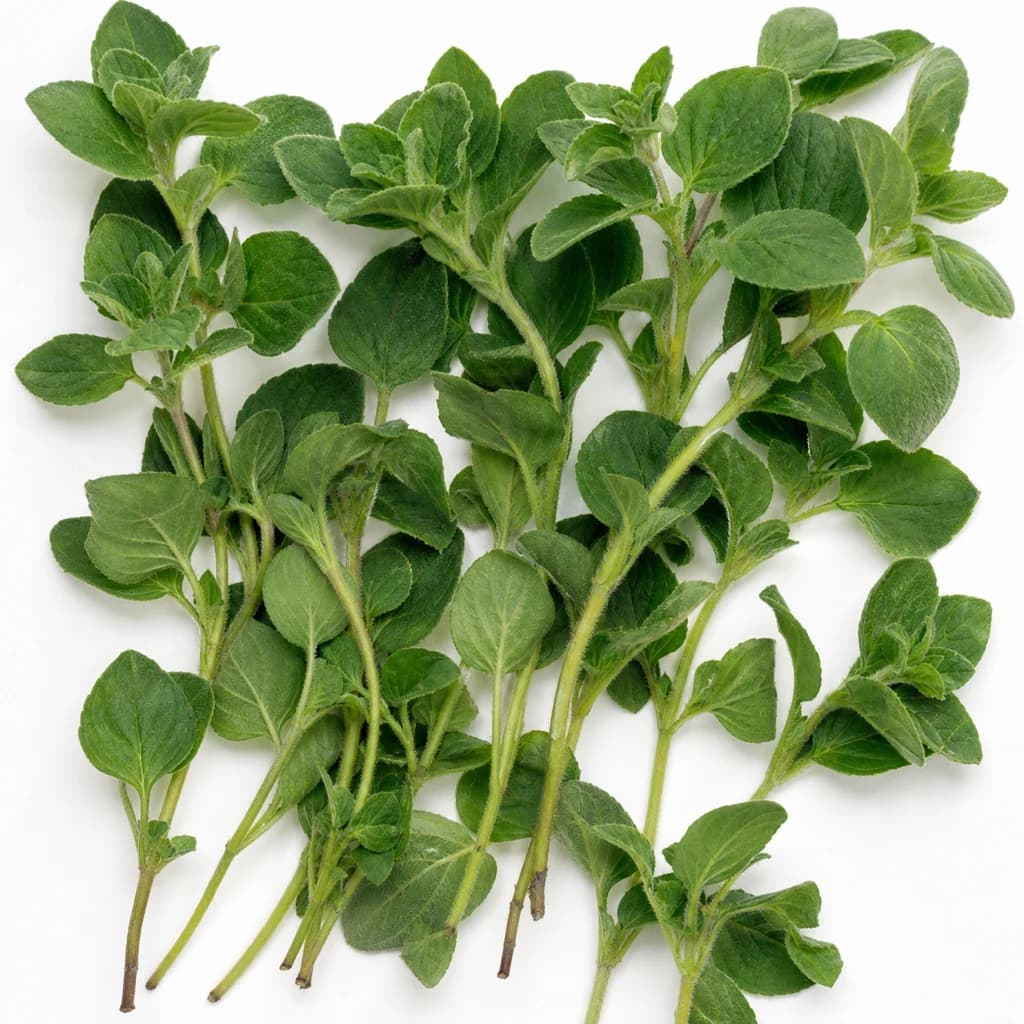
Fresh oregano sprigs showing small oval leaves arranged along slender green stems.
Shows the whole plant form, leaf shape, and color that readers will encounter buying or growing oregano.
Herbs
Oregano
Pungent, peppery herb for tomato sauces and grilling
Bold and peppery, fresh oregano sparks up tomato sauces, grilled meats, and Greek salads. It stands up to heat well. Keep the sprigs cold, stems in water.
Oregano is a bold, peppery member of the mint family — pungent, slightly bitter, and warm — that defines the flavor of Italian, Greek, and Mexican cooking. Unusually for an herb, it's often more useful dried, where the flavor intensifies and rounds. Fresh oregano sparks up tomato sauces, grilled meats, and Greek salad; dried is the pizza and tomato-sauce essential. Mediterranean oregano (and its close cousin marjoram) is sweeter and more floral, while Mexican oregano is a different plant with citrus and earthy notes suited to chili and salsas.
- Measured in
- g
- Storage
- Refrigerate
- Shelf life
- 7 days
Find it in
Types & varieties
The classic Italian/Greek type, peppery and floral.
A different plant — citrusy and earthy, made for chili, salsa, and beans.
A sweeter, milder close relative for delicate dishes.
How to use
Add fresh oregano toward the end of grilling or in salads for a bright, peppery hit; use dried earlier in tomato sauces and stews where it has time to bloom. Crush dried oregano between your fingers before adding to wake up its oils.
- Crush dried oregano to release its aroma
- Use Mexican oregano for chili and salsa, not Italian
- Pairs with lemon and olive oil for Greek dishes
Fresh vs dried
Oregano is one of the few herbs many cooks prefer dried — drying concentrates and rounds its flavor for pizza, marinara, and Greek seasoning. Fresh is brighter and sharper; both have their place.
Common uses
Tips & pitfalls
- Crush dried oregano between your palms to release the oils before adding.
- Use Mexican oregano (not Mediterranean) in chili, salsa, and bean dishes.
- Fresh oregano stands up to grilling better than tender herbs.
- Combine with lemon, garlic, and olive oil for a Greek marinade.
- A pinch in tomato sauce is the classic pizza-parlor flavor.
Nutrition
Nutrition
No USDA FoodData Central match for Oregano yet. We surface a per-100 g profile once a generic whole-food entry is matched and verified.
In the shops
Matched grocery products
No matched grocery products for Oregano yet.
Good to know
- Flavor
- Pungent, peppery, warm, lightly bitter
- Form
- Fresh; dried (often preferred, more intense)
- Add when
- Fresh late; dried early in cooked dishes
- Cuisines
- Italian, Greek, Mexican, Turkish
- How to buy
- Fresh: firm sprigs; dried: fragrant when crushed
- How to store
- Fresh refrigerated; dried airtight and dark
Appears in these dishes

Related

Basil
Sweet, fragrant leaves for pesto, pasta, and caprese

Parsley
Fresh, grassy herb for finishing nearly any savory dish

Cilantro
Bright, citrusy herb for salsas, curries, and tacos

Mint
Cool, fragrant herb for teas, salads, and desserts
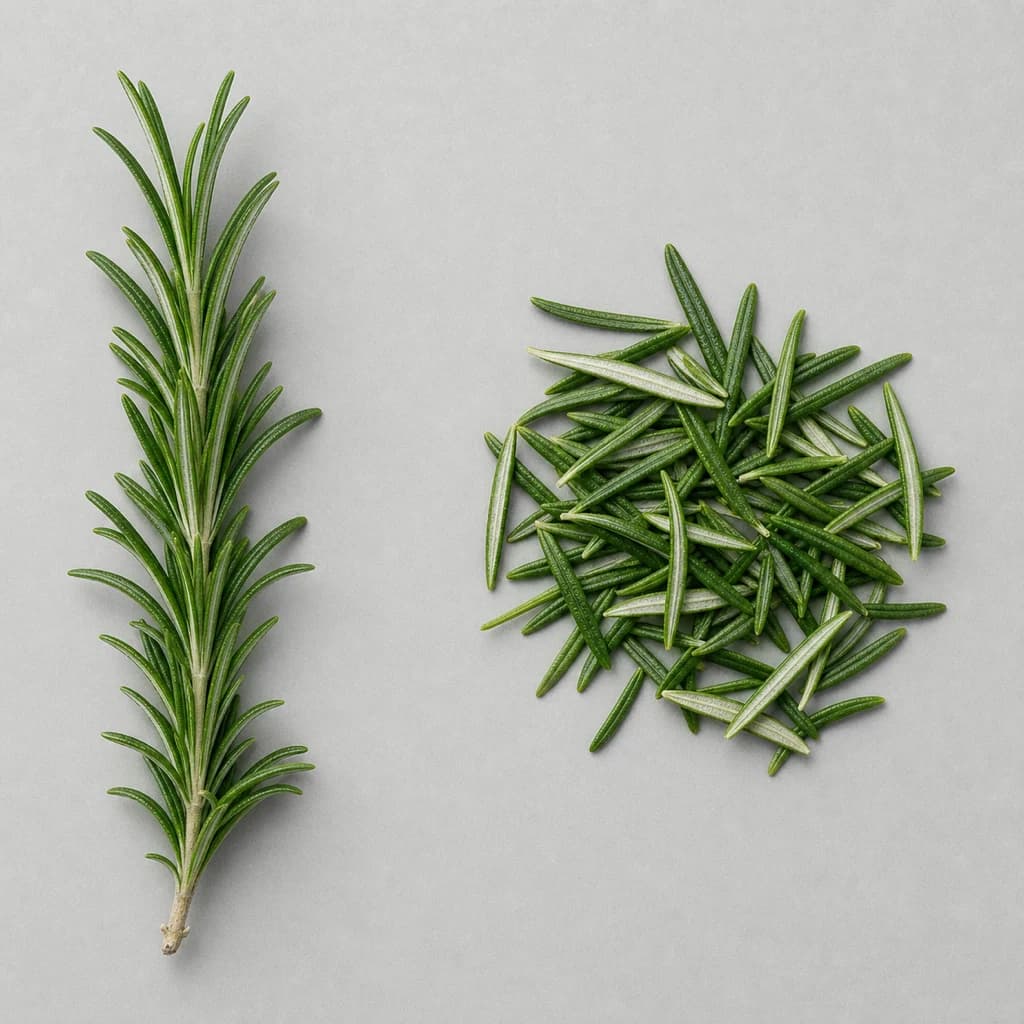
Rosemary
Piney, resinous herb for roasts, breads, and potatoes

Thyme
Earthy, floral herb for braises, roasts, and stocks

Sage
Savory, velvety herb for butter sauces and stuffings

Dill
Feathery, anise-like herb for fish, pickles, and yogurt