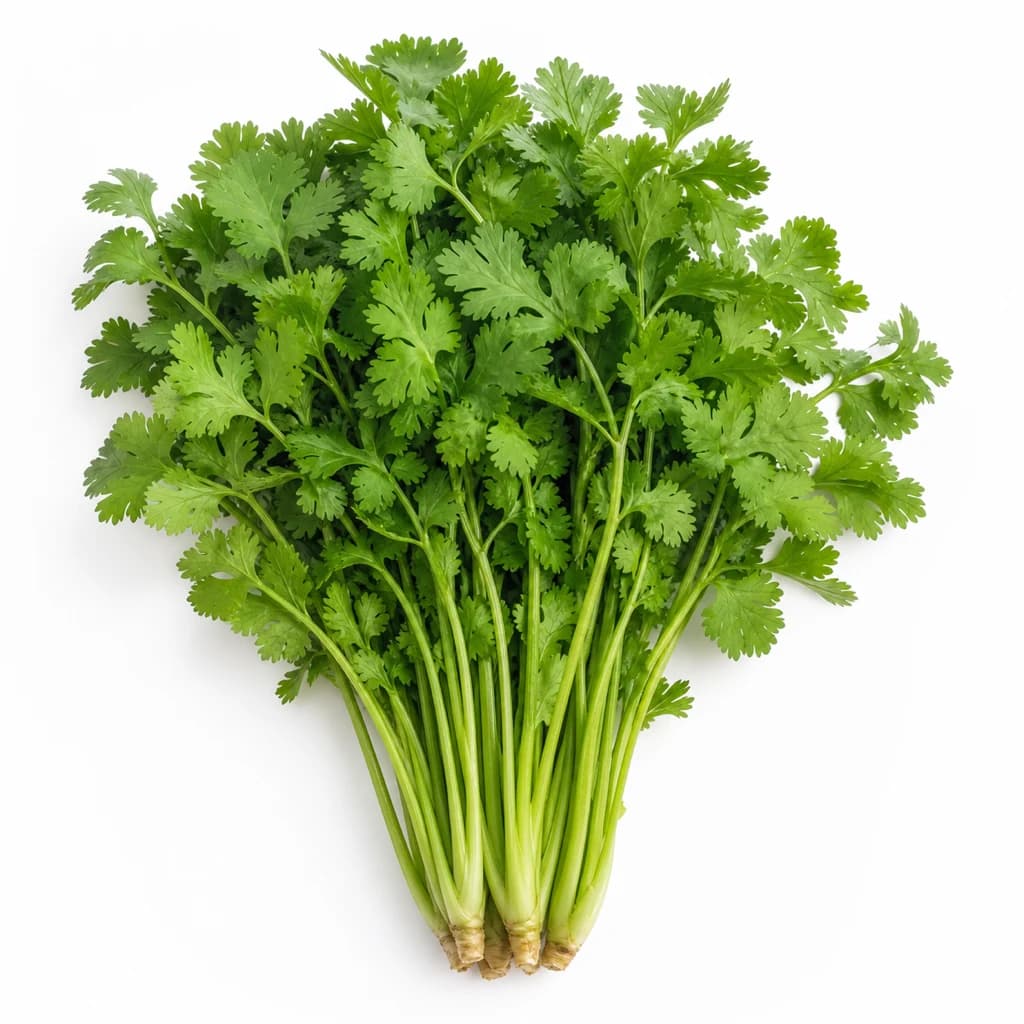
Natural form
Fresh cilantro bunch showing delicate fan-shaped leaves and slender green stems.
Shows the whole plant as found at market so readers recognize it on sight.
Herbs
Cilantro
Bright, citrusy herb for salsas, curries, and tacos
Fresh and citrusy, cilantro finishes tacos, salsas, and curries with a vibrant lift. Add it raw at the end; the stems are flavorful too. Keep it cold, stems in water.
Cilantro — the fresh leaf of the coriander plant — is bright, citrusy, and unmistakably herbaceous, a finishing herb that lifts tacos, salsas, curries, and noodle soups with a vivid green snap. It's also famously polarizing: a genetic quirk makes the leaves taste soapy to some people. Heat dulls it, so cilantro goes in raw at the very end. The stems are tender and just as flavorful as the leaves — chop and use them too. Its seed, sold dry as coriander, is a wholly different warm, toasty spice.
- Measured in
- g
- Storage
- Refrigerate
- Shelf life
- 5 days
Find it in
Types & varieties
Both are flavorful; stems hold up better to brief cooking.
A sawtooth-leaf relative — stronger, more heat-stable, used in Caribbean and Southeast Asian cooking.
The plant's dried seed — toasty and citrusy, a separate spice.
How to use
Add cilantro raw, right before serving, so its volatile citrus oils survive. Scatter it over tacos and curries, blend it into salsa verde, chutney, or zhug, and use the chopped stems in marinades and curry pastes.
- Don't simmer it — heat turns it dull and flat
- Use stems in pastes, blitz roots into Thai curry
- Pair with lime to amplify its brightness
Fresh vs dried
Dried cilantro is a faint shadow of the fresh leaf and works only as a mild background note in rubs and soups. The herb's signature lift only comes from fresh leaves added late.
Common uses
Tips & pitfalls
- Add only at the end — cooking destroys its bright, citrusy aroma.
- Save and chop the stems; they're flavorful and crunchy in salsas.
- Thai recipes prize the roots — freeze them for curry pastes.
- A squeeze of lime makes cilantro taste even fresher.
- If it tastes soapy to you, parsley plus lime is a workable swap.
Nutrition
Energy
96 kJ · per 100 g
Where the calories come from
Protein
2.1g
4% DV
Carbs
3.7g
1% DV
Fat
0.5g
1% DV
Fiber
2.8g
10% DV
Sugars
0.9g
of which
Sodium
46mg
2% DV
Source · USDA FoodData Central · Coriander (cilantro) leaves, raw
View on FDC →In the shops
Matched grocery products
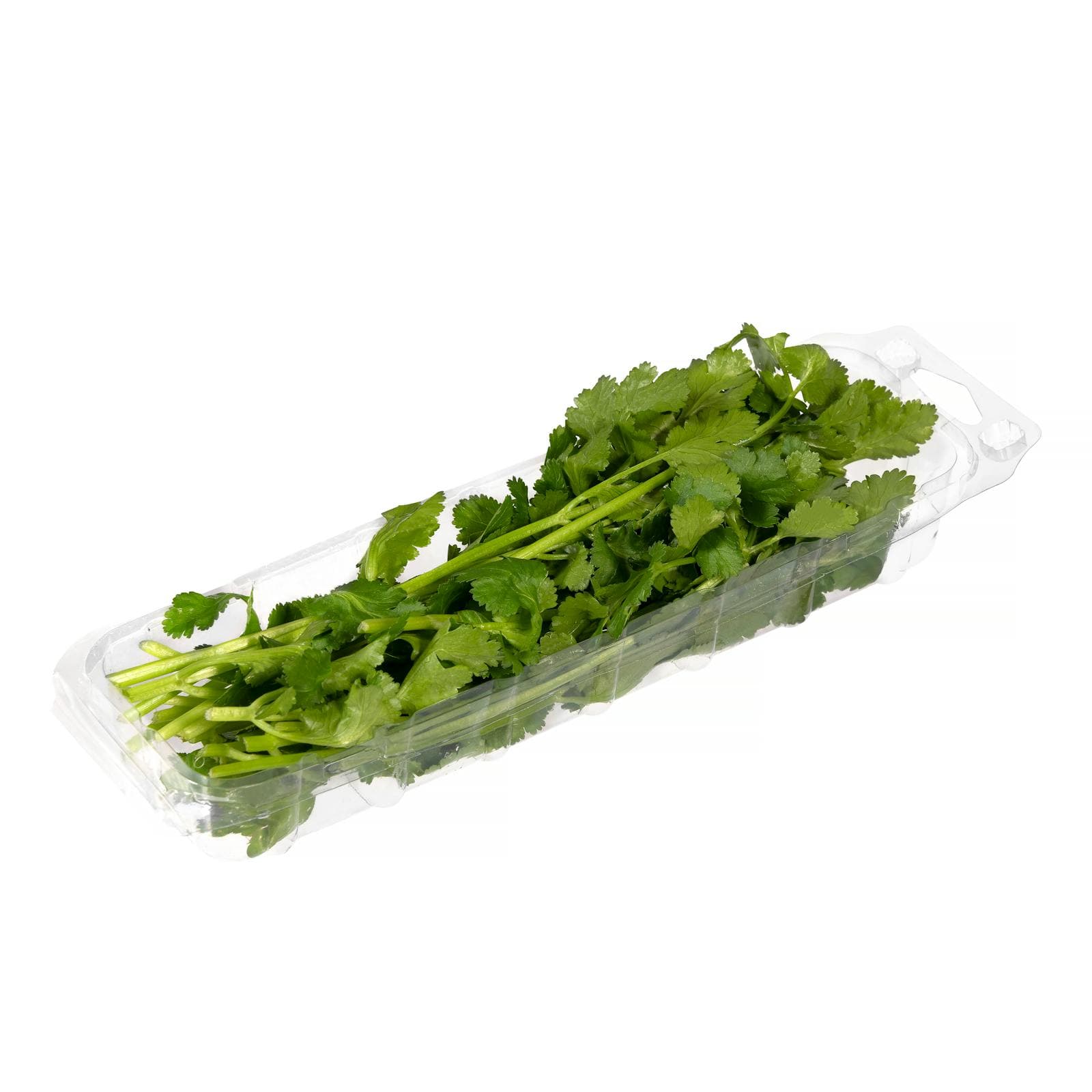 €1.25
€1.25Cilantro
0.02 100 g · Mercadona
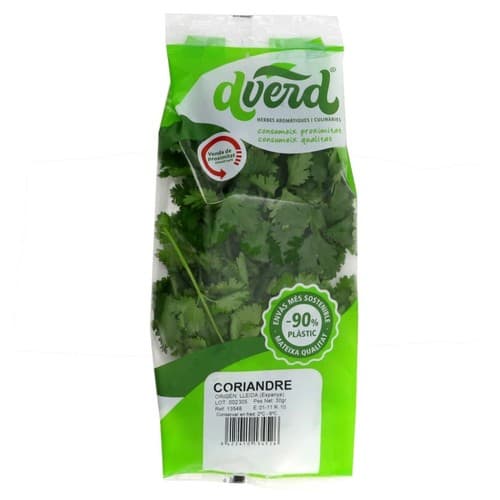 €1.49
€1.49Fresh Coriander Km0
DVERD · kg · Bonpreu
Good to know
- Flavor
- Bright, citrusy, herbaceous (soapy to some)
- Form
- Fresh leaves and stems; dried is muted
- Add when
- Raw, at the very end
- Cuisines
- Mexican, Indian, Thai, Vietnamese, Middle Eastern
- How to buy
- Bright, perky bunches with no slime or yellowing
- How to store
- Stems in water, loosely covered, refrigerated 4–5 days
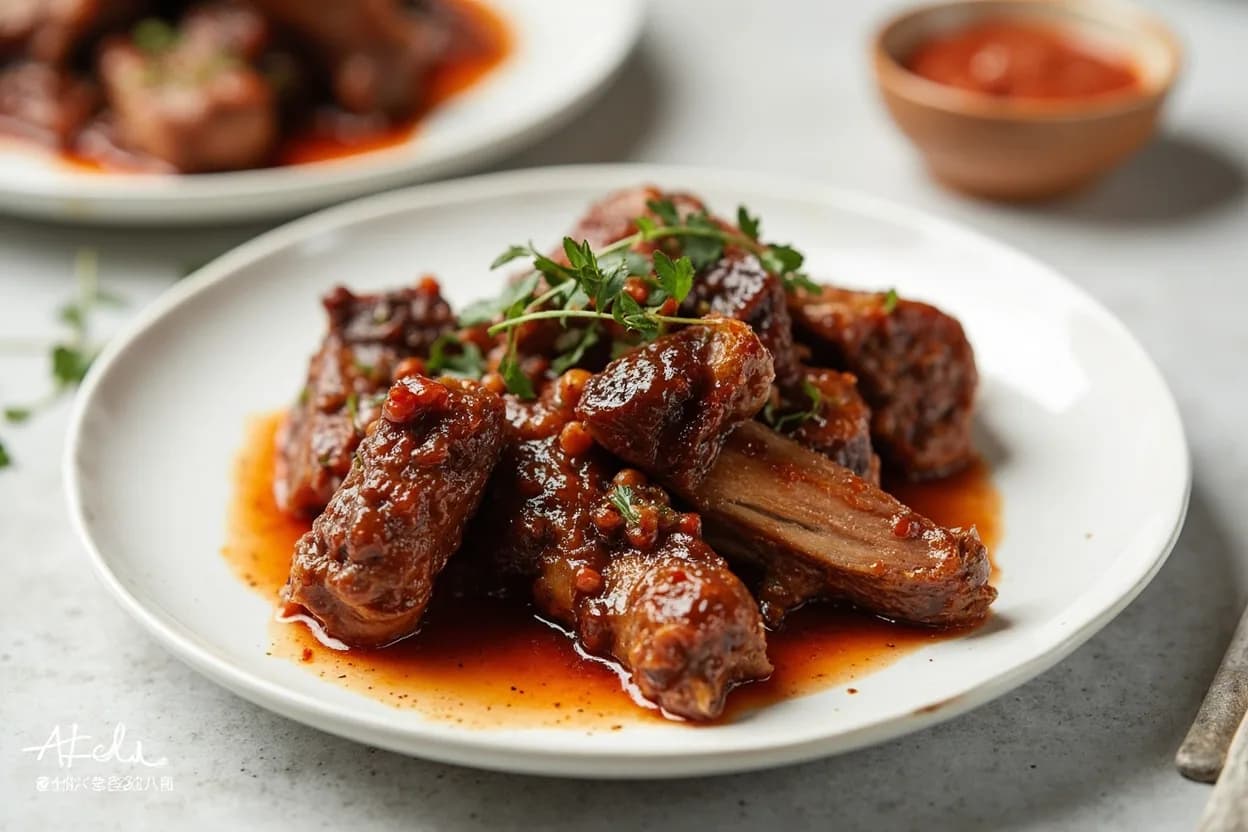
Appears in these dishes

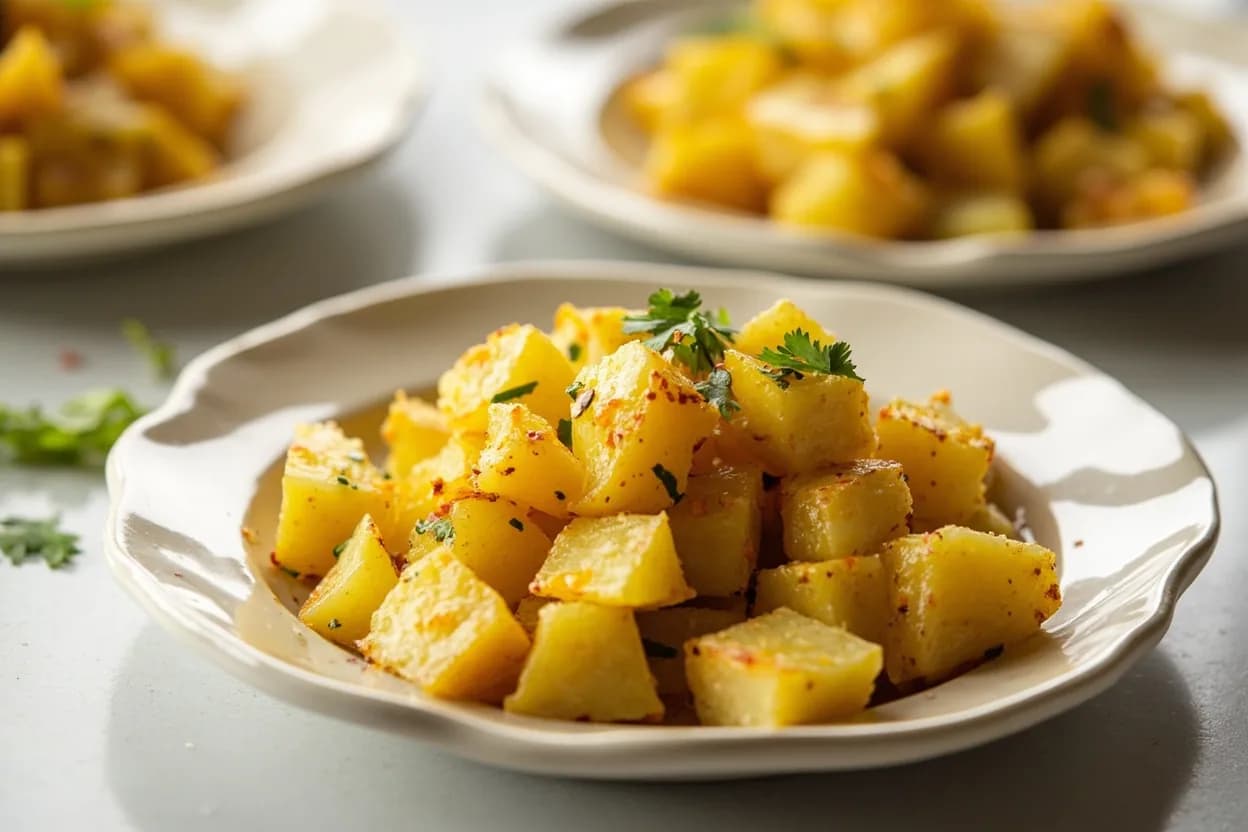
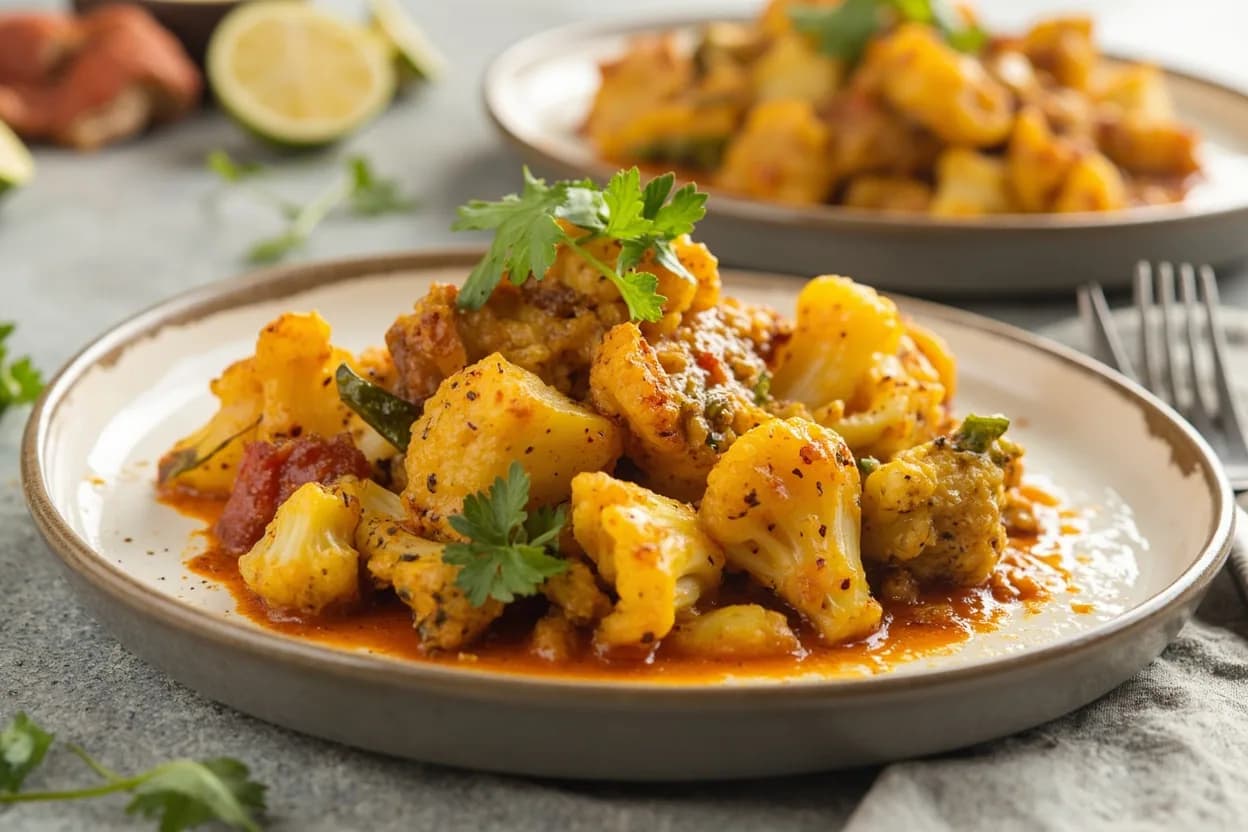
Related

Basil
Sweet, fragrant leaves for pesto, pasta, and caprese

Parsley
Fresh, grassy herb for finishing nearly any savory dish

Mint
Cool, fragrant herb for teas, salads, and desserts
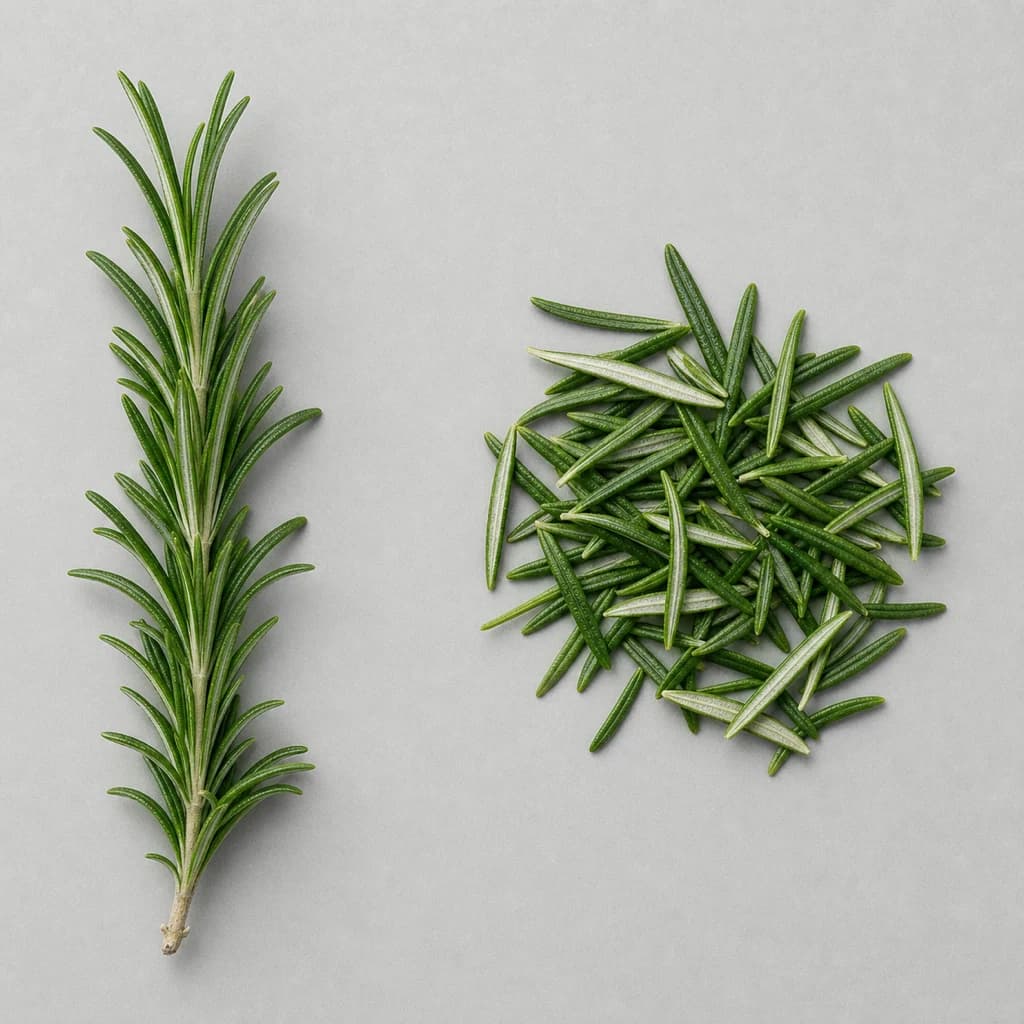
Rosemary
Piney, resinous herb for roasts, breads, and potatoes

Thyme
Earthy, floral herb for braises, roasts, and stocks

Sage
Savory, velvety herb for butter sauces and stuffings

Oregano
Pungent, peppery herb for tomato sauces and grilling

Dill
Feathery, anise-like herb for fish, pickles, and yogurt