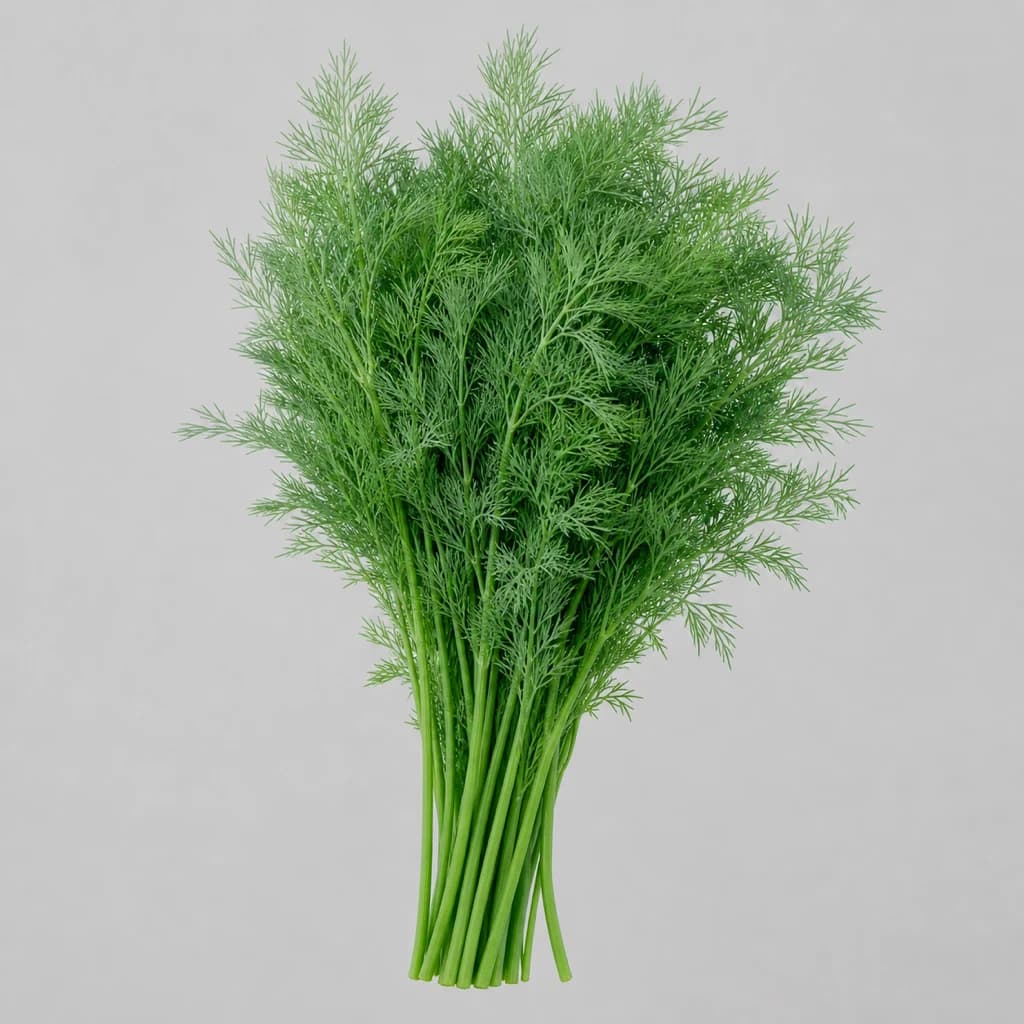
Natural form
Fresh dill bunch showing feathery fronds and thread-like blue-green leaflets.
Establishes the herb's unmistakable feathery appearance and color before any preparation.
Herbs
Dill
Feathery, anise-like herb for fish, pickles, and yogurt
Fresh and faintly anise, dill brightens salmon, folds into yogurt sauces, and flavors classic pickles. Add it raw at the end. Keep the fronds cold and wrapped.
Dill is a feathery, fresh herb with a clean, grassy flavor and a distinct anise-and-celery edge that brightens fish, pickles, potatoes, and creamy sauces. Its delicate fronds wilt in heat, so dill goes in raw at the end. It's central to Scandinavian, Eastern European, and Mediterranean kitchens — gravlax, borscht, tzatziki, and the classic dill pickle. The seeds (used in pickling) carry a stronger, more caraway-like flavor than the fronds. Buy it perky and use it generously; its bright lift fades fast once cut.
- Measured in
- g
- Storage
- Refrigerate
- Shelf life
- 7 days
Find it in
Types & varieties
The feathery leaves — fresh, bright, the everyday herb.
Stronger, caraway-like; used in pickling and breads.
Muted but convenient for dressings, dips, and fish.
How to use
Snip fresh dill over fish, fold it into yogurt and sour-cream sauces, scatter it across potato or cucumber salads — always near the end so it stays bright. Use dill seed for pickling brines, where it can simmer.
- Add fronds off the heat to preserve aroma
- Use dill seed, not fronds, for pickle brine
- Pairs naturally with salmon and cucumber
Fresh vs dried
Dried dill keeps a usable, if muted, flavor good for creamy dressings and dips year-round. For the bright, grassy lift on fish or in a fresh salad, fresh fronds are far superior.
Common uses
Tips & pitfalls
- Add raw at the end — dill loses its aroma quickly when cooked.
- Snip the fine fronds with scissors rather than chopping.
- Use dill seed, not the herb, for pickling brines.
- Fold into yogurt or sour cream for an instant sauce for fish.
- Freeze fronds in oil or butter; drying loses much of the flavor.
Nutrition
Energy
180 kJ · per 100 g
Where the calories come from
Protein
3.5g
7% DV
Carbs
7g
3% DV
Fat
1.1g
1% DV
Fiber
2.1g
8% DV
Sodium
61mg
3% DV
Source · USDA FoodData Central · Dill weed, fresh
View on FDC →In the shops
Matched grocery products
No matched grocery products for Dill yet.
Good to know
- Flavor
- Grassy, fresh, anise- and celery-like
- Form
- Fresh fronds; dried (muted); dill seed (stronger)
- Add when
- Raw, at the end — it wilts and fades with heat
- Cuisines
- Scandinavian, Eastern European, Greek, Middle Eastern
- How to buy
- Bright, feathery, unwilted fronds
- How to store
- Stems in water, loosely covered, refrigerated up to a week
Appears in these dishes
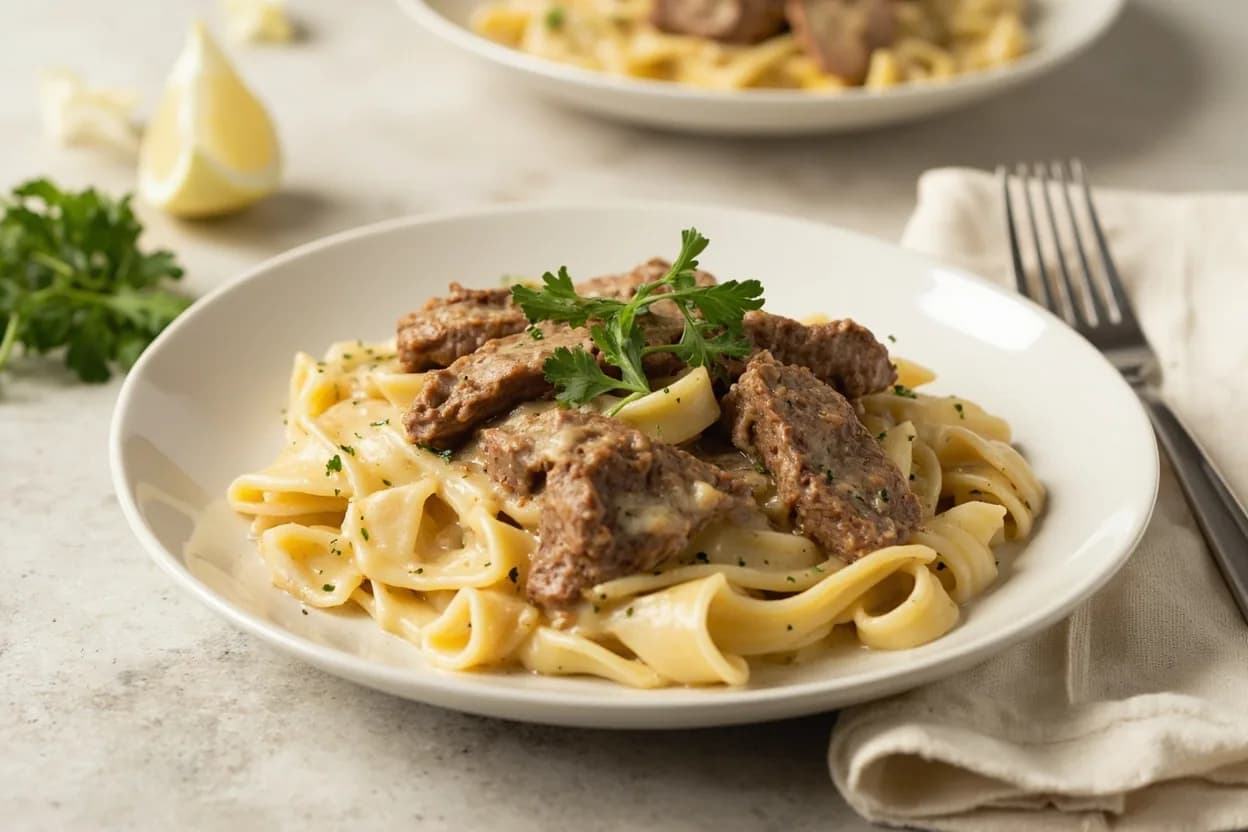
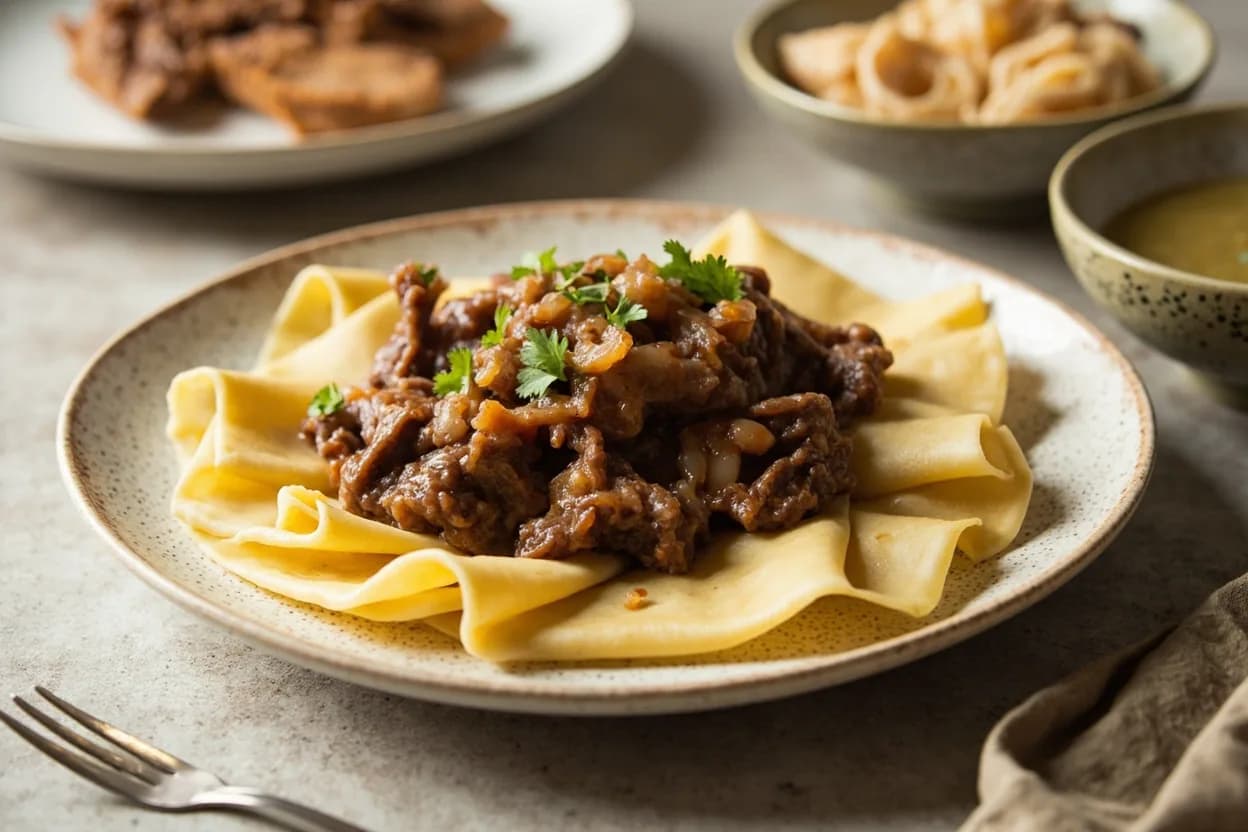
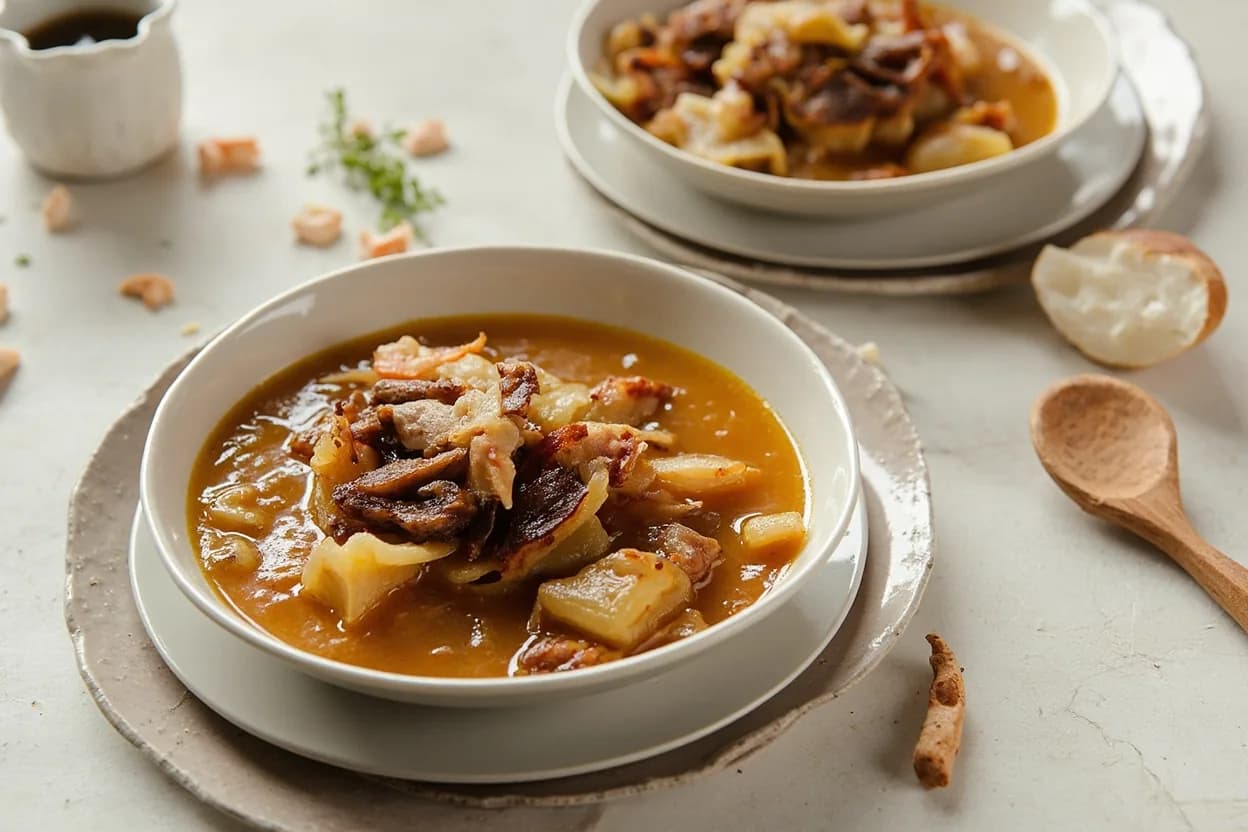
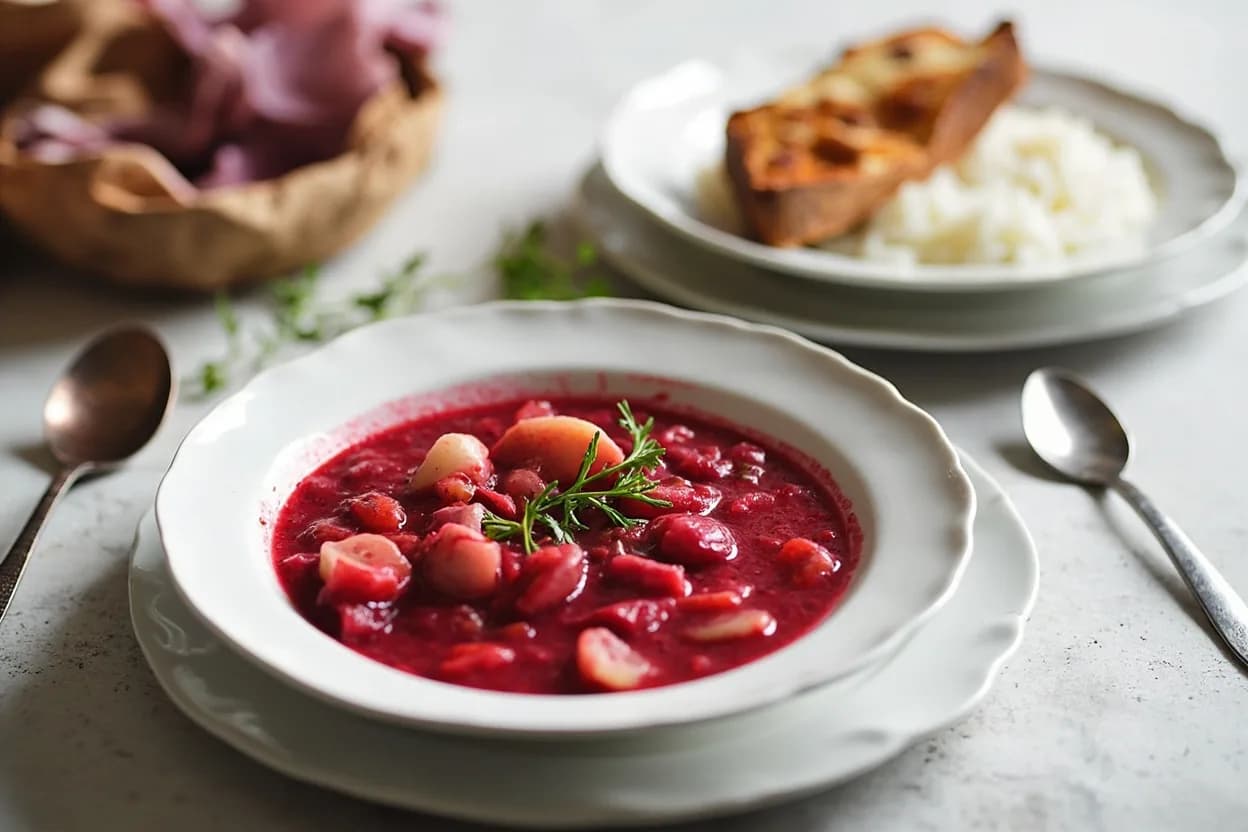
Related

Basil
Sweet, fragrant leaves for pesto, pasta, and caprese

Parsley
Fresh, grassy herb for finishing nearly any savory dish

Cilantro
Bright, citrusy herb for salsas, curries, and tacos

Mint
Cool, fragrant herb for teas, salads, and desserts
Rosemary
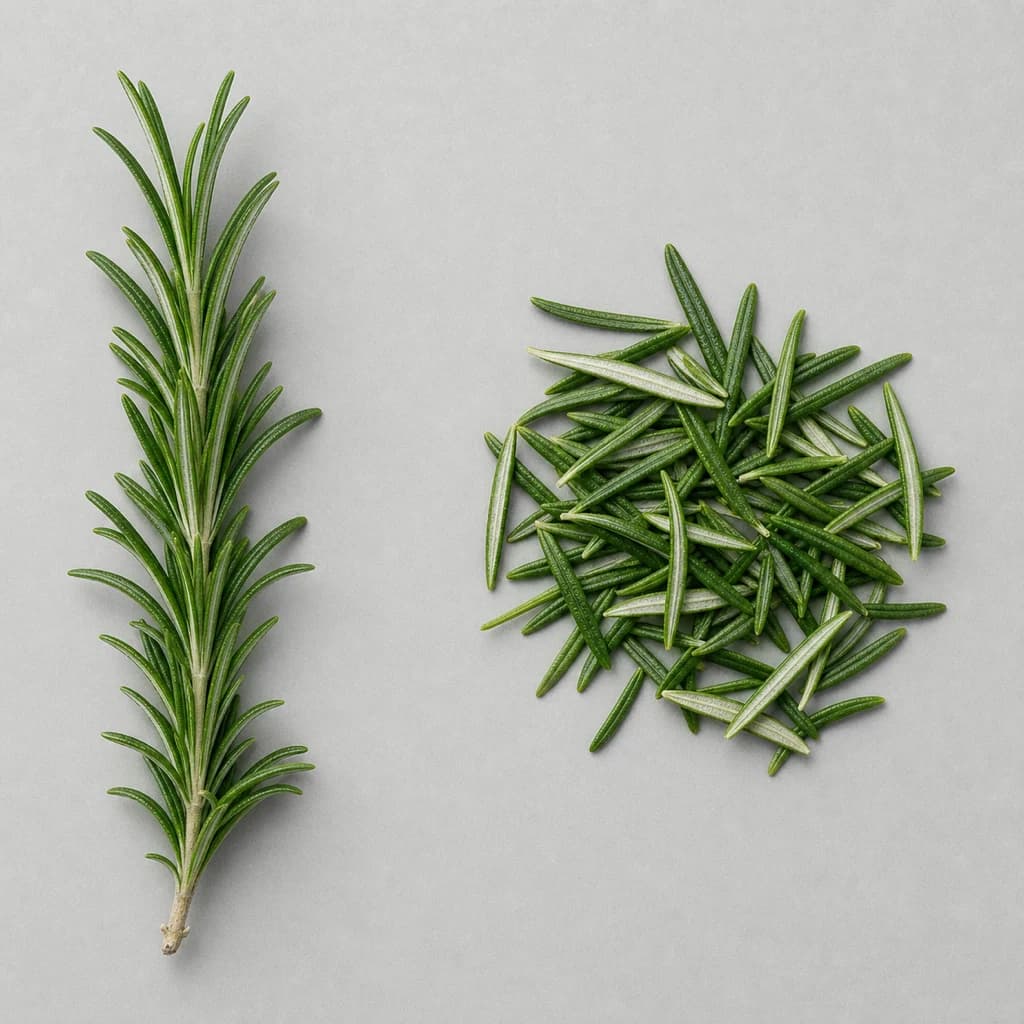
Piney, resinous herb for roasts, breads, and potatoes

Thyme
Earthy, floral herb for braises, roasts, and stocks

Sage
Savory, velvety herb for butter sauces and stuffings

Oregano
Pungent, peppery herb for tomato sauces and grilling