Natural form
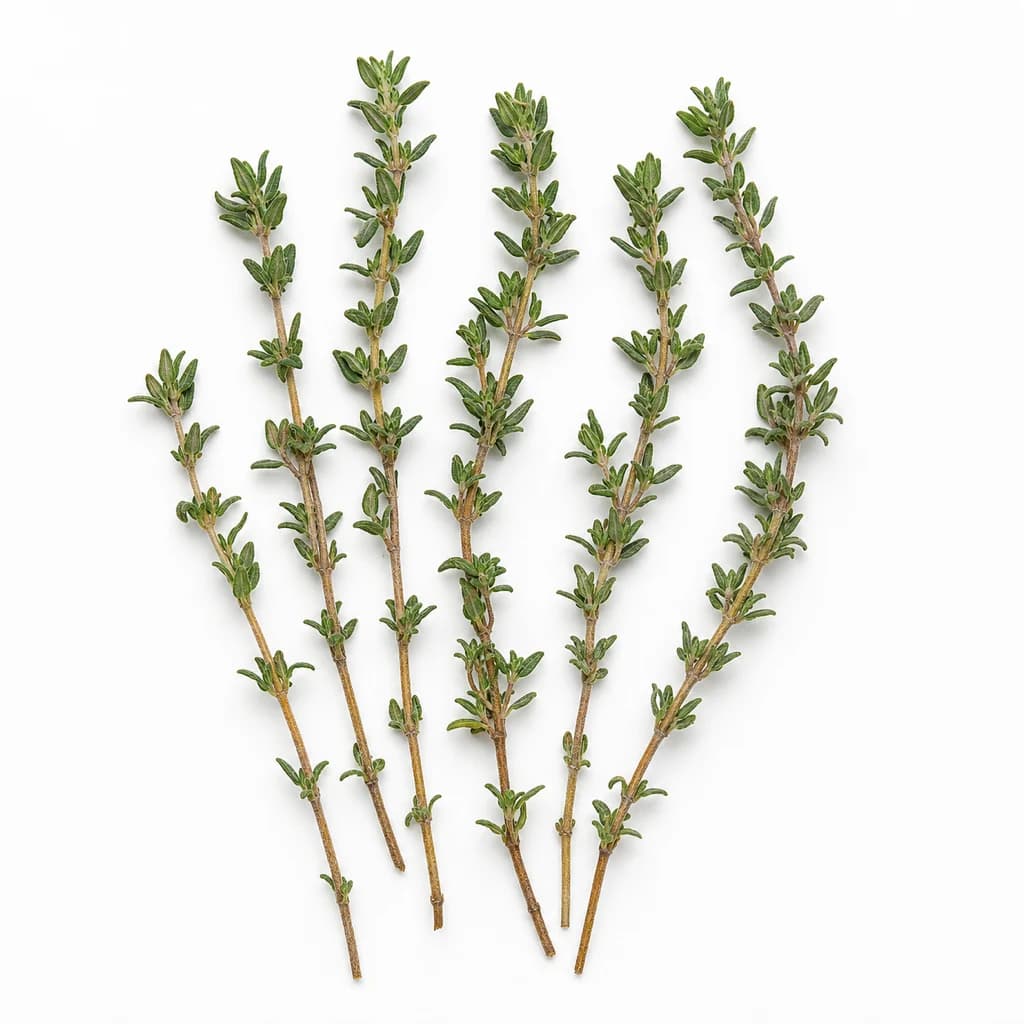
Fresh thyme sprigs showing woody stems, tiny oval leaves, and natural branch structure.
Shows the reader exactly what whole fresh thyme looks like before any preparation — the defining visual form.
Herbs
Thyme
Earthy, floral herb for braises, roasts, and stocks
Tiny leaves with a warm, earthy aroma, thyme infuses braises, roasts, and stocks slowly without overpowering. Strip the leaves or toss in whole sprigs. Keep it cold.
Thyme is a tiny-leaved Mediterranean herb with a warm, earthy, gently floral aroma that infuses slowly and never overpowers — which makes it one of the most versatile cooking herbs. Its oils release over time, so it belongs in braises, stocks, roasts, and sauces from the start. Toss in whole sprigs to pull out later, or strip the leaves for rubs and dressings. It's a backbone of bouquet garni, herbes de Provence, and Creole and French cooking alike. Lemon thyme adds a citrus twist. Dried thyme is concentrated and equally at home in long-cooked dishes.
- Measured in
- g
- Storage
- Refrigerate
- Shelf life
- 14 days
Find it in
Types & varieties
The everyday culinary type, earthy and warm.
Same earthiness with a bright citrus lift, great with fish and chicken.
Concentrated leaves perfect for rubs, soups, and braises.
How to use
Add thyme early to braises, stocks, and roasts so its oils infuse gently over the cooking time. Drop in whole sprigs and fish them out, or strip the small leaves by running fingers down the stem for dressings and rubs.
- Whole sprigs in stock, braise, and bouquet garni
- Strip leaves for marinades and compound butter
- Pairs with nearly every roast and stew
Fresh vs dried
Thyme is one of the few herbs that loses little dried — the leaves concentrate and the flavor holds up in long cooking. Use roughly a third as much dried as fresh; both suit slow-cooked dishes.
Common uses
Tips & pitfalls
- Toss whole sprigs into stock or braise and remove the bare stems later.
- Strip leaves quickly by pulling them backward off the stem.
- A key part of bouquet garni and herbes de Provence.
- Lemon thyme is excellent with fish, chicken, and roasted vegetables.
- Add early — thyme rewards long, slow infusion.
Nutrition
Energy
423 kJ · per 100 g
Where the calories come from
Protein
5.6g
11% DV
Carbs
24.5g
9% DV
Fat
1.7g
2% DV
Fiber
14g
50% DV
Sodium
9mg
0% DV
Source · USDA FoodData Central · Thyme, fresh
View on FDC →In the shops
Matched grocery products
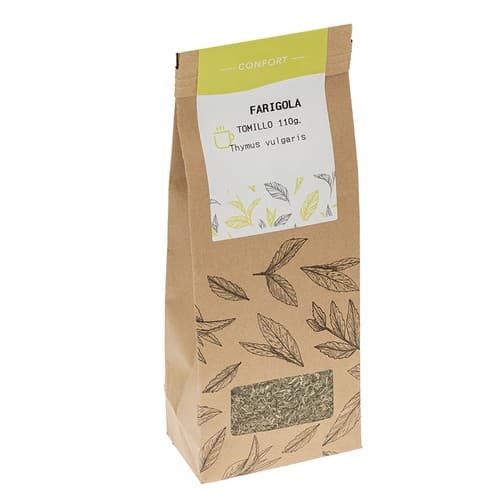 €1.89
€1.89Thyme
FLOR DEL PIRINEO · kg · Bonpreu
Good to know
- Flavor
- Warm, earthy, floral, lightly minty
- Form
- Fresh sprigs; dried leaves (concentrated)
- Add when
- Early — it infuses slowly without overpowering
- Cuisines
- French, Mediterranean, Creole, Middle Eastern
- How to buy
- Fresh, green sprigs with no woody dryness
- How to store
- Wrapped and refrigerated up to two weeks; freezes well
Appears in these dishes
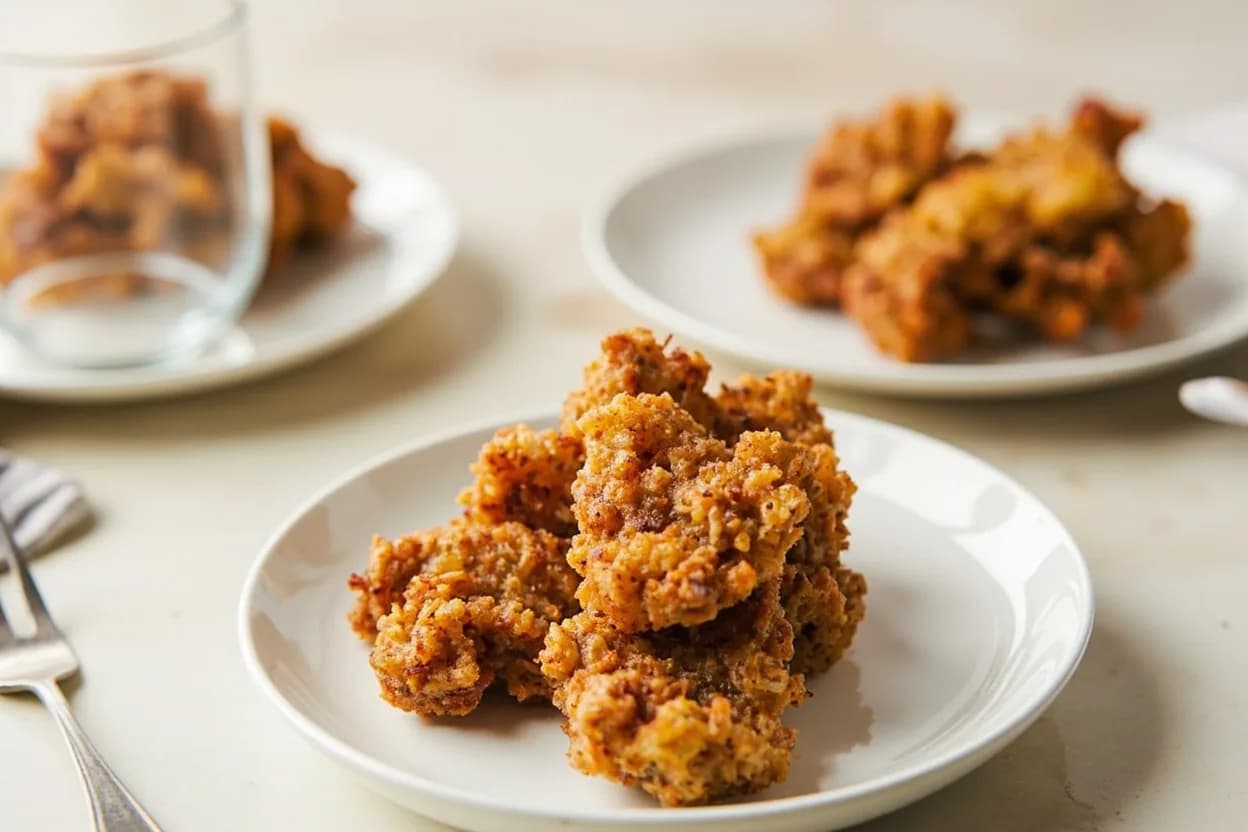
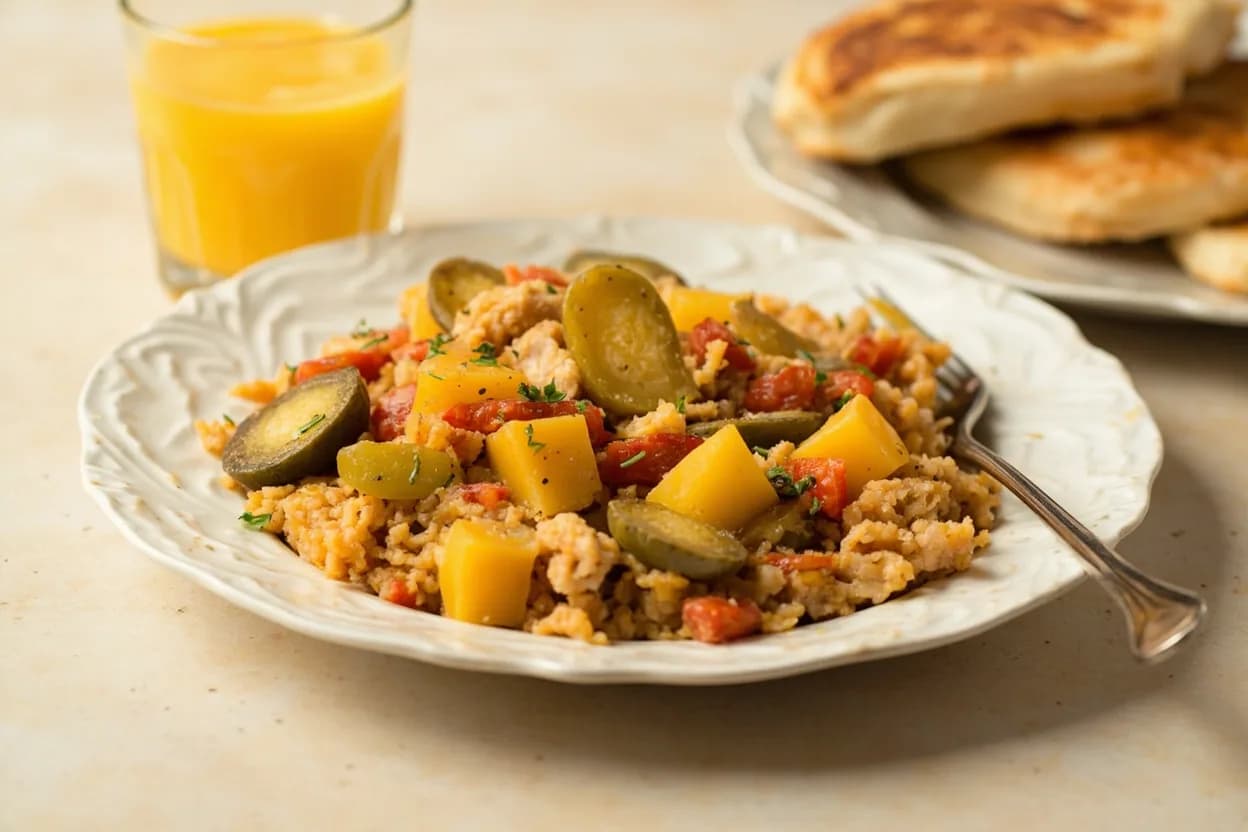
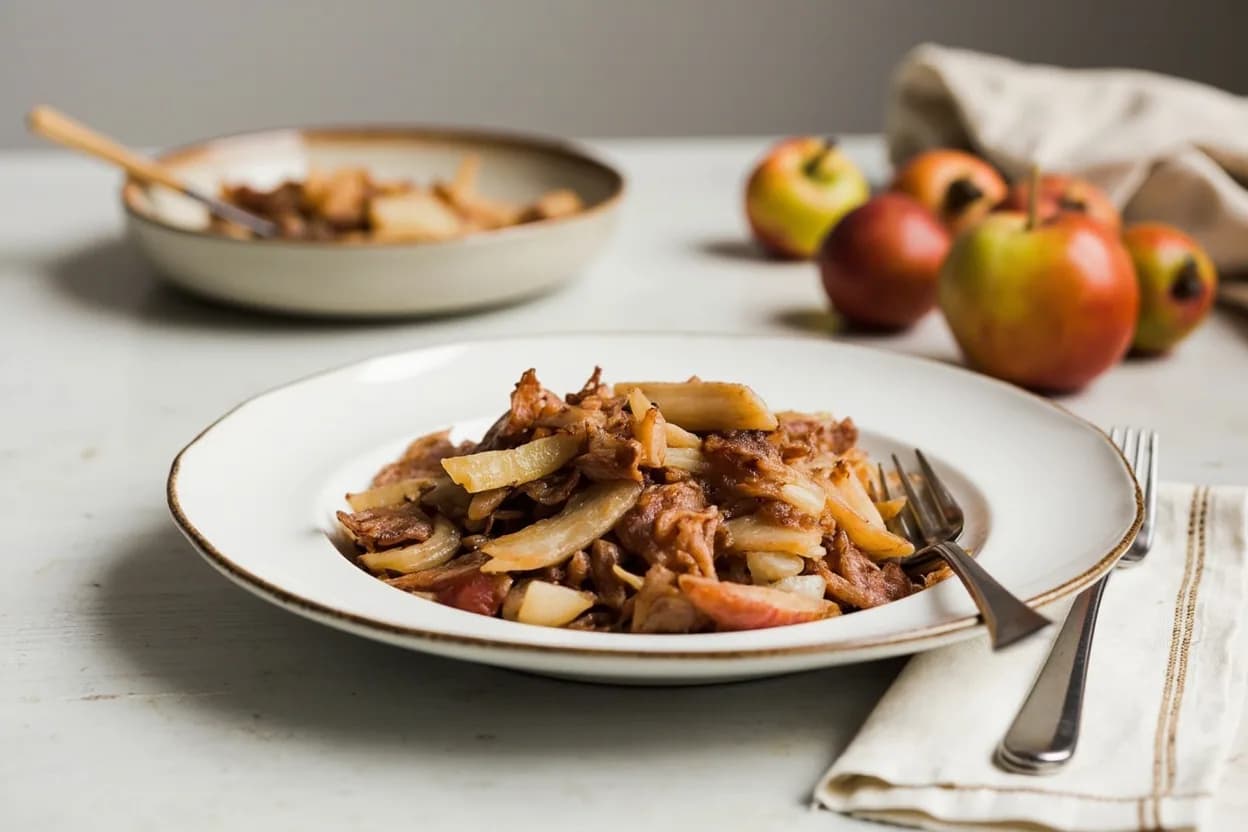
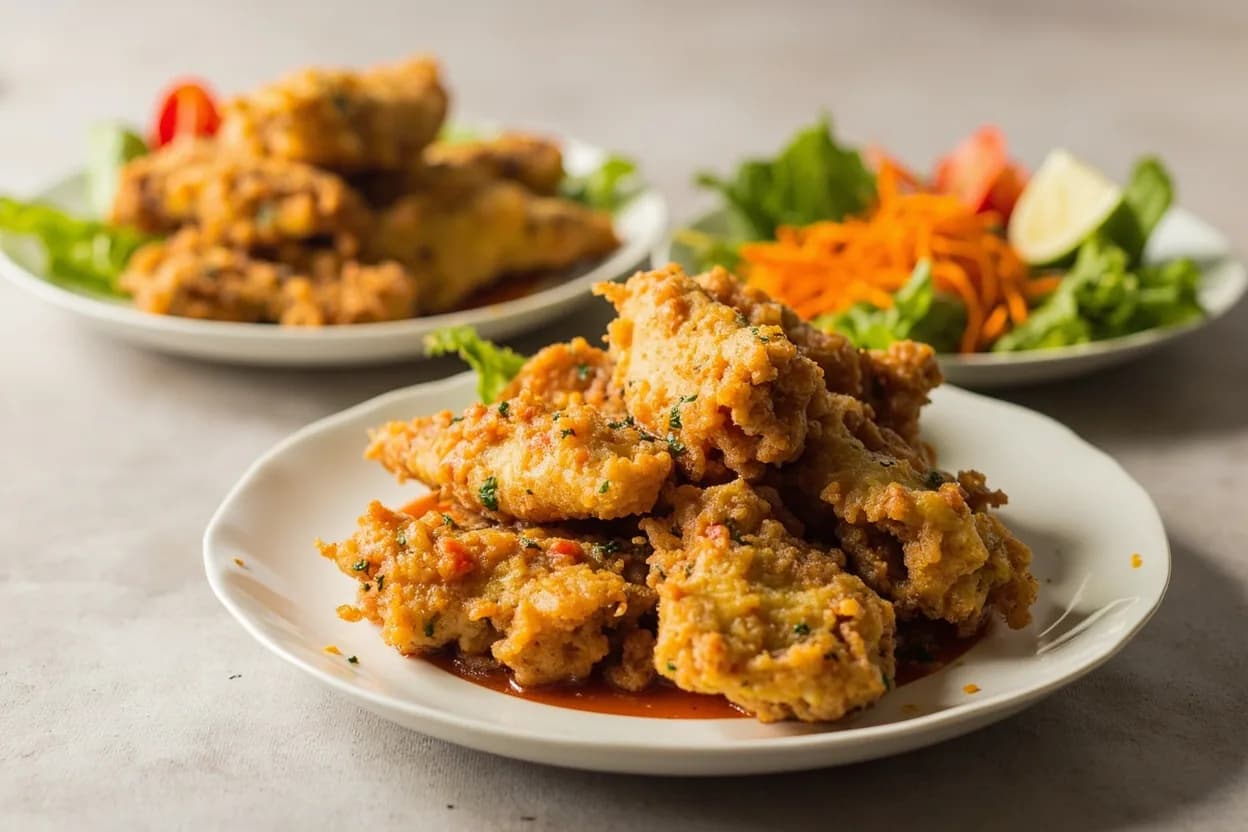
Related

Basil
Sweet, fragrant leaves for pesto, pasta, and caprese

Parsley
Fresh, grassy herb for finishing nearly any savory dish

Cilantro
Bright, citrusy herb for salsas, curries, and tacos

Mint
Cool, fragrant herb for teas, salads, and desserts
Rosemary
Piney, resinous herb for roasts, breads, and potatoes

Sage
Savory, velvety herb for butter sauces and stuffings

Oregano
Pungent, peppery herb for tomato sauces and grilling

Dill
Feathery, anise-like herb for fish, pickles, and yogurt