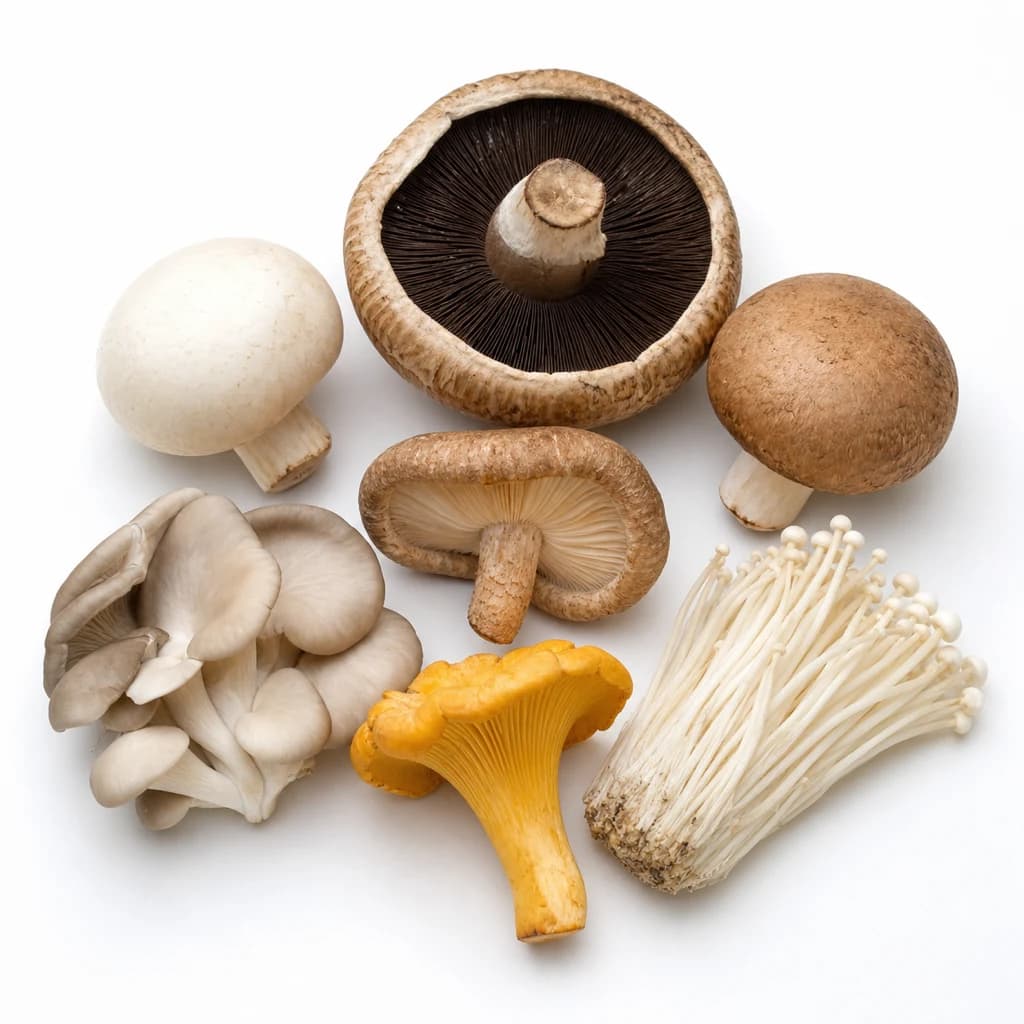
Varieties
Seven fresh mushroom species show the range of cap shape, color, and gill structure.
Showing multiple distinct species side by side teaches readers to identify mushrooms by their visual differences in form and color.
Produce
Mushroom
Earthy, savory caps that bring umami to any dish
Meaty and umami-rich, mushrooms sauté to a deep brown, fold into sauces, and add savor to almost anything. Keep them dry in a paper bag, not plastic, and cook soon.
Mushrooms bring deep, savory umami to the plate — meaty, earthy, and brown-roasting in a way no other vegetable quite manages. Technically a fungus, not a plant, the cultivated button-to-portobello line and a world of specialty varieties (cremini, shiitake, oyster, porcini, chanterelle) each add their own savor. The cooking secret is heat and patience: give them room and time to release their water and brown, and they reward you with concentrated, almost meaty flavor.
- Measured in
- g
- Storage
- Refrigerate
- Shelf life
- 7 days
Find it in
Types & varieties
Same species at three ages; mild → deeper → meaty and large
Rich, smoky, savory; discard the woody stem
Delicate, fan-shaped; quick-cooking, mild
Intensely savory; superb dried for stock and risotto
Prized wild mushrooms; fruity, nutty (cook morels thoroughly)
How to choose
Want firm, dry, plump mushrooms with intact caps and no sliminess, dark soft spots, or strong off-smell. For button mushrooms, tightly closed caps (gills hidden) signal freshness; open gills mean they're older (still fine, slightly stronger). They should feel dry, not damp.
To wash or not
Mushrooms are like sponges, so don't soak them — they'll waterlog. Brush off debris with a dry cloth or soft brush, or give them a very quick rinse and pat dry immediately if they're gritty. Trim dry stem ends; remove the tough woody stems of shiitake (save for stock). Slice or quarter as needed.
- Don't soak — brush or quick-rinse and dry
- Trim dry stem ends
- Save trimmings for stock
How to cook for deep flavor
Mushrooms are mostly water. Cook them in a hot pan with space — crowding makes them steam and turn grey and rubbery. Let them sit to release their liquid, let it cook off, then brown in fat for that deep, savory, caramelized flavor. Salt near the end (early salting draws water too soon). Dried mushrooms, rehydrated, give an even more concentrated hit, and the soaking liquid is liquid gold.
Common uses
Tips & pitfalls
- Give them room in a hot pan — crowding steams them grey and limp
- Don't soak them; they absorb water like a sponge
- Salt after they've browned, not before, so they sear properly
- Rehydrate dried porcini for intense flavor — and keep the soaking liquid
- A splash of soy, wine, or butter at the end deepens the savor
Nutrition
Energy
134 kJ · per 100 g
Where the calories come from
Protein
1.5g
3% DV
Carbs
6.9g
2% DV
Fat
0.5g
1% DV
Fiber
3.8g
14% DV
Sugars
1.2g
of which
Sodium
9mg
0% DV
Source · USDA FoodData Central · Mushrooms, Chanterelle, raw
View on FDC →In the shops
Matched grocery products
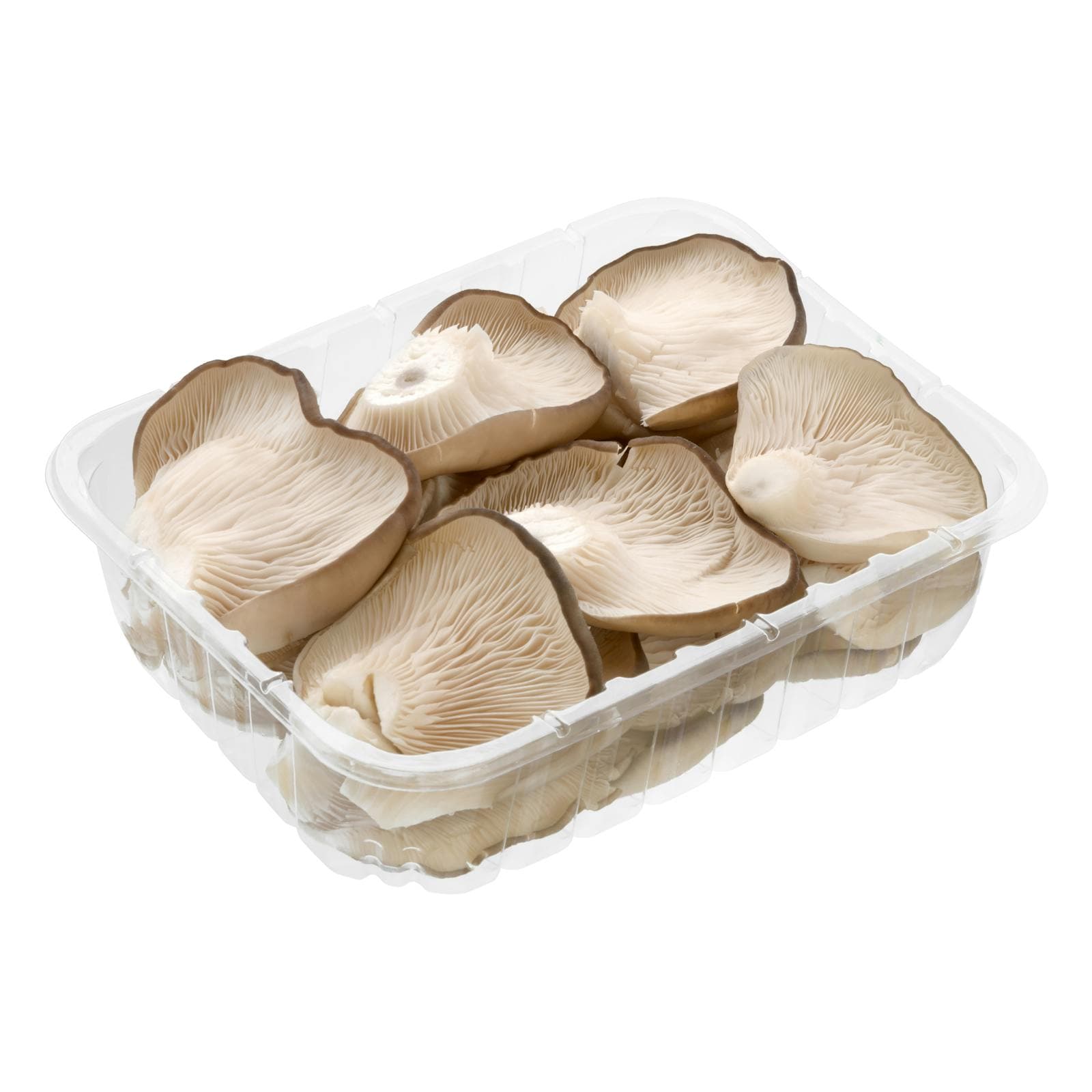 €2.05
€2.05Mushrooms
250 g · Mercadona
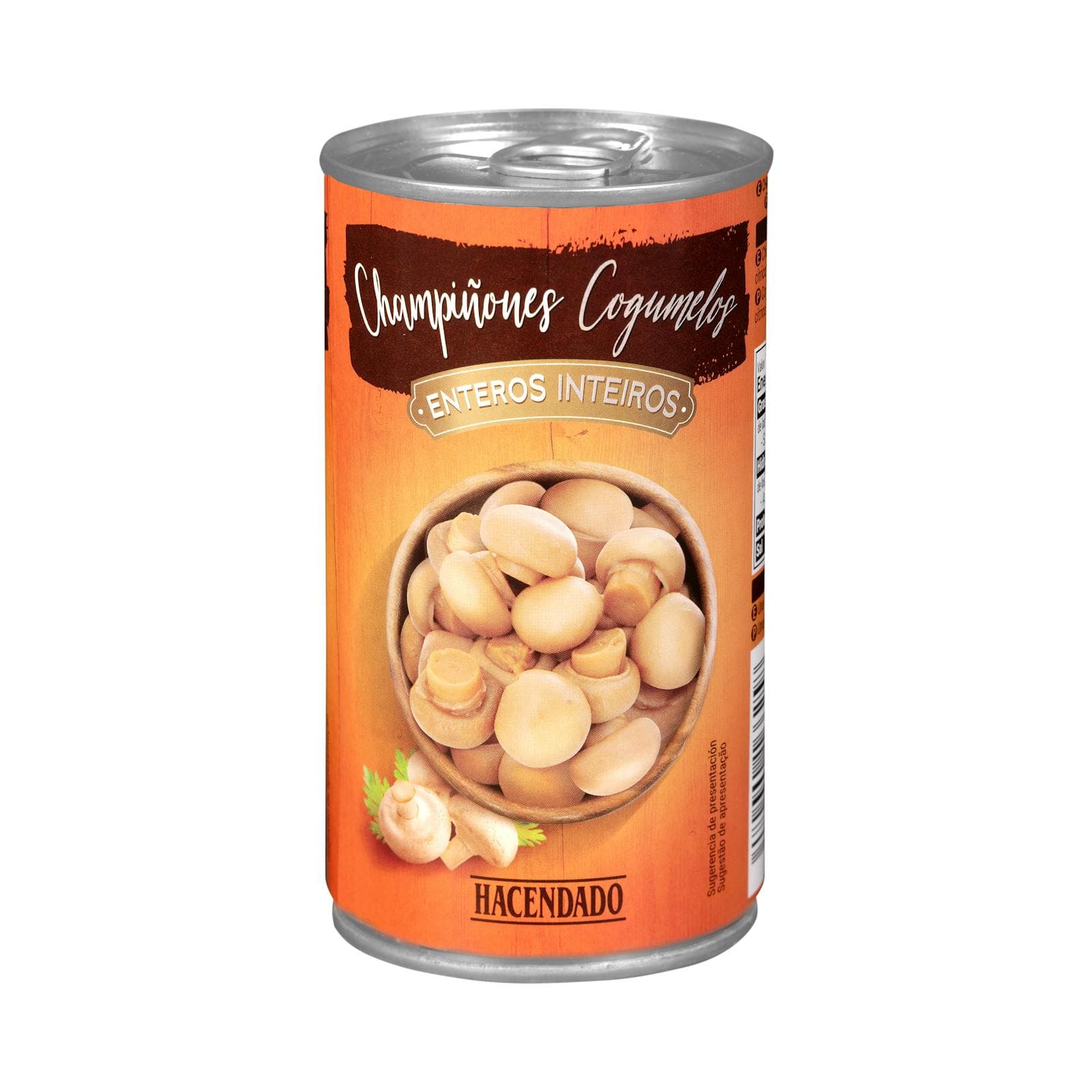 €1.45
€1.45Whole Mushroom
Hacendado · 355 g · Mercadona
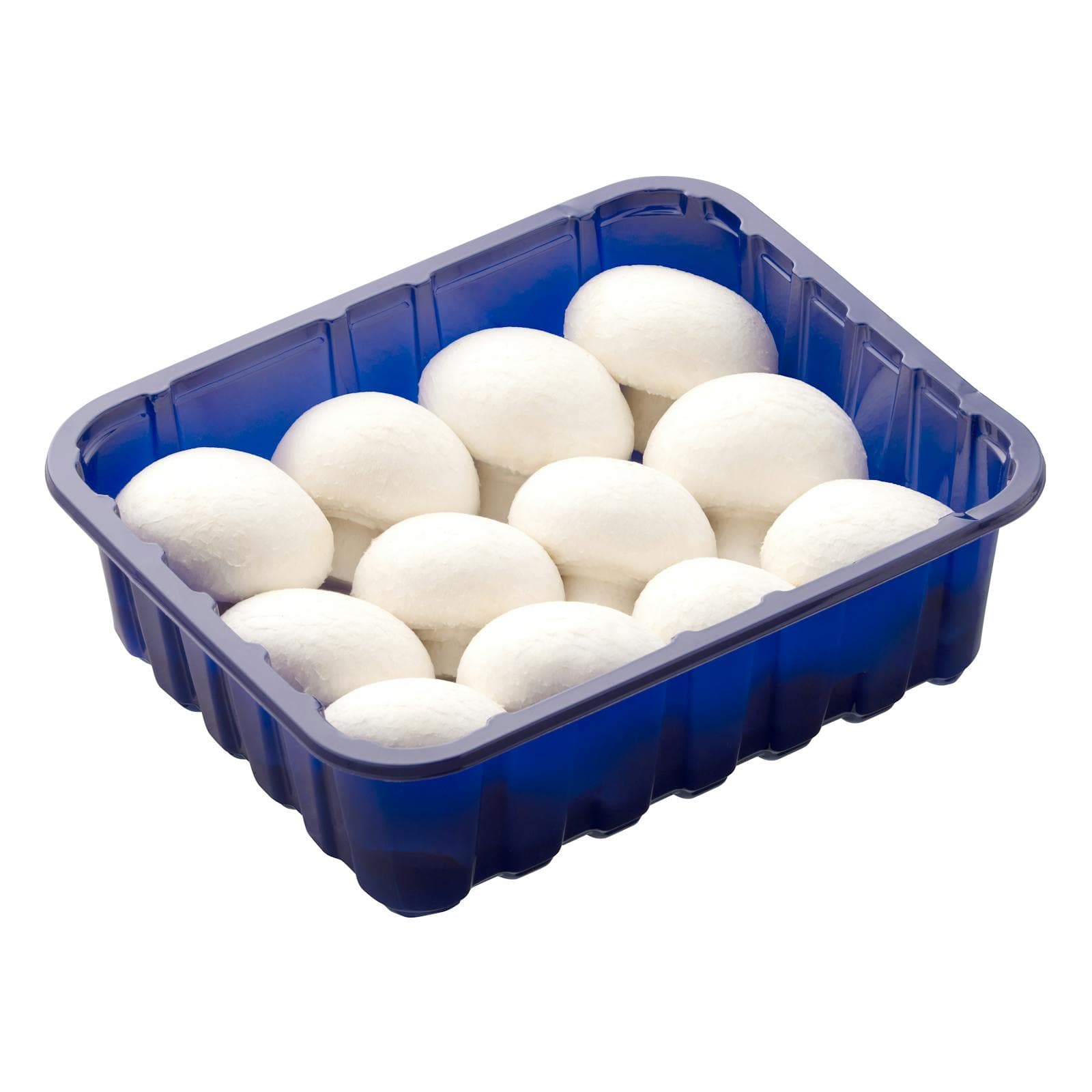 €1.50
€1.50White Mushrooms
300 g · Mercadona
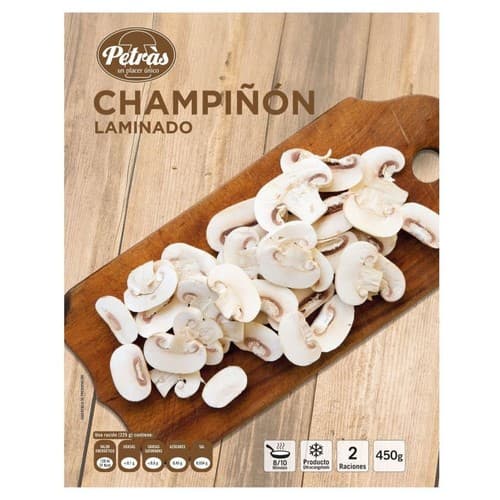 €1.99
€1.99Sliced Mushrooms
PETRAS · kg · Bonpreu
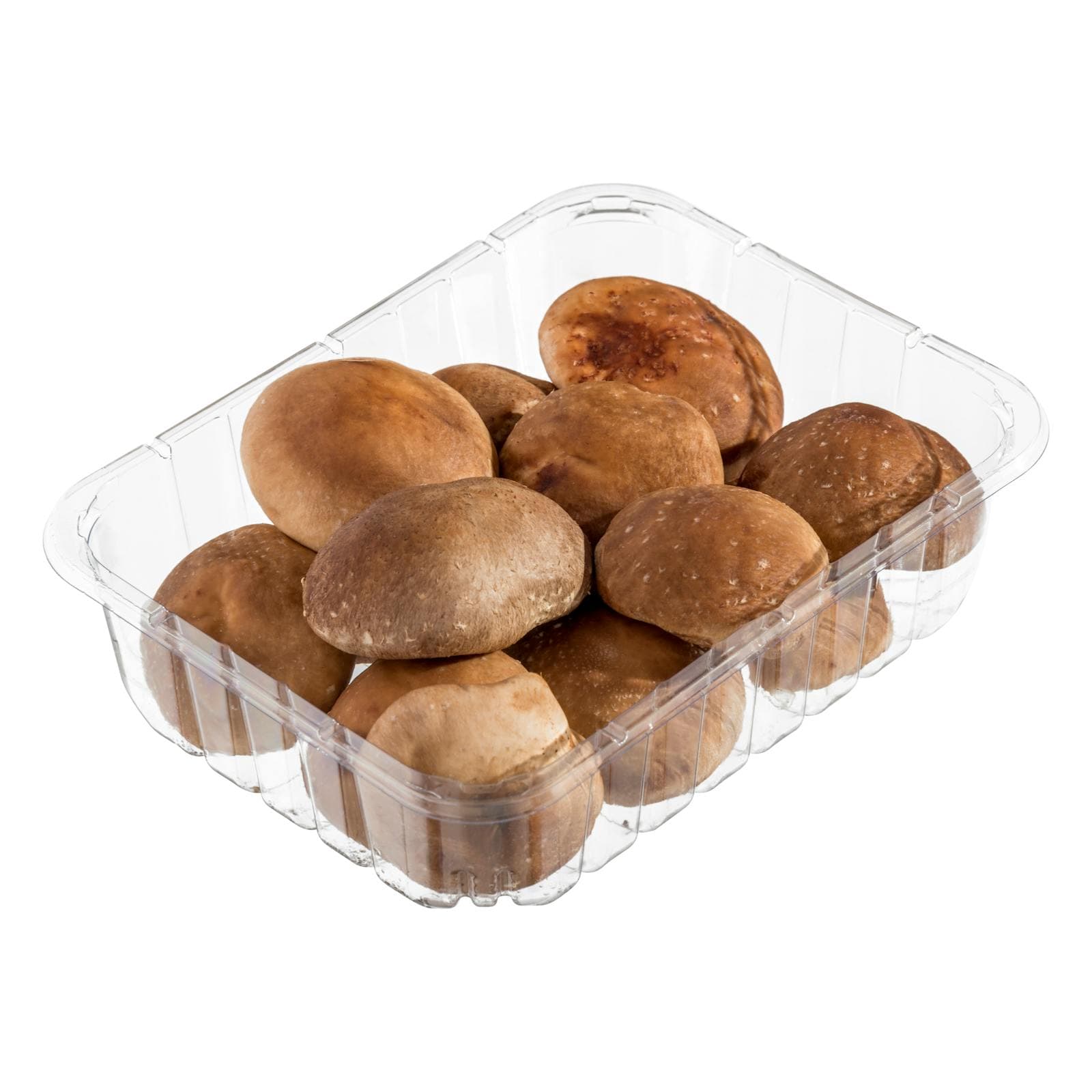 €3.96
€3.96Shiitake Mushrooms
300 g · Mercadona
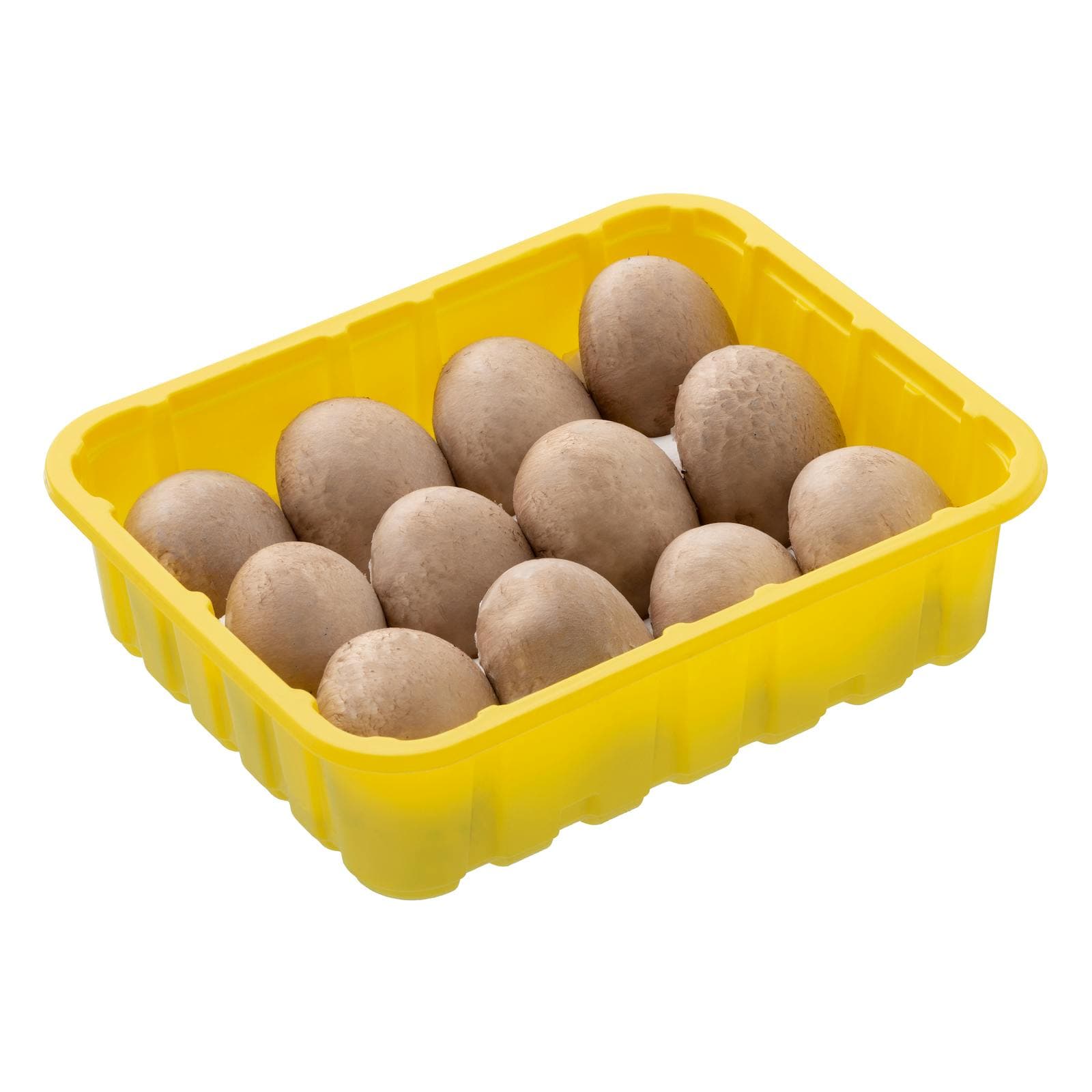 €2.16
€2.16Portobello Mushrooms
300 g · Mercadona
Good to know
- Peak season
- Cultivated year-round; wild types peak in fall (and spring for morels)
- Flavor
- Earthy, savory, umami-rich, meaty; deepens with browning
- Origin
- A fungus; cultivated commercially since the 17th century
- Nutrition
- ~22 kcal/100g; B vitamins, selenium, umami glutamates; vitamin D if UV-treated
- How to buy
- Firm, dry, plump caps; closed gills for button; no slime, wrinkling, or dark spots
Substitutes
- Dried mushrooms — Rehydrate for intense flavor; use the liquid too
- Eggplant — For meaty texture in vegetarian dishes
- Miso or soy sauce — To supply umami when no mushrooms are on hand
Also called
button mushroom · champiñón · seta
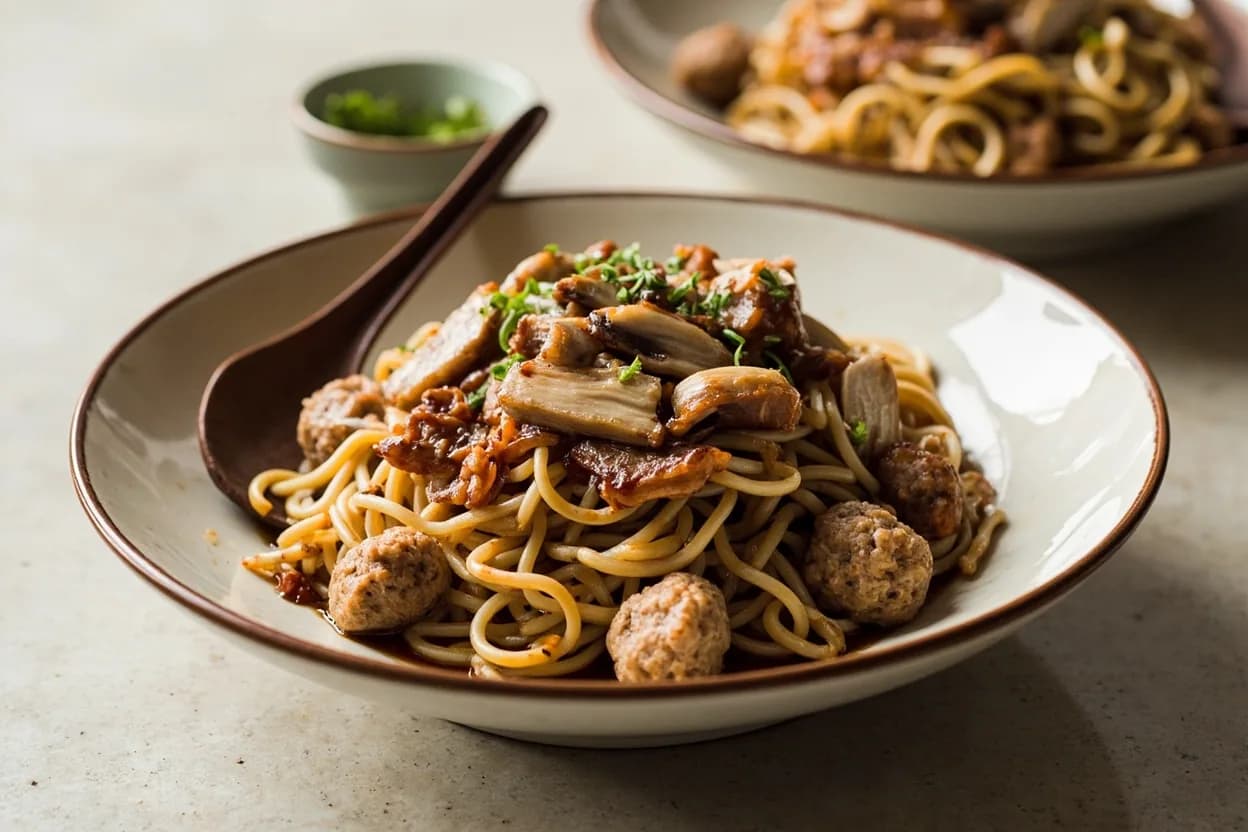
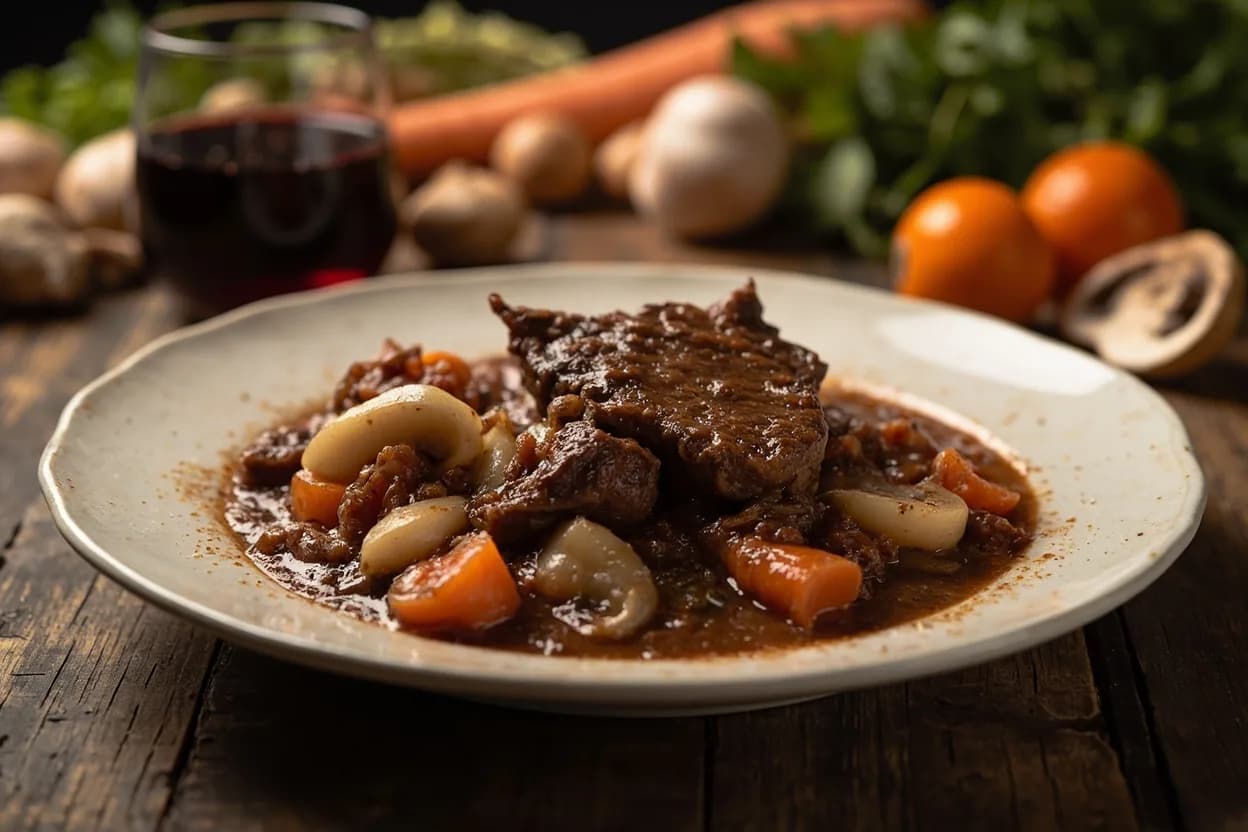
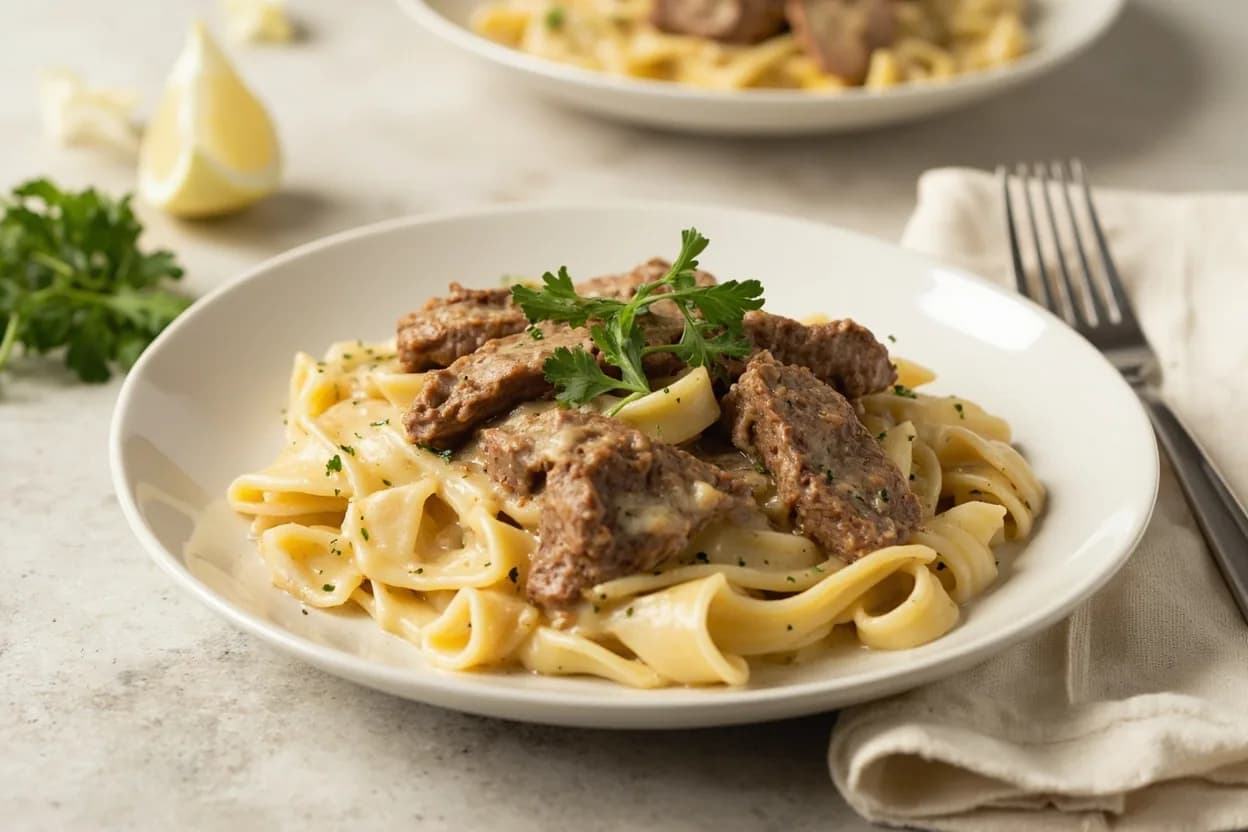
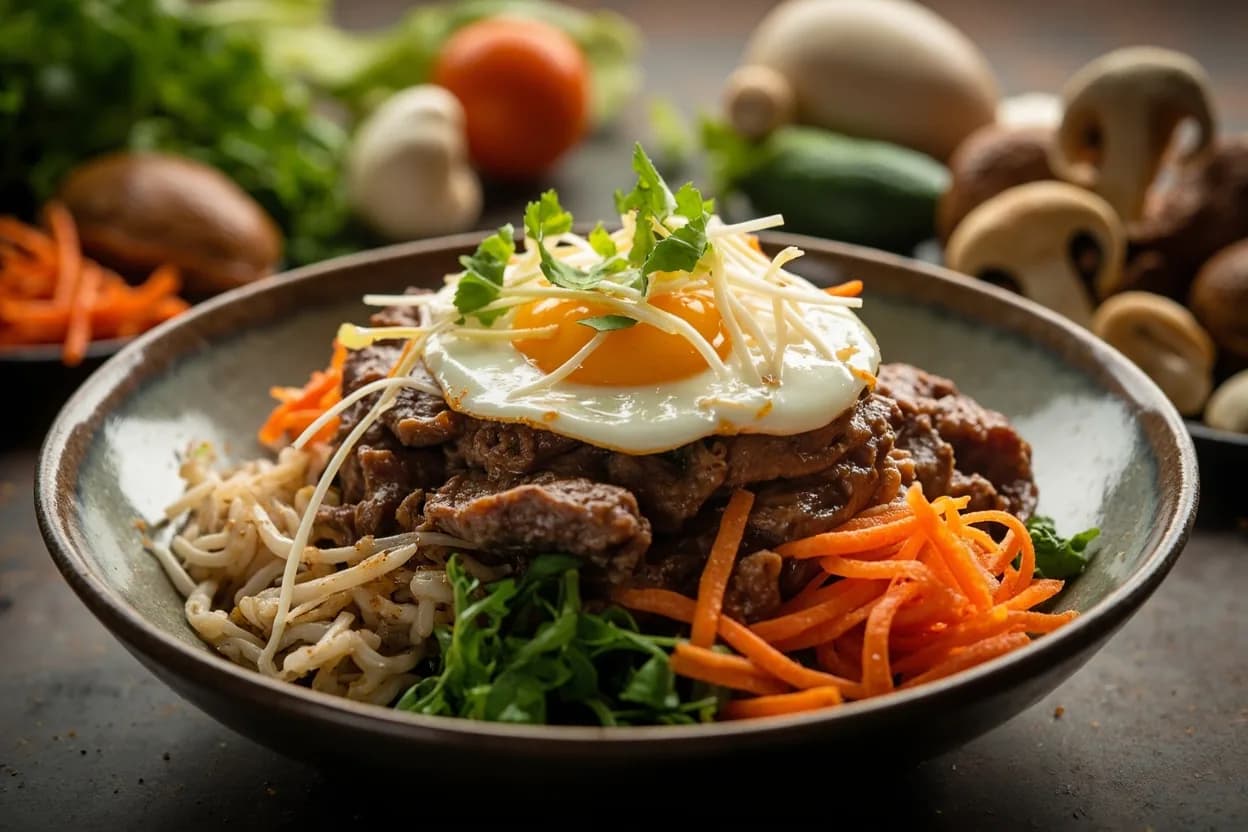
Appears in these dishes
Related
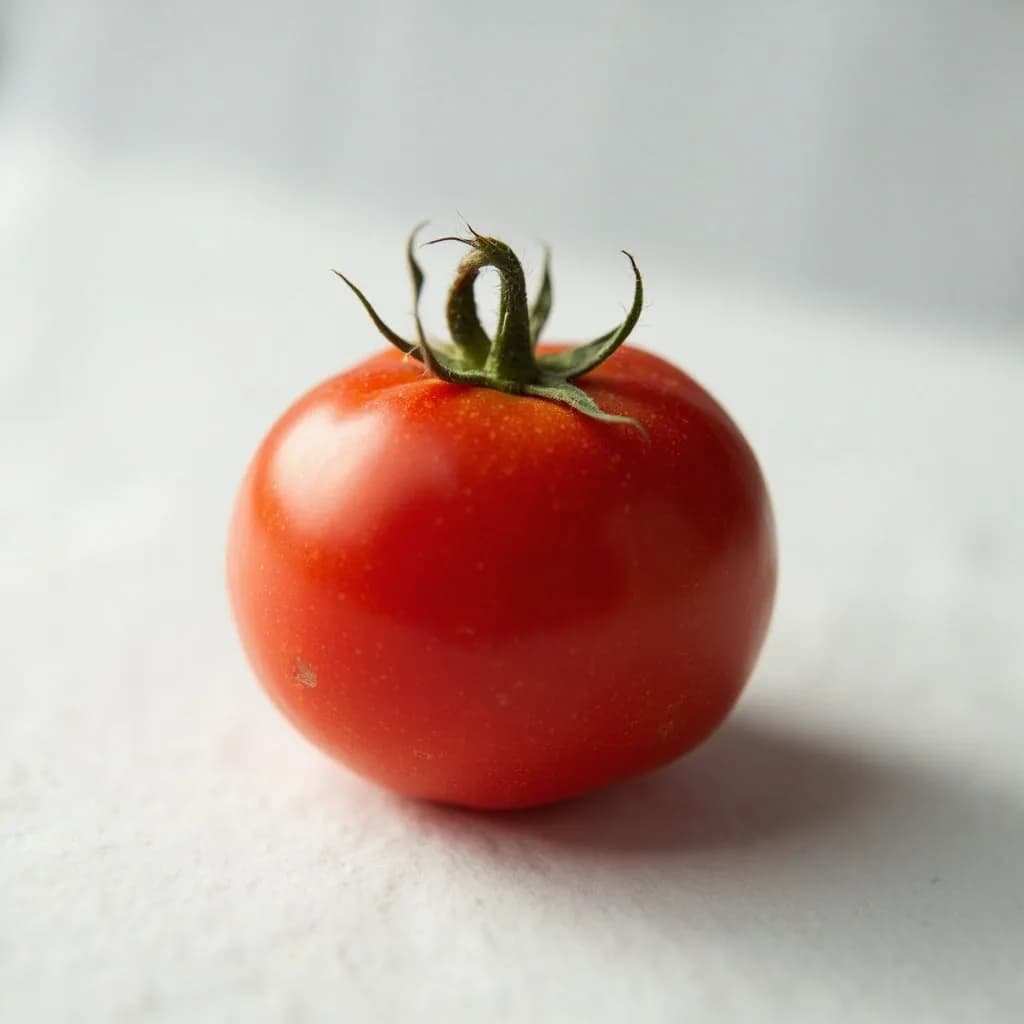
Tomato
Juicy, sun-sweet fruit for sauces, salads, and slow-cooked depth
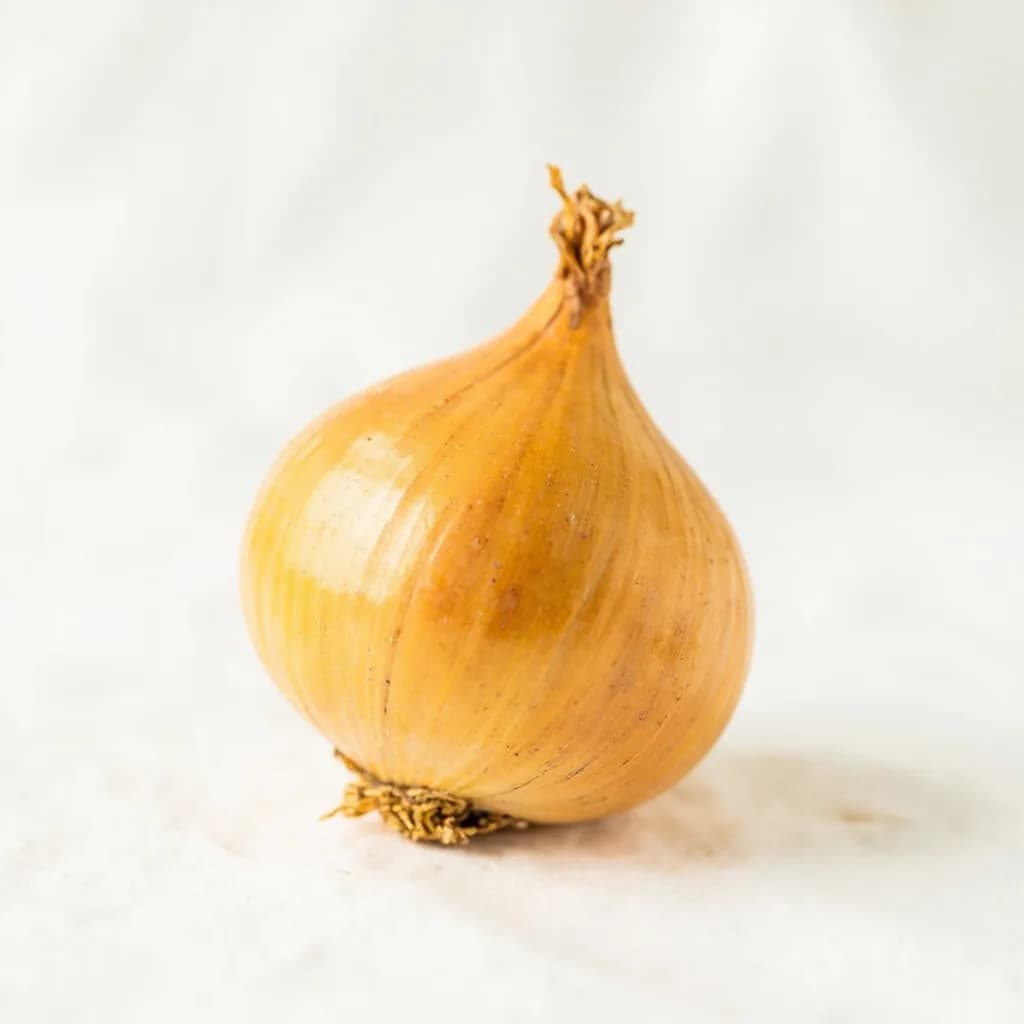
Yellow Onion
The aromatic backbone of soups, sofritos, and braises
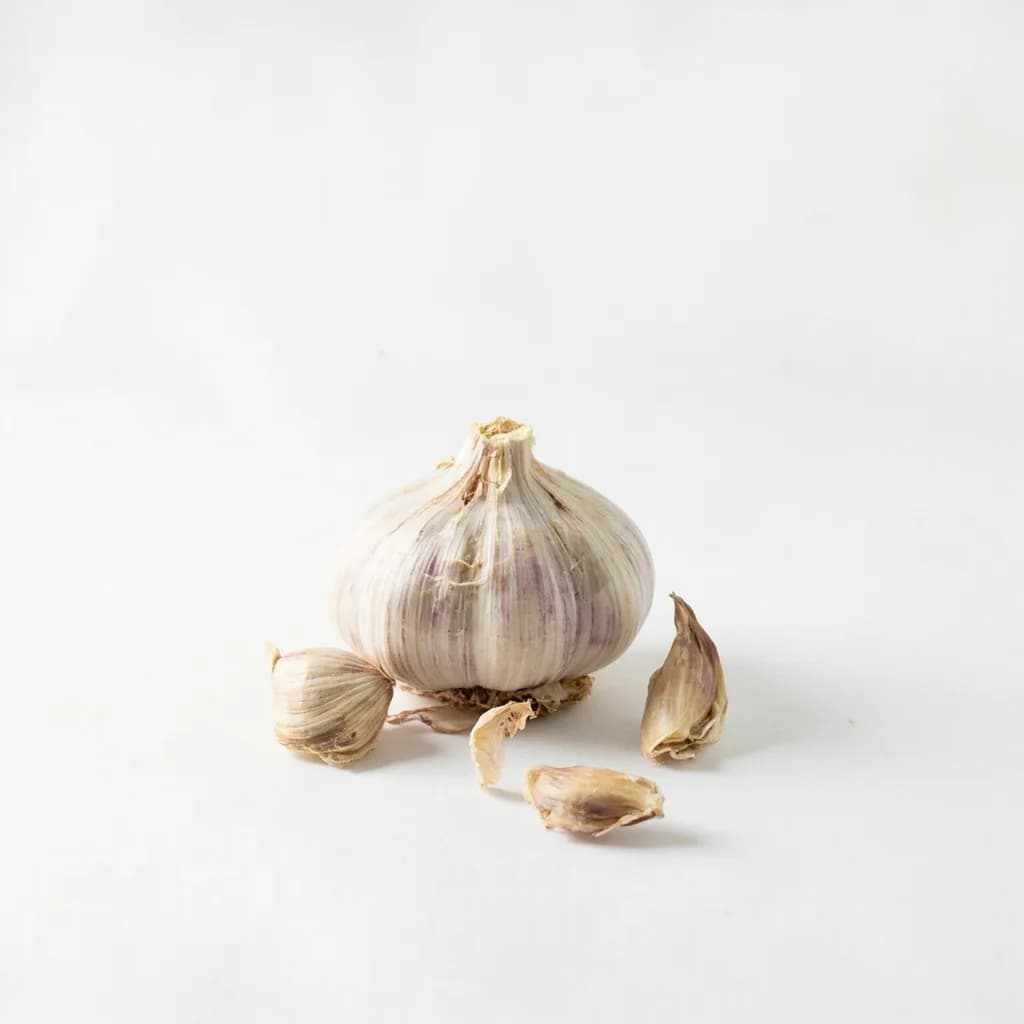
Garlic
Pungent cloves that perfume nearly every savory dish
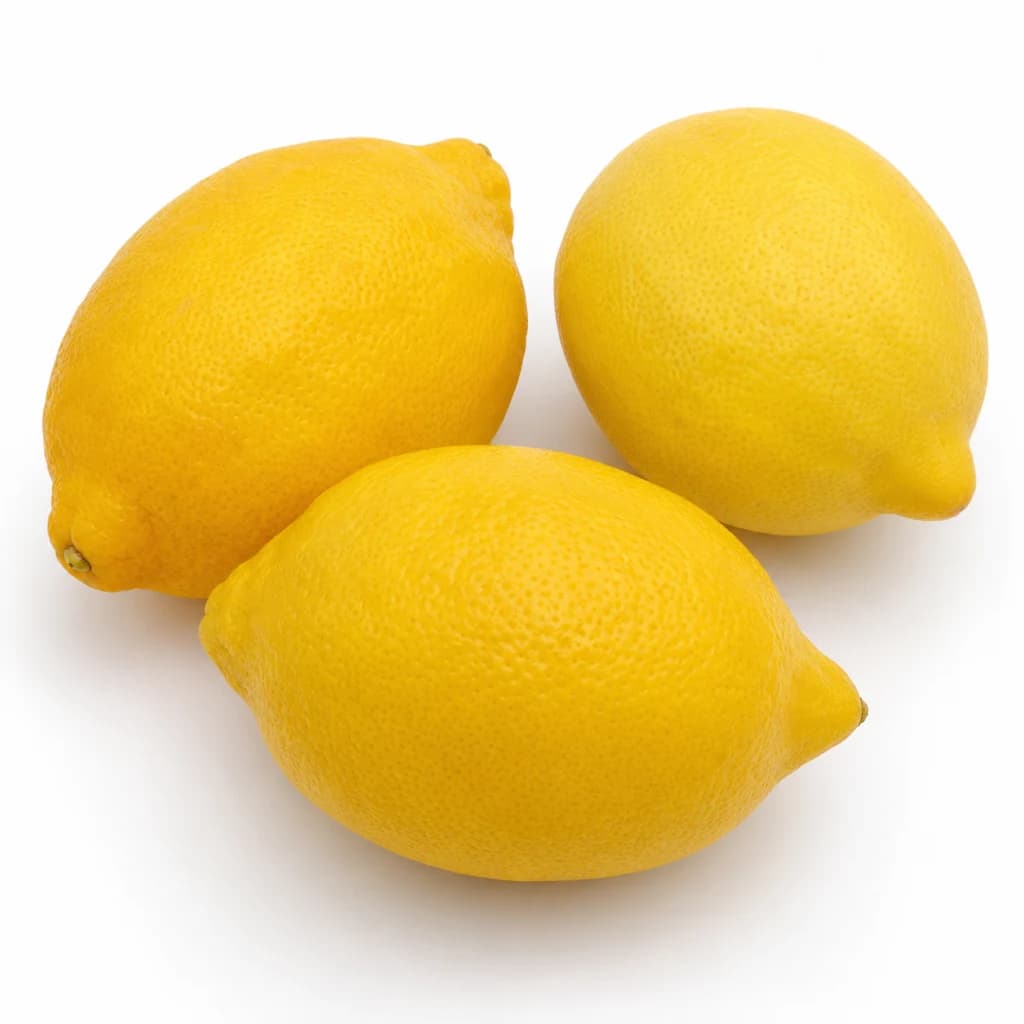
Lemon
Bright, acidic citrus that wakes up almost any dish
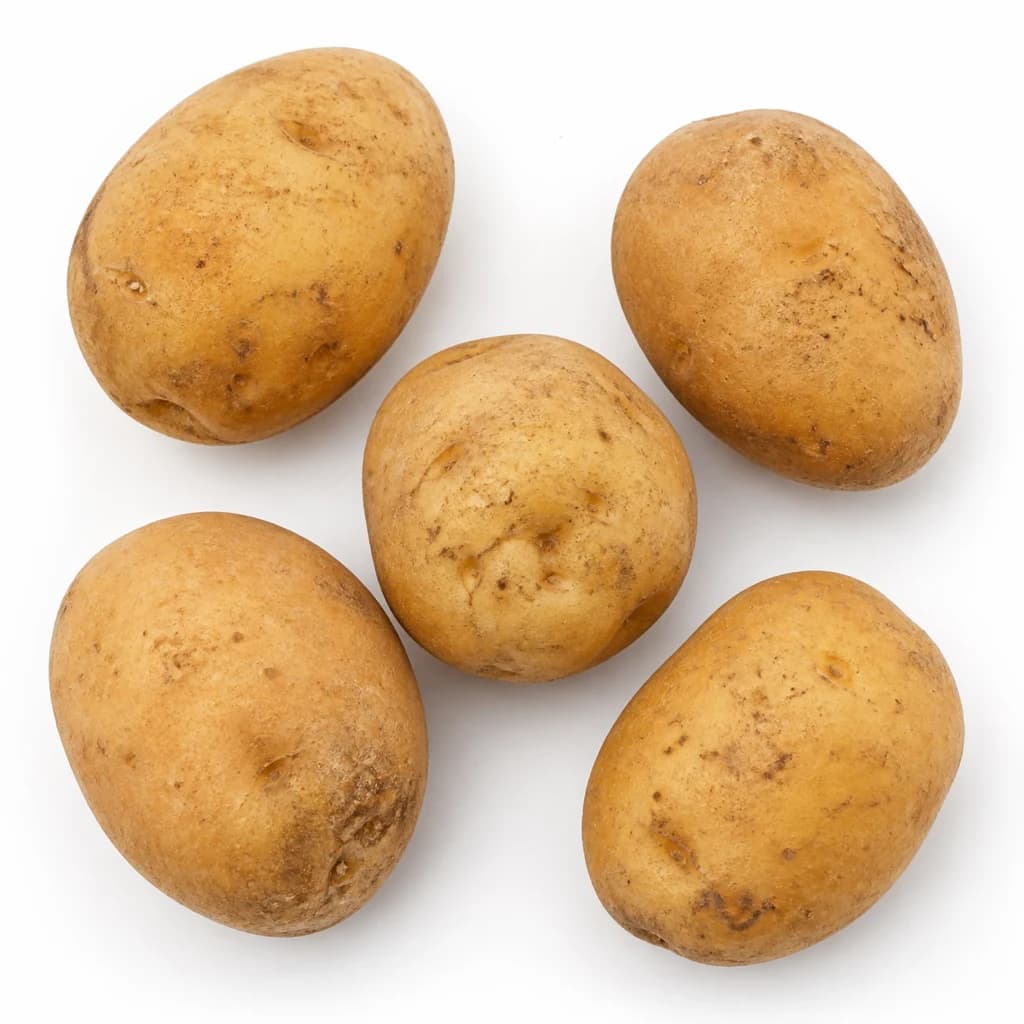
Potato
Humble, hearty staple — roast, mash, fry, or boil
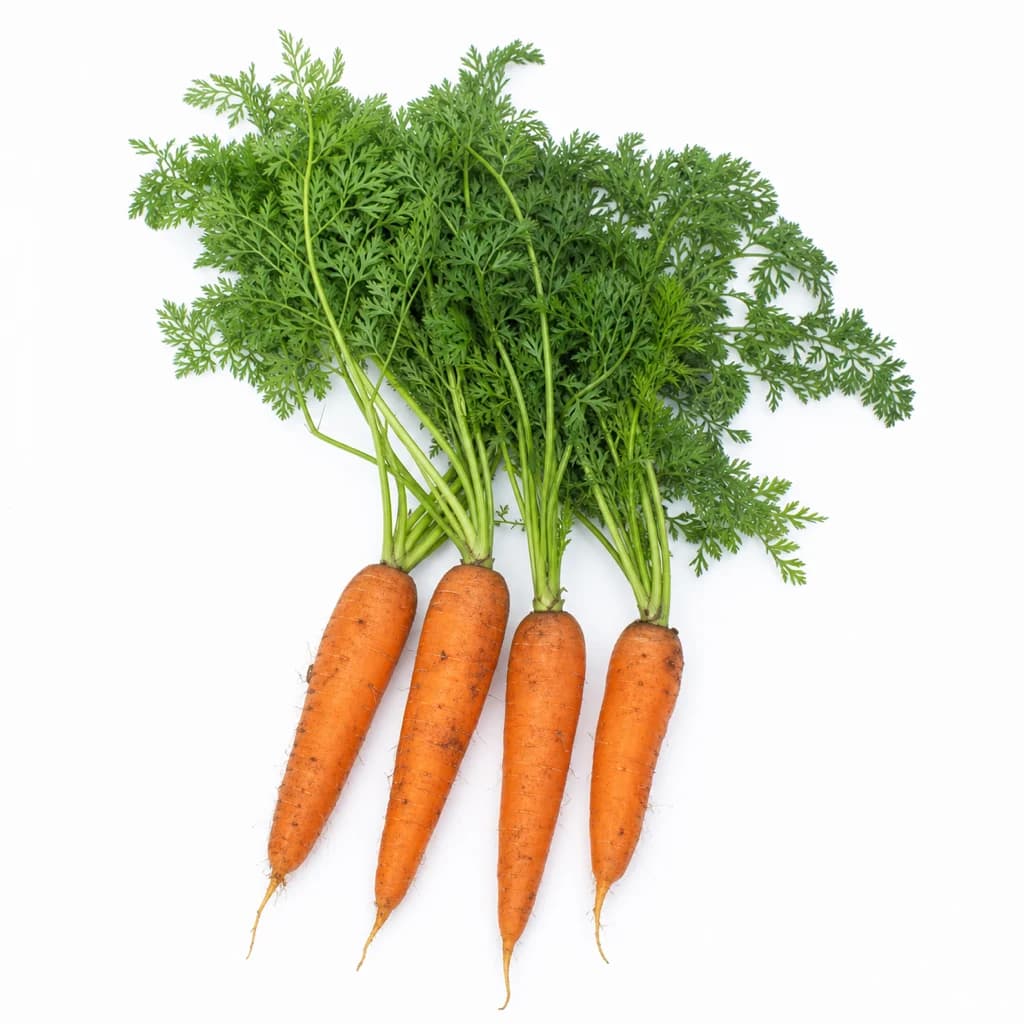
Carrot
Sweet, crunchy root — raw, roasted, or the base of a sofrito
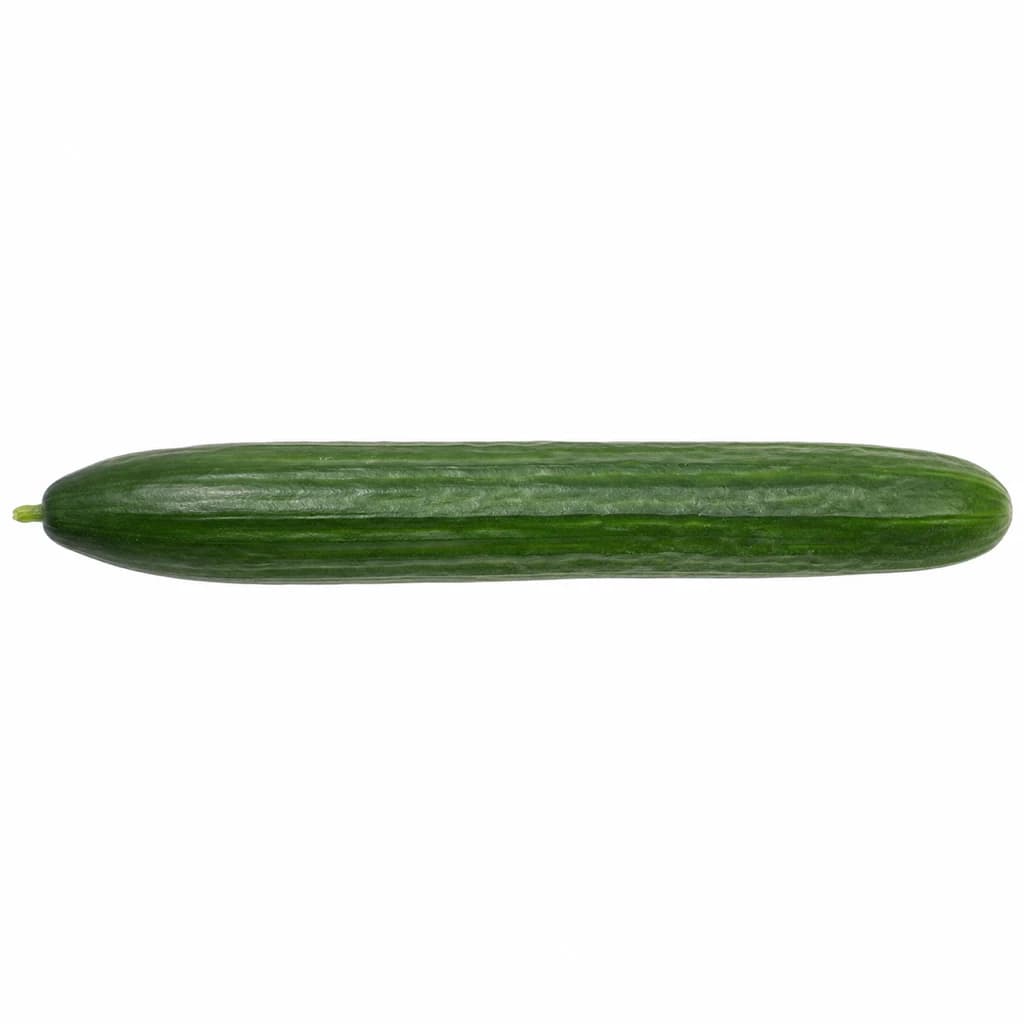
Cucumber
Cool, crisp, and watery — for salads, pickles, and tzatziki

Lettuce
Crisp leaves for salads, wraps, and a fresh crunch