Natural form
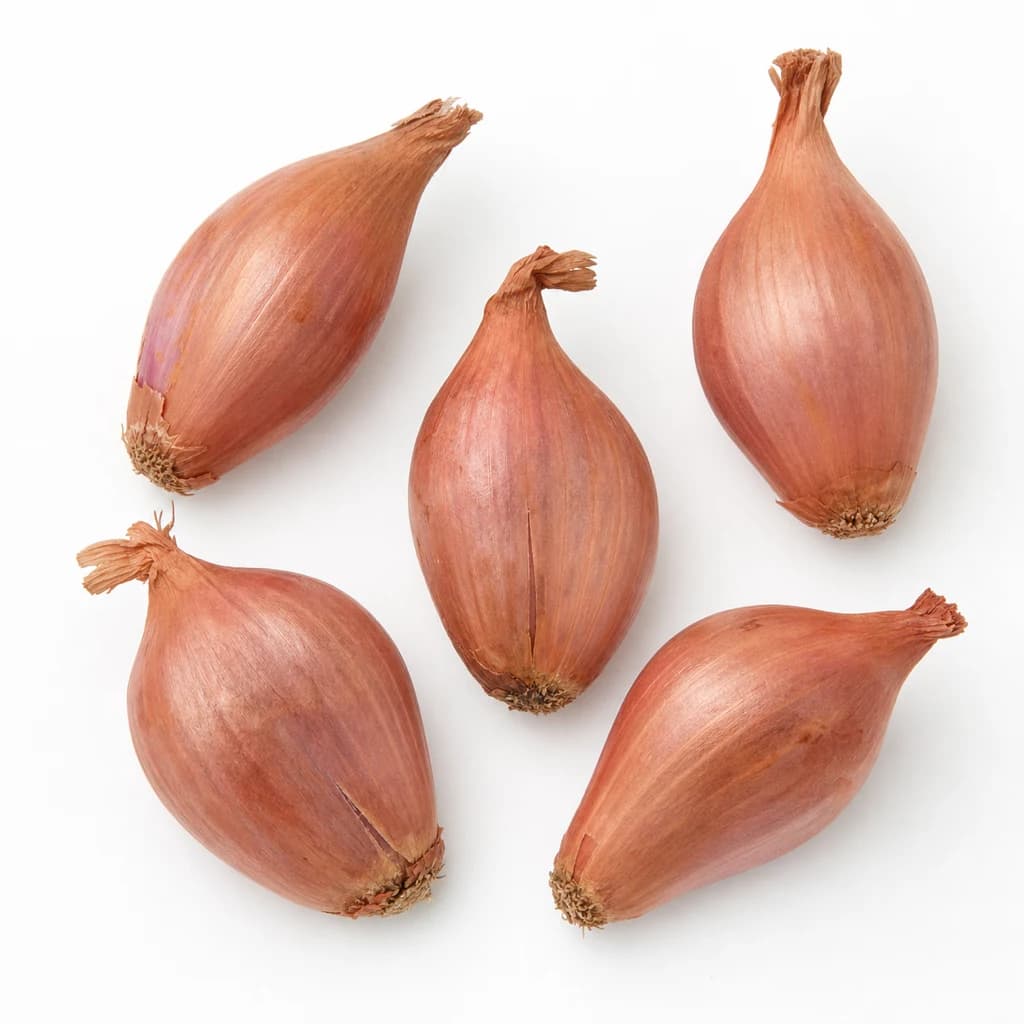
Whole shallots showing the elongated bulb clusters and papery copper-bronze skin.
Teaches the reader to identify the shallot's distinctive clustered, elongated shape and copper skin before any preparation.
Produce
Shallot
Delicate, sweet allium for dressings and refined sautés
Milder and sweeter than onion with a hint of garlic, shallots melt into a pan sauce and crisp into golden garnish. A favorite in French cooking. Keep them dark and dry.
Shallots are small, copper-skinned alliums that grow in clustered cloves like garlic but taste like a refined, sweeter onion with a faint garlicky edge. Their fine texture and gentle flavor melt away without the aggressive bite of a raw onion, which is why French cooking leans on them for vinaigrettes, pan sauces, and mignonette. Fried, they crisp into the golden, savory garnish that crowns dishes across Southeast Asia.
- Measured in
- piece
- Storage
- Dark Cool
- Shelf life
- 30 days
Find it in
Types & varieties
Smaller, intense, prized; harder to peel
Long, large, easy to peel; milder
Small and pungent; the classic for fried shallots
How to choose
Pick bulbs that are firm and heavy with dry, intact skin and no sprouting, soft patches, or mold. Larger banana shallots are far less fiddly to peel and dice when you need volume.
How to store
Keep shallots in a cool, dark, dry, airy place like onions — not the fridge, where they can go soft. Properly stored they last a month or more. Once peeled or cut, refrigerate and use within a few days.
How to prep
Trim, halve through the root, peel, and slice or mince with the root left on to hold the layers. For vinaigrettes, mince finely and let sit in the acid a few minutes to soften the bite. For frying, slice into even thin rings so they crisp uniformly.
- Macerate raw shallot in vinegar to mellow it
- Even slices = even frying
- Leave root on while cutting
Common uses
Tips & pitfalls
- Soak minced raw shallot in vinegar or lemon to bloom flavor and tame sharpness
- Fry slices low and slow until golden, then drain — they keep crisping as they cool
- Save the shallot-infused frying oil; it's liquid gold
- Use as the aromatic in any pan sauce — they melt and don't dominate
- One large banana shallot roughly equals a small onion in many recipes
Nutrition
Energy
301 kJ · per 100 g
Where the calories come from
Protein
2.5g
5% DV
Carbs
16.8g
6% DV
Fat
0.1g
0% DV
Fiber
3.2g
11% DV
Sugars
7.9g
of which
Sodium
12mg
1% DV
Source · USDA FoodData Central · Shallots, raw
View on FDC →In the shops
Matched grocery products
 €1.75
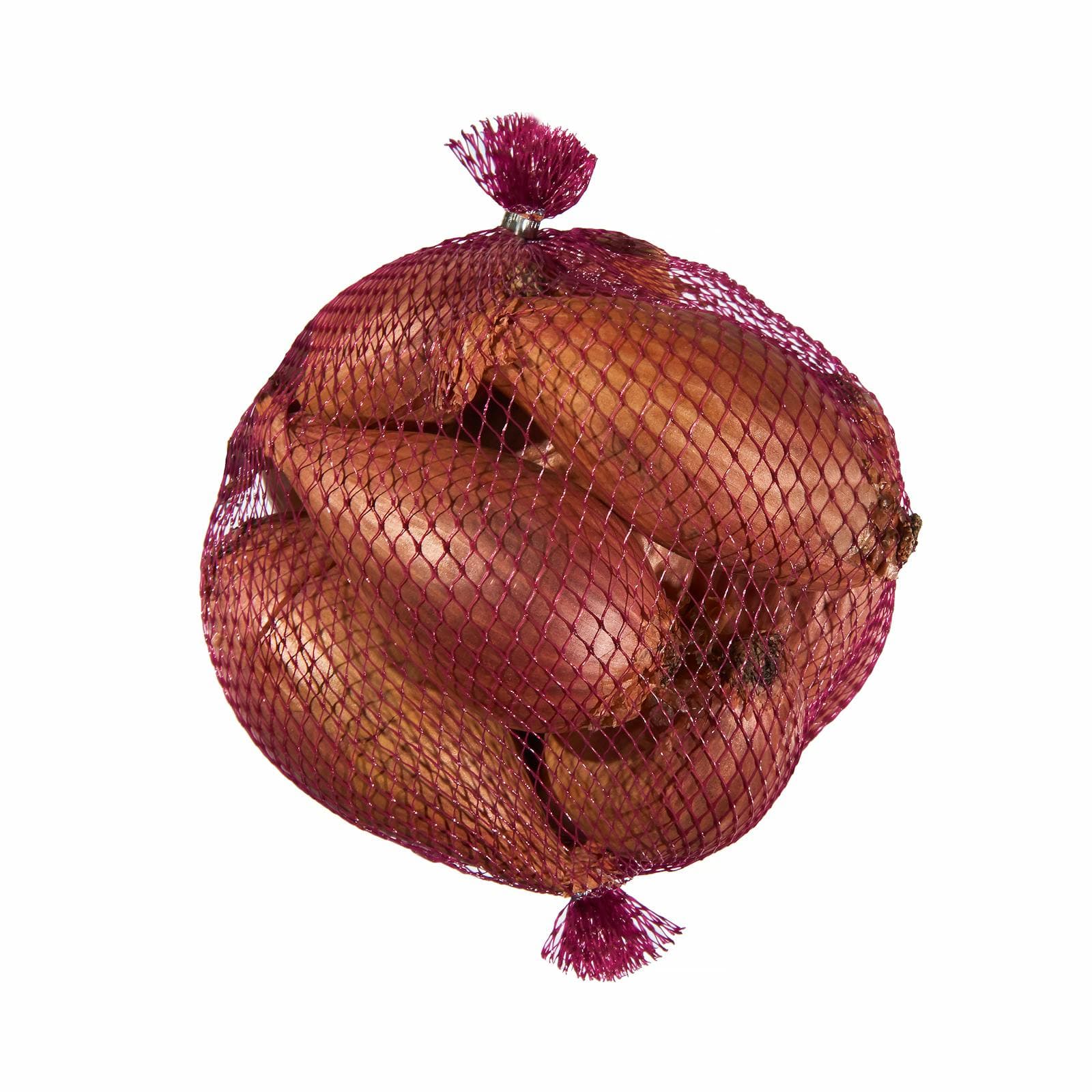
€1.75Shallots
250 g · Mercadona
 €1.59
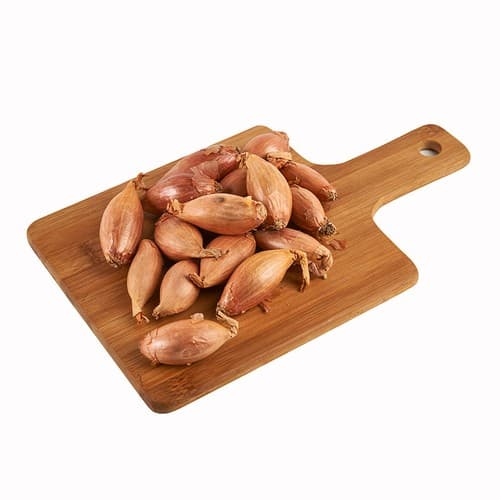
€1.59Shallots in Mesh Bag 250 g
kg · Bonpreu
Good to know
- Peak season
- Year-round; harvested late summer
- Flavor
- Mild, sweet, delicate; subtle garlic undertone
- Origin
- Central or Southwest Asia; long associated with French cuisine
- Nutrition
- ~72 kcal/100g; more concentrated than onion
- How to buy
- Firm, heavy bulbs; dry papery skin; no green shoots or soft spots
Substitutes
- Yellow onion — Use less; add a touch of garlic for the missing nuance
- Red onion — Milder and pretty in raw applications
- Leek — For the sweet, gentle cooked-allium note
Also called
chalota
Appears in these dishes
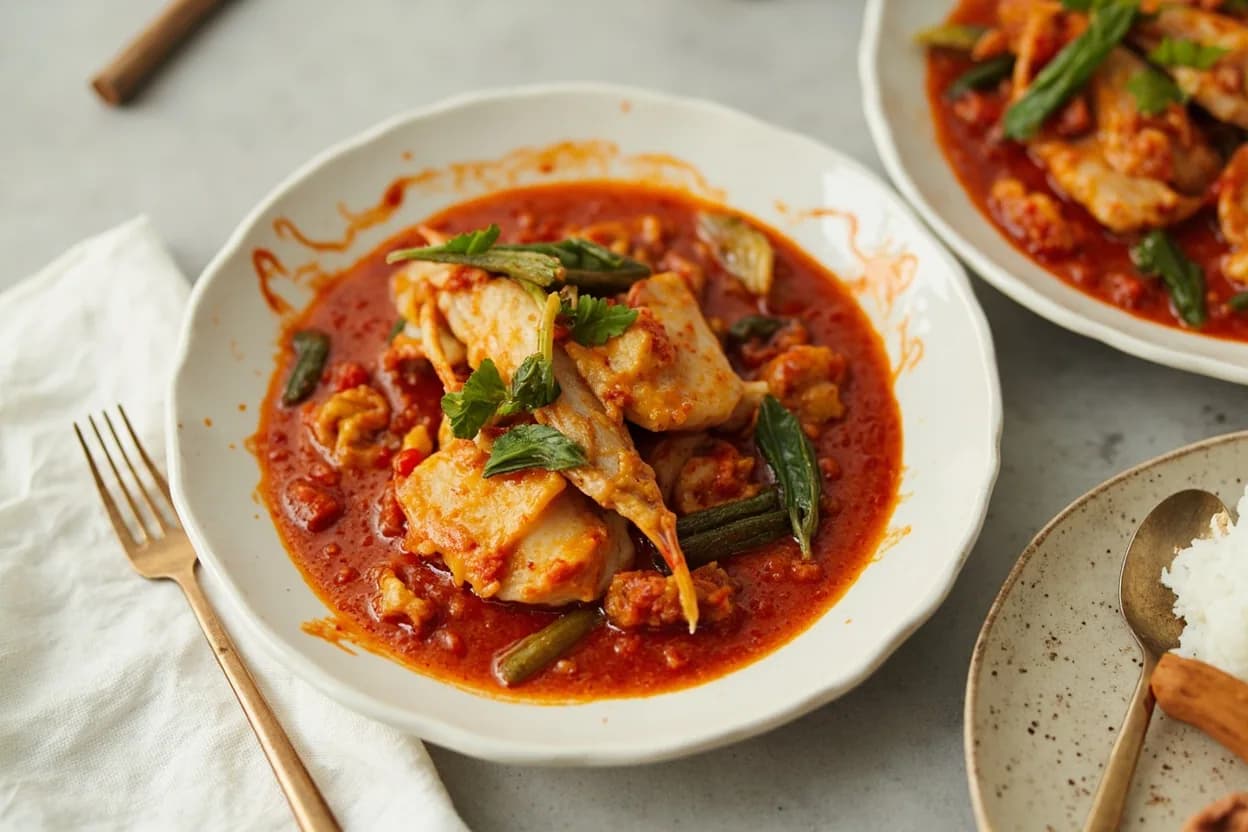
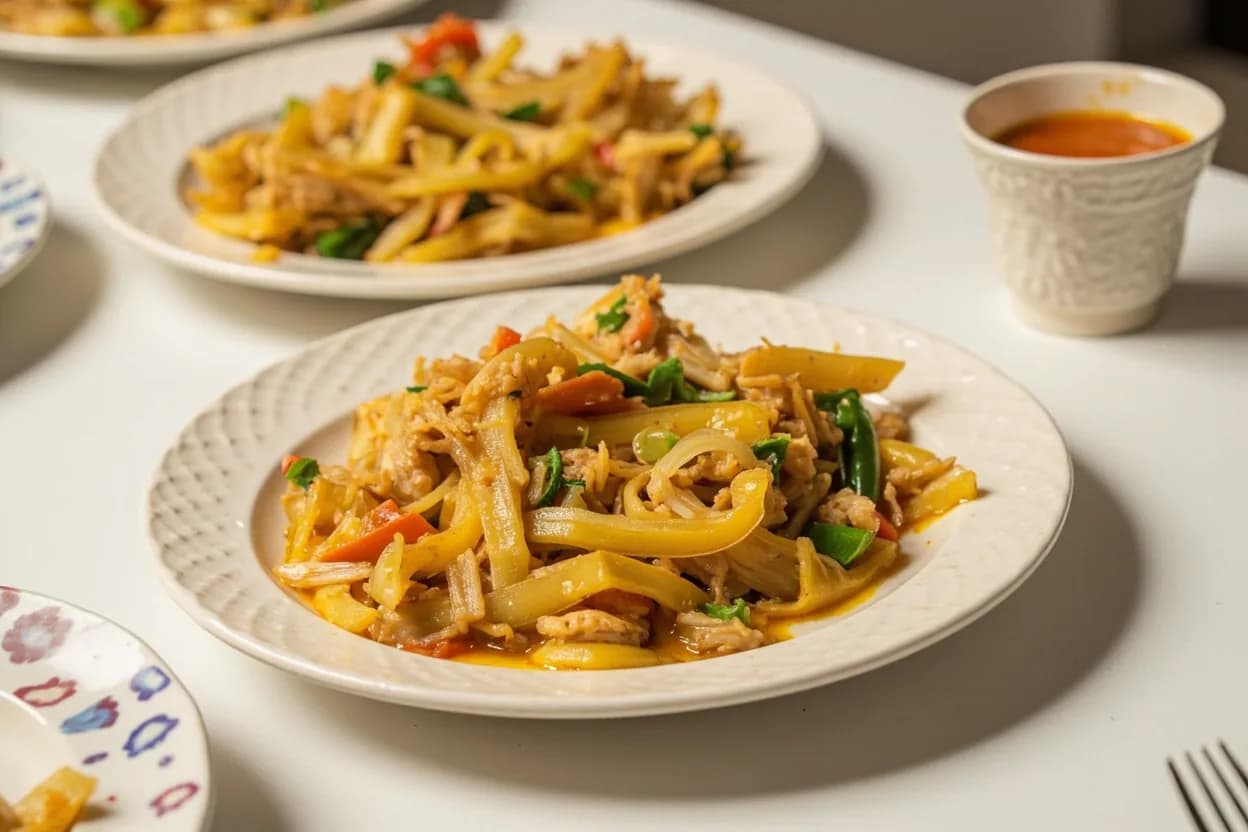
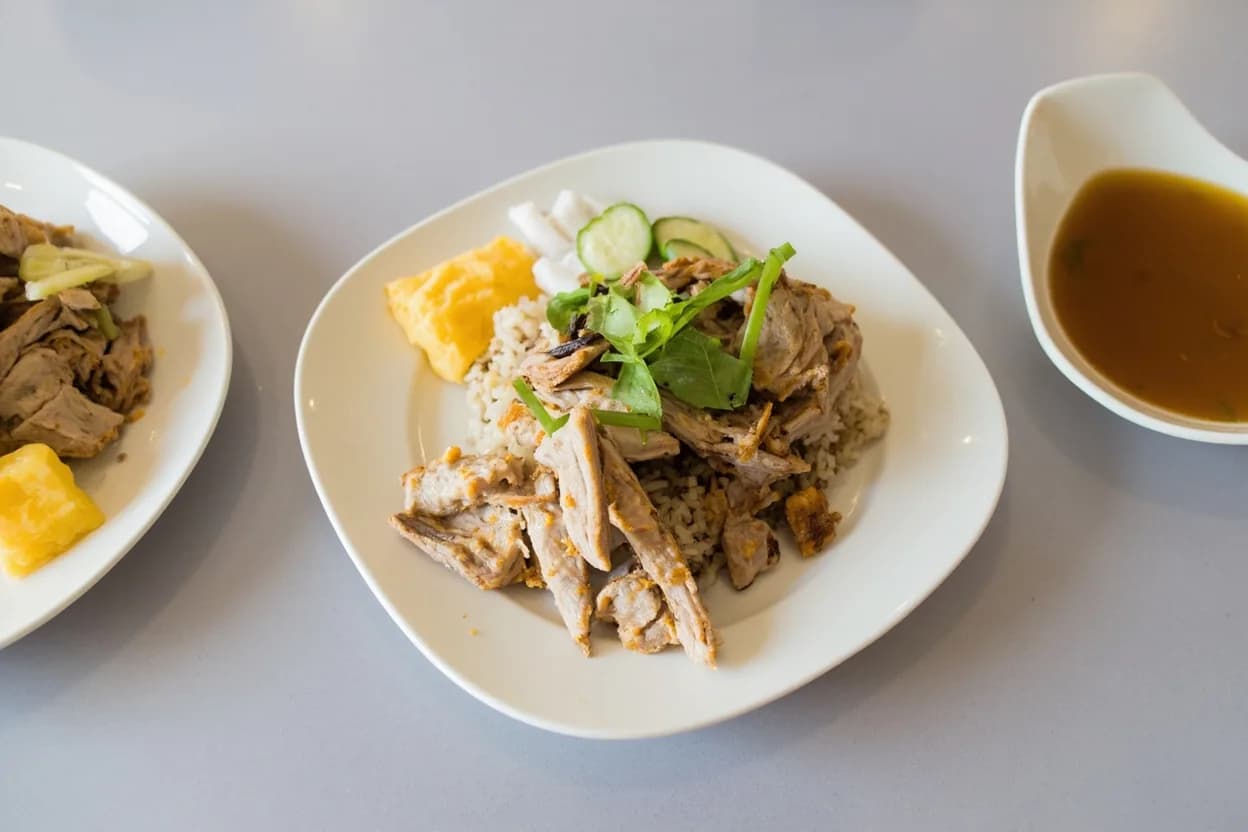
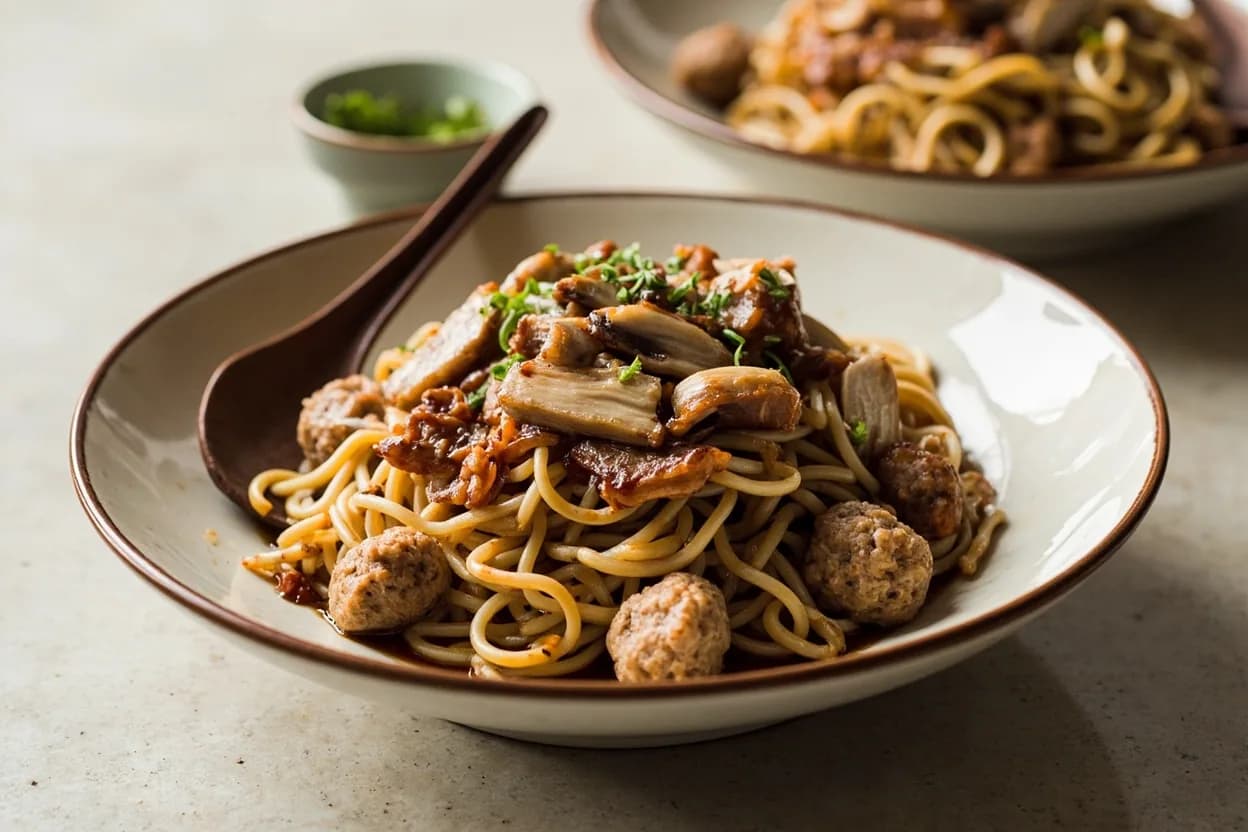
Related
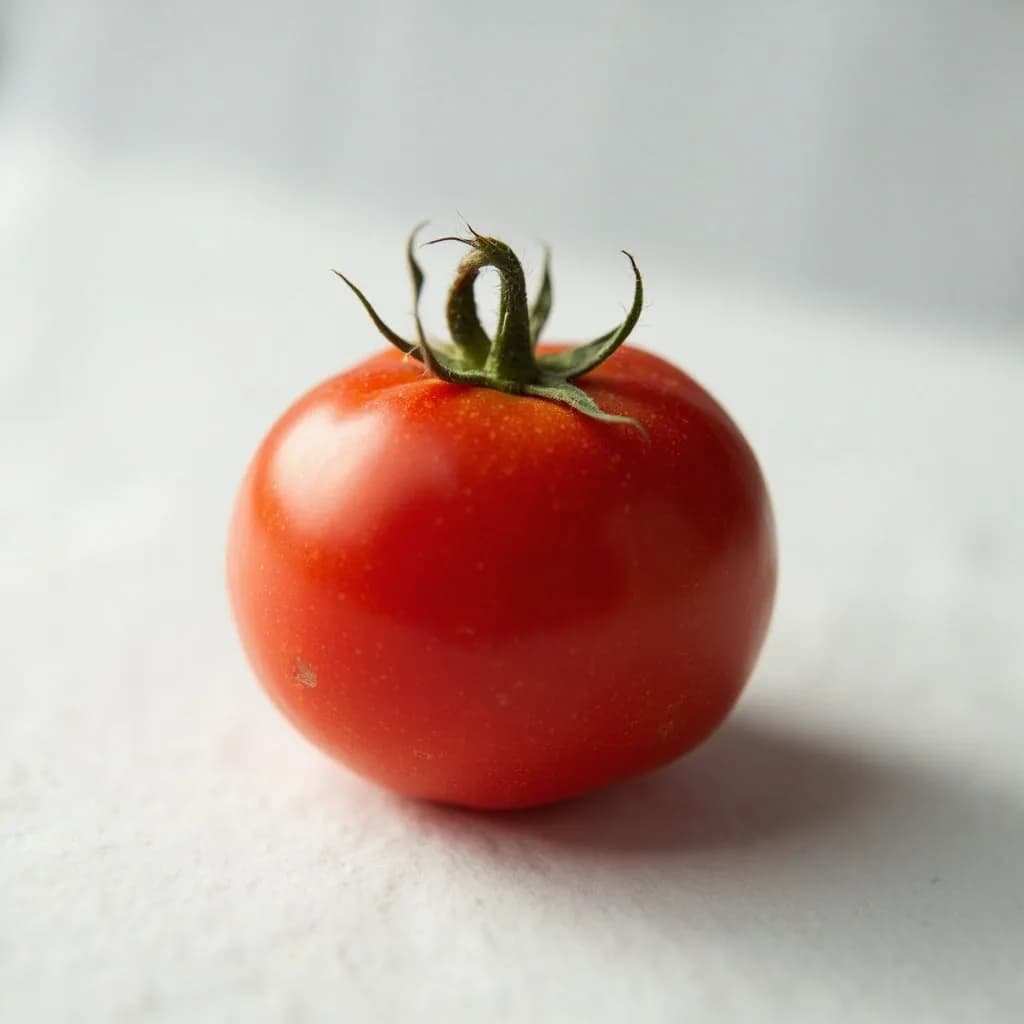
Tomato
Juicy, sun-sweet fruit for sauces, salads, and slow-cooked depth
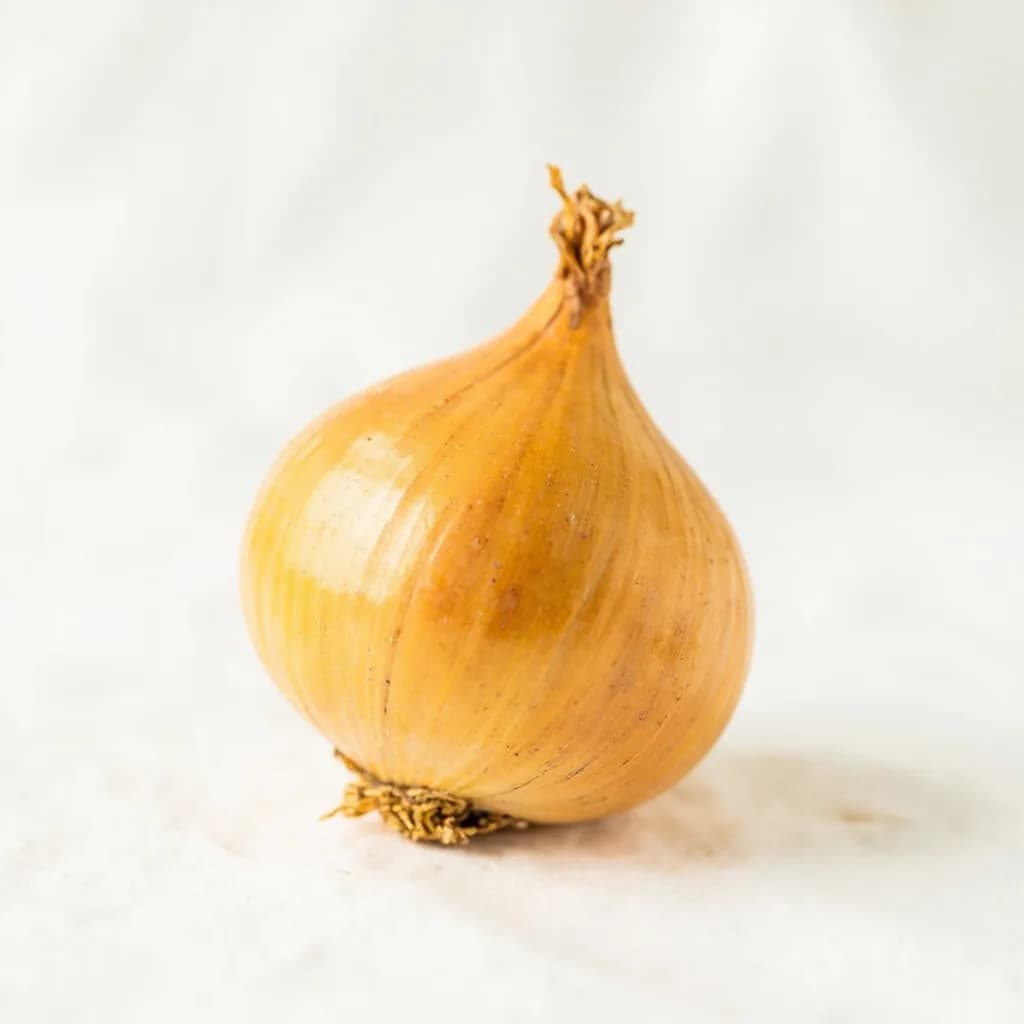
Yellow Onion
The aromatic backbone of soups, sofritos, and braises
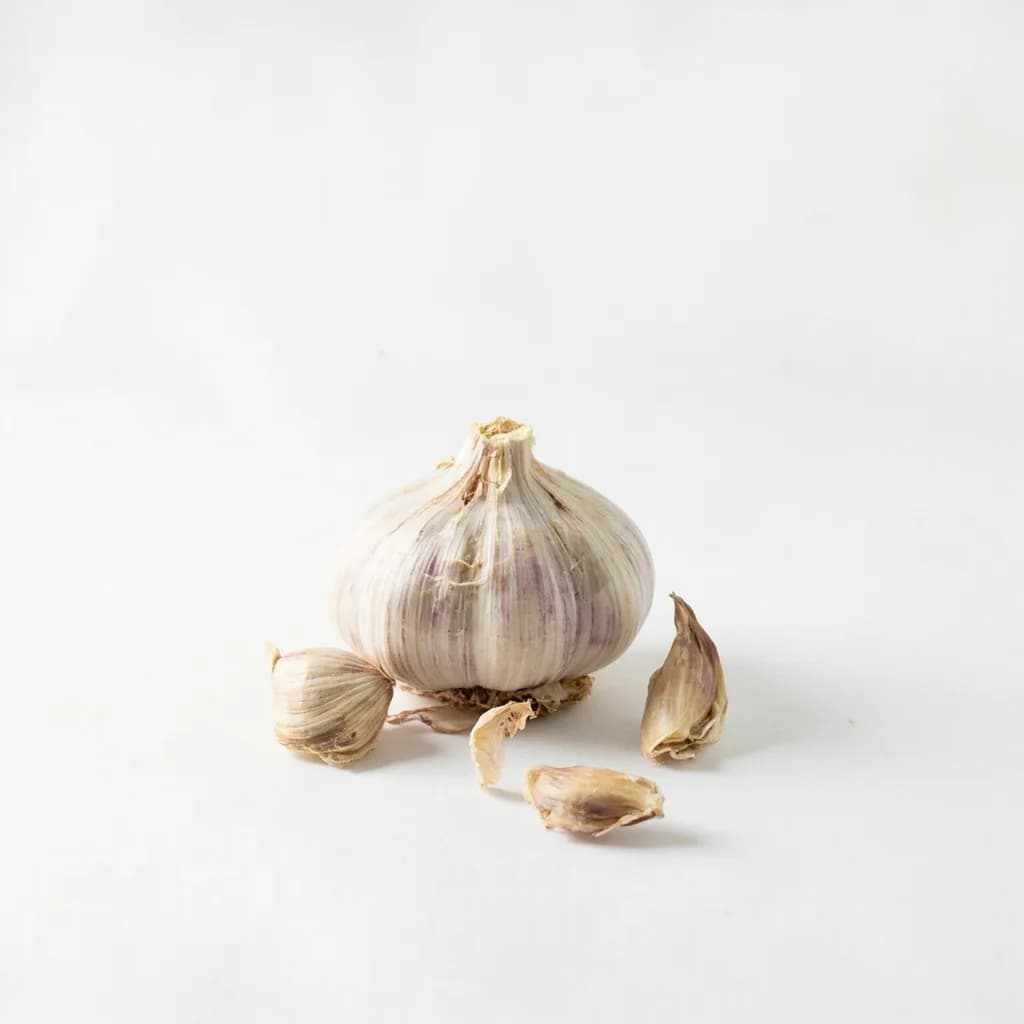
Garlic
Pungent cloves that perfume nearly every savory dish
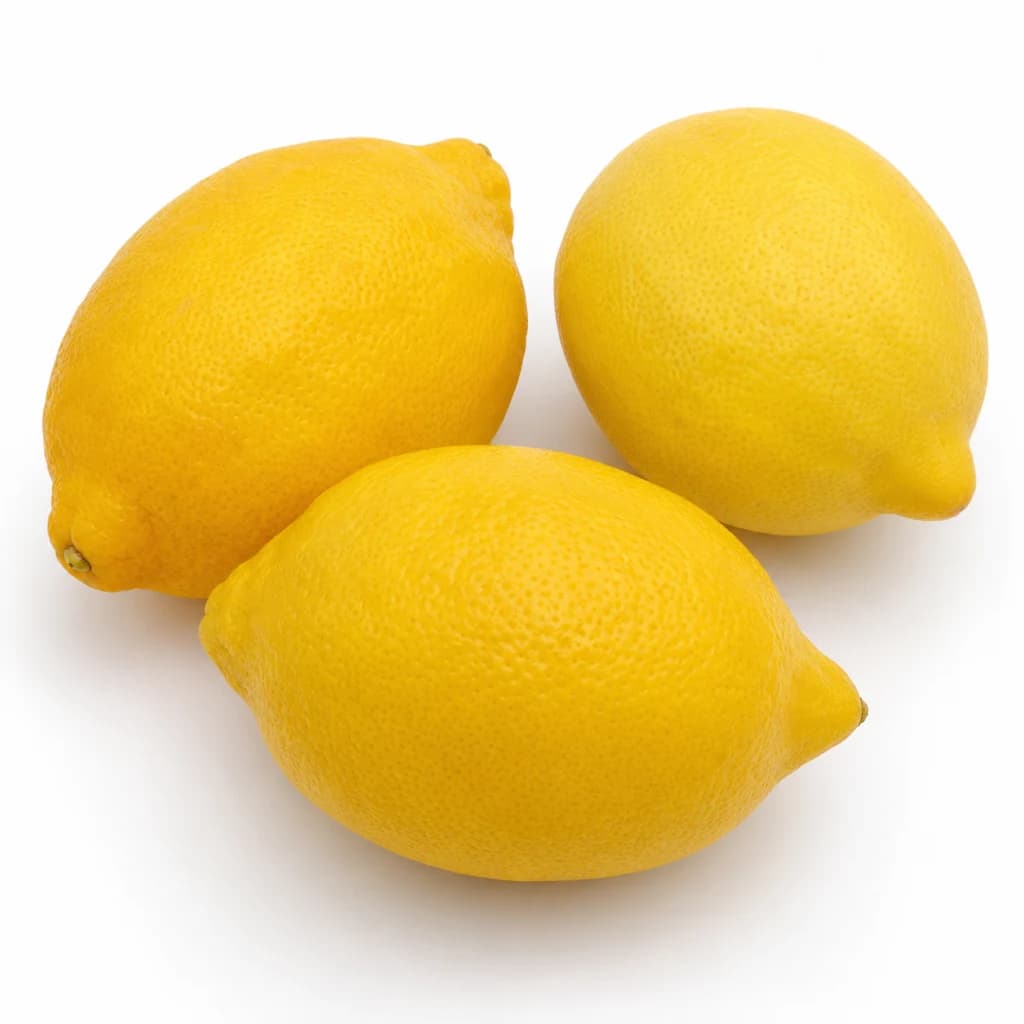
Lemon
Bright, acidic citrus that wakes up almost any dish
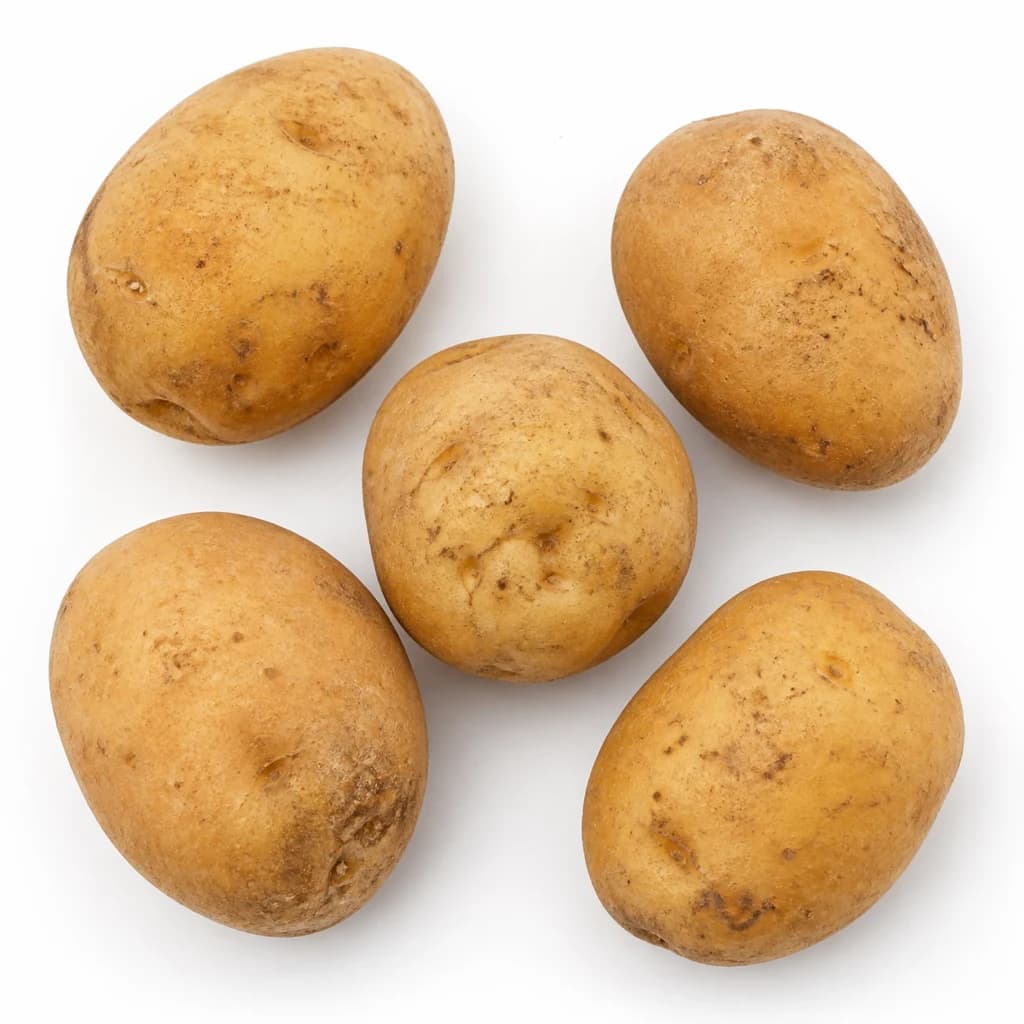
Potato
Humble, hearty staple — roast, mash, fry, or boil
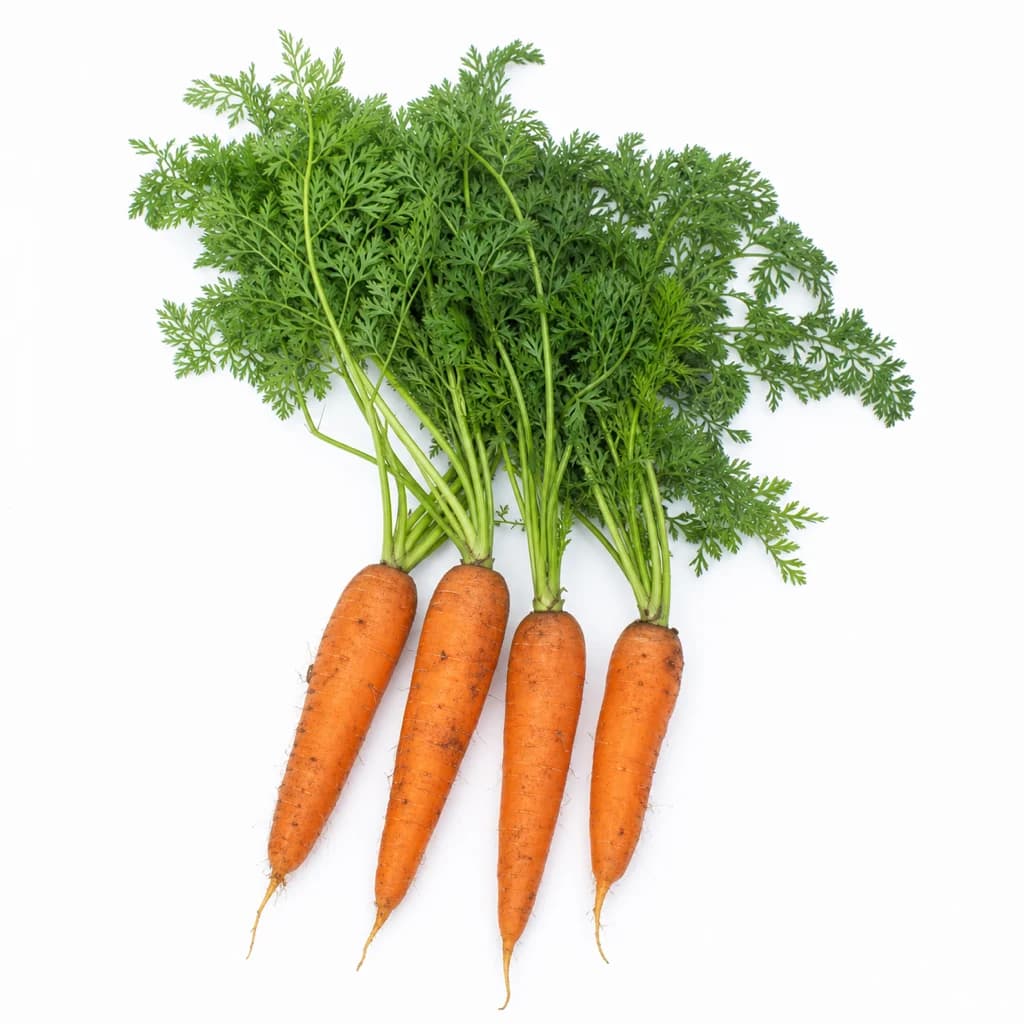
Carrot
Sweet, crunchy root — raw, roasted, or the base of a sofrito
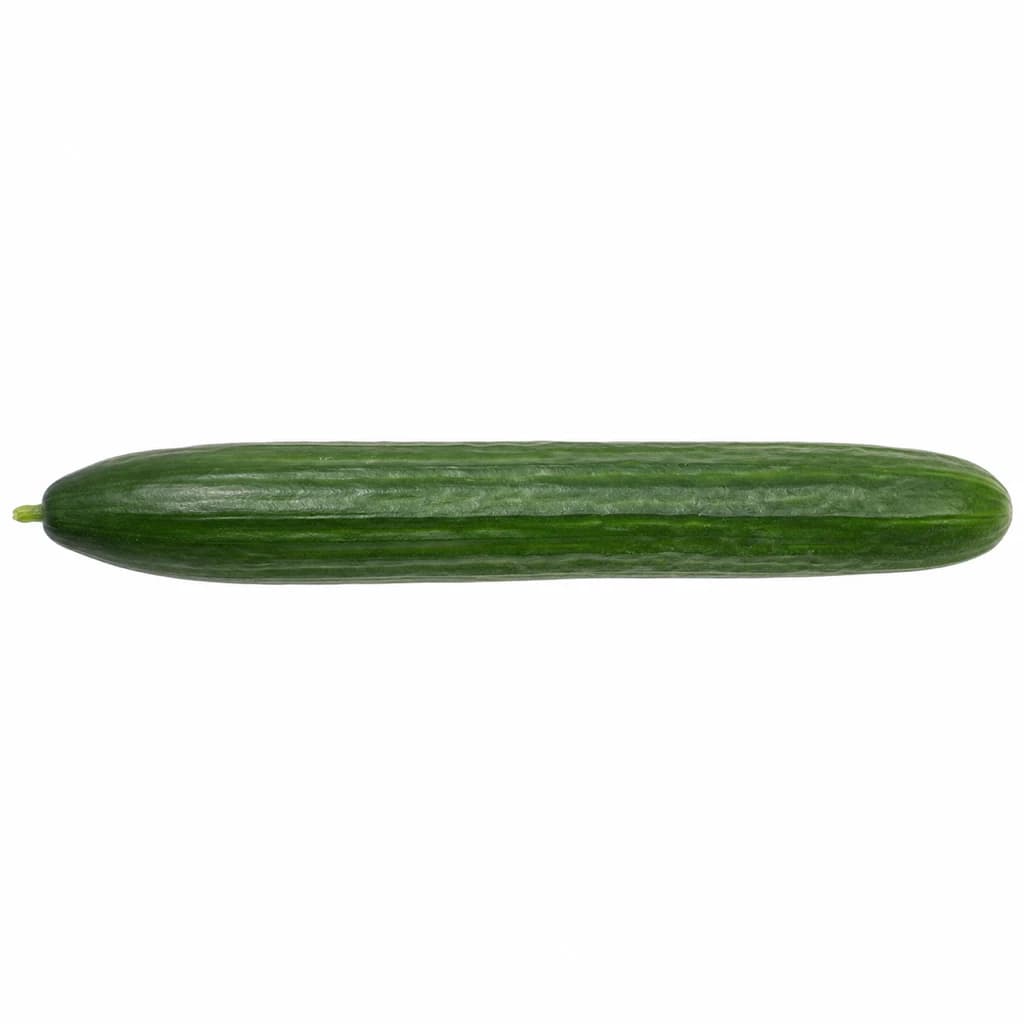
Cucumber
Cool, crisp, and watery — for salads, pickles, and tzatziki

Lettuce
Crisp leaves for salads, wraps, and a fresh crunch