Varieties
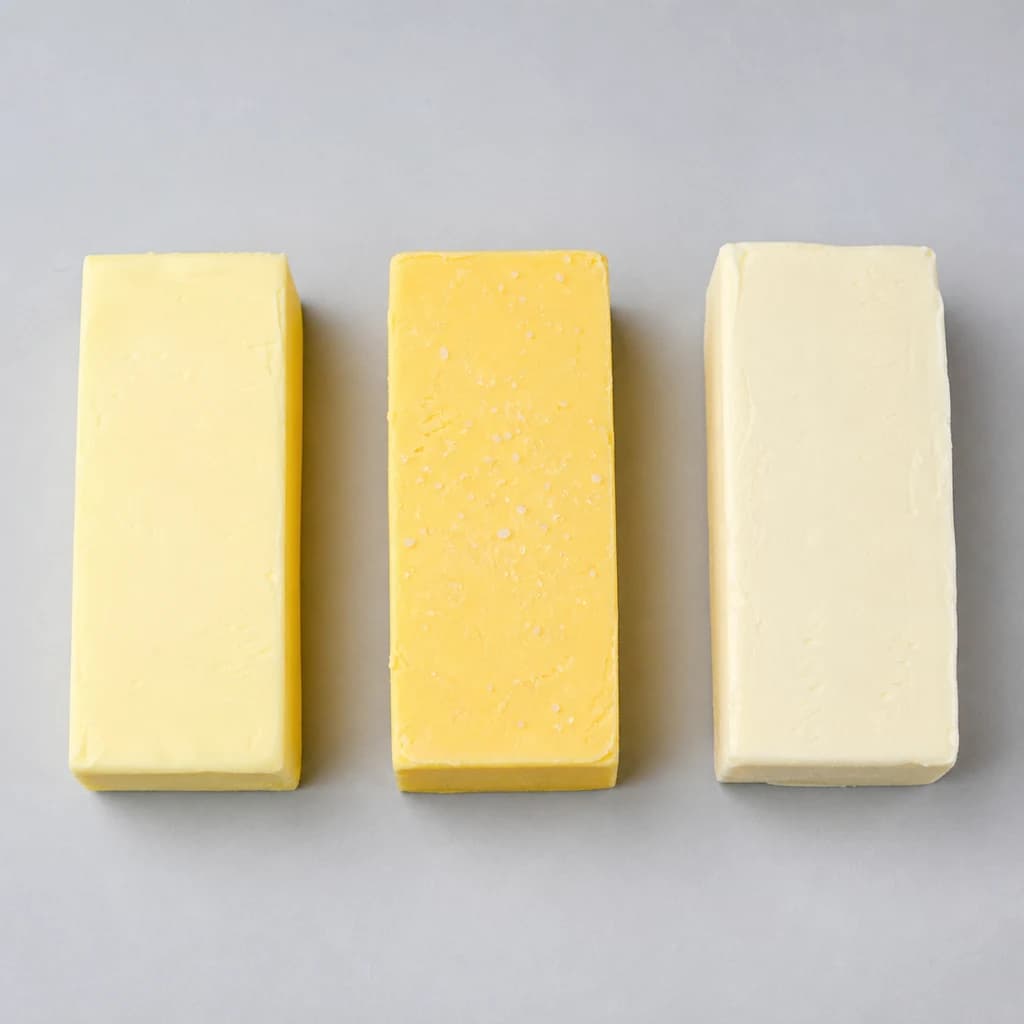
Unsalted, salted, and cultured butter blocks together — three common kitchen forms.
Showing multiple butter types in one scene teaches readers the distinct visual differences between common butter varieties they will encounter in stores and recipes.
Dairy & Eggs
Butter
Golden fat for searing, baking, and finishing a sauce
Nothing browns or enriches quite like butter — it crisps a steak, lifts a pastry, and rounds out a pan sauce. Keep it cold, or freeze extra; it picks up fridge odors easily.
Butter is cream churned until its fat globules clump and break from the buttermilk — roughly 80–82% milkfat, a little water, and milk solids. Those milk solids are what let it brown: heat butter past the foam and it turns nutty and amber as beurre noisette. It's a fat with flavor, which is why cooks use it where neutral oil won't do — to enrich a pan sauce, crisp a steak's crust, laminate pastry, and lend cakes their tender, melt-in-mouth crumb. The trade-off is a low smoke point from those same milk solids, so for very high heat cooks either clarify it or pair it with oil.
- Measured in
- g
- Storage
- Refrigerate
- Shelf life
- 60 days
Allergens
Find it in
Types & varieties
The baker's default — you control the salt and it's usually fresher.
Salt adds flavor and a little shelf life; great for the table and savory cooking.
Cream is soured before churning and fat runs higher (~82–85%); tangier, richer, better for pastry.
Milk solids removed, so it takes high heat without burning and keeps far longer.
Air beaten in for spreadability; don't substitute by volume in baking.
Butter cooked until the milk solids toast nut-brown, lending a hazelnut-caramel aroma to cookies, sauces, and finished vegetables.
Cultured butter with 82%+ fat and less water, giving richer flavour and flakier pastry. Worth the upgrade for laminated dough and finishing sauces; behaves slightly differently in cake recipes.
How to choose
For baking, buy unsalted so you control seasoning; for finishing and the table, salted or cultured adds depth. European-style butters with higher fat give flakier pastry and richer sauces. Good butter smells fresh and creamy — rancid butter smells sharp and cheesy, a sign it's oxidized.
How to store / food safety
Butter keeps weeks refrigerated and months frozen; wrap it well because the fat readily absorbs strong fridge odors. Salted butter can sit in a covered crock at cool room temperature for a few days; unsalted and cultured go rancid faster left out. Discard butter that smells sharp or tastes soapy.
How to cook
For browning butter, melt over medium heat, let it foam and then quiet, and pull it the moment the solids turn golden-brown and smell nutty — it goes from noisette to burnt fast. For high-heat searing, clarify it or add a splash of oil to raise the smoke point. In pastry, keep butter cold so it stays in distinct layers; in cakes, cream it soft with sugar to trap air.
Common uses
Tips & pitfalls
- Add a splash of neutral oil when searing in butter to push the smoke point higher.
- Brown butter off the heat at the end — residual warmth finishes it without burning.
- Cube cold butter and chill it again before laminating pastry for clean layers.
- Mount a pan sauce by swirling in cold butter off the heat for gloss and body.
- Freeze butter you won't use soon; it absorbs odors, so double-wrap it.
Nutrition
Energy
3000 kJ · per 100 g
Where the calories come from
Protein
0.9g
2% DV
Carbs
0.1g
0% DV
Fat
81.1g
104% DV
Fiber
0g
0% DV
Sugars
0.1g
of which
Sodium
643mg
28% DV
Source · USDA FoodData Central · Butter, salted
View on FDC →In the shops
Matched grocery products
 €2.10
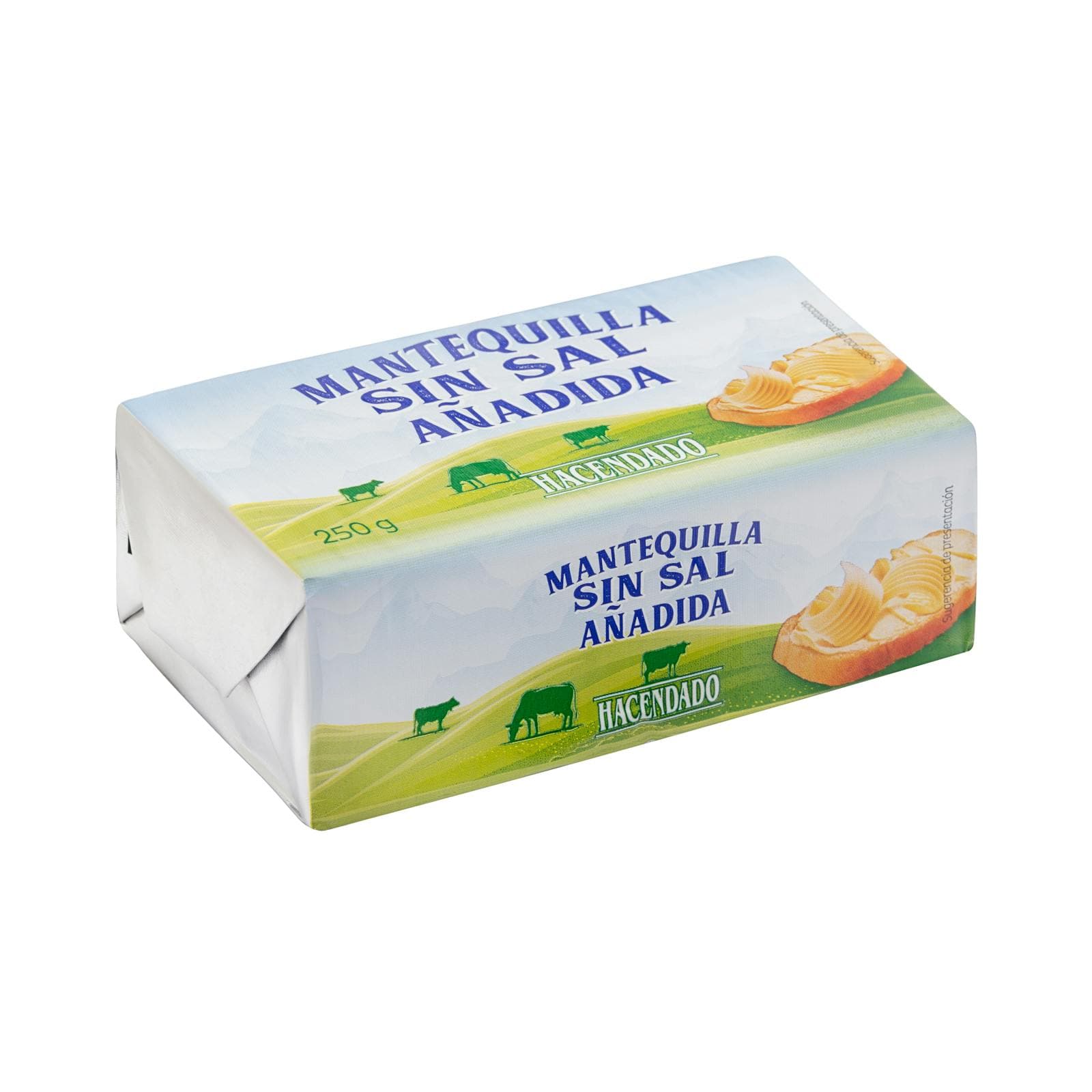
€2.10Unsalted Butter
Hacendado · 250 g · Mercadona
 €2.45
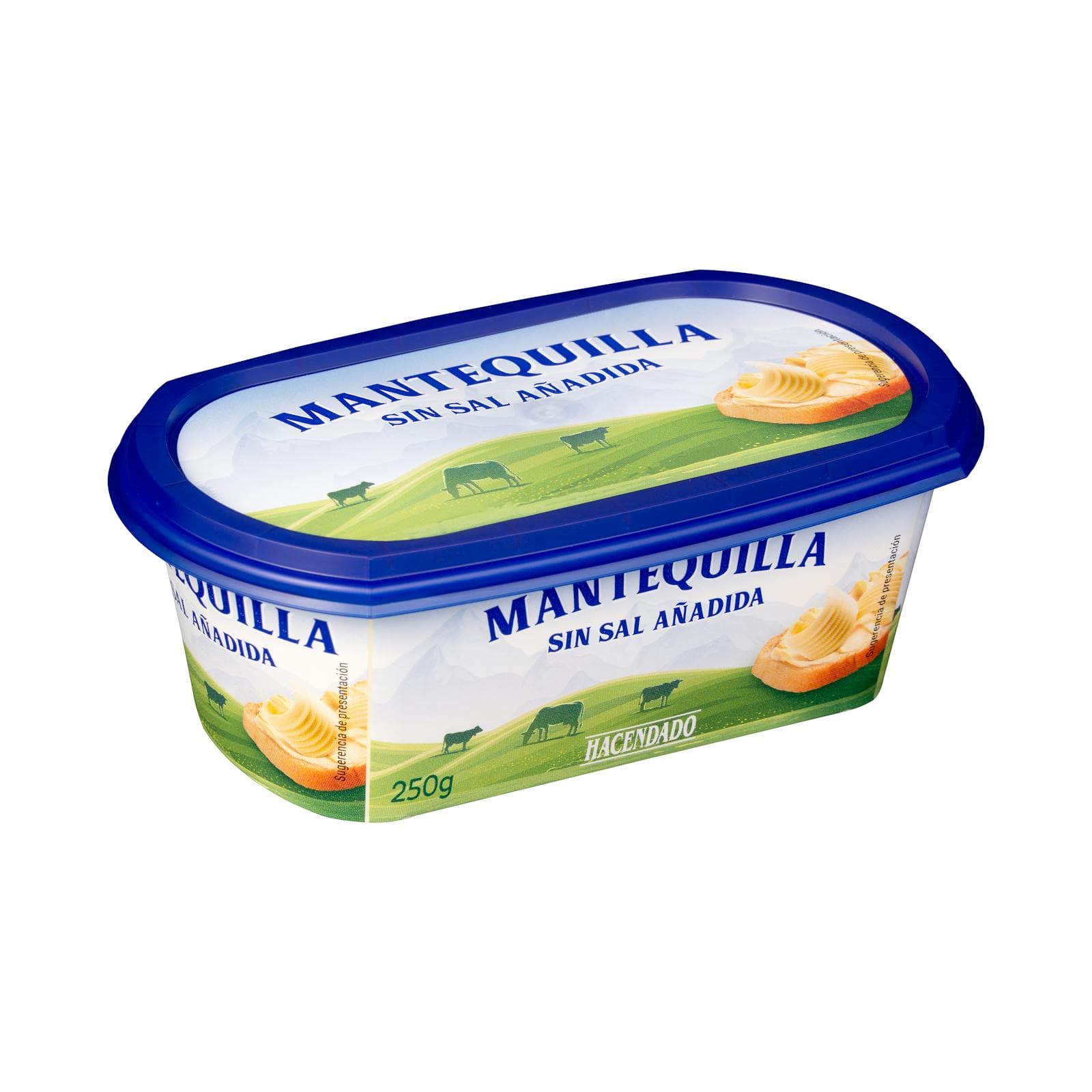
€2.45Unsalted Butter
Hacendado · 250 g · Mercadona
 €3.69
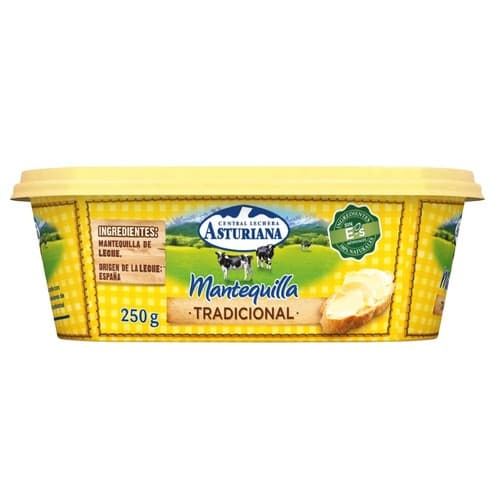
€3.69Unsalted Butter
ASTURIANA · kg · Bonpreu
 €8.90
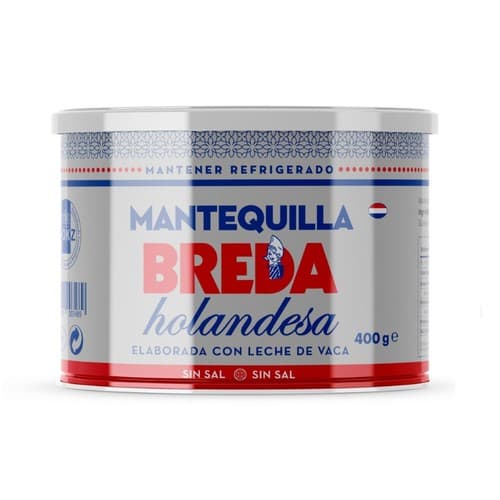
€8.90BREDA Unsalted Butter
BREDA · kg · Bonpreu
 €2.39
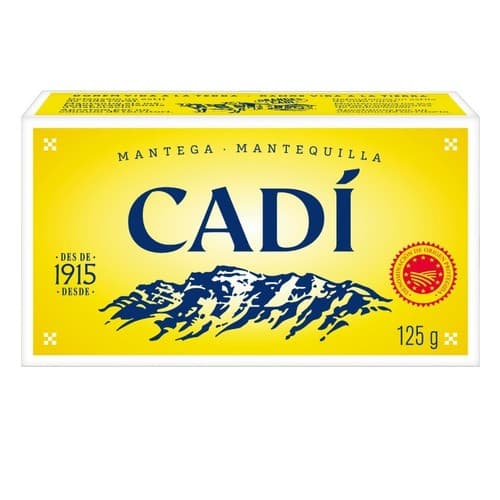
€2.39Cadí Butter
CADÍ · kg · Bonpreu
 €3.99
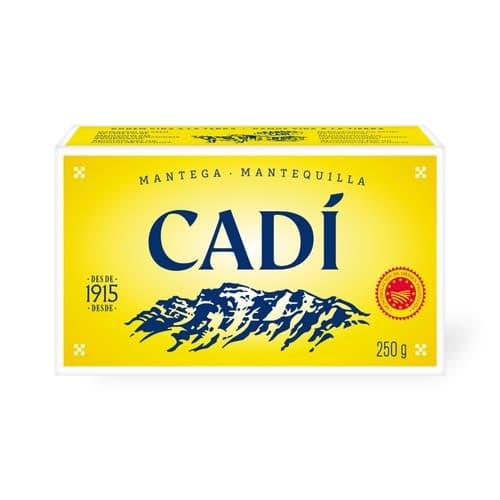
€3.99Cadí Butter
CADÍ · kg · Bonpreu
Good to know
- Type
- Churned cream, ~80–82% milkfat
- Flavor
- Rich, creamy, faintly sweet; nutty when browned
- Smoke point
- ~150°C whole; ~250°C clarified/ghee
- Nutrition
- ~717 kcal/100g, ~81g fat, trace protein
- Buy
- Unsalted for baking; cultured for flavor; check date
Substitutes
- Ghee or clarified butter — For high-heat cooking; pure butterfat, no scorching solids.
- Olive oil — For sautéing where butter flavor isn't essential.
- Neutral oil — In baking when a recipe allows; loses butter flavor and some structure.
Also called
unsalted butter · mantequilla · manteca
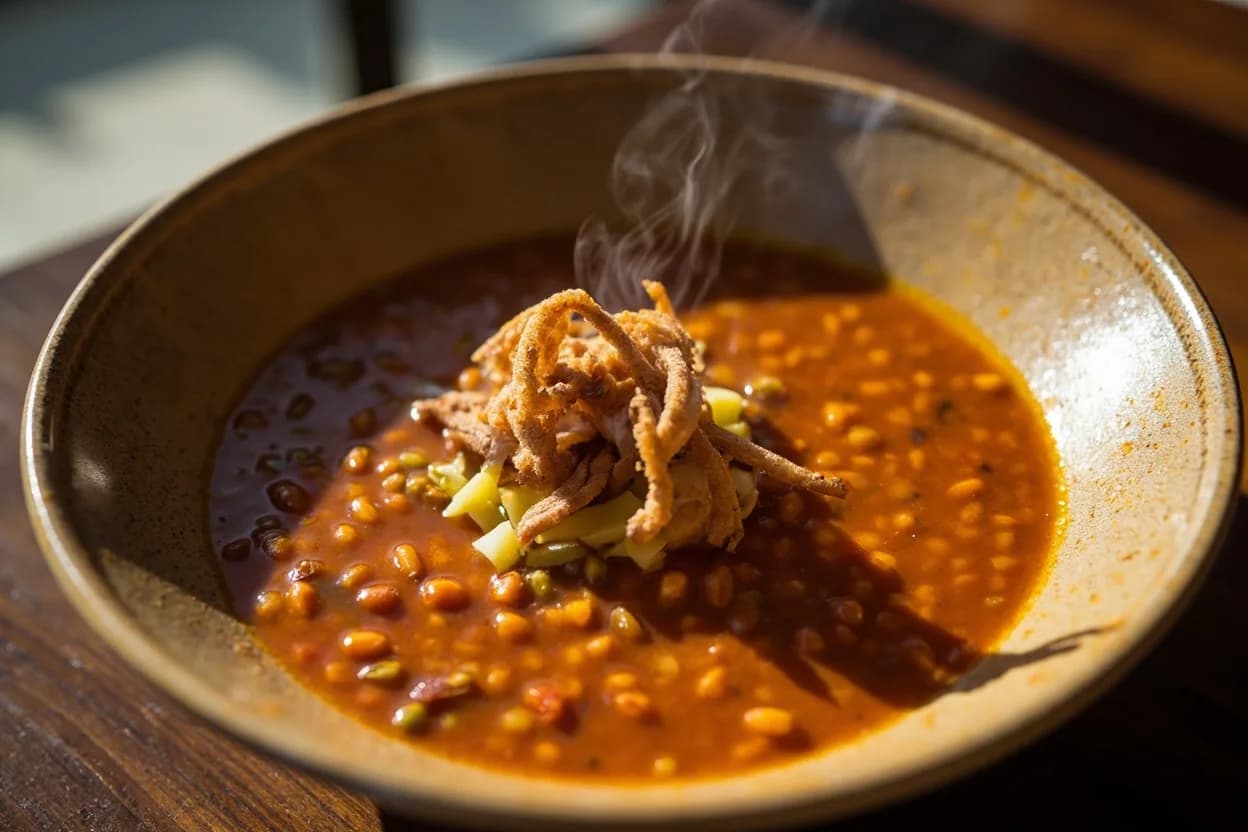
Appears in these dishes
Related

Whole Milk
Rich, full-fat milk for drinking, coffee, sauces, and baking
Yogurt
Tangy, creamy culture for breakfast, sauces, and marinades
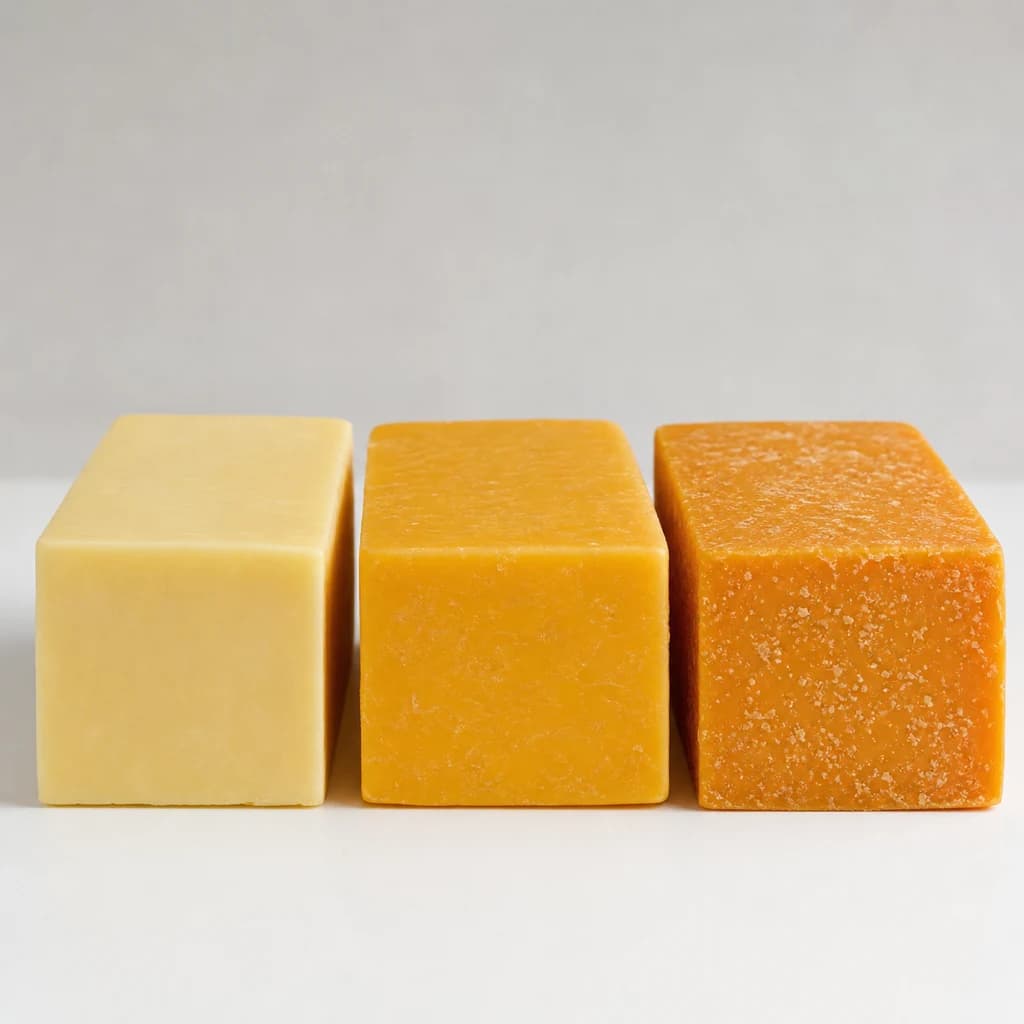
Cheddar Cheese
Sharp, melty cheese for sandwiches, gratins, and grating
Skim Milk
Fat-free milk for lighter drinking, coffee, and cooking
Heavy Cream
Rich cream that whips, enriches sauces, and sets ganache

Sour Cream
Tangy, thick cream for dolloping, baking, and dips
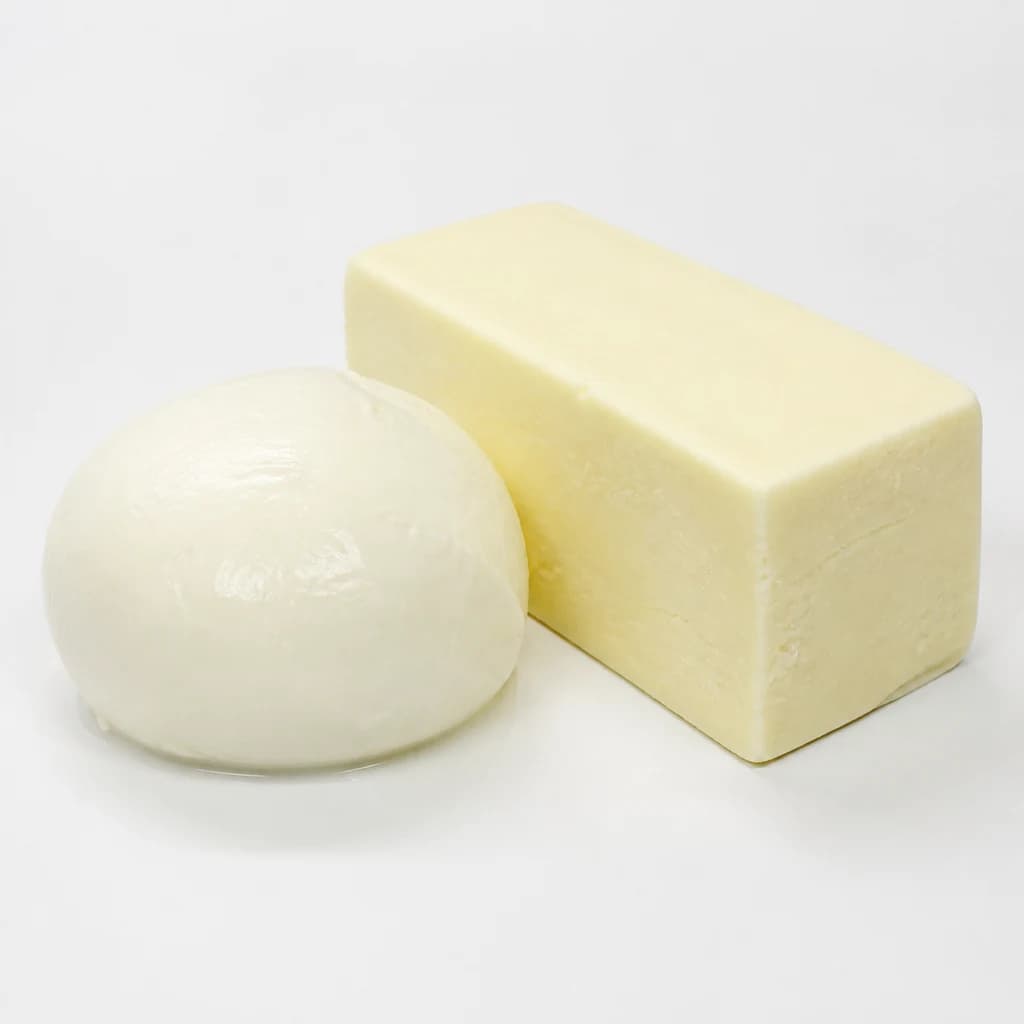
Mozzarella
Soft, milky cheese that melts into stretchy pizza pulls

Parmesan
Hard, nutty cheese for grating over pasta and risotto