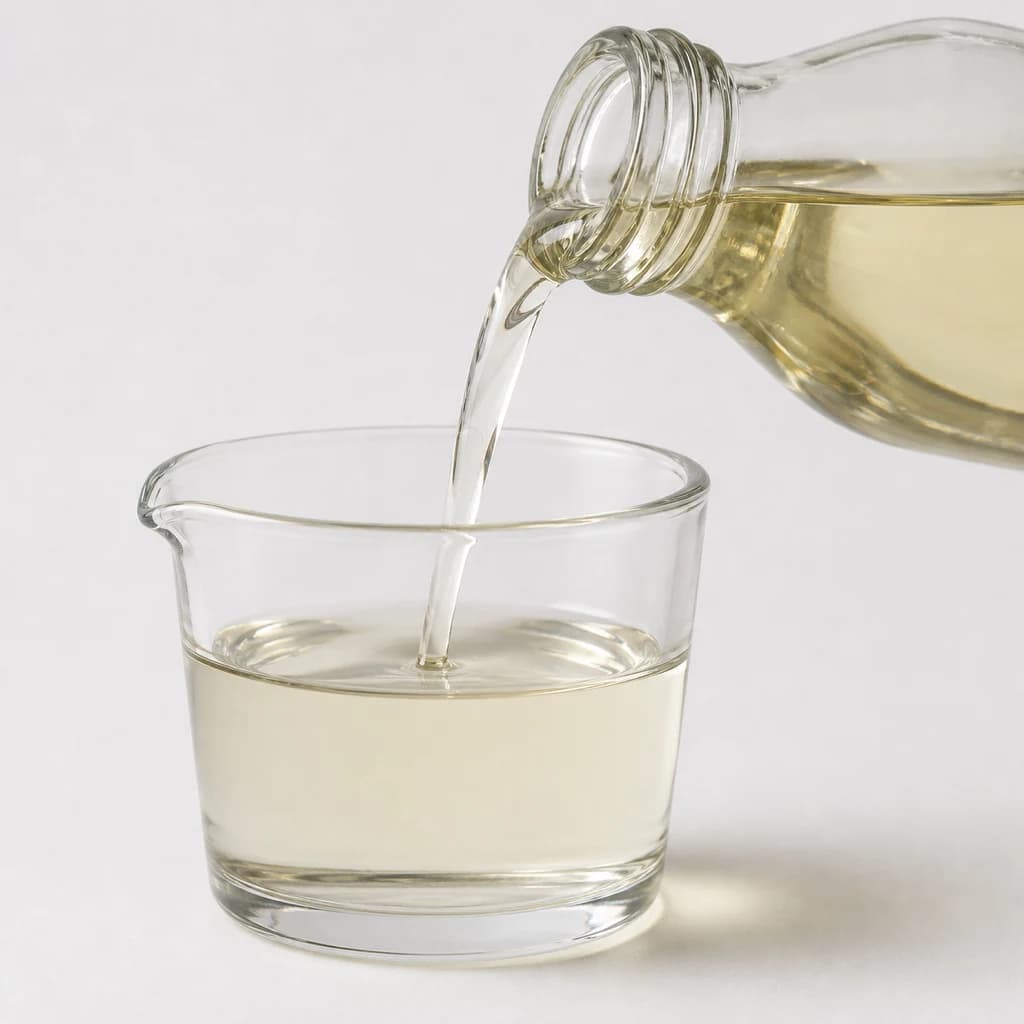
Ready to use
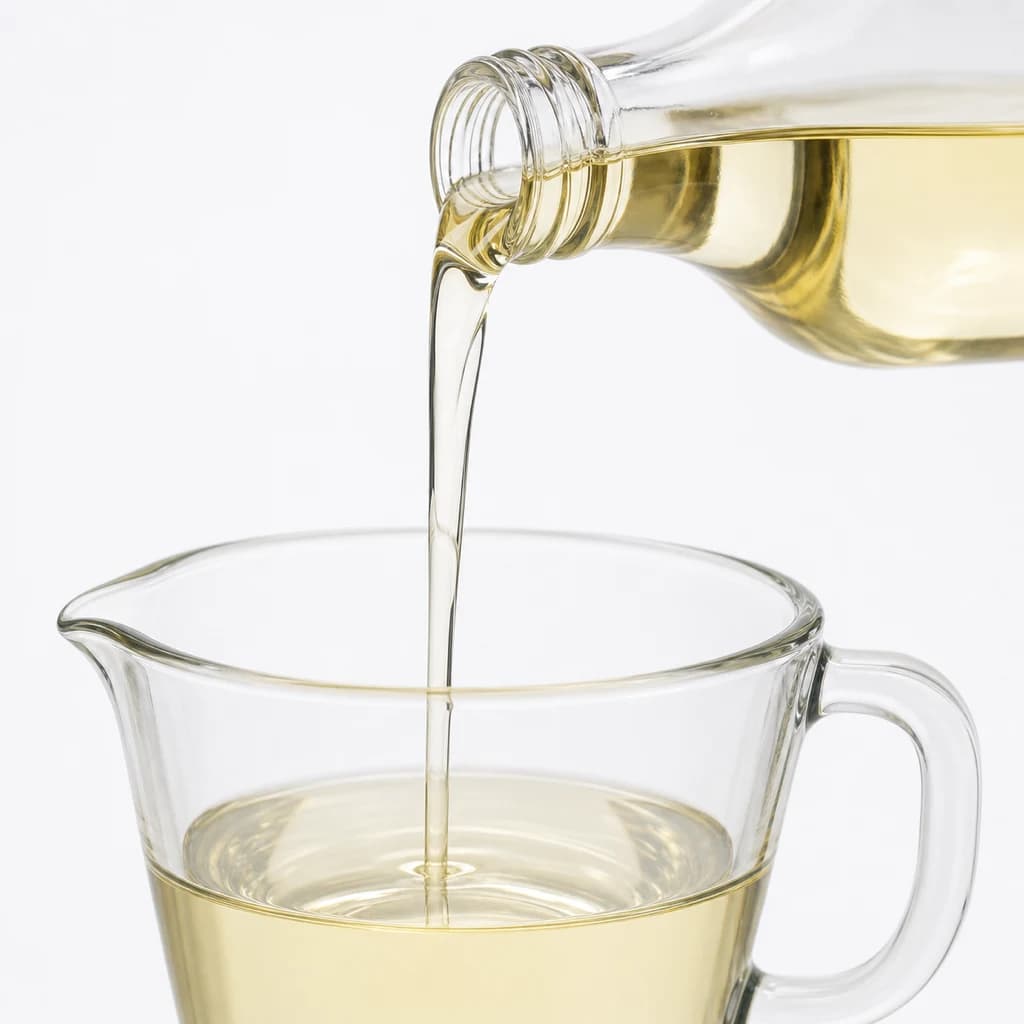
Vegetable oil pours as a nearly colorless, pale golden liquid with a smooth, even flow.
Shows the defining visual characteristic — near-colorless clarity and liquid consistency — that distinguishes vegetable oil from solid fats and darker oils.
Oils & Fats
Vegetable Oil
Neutral, high-heat oil for frying and all-purpose cooking
Clean-tasting and dependable, vegetable oil fries, sautés, and bakes without imposing flavor. Its high smoke point makes it the everyday choice. Keep it dark and cool.
Vegetable oil is the workhorse of the modern kitchen: a neutral, pale, inexpensive cooking oil usually blended or refined from soybean (most often), corn, sunflower, or a mix. It has almost no flavor of its own, a high smoke point, and a thin body, which makes it the default choice when you want the food — not the fat — to do the talking. Reach for it to fry, sauté, grease a pan, or build a recipe where olive oil's fruitiness would intrude.
- Measured in
- ml
- Storage
- Dark Cool
Find it in
Types & varieties
The most common base sold as plain 'vegetable oil' in the US.
Slightly heavier; a classic deep-frying oil.
A mix tuned for a high smoke point and low cost.
How to use
Treat it as your default high-heat, no-flavor fat. It excels anywhere a recipe needs fat for function rather than taste.
- Deep- and shallow-frying
- Greasing pans and griddles
- Neutral-tasting cakes and quick breads
- Stir-fries that need a clean canvas
How to store
Light, heat, and air turn oil rancid. Keep it in a closed cupboard away from the stove and screw the cap on tight. If it ever smells like crayons or old paint, it has gone off — discard it.
Common uses
Tips & pitfalls
- If a baking recipe just says 'oil,' vegetable oil is the safe, neutral pick.
- For the crispest fried food, keep the oil at a steady 350–375°F and don't crowd the pan.
- Strain and reuse frying oil a few times, but toss it once it darkens or smells off.
- Smell before using older bottles — rancid oil ruins a dish.
Nutrition
Energy
3699 kJ · per 100 g
Where the calories come from
Protein
0g
0% DV
Carbs
0g
0% DV
Fat
100g
128% DV
Fiber
0g
0% DV
Sugars
0g
of which
Sodium
0mg
0% DV
Source · USDA FoodData Central · Oil, soybean, salad or cooking
View on FDC →In the shops
Matched grocery products
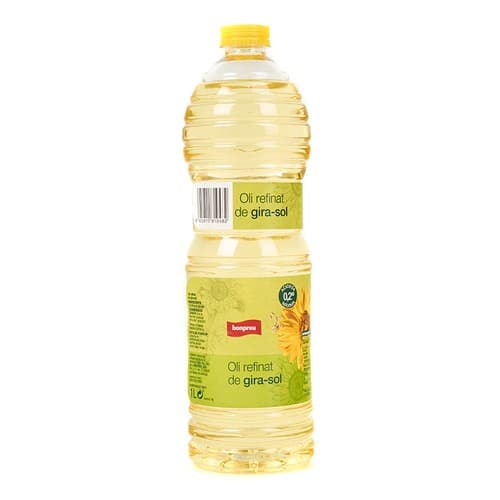 €1.75
€1.75Refined Sunflower Oil
BONPREU · l · Bonpreu
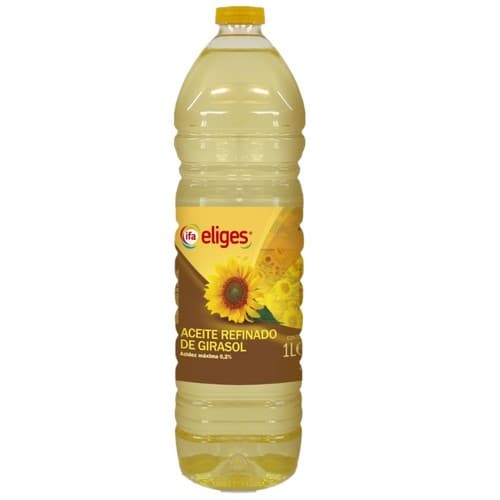 €1.79
€1.79Refined Sunflower Oil
IFA · l · Bonpreu
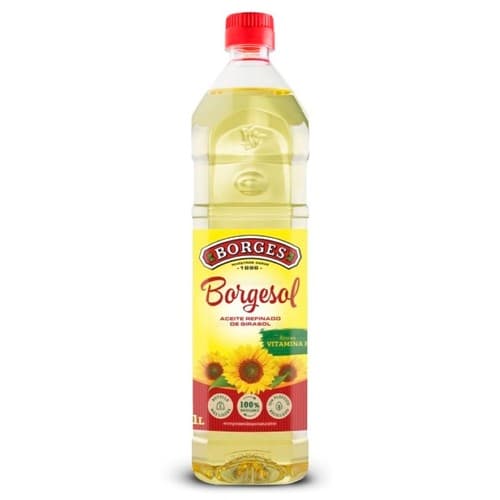 €2.89
€2.89Refined Sunflower Oil
BORGES · l · Bonpreu
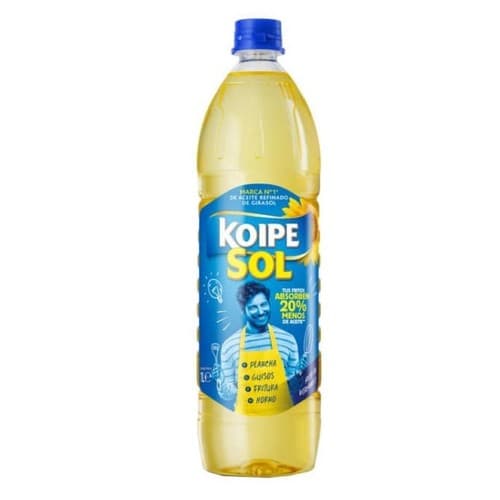 €2.95
€2.95Refined Sunflower Oil
KOIPESOL · l · Bonpreu
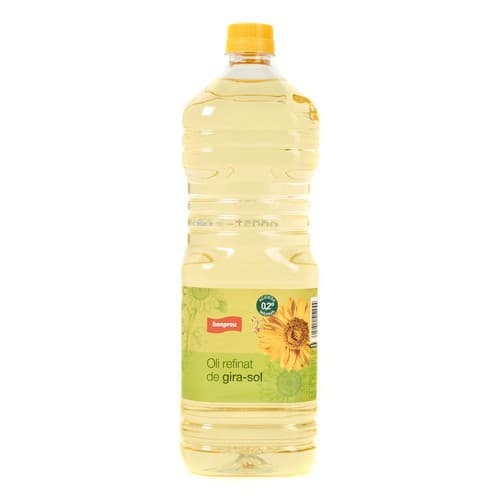 €3.50
€3.50Refined Sunflower Oil
BONPREU · l · Bonpreu
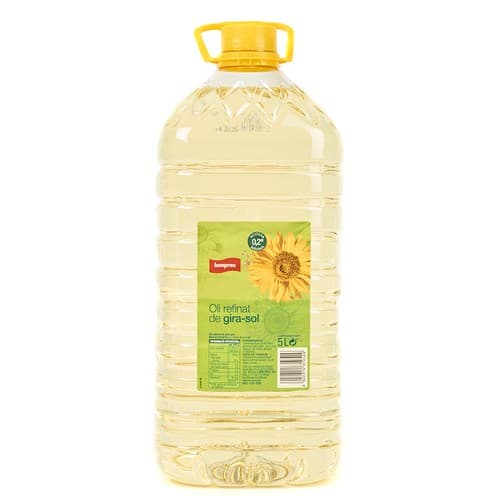 €8.30
€8.30Refined Sunflower Oil
BONPREU · l · Bonpreu
Good to know
- Flavor
- Neutral, clean, almost flavorless
- Smoke point
- ~400–450°F (204–232°C), refined
- Best for
- Frying, sautéing, baking, all-purpose cooking
- Source
- Usually soybean, or a refined blend
- How to store
- Cool, dark cupboard, tightly capped
- Shelf life
- ~1 year sealed; use within months once opened
Substitutes
- Canola oil — Near-identical neutral oil; swap 1:1.
- Sunflower oil — Equally neutral and high-heat friendly.
- Melted butter — In baking only; adds flavor and a touch of richness.
Also called
neutral oil · aceite vegetal · oli vegetal
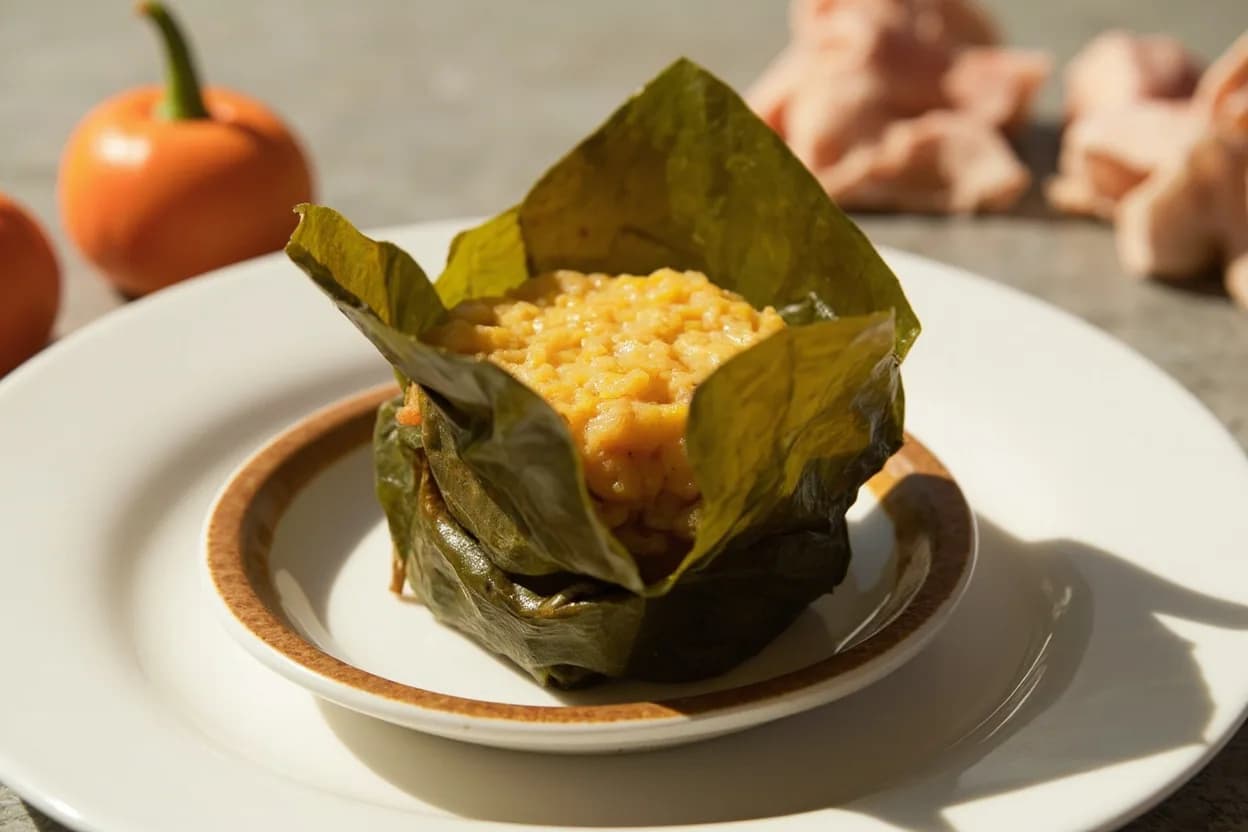
Appears in these dishes
Related
Olive Oil
Fruity, peppery everyday oil for sautéing, dressing, and finishing
Canola Oil
Light, neutral oil for frying, baking, and dressings

Sunflower Oil
Clean, neutral oil for frying and everyday cooking
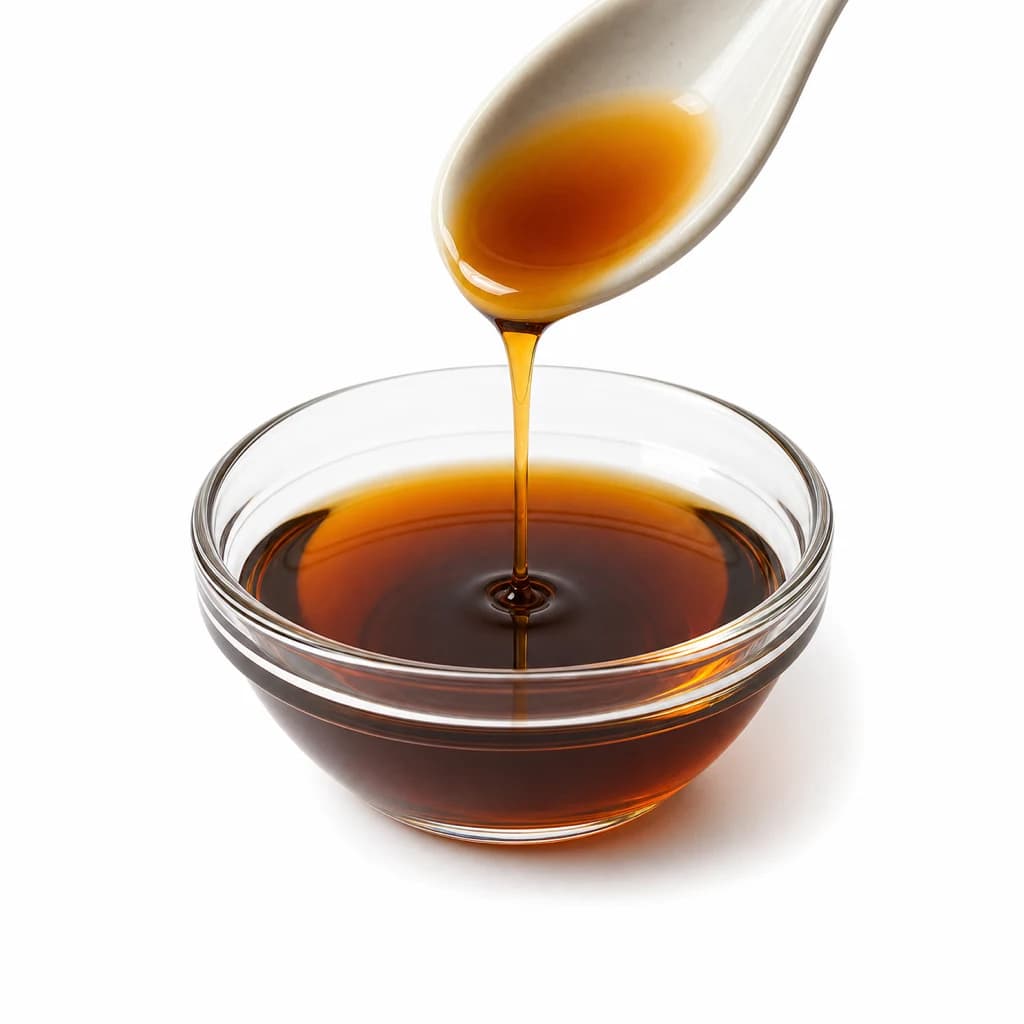
Sesame Oil
Toasty, aromatic oil — a finishing splash for Asian dishes
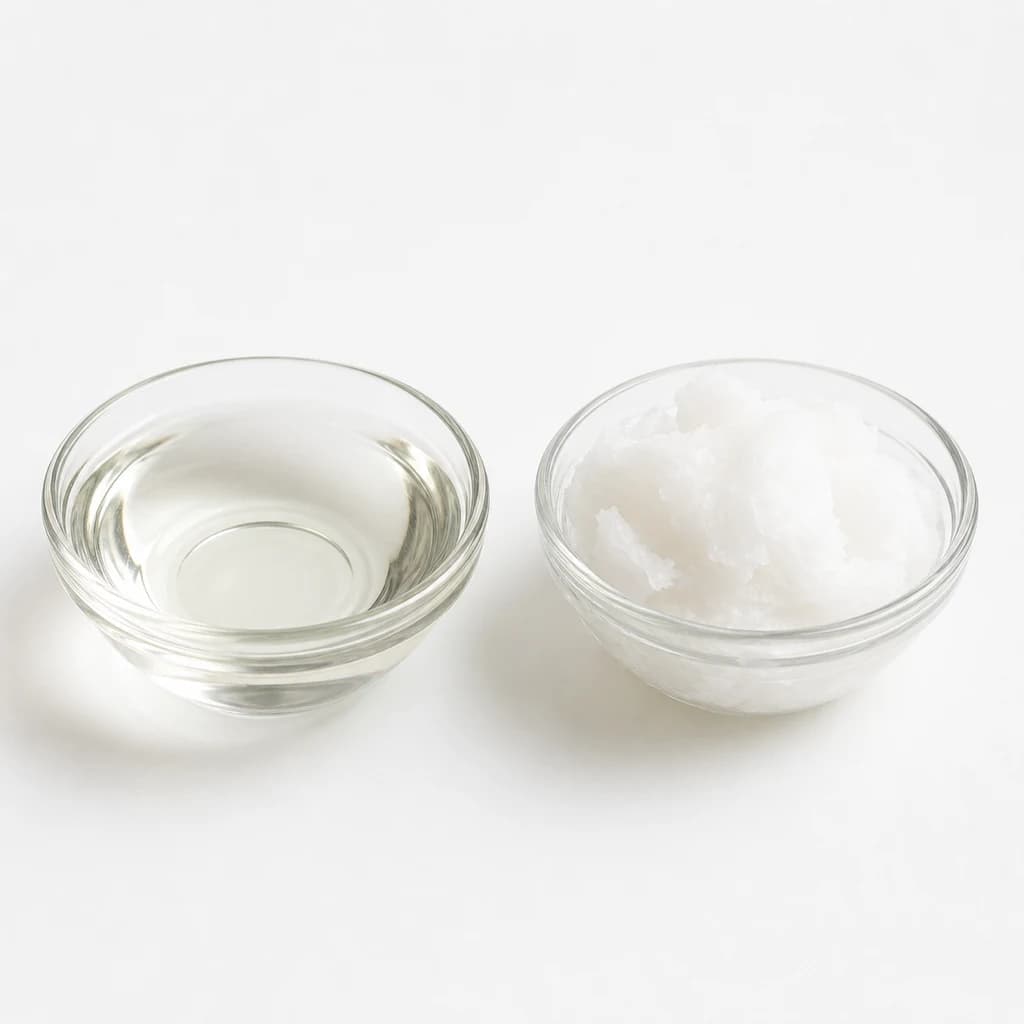
Coconut Oil
Fragrant, solid-at-room-temp fat for baking and frying
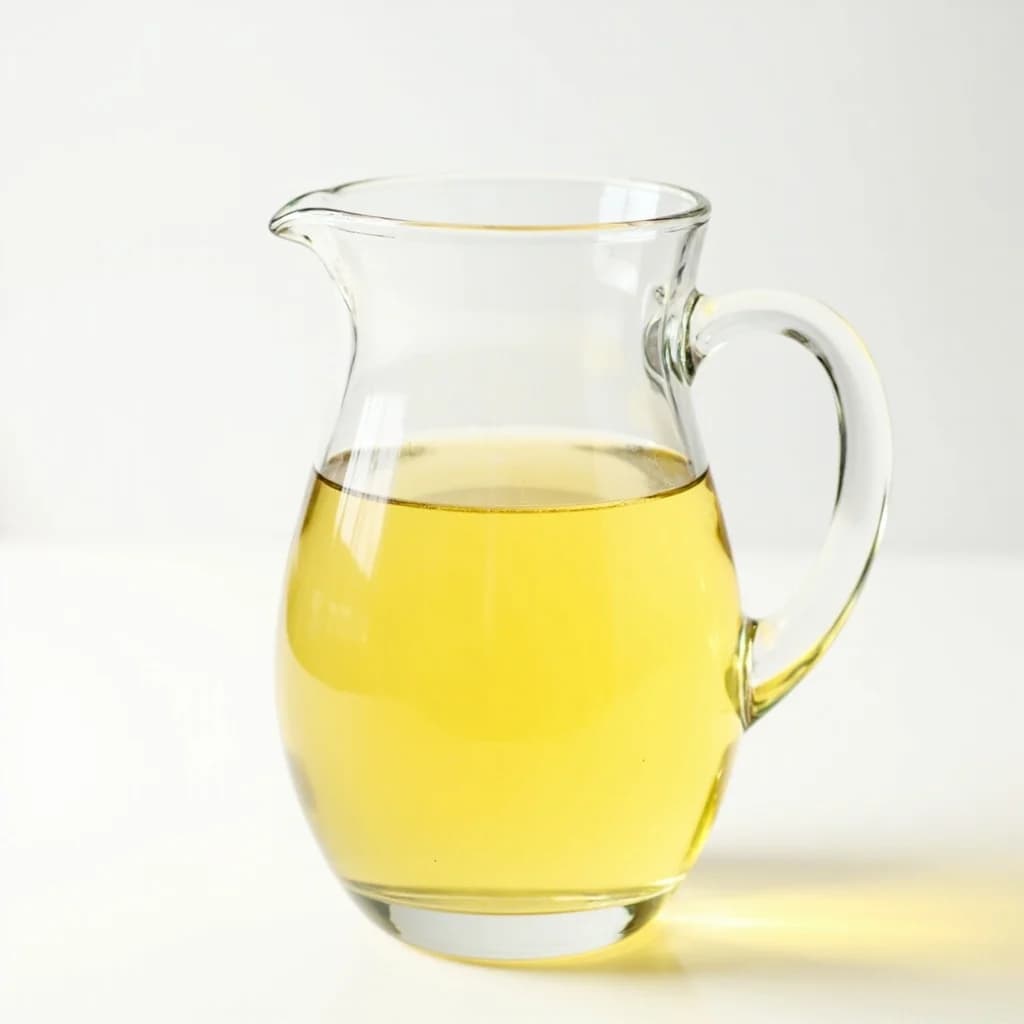
Peanut Oil
High-heat oil with a faint nutty note — ideal for frying

Lamb Tail Fat
Rich rendered fat from fat-tailed sheep — used as a cooking fat and flavor base in Central Asian and Middle Eastern dishes.

Pork Back Fat
Hard fat from the pig's back, used for larding, sausages, and rendered lard.