Ready to use
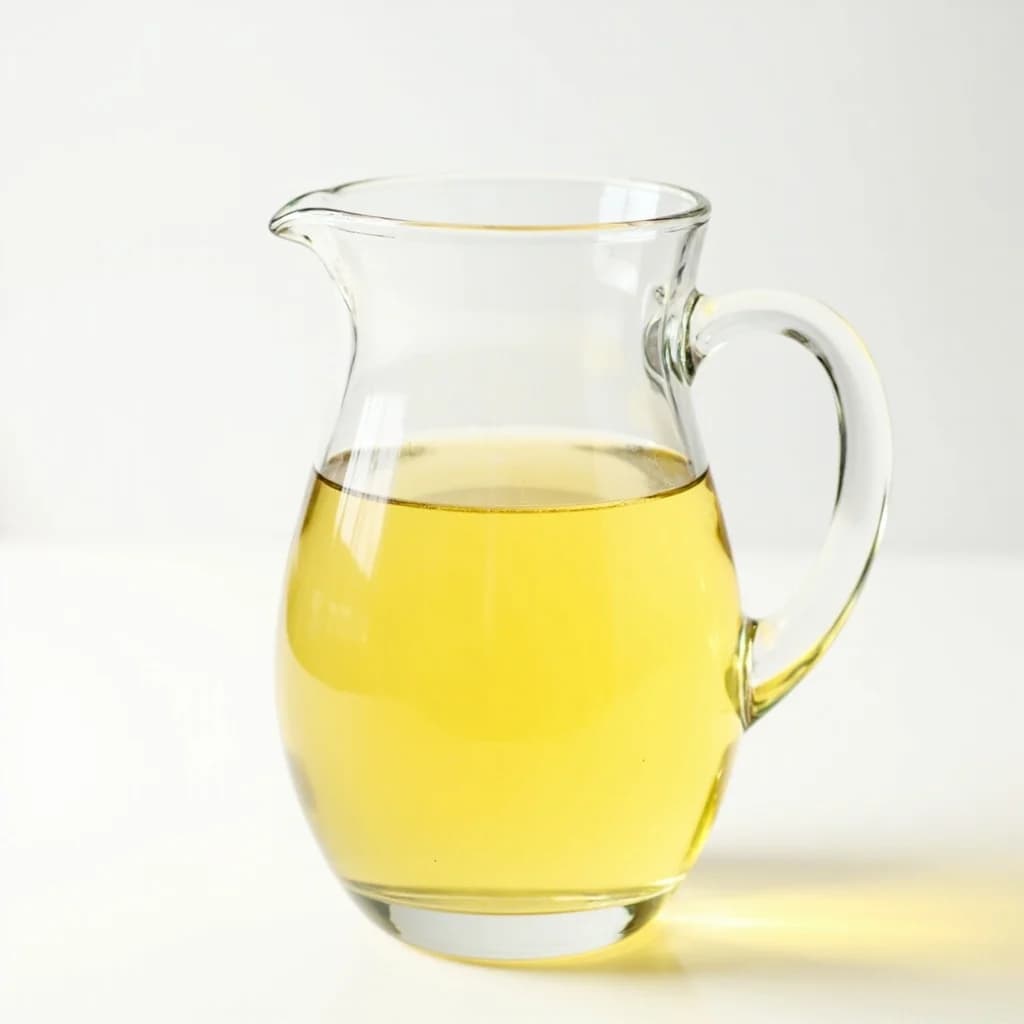
Refined peanut oil in a clear glass vessel: pale golden, fully transparent.
Showing the oil's actual color, transparency, and viscosity lets readers identify it on sight before use.
Oils & Fats
Peanut Oil
High-heat oil with a faint nutty note — ideal for frying
With a high smoke point and a whisper of nuttiness, peanut oil is the classic choice for deep-frying and wok cooking. Keep it dark and cool away from heat.
Peanut (groundnut) oil is a clear, faintly nutty oil prized for deep-frying. Refined peanut oil has a high smoke point and stays remarkably stable under prolonged heat, which is why it's the classic choice for fried turkey, French fries, and the high-heat wok cooking of Chinese cuisine — its mild flavor and heat tolerance let ingredients sear fast and clean. Unrefined (cold-pressed) peanut oil keeps a pronounced roasted-peanut flavor and is used as a seasoning.
- Measured in
- ml
- Storage
- Dark Cool
Allergens
Find it in
Types & varieties
Neutral and stable; the standard frying oil (often allergen-safe after refining).
Strong roasted flavor; a finishing oil, retains allergens.
Toasted and aromatic; drizzle, don't fry.
How to use
Refined peanut oil is built for heat — it shrugs off frying temperatures and resists picking up off-flavors between batches, so fried foods taste clean. Aromatic cold-pressed versions are finishing oils.
- Deep-frying chicken, fries, and turkey
- High-heat wok stir-fries
- Searing and high-heat roasting
- A drizzle of roasted peanut oil over noodles
How to store
Keep capped and away from heat and light. Frying oil can be strained and reused several times — peanut oil holds up especially well — but discard it once dark or off-smelling.
Common uses
Tips & pitfalls
- It's the gold standard for fried turkey and crisp French fries.
- Highly refined peanut oil is generally considered safe for peanut allergies, but always ask before serving.
- Strain and reuse it for frying — it tolerates reuse better than most oils.
- Use roasted peanut oil sparingly as a finishing drizzle, not for cooking.
Nutrition
Energy
3699 kJ · per 100 g
Where the calories come from
Protein
0g
0% DV
Carbs
0g
0% DV
Fat
100g
128% DV
Fiber
0g
0% DV
Sugars
0g
of which
Sodium
0mg
0% DV
Source · USDA FoodData Central · Oil, corn, peanut, and olive
View on FDC →In the shops
Matched grocery products
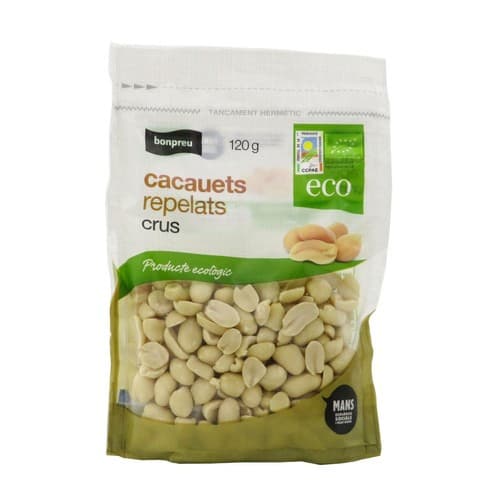 €1.25
€1.25Organic Raw Peanuts
BONPREU · kg · Bonpreu
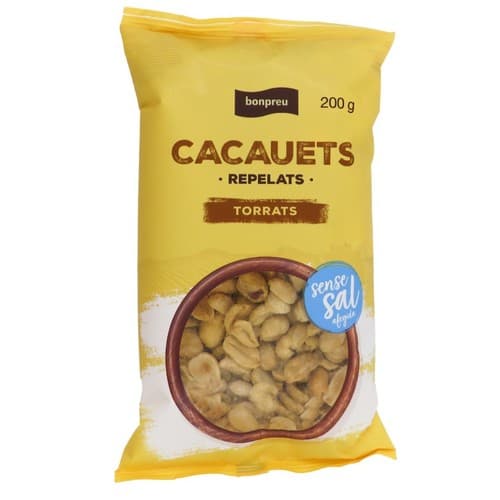 €1.15
€1.15Roasted Unsalted Peanuts
BONPREU · kg · Bonpreu
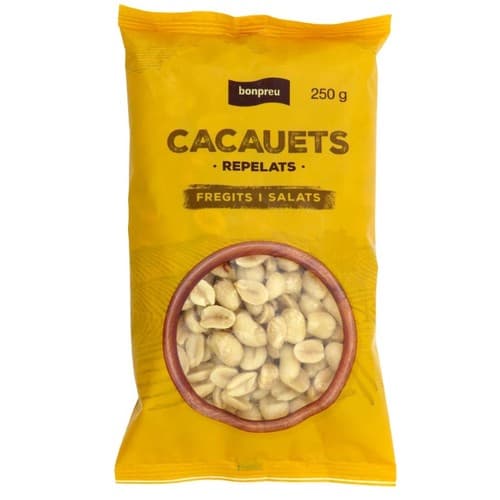 €1.00
€1.00Roasted and Salted Peanuts
BONPREU · kg · Bonpreu
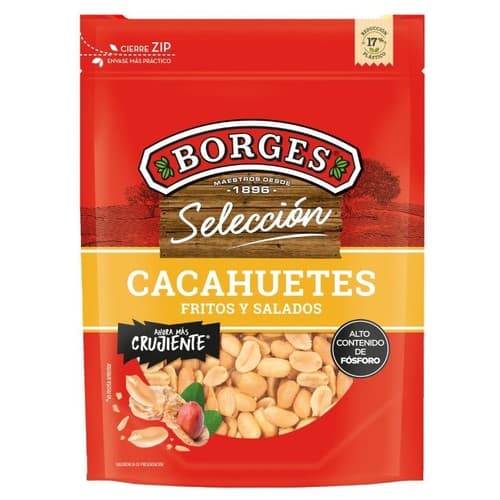 €1.79
€1.79Roasted and Salted Peanuts
BORGES · kg · Bonpreu
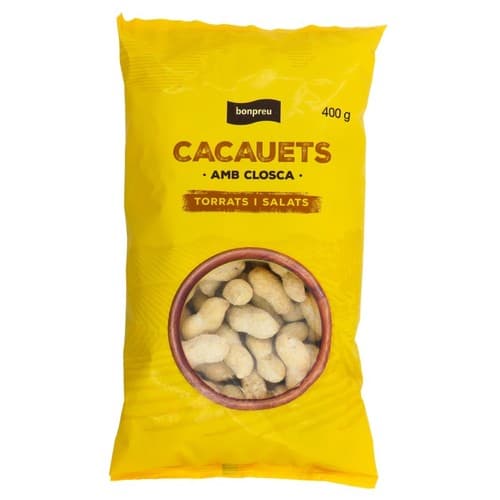 €1.65
€1.65Roasted and Salted Peanuts in Shell
BONPREU · kg · Bonpreu
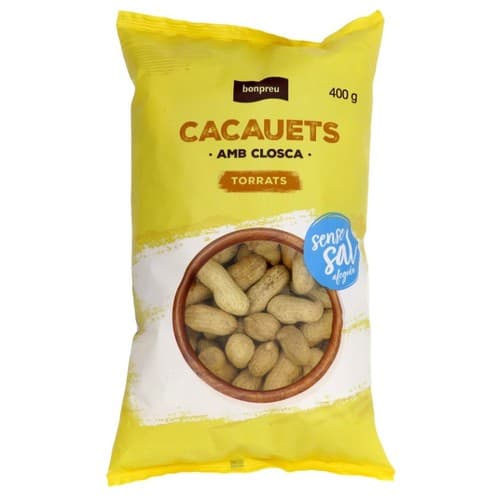 €1.65
€1.65Roasted Peanuts in Shell without Added Salt
BONPREU · kg · Bonpreu
Good to know
- Flavor
- Refined: mild, faintly nutty. Unrefined: roasted-peanut
- Smoke point
- ~450°F (232°C), refined
- Best for
- Deep-frying, wok stir-frying, high-heat searing
- Allergen
- A peanut allergen — note for guests
- How to store
- Cool, dark, sealed
- Shelf life
- ~1 year sealed; very heat-stable in use
Substitutes
- Canola oil — Neutral and high-heat; allergen-free swap for frying.
- Sunflower oil — High smoke point, neutral, allergen-free.
- Refined vegetable oil — Reliable everyday frying substitute.
Also called
groundnut oil · aceite de cacahuete · oli de cacauet
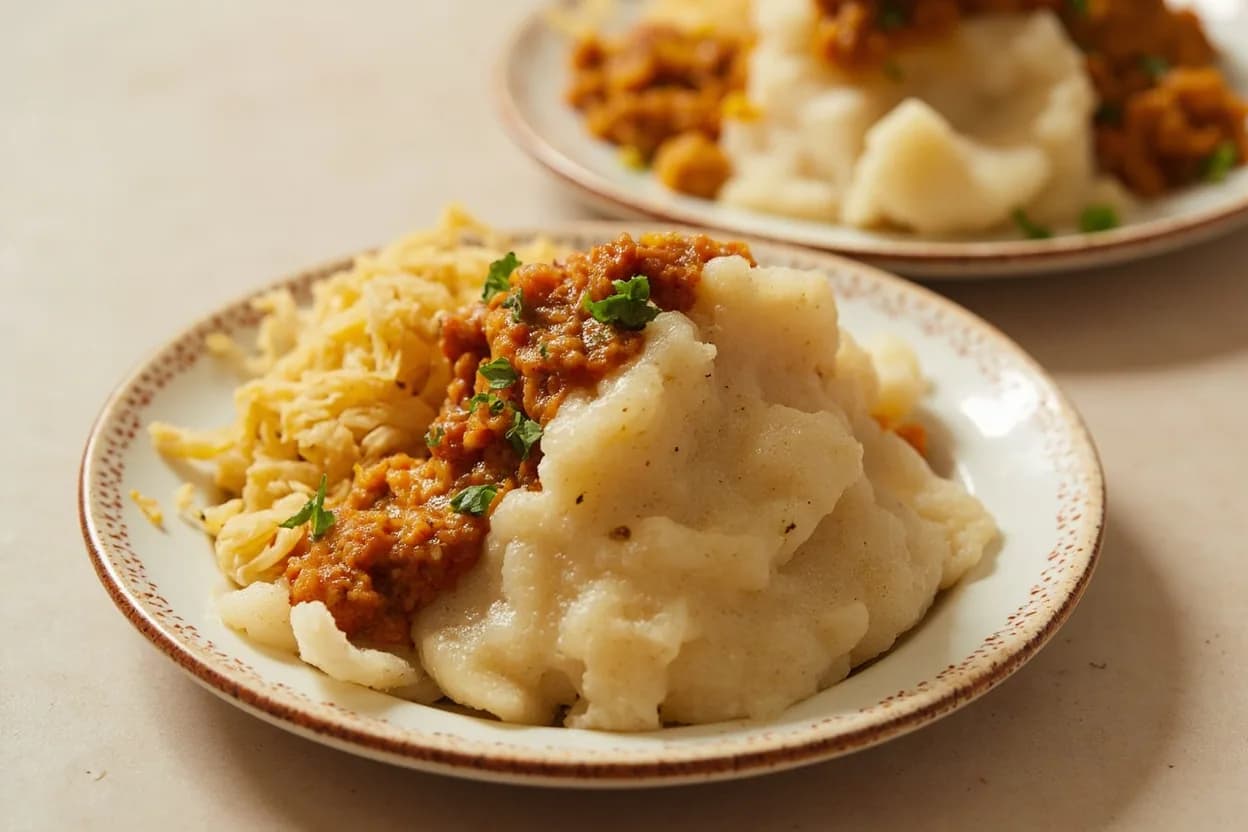
Appears in these dishes
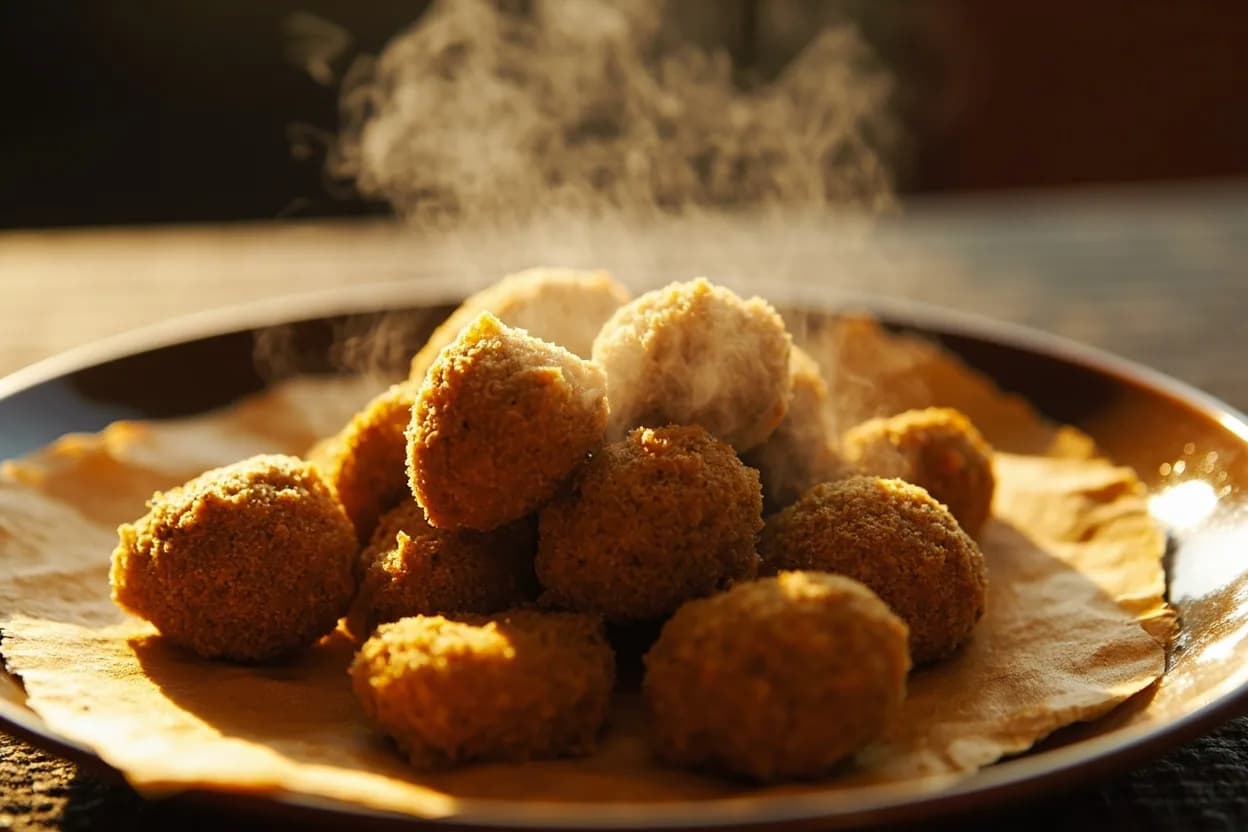
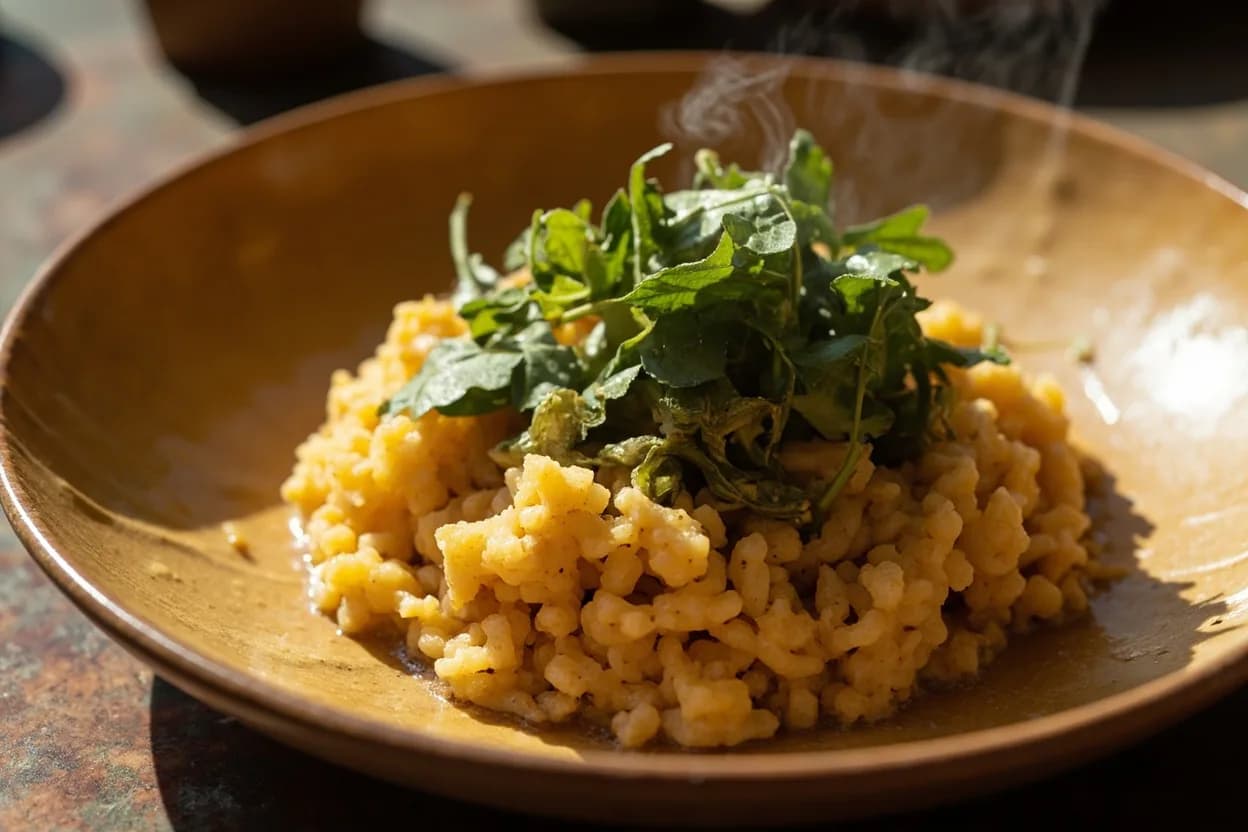
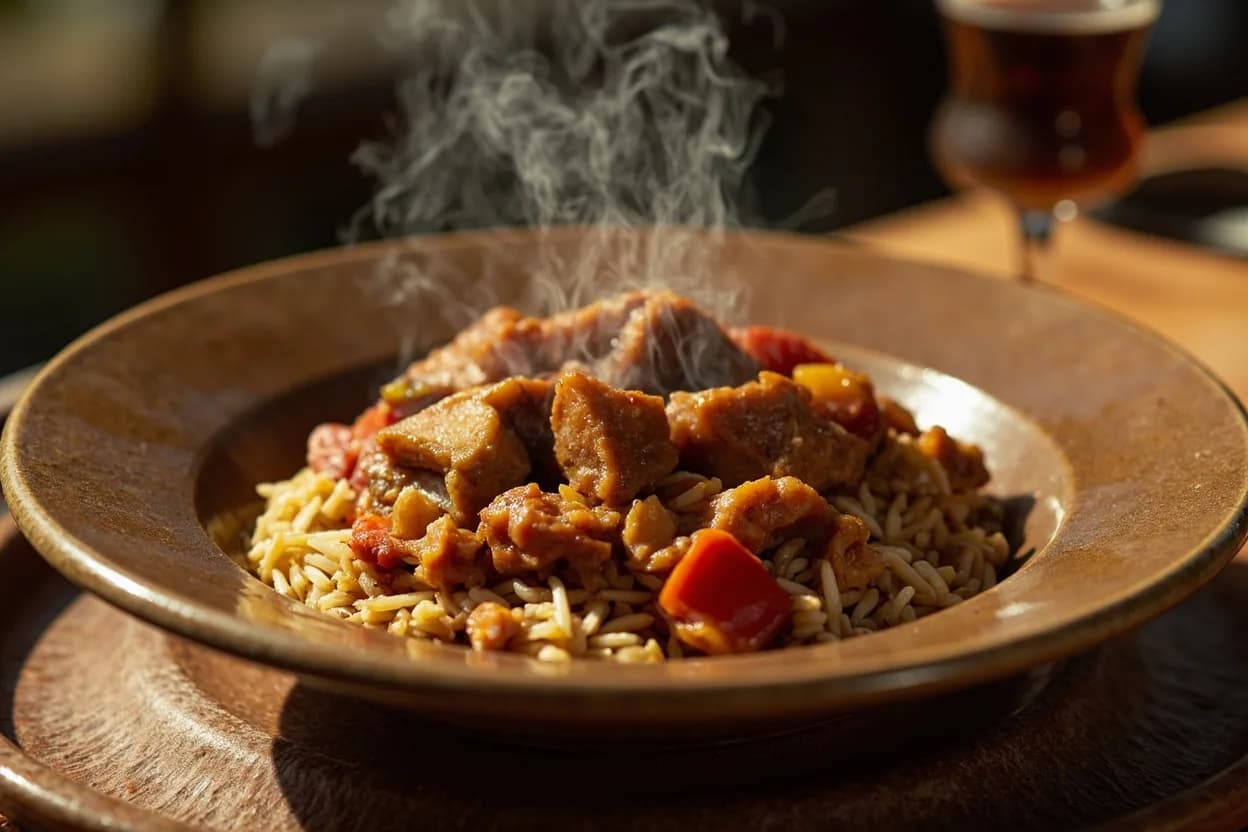
Related
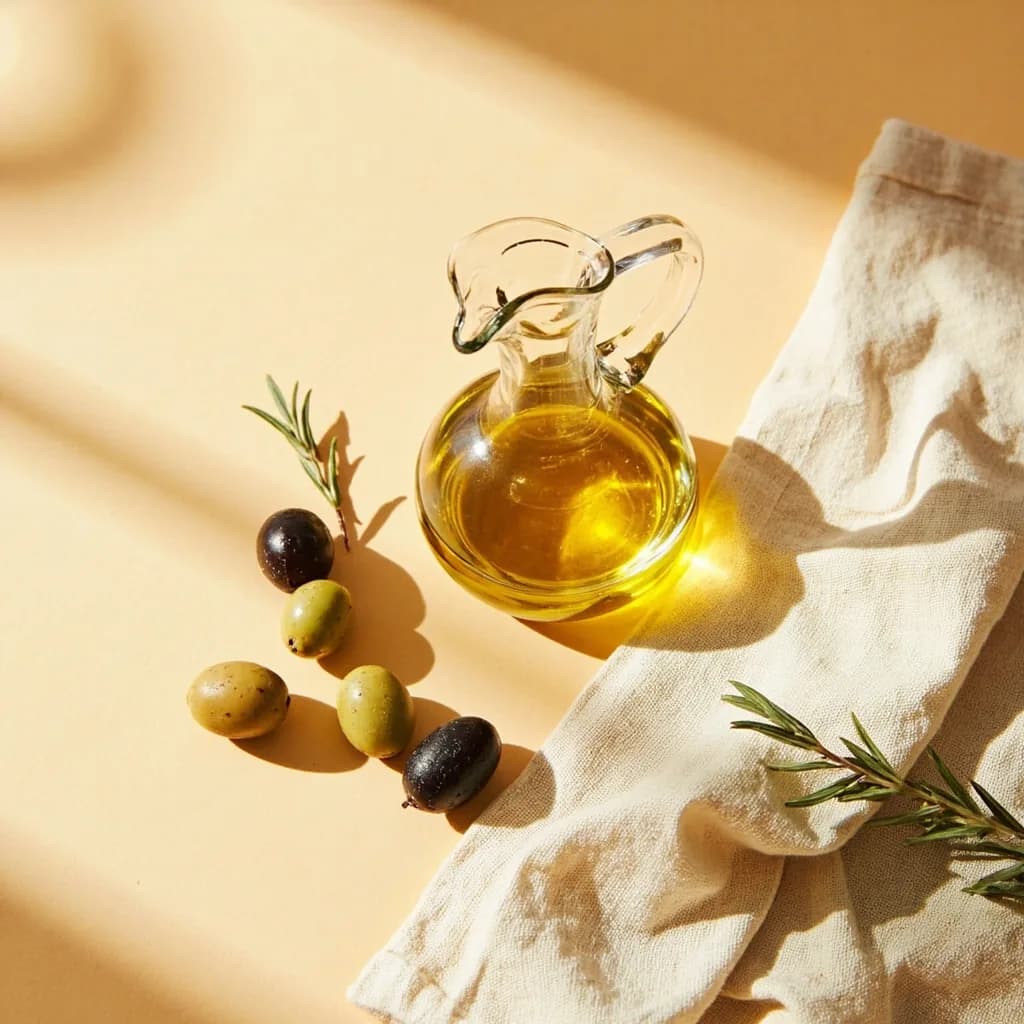
Olive Oil
Fruity, peppery everyday oil for sautéing, dressing, and finishing
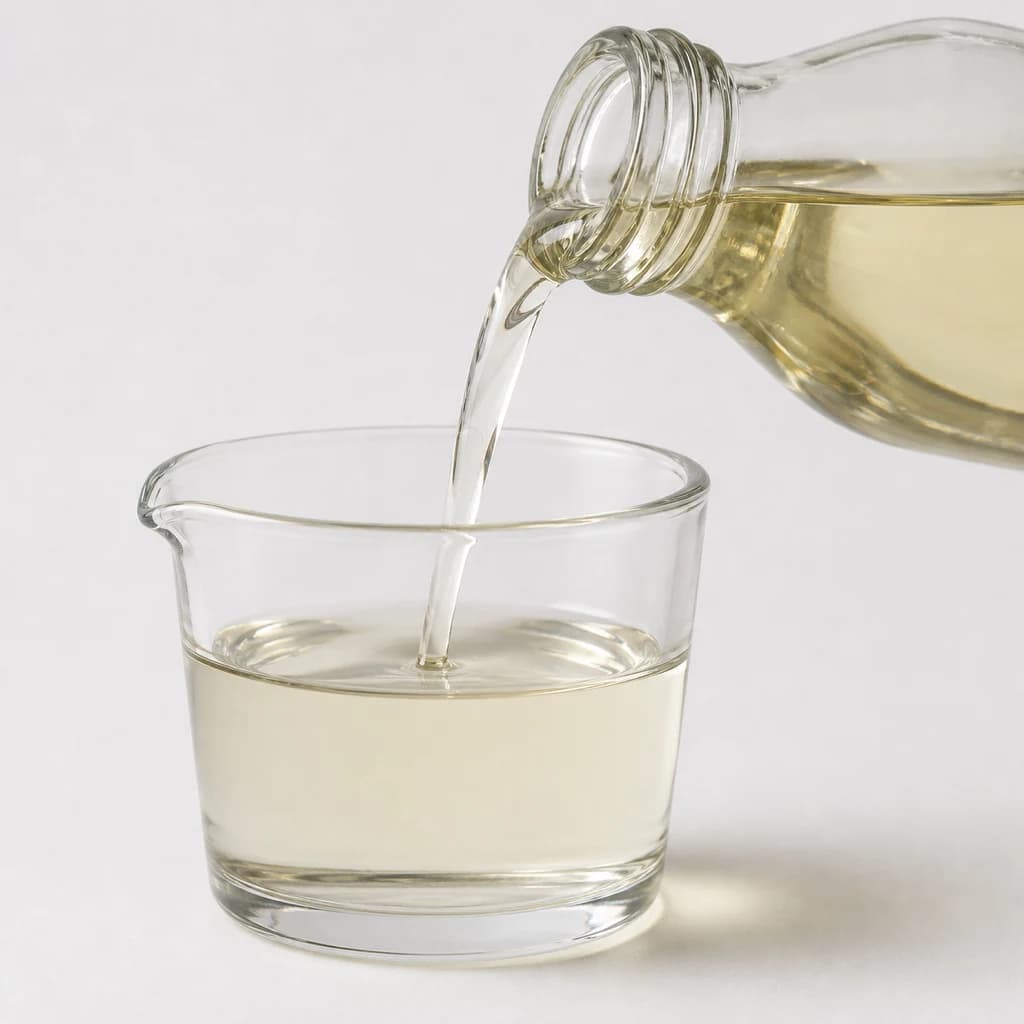
Vegetable Oil
Neutral, high-heat oil for frying and all-purpose cooking
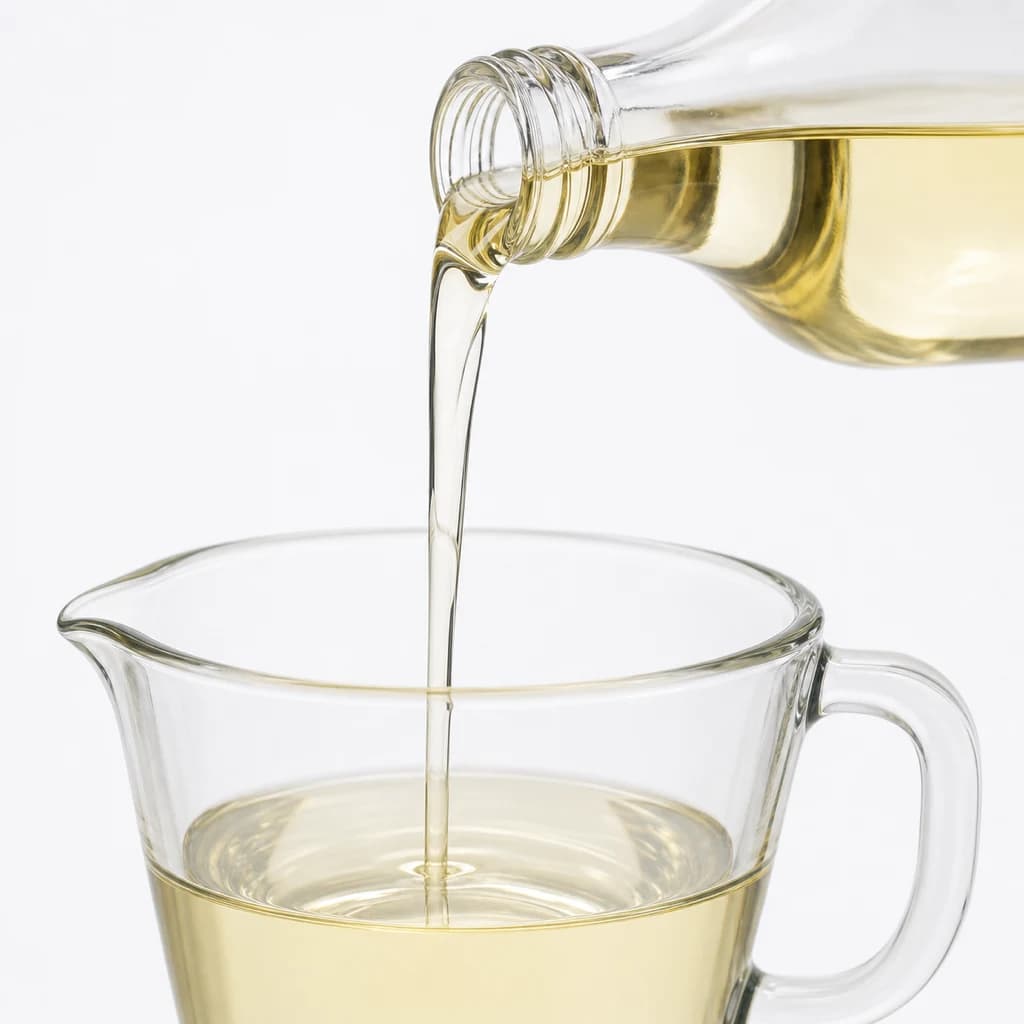
Canola Oil
Light, neutral oil for frying, baking, and dressings

Sunflower Oil
Clean, neutral oil for frying and everyday cooking
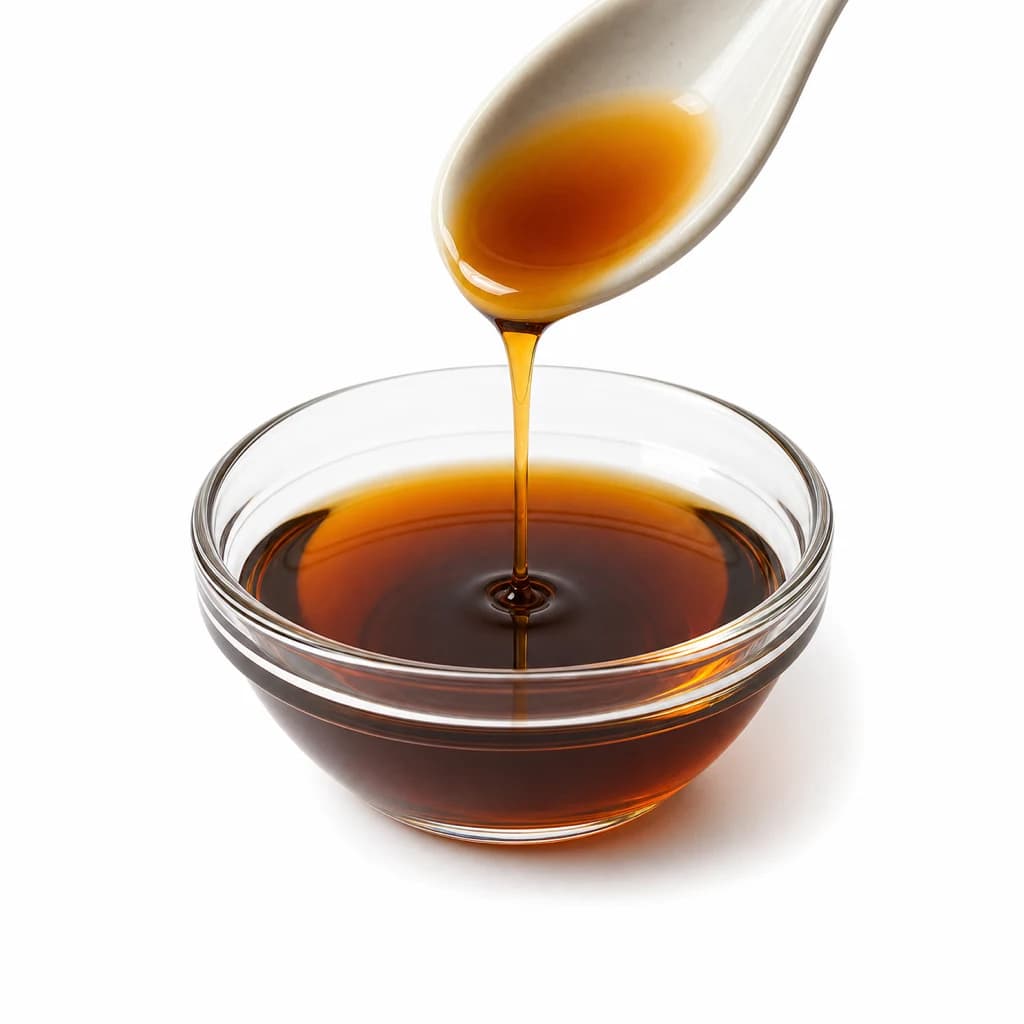
Sesame Oil
Toasty, aromatic oil — a finishing splash for Asian dishes
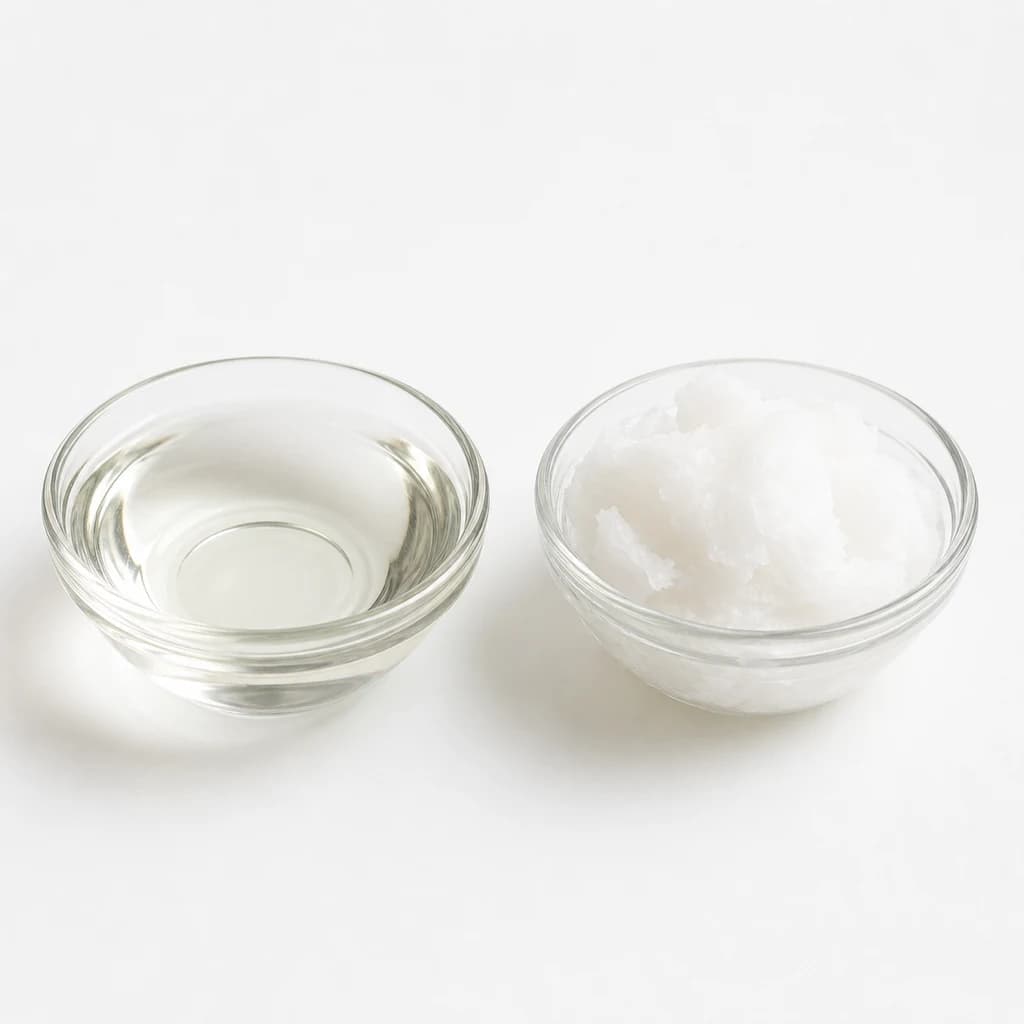
Coconut Oil
Fragrant, solid-at-room-temp fat for baking and frying

Lamb Tail Fat
Rich rendered fat from fat-tailed sheep — used as a cooking fat and flavor base in Central Asian and Middle Eastern dishes.

Pork Back Fat
Hard fat from the pig's back, used for larding, sausages, and rendered lard.