Ready to use
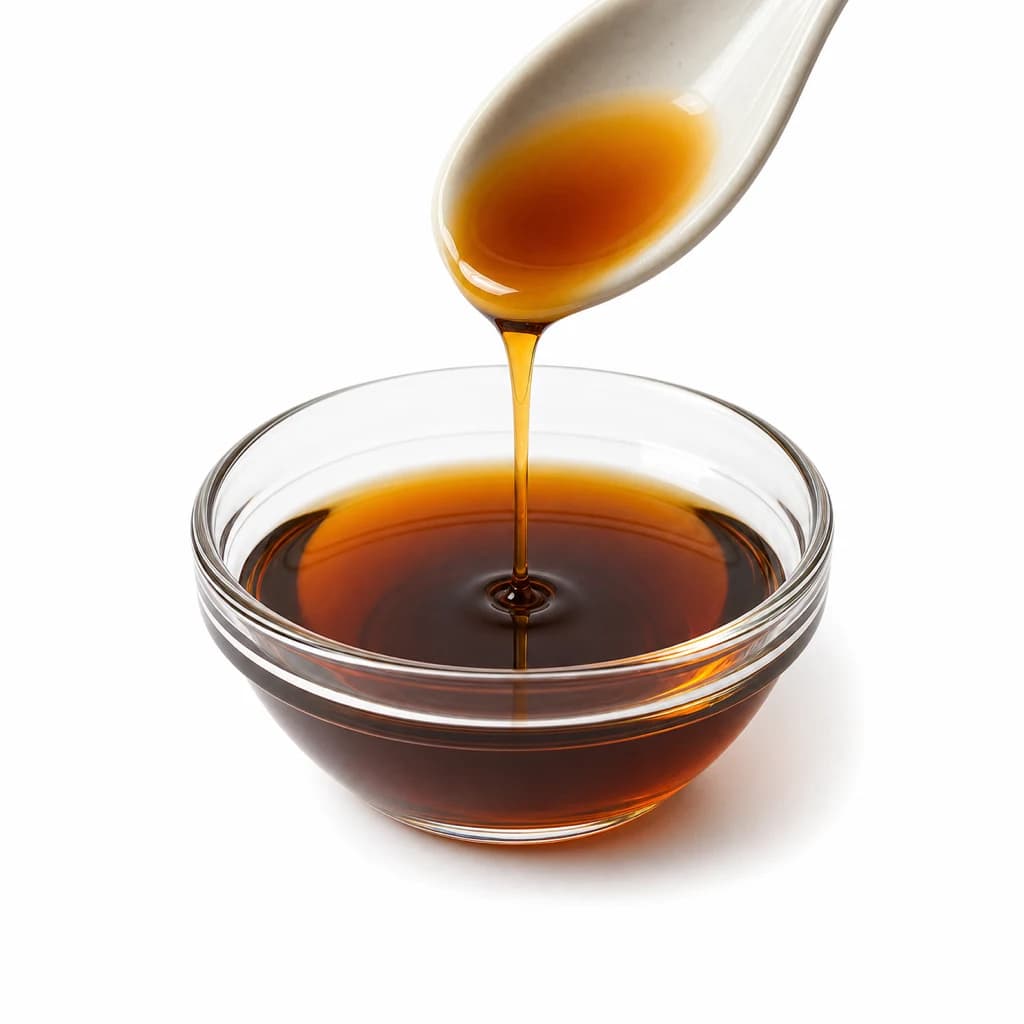
Toasted sesame oil poured into a bowl — deep amber-brown, the hallmark of the toasted variety.
Shows the oil's distinctive dark amber color, semi-translucency, and viscosity that distinguish it from lighter cooking oils.
Oils & Fats
Sesame Oil
Toasty, aromatic oil — a finishing splash for Asian dishes
Intensely nutty and fragrant, toasted sesame oil is a finishing oil, not a frying one — a few drops perfume a stir-fry or dressing. Keep it dark and cool so it stays vivid.
Sesame oil comes in two very different forms, and knowing which you have changes everything. Toasted (dark) sesame oil is a deeply aromatic, amber finishing oil pressed from roasted seeds — a few drops perfume a whole dish and it is a backbone of Chinese, Korean, and Japanese cooking. Plain (light) sesame oil, pressed from raw seeds, is pale, mild, and suitable for higher-heat cooking. Toasted oil is for flavor; light oil is for cooking.
- Measured in
- ml
- Storage
- Dark Cool
Allergens
Find it in
Types & varieties
Amber and intense; add at the end as a seasoning.
Pale and mild; can take higher heat for cooking.
From black seeds; even deeper, slightly bitter, used medicinally and in regional dishes.
Dark, intensely nutty oil pressed from toasted sesame; a finishing oil, not a frying fat—drizzle off heat over noodles, dressings, and stir-fries to keep its aroma intact.
How to use
Toasted sesame oil is a finishing flavor — drizzle it on after cooking, where heat would scorch its aroma. Use it by the teaspoon, not the cup. Light sesame oil can stand in as a neutral-ish cooking oil.
- Finish stir-fries off the heat
- Whisk into dipping sauces and dressings
- Drizzle over noodles, rice, and steamed vegetables
- Bloom into marinades for meat
How to store
Both forms go rancid faster than refined oils. Keep tightly capped in a dark spot, or refrigerate — it stays pourable cold and lasts noticeably longer.
Common uses
Tips & pitfalls
- A little goes a long way — start with a teaspoon of toasted oil and taste.
- Add toasted sesame oil at the very end; high heat destroys its aroma.
- Use light sesame oil, not toasted, when a recipe wants it for actual frying.
- Refrigerate to keep that fresh nutty flavor from fading.
Nutrition
Energy
3699 kJ · per 100 g
Where the calories come from
Protein
0g
0% DV
Carbs
0g
0% DV
Fat
100g
128% DV
Fiber
0g
0% DV
Sugars
0g
of which
Sodium
0mg
0% DV
Source · USDA FoodData Central · Oil, sesame, salad or cooking
View on FDC →In the shops
Matched grocery products
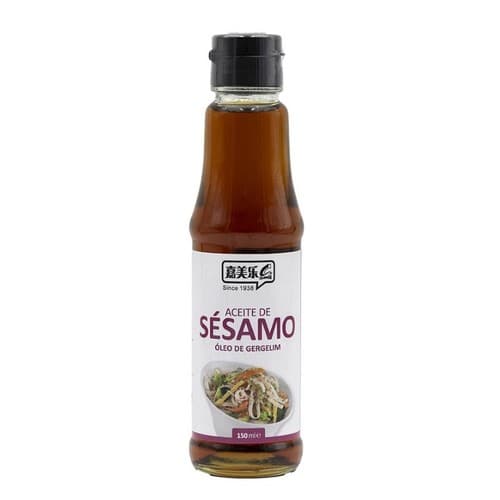 €3.19
€3.19Sesame Oil
CAMILL · l · Bonpreu
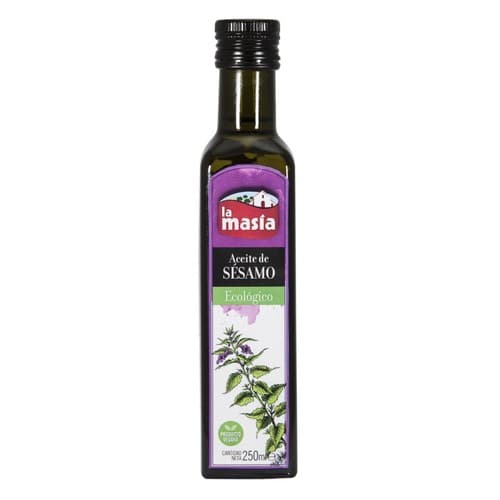 €3.99
€3.99La Masia Organic Sesame Oil
LA MASIA · l · Bonpreu
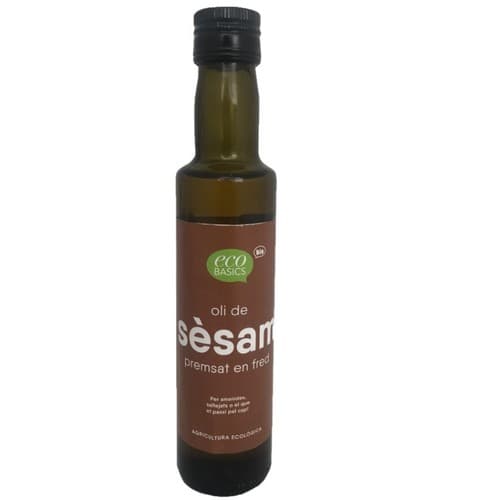 €4.25
€4.25Ecobasics Organic Sesame Oil
ECOBASICS · l · Bonpreu
Good to know
- Flavor
- Toasted: rich, nutty, intense. Light: mild, clean
- Smoke point
- Toasted ~350°F (177°C); light ~410°F (210°C)
- Best for
- Toasted: finishing & flavor. Light: stir-frying
- Role
- Seasoning oil, not a primary cooking fat
- How to store
- Cool, dark — refrigerate to extend life
- Shelf life
- ~6–12 months; refrigeration slows rancidity
Substitutes
- Toasted walnut oil — Nearest nutty, aromatic finishing-oil match.
- Tahini thinned with oil — Approximates the toasted-sesame flavor in dressings.
- Peanut oil — For light sesame oil's cooking role, not its aroma.
Also called
aceite de sésamo
Appears in these dishes
Related
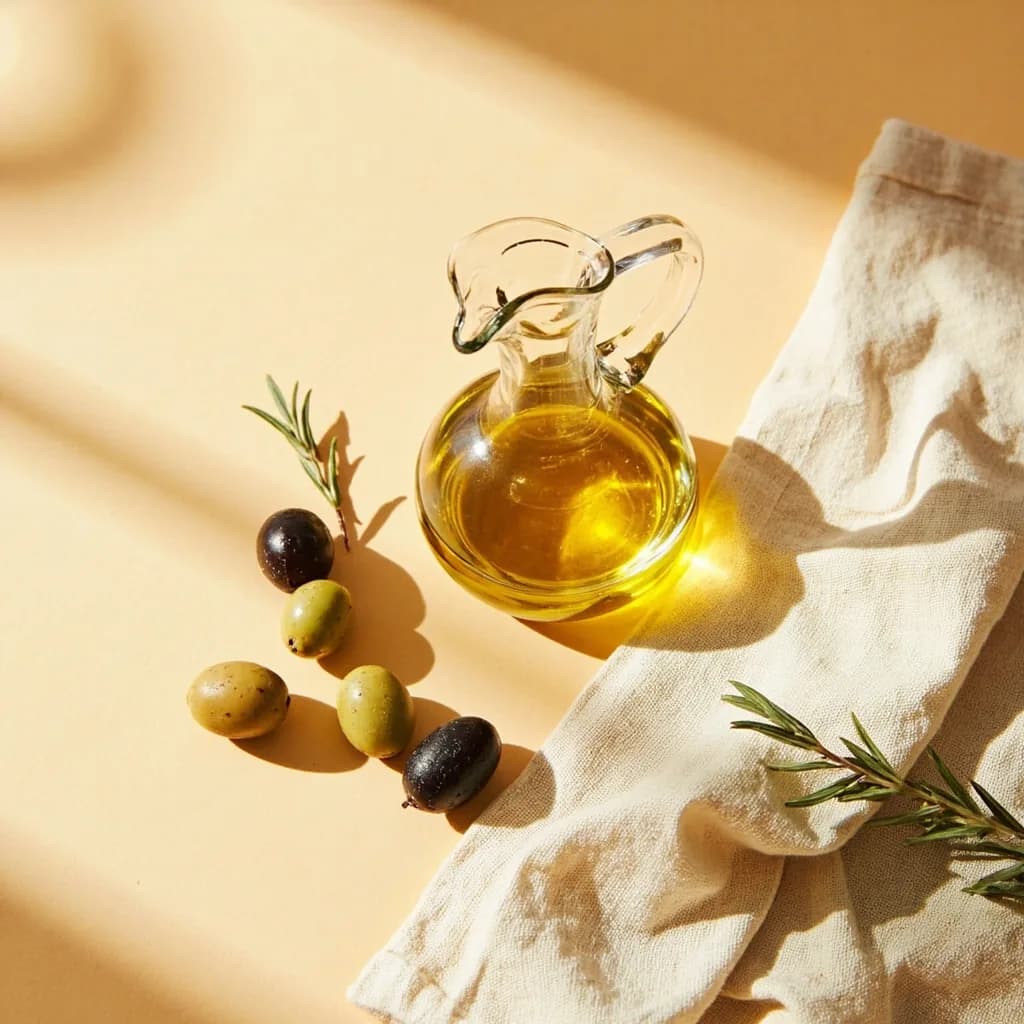
Olive Oil
Fruity, peppery everyday oil for sautéing, dressing, and finishing
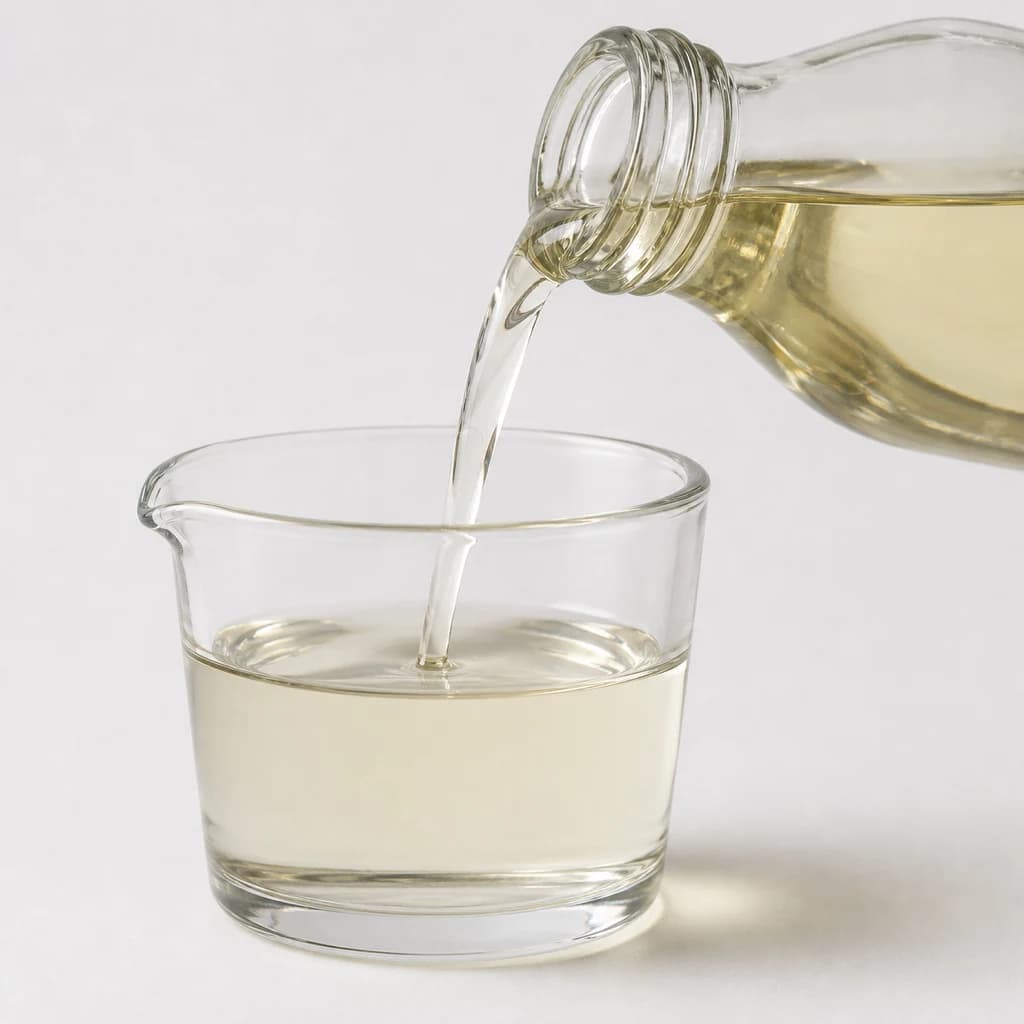
Vegetable Oil
Neutral, high-heat oil for frying and all-purpose cooking
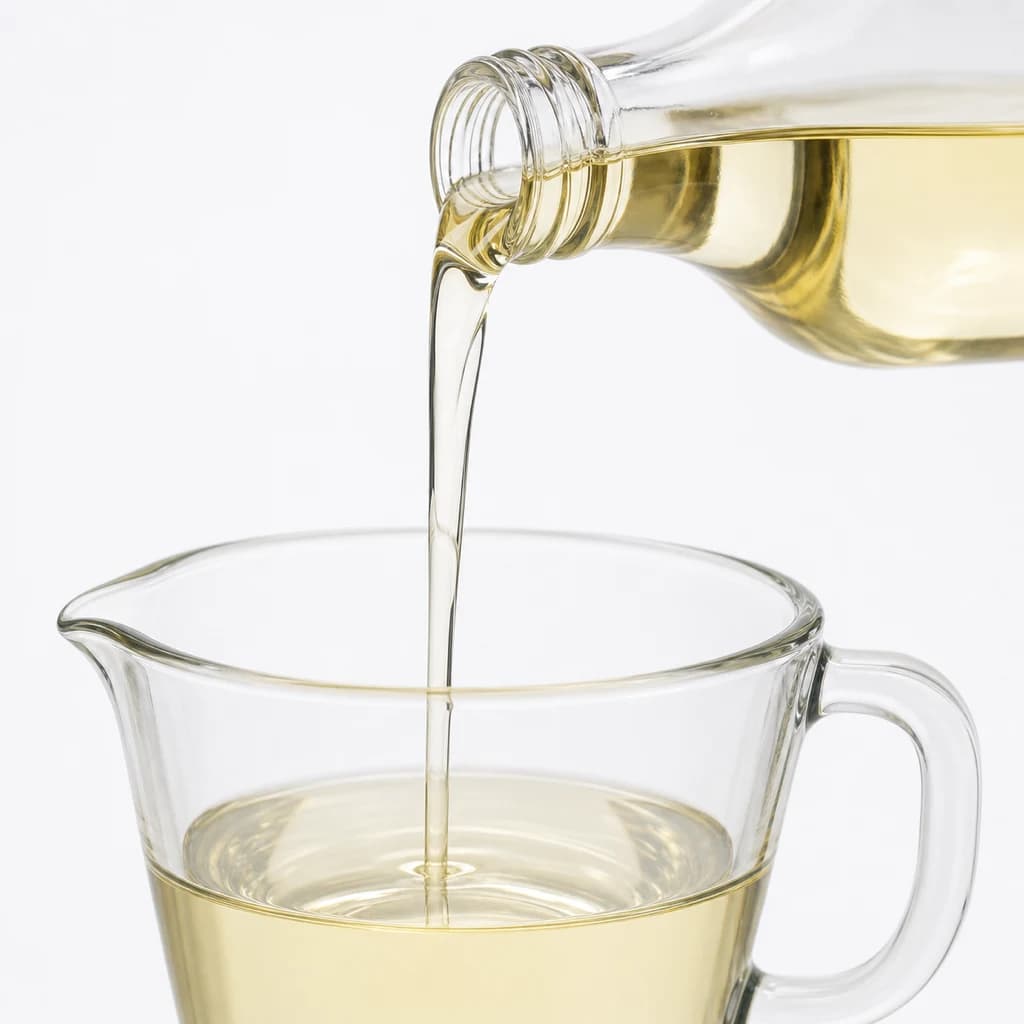
Canola Oil
Light, neutral oil for frying, baking, and dressings

Sunflower Oil
Clean, neutral oil for frying and everyday cooking
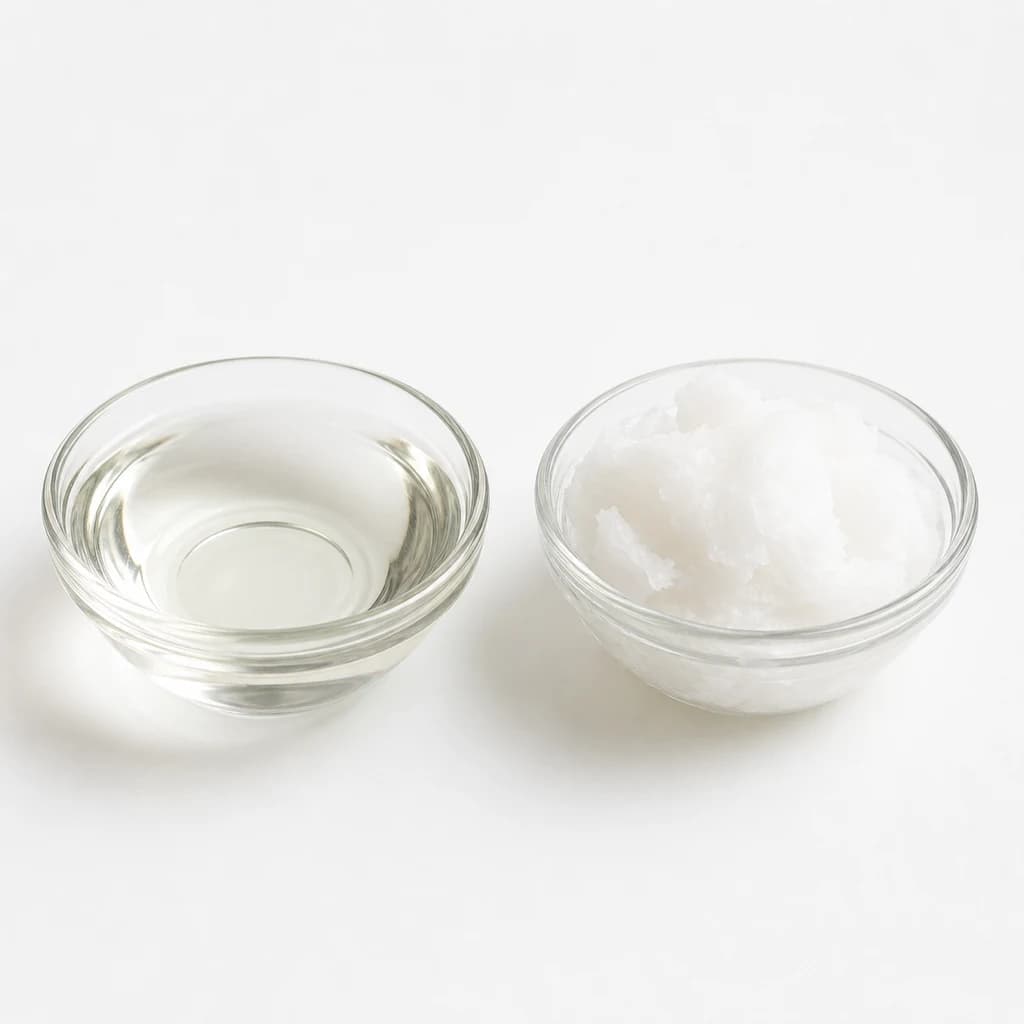
Coconut Oil
Fragrant, solid-at-room-temp fat for baking and frying
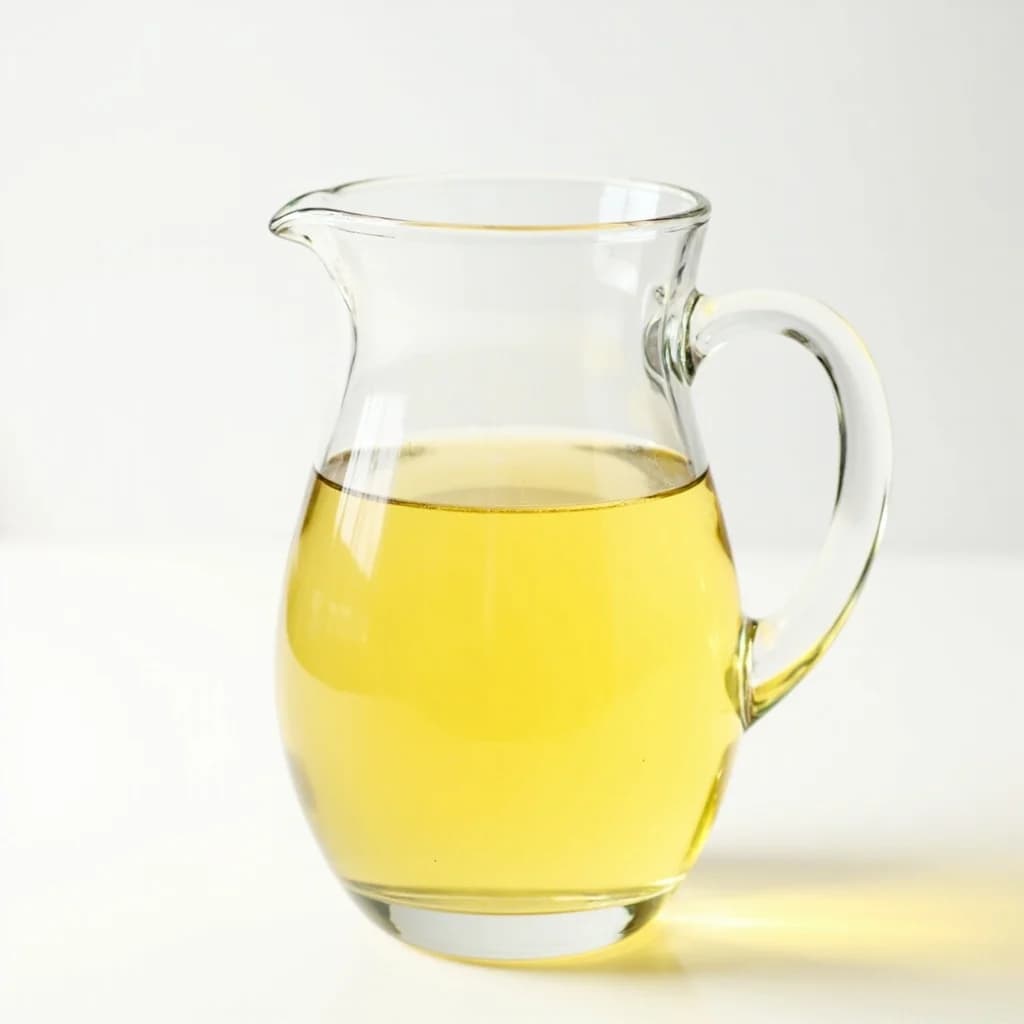
Peanut Oil
High-heat oil with a faint nutty note — ideal for frying

Lamb Tail Fat
Rich rendered fat from fat-tailed sheep — used as a cooking fat and flavor base in Central Asian and Middle Eastern dishes.

Pork Back Fat
Hard fat from the pig's back, used for larding, sausages, and rendered lard.