Stored
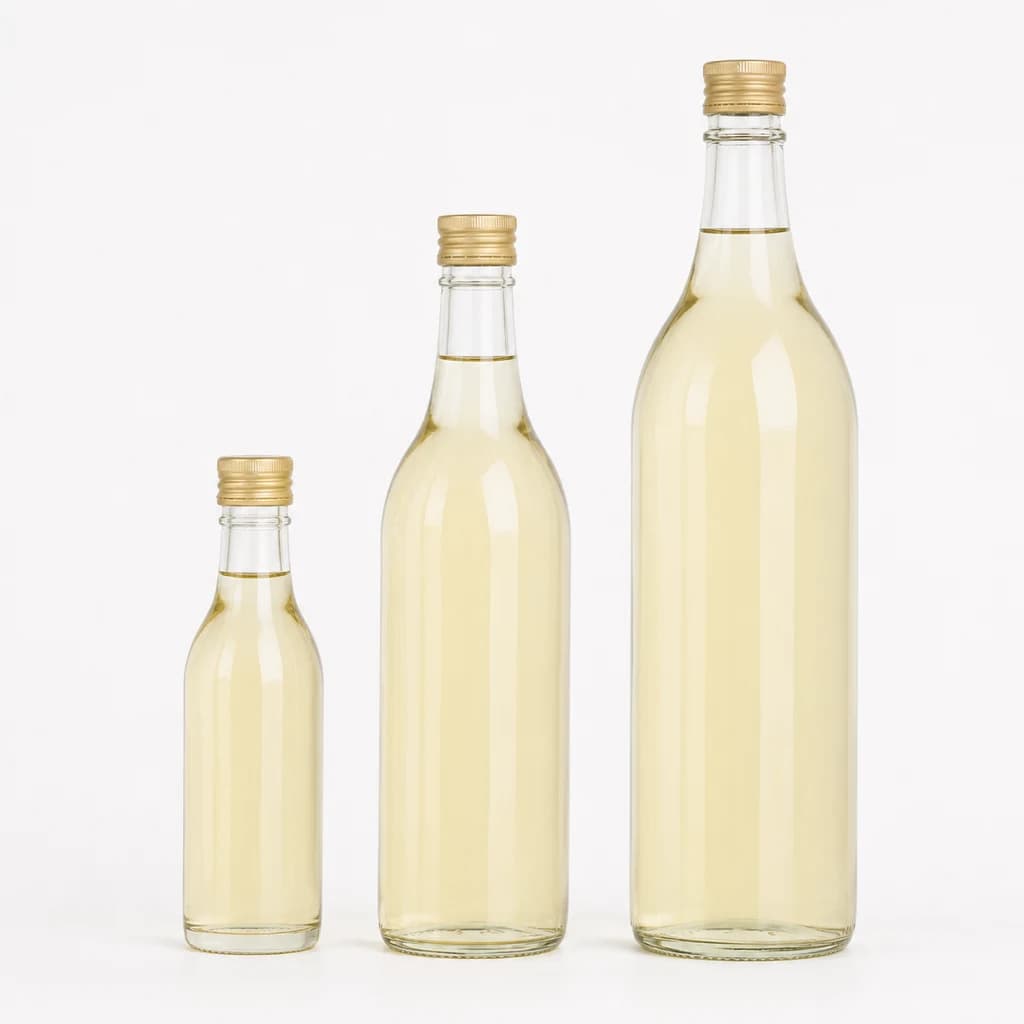
Rice vinegar sold in glass bottles; the liquid ranges from nearly colorless to pale gold.
Shows the product's appearance and typical packaging so a reader can identify it on a shelf or in their pantry.
Vinegars
Rice Vinegar
Mild, slightly sweet vinegar for sushi rice and dressings
Gentle and faintly sweet, rice vinegar seasons sushi rice and lightens Asian dressings and dipping sauces. Less harsh than most vinegars; store it at room temperature.
Rice vinegar, made from fermented rice (or rice wine), is the mild, gently sweet acid at the heart of East Asian cooking. Far softer than Western vinegars, it brightens without harshness — essential for seasoning sushi rice, dressing cold noodles, and balancing dipping sauces. Watch the label: 'seasoned' rice vinegar already has sugar and salt added (for sushi), while plain rice vinegar is unsweetened.
- Measured in
- ml
- Storage
- Room Temperature
Find it in
Types & varieties
Unseasoned; the versatile default.
Pre-sweetened and salted for sushi rice.
Dark, malty, smoky; for dipping and braises.
Tart-sweet, used in Cantonese dishes and soups.
How to choose
Buy plain rice vinegar for flexibility and season it yourself. Reach for seasoned only when you specifically want sushi-rice flavor, since the added sugar and salt will affect other dishes.
How to use
Its gentleness lets it brighten delicate foods without overpowering. Use it in dressings, quick pickles, dipping sauces, and to fold into warm rice for sushi.
- Seasoning sushi rice
- Asian-style slaws and salads
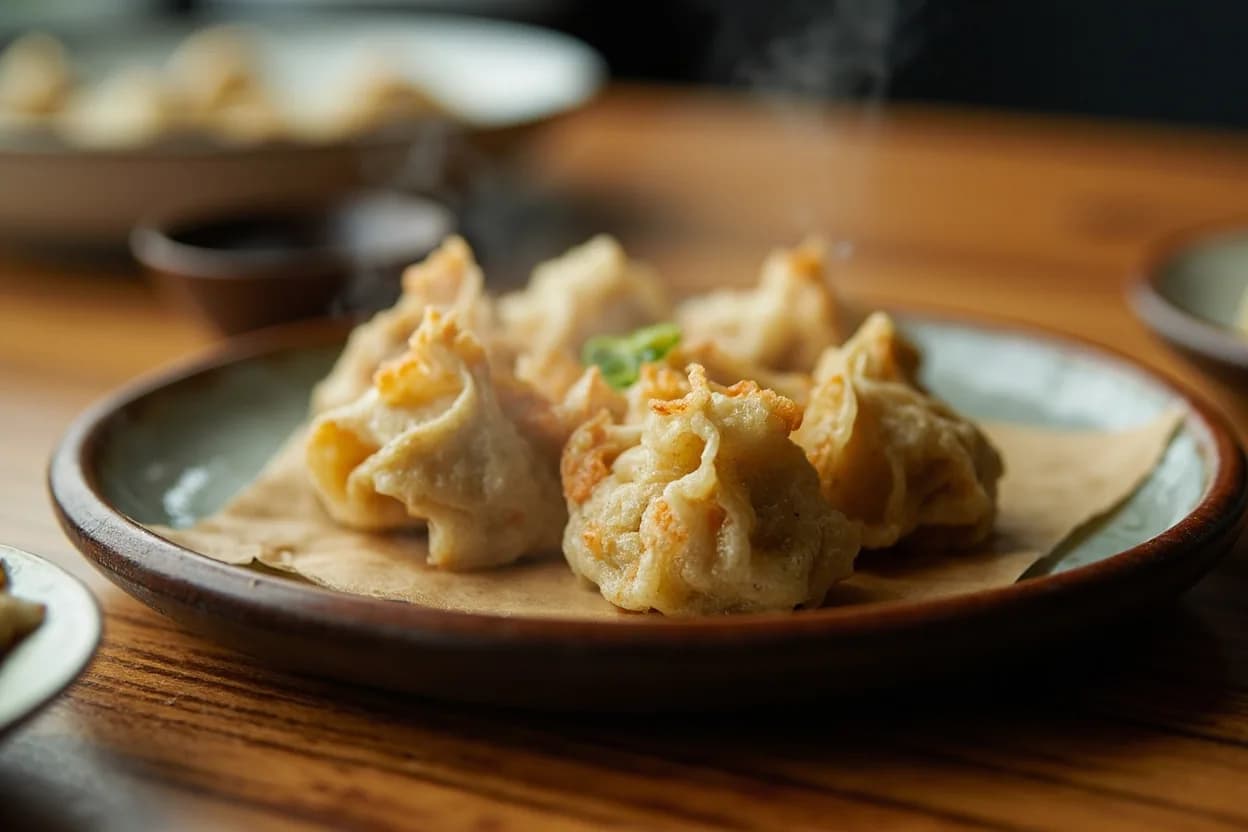
- Dipping sauces for dumplings
- Quick-pickled cucumbers and daikon
Common uses
Tips & pitfalls
- Check whether yours is 'seasoned' — it already contains sugar and salt.
- Its low acidity means you may need a bit more to match Western vinegars.
- Black (Chinkiang) vinegar is the move for dumpling dipping sauce.
- Mild enough to brighten dressings without any harsh bite.
Nutrition
Energy
75 kJ · per 100 g
Where the calories come from
Protein
0g
0% DV
Carbs
0g
0% DV
Fat
0g
0% DV
Fiber
0g
0% DV
Sugars
0g
of which
Sodium
2mg
0% DV
Source · USDA FoodData Central · approx. Vinegar, distilled
View on FDC →In the shops
Matched grocery products
 €2.39
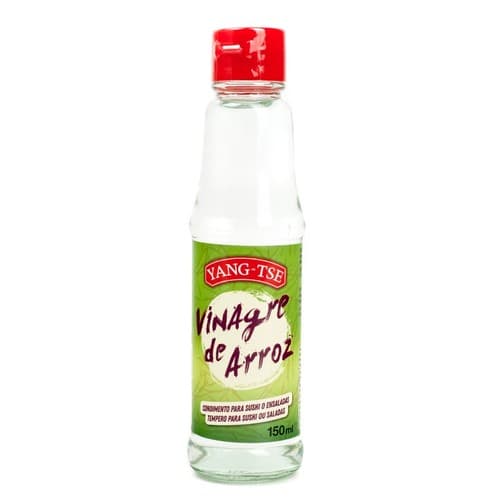
€2.39Yang-Tse Rice Vinegar
YANG-TSE · l · Bonpreu
Good to know
- Flavor
- Mild, clean, subtly sweet and low-acid
- Acidity
- ~4–5% (lower and softer than most)
- Made from
- Fermented rice or rice wine
- Best for
- Sushi rice, dressings, dipping sauces, slaws
- How to store
- Cool, dark cupboard, sealed
- Shelf life
- Long; seasoned versions keep less long
Substitutes
- Apple cider vinegar — Mild and fruity; closest everyday match.
- White wine vinegar + pinch sugar — Softens the bite toward rice vinegar.
- Lemon or lime juice — For brightness in dressings in a pinch.
Also called
vinagre de arroz
Appears in these dishes
Related

White Vinegar
Sharp, clean acidity for pickling, brightening, and cleaning

Balsamic Vinegar
Dark, syrupy vinegar with sweet-tart depth for glazing
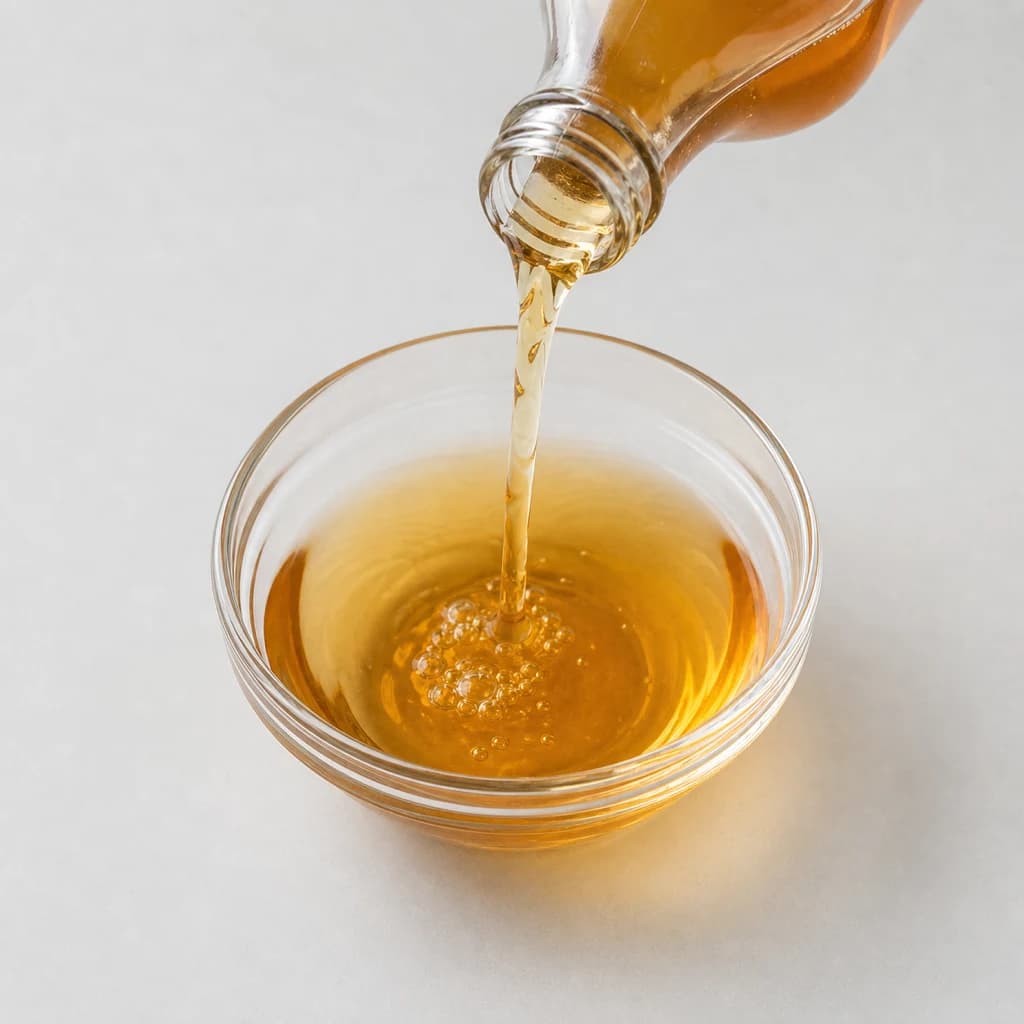
Apple Cider Vinegar
Fruity, mellow vinegar for dressings, brines, and slaws
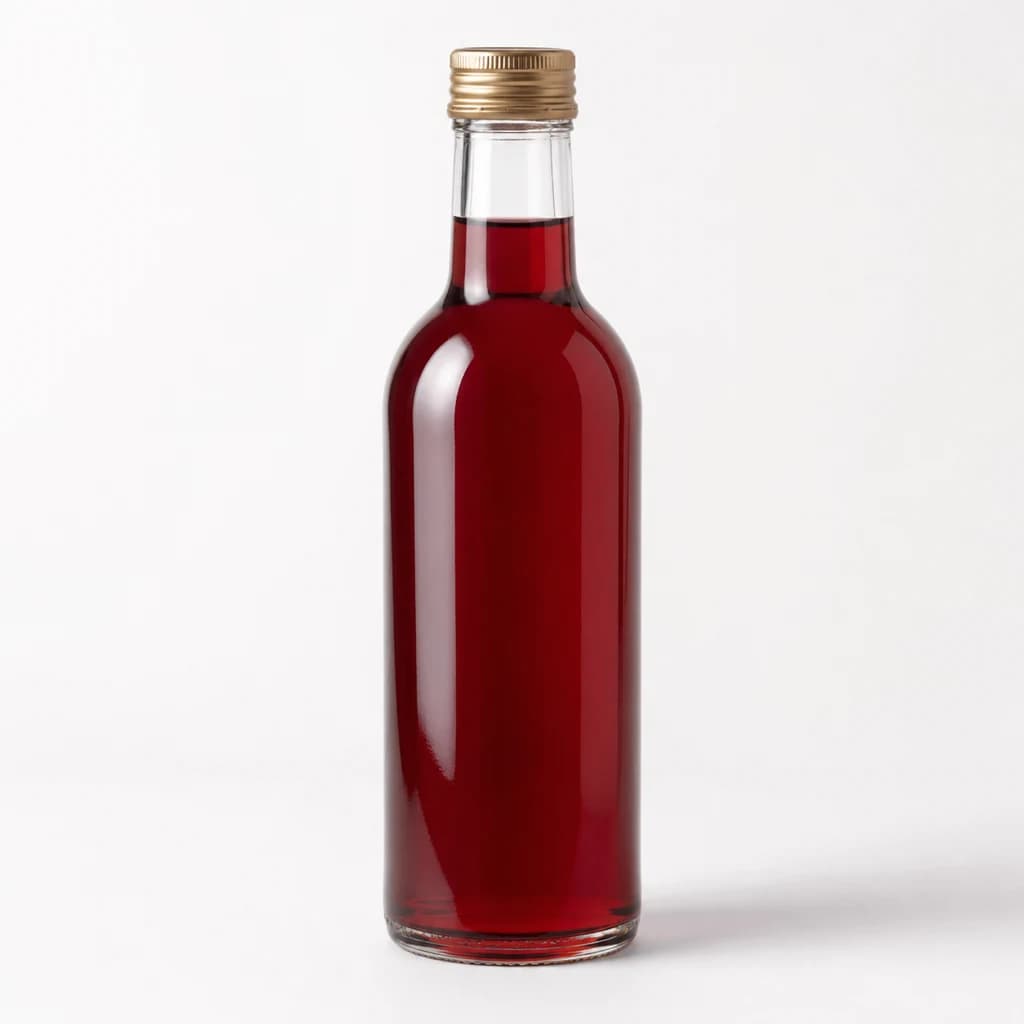
Red Wine Vinegar
Bold, tangy vinegar for vinaigrettes and marinades
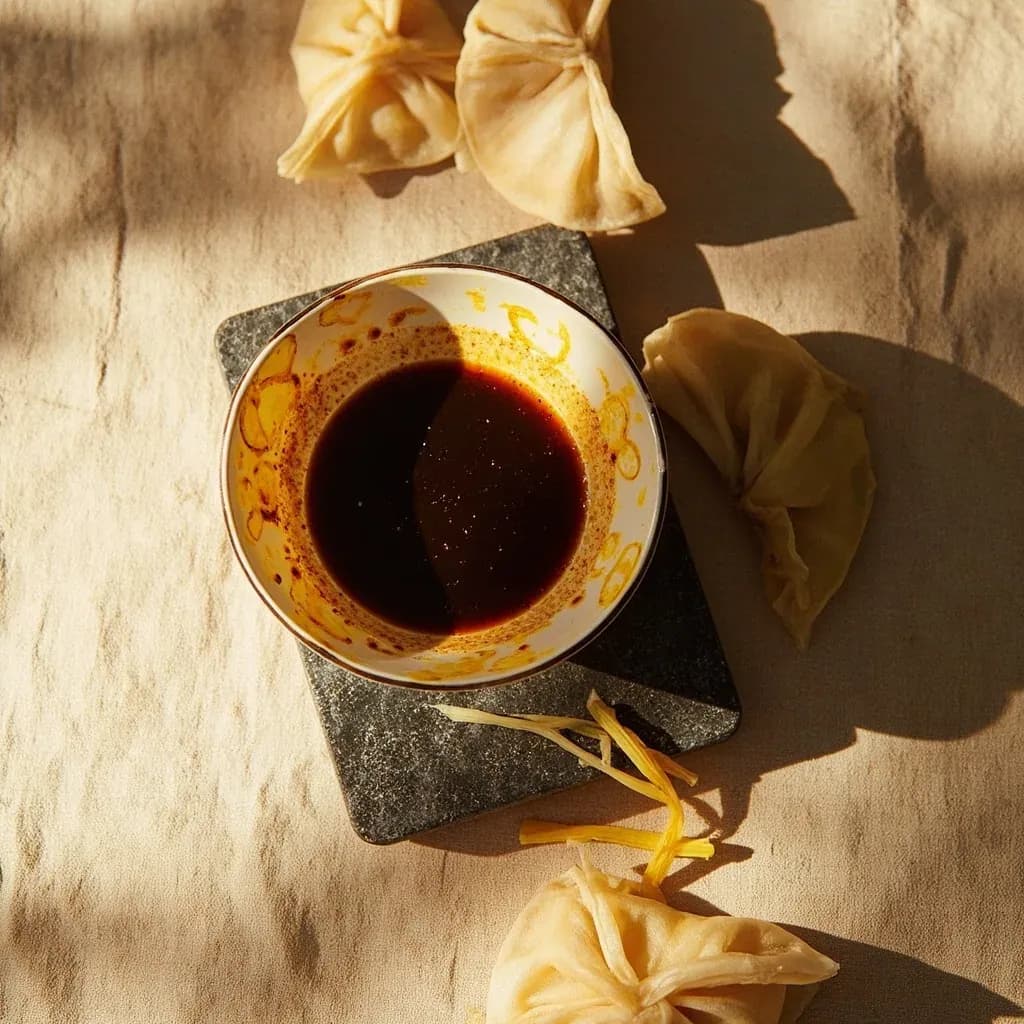
Chinkiang Black Vinegar
Malty, smoky aged Chinese rice vinegar with low sharpness; the tang behind dumpling dips and red-braises—stir in at the end so its mellow aroma is not boiled away.
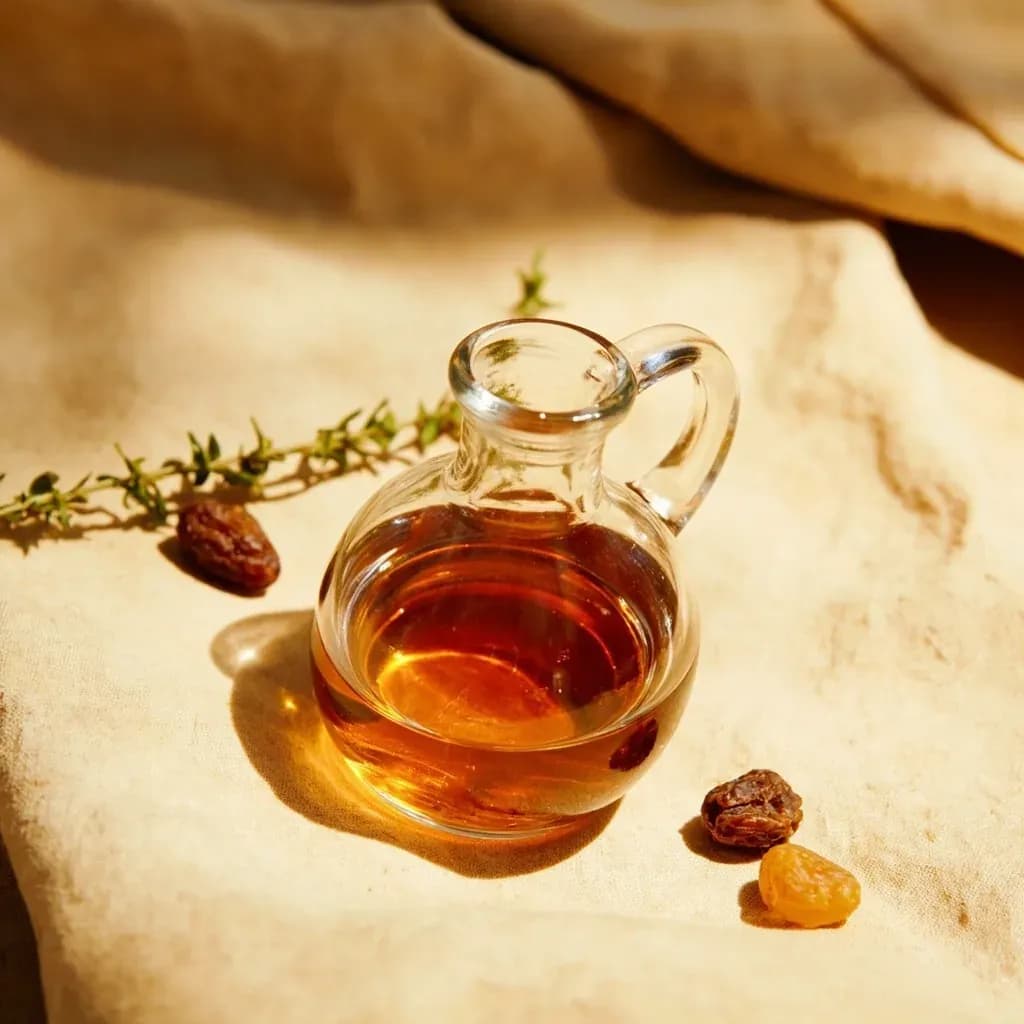
Sherry Vinegar
Barrel-aged Spanish vinegar, nutty and rounded with raisin notes; brightens gazpacho, pan sauces, and vinaigrettes without the harsh bite of plain wine vinegar.
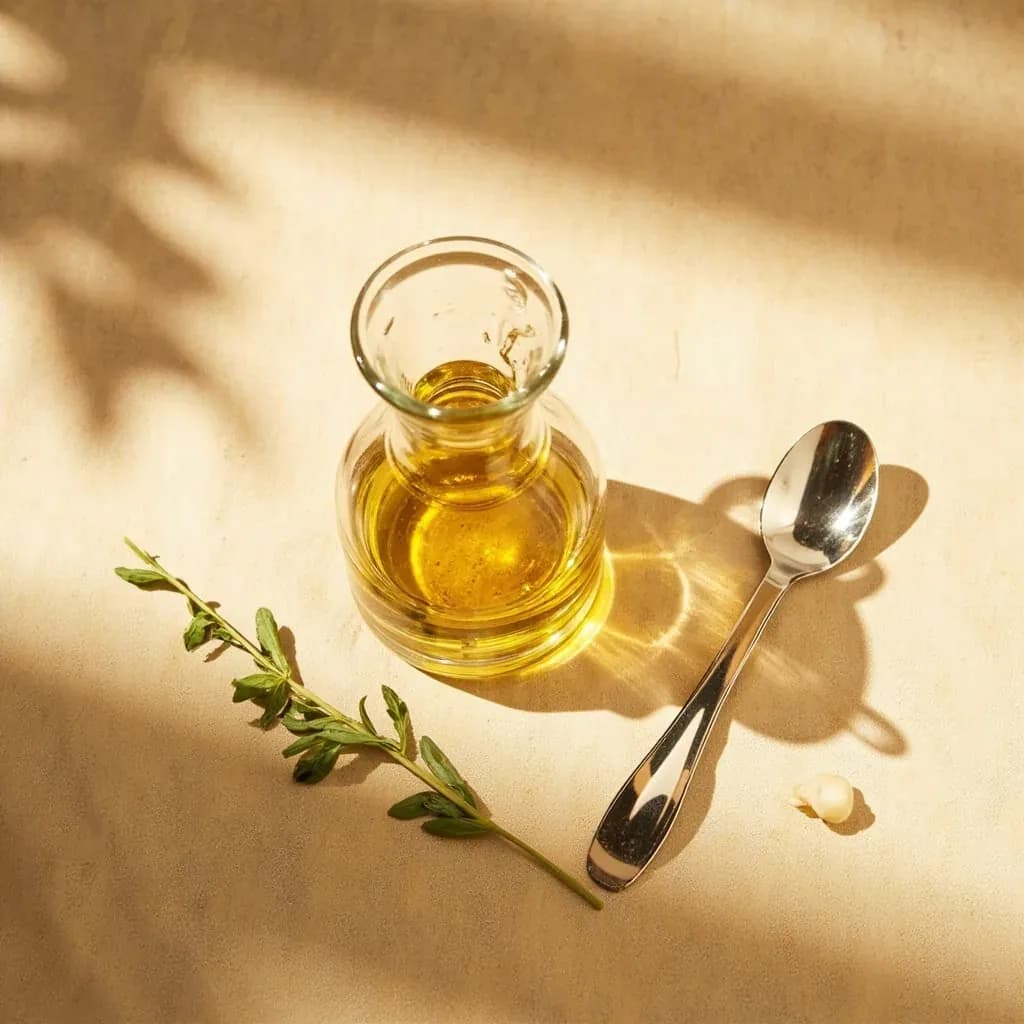
White Wine Vinegar
Bright, mild wine vinegar for vinaigrettes, beurre blanc, hollandaise, and quick pickles where you want acidity without the harsh bite of distilled white vinegar.
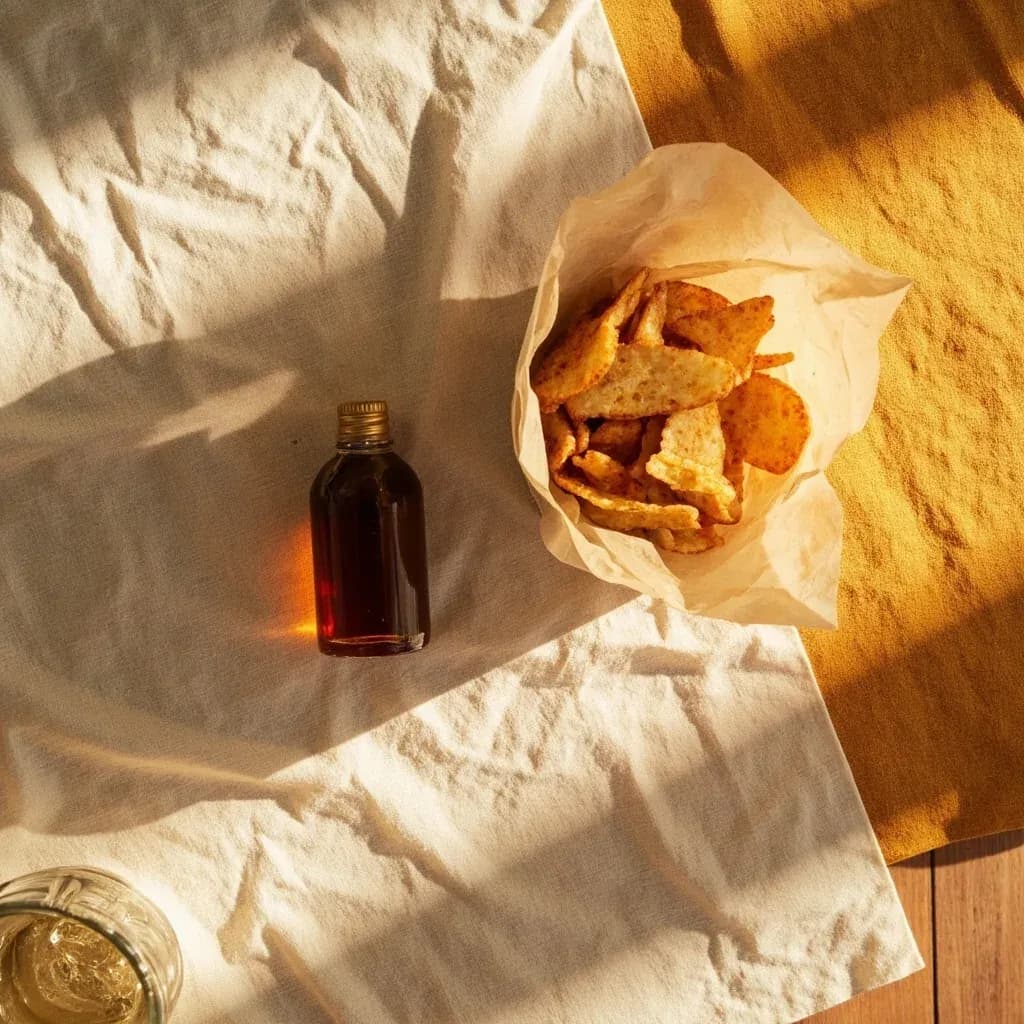
Malt Vinegar
Dark, malty barley vinegar with a robust toasty tang — the classic splash for fish and chips, chip-shop chips, and British pickled onions and chutneys.