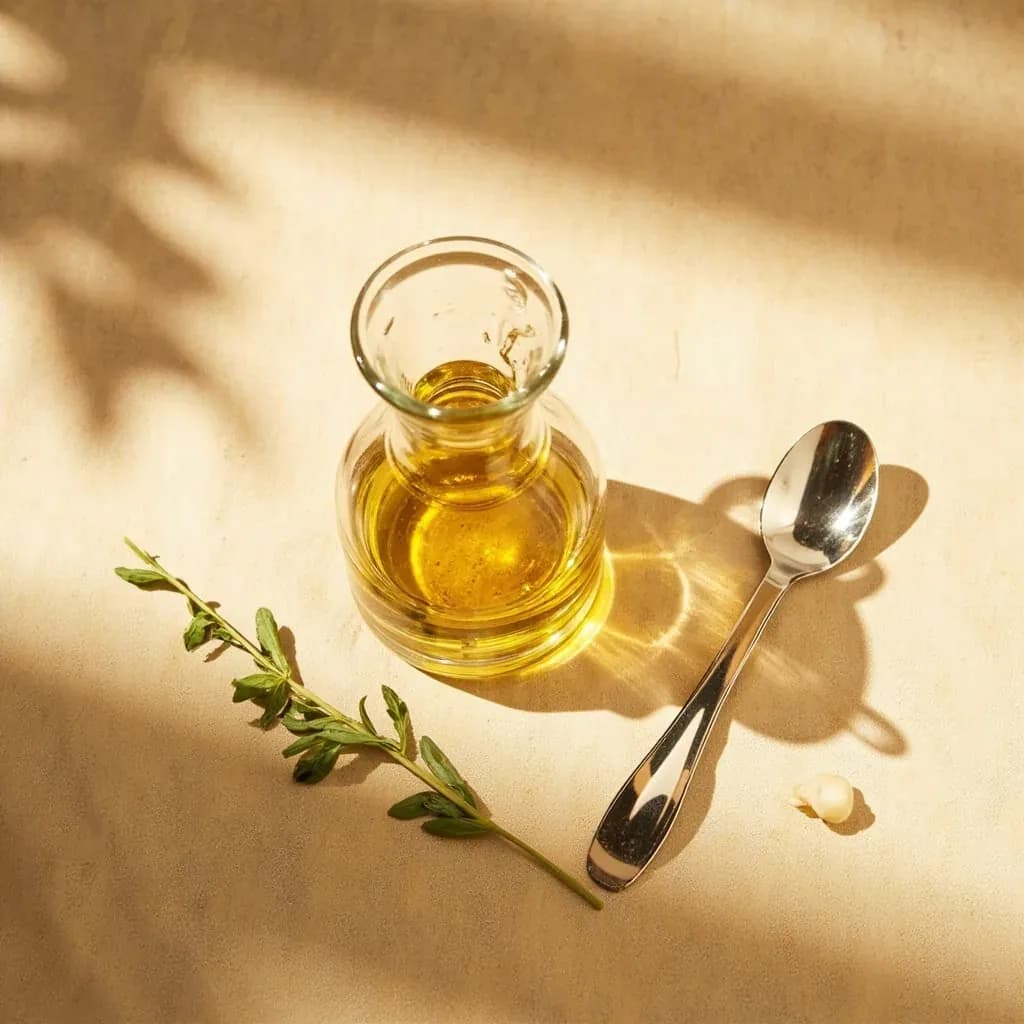
Vinegars
White Wine Vinegar
Bright, mild wine vinegar for vinaigrettes, beurre blanc, hollandaise, and quick pickles where you want acidity without the harsh bite of distilled white vinegar.
White wine vinegar is fermented white wine, fully converted to acetic acid by Acetobacter bacteria and bottled at typically 5 to 7 percent acidity. Unlike distilled white vinegar, which is a neutral industrial acid with no aroma, it carries a quiet wash of fruit from its base wine — usually a neutral dry white such as chardonnay, sauvignon blanc, or pinot grigio — and a soft, rounded finish that reads far gentler on the tongue. That combination of clean acidity and gentle aroma is what makes it the everyday acid of French and Italian kitchens.
In the pan, it behaves like a tempered version of wine: it lifts and brightens, dissolves browned fond during a deglaze, and stabilizes fragile emulsions like hollandaise and beurre blanc, where the egg yolks and butter need real acid to hold together. It is mild enough to use confidently raw — in a vinaigrette, over sliced tomatoes, or splashed onto hot roasted vegetables — without flattening the dish. As a rule of thumb, treat the delicate, pricier bottles as finishing and dressing vinegar, and keep the everyday bottle for cooked sauces and pickling where heat and other flavors will mask some of its nuance.
The difference between a forgettable bottle and a vivid one is mostly about the base wine and the fermentation method. Traditional Orléans-method vinegar ferments slowly in wood, picking up faint vanilla and nut notes; industrial submerged-culture vinegar ferments in days and tastes cleaner but leaner. Both work, but the slow-aged bottle has more to say.
- Measured in
- ml
- Storage
- Pantry
Find it in
Suits
Types & varieties
The everyday standard; clean, light, and balanced, and the workhorse of French vinaigrettes and pan sauces.
Made from wines of the Champagne region; finer, more delicate, and noticeably more expensive. The premium style, best saved for raw applications.
Often a touch softer and rounder than the French version; common in Italian dressings and marinades.
Matured in oak, gaining faint vanilla and nut notes and a rounder, mellower acidity.
French tarragon-steeped versions shortcut the herbaceous flavor of béarnaise and poulet à l'estragon.
Retains a small amount of the mother culture; subtle depth and a slight cloudiness in the bottle.
In the kitchen: acid, fruit, and balance
White wine vinegar's job in most recipes is to balance fat, salt, and sweetness without announcing itself. It pulls double duty in emulsions: in a vinaigrette it helps Dijon mustard suspend oil in the water-based vinegar; in a beurre blanc it keeps the butter from breaking away from the reduction. The fruit in the base wine means you usually do not need to add wine separately — the vinegar carries both acidity and a whisper of fermentation flavor in a single ingredient.
Heat is its main weakness. A long boil drives off the volatile aromatics and leaves only the acid, which is why it belongs at the end of a sauce or in cold preparations. A useful sequence for pan sauces: deglaze with dry white wine, reduce, mount with butter, and finish with a fresh splash of vinegar off the heat. The acid lands on the tongue but the fruit survives, and the sauce tastes brighter than if the vinegar had cooked in from the start.
Common uses
Tips & pitfalls
- Never substitute distilled white vinegar one-for-one in raw applications — it lacks the fruity softness and will read harsh in a vinaigrette or on a salad.
- Add it at the end of cooking or in cold preparations; a long boil drives off the aromatics and leaves only flat acidity.
- If a recipe calls for champagne vinegar, a good French or Italian white wine vinegar is a fine stand-in, and the reverse holds true for most dressings.
- When making a beurre blanc, treat acid and butter as a balance — too much vinegar or too much butter, and the emulsion will break; taste as you go.
- For a quick pickle, blanch shallots or onions briefly in the vinegar first to mellow their raw bite before they go into the jar.
- An opened bottle keeps for years, but transfer the remainder to a smaller bottle as you use it; less air means fresher fruit notes.
- Taste the vinaigrette before salting — vinegar strength varies by brand, and your perception of salt shifts with the acid level.
- Use it to slow browning on cut pears and apples, and to keep poached pears pale; the acid slows oxidation.
Nutrition
Energy
79 kJ · per 100 g
Where the calories come from
Protein
0g
0% DV
Carbs
0.3g
0% DV
Fat
0g
0% DV
Fiber
0g
0% DV
Sugars
0g
of which
Sodium
8mg
0% DV
Source · USDA FoodData Central · Vinegar, red wine
View on FDC →In the shops
Matched grocery products
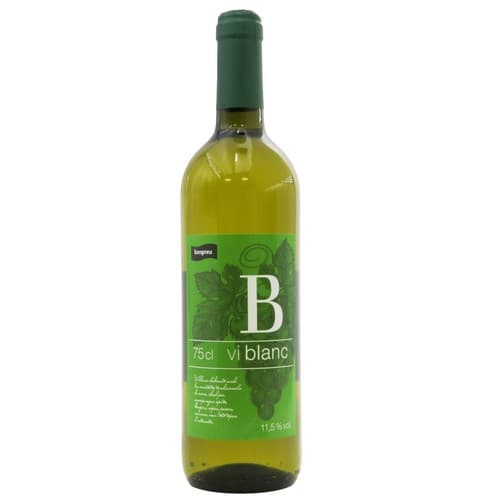 €1.49
€1.49White Wine
BONPREU · l · Bonpreu
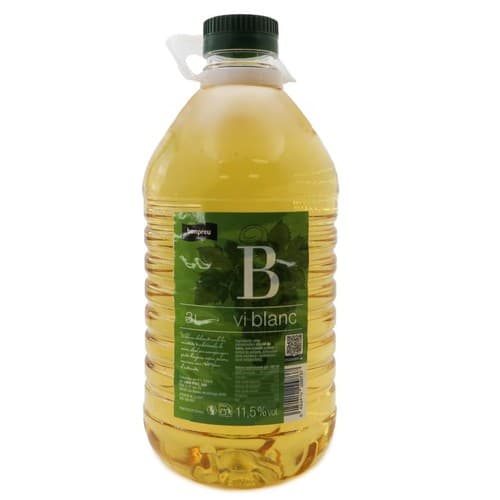 €4.49
€4.49White Wine
BONPREU · l · Bonpreu
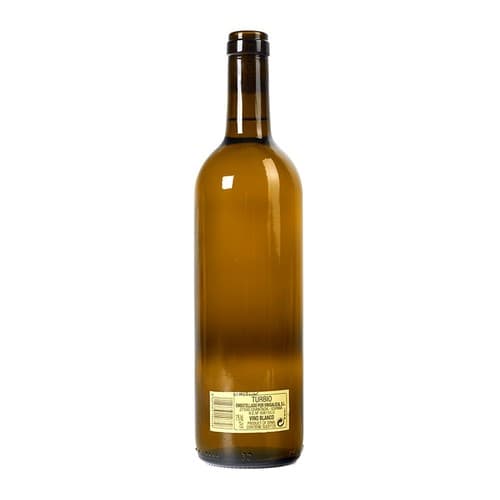 €1.79
€1.79Turbio White Wine
TURBIO · l · Bonpreu
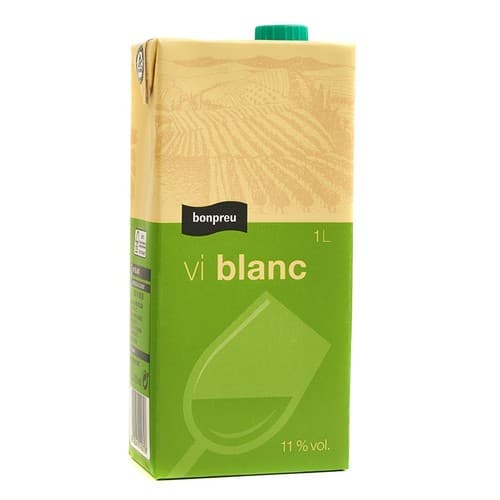 €0.95
€0.95BONPREU White Wine
BONPREU · l · Bonpreu
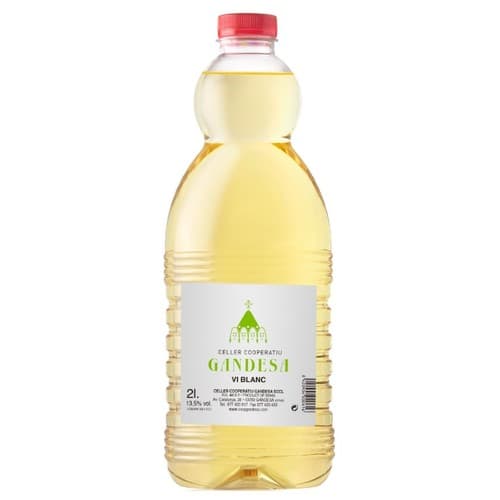 €4.95
€4.95GANDESA White Wine
GANDESA · l · Bonpreu
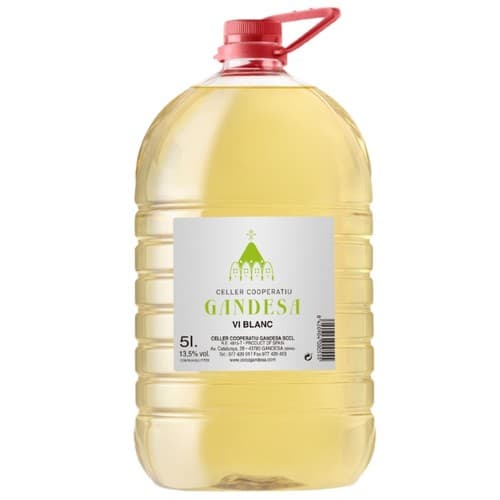 €10.99
GANDESA White Wine
GANDESA · l · Bonpreu
Good to know
- Type
- Fermented vinegar made from white wine
- Typical acidity
- 5–7% (check the label; some craft brands run higher)
- Color
- Pale straw to clear; unfiltered versions may show a faint cloud or sediment
- Flavor profile
- Light, crisp, slightly fruity; milder and more aromatic than distilled white vinegar
- Common base wines
- Chardonnay, sauvignon blanc, pinot grigio, and other neutral dry whites
- Storage
- Sealed bottle in a cool, dark pantry; essentially indefinite shelf life
- Quality cue
- Products listing the wine of origin and bottling region tend to be the more flavorful, slower-made style
Substitutes
- Champagne vinegar — The closest match in delicacy; use equal amounts, especially in raw dressings.
- Unseasoned rice vinegar — Clean and mild; works one-to-one in vinaigrettes and pickles, though it lacks the fruity depth.
- Dry sherry vinegar — Excellent in cooked sauces and Spanish-style dishes; slightly nuttier, so use about 75% of the amount.
- Fresh lemon juice — Best for finishing fish, leafy salads, and quick pickles; not a match for long-cooked sauces.
- Apple cider vinegar — A last resort in cooked applications; it is far more assertive and fruitier in a different way — start with about half the amount and taste.
- Reduced dry white wine — In pan sauces, reducing dry white wine by roughly half concentrates acidity and adds similar fruit notes, though without the sharpness of finished vinegar.
Pairs with
Also called
wine vinegar