
Natural form
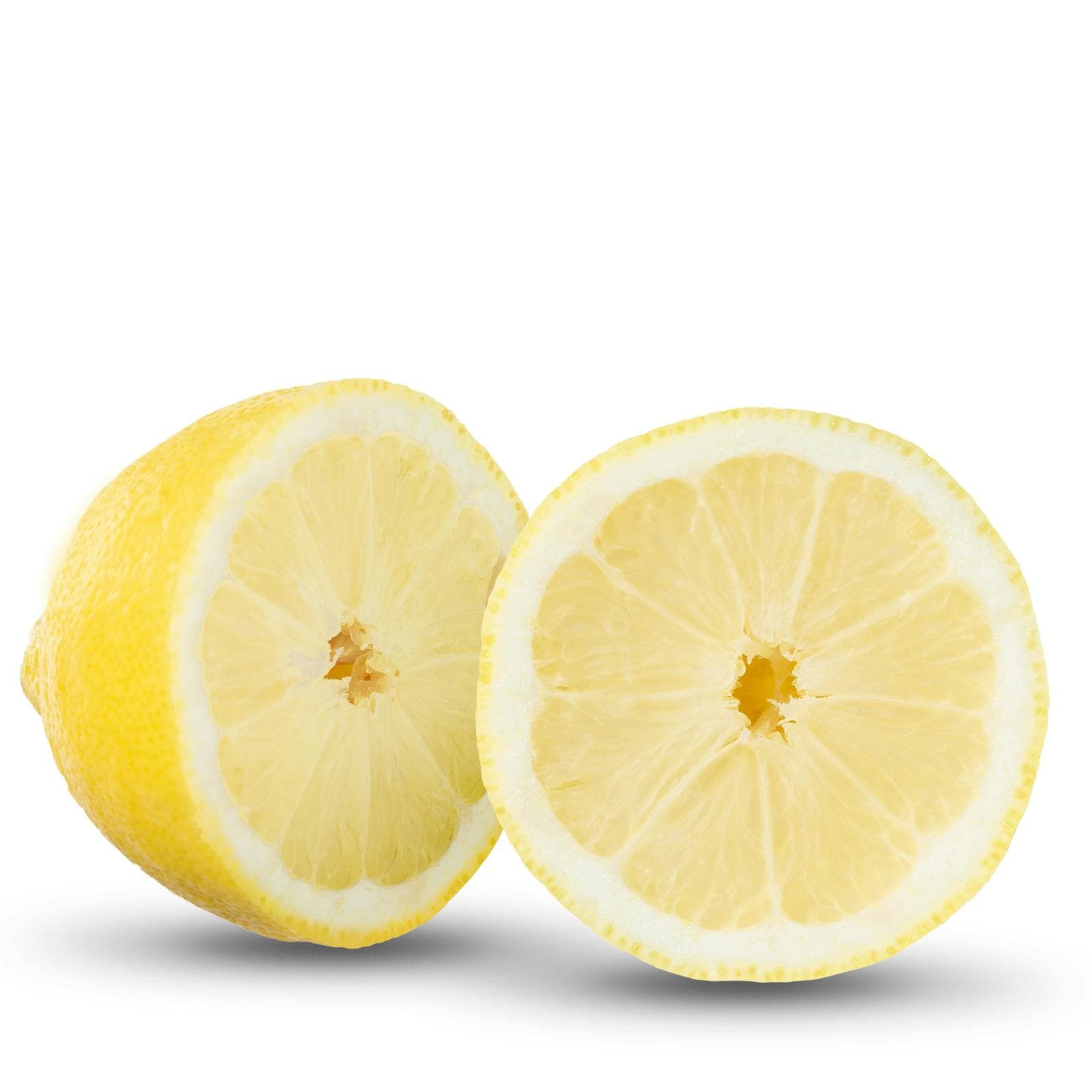
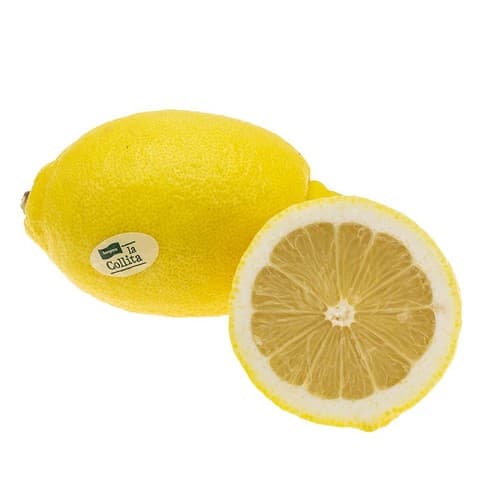
Fresh whole lemons, the source of bright, tart lemon juice used in cooking.
Shows lemon juice at its source — whole fruit alongside a cut half — teaching readers exactly what ingredient produces it and what fresh juice looks like.
Produce
Lemon Juice
Bright, acidic citrus juice used to season, brighten and balance dishes.
Lemon juice is the tart, fragrant liquid squeezed from fresh lemons, used universally to add acidity and brightness. It seasons dressings, marinades, sauces, fish and desserts, balances rich and fatty flavors, and prevents cut produce from browning. Freshly squeezed has a livelier flavor than bottled.
Lemon juice is the pressed liquid extracted from the citrus fruit Citrus limon, prized in cooking primarily for its citric acid content (5–6% by weight). Unlike lemon zest, which contains aromatic essential oils stored in microscopic oil glands, juice delivers clean, sharp acidity without volatile aromatics — making it the go-to tool for brightening, balancing, and seasoning rather than perfuming. Its high acidity (pH 2.0–2.6) makes it functionally distinct from other seasonings: it can denature proteins, chelate metal ions, prevent enzymatic browning, and activate leavening agents in ways that salt, fat, or herbs cannot replicate. This dual role — as both a flavor agent and a functional cooking ingredient — places lemon juice among the most versatile tools in any kitchen. Freshly squeezed juice loses approximately 30% of its vitamin C within 24 hours, and its flavor compounds degrade rapidly, which is why professional cooks squeeze lemons at the last possible moment and store juice in airtight non-reactive containers.
- Measured in
- ml
- Storage
- Fridge
Types & varieties
Dominant commercial variety; few seeds, thin skin, year-round production, ~50% juice by weight
Very similar to Eureka; slightly thicker skin, peak in winter; high juice content
Hybrid (lemon × orange); thinner skin, sweeter, less acidic, more floral; ~40% less citric acid than Eureka/Lisbon; more fragile
Spanish variety; very few seeds, high juice yield, excellent for juice production
Italian variety; good juice content; mid-to-late season
Typically from Eureka or Lisbon; pasteurized; may contain sulfites; consistent acidity but flattened flavor
Fresh Juice vs. Bottled: When Each Matters
The difference between fresh-squeezed and bottled lemon juice is not merely a matter of preference — it is a functional distinction. Fresh juice contains volatile aromatic compounds that degrade within hours of pressing, along with citric acid in its natural state. Bottled juice is heat-pasteurized, which kills those fragile aromatics and often adds preservatives (sodium benzoate, potassium metabisulfite) to extend shelf life. The result is a flatter, more uniformly acidic liquid suitable for tasks where brightness matters less than function: canning, cleaning, or acidic cooking tasks where you need volume rather than nuance. Always use freshly squeezed juice for finishing — the moment you squeeze it over grilled fish, a salad, or a finished sauce is precisely when its brightness performs. For cooking applications where lemon juice simmers or melds (braises, long-simmered sauces, marinades that cook), bottled juice is acceptable since the aromatic compounds would cook off anyway.
- Reserve fresh juice for finishing and raw applications
- Bottled juice acceptable for cooked preparations and canning
- Bottled juice is slightly more acidic per volume — add ~25% more when substituting for fresh in recipes
Understanding Acid Function in Cooking
Citric acid is a tribasic acid, meaning it can donate three hydrogen ions per molecule, though it typically donates only two in food systems. This has practical consequences: it chelates (binds to) metal ions like iron and copper, which makes it useful for preventing discoloration in plant tissues and for destabilizing certain proteins. In leavening, citric acid reacts with baking soda to produce carbon dioxide bubbles — this is why some baking powders are acid-leavened. The acid also denatures surface proteins in meat and seafood, which is the mechanism behind ceviche; acid denaturation works at any temperature, though higher temperatures accelerate the reaction. Cold temperatures are used in practice primarily for food safety — refrigeration slows bacterial growth while the acid denatures proteins. Understanding these functions helps you deploy lemon juice precisely rather than reaching for it instinctively whenever a dish needs brightness.
- Citric acid denatures proteins effectively at any temperature, but refrigeration is essential for food safety during prolonged marination
- Acid chelates metal ions, which prevents enzymatic browning in cut produce
- For maximum leavening reaction, use acid and baking soda together at the moment of mixing
Common uses
Tips & pitfalls
- Roll whole lemons firmly on the counter before juicing — this breaks internal membranes and can increase juice yield by 25%
- Always juice lemons at room temperature; cold lemons yield significantly less juice
- Use a handheld reamer or citrus press rather than electric juicers, which extract bitter compounds from the white pith
- Strain juice through a fine-mesh strainer to remove seeds and excess pulp for sauces and cocktails
- Meyer lemon juice is not a 1:1 substitute for regular lemon juice — it is sweeter and less acidic; use about 1.5× to achieve equivalent acidity
- Adding lemon juice to milk-based soups or sauces will cause curdling — add at the end, off heat, or use acid-stable starches
- Overuse in marinades can make meat mushy at the surface — limit acid marinating to 30 minutes for thin cuts
- For maximum vitamin C retention, use juice immediately and store in airtight non-metal containers
- Bottled juice is more acidic per volume than fresh — when substituting, add approximately 25% more than the recipe specifies
Nutrition
Energy
92 kJ · per 100 g
Where the calories come from
Protein
0.4g
1% DV
Carbs
6.9g
3% DV
Fat
0.2g
0% DV
Fiber
0.3g
1% DV
Sugars
2.5g
of which
Sodium
1mg
0% DV
Source · USDA FoodData Central · Lemon juice, raw
View on FDC →In the shops
Matched grocery products
 €0.69
€0.69Lemon
230 g · Mercadona
 €2.70
€2.70Lemons
1 kg · Mercadona
 €0.40
€0.40Lemon 1 unit
ud · Bonpreu
 €0.59
€0.59Lemon 1 unit
Bonpreu
 €0.88
€0.88Lemon 1 unit
ud · Bonpreu
 €3.19
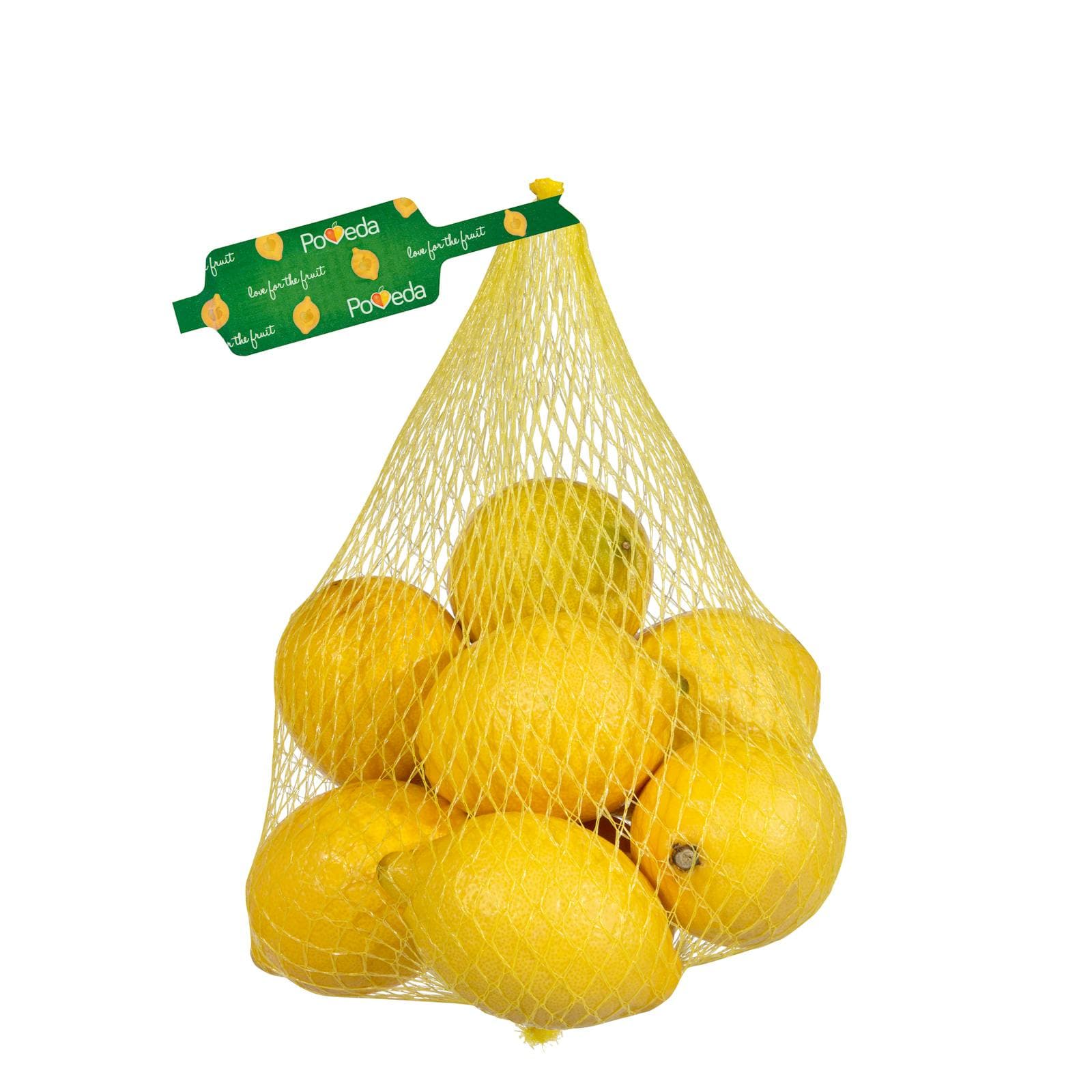
€3.19Lemon Mesh Bag 1 kg
LA COLLITA · kg · Bonpreu
Good to know
- Primary Acid
- Citric acid (~5–6% by weight); also contains ascorbic acid (vitamin C)
- pH Range
- 2.0–2.6 (highly acidic)
- Juice Yield
- Approximately 2–3 tablespoons per average lemon (48–72 ml per 100g fruit)
- Peak Season
- Year-round; peak in winter months (November–March in Northern Hemisphere)
- Fresh Storage
- Room temperature ~1 week; refrigerated 3–4 weeks
- Fresh Juice Storage
- Refrigerated 2–3 days; freeze in ice cube trays up to 4 months
- Vitamin C Loss
- Freshly squeezed loses ~30% vitamin C within 24 hours; heat-pasteurized juice loses more
- Commercial Origin
- California (85% of U.S. production); major global producers: Spain, Italy, Greece, Turkey, Mexico, Argentina
Substitutes
- Lime Juice — Closest flavor profile; slightly more acidic; use 1:1; not interchangeable in dishes where citrus variety matters aesthetically
- White Wine Vinegar — Use ½ the amount of lemon juice specified; more acidic, less aromatic; good in dressings and canning
- Apple Cider Vinegar — Milder acidity, distinct fruity flavor; use ½ to ¾ the amount; works in dressings and pickles
- Citric Acid Solution — ¼ tsp crystallized citric acid ≈ 2 tbsp lemon juice; neutral flavor; useful for canning and precise acidity control
- Champagne Vinegar — Subtler, more refined acidity; use sparingly; good in delicate sauces and emulsions
- Bottled Lemon Juice — Acceptable when fresh is unavailable; more acidic per volume than fresh; add ~25% more than fresh juice recipe calls for
Pairs with
Also called
Fresh Lemon Juice
Appears in these dishes




Related
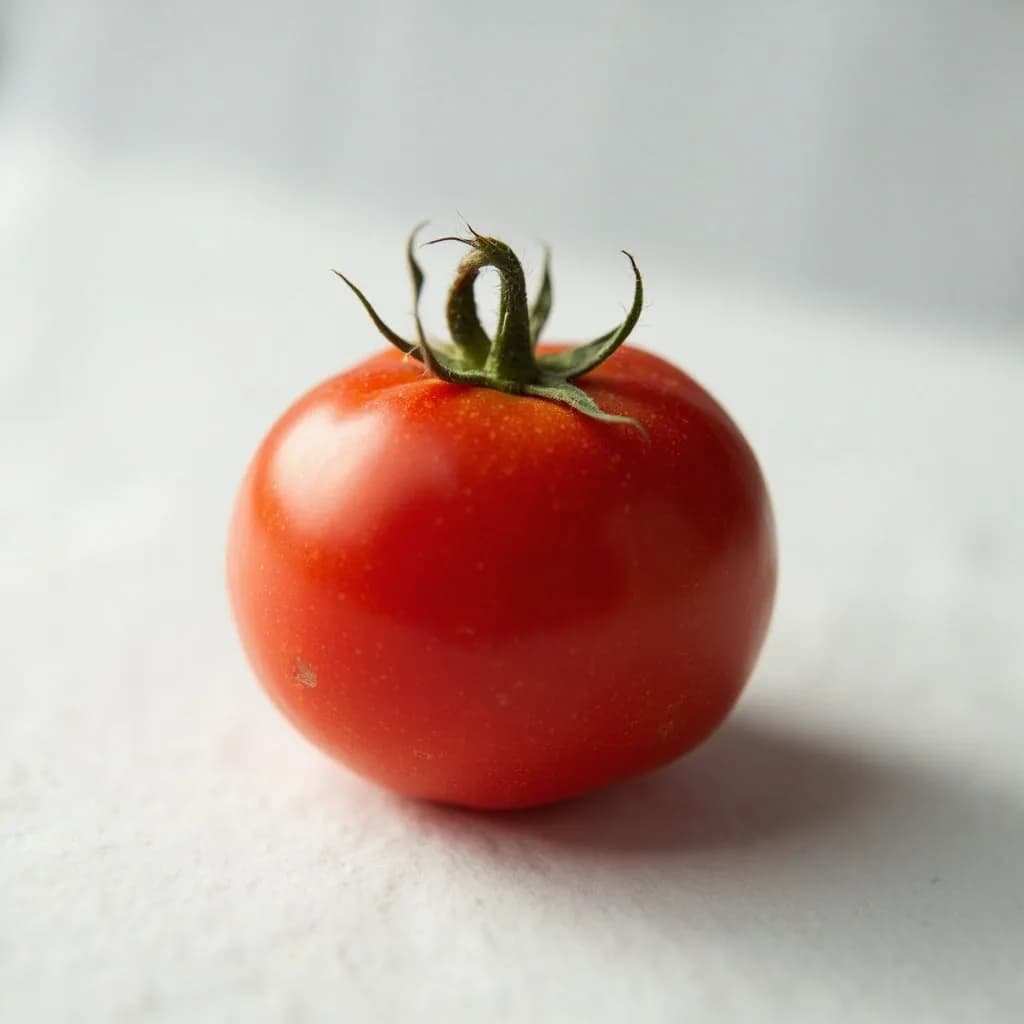
Tomato
Juicy, sun-sweet fruit for sauces, salads, and slow-cooked depth
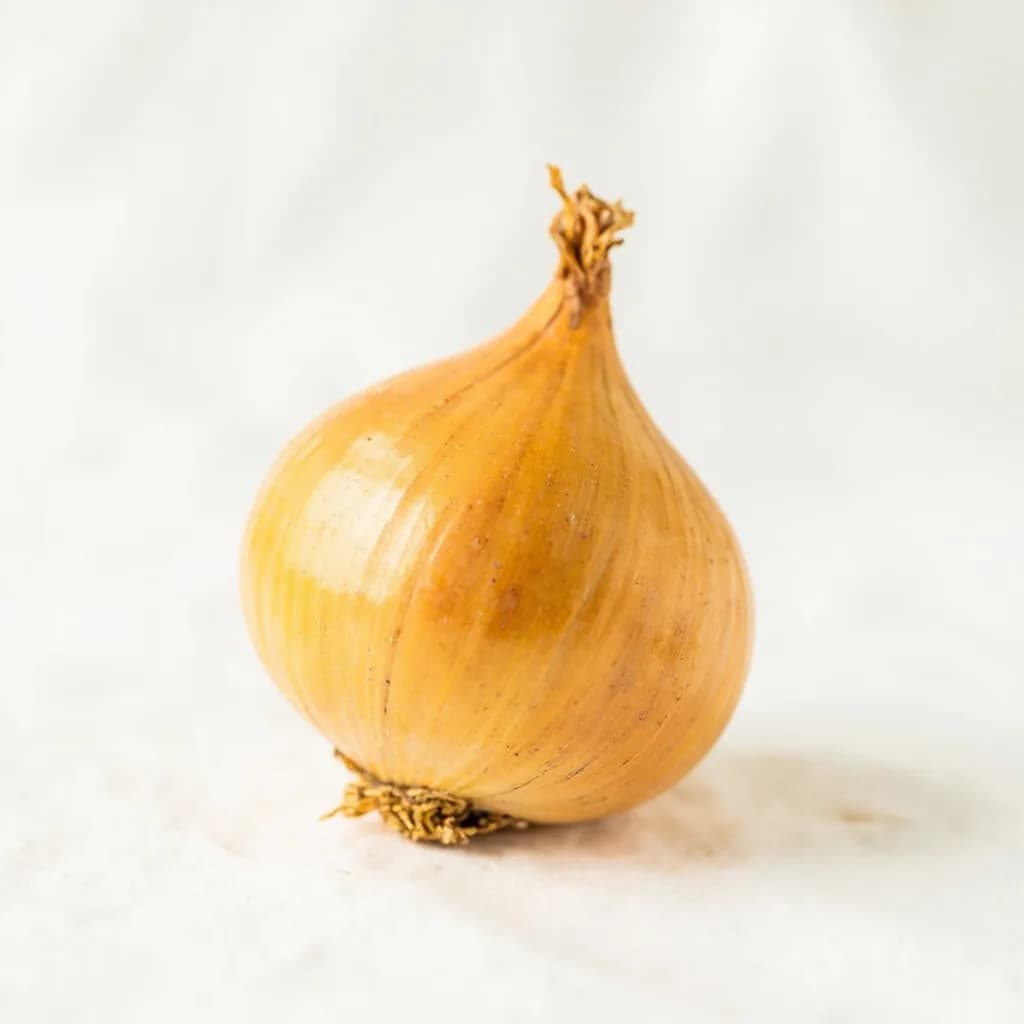
Yellow Onion
The aromatic backbone of soups, sofritos, and braises
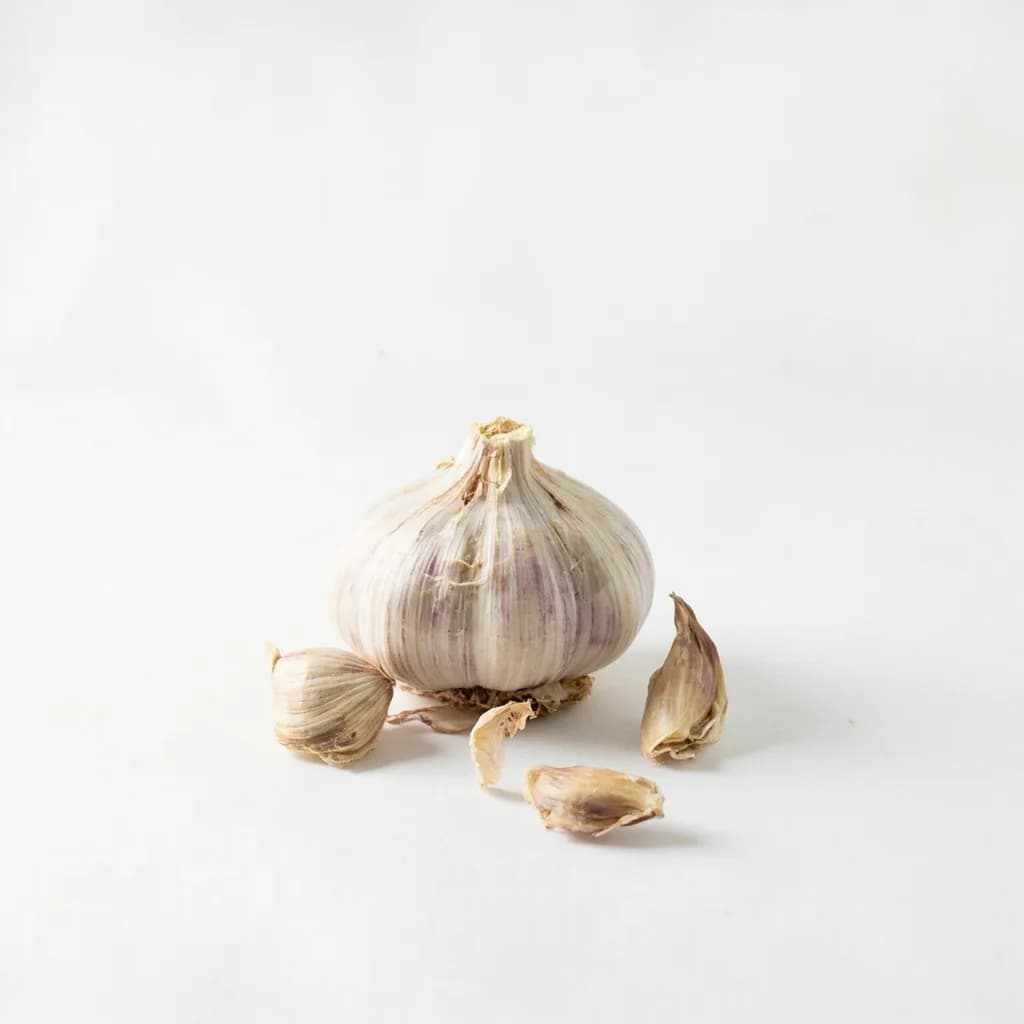
Garlic
Pungent cloves that perfume nearly every savory dish
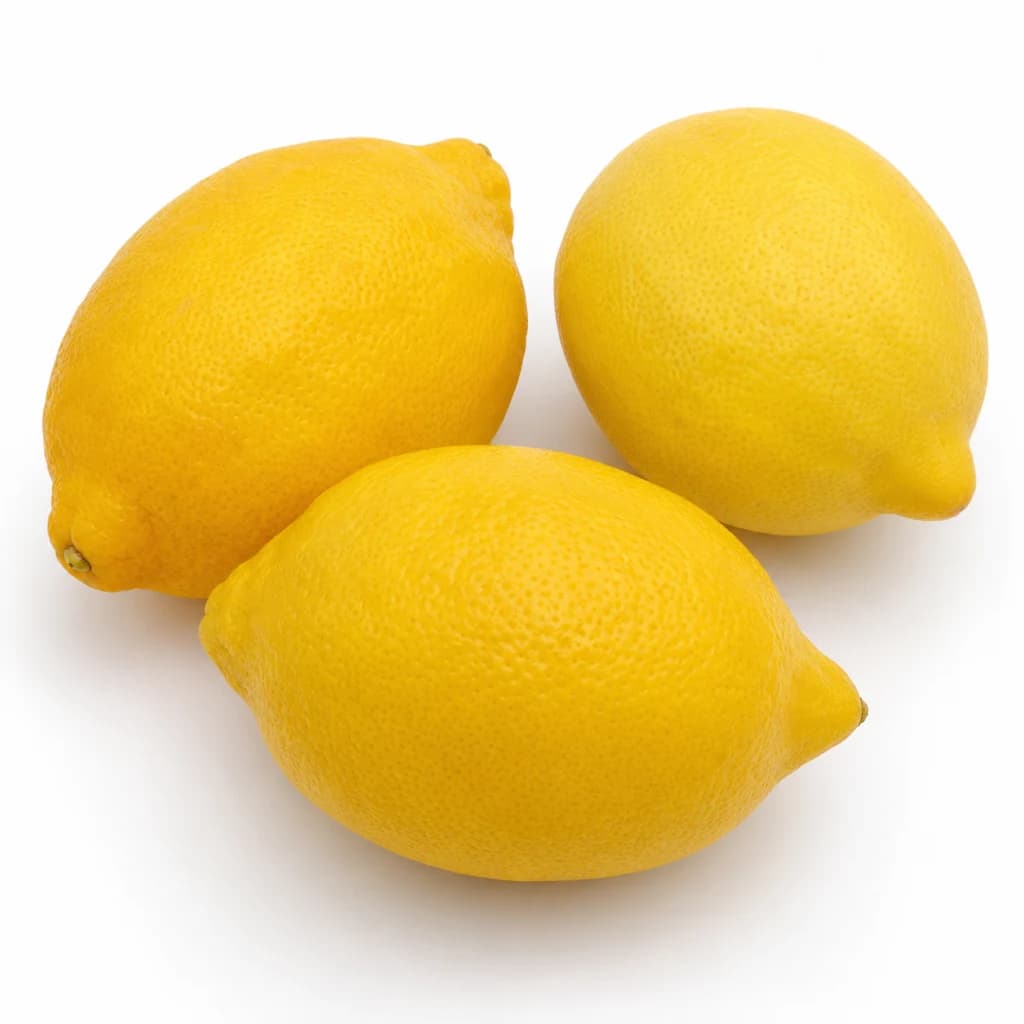
Lemon
Bright, acidic citrus that wakes up almost any dish
Potato
Humble, hearty staple — roast, mash, fry, or boil
Carrot
Sweet, crunchy root — raw, roasted, or the base of a sofrito

Cucumber
Cool, crisp, and watery — for salads, pickles, and tzatziki

Lettuce
Crisp leaves for salads, wraps, and a fresh crunch