
Natural form
Meyer lemons whole: deep yellow, smooth thin skin, rounder than a common lemon.
Shows the defining visual identity — color, shape, and skin texture that distinguish Meyer lemons from standard lemons.
Produce
Meyer Lemon
Sweeter, thin-skinned lemon-mandarin hybrid with floral, low-acid flavor.
The Meyer lemon is a hybrid of a lemon and a mandarin, with smooth, thin, deep-yellow skin and a sweeter, more floral, less acidic juice than common lemons. Its fragrant zest and mellow juice are favored in desserts, dressings, and preserves. The whole fruit, including the tender peel, can be used.
The Meyer lemon is a natural hybrid between a lemon (Citrus limon) and a mandarin orange (Citrus reticulata), first documented in China and introduced to the United States in 1908 by Frank N. Meyer, a plant explorer for the USDA. Its thin, smooth, golden-yellow skin with a faint orange tint is fully edible and notably lacks the bitter pith that makes conventional lemon peel difficult to use. The flesh is more orange-tinged than standard lemons, and the juice carries significantly lower acidity—roughly 4–5% citric acid compared to 6–8% in Eureka or Lisbon varieties—along with a sweeter, floral character and subtle mandarin-orange notes.
The hybrid's dual parentage shapes its kitchen behavior in important ways. The floral aromatics are concentrated in the zest, making it one of the most valuable applications, but these delicate compounds are heat-labile and dissipate within 10–15 minutes of cooking. The reduced acidity means Meyer lemon juice is less likely to curdle dairy or overwhelm delicate proteins, making it ideal for raw preparations, gentle pan sauces, and sweet applications where standard lemon would compete aggressively with sugar. The fruit remained obscure in American kitchens until the 1990s, when chef Nancy Silverton championed it and the University of California released a virus-free Improved Meyer clone, transforming it from a niche home-garden curiosity into a supermarket staple.
- Measured in
- piece
- Storage
- Fridge
Types & varieties
Virus-free clone released by the University of California in the 1990s; now standard commercial variety with cleaner flavor and more vigorous trees. This is what you find in stores.
The original introduction carried the Citrus Tristeza virus; still exists in older plantings and some home gardens. Flavor profile is the same, but trees are less productive. Increasingly rare in commerce.
Common uses
Tips & pitfalls
- Always wash and dry before zesting—the thin skin absorbs wax and pesticide residues more readily than thick-skinned conventional lemons
- Use zest liberally; it carries the floral aromatics that the juice alone cannot deliver, and the thin skin is not bitter like pith-heavy conventional lemon peel
- Do not overcook in savory applications—high heat dissipates the delicate floral notes within 10–15 minutes; add late or use raw
- Juice at room temperature (or microwave 10–15 seconds)—cold Meyer lemons yield significantly less juice than room-temperature fruit
- When substituting for standard lemon juice in a recipe, reduce quantity by roughly one-quarter to avoid excessive sweetness
- Common mistake: using Meyer lemon where the recipe depends on bright, aggressive acidity (some cake glazes, preserved lemons for tagines); use Eureka or Lisbon instead
- Store refrigerated for 2–3 weeks; room temperature is fine for only 1 week. Bring to room temperature before juicing for maximum juice extraction
- For maximum juice extraction, roll the fruit firmly under your palm on a counter before cutting—no need to cut at all if using a reamer
Nutrition
Energy
197 kJ · per 100 g
Where the calories come from
Protein
1.5g
3% DV
Carbs
16g
6% DV
Fat
0.3g
0% DV
Fiber
10.6g
38% DV
Sugars
4.2g
of which
Sodium
6mg
0% DV
Source · USDA FoodData Central · approx. Lemon peel, raw
View on FDC →In the shops
Matched grocery products
 €0.69
€0.69Lemon
230 g · Mercadona
 €2.70
€2.70Lemons
1 kg · Mercadona
 €0.40
€0.40Lemon 1 unit
ud · Bonpreu
 €0.59
€0.59Lemon 1 unit
Bonpreu
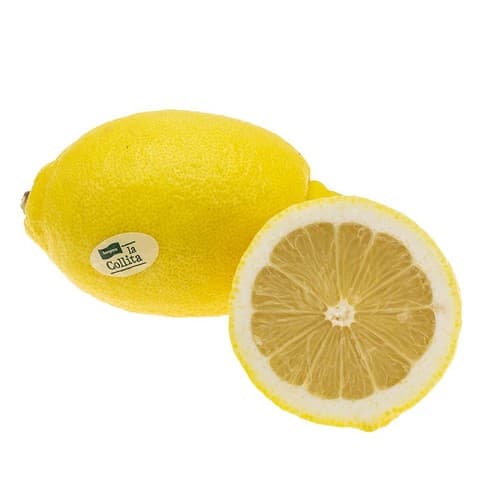 €0.88
€0.88Lemon 1 unit
ud · Bonpreu
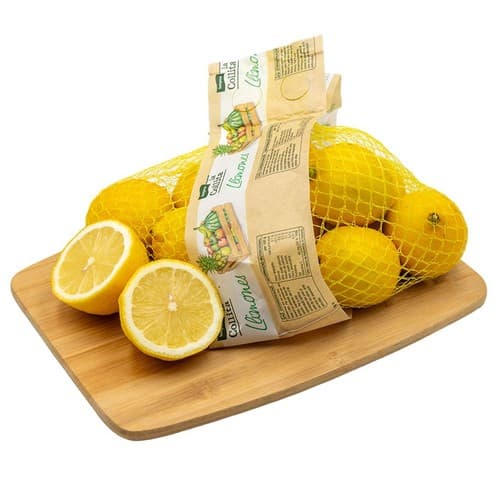 €3.19
€3.19Lemon Mesh Bag 1 kg
LA COLLITA · kg · Bonpreu
Good to know
- Hybrid parentage
- Lemon (C. limon) × Mandarin orange (C. reticulata)
- Scientific name
- Citrus × meyeri
- Peak season
- November through March (California); somewhat year-round commercially
- Acidity
- ~4–5% citric acid vs. 6–8% for Eureka/Lisbon; significantly less tart
- Skin
- Thin, smooth, fragrant, golden-yellow with orange tint; fully edible, minimal bitter pith
- Juice yield
- ~30–35% juice by weight; slightly more juicy than standard lemons
- Storage (refrigerated)
- 2–3 weeks; bring to room temperature before juicing for maximum yield
Substitutes
- Eureka or Lisbon lemon — More acidic and tart; use 20–25% less juice; lacks the floral mandarin notes. Fine for most cooked applications but too aggressive for raw preparations or desserts.
- Mandalina or clementine — Closest for the mandarin note; lacks lemon acidity entirely. Better for sweet applications than savory; you may need to add a squeeze of regular lemon juice for balance.
- Regular lemon zest + juice with a pinch of orange zest — Approximates the hybrid flavor profile by combining the two parent species. Use roughly 3/4 lemon to 1/4 orange by volume of zest, and standard lemon juice with a splash of orange juice.
Pairs with
Related
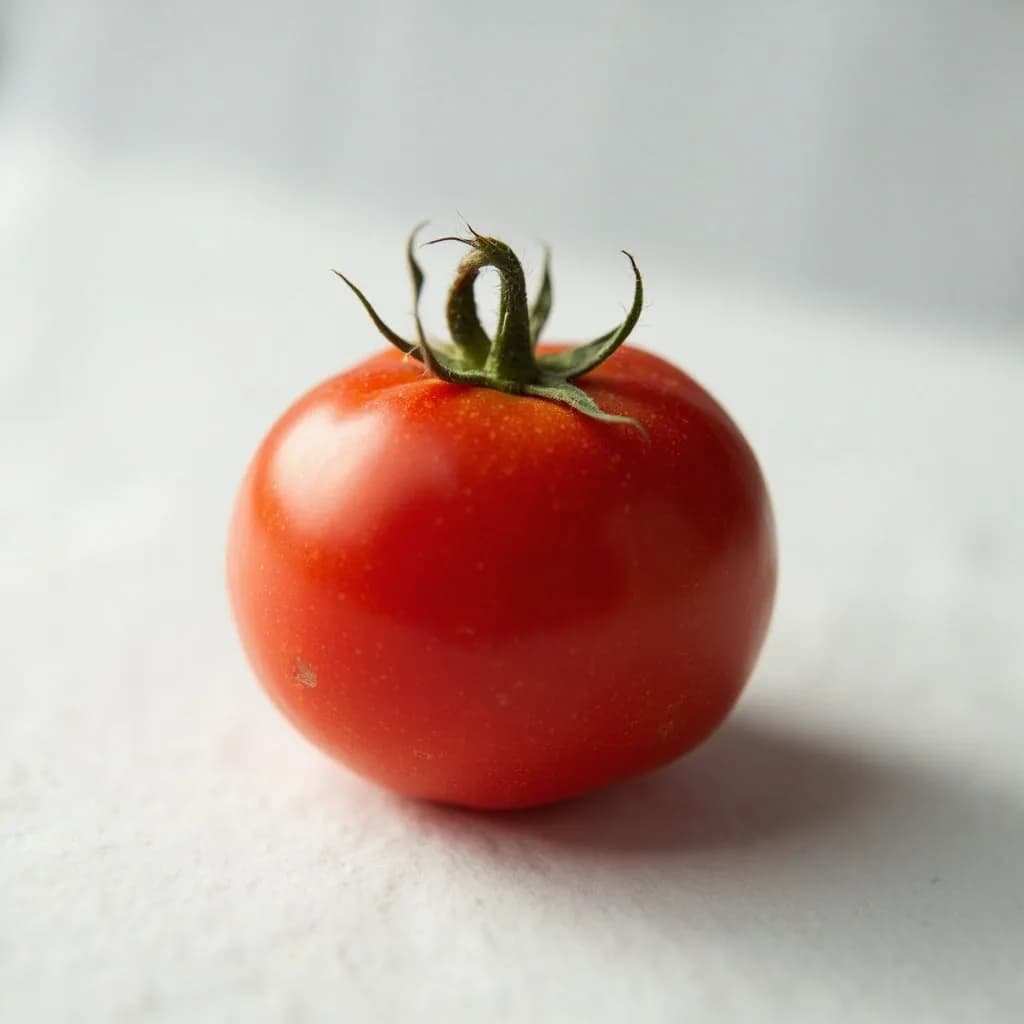
Tomato
Juicy, sun-sweet fruit for sauces, salads, and slow-cooked depth
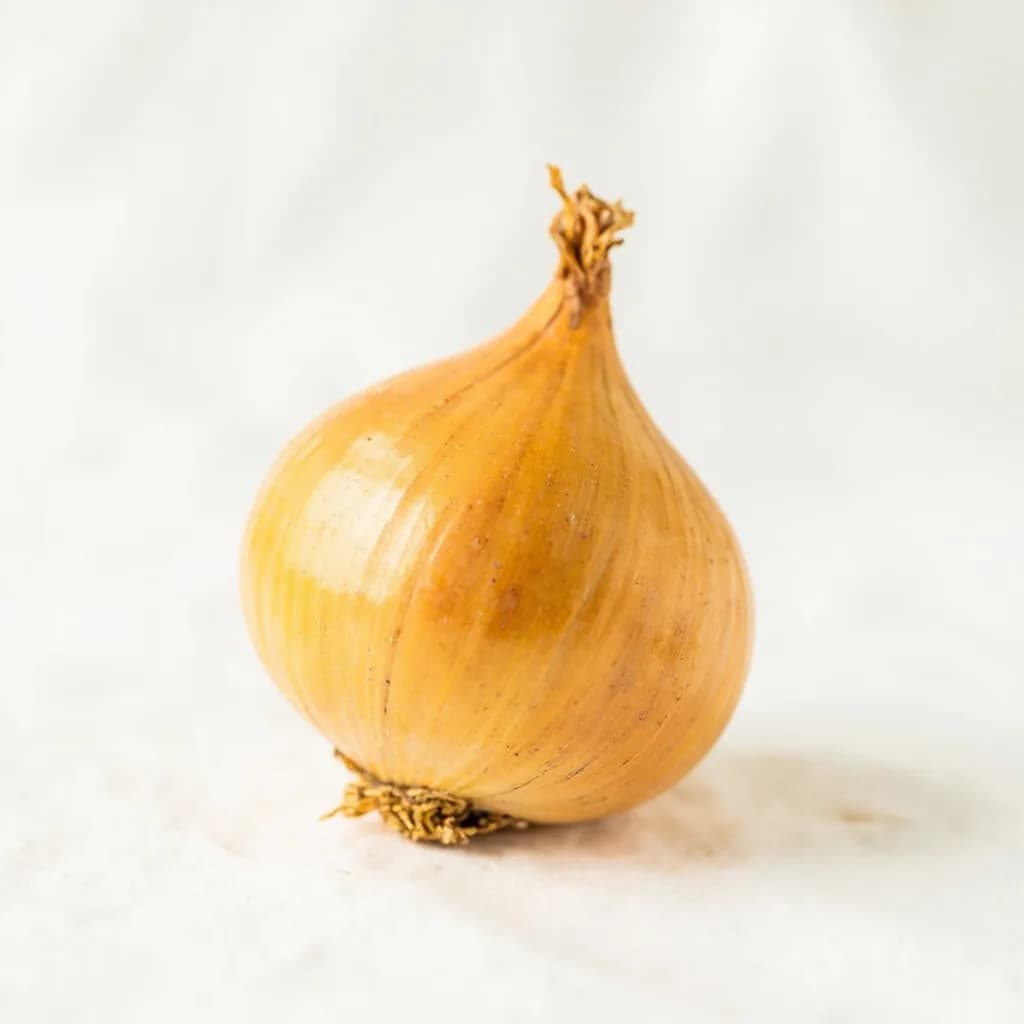
Yellow Onion
The aromatic backbone of soups, sofritos, and braises
Garlic
Pungent cloves that perfume nearly every savory dish
Lemon
Bright, acidic citrus that wakes up almost any dish
Potato
Humble, hearty staple — roast, mash, fry, or boil
Carrot
Sweet, crunchy root — raw, roasted, or the base of a sofrito
Cucumber
Cool, crisp, and watery — for salads, pickles, and tzatziki

Lettuce
Crisp leaves for salads, wraps, and a fresh crunch