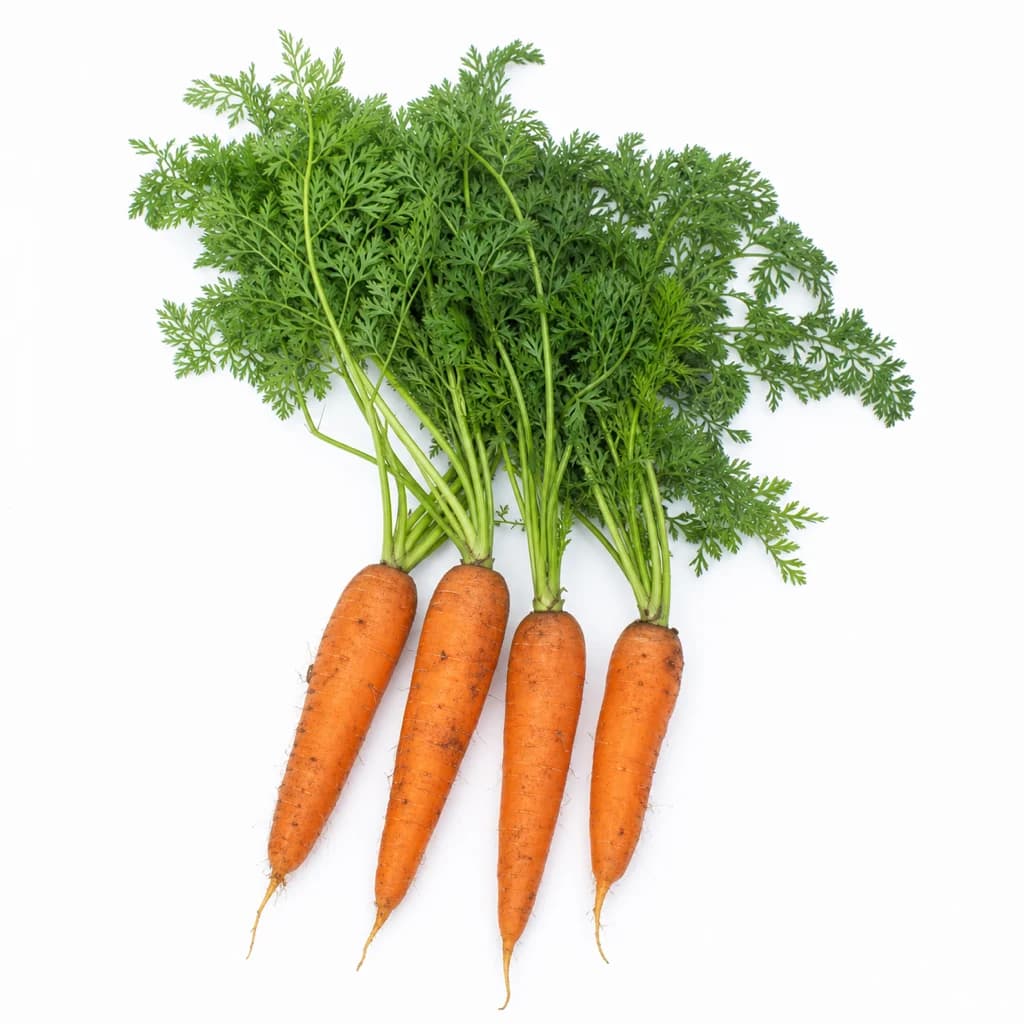
Natural form
Whole carrots with leafy green tops, showing the full root from shoulder to tip.
Shows the carrot's defining shape, deep orange color, tapering root, and feathery green tops so readers can identify it at a glance.
Produce
Carrot
Sweet, crunchy root — raw, roasted, or the base of a sofrito
Carrots bring earthy sweetness whether shredded raw into a slaw or roasted until caramelized. They're a cornerstone of stocks and braises. Keep them crisp in the fridge.
The carrot is a sweet, crunchy root that works as hard raw as it does cooked — shredded into slaws, simmered into the holy trinity of stocks and braises, or roasted until its natural sugars caramelize into something almost candy-like. Its earthy sweetness deepens with cooking, making it both a flavor foundation (alongside onion and celery) and a star in its own right. Cheap, keeps for weeks, and endlessly useful.
- Measured in
- piece
- Storage
- Refrigerate
- Shelf life
- 21 days
Find it in
Types & varieties
Sweet, cylindrical, tender core; the common eating carrot
Sold simply as "zanahoria" in Spain; Nantes/Imperator are trade types you won’t see named on the label
Heirloom colors; purple ones are earthier
Small and sweet; roast or glaze whole
How to choose
Want firm, smooth, brightly colored carrots that snap rather than bend. If the green tops are attached they should look fresh and perky — but trim them at home, since the leaves leach moisture from the root. Avoid cracked, limp, or whiskery carrots and any with a green or soft crown.
How to store
Remove the leafy tops, then store carrots in the crisper drawer — ideally in a bag with a damp towel, or submerged in water — where they stay crisp for weeks. If they go limp, a soak in ice water revives them. Don't store near apples or other ethylene producers, which turn them bitter.
- Trim the tops before storing
- Keep cold and humid
- Revive limp carrots in ice water
How to prep
Peeling is optional — a good scrub keeps the nutritious skin and saves waste. Cut to suit the method: thin coins or batons for quick cooking, big chunks for braises, fine dice for soffritto. Cut on a roll (oblique) for pretty, even-cooking pieces.
Common uses
Tips & pitfalls
- Roast at high heat to caramelize the sugars; a touch of honey or cumin sings
- Don't bin the tops — the leaves make a vibrant pesto or chimichurri
- Grate raw for instant slaw, or for moisture in carrot cake
- A pinch of sugar isn't cheating in carrot soup — it amplifies what's there
- Save peels and ends for stock
Nutrition
Energy
172 kJ · per 100 g
Where the calories come from
Protein
0.9g
2% DV
Carbs
9.6g
3% DV
Fat
0.2g
0% DV
Fiber
2.8g
10% DV
Sugars
4.7g
of which
Sodium
69mg
3% DV
Source · USDA FoodData Central · Carrots, raw
View on FDC →In the shops
Matched grocery products
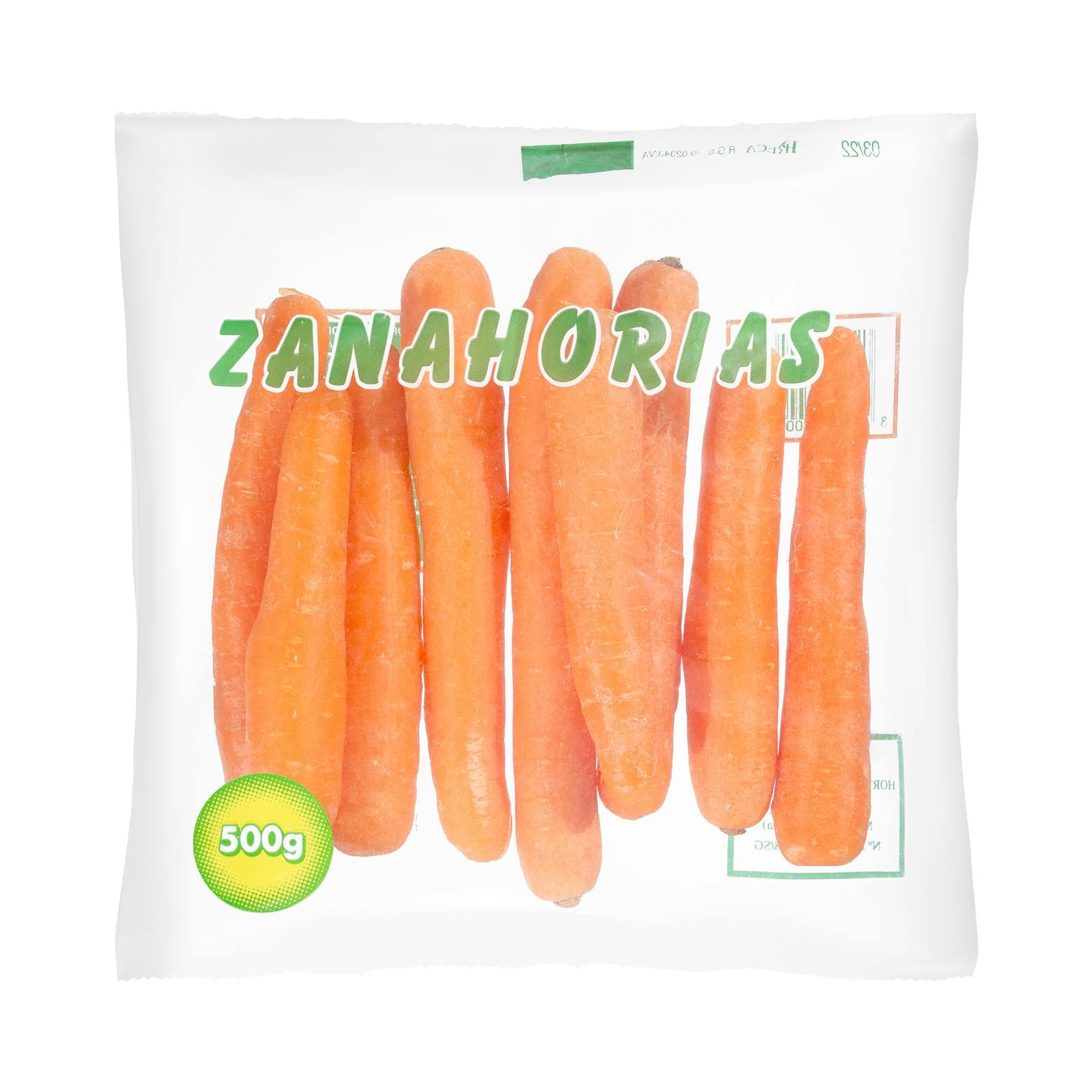 €0.85
€0.85Carrots
500 g · Mercadona
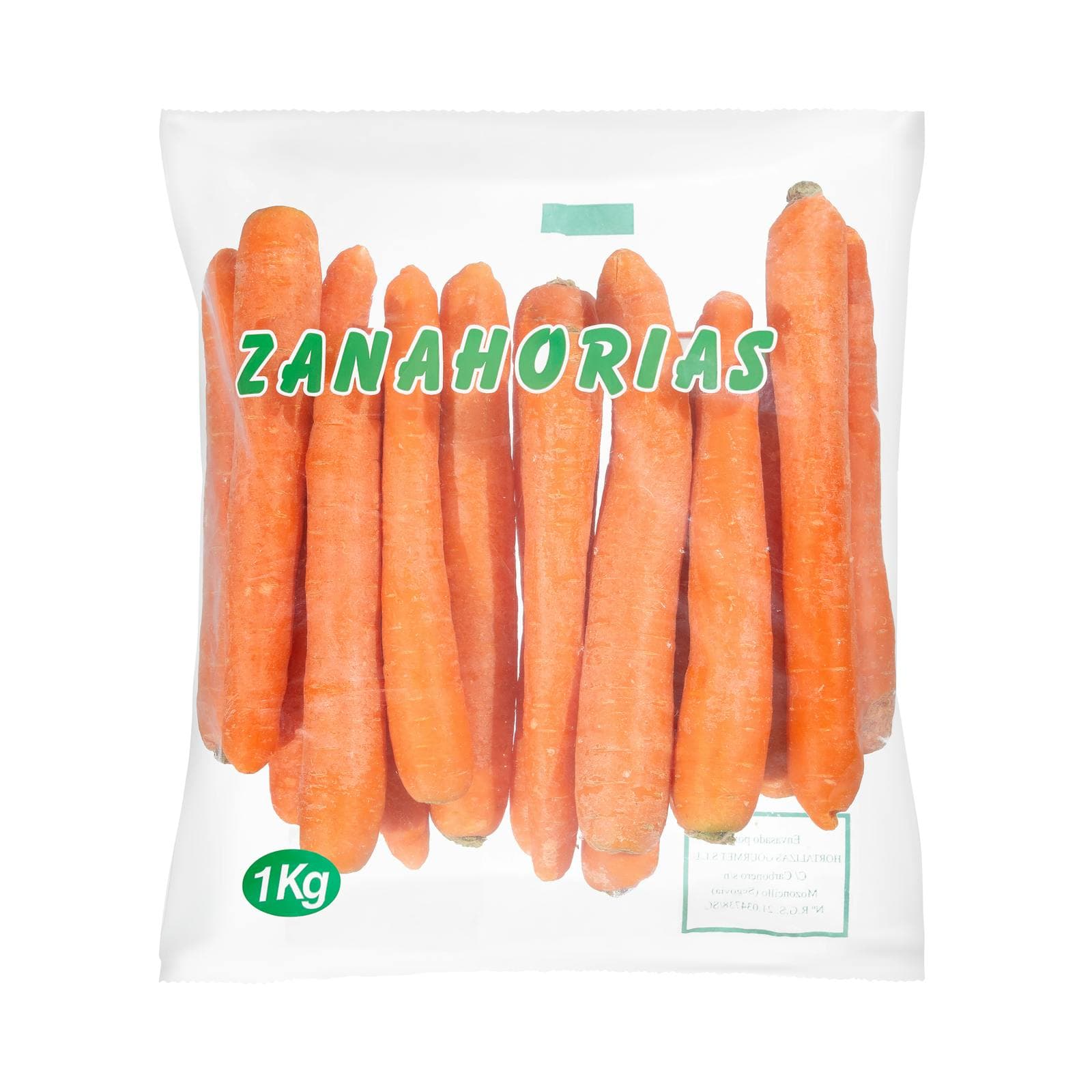 €1.35
€1.35Carrots
1 kg · Mercadona
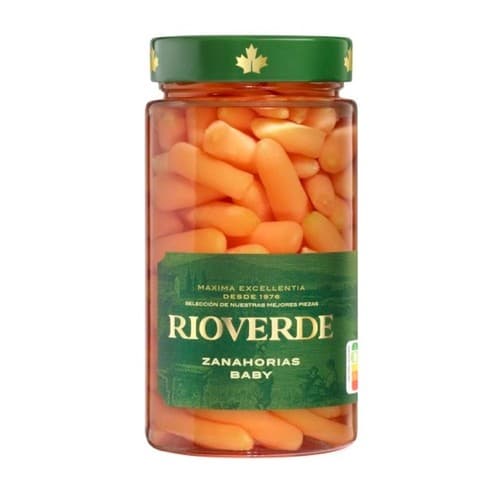 €2.35
€2.35Baby Carrots
RIOVERDE · kg · Bonpreu
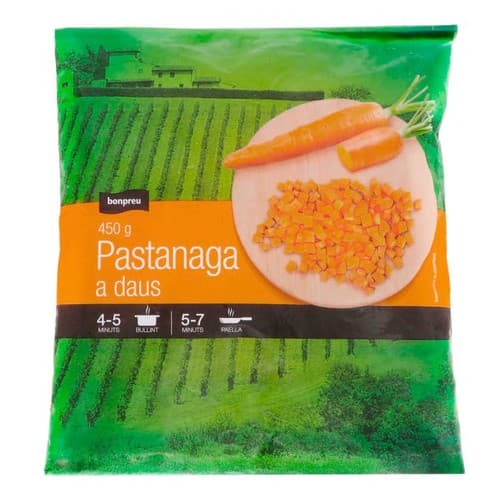 €1.25
€1.25Diced Carrot
BONPREU · kg · Bonpreu
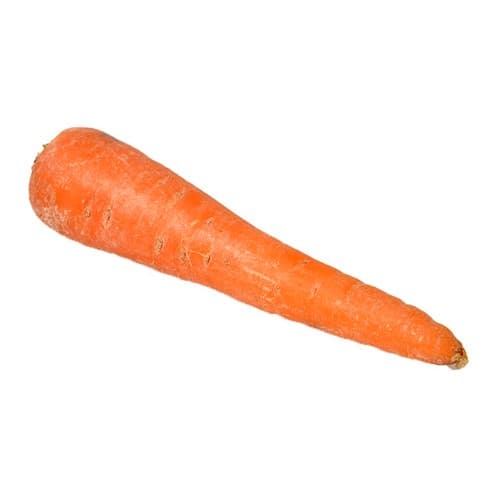 €0.17
€0.17Carrot 1 unit
ud · Bonpreu
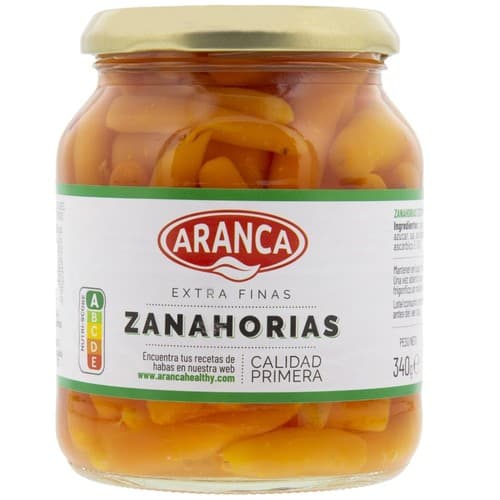 €1.99
€1.99ARANCA Carrot
ARANCA · kg · Bonpreu
Good to know
- Peak season
- Year-round; sweetest in fall and winter
- Flavor
- Sweet, earthy, crisp; caramelizes when roasted
- Origin
- Central Asia/Persia; originally purple and yellow
- Nutrition
- ~41 kcal/100g; very high beta-carotene (vitamin A), fiber
- How to buy
- Firm, smooth, bright; fresh green tops if attached; no cracks or limpness
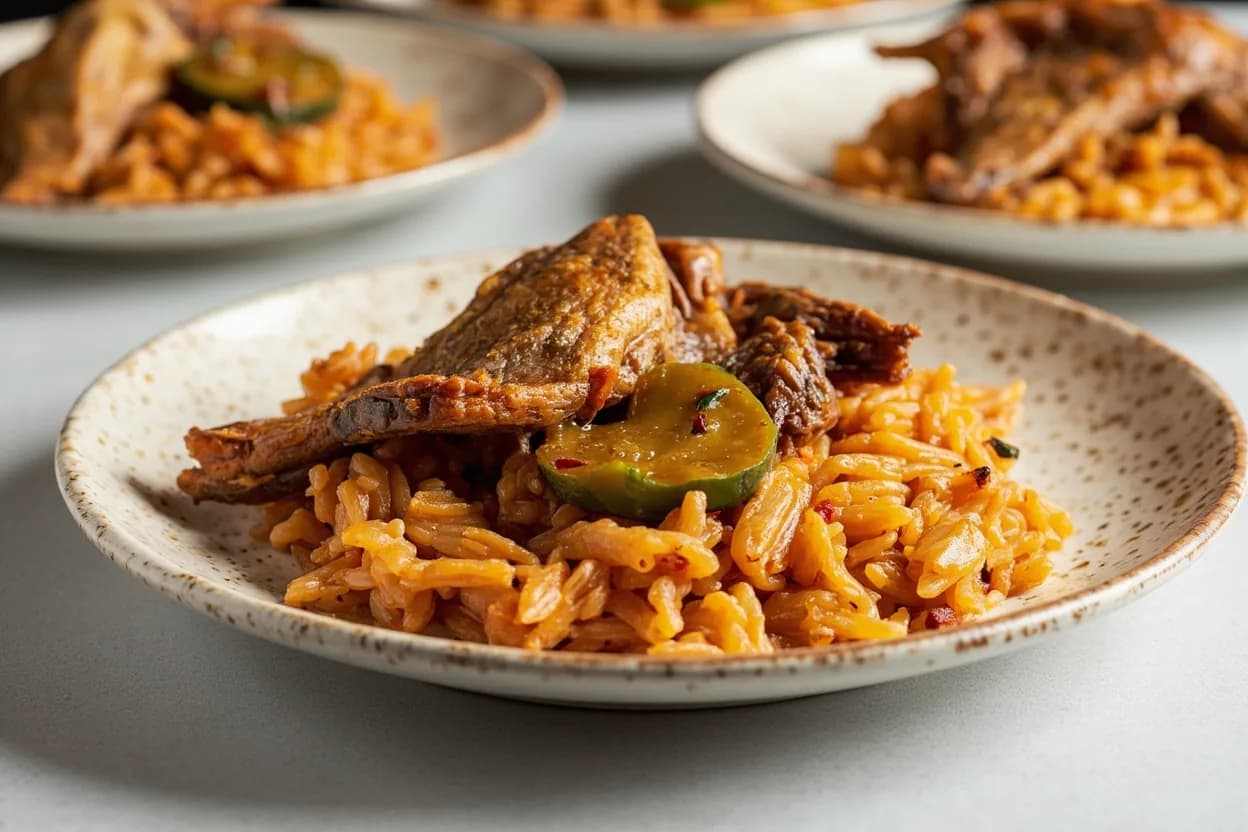
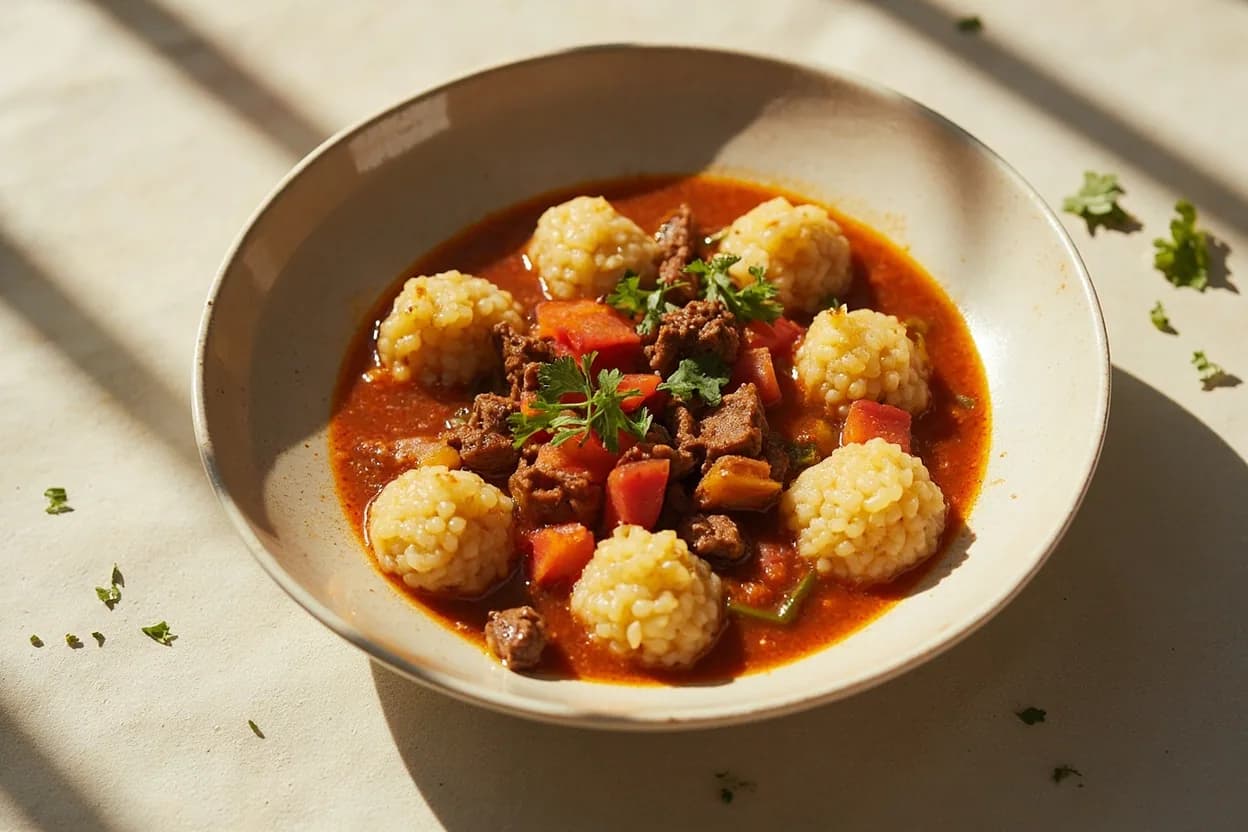
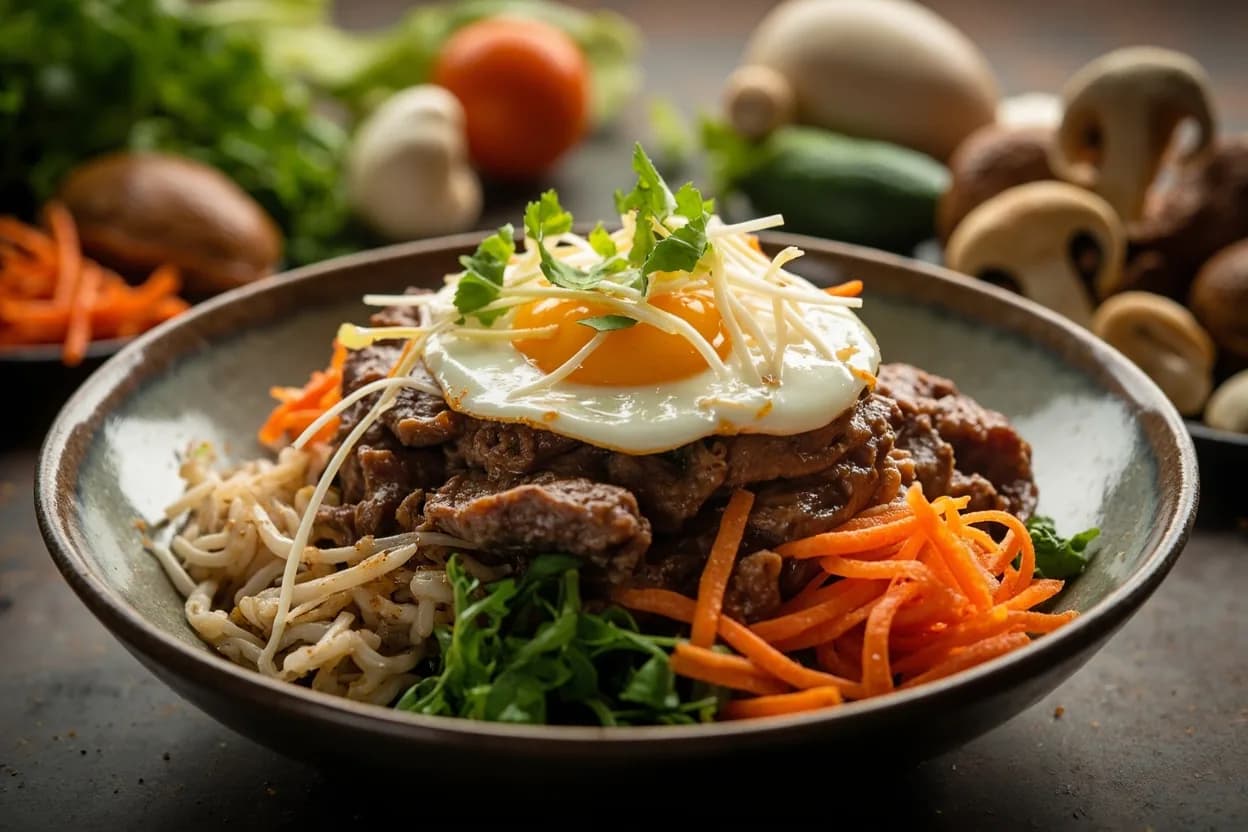
Appears in these dishes
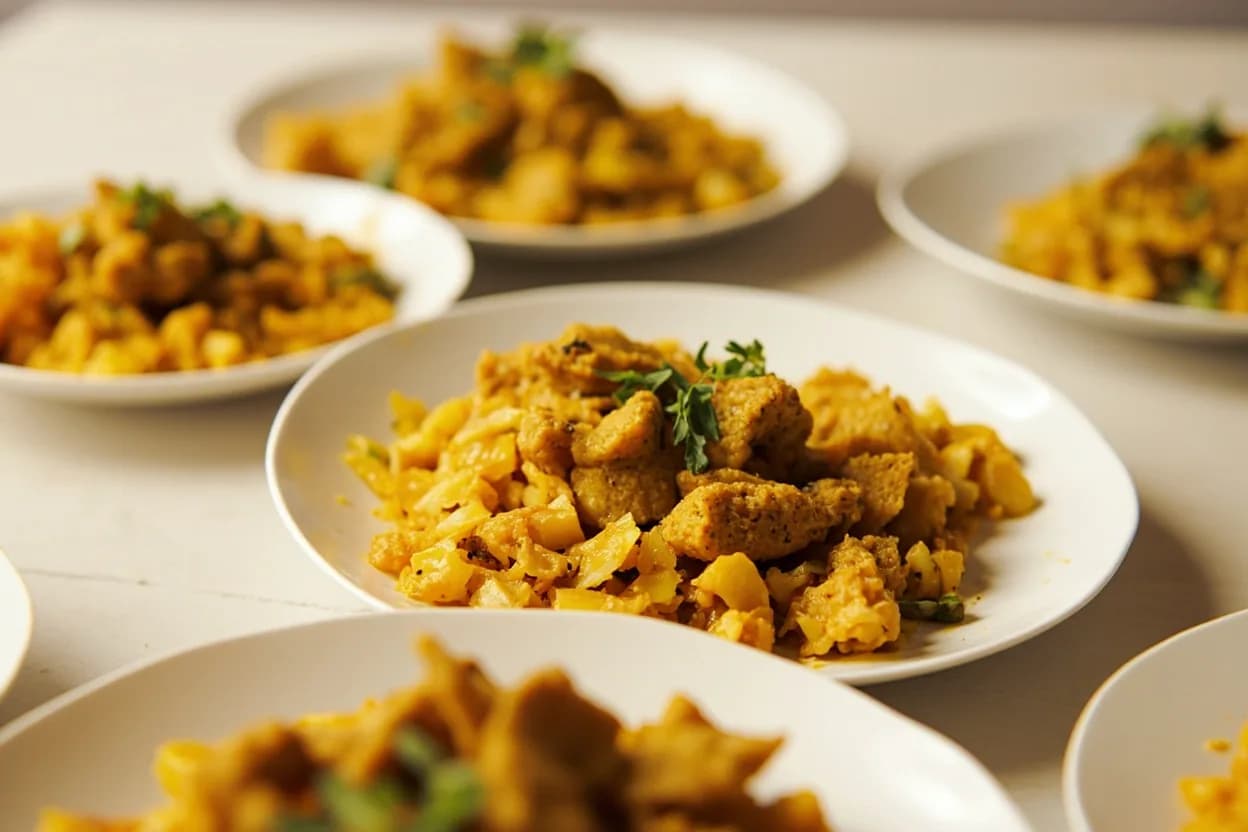
Related
Tomato
Juicy, sun-sweet fruit for sauces, salads, and slow-cooked depth
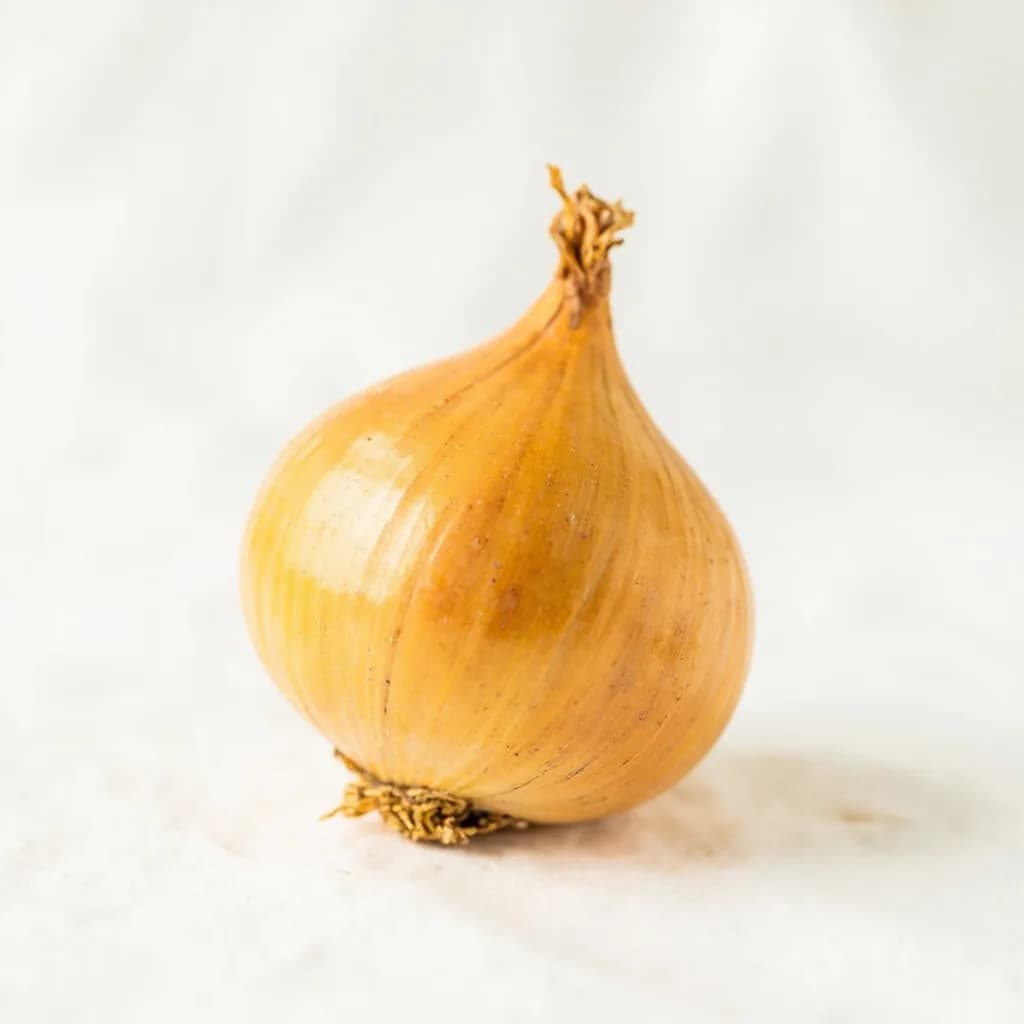
Yellow Onion
The aromatic backbone of soups, sofritos, and braises
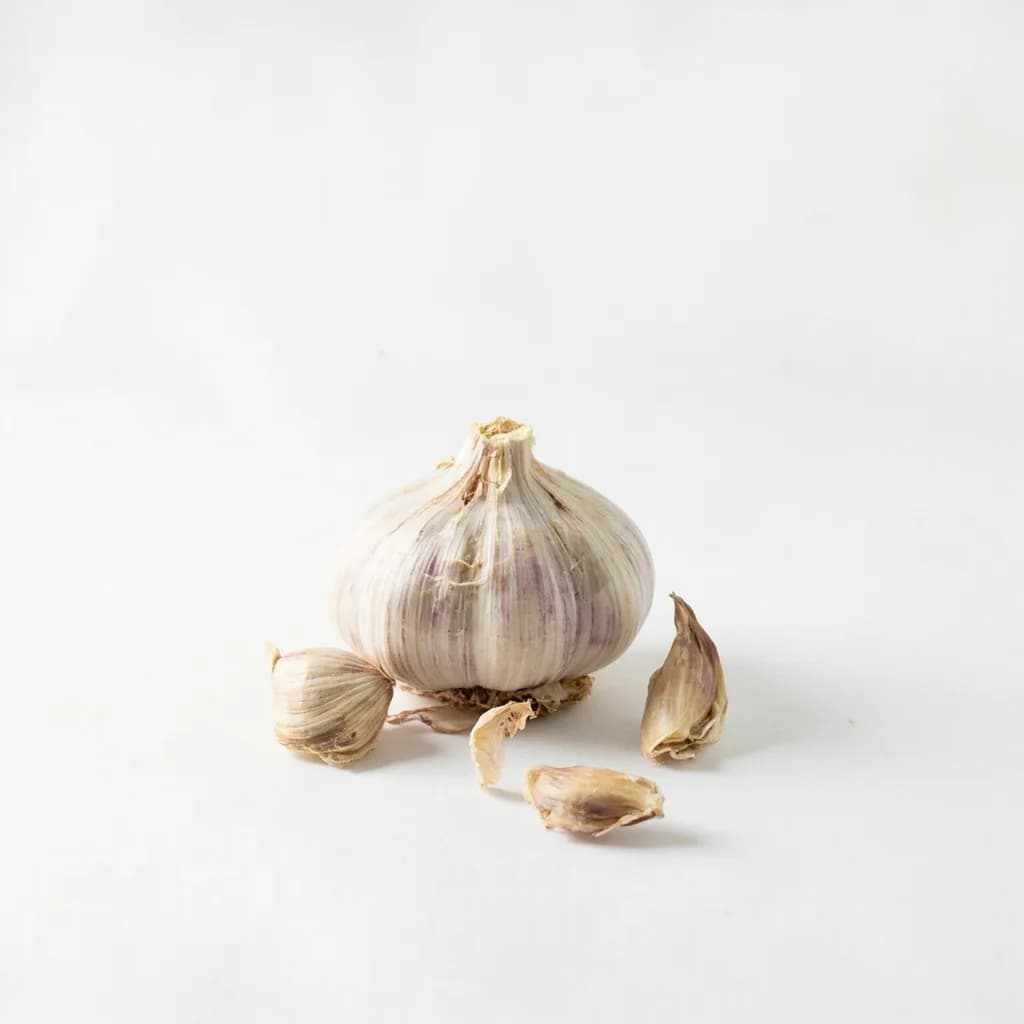
Garlic
Pungent cloves that perfume nearly every savory dish
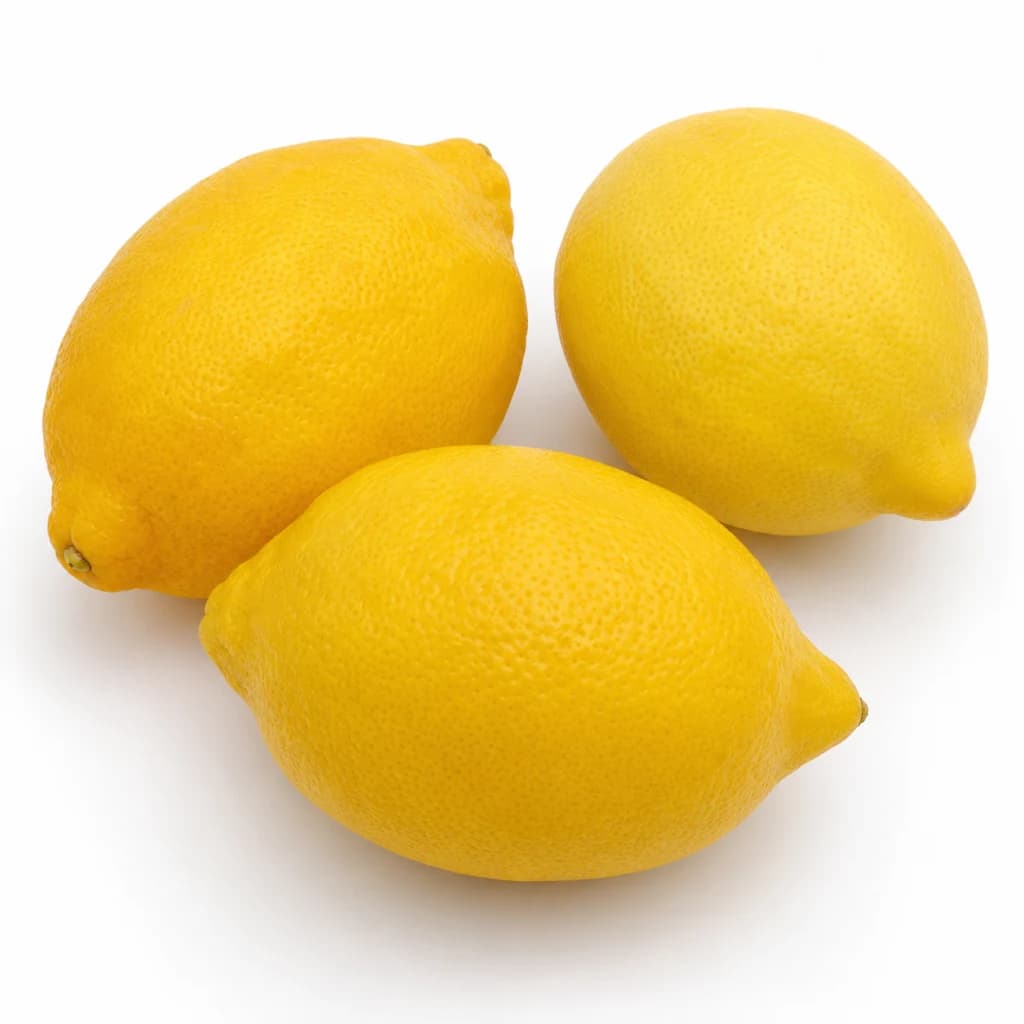
Lemon
Bright, acidic citrus that wakes up almost any dish
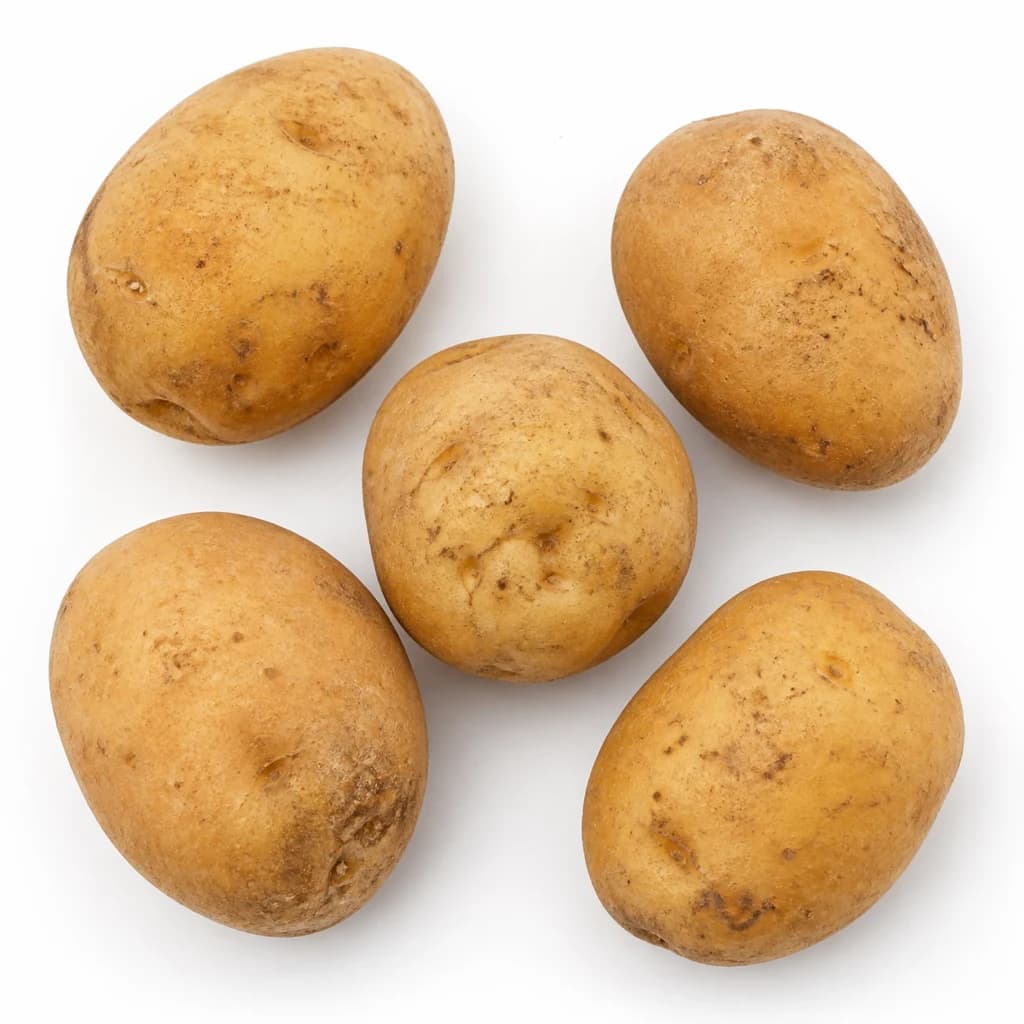
Potato
Humble, hearty staple — roast, mash, fry, or boil
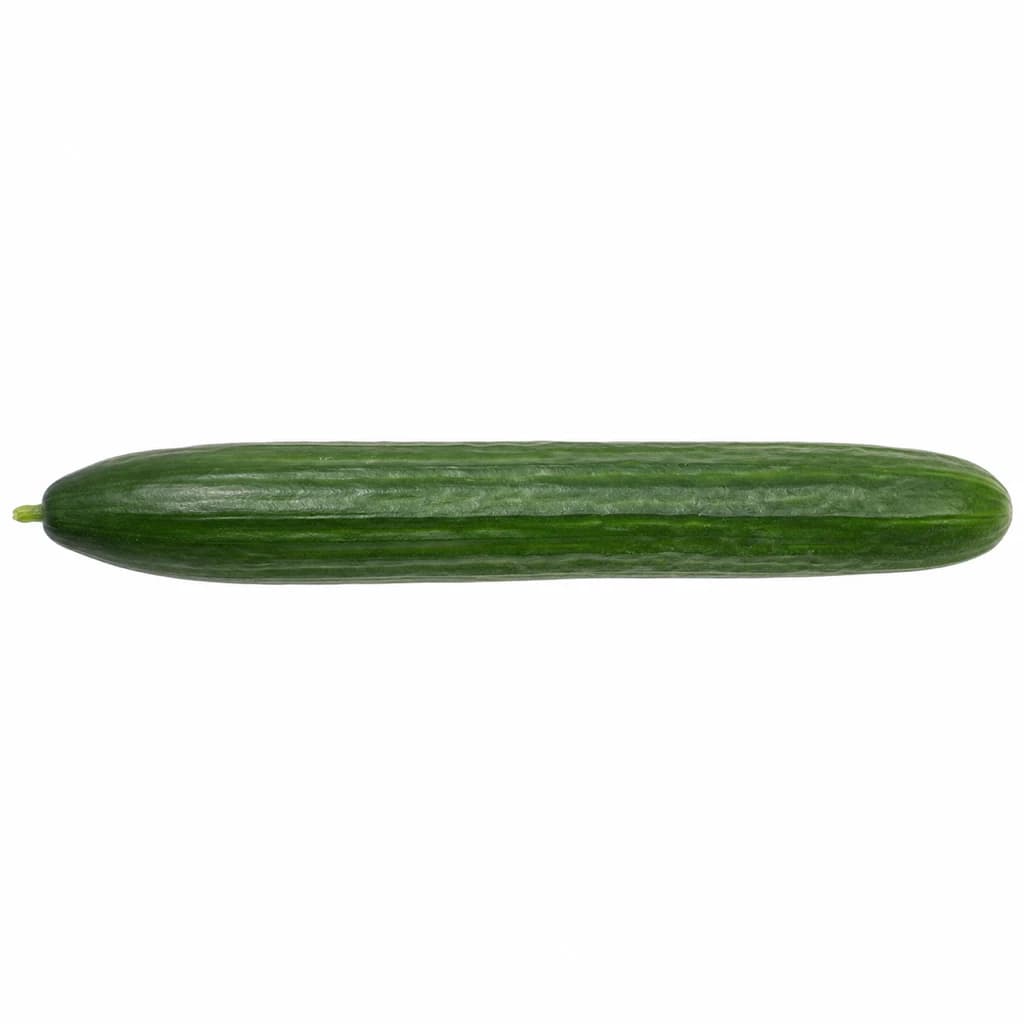
Cucumber
Cool, crisp, and watery — for salads, pickles, and tzatziki

Lettuce
Crisp leaves for salads, wraps, and a fresh crunch
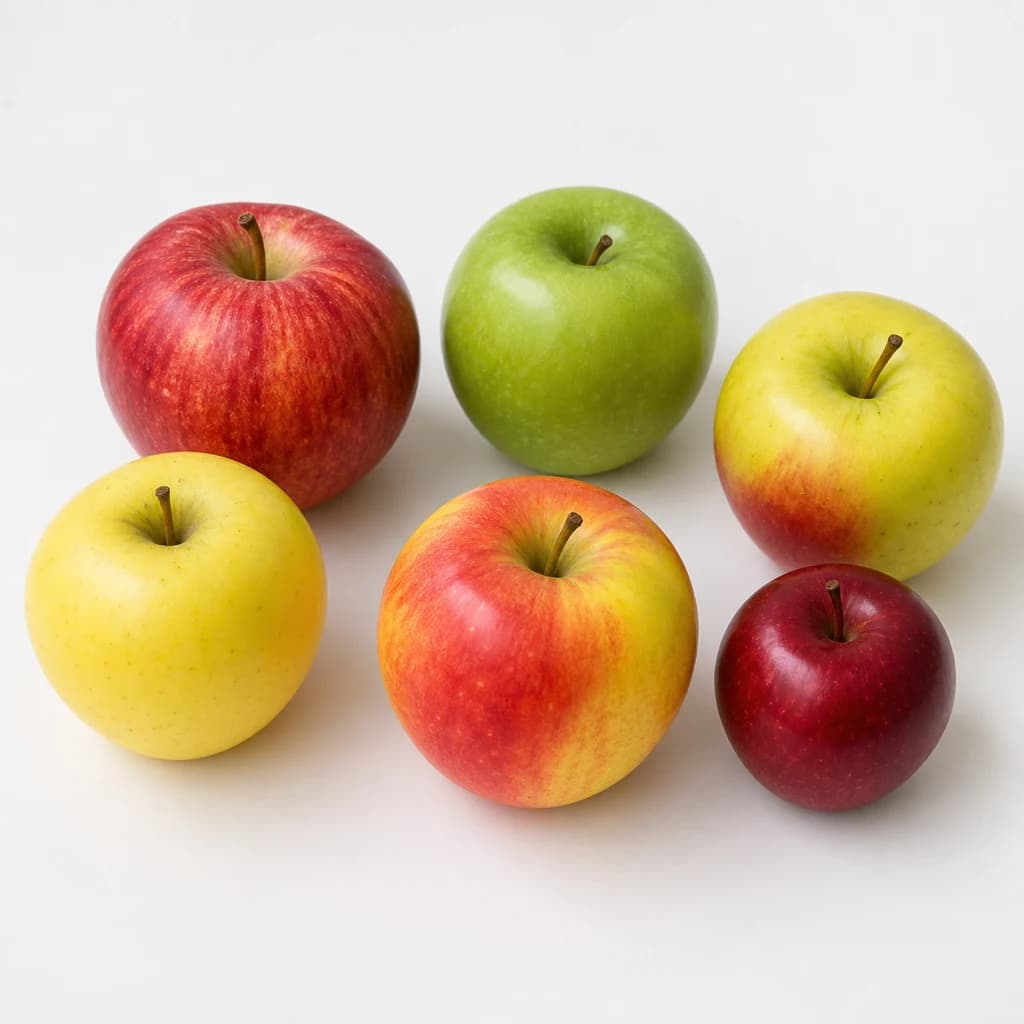
Apple
Crisp orchard fruit eaten fresh, baked, or pressed for cider.