Natural form
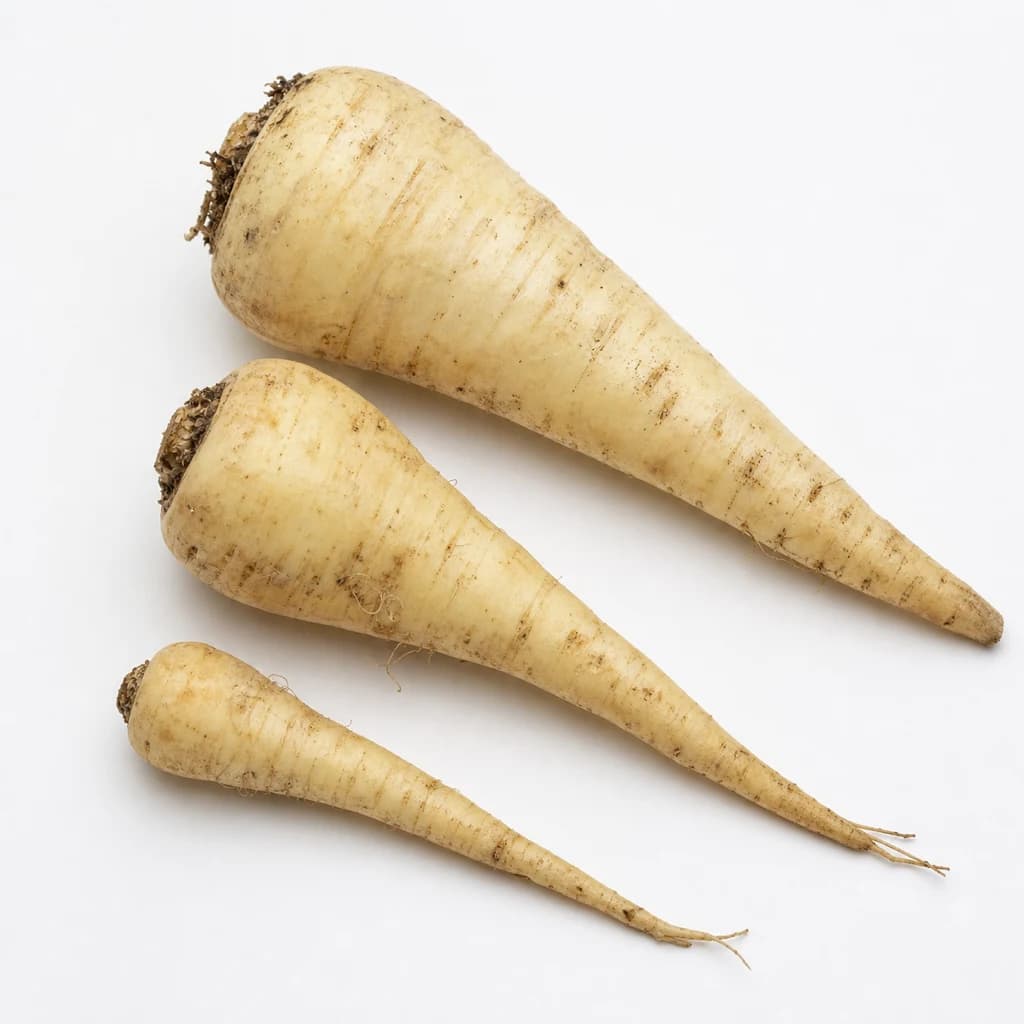
Whole parsnips showing cream skin, tapered root shape, and fibrous crown.
Teaches the reader how to identify parsnip by its distinctive elongated form, cream-white color, and leafy crown stub — distinguishing it from carrots and parsley root.
Produce
Parsnip
Sweet, nutty winter root for roasting and purées
Like a carrot's sweeter, nuttier cousin, parsnip caramelizes when roasted and blends into a silky purée. A cold-weather staple that keeps for weeks. Store it cold.
The parsnip looks like a pale carrot but tastes sweeter, nuttier, and more aromatic — a cold-weather root that caramelizes beautifully when roasted and blends into a silky, sophisticated purée. Frost actually improves it, converting starches to sugar, so it's at its best deep in winter. Long overlooked, the parsnip rewards anyone who roasts a tray hard until the edges go bronze and toffee-sweet.
- Measured in
- piece
- Storage
- Refrigerate
- Shelf life
- 30 days
Find it in
Types & varieties
The common long, tapered market parsnip
Slim and tender; roast whole, no woody core
How to choose
Want firm, smooth parsnips with creamy, even color and no soft patches, deep cracks, or whiskery roots. Small-to-medium parsnips are sweet and tender throughout; very large ones often have a tough, fibrous, woody core that needs cutting out.
How to store
Keep parsnips unwashed in the crisper drawer, bagged, for a few weeks — they store as well as carrots. They turn bitter near ethylene producers, so keep them away from apples and pears. If they soften, a soak in cold water can revive them.
How to prep
Peel them like carrots. For larger parsnips, halve or quarter lengthwise and cut out any tough, pale central core. Cut pieces a bit larger than carrots since they cook a touch faster and their sugars catch quickly. They roast, mash, fry into chips, and grate into fritters.
- Peel before cooking
- Core large parsnips
- Watch them — high sugar means fast browning
Common uses
Tips & pitfalls
- Roast hard and high — the caramelized, toffee-edged result is the whole point
- A drizzle of honey or maple plays up their natural sweetness
- Purée with butter and cream for an elegant alternative to mashed potato
- Slice thin and fry or bake into crisp parsnip chips
- Pair with warm spices — cumin, curry, nutmeg — that flatter their nuttiness
Nutrition
Energy
314 kJ · per 100 g
Where the calories come from
Protein
1.2g
2% DV
Carbs
18g
7% DV
Fat
0.3g
0% DV
Fiber
4.9g
18% DV
Sugars
4.8g
of which
Sodium
10mg
0% DV
Source · USDA FoodData Central · Parsnips, raw
View on FDC →In the shops
Matched grocery products
 €1.49
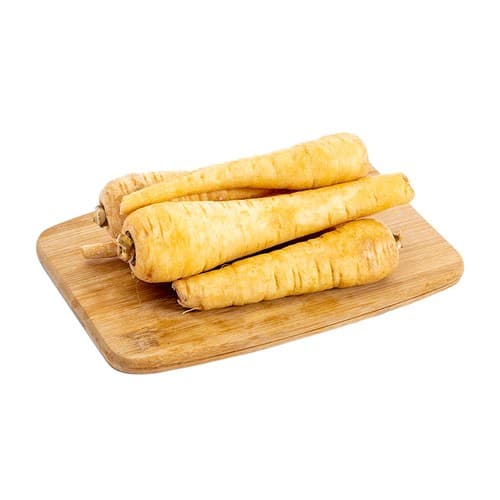
€1.49Parsnips
LA COLLITA · kg · Bonpreu
Good to know
- Peak season
- Late fall through winter; sweeter after frost
- Flavor
- Sweet, nutty, earthy, faintly spiced; caramelizes deeply
- Origin
- Eurasia; a staple before the potato arrived in Europe
- Nutrition
- ~75 kcal/100g; fiber, vitamin C, folate, potassium
- How to buy
- Firm, smooth, pale cream; small-to-medium; no soft or shriveled spots
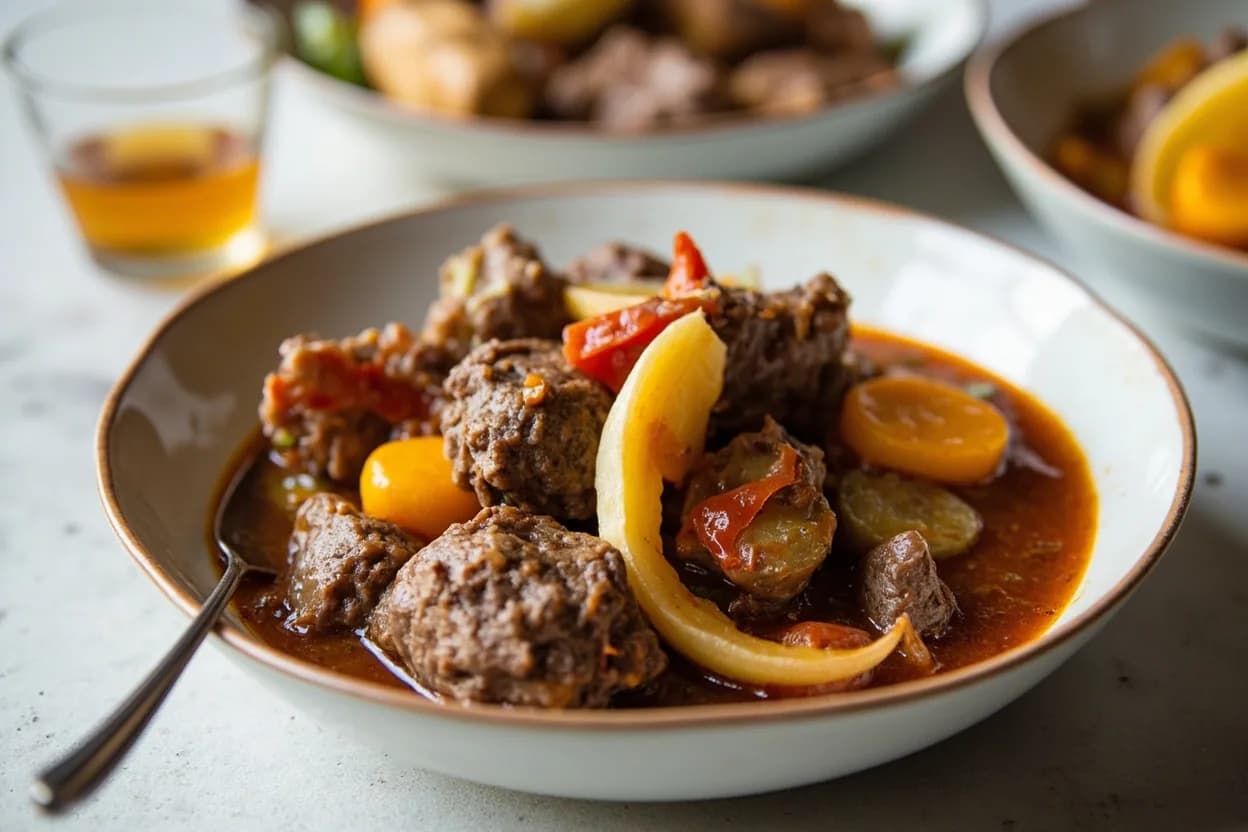
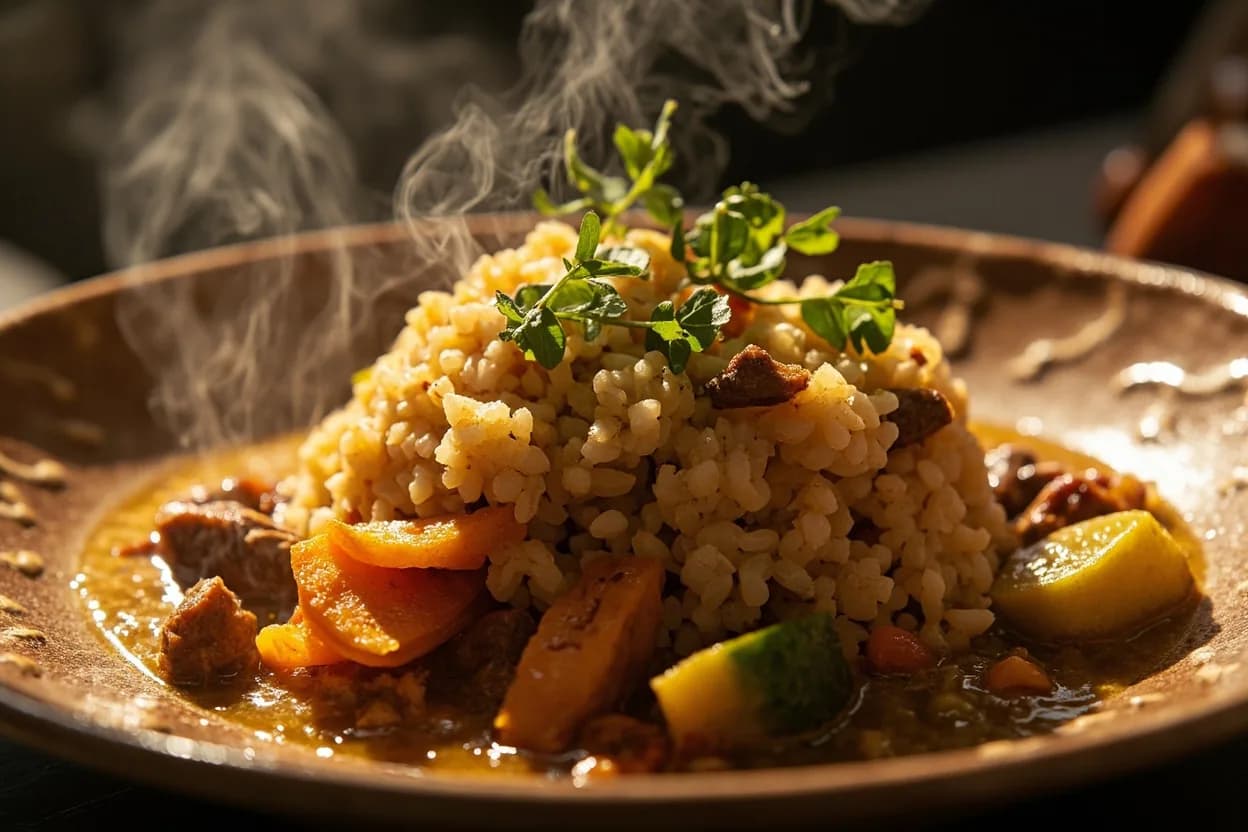
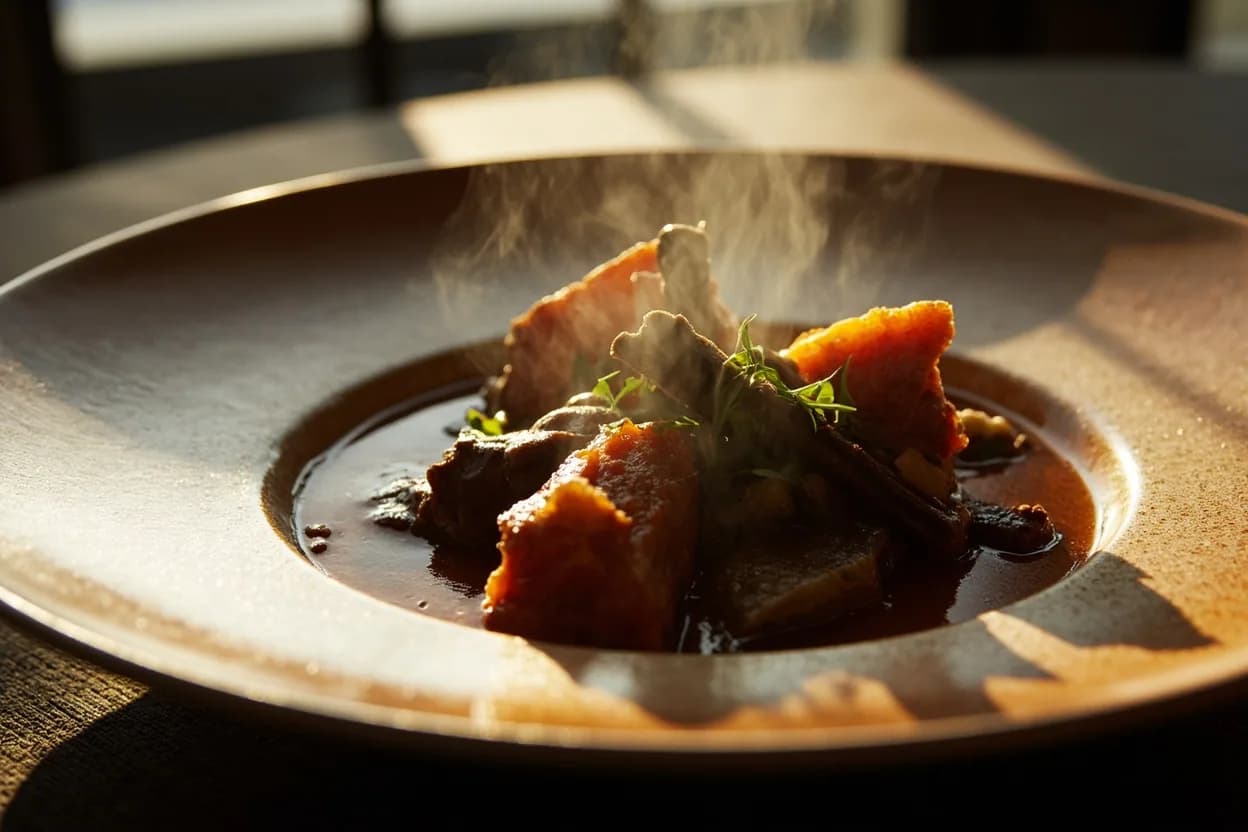
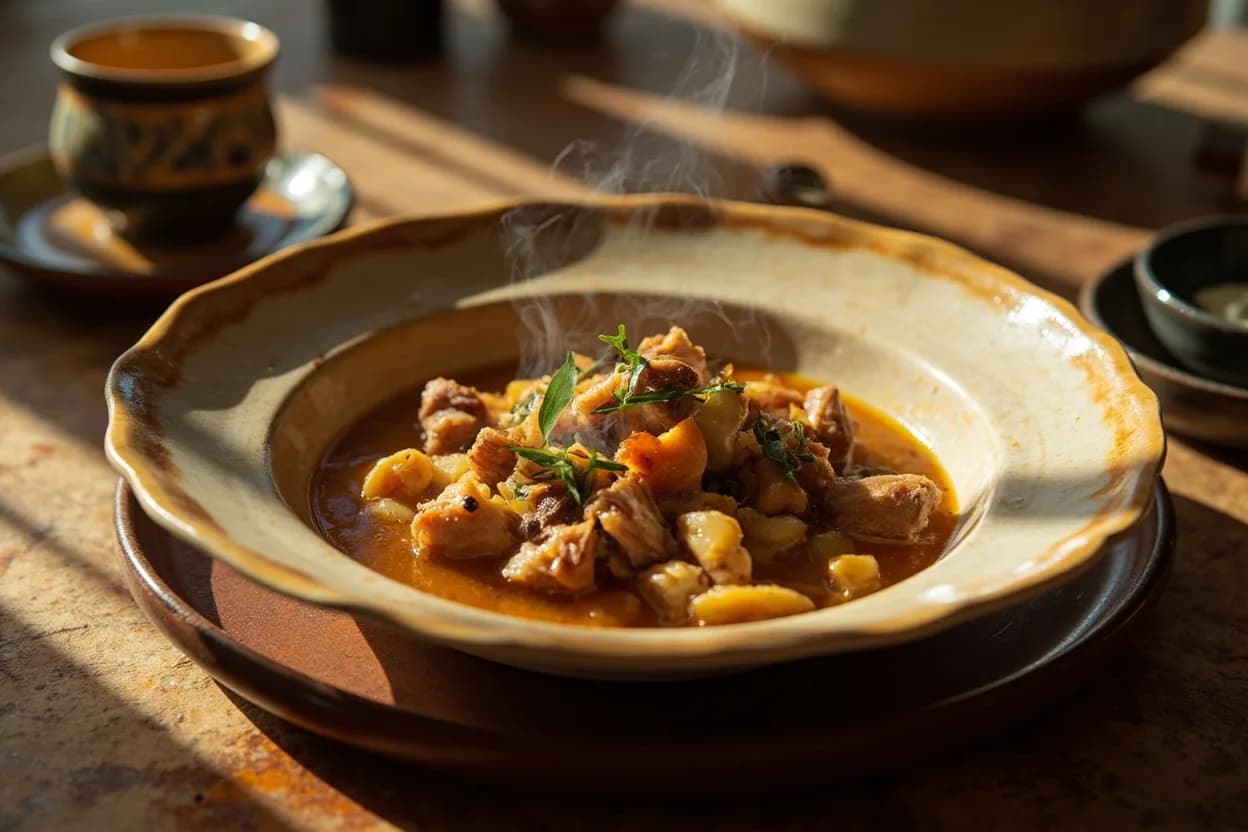
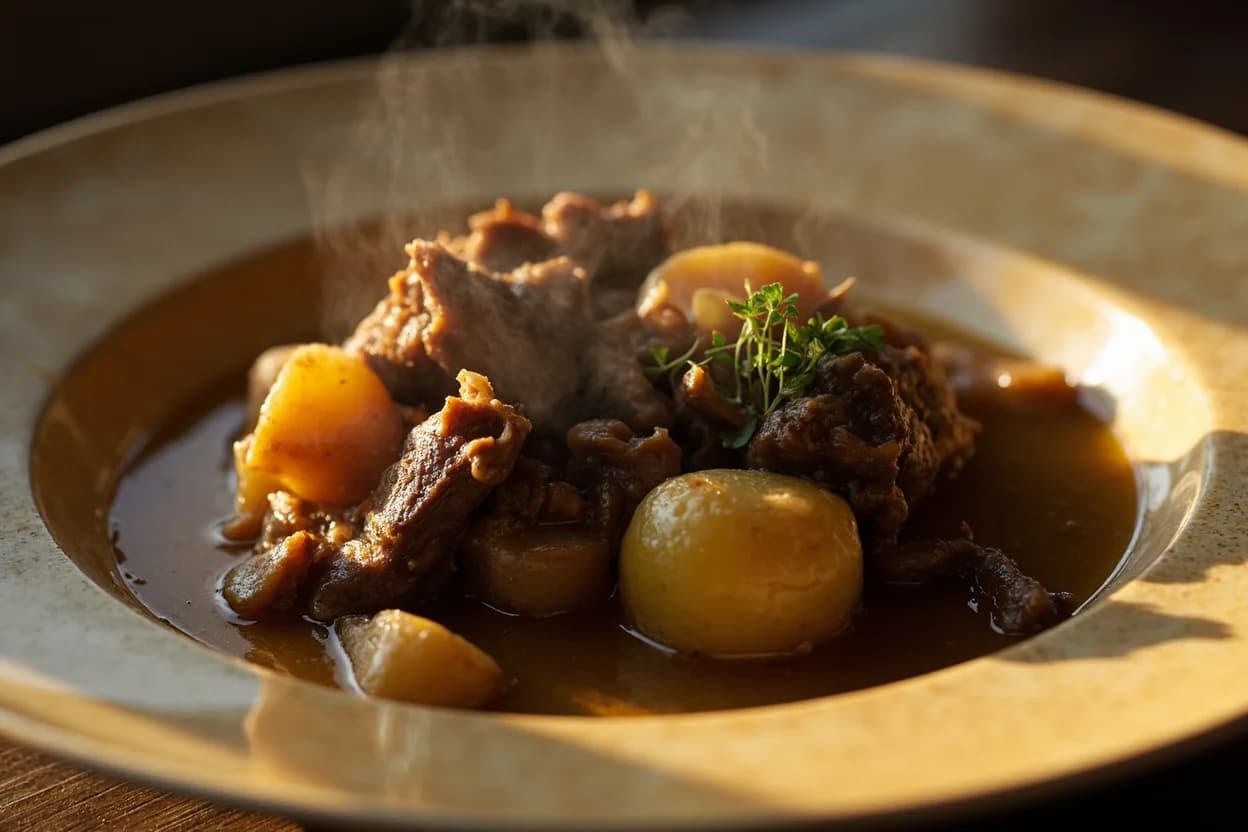
Appears in these dishes
Related
Tomato
Juicy, sun-sweet fruit for sauces, salads, and slow-cooked depth
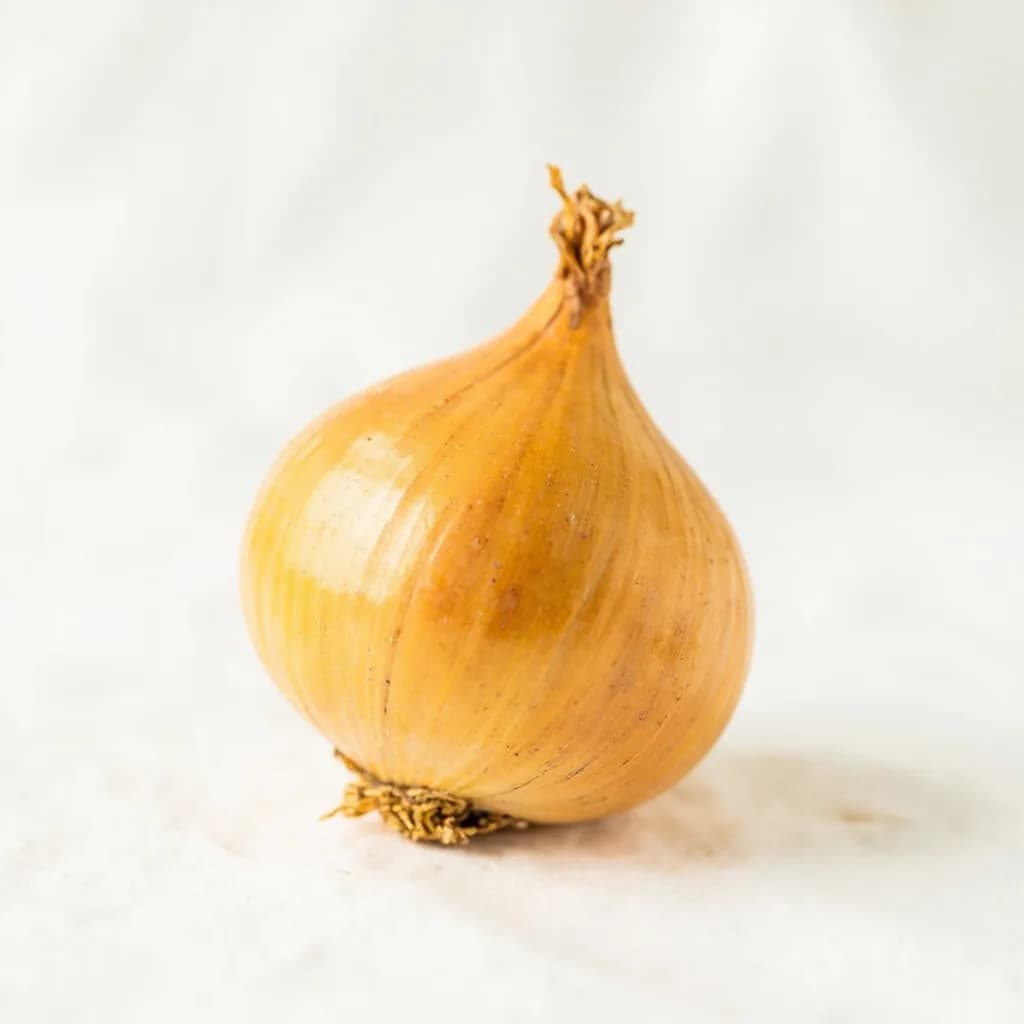
Yellow Onion
The aromatic backbone of soups, sofritos, and braises
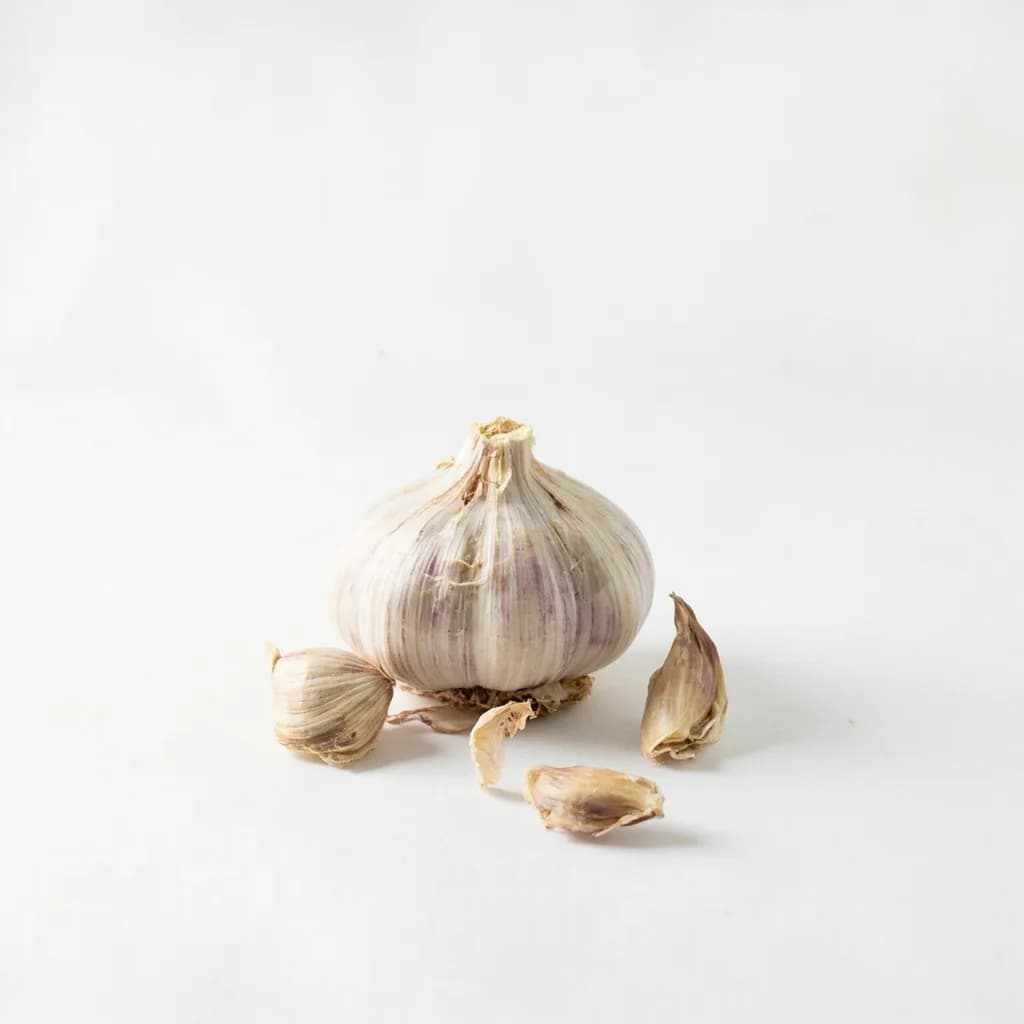
Garlic
Pungent cloves that perfume nearly every savory dish
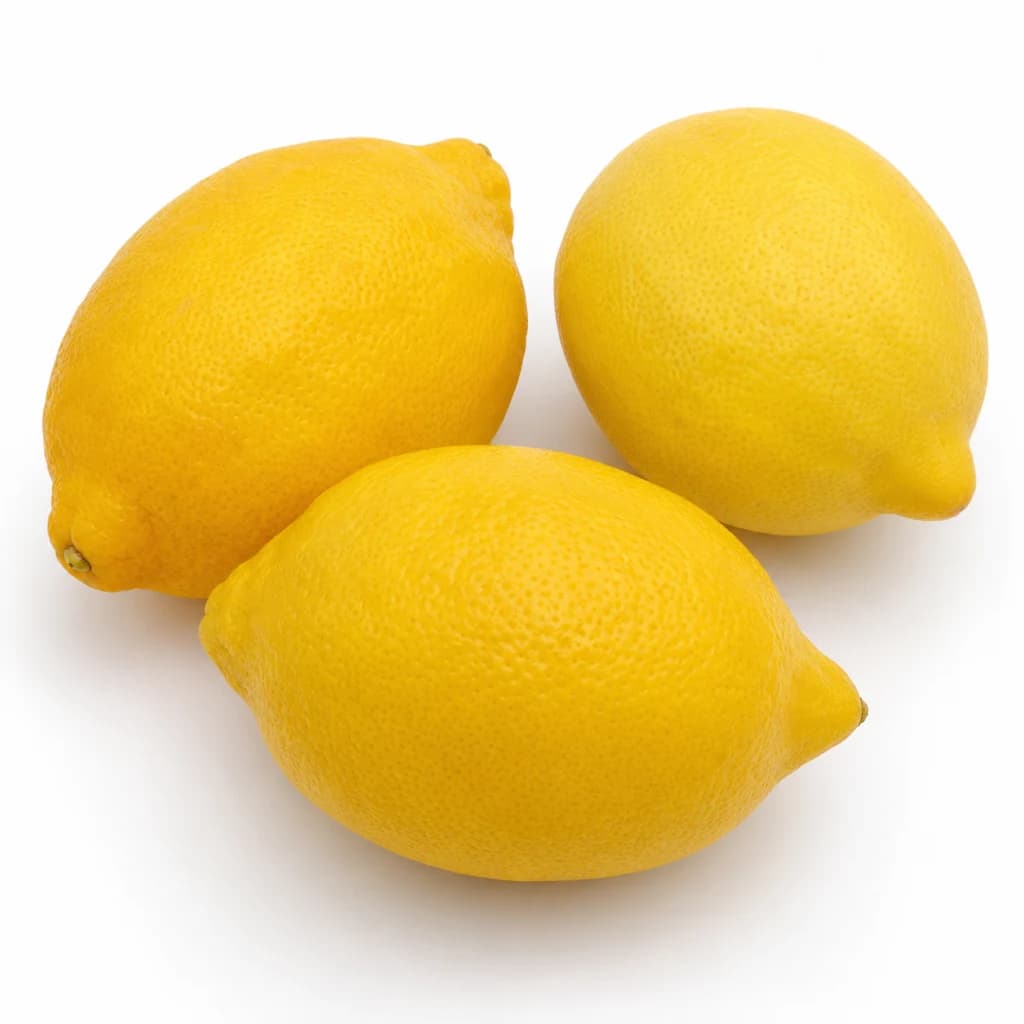
Lemon
Bright, acidic citrus that wakes up almost any dish
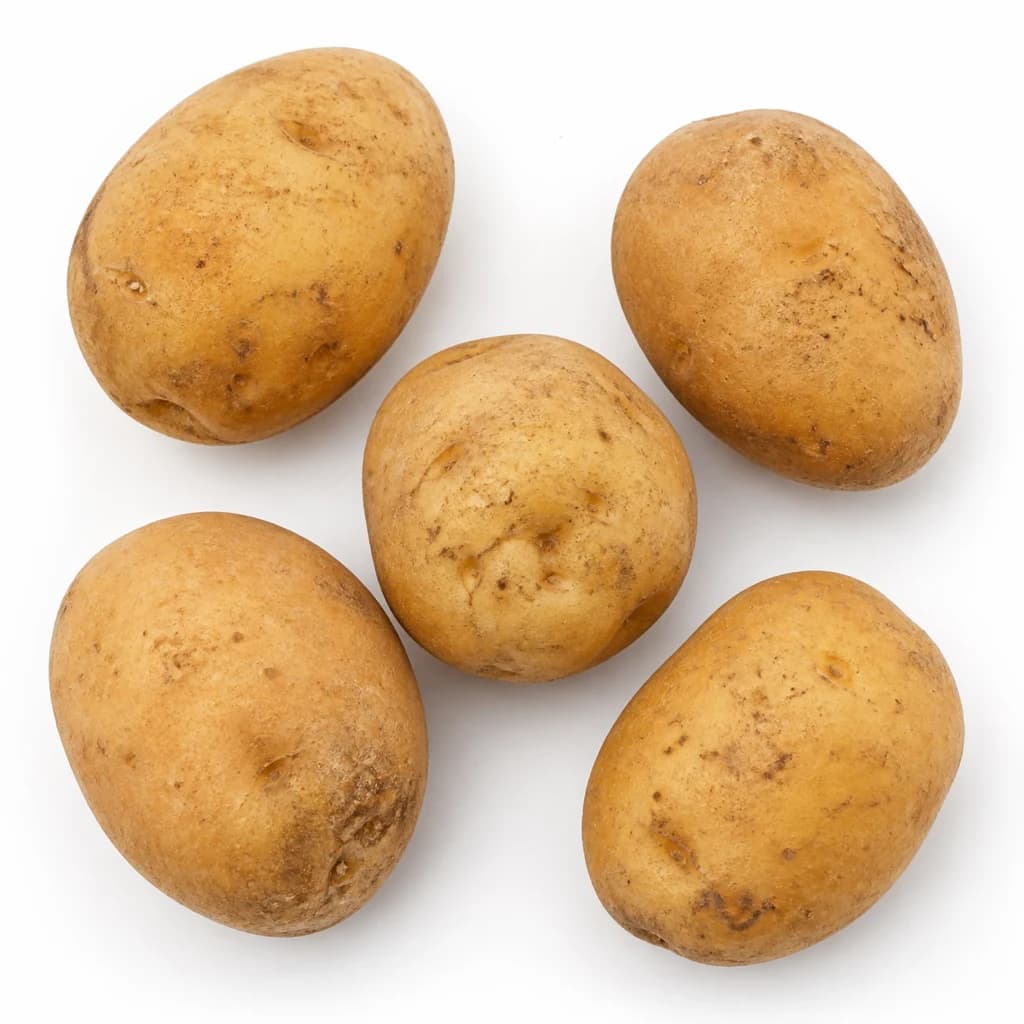
Potato
Humble, hearty staple — roast, mash, fry, or boil
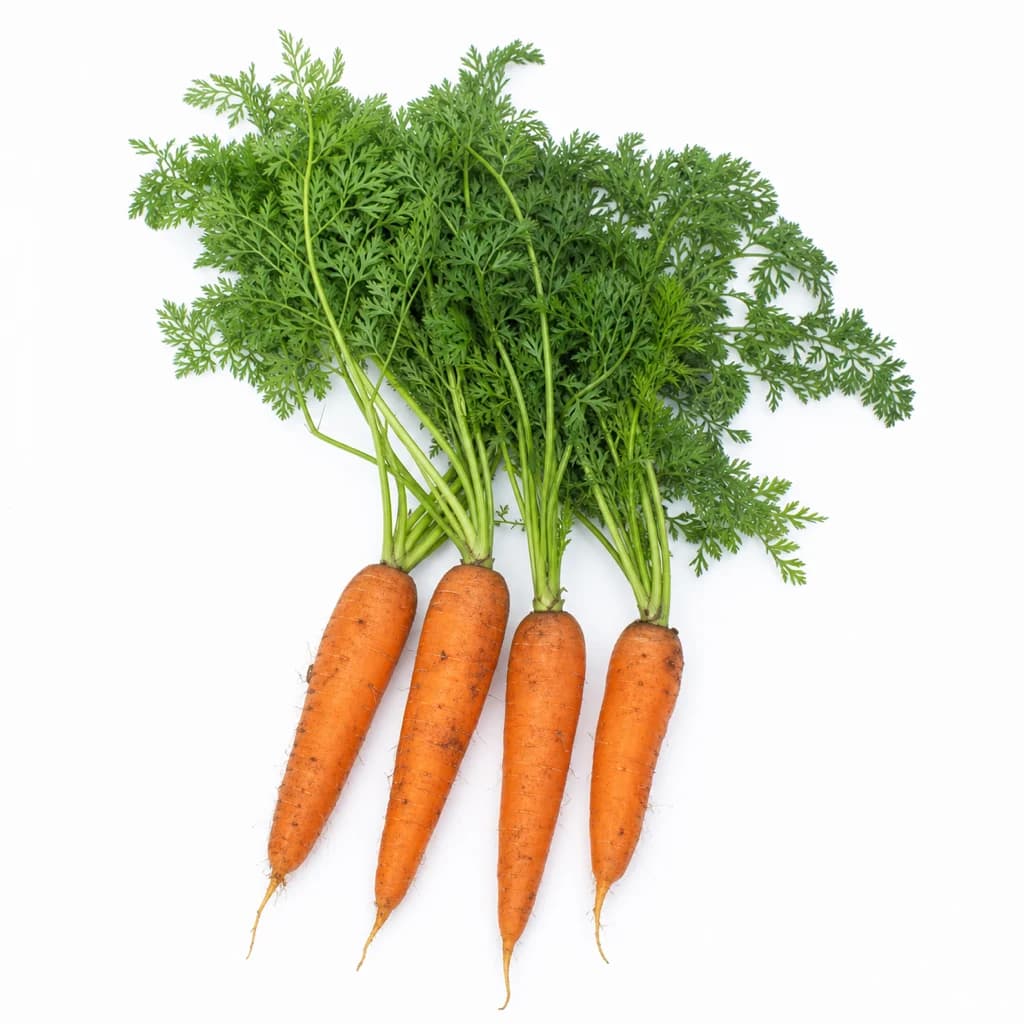
Carrot
Sweet, crunchy root — raw, roasted, or the base of a sofrito
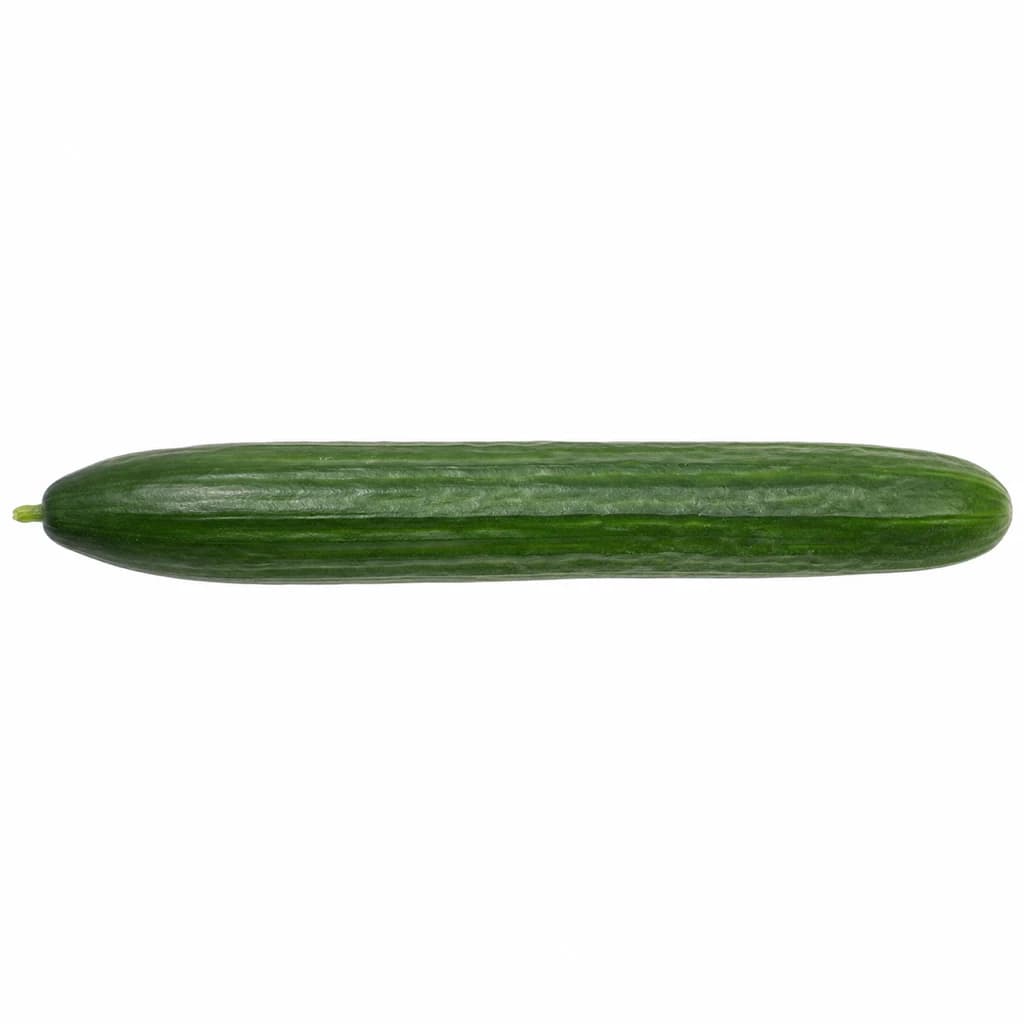
Cucumber
Cool, crisp, and watery — for salads, pickles, and tzatziki

Lettuce
Crisp leaves for salads, wraps, and a fresh crunch