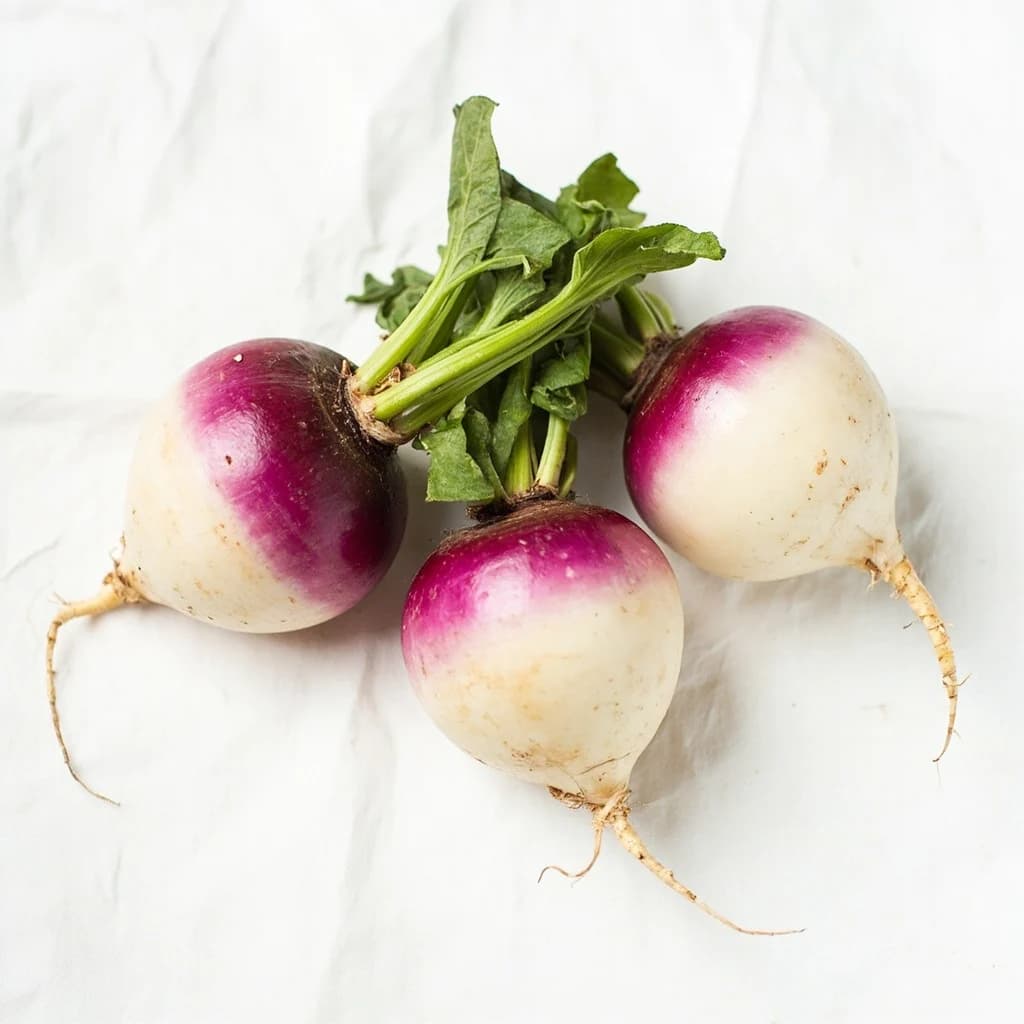
Natural form
Whole turnip roots with characteristic purple-white bicolor skin and fresh leafy tops.
Shows the reader exactly what a turnip looks like at the point of purchase, including the distinctive bicolor skin that distinguishes it from other roots.
Produce
Turnip
Peppery, crisp root for roasting, mashing, and stews
Mildly peppery and crisp, turnips roast to a sweet tenderness, mash like potatoes, and bulk up a winter stew. The greens are edible too. Keep the roots cold.
The turnip is a humble, peppery root with crisp white flesh blushed purple at the shoulder. Young and small it's mild and sweet enough to eat raw; older and larger it turns sharper and earthier, mellowing to sweetness when roasted or mashed. A workhorse of winter stews and an underrated roasting vegetable, the turnip also gives you edible, slightly mustardy greens — two crops in one.
- Measured in
- piece
- Storage
- Refrigerate
- Shelf life
- 30 days
Find it in
Types & varieties
The common market turnip; purple shoulder, white base
Small, sweet, tender — delicious raw
Mild and quick-cooking; roast or glaze whole
How to choose
Pick turnips that feel firm and heavy for their size, with smooth, taut skin and no soft spots or deep blemishes. Smaller turnips are sweeter and more tender; large ones can be woody, pithy, and sharply peppery. Fresh attached greens are a sign of recent harvest.
How to store
Separate the greens (they pull moisture from the root), and keep the roots in the crisper for a couple of weeks. Store the greens loose and use them within a few days. Bigger storage turnips keep longest.
How to prep and tame the bite
Peel mature turnips (young Hakurei types don't need it). Raw, slice thin into salads. To soften the peppery edge, roast them until caramelized, mash them (often half-and-half with potato), or blanch before braising. Cooking transforms their sharpness into a gentle, sweet earthiness.
- Peel mature turnips; skip for baby ones
- Roast or mash to mellow the pepper
- Don't waste the mustardy greens
Common uses
Tips & pitfalls
- Roast with a little honey or butter to coax out sweetness
- Try young Hakurei turnips raw — they're crisp and almost fruity
- Mash with potato for a lighter, more flavorful purée
- Sauté the greens like other hearty greens
- Add to slow stews and soups where they soak up flavor
Nutrition
Energy
117 kJ · per 100 g
Where the calories come from
Protein
0.9g
2% DV
Carbs
6.4g
2% DV
Fat
0.1g
0% DV
Fiber
1.8g
6% DV
Sugars
3.8g
of which
Sodium
67mg
3% DV
Source · USDA FoodData Central · Turnips, raw
View on FDC →In the shops
Matched grocery products
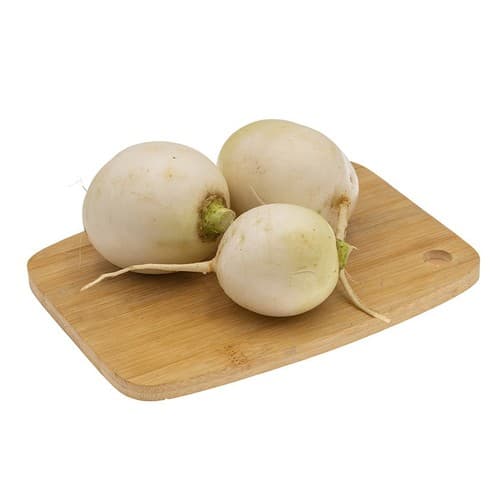 €1.49
€1.49Turnips 400 g Bag
LA COLLITA · kg · Bonpreu
Good to know
- Peak season
- Fall through winter; baby turnips in spring
- Flavor
- Peppery, crisp, mildly sweet; mellows when cooked
- Origin
- Eurasia; one of the oldest cultivated vegetables
- Nutrition
- ~28 kcal/100g; low calorie; vitamin C, fiber
- How to buy
- Firm, heavy, smooth; small-to-medium; fresh greens if attached
Appears in these dishes
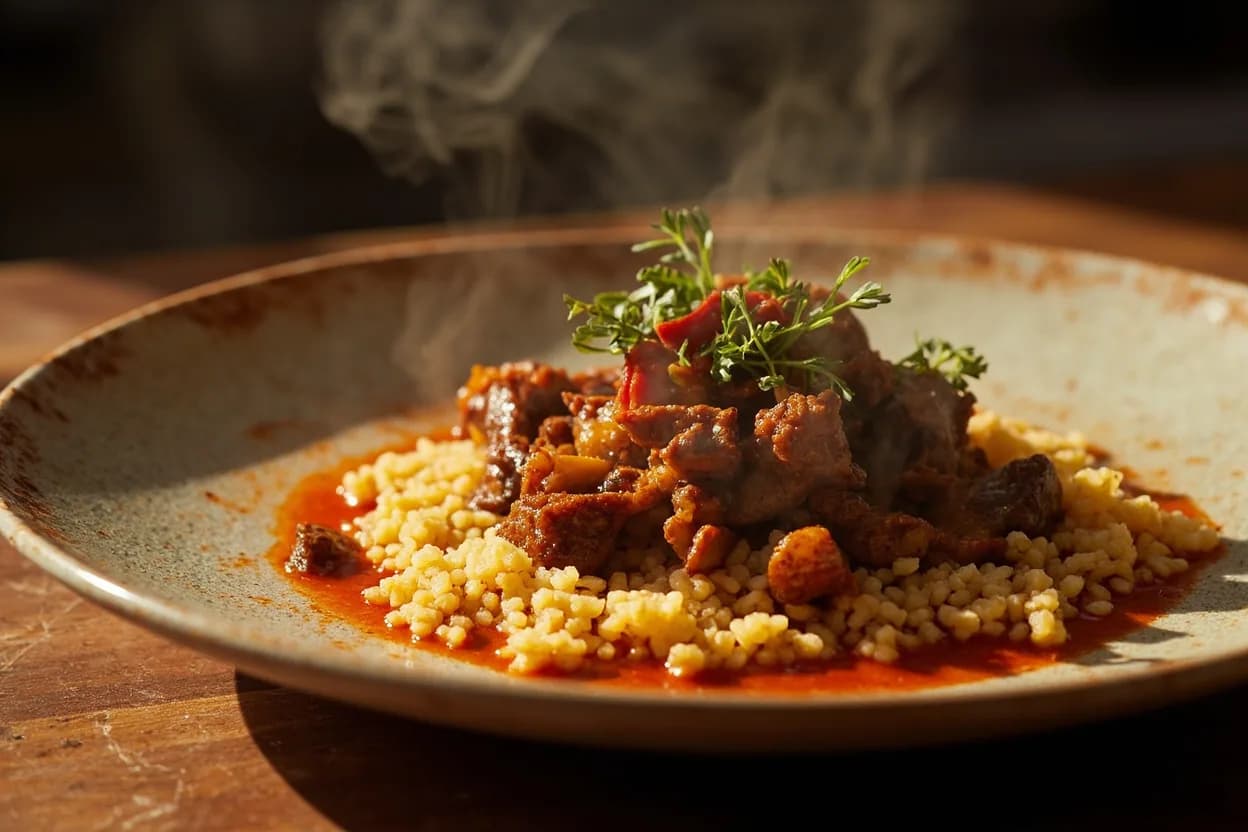
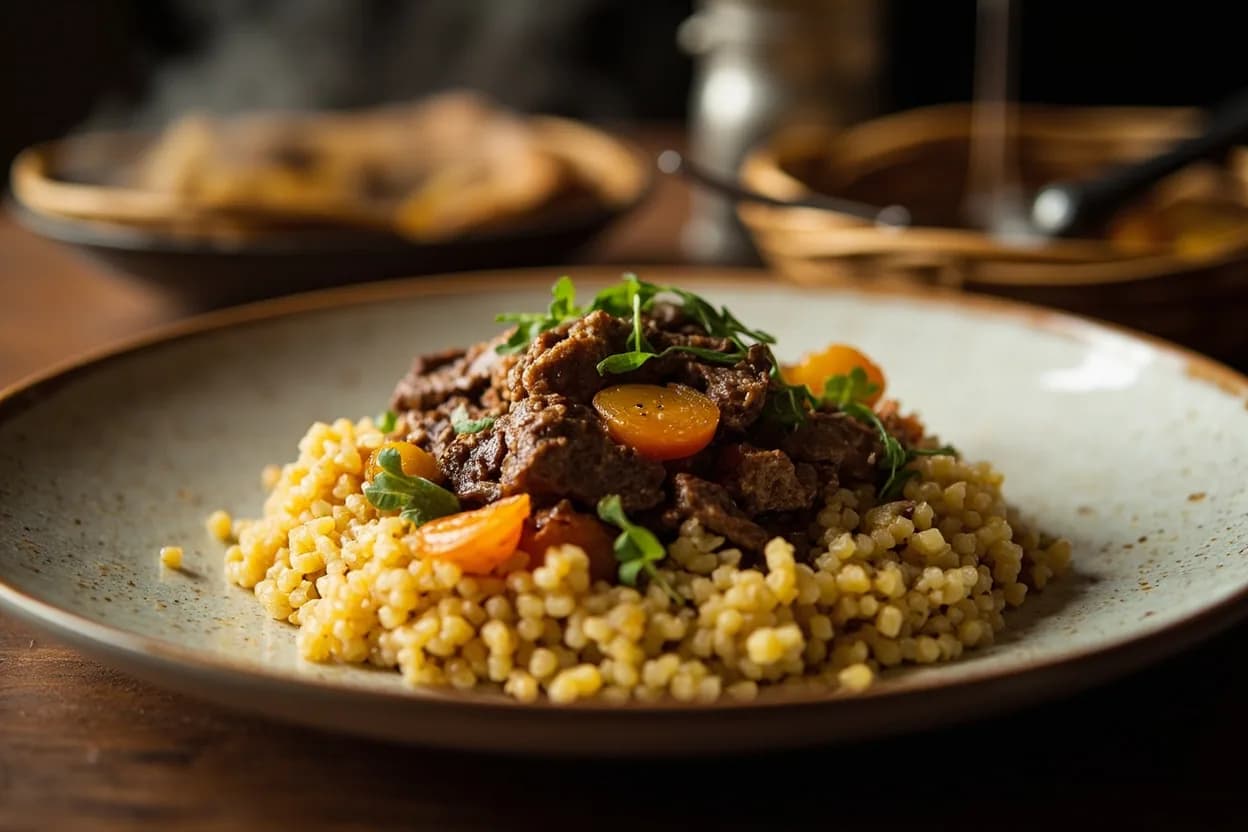
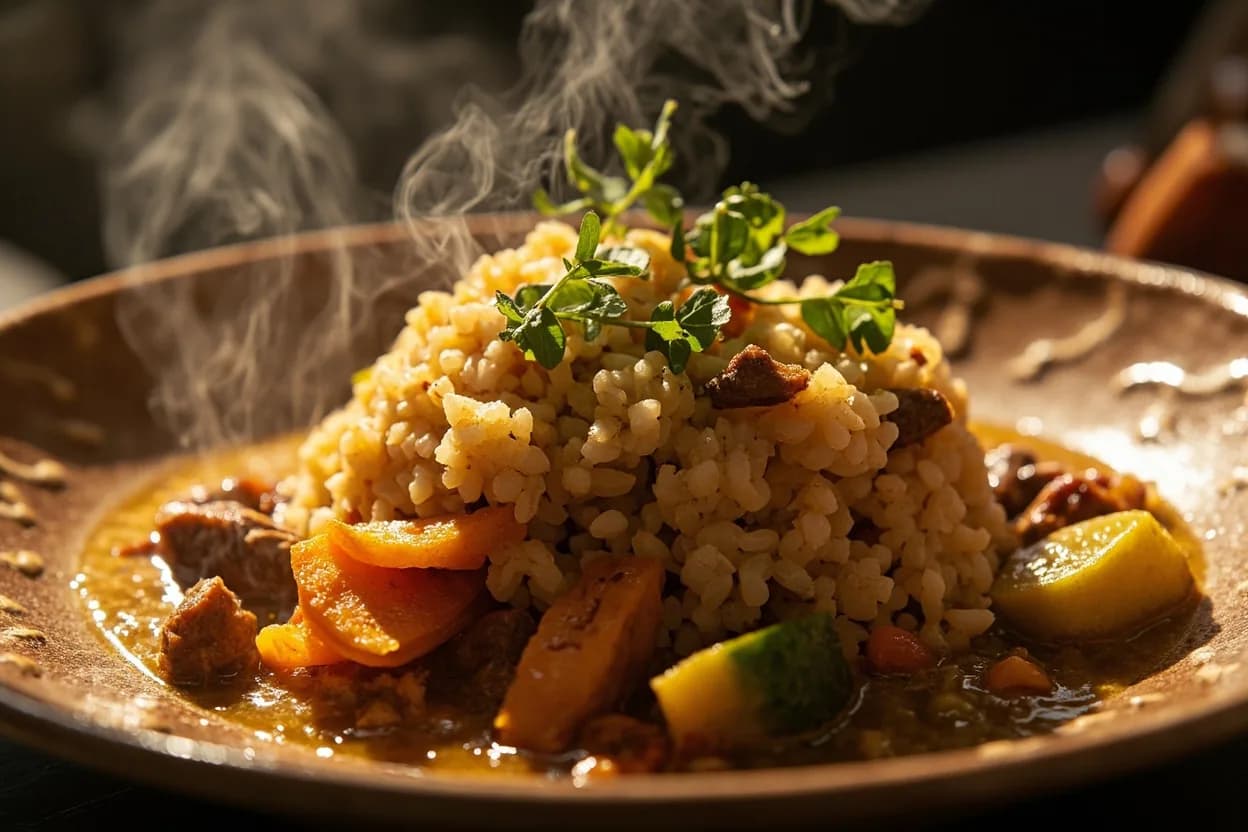
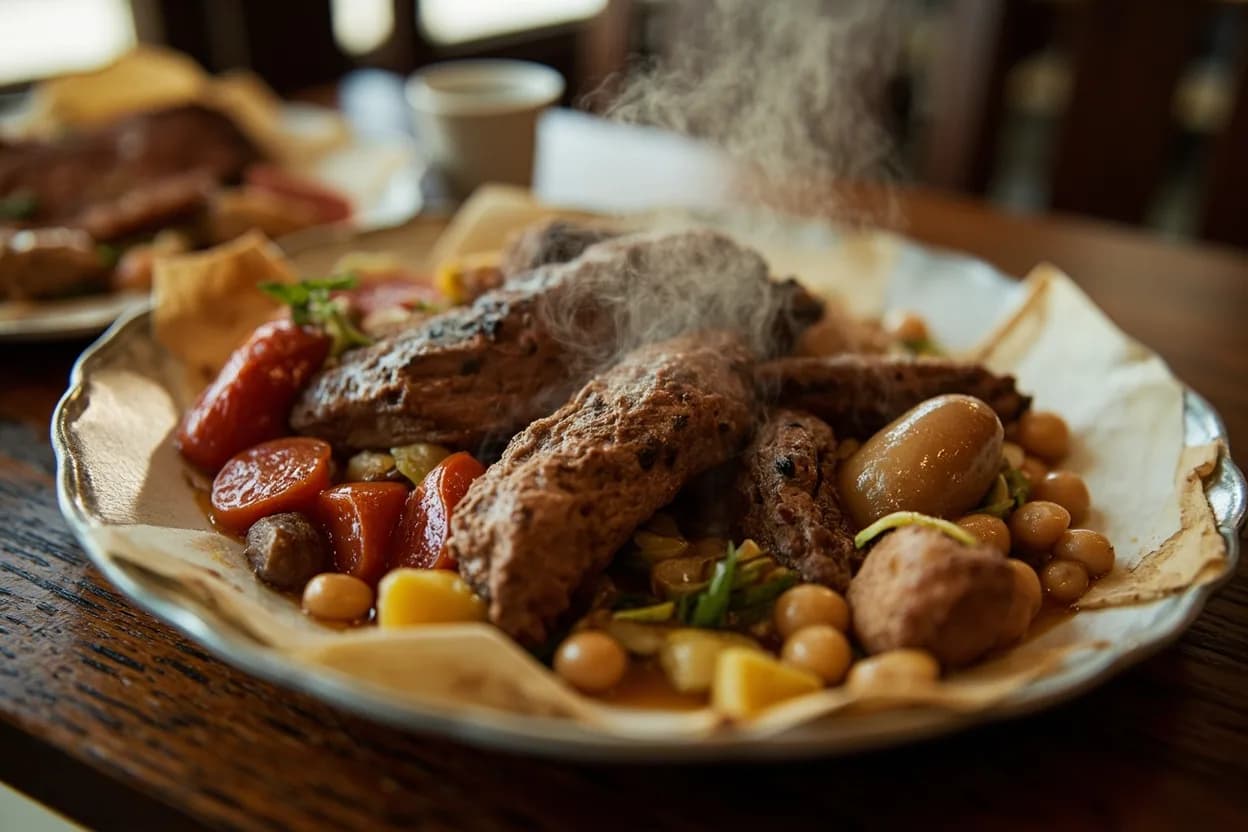
Related
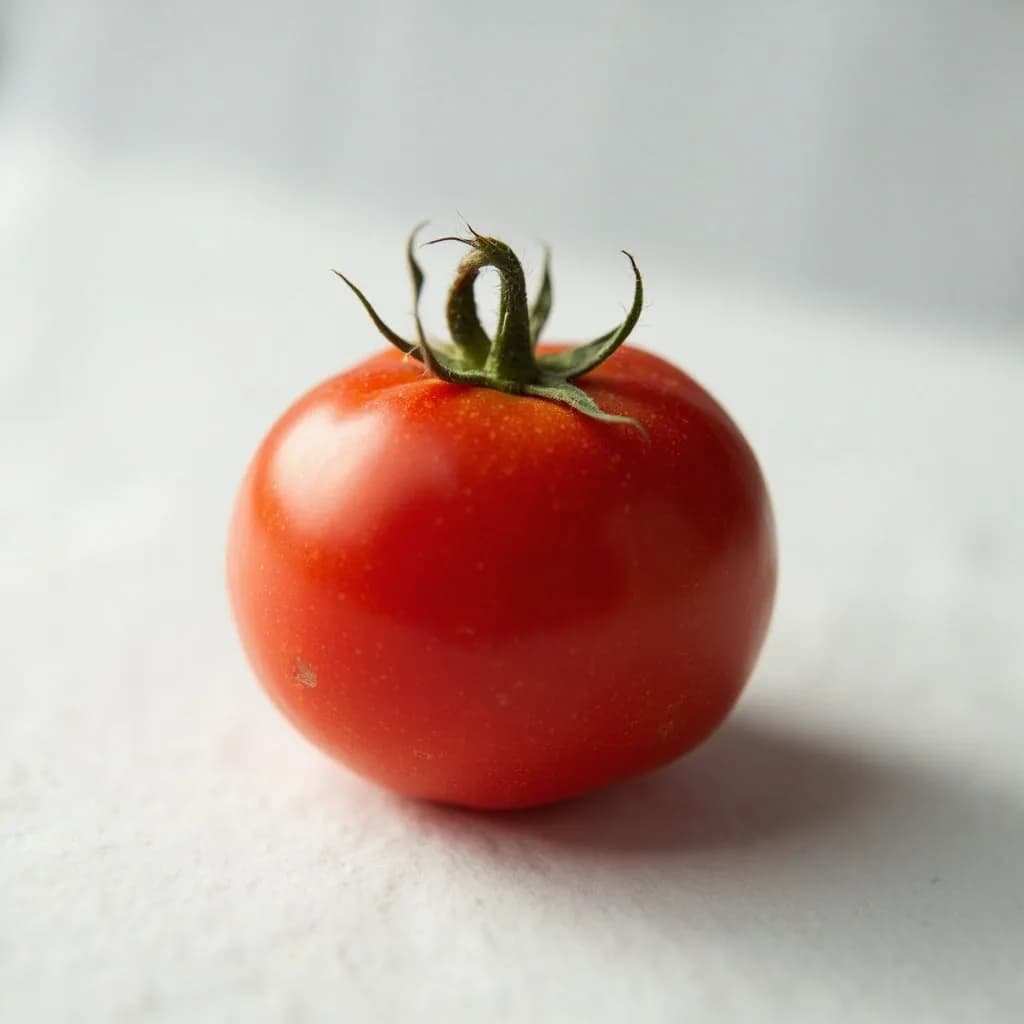
Tomato
Juicy, sun-sweet fruit for sauces, salads, and slow-cooked depth
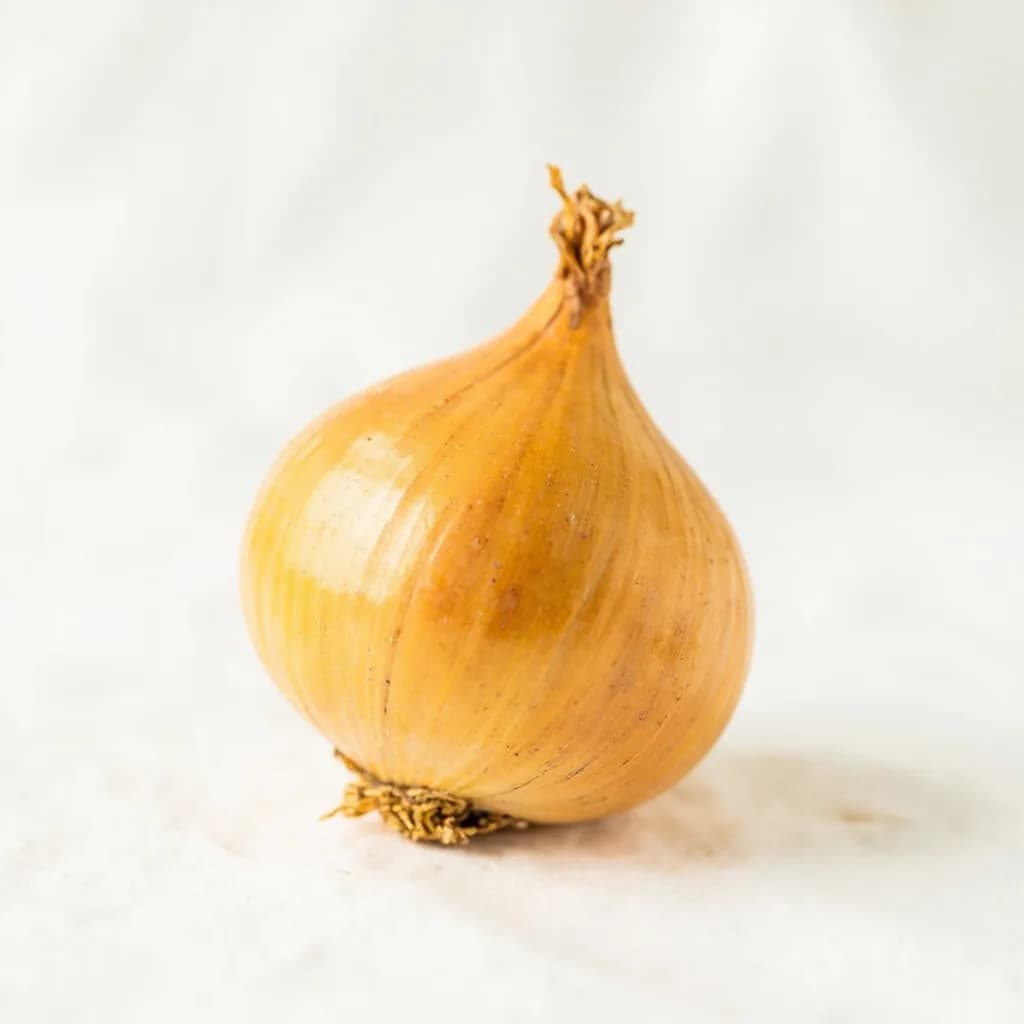
Yellow Onion
The aromatic backbone of soups, sofritos, and braises
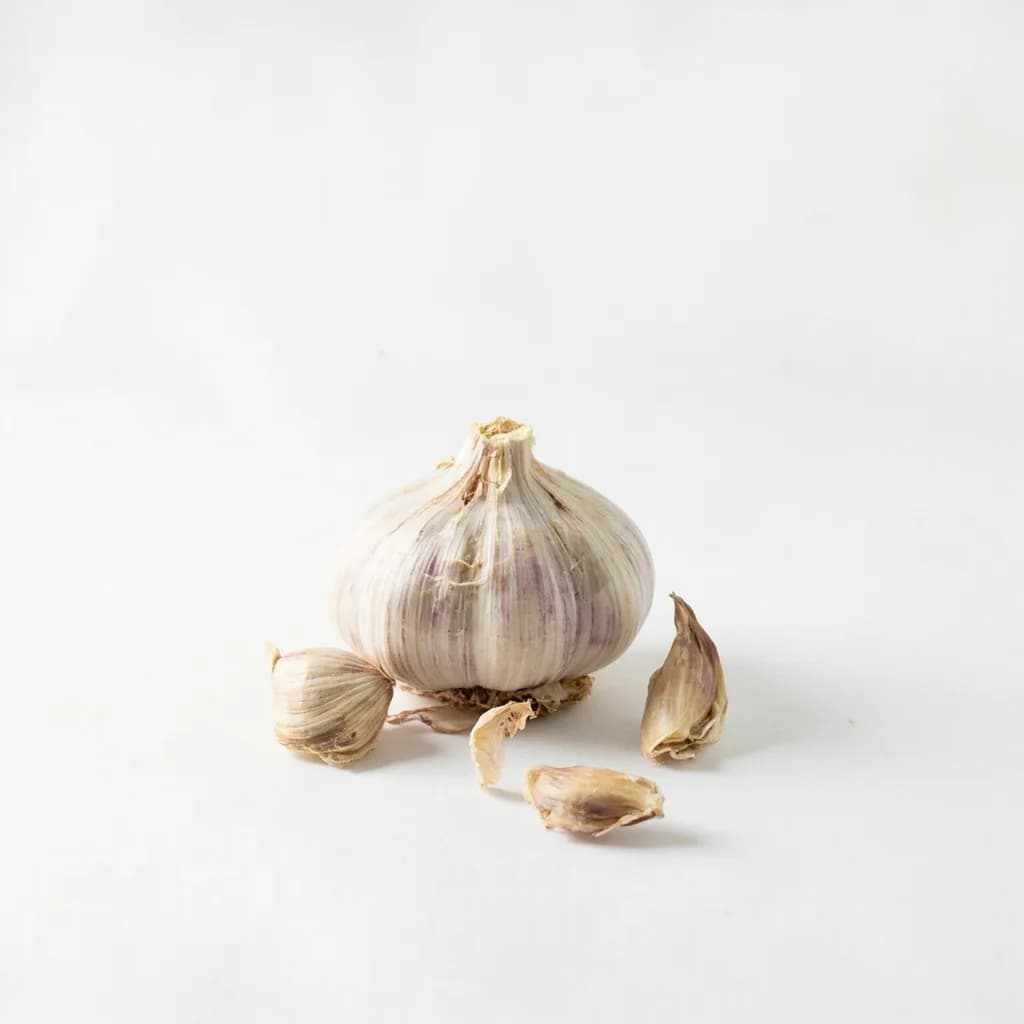
Garlic
Pungent cloves that perfume nearly every savory dish
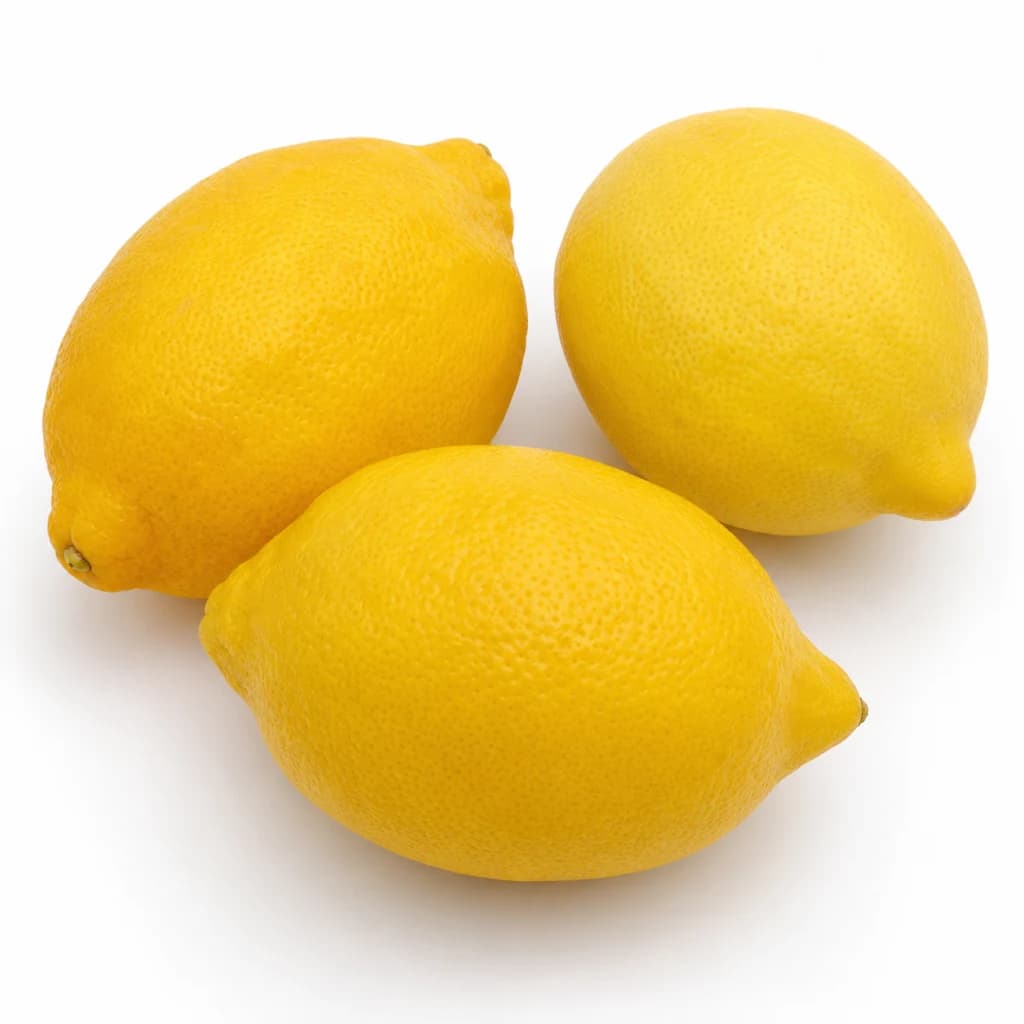
Lemon
Bright, acidic citrus that wakes up almost any dish
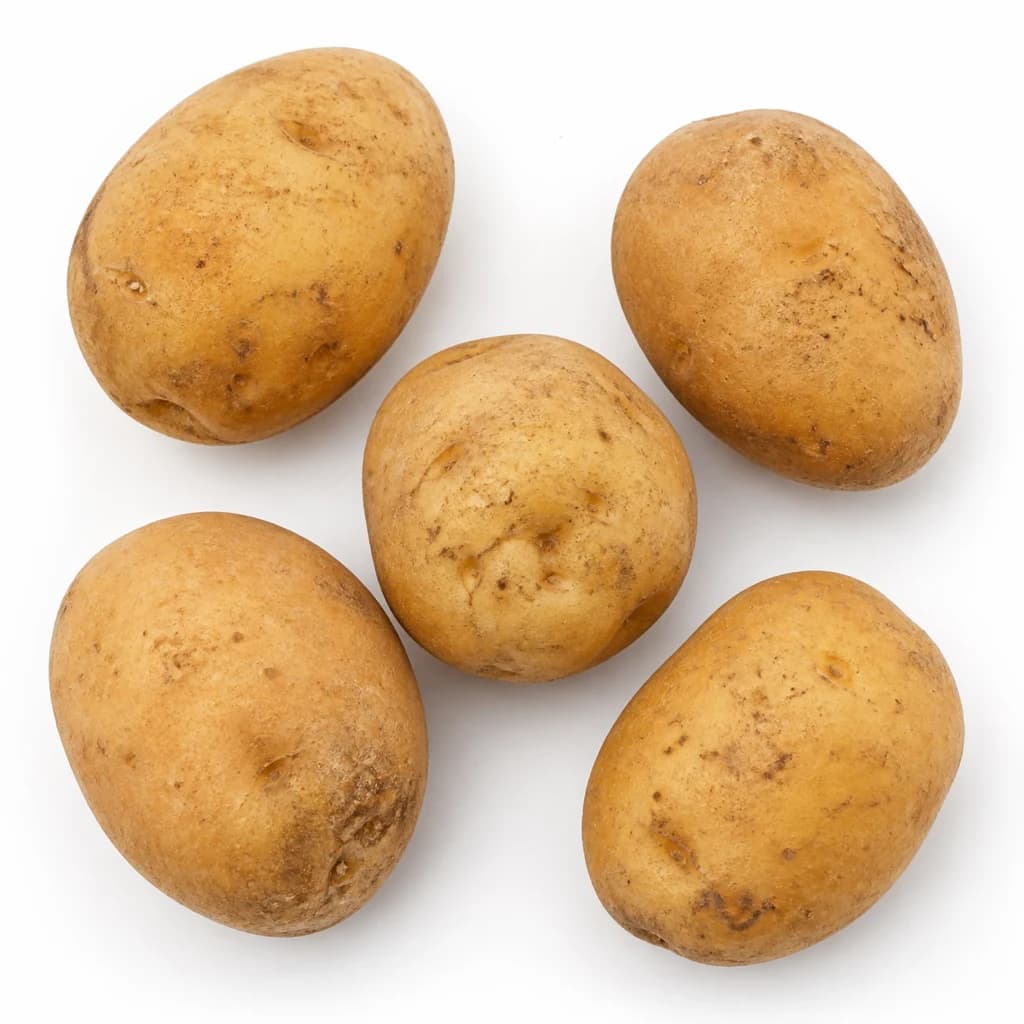
Potato
Humble, hearty staple — roast, mash, fry, or boil
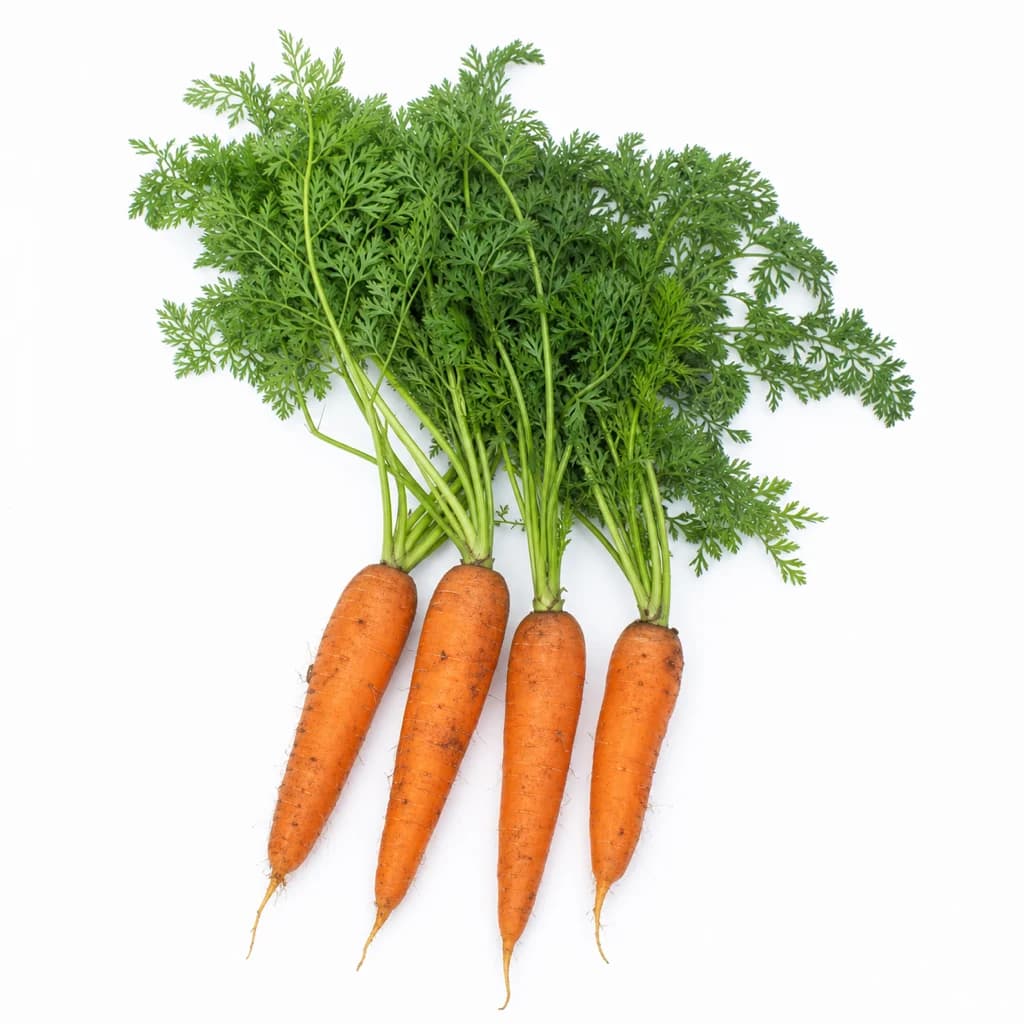
Carrot
Sweet, crunchy root — raw, roasted, or the base of a sofrito
Cucumber
Cool, crisp, and watery — for salads, pickles, and tzatziki

Lettuce
Crisp leaves for salads, wraps, and a fresh crunch