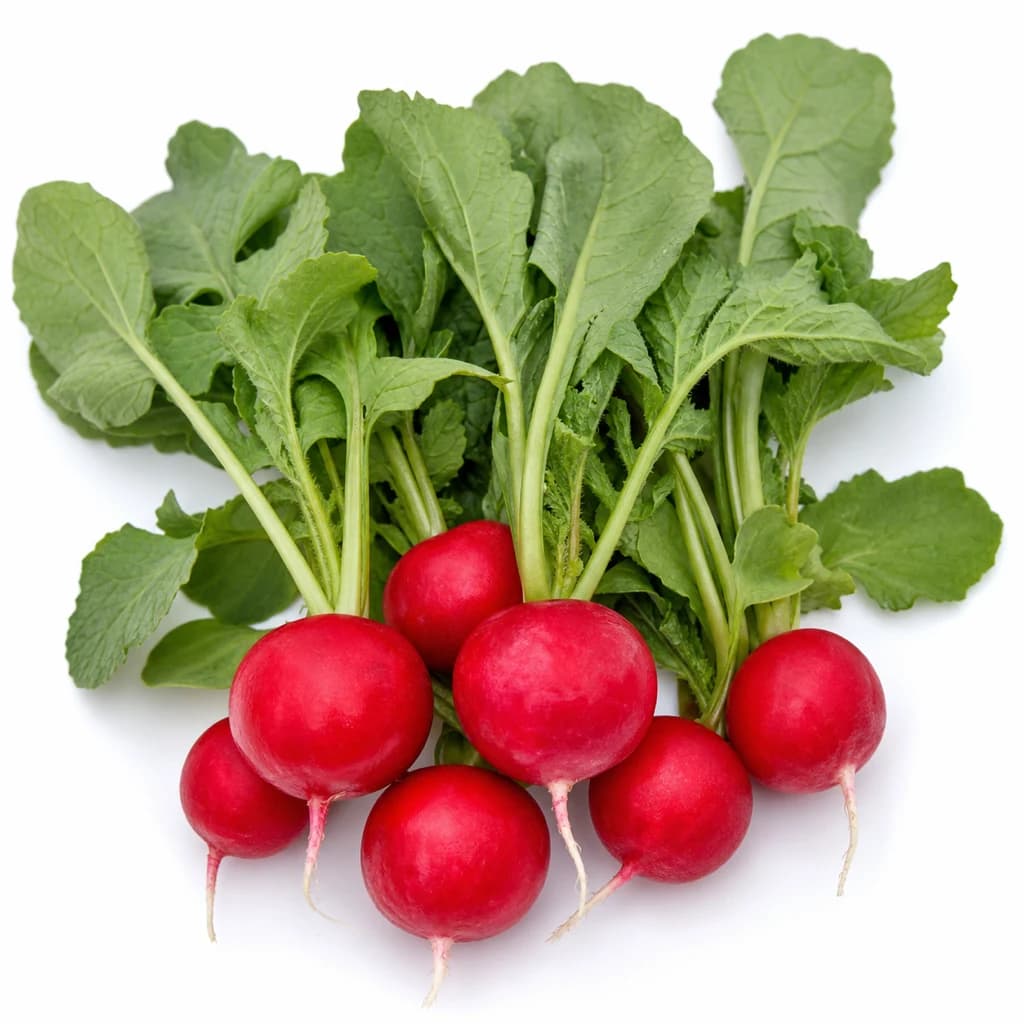
Natural form
Whole red globe radishes with roots and leafy green tops, as harvested.
Shows the complete plant as harvested — round scarlet shape, white tip, and green leafy tops — so readers can identify radishes at point of purchase.
Produce
Radish
Peppery, crisp roots for snacking, salads, and pickling
Crunchy and peppery, radishes add a sharp bite raw, mellow when roasted, and quick-pickle beautifully. Trim the greens to keep the roots firm. Store them cold.
The radish is a crisp, peppery root that delivers a sharp, refreshing bite raw and a surprising mellow sweetness when roasted. The familiar little red globe is just the start — there are long white daikon, fiery black radishes, and the magenta-hearted watermelon type. Eaten raw with butter and salt the French way, sliced into salads and tacos, quick-pickled, or roasted until their heat softens, radishes are a fast, lively addition to almost anything.
- Measured in
- g
- Storage
- Refrigerate
- Shelf life
- 14 days
Find it in
Types & varieties
The common small, round, peppery radish
Large white Asian radish; mild, juicy — for pickles and stews
Green outside, vivid pink-magenta inside; pretty and mild
Oblong, two-toned, mild; classic with butter
Pungent, dense; strong winter variety
How to choose
Pick firm, smooth radishes that are heavy for their size, with vivid color and no cracks, soft spots, or pithy give. Fresh, perky greens signal recent harvest. Smaller radishes are usually crisper and less sharp; oversized ones can turn woody and hollow.
How to store
Cut off the greens (they wick moisture and wilt fast), then store the roots in the crisper, ideally with a damp towel or in water, where they stay crunchy for a week or more. Limp radishes perk back up after a soak in ice water. Use the greens within a day or two.
- Remove greens before storing
- Keep roots cold and damp
- Crisp up limp ones in ice water
Raw, roasted, or pickled
Raw, radishes are all snap and pepper — slice thin for salads and tacos, or serve whole with good butter and flaky salt. Roasting transforms them: the heat fades to a gentle, turnip-like sweetness. Quick-pickling in seasoned vinegar tames the bite and adds bright tang to bowls and sandwiches.
Common uses
Tips & pitfalls
- Slice paper-thin on a mandoline for delicate salads
- Roast them — surprisingly mellow and sweet, like a baby turnip
- Sauté or braise the greens; they're peppery and good
- Quick-pickle for instant brightness on tacos and rice bowls
- Soak in ice water for extra crunch before serving raw
Nutrition
Energy
67 kJ · per 100 g
Where the calories come from
Protein
0.7g
1% DV
Carbs
3.4g
1% DV
Fat
0.1g
0% DV
Fiber
1.6g
6% DV
Sugars
1.9g
of which
Sodium
39mg
2% DV
Source · USDA FoodData Central · Radishes, raw
View on FDC →In the shops
Matched grocery products
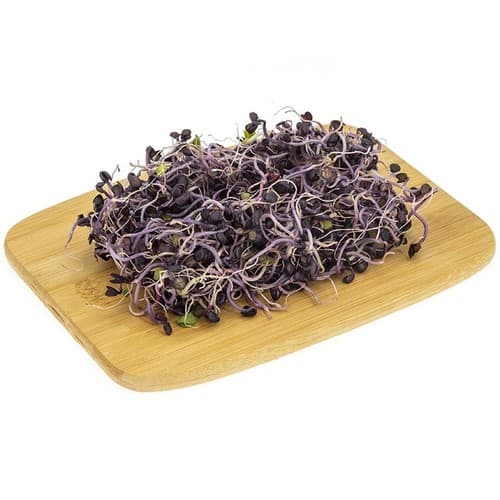 €1.69
€1.69Organic Purple Radish Sprouts in 50g Tray
BROT D'OR · kg · Bonpreu
Good to know
- Peak season
- Spring and fall (cool weather); available year-round
- Flavor
- Peppery, crisp, juicy raw; mellow and sweet roasted
- Origin
- Asia/Mediterranean; an ancient cultivated root
- Nutrition
- ~16 kcal/100g; very low calorie; vitamin C, fiber
- How to buy
- Firm, smooth, brightly colored; fresh greens; no cracks or sponginess
Appears in these dishes
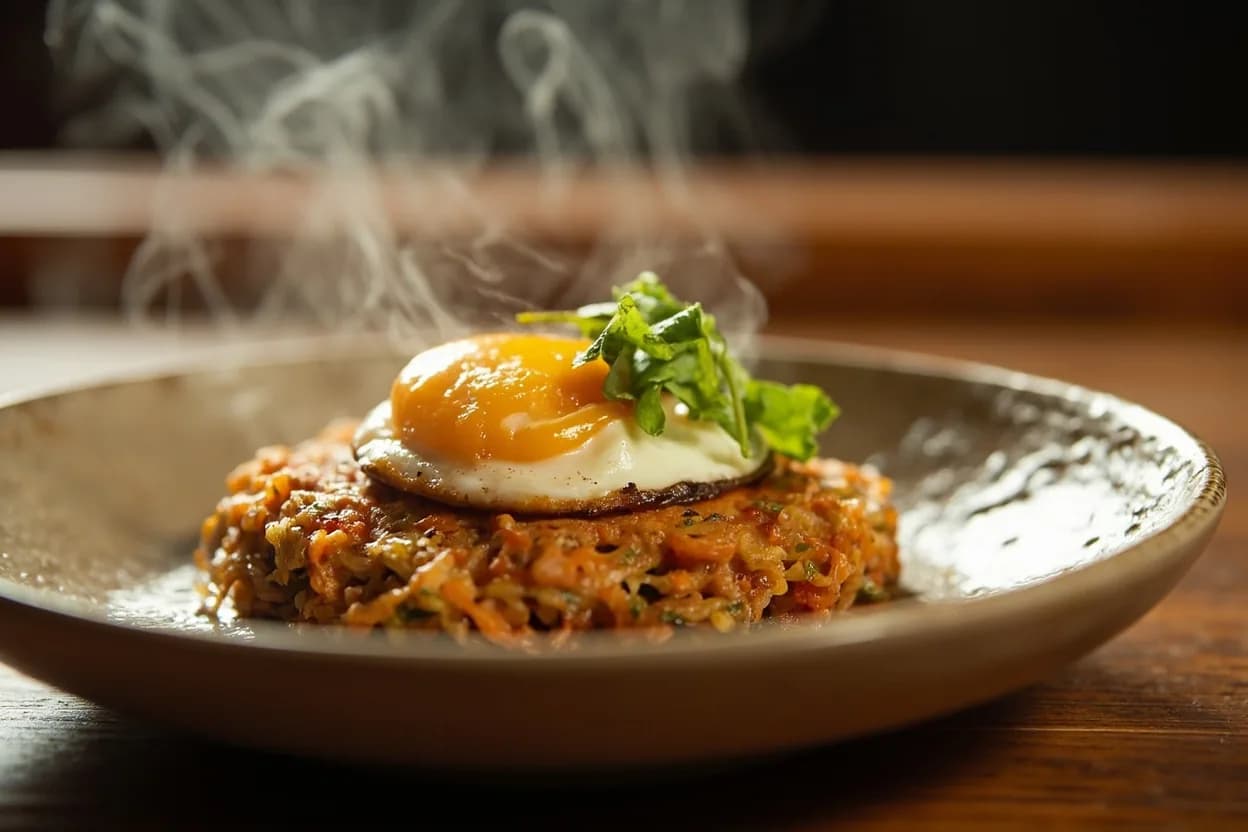
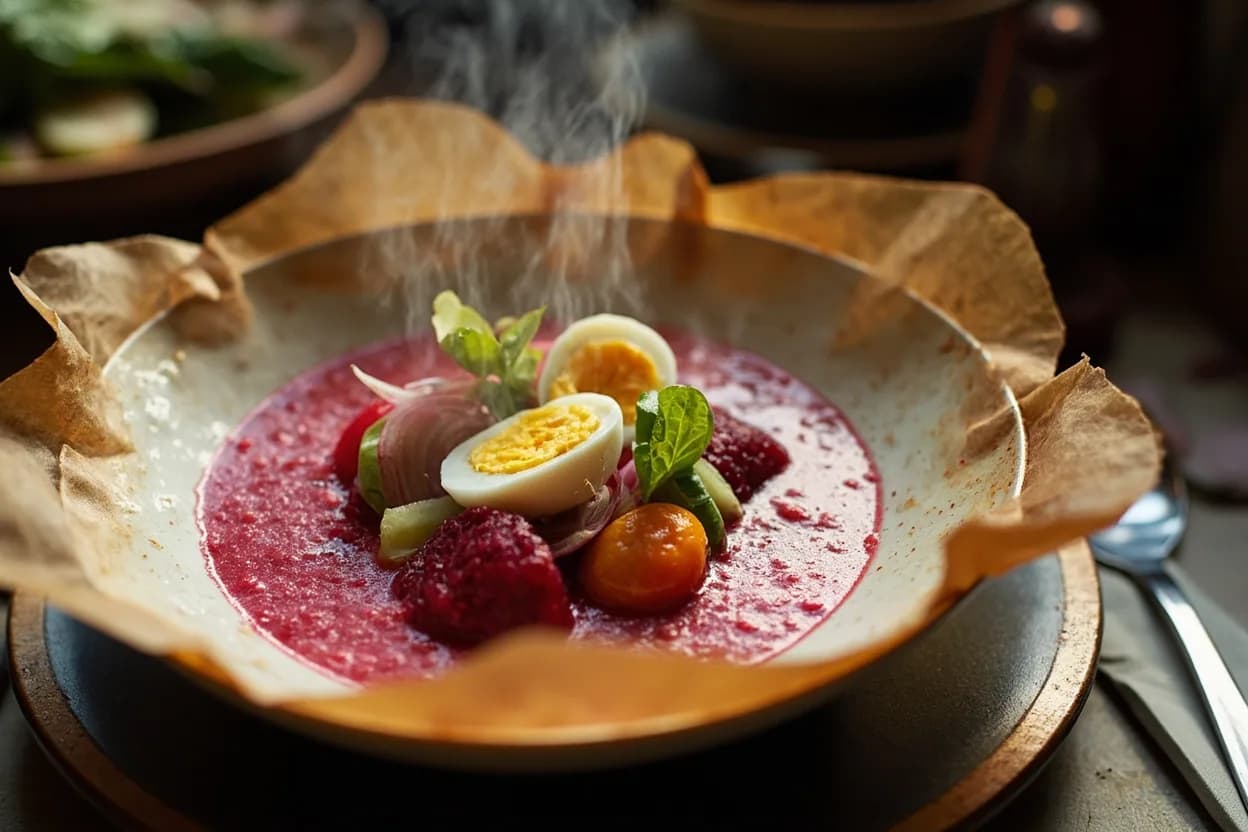
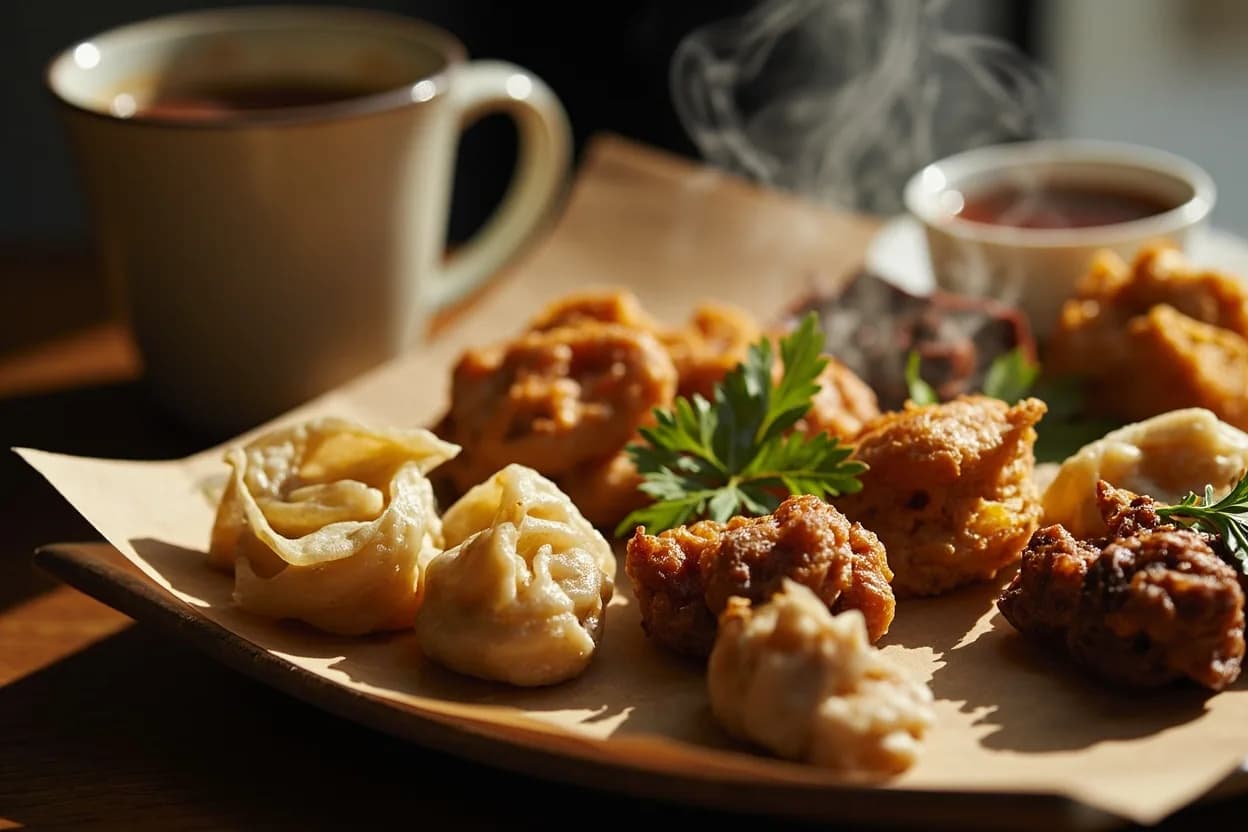
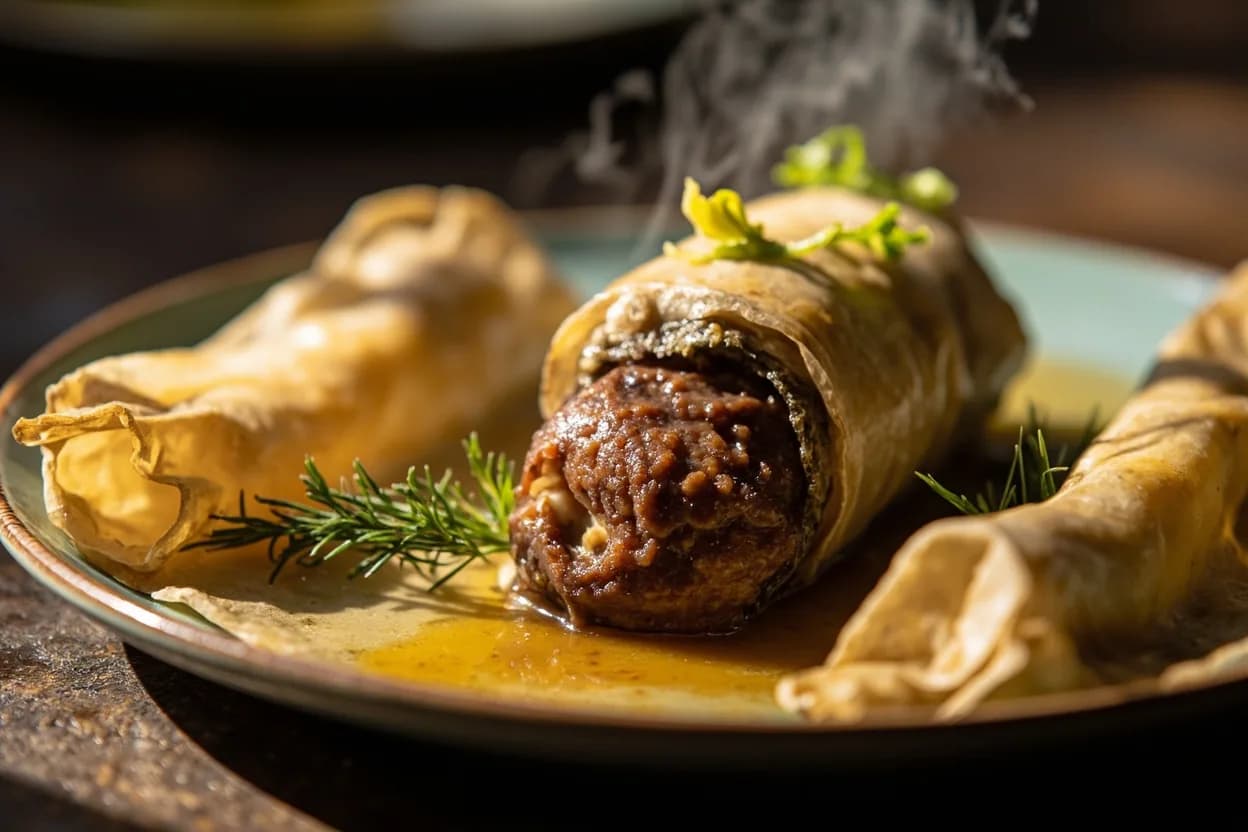
Related
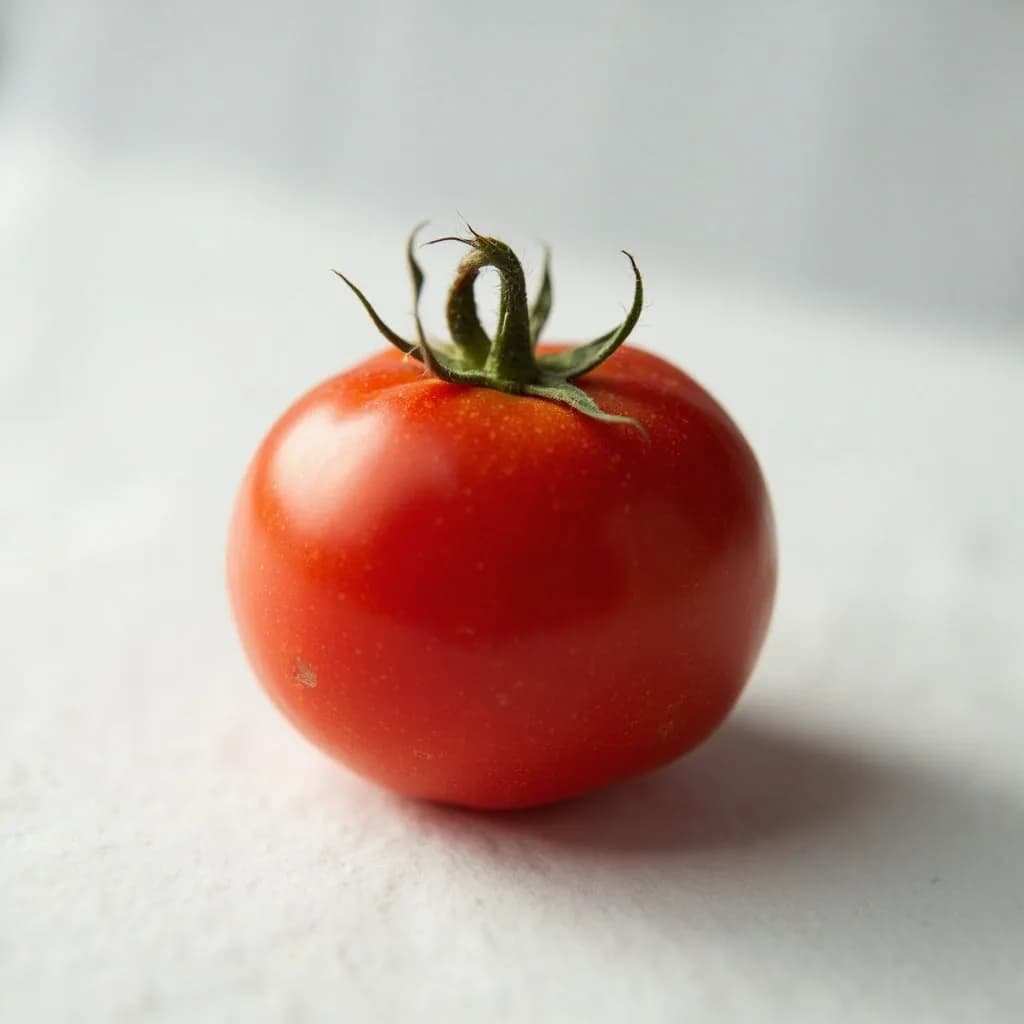
Tomato
Juicy, sun-sweet fruit for sauces, salads, and slow-cooked depth
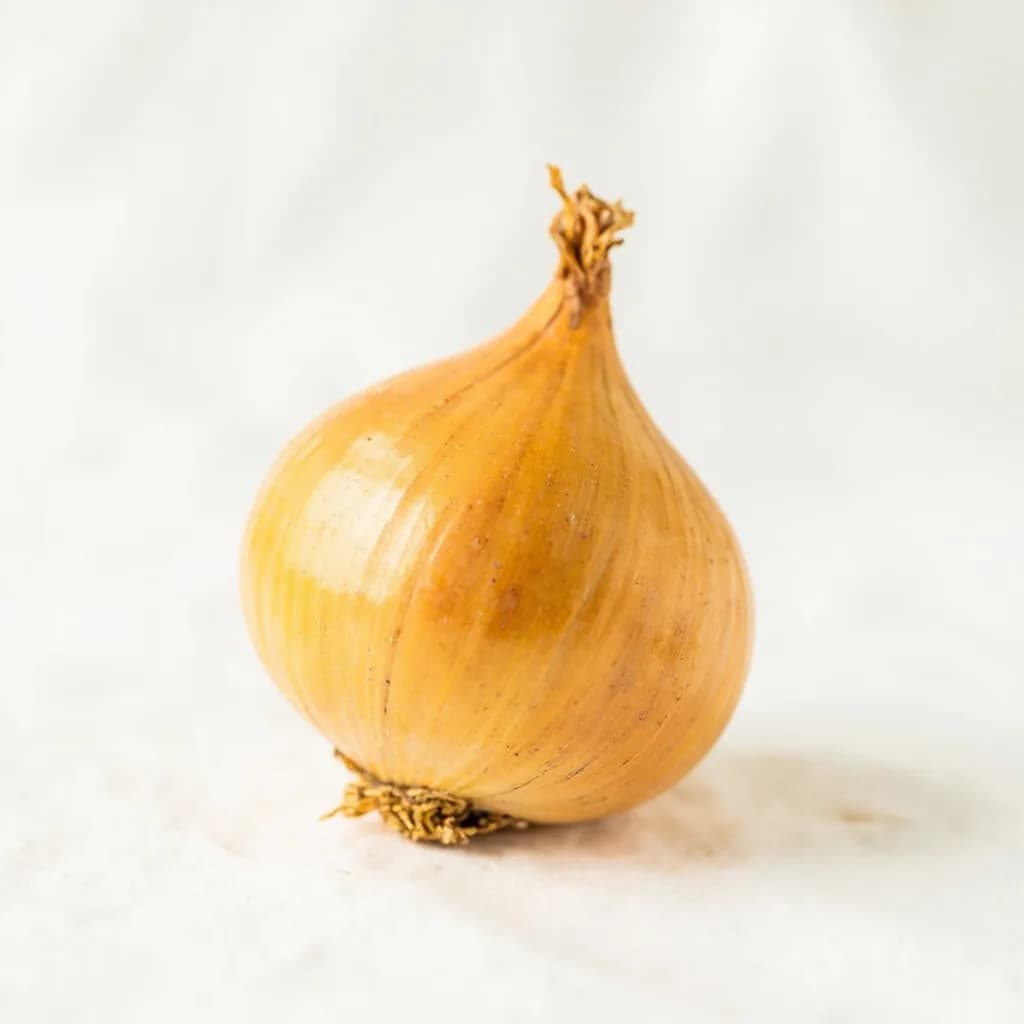
Yellow Onion
The aromatic backbone of soups, sofritos, and braises
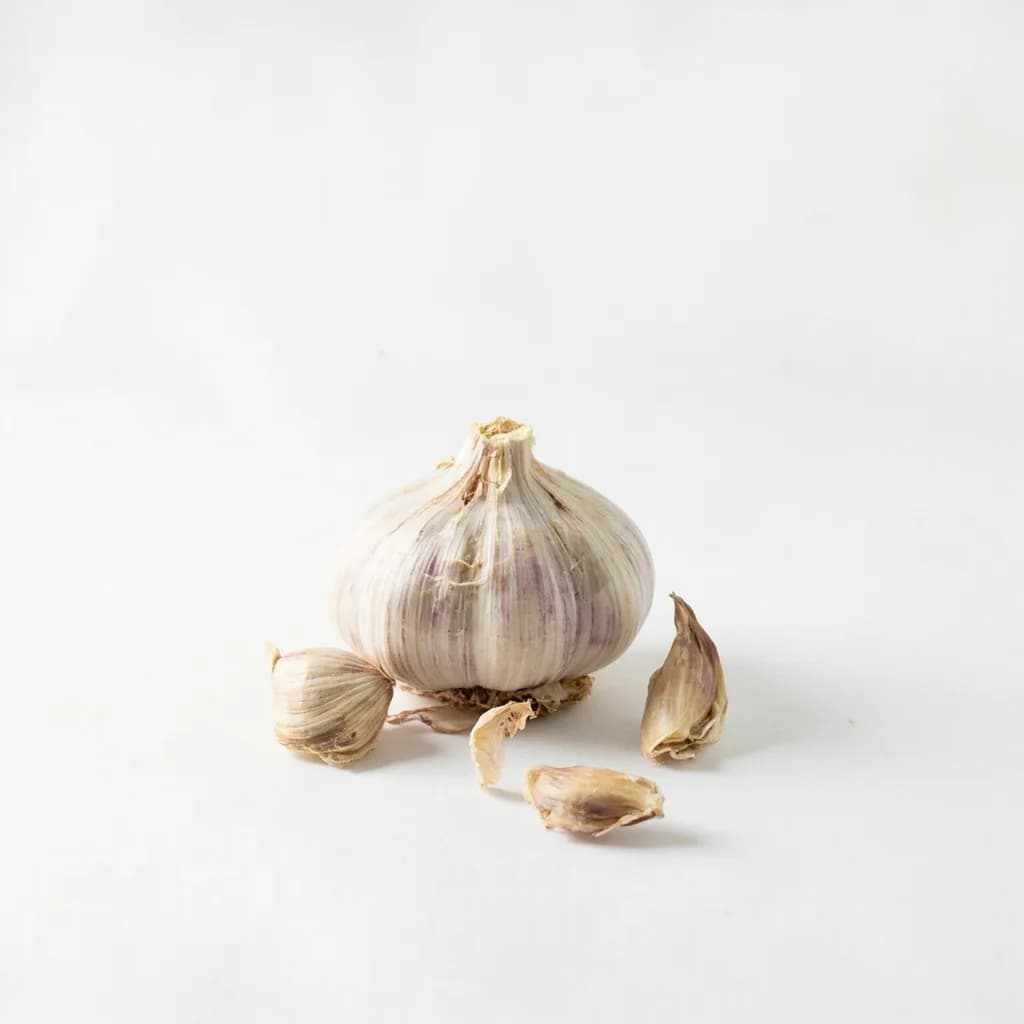
Garlic
Pungent cloves that perfume nearly every savory dish
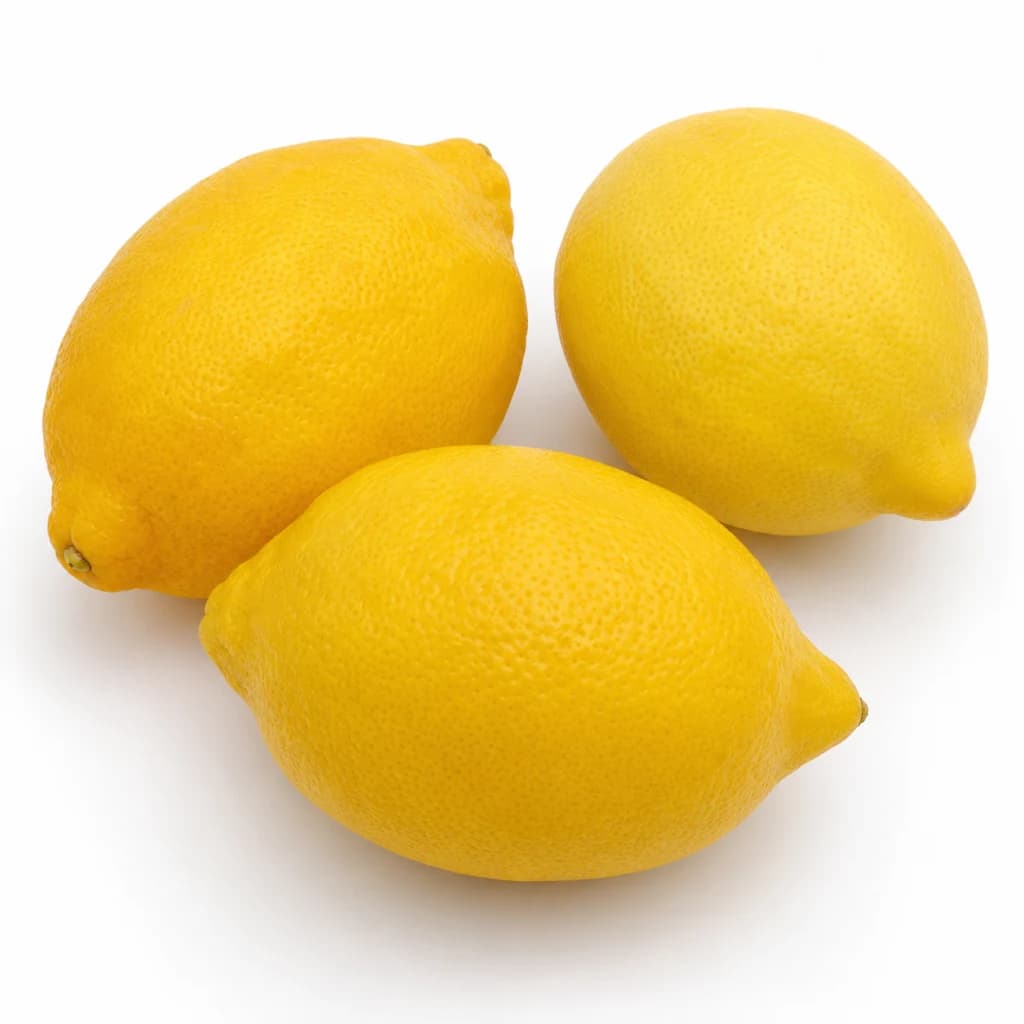
Lemon
Bright, acidic citrus that wakes up almost any dish
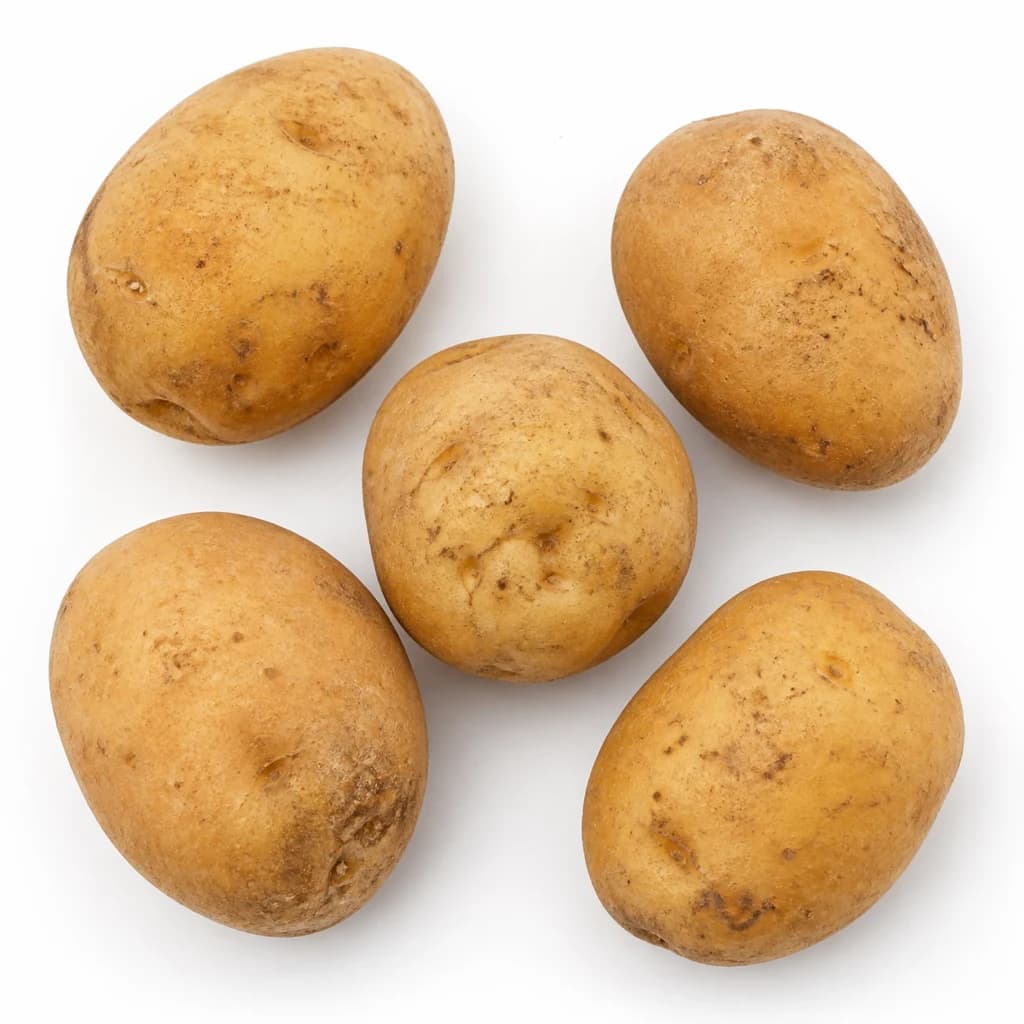
Potato
Humble, hearty staple — roast, mash, fry, or boil
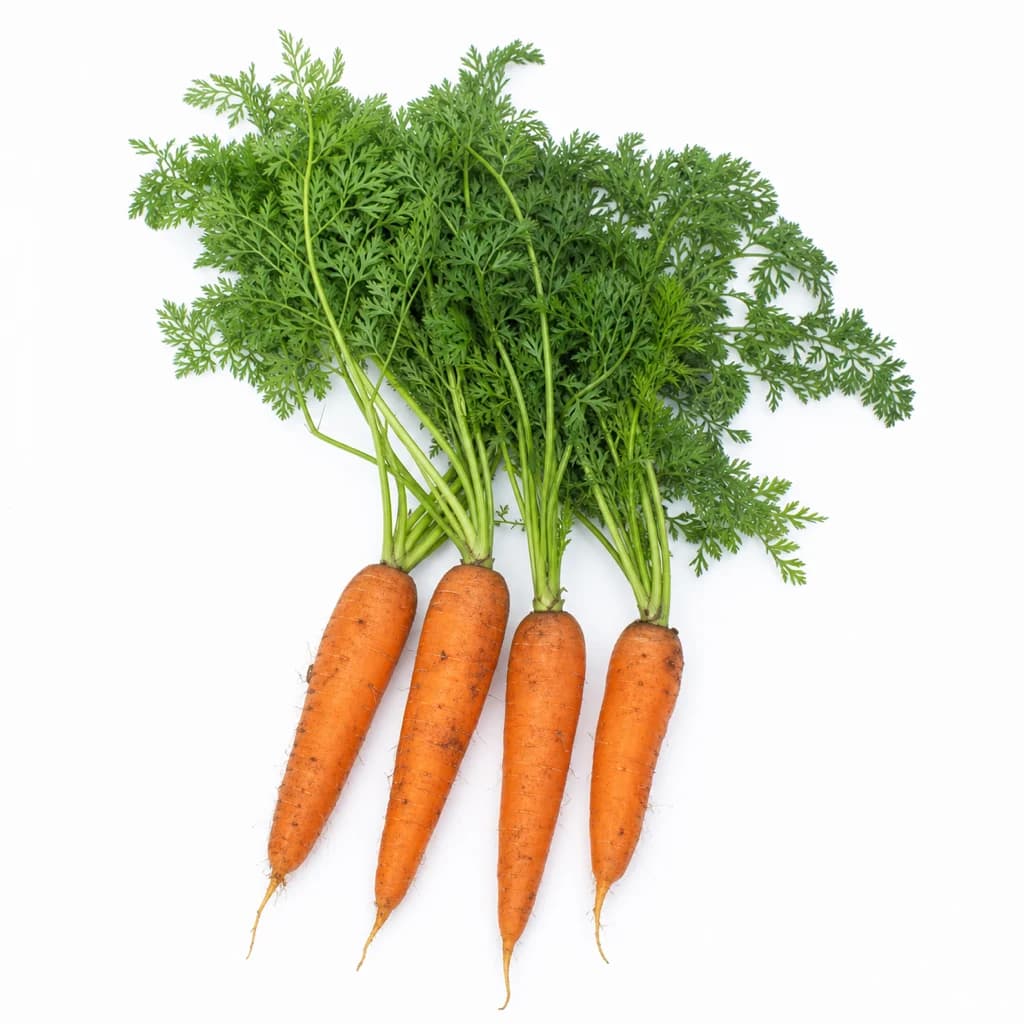
Carrot
Sweet, crunchy root — raw, roasted, or the base of a sofrito
Cucumber
Cool, crisp, and watery — for salads, pickles, and tzatziki

Lettuce
Crisp leaves for salads, wraps, and a fresh crunch