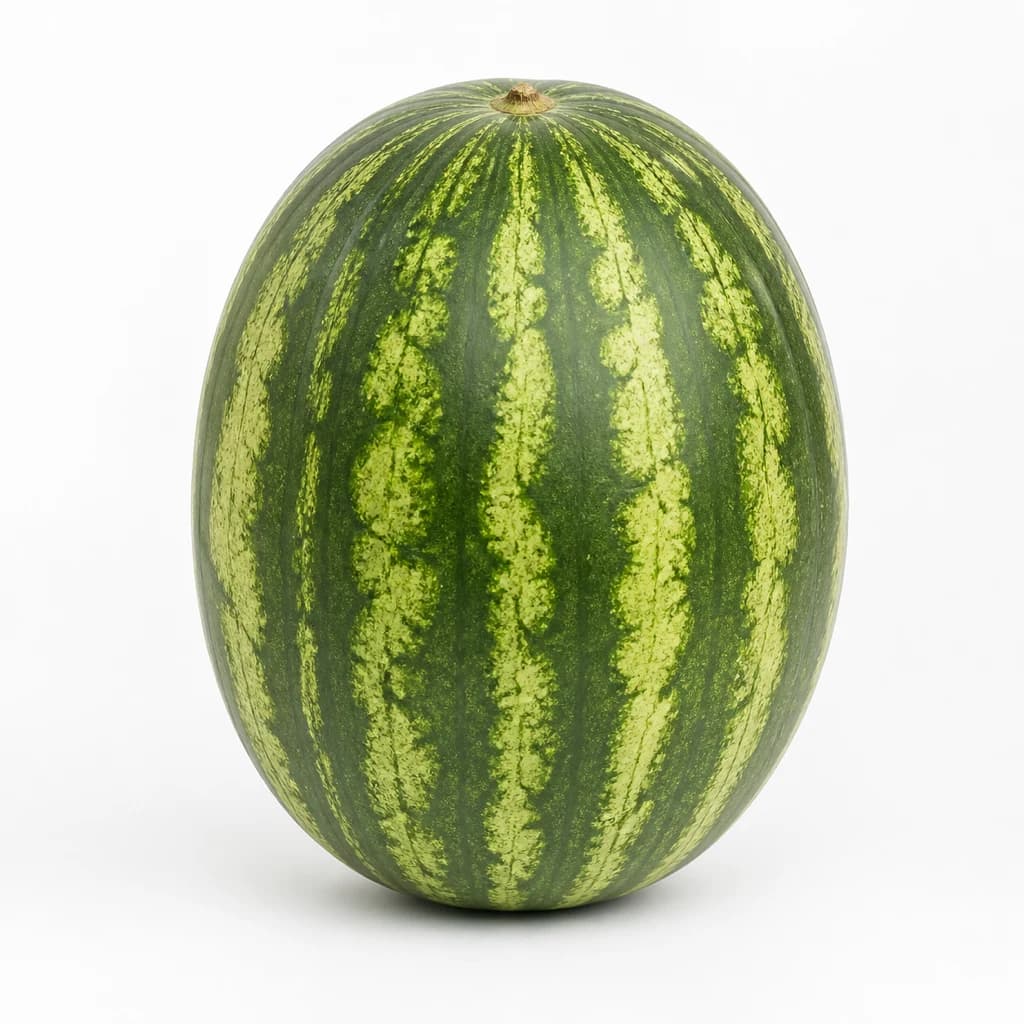
Natural form
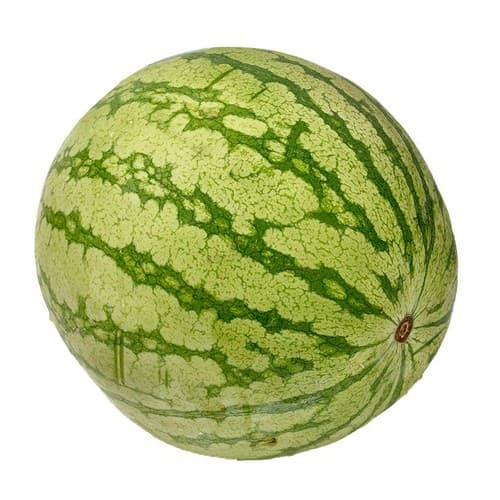
A whole watermelon showing the smooth dark green rind with lighter stripes.
Teaches readers the exterior appearance and scale of an uncut watermelon so it is recognizable at market.
Produce
Watermelon
Crisp, refreshing melon for summer salads and snacking
Sweet, crisp, and dripping with juice, watermelon cools a summer day, cubes into salads with feta and mint, and blends into agua fresca. Keep cut pieces cold and wrapped.
Watermelon is summer refreshment incarnate — sweet, crisp, and dripping with juice, about ninety percent water, eaten in cooling wedges straight from the rind. Beyond the picnic slice it cubes into salads (the feta-mint-watermelon combo is iconic), blends into agua fresca and granita, grills to a surprising savory-sweet, and even pickles (the rind) and chars. Picking a ripe one from the outside is the whole trick, since you can't open it to check.
- Measured in
- g
- Storage
- Refrigerate
- Shelf life
- 7 days
Find it in
Types & varieties
Large, classic, sweet; the traditional black-seeded melon
The common convenient type; tiny edible white seed traces
Small, round, sweet; fits a fridge shelf
Sweeter, honeyed varieties with golden interior
How to choose a ripe one
Since you buy it whole, judge from outside: it should feel heavy for its size (lots of water = ripe), have a creamy-yellow or buttery 'field spot' where it rested on the ground (white or green there means picked too early), and give a deep, hollow thump when knocked. The rind should be dull, not shiny, and firm with no soft spots, cracks, or bruising.
- Heavy for its size = juicy and ripe
- Creamy-yellow field spot, not white
- Deep hollow thump; dull firm rind
How to store
Keep a whole watermelon at room temperature until you cut it — it actually develops a touch more lycopene and flavor off the fridge, and just tastes better chilled briefly before serving. Once cut, wrap the pieces tightly or store cubed in a sealed container in the fridge, and use within a few days.
Beyond the wedge
Watermelon's sweetness loves a savory counterpoint: pair it with salty feta, briny olives, sharp red onion, mint, and lime for a classic summer salad. Blend it into agua fresca, freeze it into granita, or grill thick slabs until lightly charred for a smoky-sweet side. Don't toss the rind — it pickles beautifully. A pinch of salt or chili-lime makes the sweetness sing.
Common uses
Tips & pitfalls
- Look for the creamy-yellow field spot — it's the best ripeness clue on a whole melon
- A pinch of salt or a squeeze of lime makes the sweetness pop
- Cube and freeze for blender drinks, granita, and slushies
- Pair with salty feta and mint for the classic summer salad
- Pickle the rind instead of binning it
Nutrition
Energy
126 kJ · per 100 g
Where the calories come from
Protein
0.6g
1% DV
Carbs
7.6g
3% DV
Fat
0.2g
0% DV
Fiber
0.4g
1% DV
Sugars
6.2g
of which
Sodium
1mg
0% DV
Source · USDA FoodData Central · Watermelon, raw
View on FDC →In the shops
Matched grocery products
 €10.76
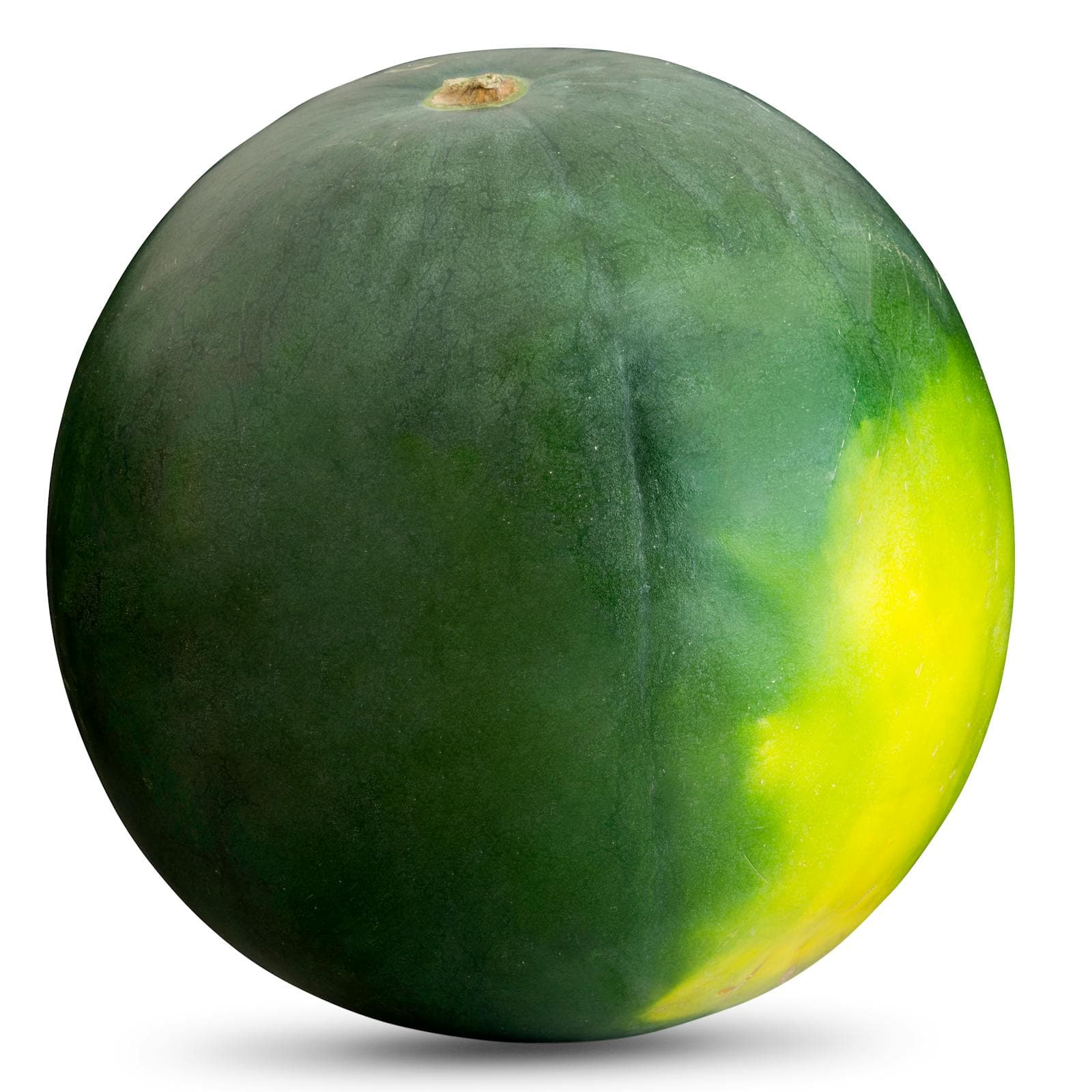
Seedless Watermelon
4.58 kg · Mercadona
 €5.99
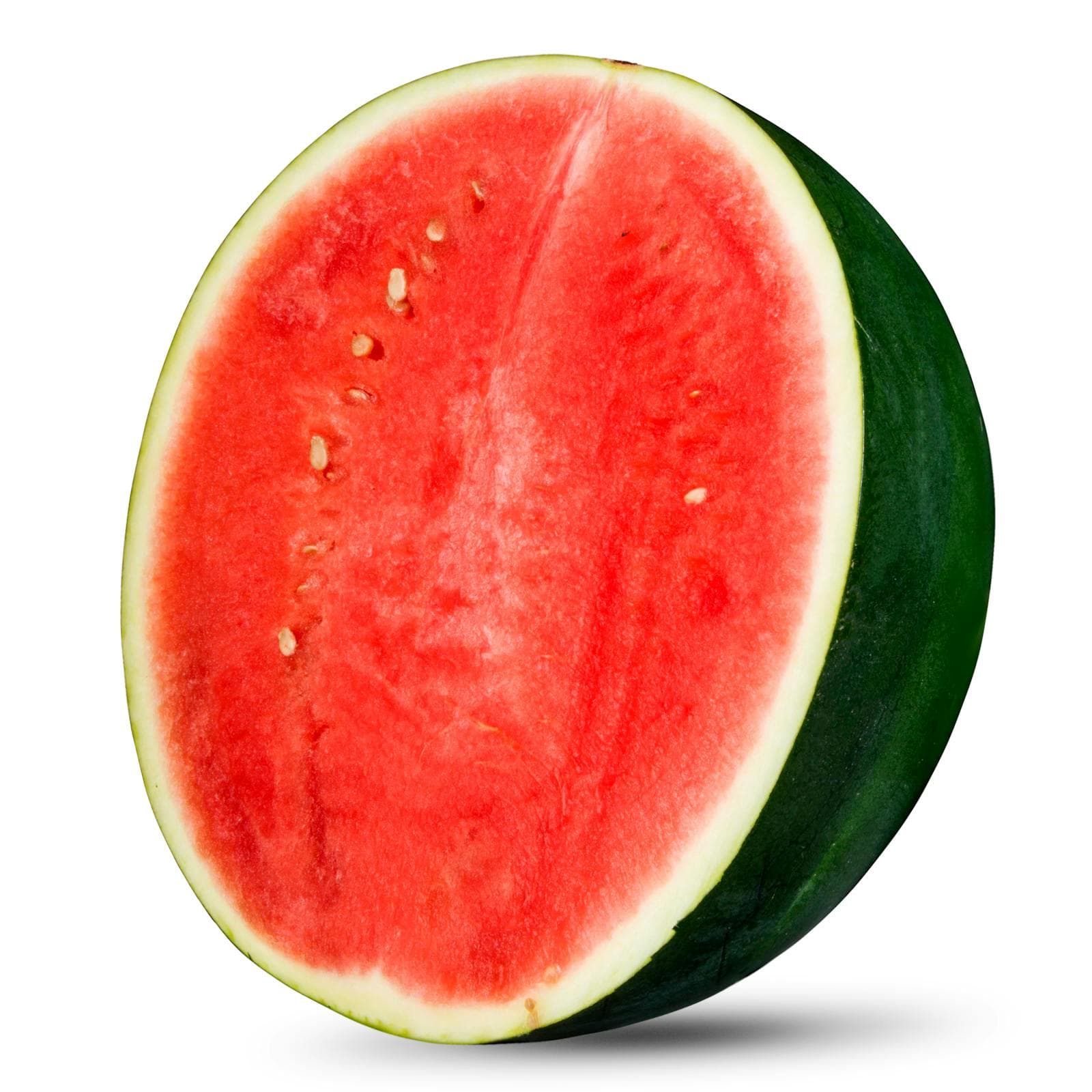
€5.99Half Seedless Watermelon
2.26 kg · Mercadona
 €10.95
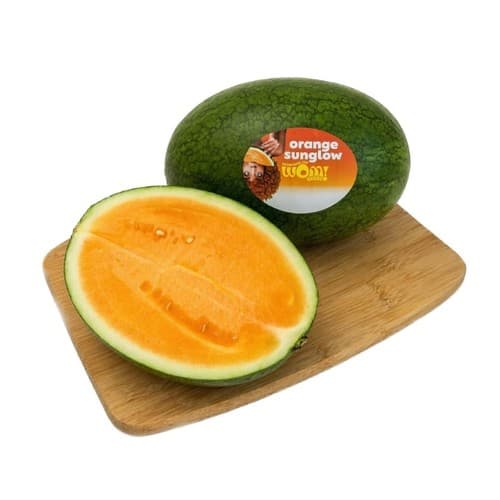
Orange Watermelon 1 unit
ud · Bonpreu
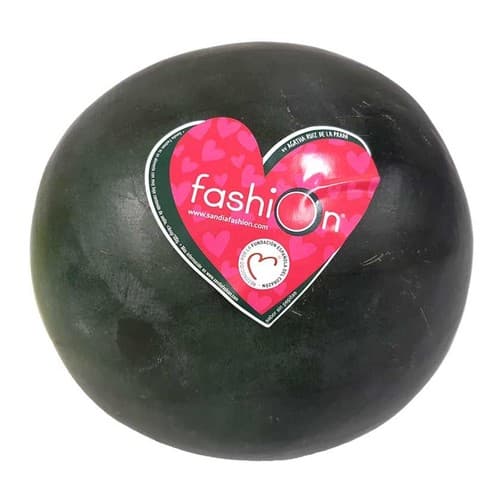 €11.48
Fashion Watermelon 1 unit
ud · Bonpreu
 €11.49
Fashion Watermelon 1 unit
Bonpreu
 €7.99
€7.99Seedless Watermelon 1 unit
Bonpreu
Good to know
- Peak season
- Summer (peak June–September)
- Flavor
- Sweet, crisp, intensely refreshing; very juicy
- Origin
- Northeast/Sudan region of Africa; domesticated from the Kordofan melon of Sudan, eaten in the Nile Valley over 4,000 years ago
- Nutrition
- ~30 kcal/100g; ~90% water; lycopene, vitamins C, A, hydrating
- How to buy
- Heavy for size, creamy-yellow field spot, hollow thump, dull (not shiny) rind
Related
Tomato
Juicy, sun-sweet fruit for sauces, salads, and slow-cooked depth
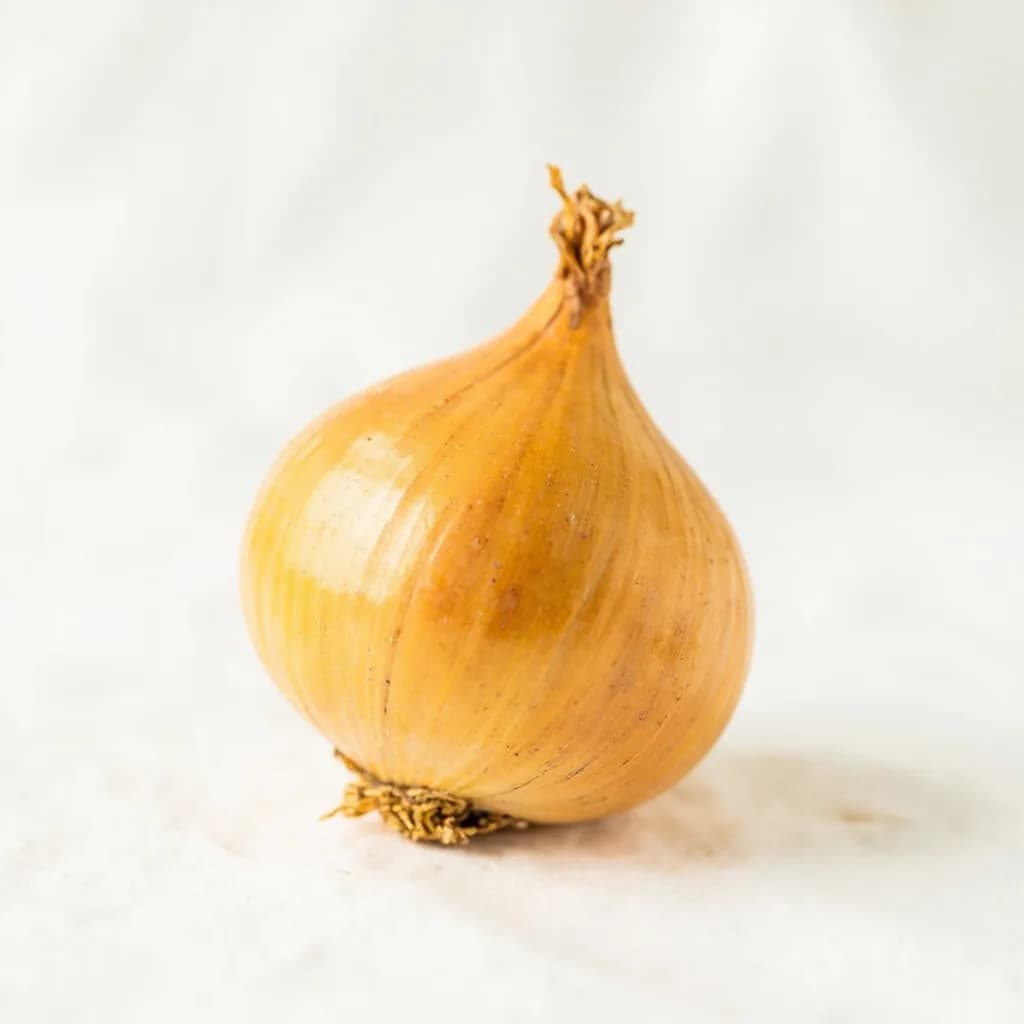
Yellow Onion
The aromatic backbone of soups, sofritos, and braises
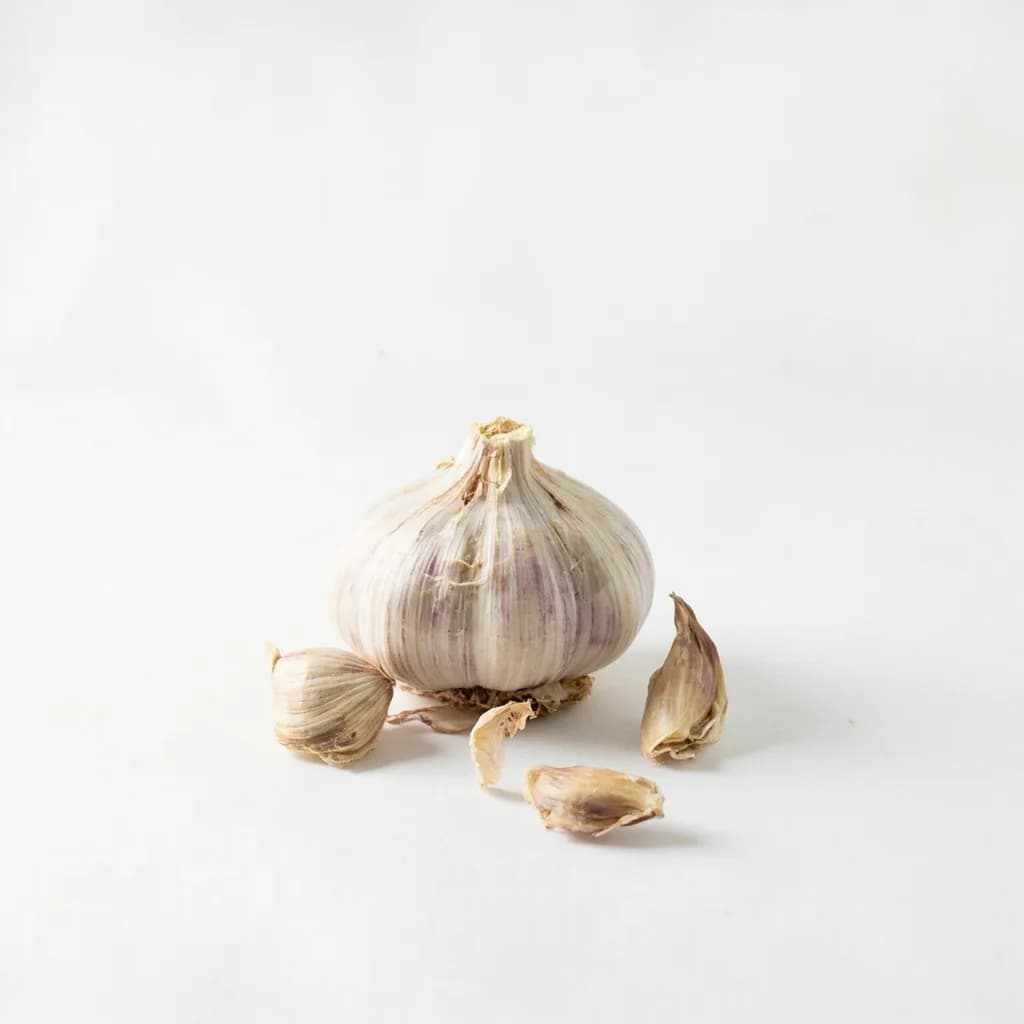
Garlic
Pungent cloves that perfume nearly every savory dish
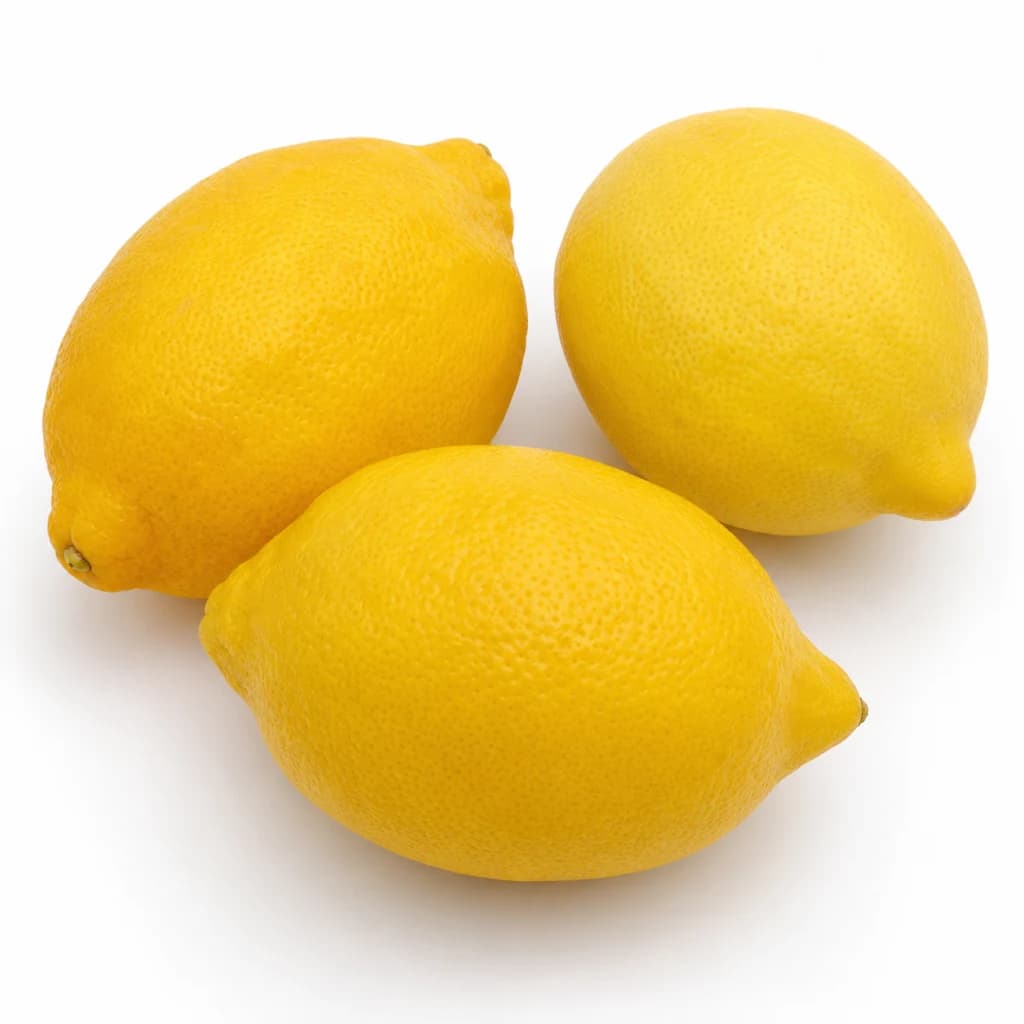
Lemon
Bright, acidic citrus that wakes up almost any dish
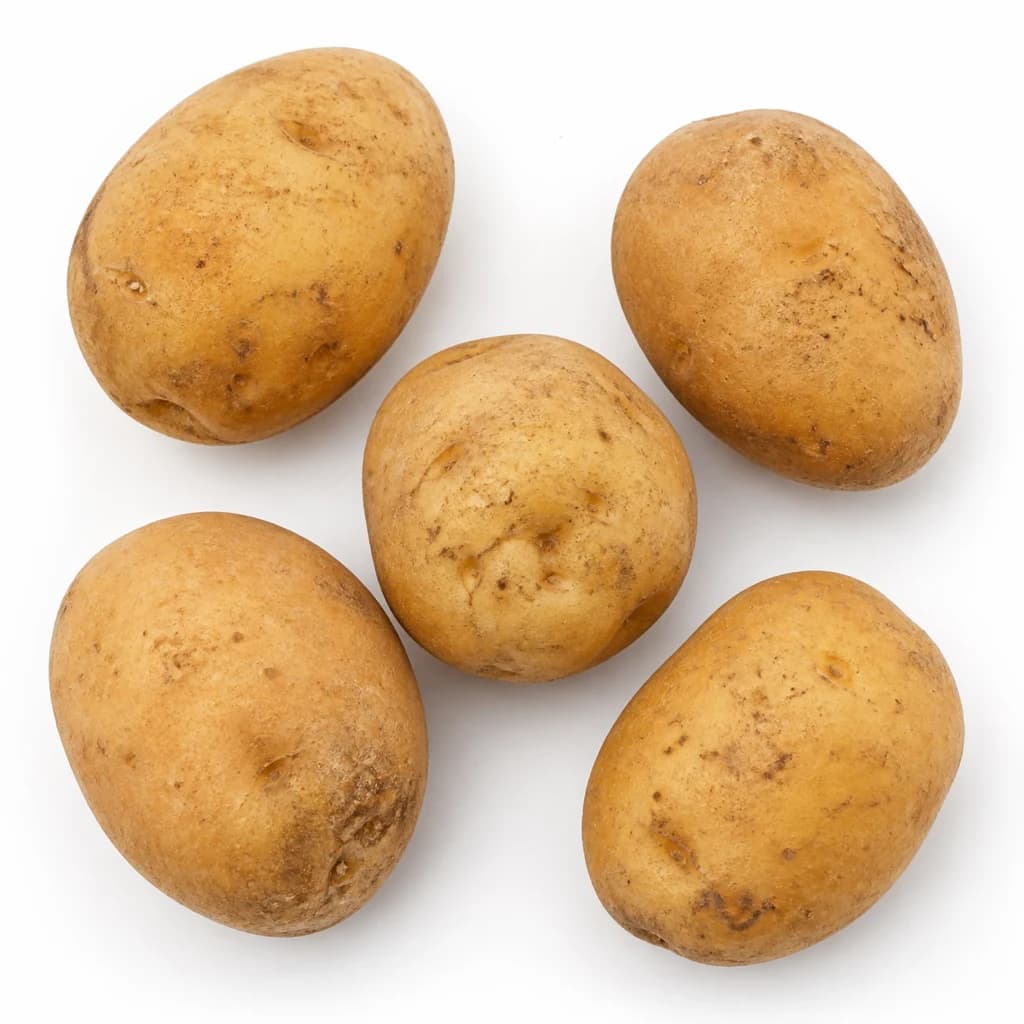
Potato
Humble, hearty staple — roast, mash, fry, or boil
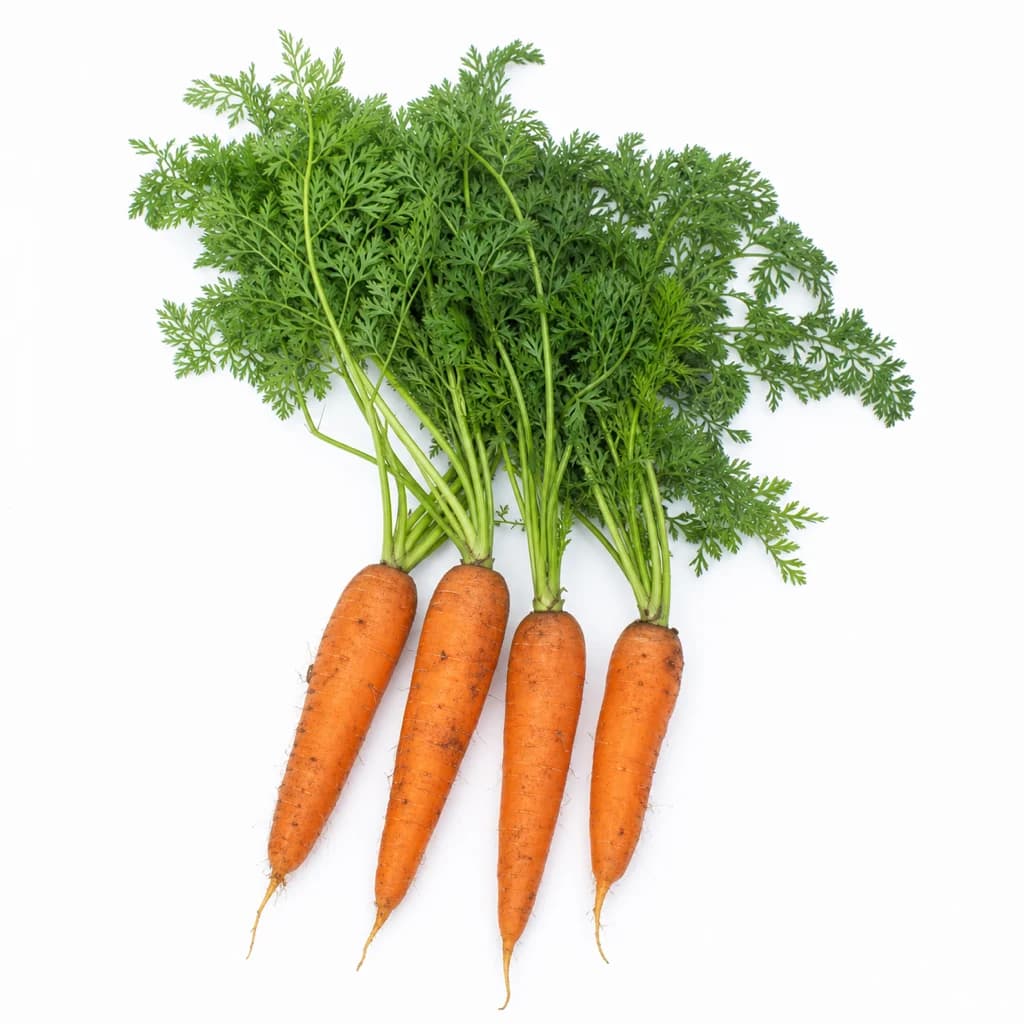
Carrot
Sweet, crunchy root — raw, roasted, or the base of a sofrito
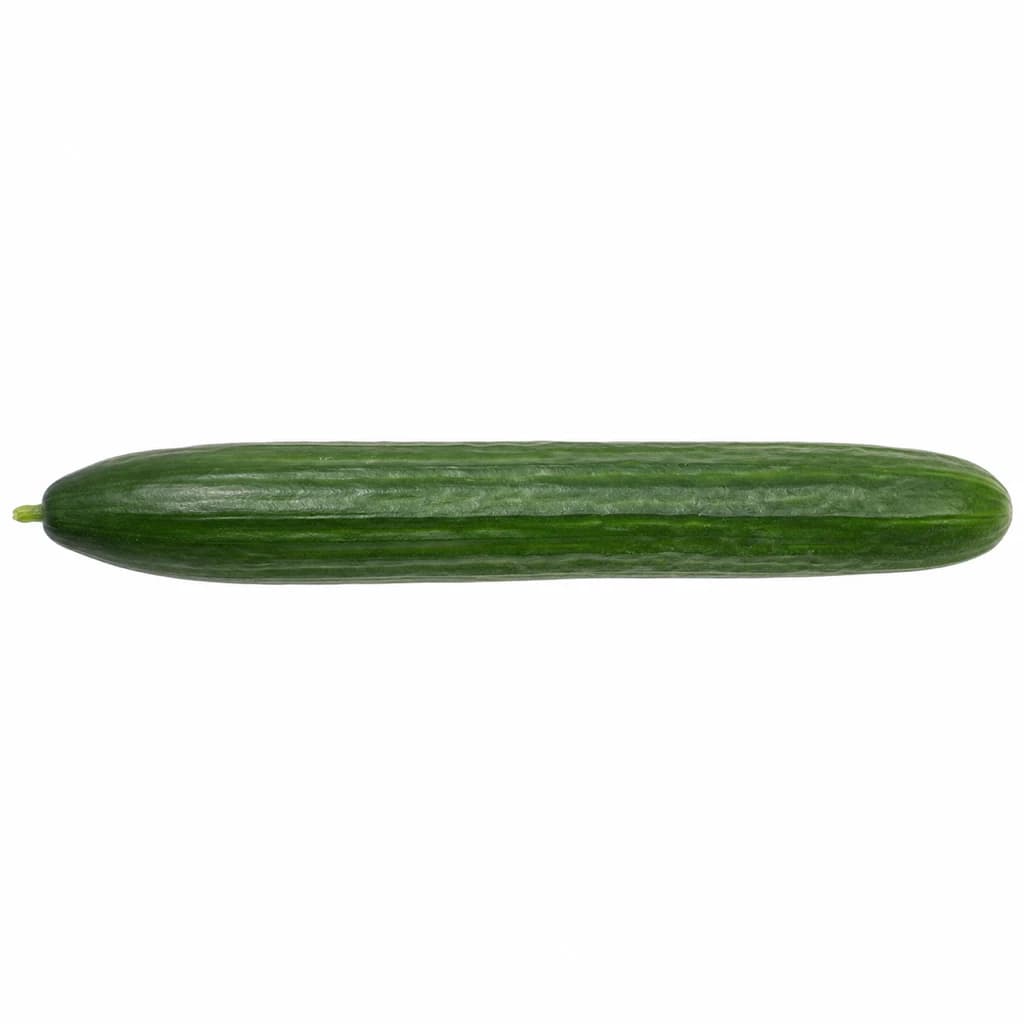
Cucumber
Cool, crisp, and watery — for salads, pickles, and tzatziki

Lettuce
Crisp leaves for salads, wraps, and a fresh crunch