Spices
Sea Salt
Salt harvested from evaporated seawater, used to season at every stage of cooking.
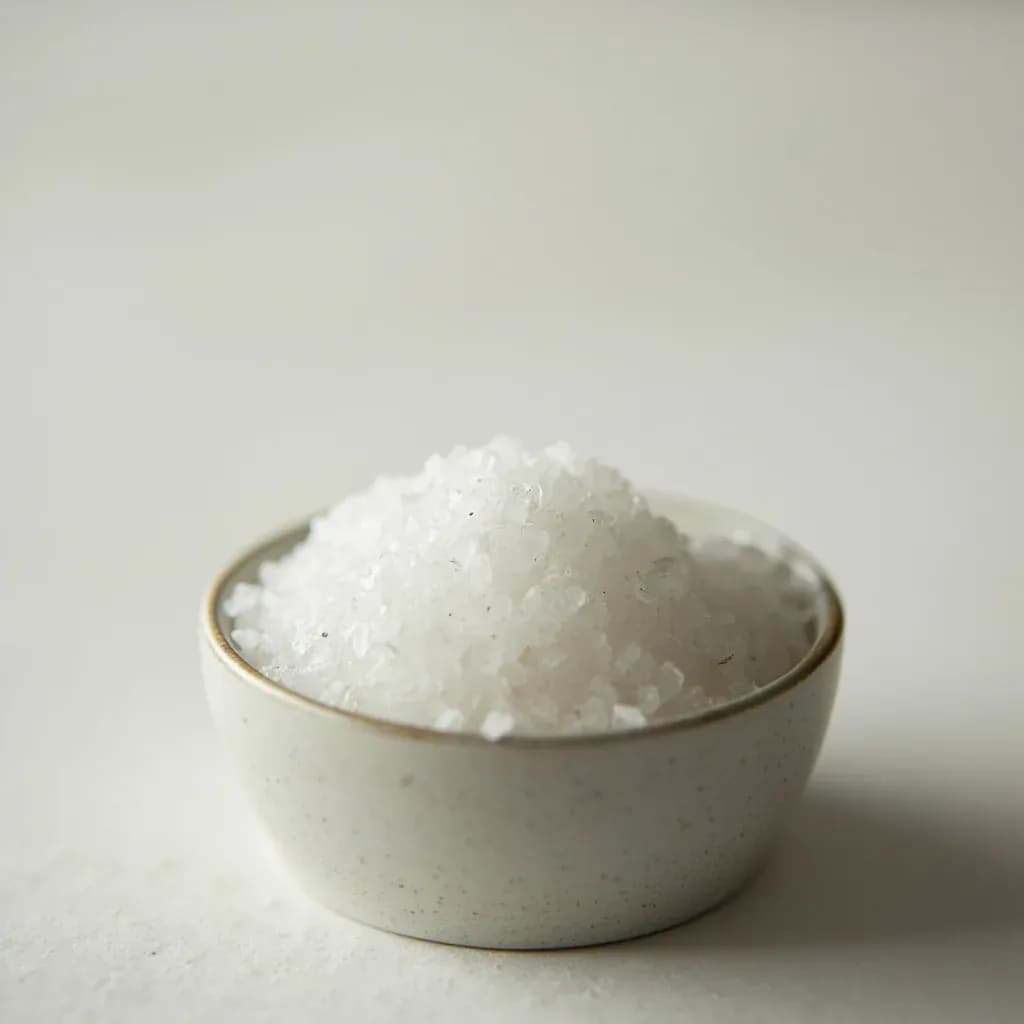
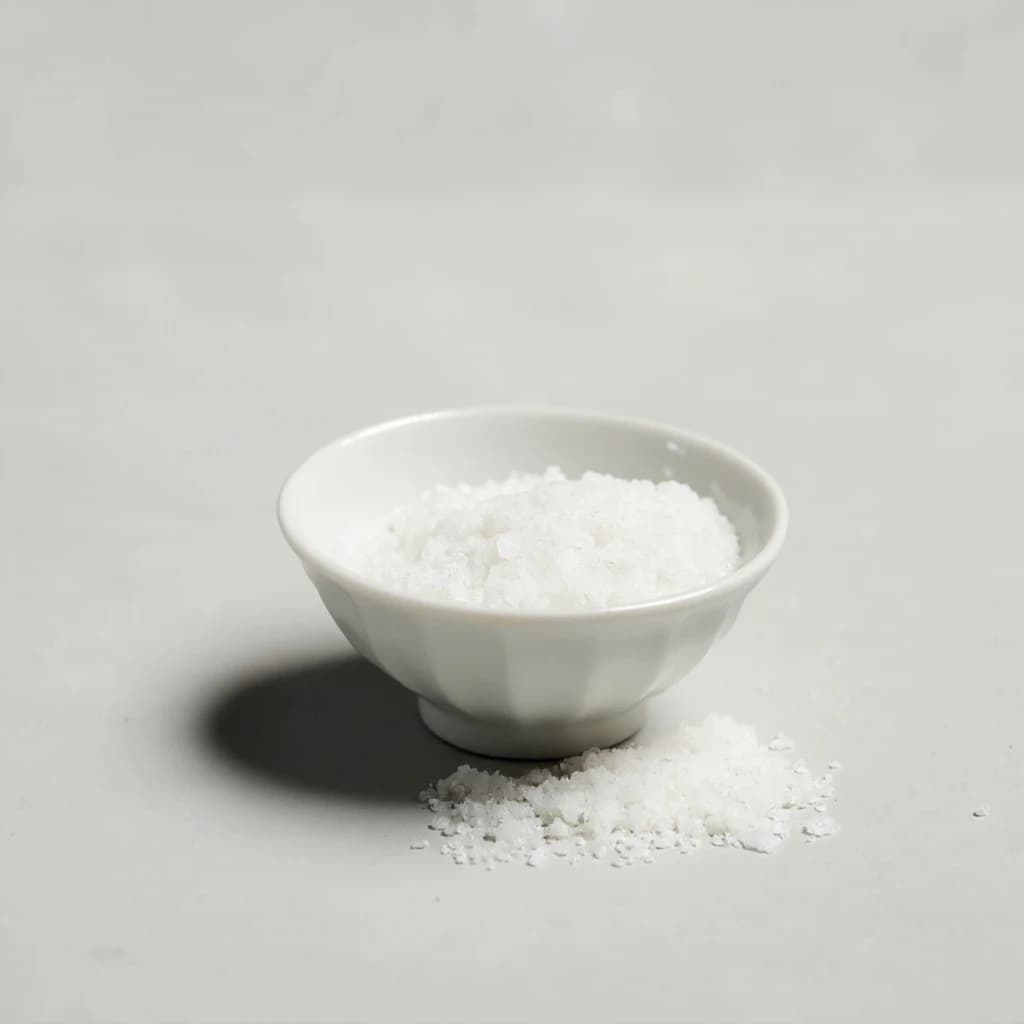
Sea salt is produced by evaporating seawater, leaving mineral-rich crystals that range from fine to coarse. It is used universally to season food during and after cooking, drawing out flavor and balancing dishes. Fine sea salt dissolves quickly for doughs and brines, while coarser grades add texture as a finishing touch.
Sea salt is produced by evaporating seawater—either through solar evaporation in coastal salt ponds or through mechanical evaporation—and undergoes minimal processing beyond washing and drying. Unlike highly refined table salt, which is chemically pure sodium chloride with anti-caking agents and often iodine, sea salt retains trace minerals from the original seawater, including magnesium, calcium, potassium, and iron. These minerals vary by source and impart subtle flavor nuances—briny, mineral, faintly bitter—that refined salt lacks. The crystal structure also differs: sea salt forms irregular, hollow cubes during evaporation, producing varied densities and textures that table salt's mechanical production cannot replicate. At roughly 1.22 g/mL, sea salt is less dense by volume than table salt, which affects measurement and behavior in recipes. When dissolved completely, as in brines or sauces, the practical difference between sea salt and refined salt is minimal beyond iodine content and mineral complexity. But when used as a finishing element, the crystal structure, mineral character, and textural qualities become defining features that elevate a dish.
- Measured in
- g
- Storage
- Pantry
Types & varieties
Delicate, pyramid-shaped crystals skimmed from the surface of evaporation ponds in Guérande, France; used as a finishing salt
Gray, damp salt scraped from the bottom of French evaporation ponds; coarser texture, stronger mineral flavor
Pyramidal, flaky crystals from Essex, England; prized for satisfying crunch and clean flavor; ideal finishing salt
Moist, gray salt from Brittany; solar-dried; pronounced mineral taste; available in coarse and fine grinds
Unrefined sea salt blended with volcanic clay; earthy, slightly gamey flavor; traditional Hawaiian use
Sea salt blended with activated charcoal; smoky flavor, dramatic appearance; finishing use
Pyramidal flakes from Australia; light, delicate crunch; popular finishing salt
Fleur de sel from the island of Ré, France; slightly sweeter and more delicate than Guérande
American-produced from Washington State; clean, bright flavor; available in fine and flake forms
Small, round crystals; Japanese-style; good for seasoning at the table
Finishing Salts vs. Cooking Salts
The distinction matters more than most cooks realize. Finishing salts—fleur de sel, Maldon, Murray River flakes—have evolved crystal structures that provide texture and visual appeal alongside flavor. Applied to a finished dish, they deliver a satisfying crunch and burst of seasoning. Dissolved into liquid, they perform no better than any other salt, and you pay premium prices for qualities you cannot perceive. Reserve these salts for the plate, not the pot. Coarser sea salts like sel gris or Celtic sea salt bridge both uses: their moisture content makes them excellent for brines and curing, while their mineral complexity adds depth when used in cooking water or rubs. For seasoning cast iron or stainless steel pans, use inexpensive coarse sea salt—the purity is irrelevant for this purpose.
- Finishing salts: fleur de sel, Maldon, Murray River, jewel salt
- Cooking salts: sel gris, Celtic coarse, standard sea salt
- All sea salt works for seasoning, but save expensive finishing salts for plating
Measuring Sea Salt Accurately
This is where home cooks consistently go wrong. Sea salt's density and crystal shape vary significantly between brands and varieties—flaky salts pack loosely, while coarse grains settle densely. A tablespoon of Maldon is not equivalent to a tablespoon of kosher salt, which is not equivalent to a tablespoon of table salt. For baking, where precision matters, weigh your salt. A useful reference: table salt weighs roughly 10 grams per teaspoon, while flaky sea salt may weigh 5–6 grams per teaspoon. When a recipe specifies volume rather than weight for sea salt, the author's specific salt is implied. If you must measure by volume, be aware that you may need to adjust up or down to match the intended seasoning level.
- Weigh salt for baking and precision cooking
- One teaspoon table salt ≈ 6–8 grams; one teaspoon flaky sea salt ≈ 4–6 grams
- When in doubt, season gradually and taste
Common uses
Tips & pitfalls
- Weigh sea salt for baking accuracy—volume measurements vary widely between brands and crystal types
- Use roughly 1.5× more sea salt by volume than table salt, but weigh when precision matters in baking
- Add sea salt early in cooking when you want it to dissolve and integrate; add at the end for textural contrast and bright seasoning impact
- Store sea salt in an airtight container; humidity causes clumping, especially with moist varieties like sel gris
- Flaky finishing salts lose their crunch when added too early—always plate the dish, then season
- Sea salt does not provide iodine; use iodized salt or eat iodine-rich foods if you rely on salt as an iodine source
- Finishing salts like fleur de sel and Maldon are wasted when dissolved into liquid; save them for surfaces where they retain their texture
- For seasoning cast iron or stainless steel pans, use a coarser, less expensive sea salt—the purity is irrelevant for this use
- Never substitute sea salt cup-for-cup with table salt in baking without adjusting; the difference in density and crystal shape affects leavening and texture
- Hawaiian red and black salts lose their distinctive colors and visual appeal when cooked; add to finished dishes only
Nutrition
Energy
0 kJ · per 100 g
Protein
0g
0% DV
Carbs
0g
0% DV
Fat
0g
0% DV
Fiber
0g
0% DV
Sugars
0g
of which
Sodium
38758mg
1685% DV
Source · USDA FoodData Central · Salt, table
View on FDC →In the shops
Matched grocery products
 €0.75
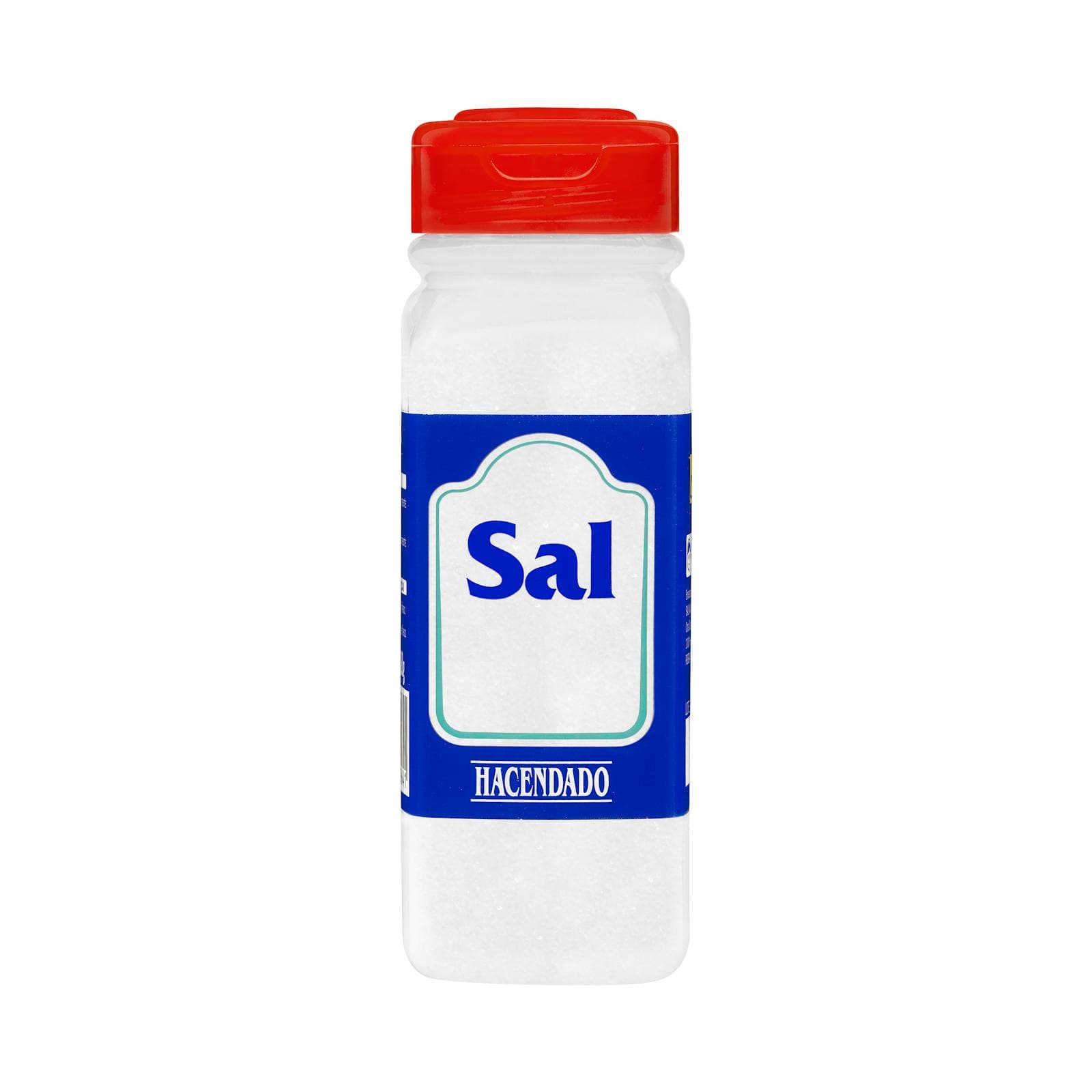
€0.75Fine Table Salt
Hacendado · 300 g · Mercadona
 €0.40
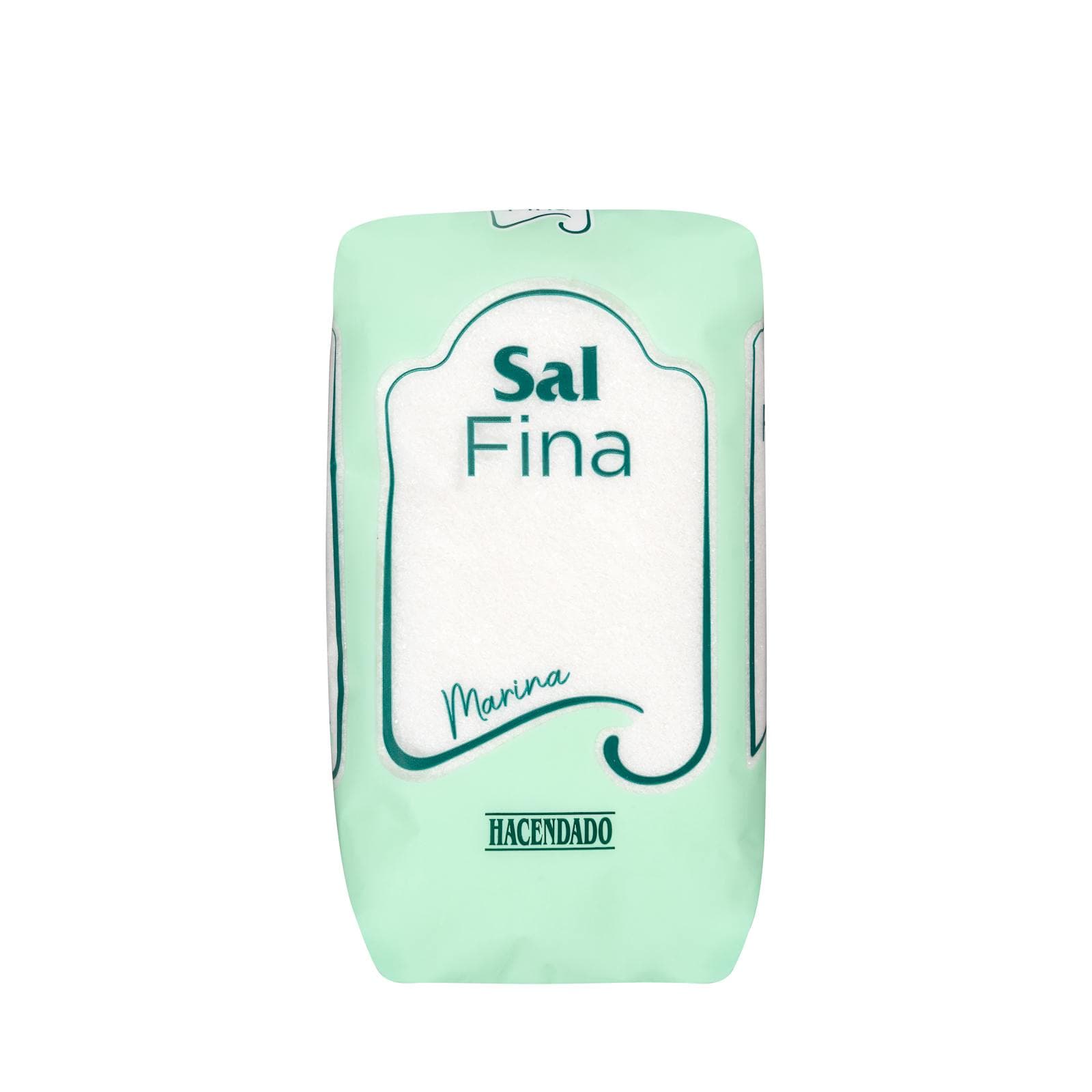
€0.40Fine Salt
Hacendado · 1 kg · Mercadona
 €0.40
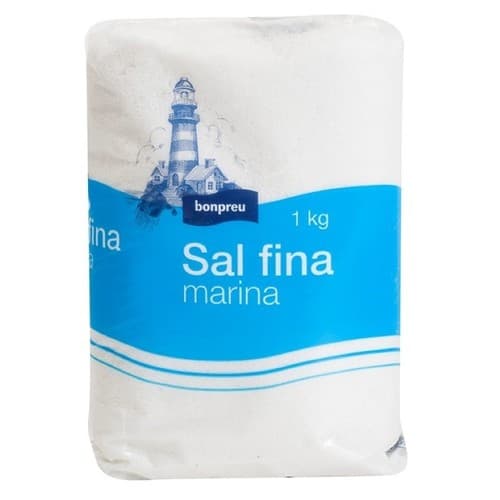
€0.40Fine Sea Salt
BONPREU · kg · Bonpreu
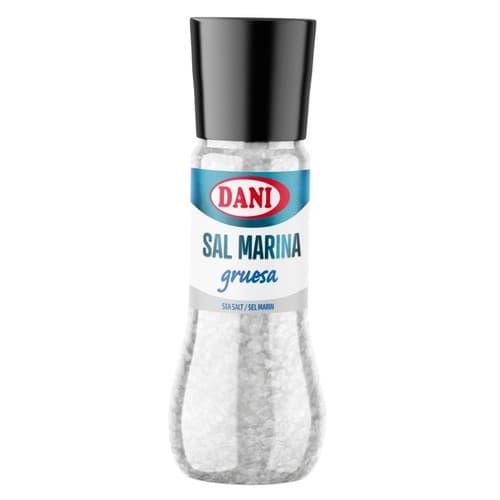 €2.99
€2.99Coarse Sea Salt
DANI · kg · Bonpreu
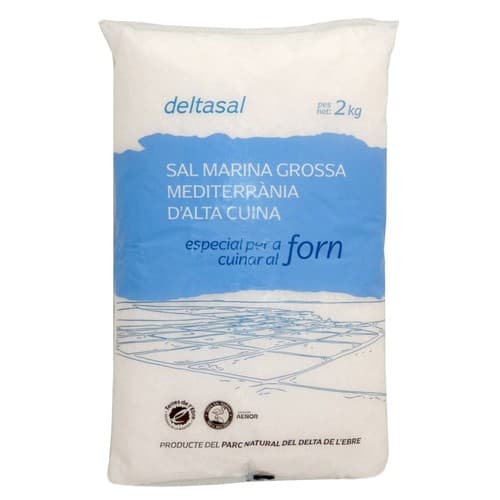 €1.40
€1.40Deltasal Coarse Sea Salt
DELTASAL · kg · Bonpreu
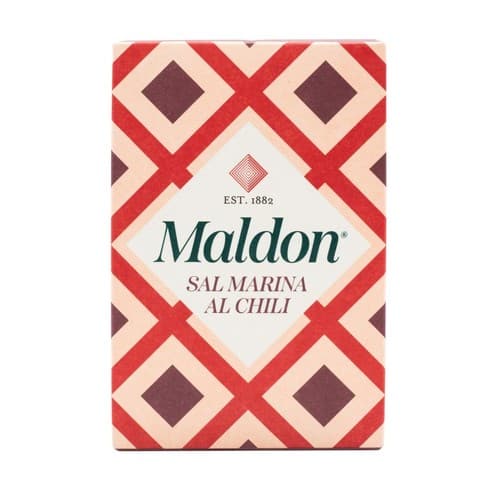 €5.89
€5.89Maldon Chili Sea Salt
MALDON · kg · Bonpreu
Good to know
- Primary component
- Sodium chloride (NaCl), typically 84–99% purity
- Trace minerals
- Magnesium, calcium, potassium, iron, zinc—vary by source and contribute subtle flavor nuances
- Production method
- Solar evaporation (most common) or mechanical evaporation of seawater
- Crystal structure
- Irregular, hollow cubes; shape varies with evaporation rate and conditions
- Density
- 1.22 g/mL (less dense than table salt by volume)
- Storage
- Airtight container, away from moisture; indefinite shelf life
- Iodine content
- Generally none (unlike iodized table salt)
- Processing
- Minimal—typically washed and dried only
Substitutes
- Kosher salt — Most versatile substitute; use slightly more by volume (crystals pack differently); avoid Diamond Crystal if a fine-textured salt is needed
- Table salt (iodized) — Use about half the volume of sea salt; finer crystals dissolve faster but lack mineral complexity
- Pink Himalayan salt — Mineral-rich mined salt; similar uses and substitution ratio to sea salt; pink color from iron oxide
Pairs with
Also called
fine-sea-salt · island-sea-salt
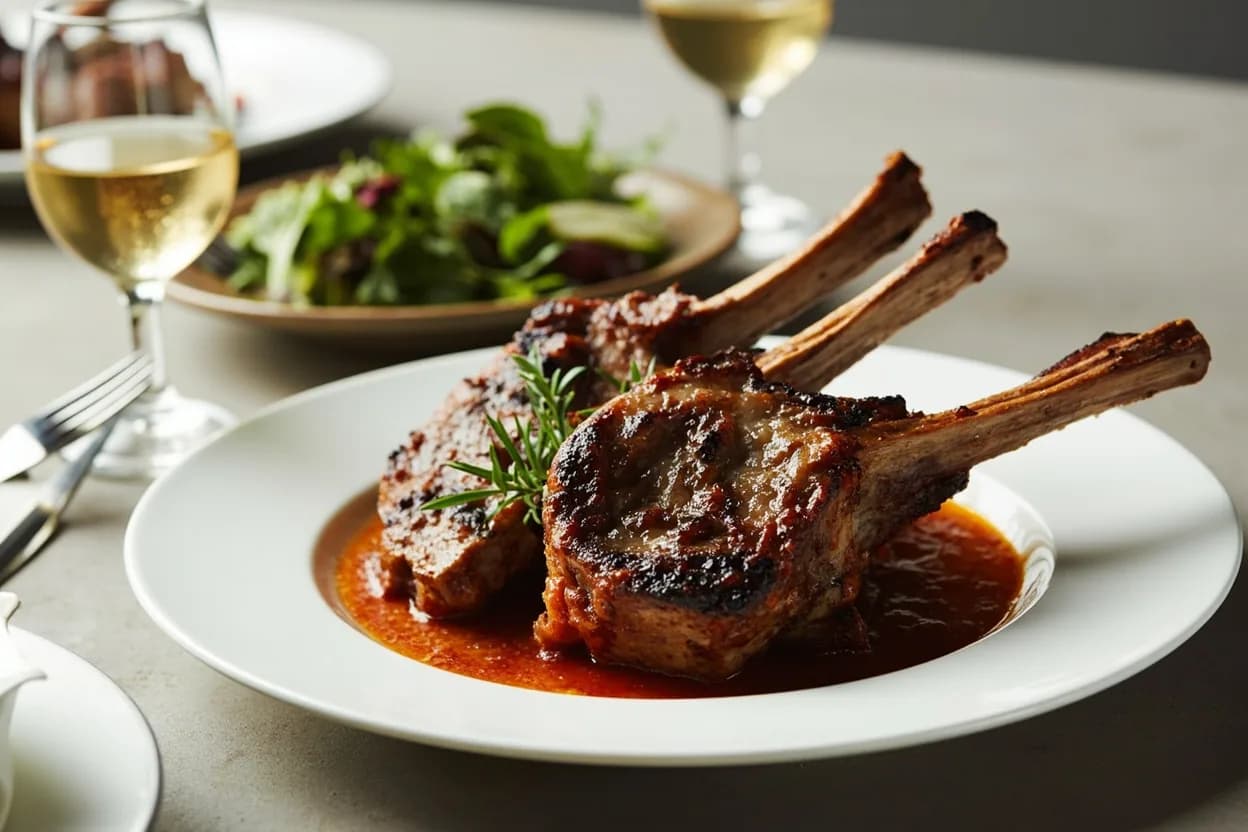
Appears in these dishes
Related
Salt
The one seasoning that makes everything else taste like itself

Black Pepper
Pungent, woody heat — best cracked fresh over anything savory
Amchur
Dried unripe mango ground to a tart, fruity souring powder
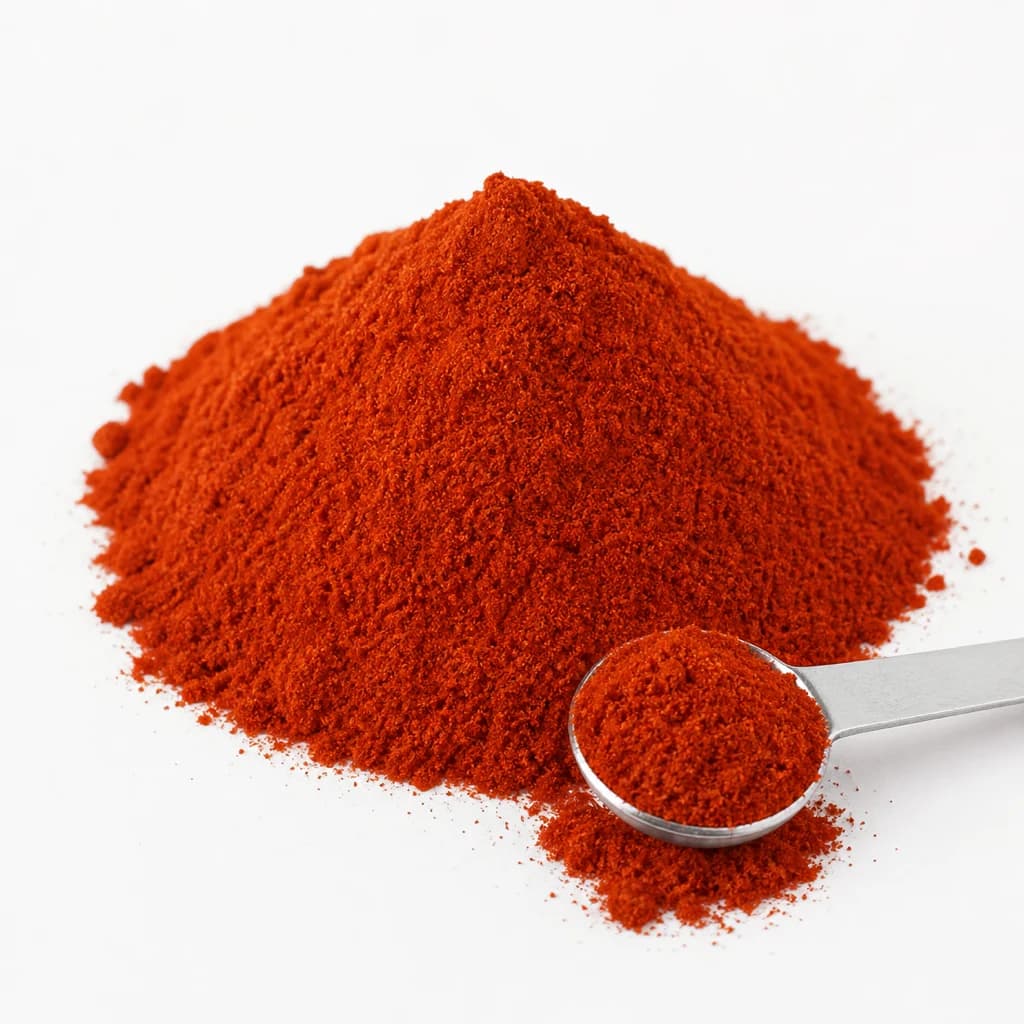
Paprika
Sweet, vivid ground pepper for color and gentle warmth
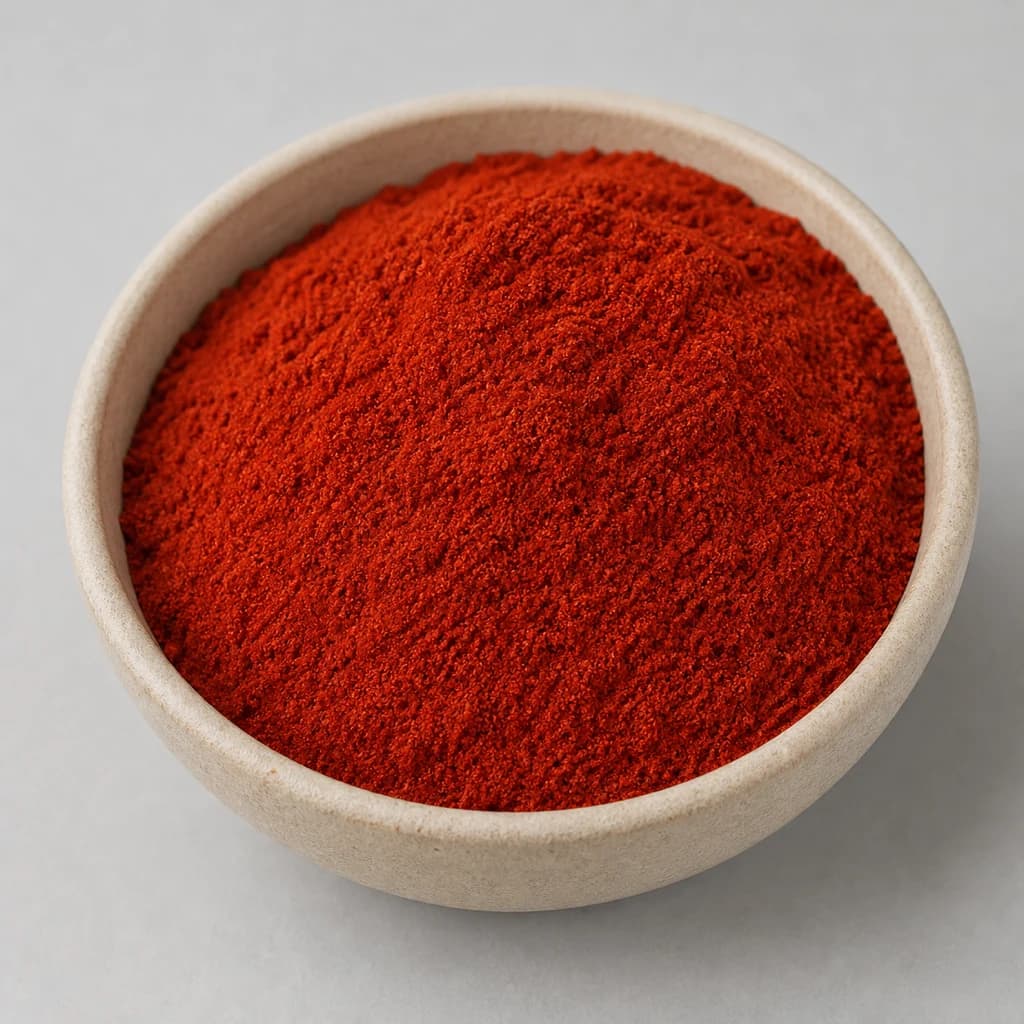
Smoked Paprika
Deep, smoky ground pepper for a campfire warmth
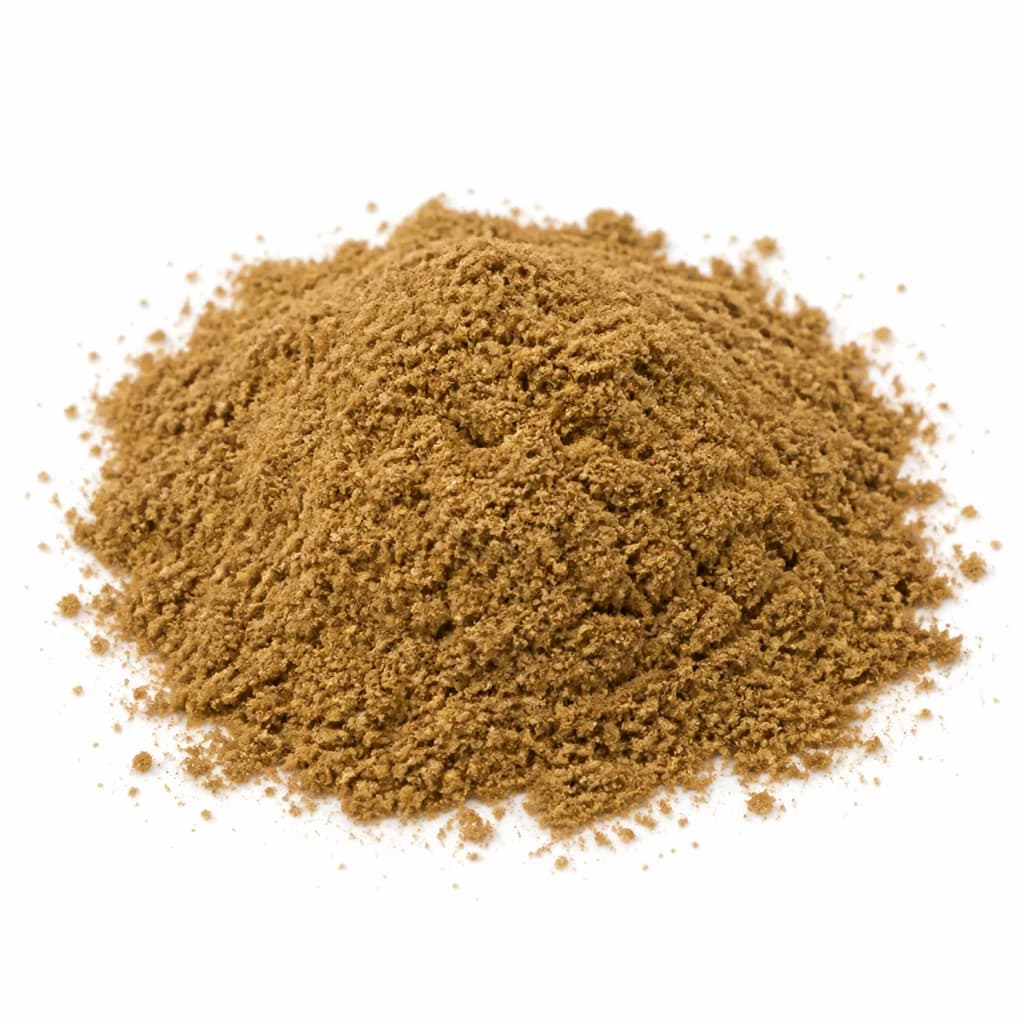
Cumin
Warm, earthy spice central to curries, chili, and tacos
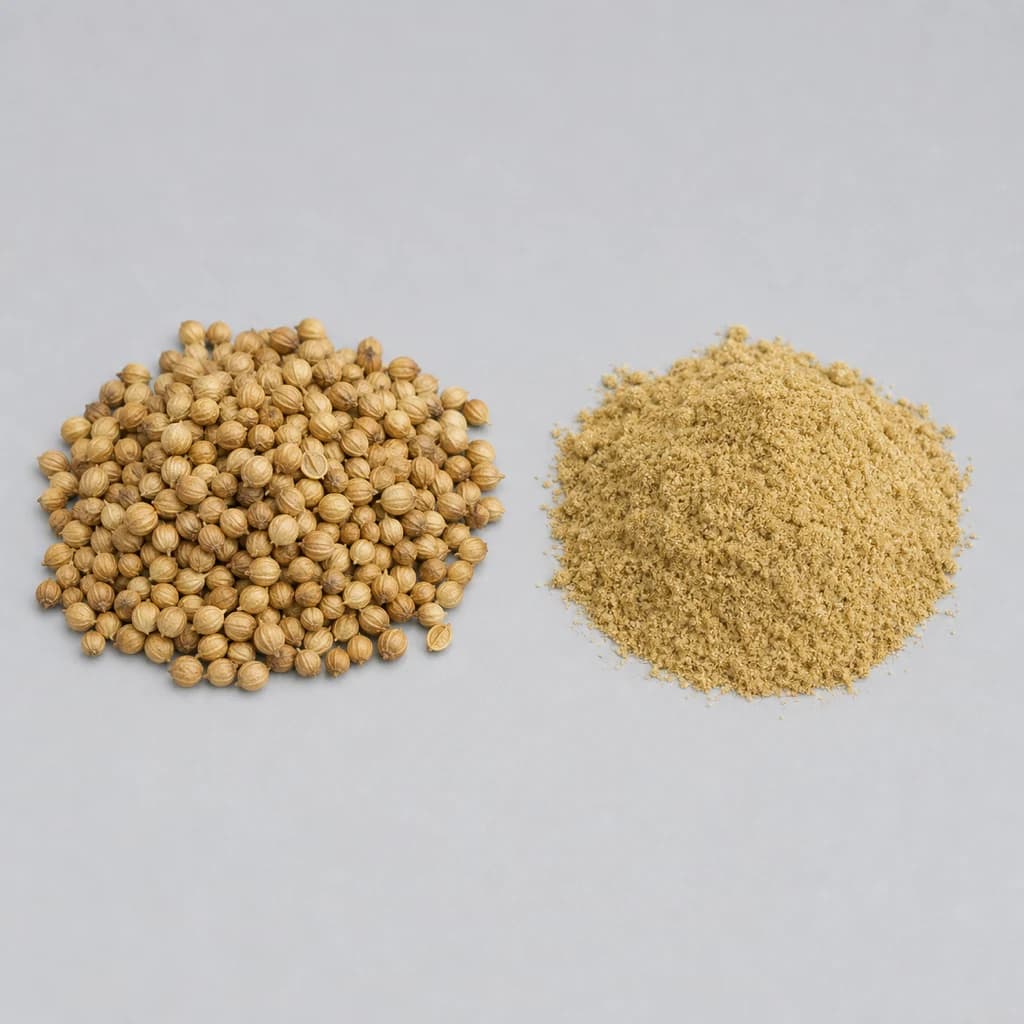
Coriander Seed
Citrusy, warm seed for curries, pickles, and rubs
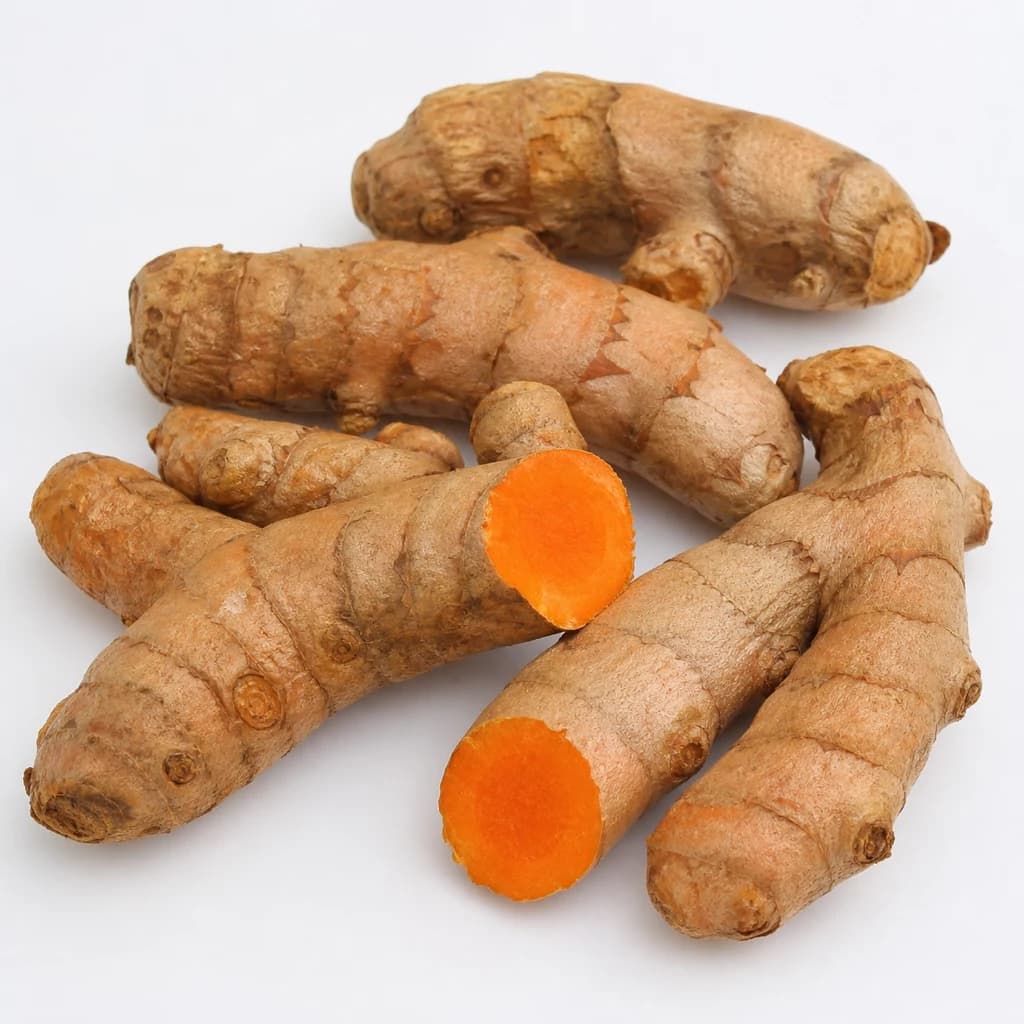
Turmeric
Golden, earthy spice for curries, rice, and color