Varieties
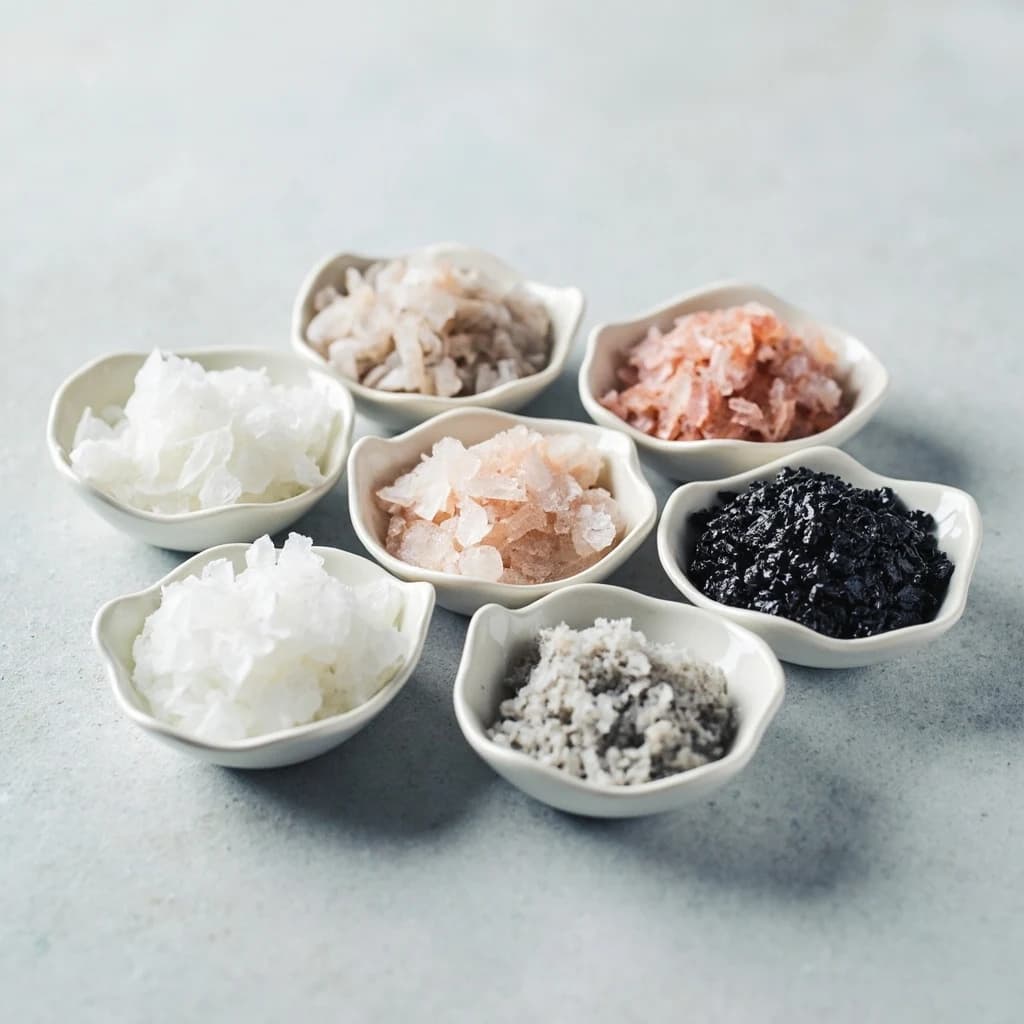
An assortment of salt varieties — flaky sea salt, pink Himalayan, grey sel gris, black lava salt, and fine table salt — differing in colour and crystal form.
Showing three distinct grain forms of salt side by side in one scene teaches readers to identify salt types by crystal size, shape, and opacity.
Spices
Salt
The one seasoning that makes everything else taste like itself
From a finishing flake to a brining bath, salt sharpens sweetness and tames bitterness. Keep a coarse and a fine on hand, both airtight against clumping.
Salt is the seasoning that makes food taste more like itself — sodium chloride sharpens sweetness, mutes bitterness, deepens savory depth, and pulls aroma forward. Its job changes with its grain: a fine grain dissolves fast for brines and doughs, while a flaky finishing salt sits on the surface and gives a crackle and a clean burst. Beyond seasoning, salt draws moisture (curing, koshering meat, drawing water from eggplant), firms vegetables, and strengthens gluten in bread. The single most common cooking fault is under-salting; salt early in layers and adjust at the end. Season to taste and to the dish — those watching sodium can salt more lightly and lean on acid, herbs, and aromatics to compensate.
- Measured in
- g
- Storage
- Airtight
Find it in
Types & varieties
Fine, dense, often iodized with anti-caking agents; dissolves fast but easy to over-pour.
Coarse, additive-free flakes that pinch and scatter evenly — the cook's default. Brands differ in density, so measure by taste.
Pyramid crystals (Maldon, fleur de sel) for finishing; crunch and a bright pop.
Evaporated seawater, fine or coarse, with trace minerals.
Clean-tasting, quick-dissolving fine crystals from evaporated seawater; the everyday workhorse for seasoning doughs, batters, and salting pasta water by weight.
Sulfurous, egg-scented Himalayan salt with a pinkish-grey tone; defines chaat masala, raitas, and vegan 'eggy' tofu scrambles and omelets.
Hand-harvested flaky sea salt with delicate moist crystals. A finishing salt, not for cooking: sprinkle over caramel, chocolate, grilled meat or salad just before serving for crunch and pop.
Rock salt tinted rose by trace minerals, sold fine or as coarse grinder crystals. Use it anywhere table salt goes; flavour difference is subtle, so it shines mostly as a coarse finishing salt.
Sea salt cold-smoked over wood for a savoury, campfire aroma. Adds barbecue depth to vegetables, eggs and meat without a grill; potent, so use less than plain salt and add at the finish.
Pure fine salt with no iodine or anti-caking agents that would cloud brine or darken pickles. Dissolves cleanly for ferments and canning; not interchangeable by volume with table salt.
Season in layers
Salt at each stage rather than all at the end — salt the pasta water, the searing meat, the simmering sauce — so seasoning penetrates instead of sitting on the surface. A late correction finishes the dish, but it can't replace salt added early.
- Pasta water should taste like the sea
- Salt meat ahead so it penetrates (dry-brine)
- Taste at the end and adjust
Coarse vs fine
Different salts pack differently by volume — a teaspoon of fine table salt is far saltier than a teaspoon of flaky kosher. When following a recipe, match the salt type it calls for, or season by taste rather than measure.
Common uses
Tips & pitfalls
- Under-salting flattens flavor; if a dish tastes dull, it usually needs salt before anything else.
- A pinch of salt sharpens sweet desserts and tames bitter greens or coffee.
- Dry-brine meat hours ahead — salt now seasons deep and keeps it juicy.
- Salt eggplant, cucumber, or cabbage to draw out water and firm texture.
- Add a few grains of rice to a salt cellar in humid kitchens to stop clumping.
Nutrition
Energy
0 kJ · per 100 g
Protein
0g
0% DV
Carbs
0g
0% DV
Fat
0g
0% DV
Fiber
0g
0% DV
Sugars
0g
of which
Sodium
38758mg
1685% DV
Source · USDA FoodData Central · Salt, table
View on FDC →In the shops
Matched grocery products
 €0.75
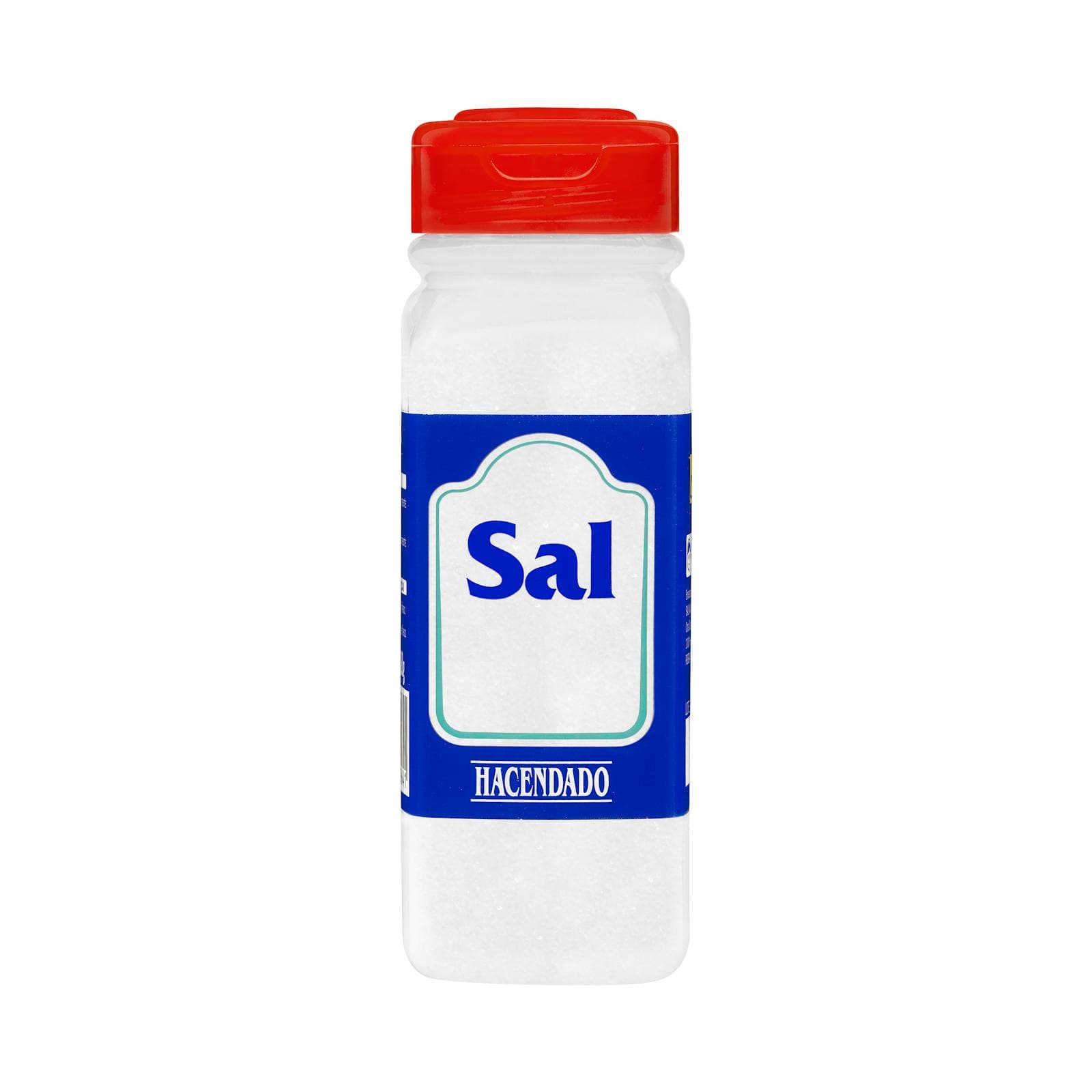
€0.75Fine Table Salt
Hacendado · 300 g · Mercadona
 €0.40
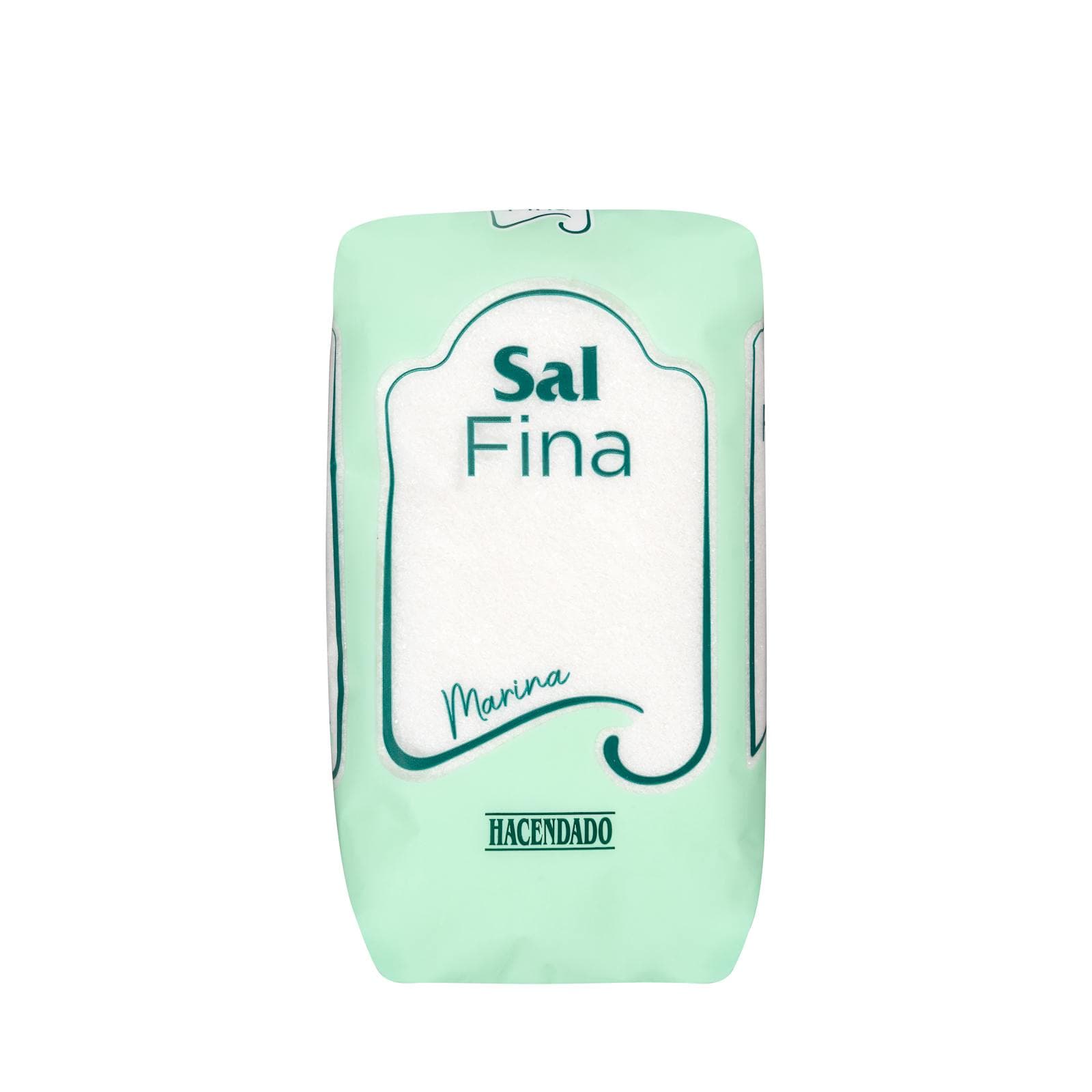
€0.40Fine Salt
Hacendado · 1 kg · Mercadona
 €0.40
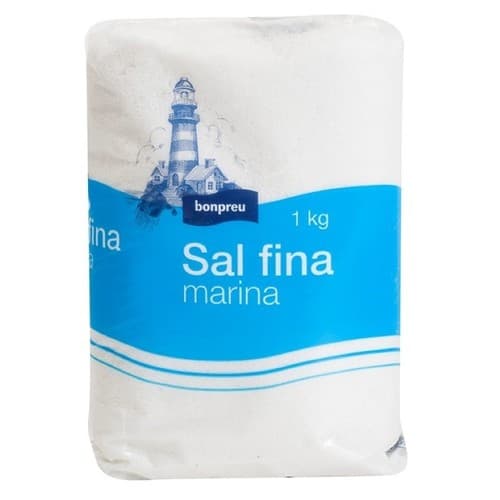
€0.40Fine Sea Salt
BONPREU · kg · Bonpreu
 €2.99
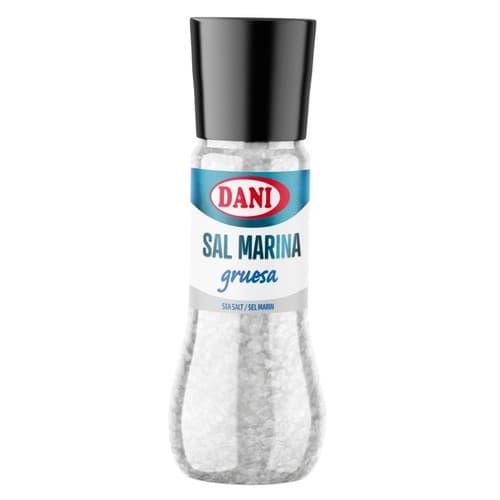
€2.99Coarse Sea Salt
DANI · kg · Bonpreu
 €1.40
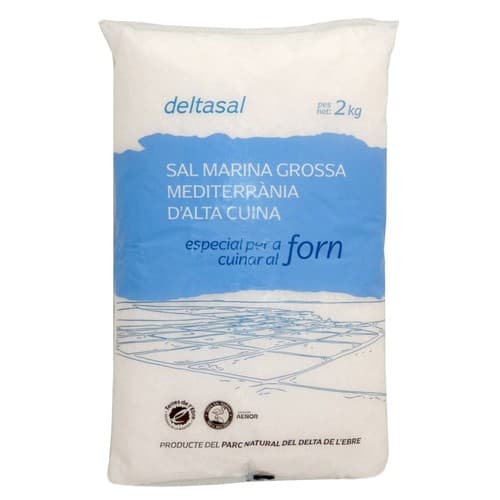
€1.40Deltasal Coarse Sea Salt
DELTASAL · kg · Bonpreu
 €5.89
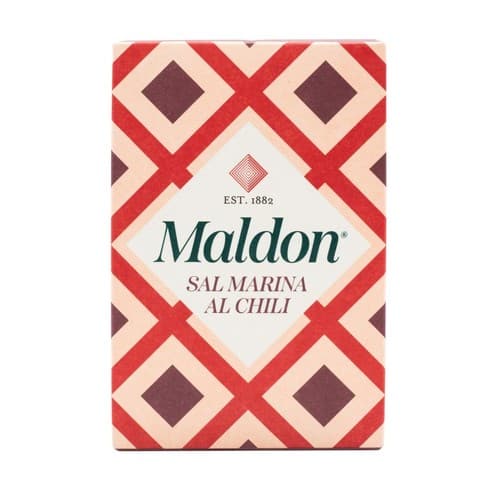
€5.89Maldon Chili Sea Salt
MALDON · kg · Bonpreu
Good to know
- Flavor
- Pure salinity — sharpens, balances, and amplifies other flavors
- Forms
- Fine table, kosher/coarse, flaky finishing, sea salt
- Add when
- Throughout — season in layers, then finish to taste
- Cuisines
- Universal
- How to buy
- Keep a coarse for cooking and a flaky for finishing
- How to store
- Airtight against humidity; add rice grains to prevent clumping
Substitutes
- Soy sauce or miso — Add salinity plus umami in savory dishes — adjust for color and added liquid.
- Salted capers or olives — Bring brininess to sauces and salads where flecks of salt fit.
Also called
table salt · sea salt · sal · sal de mesa · sal marina
Appears in these dishes
Related

Black Pepper
Pungent, woody heat — best cracked fresh over anything savory
Amchur
Dried unripe mango ground to a tart, fruity souring powder
Paprika
Sweet, vivid ground pepper for color and gentle warmth
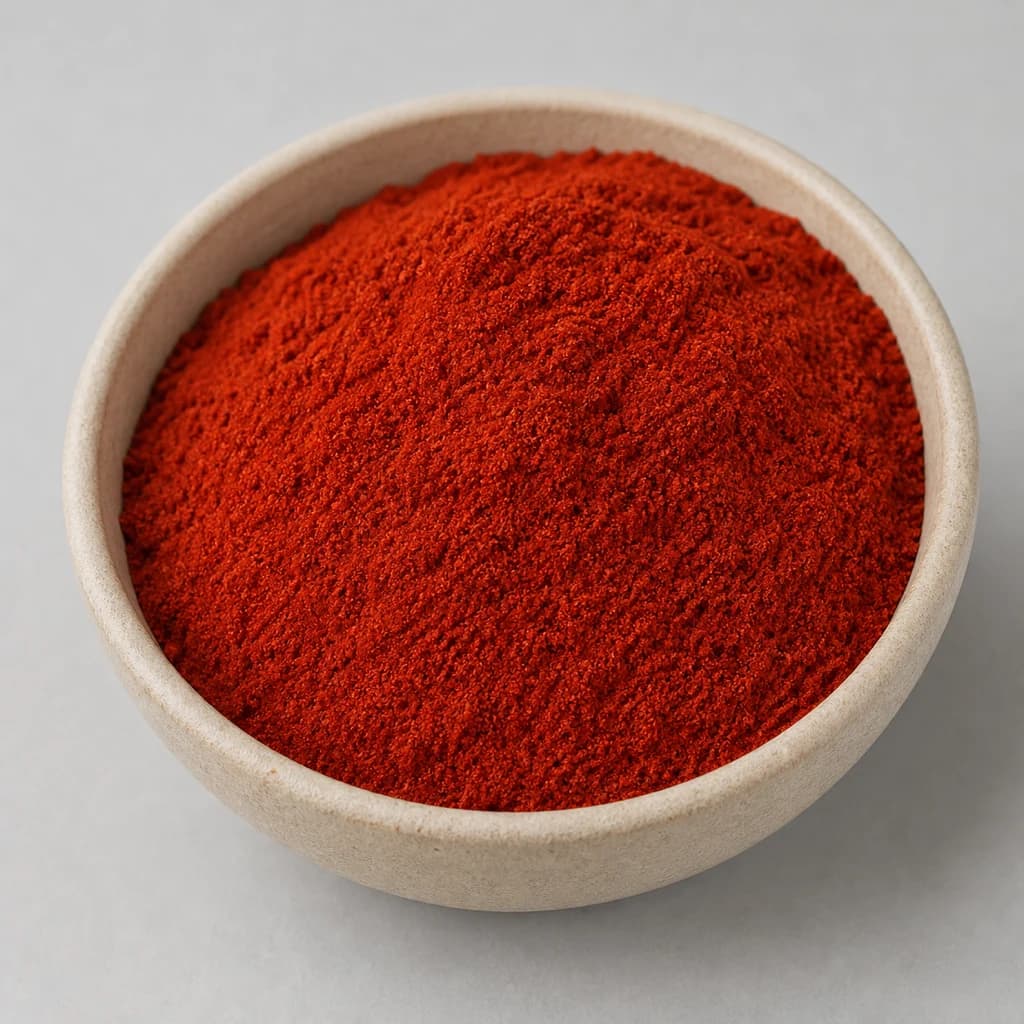
Smoked Paprika
Deep, smoky ground pepper for a campfire warmth
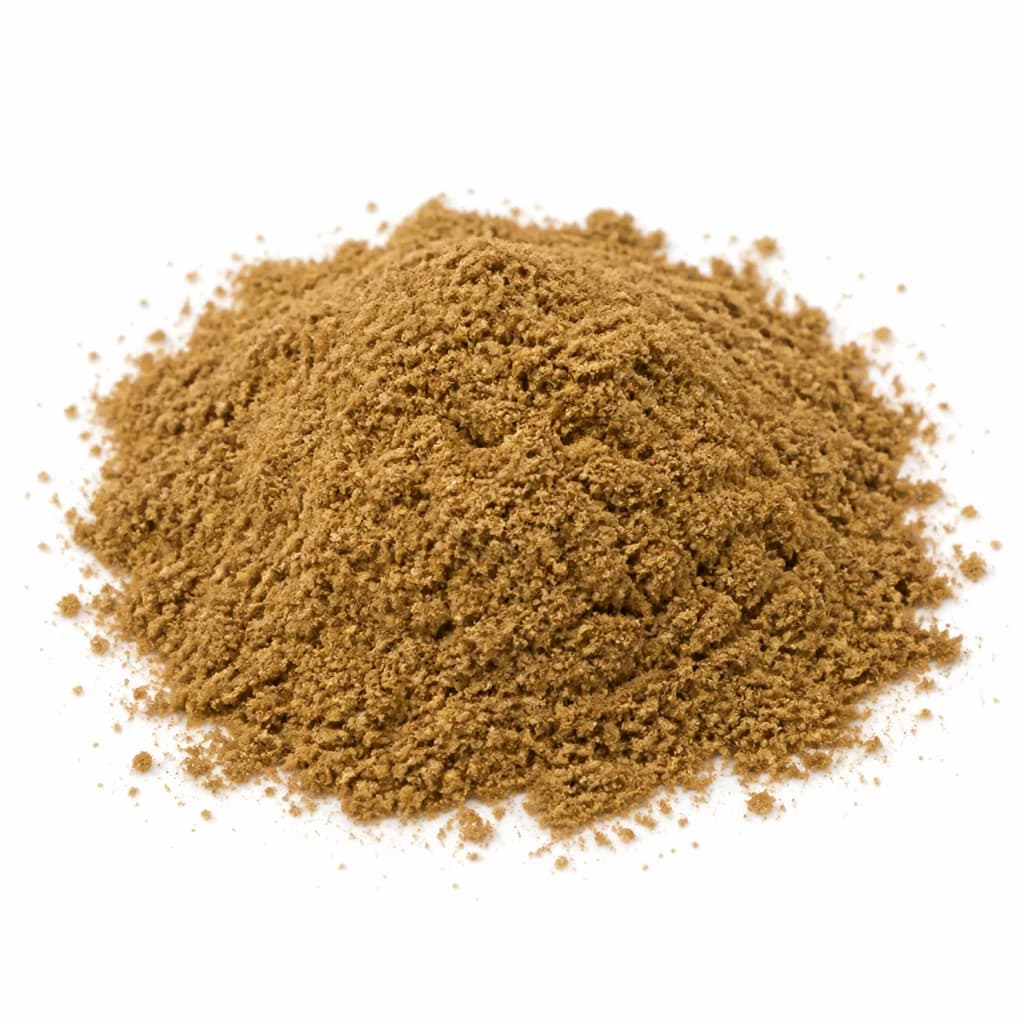
Cumin
Warm, earthy spice central to curries, chili, and tacos
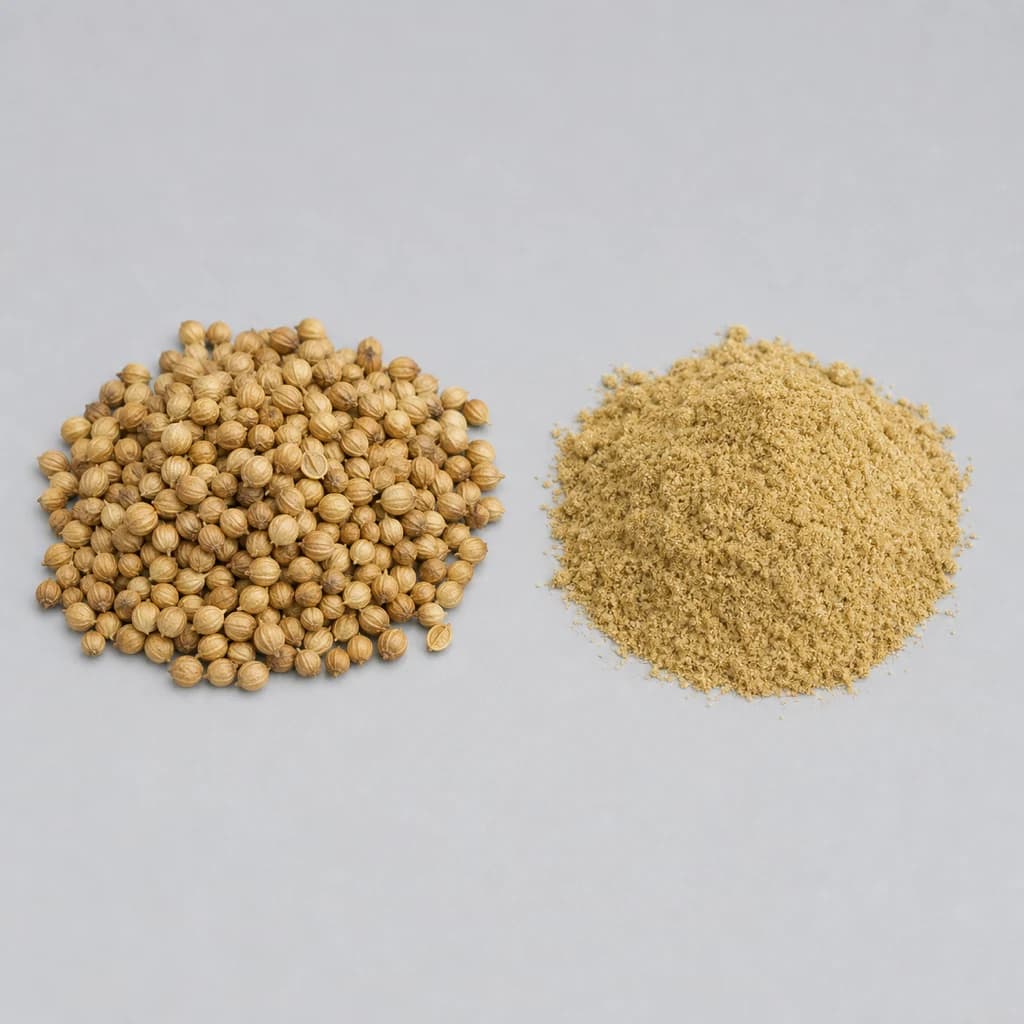
Coriander Seed
Citrusy, warm seed for curries, pickles, and rubs
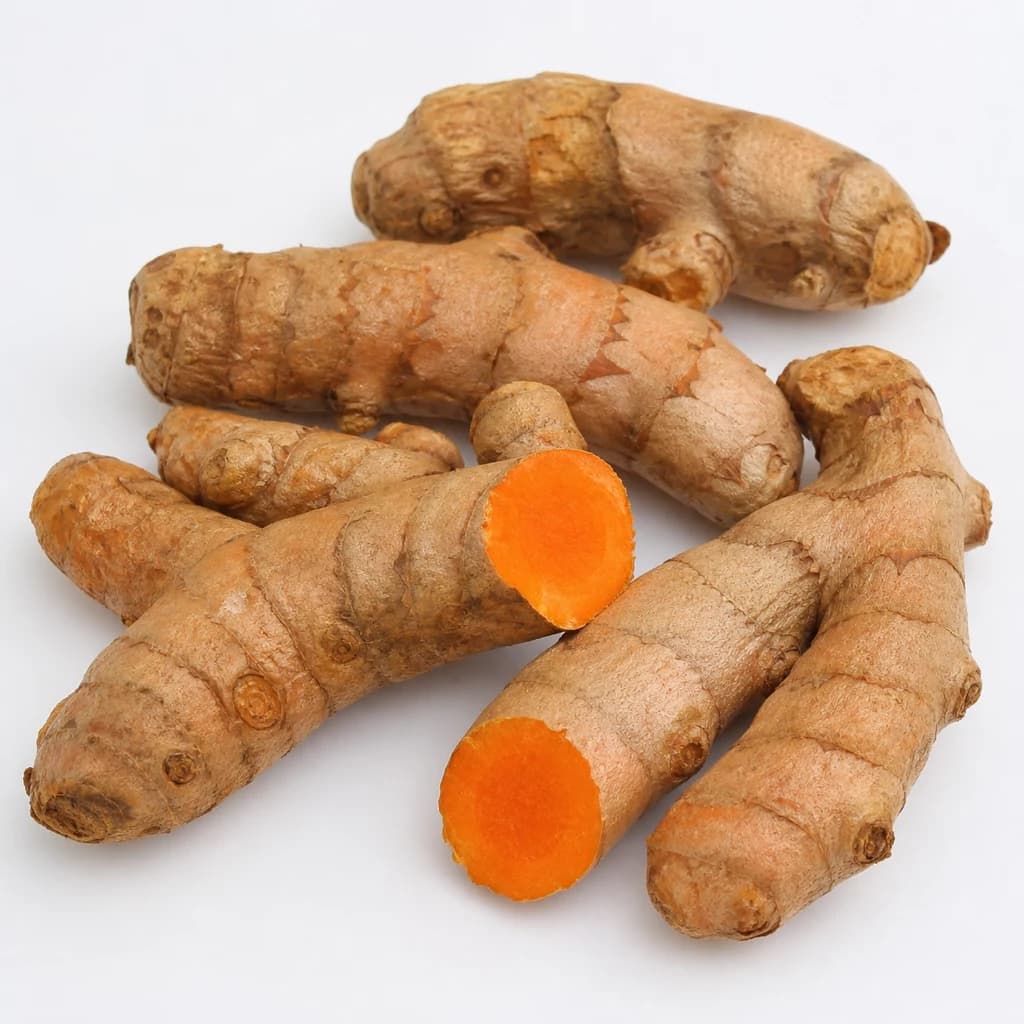
Turmeric
Golden, earthy spice for curries, rice, and color
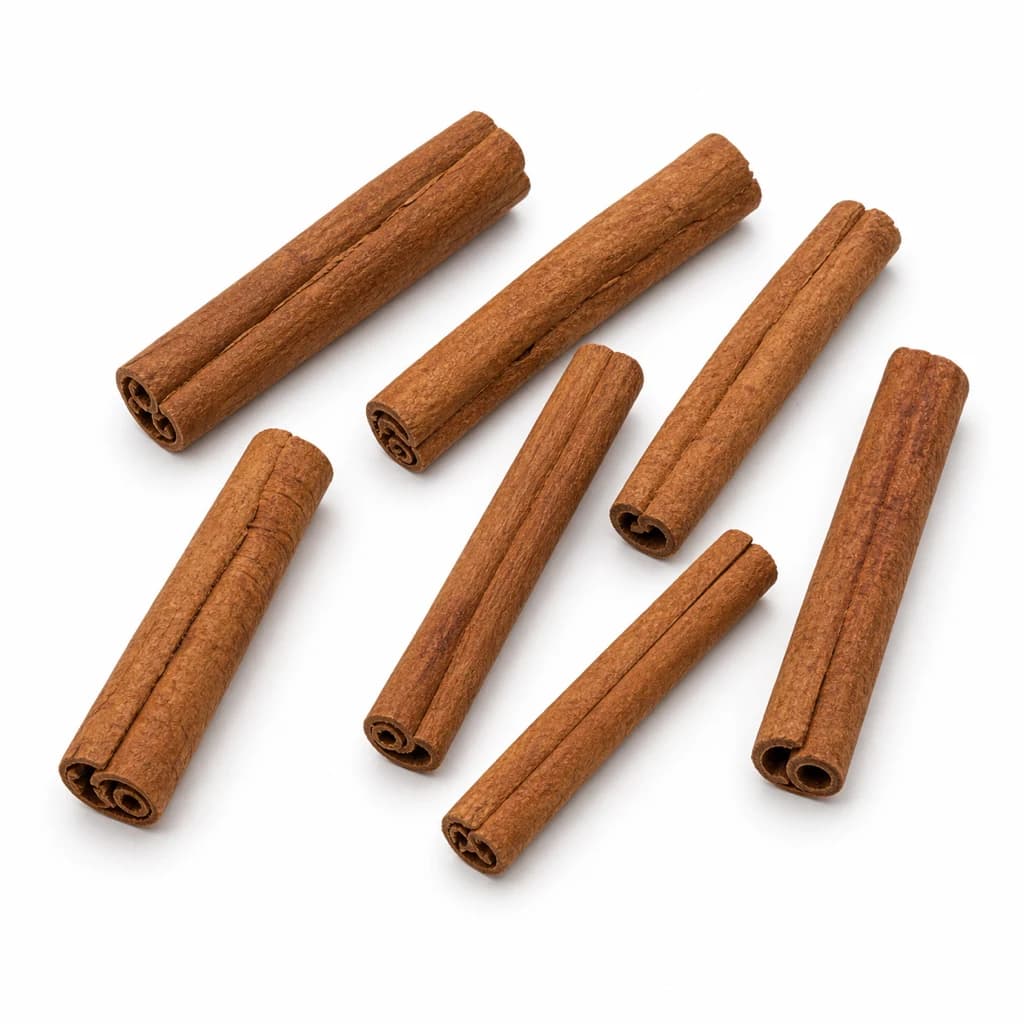
Cinnamon
Warm, sweet spice for baking, oatmeal, and tagines