Natural form
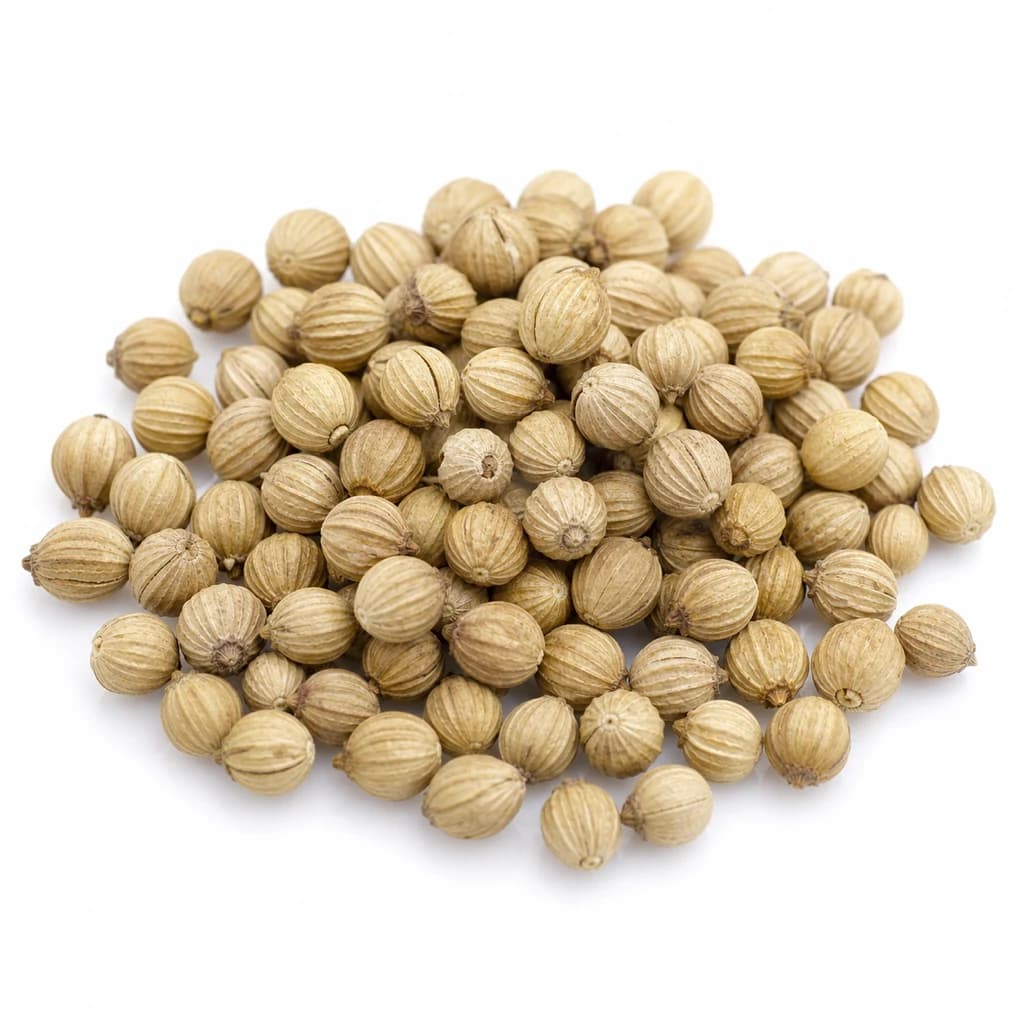
Whole dried coriander seeds showing their pale tan, ribbed, round shape.
Shows the seed's distinctive spherical form, ridged surface, and neutral straw-beige color so readers can identify it unprocessed.
Spices
Coriander Seed
Citrusy, warm seed for curries, pickles, and rubs
Toasty and faintly citrusy, coriander seed is a backbone of curry blends, pickling spice, and rubs. Toast and grind it fresh for the best aroma. Keep it airtight.
Coriander seed — the dried fruit of the cilantro plant — is warm, toasty, and faintly citrusy with a subtle floral sweetness, nothing like the divisive fresh leaf. It's a backbone of curry powders, garam masala, pickling spice, and Middle Eastern and North African blends, and a natural partner to cumin. Toasting whole seeds in a dry pan deepens their nutty, orange-peel aroma, and grinding fresh gives the brightest flavor. It's gentle enough to use generously, lending roundness and a citrus lift to rubs, sausages, braises, and roasted vegetables.
- Measured in
- g
- Storage
- Airtight
Find it in
Types & varieties
Toast and grind for the freshest, most aromatic flavor.
Convenient but fades; buy small quantities.
Indian seeds are larger and more citrusy; both are mild.
How to use
Toast whole coriander seeds until fragrant, then grind them for curries, rubs, and blends — or crack them coarsely for pickling and sausage. Their gentle, citrusy warmth lets you use a generous hand, and they pair classically with cumin.
- Toast whole seeds to release the orange-peel aroma
- Crack coarsely for pickling and charcuterie
- Pairs almost universally with cumin
Whole vs ground
Whole seeds hold their flavor for ages and toast beautifully; ground coriander loses its top notes quickly. Grind your own from toasted seeds for the brightest, most citrusy result.
Common uses
Tips & pitfalls
- Toast whole seeds before grinding to unlock the citrus aroma.
- Crush coarsely for pickling spice and sausage.
- Cumin and coriander are a classic, near-inseparable pair.
- Mild enough to use generously without overpowering.
- Grind your own — pre-ground coriander fades fast.
Nutrition
Energy
372 kJ · per 100 g
Where the calories come from
Protein
4.1g
8% DV
Carbs
17.3g
6% DV
Fat
0.5g
1% DV
Sodium
1mg
0% DV
Source · USDA FoodData Central · approx. Seeds, lotus seeds, raw
View on FDC →In the shops
Matched grocery products
 €1.25
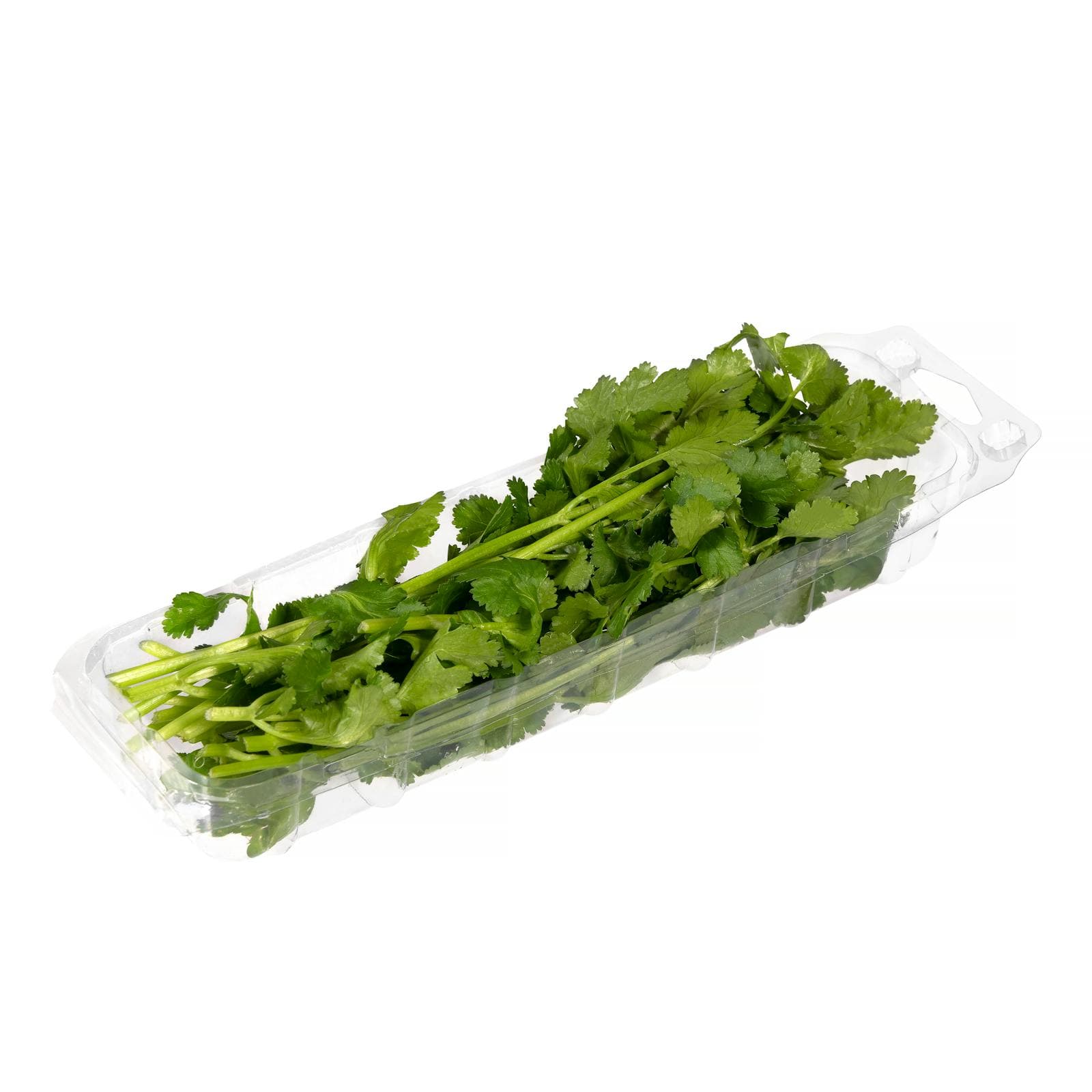
€1.25Cilantro
0.02 100 g · Mercadona
 €1.49
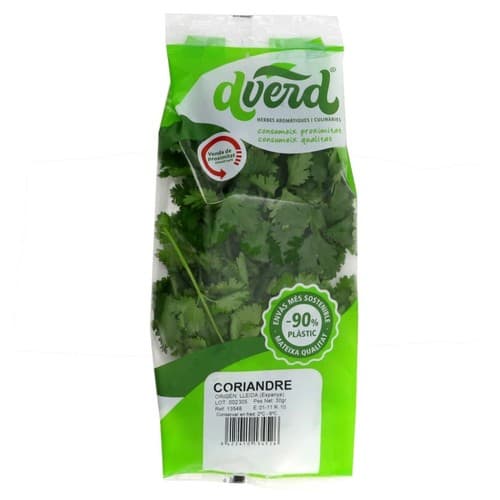
€1.49Fresh Coriander Km0
DVERD · kg · Bonpreu
Good to know
- Flavor
- Warm, toasty, citrusy, lightly floral and sweet
- Form
- Whole seed or ground
- Add when
- Toast and grind fresh; bloom early in cooked dishes
- Cuisines
- Indian, Middle Eastern, North African, European
- How to buy
- Whole seeds, pale tan and fragrant; grind as needed
- How to store
- Airtight, dark; whole keeps far longer than ground
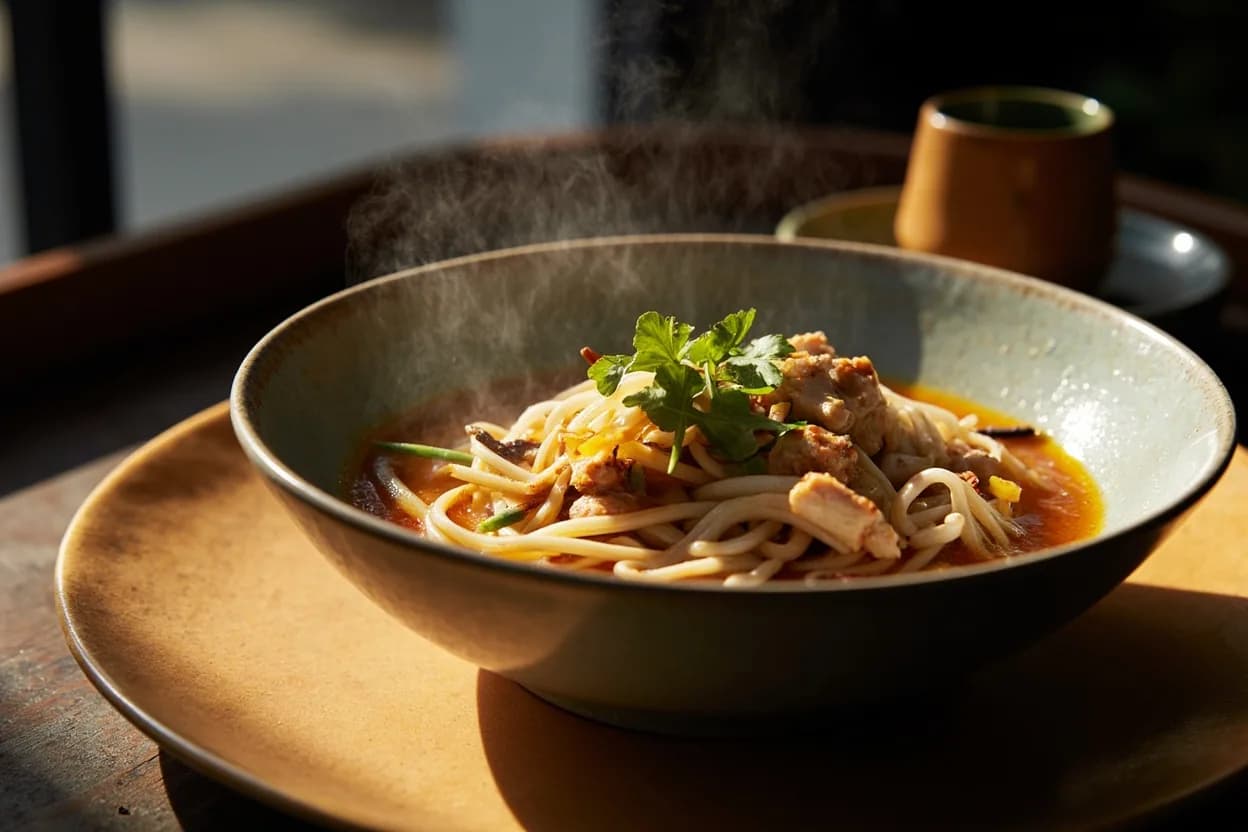
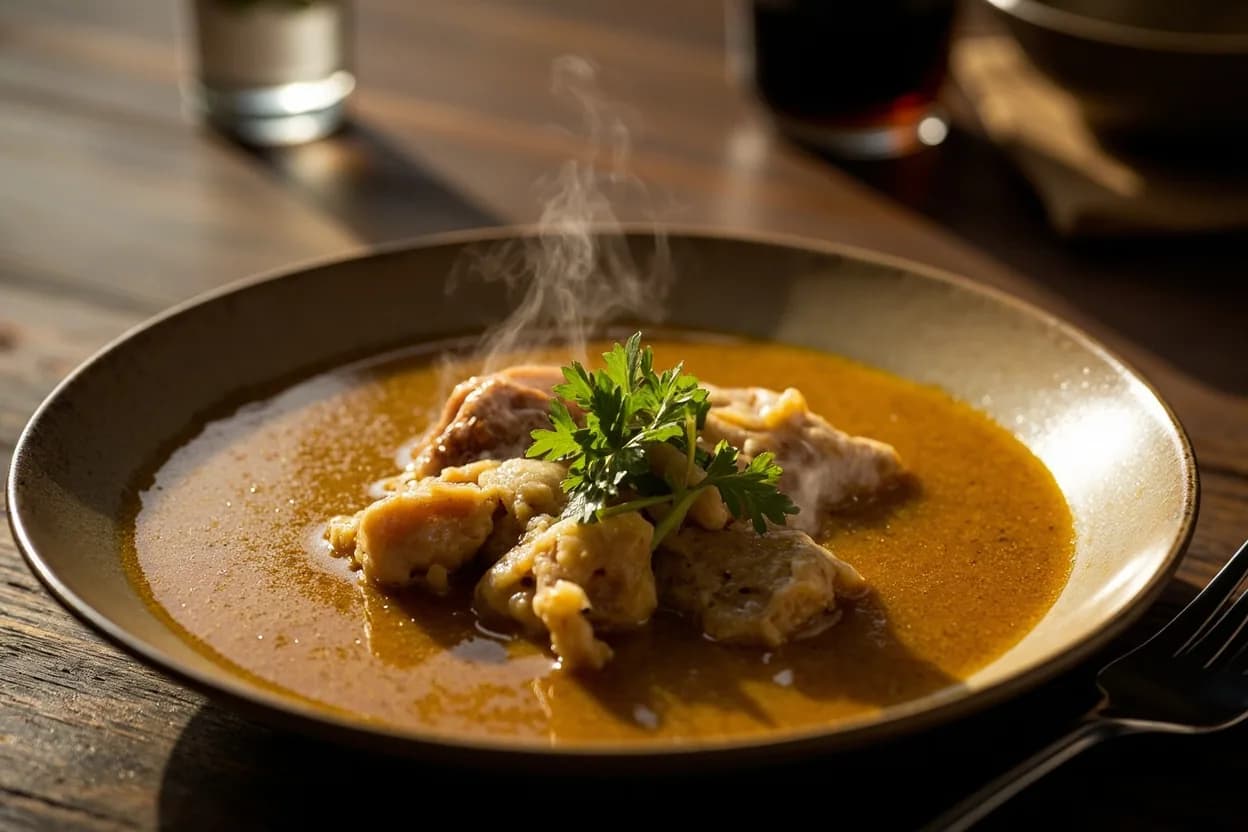
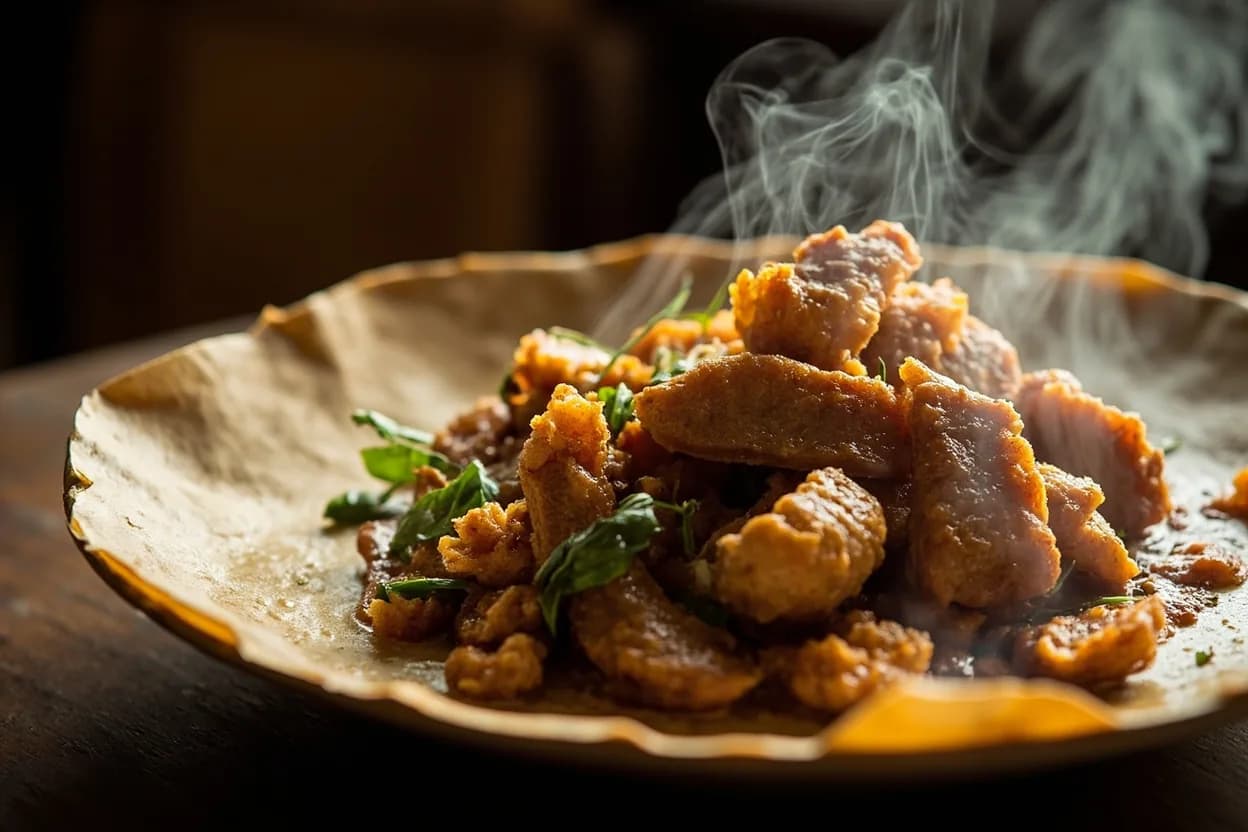
Appears in these dishes
Related
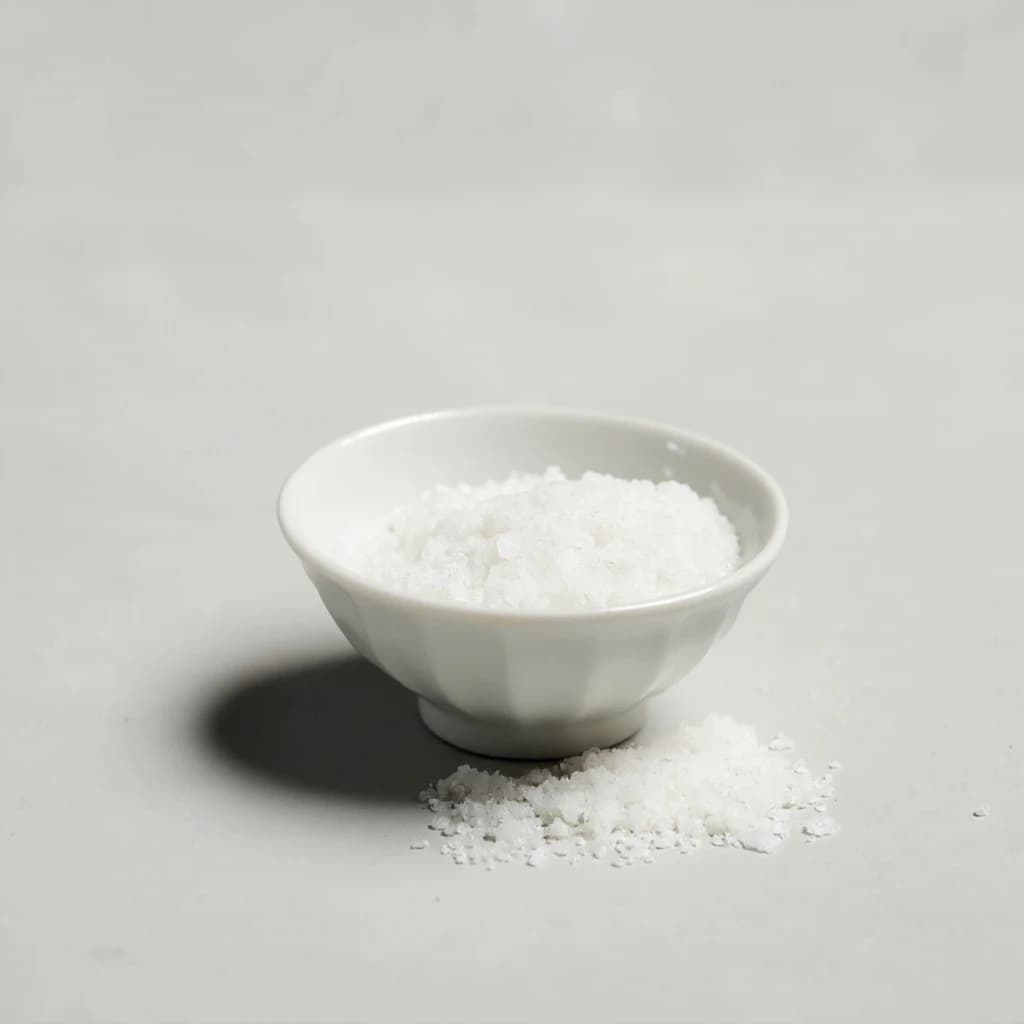
Salt
The one seasoning that makes everything else taste like itself

Black Pepper
Pungent, woody heat — best cracked fresh over anything savory
Amchur
Dried unripe mango ground to a tart, fruity souring powder
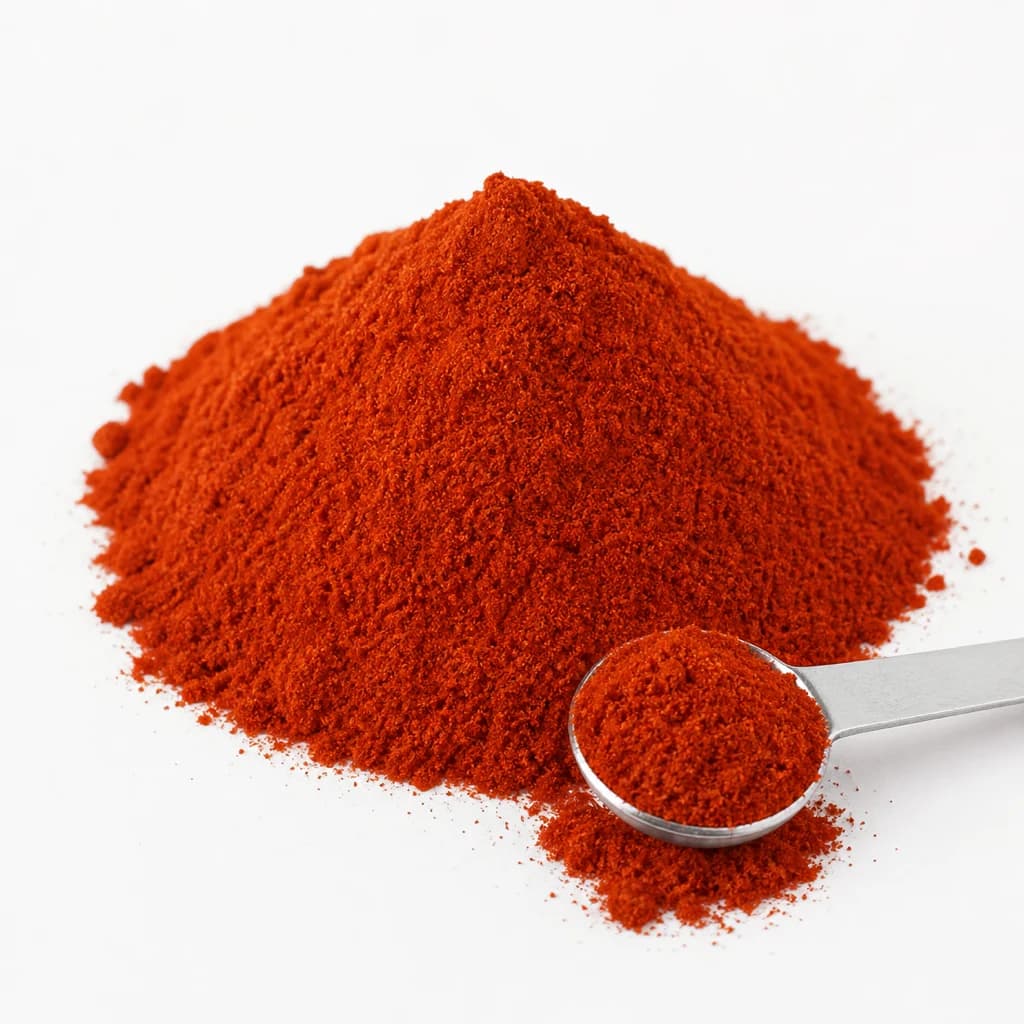
Paprika
Sweet, vivid ground pepper for color and gentle warmth
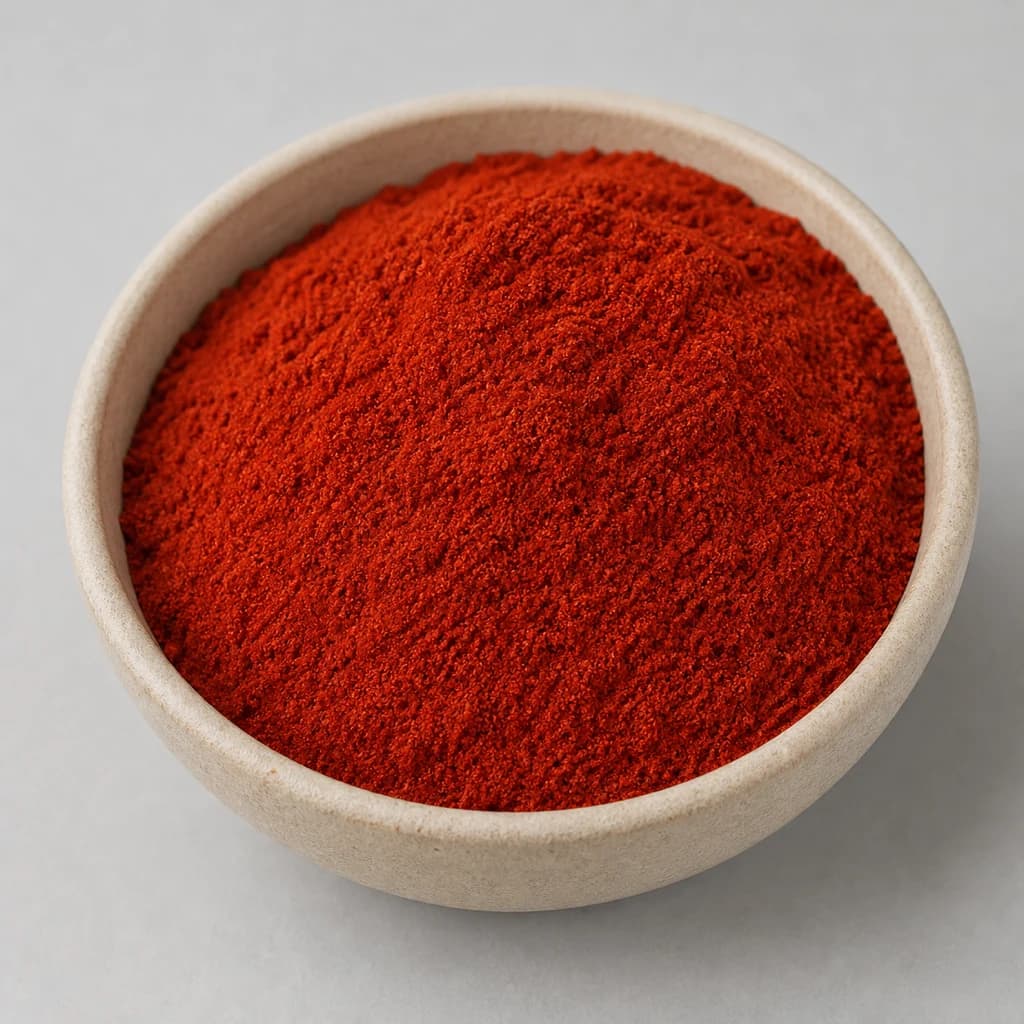
Smoked Paprika
Deep, smoky ground pepper for a campfire warmth
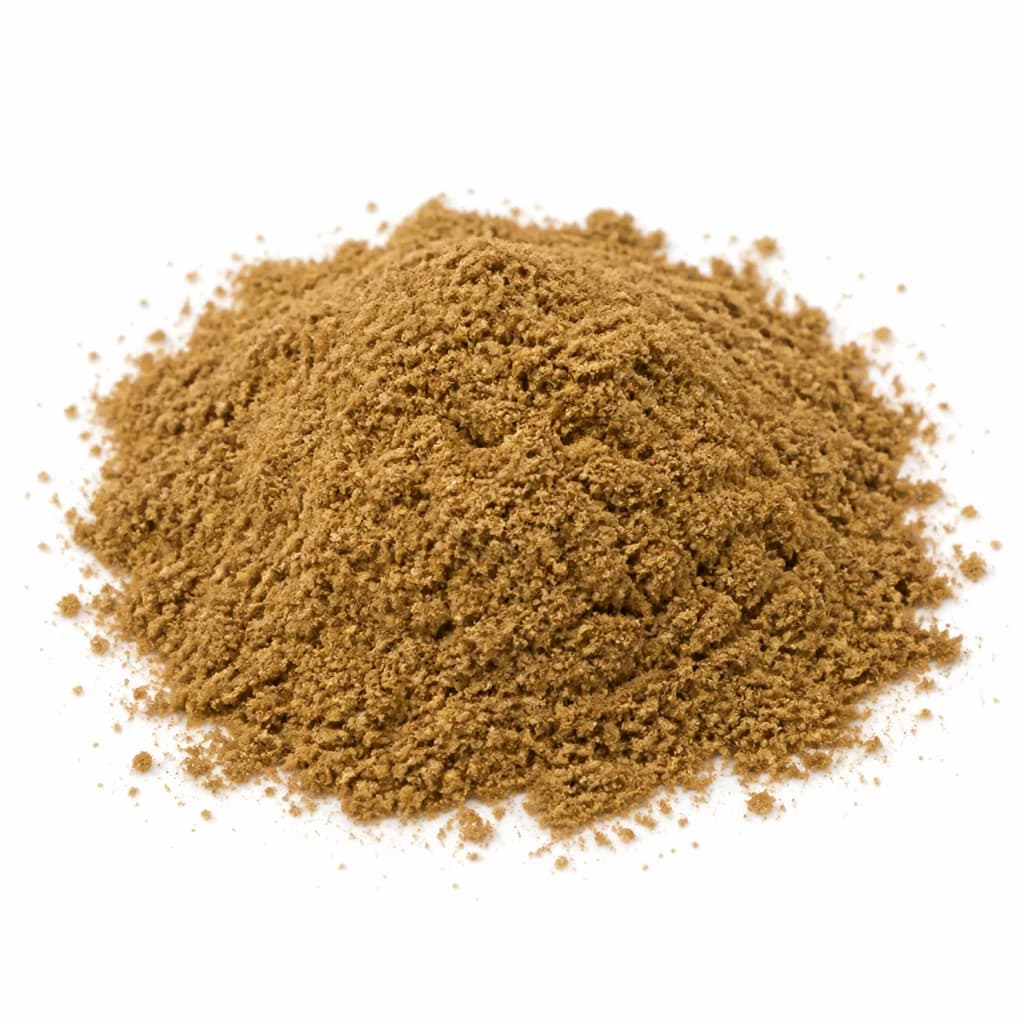
Cumin
Warm, earthy spice central to curries, chili, and tacos
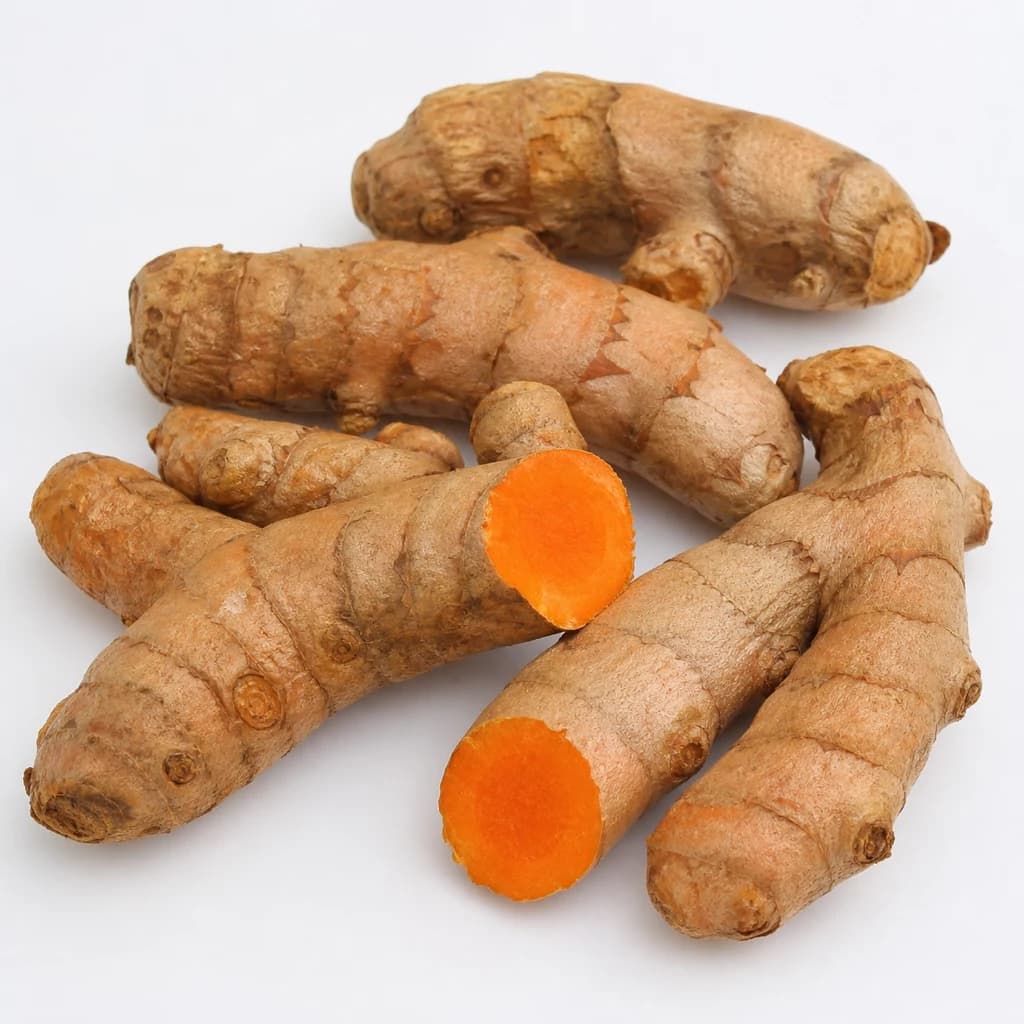
Turmeric
Golden, earthy spice for curries, rice, and color
Cinnamon
Warm, sweet spice for baking, oatmeal, and tagines