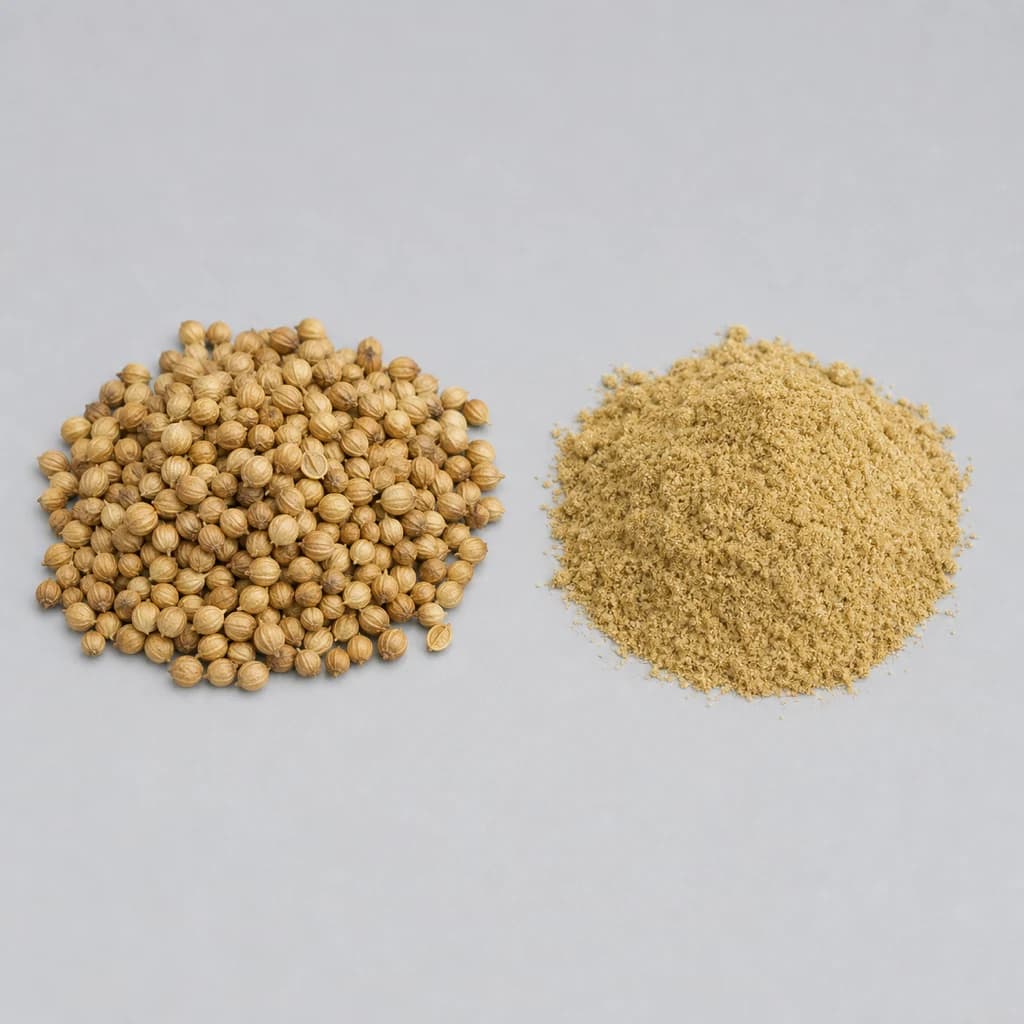
Spices
Ground Coriander
Milled coriander seed, citrusy and warmly nutty without the herbal punch of fresh leaf. Stir into curries, rubs, and marinades; mellows fast, so add early in cooking.
Ground coriander is the pantry form of the dried ripe seed of Coriandrum sativum — the same plant that supplies fresh cilantro, but a very different ingredient on the palate. Where the leaf is green, soapy, and bright, the seed is warm, nutty, faintly sweet, and laced with a citrus-peel note that has no green-herb character at all. A fine to medium powder, pale tan to sandy brown, it is one of the foundational spices across South Asia, the Middle East, and North Africa, and quietly important in European baking, pickling, and charcuterie.
Its identity rests on linalool, the same terpene that gives basil and lavender their floral-citrus lift, layered with pinene and terpinene for herbal warmth and smaller notes of geraniol and camphor. The catch is that these oils are volatile: once the seed is cracked open and milled, the citrus top notes begin to fade within weeks, and the powder turns dusty and flat long before it loses its color. A brief dry toast in a skillet — 30 to 60 seconds over medium heat, just until fragrant — revives much of that lost brightness and deepens the nuttiness into something almost roasted. For cooks who use it often, buying whole seed and grinding small batches is the single biggest upgrade.
In practice, ground coriander behaves like a flavor base rather than a finishing spice. It blooms in oil or ghee at the start of a curry, melts into braises alongside cumin, and adds body to long-cooked sauces because the powder slightly thickens as it hydrates. Added late or raw, it reads as chalky; added early, it disappears into the dish and quietly makes everything else taste rounder.
- Measured in
- tsp
- Storage
- Store In An Airtight Container Away From Light & Heat
Find it in
Suits
Types & varieties
Finer grind, sometimes blended with a touch of turmeric; the standard for curry powders, dals, and sambar powder
Often coarser; a defining component of baharat, ras el hanout, and tagine spice mixes
Finely milled and paler, with a milder citrus note; used in pickling spice, charcuterie, and some baking
Seeds dry-roasted before milling, giving a deeper, almost coffee-like nuttiness
Freshness and the case for grinding your own
Ground coriander is one of the spices most punished by the spice aisle. The linalool that defines its citrus top note begins to oxidize the moment the seed coat is broken, and a jar that has sat on a warehouse shelf for a year — then on a home shelf for another six months — will taste of warm dust rather than orange peel. The remedy is straightforward: buy whole coriander seed in small quantities from a source with high turnover, store it away from heat and light, and grind only what you need for the week in a dedicated blade grinder or mortar. A 10-second pulse is enough; over-grinding heats the powder and drives off more of the volatile oils. If a recipe calls for ground coriander and you only have whole, lightly crush the seed in a mortar rather than pulverizing it — the coarser texture actually holds its aroma a little longer in the finished dish.
How ground coriander behaves in cooking
A few practical rules of thumb cover most situations.
- Add it early in long-cooked dishes (curries, braises, tagines, dals) so the citrus oils can disperse through the fat and liquid rather than sitting on top as a raw, chalky dust.
- Bloom it in oil, ghee, or butter at the start of cooking — the fat-soluble aromatics release more fully than they will from a dry powder stirred in later.
- It will subtly thicken a sauce as it hydrates, useful when you want body without flour or cream.
- In acidic marinades (vinegar, citrus, yogurt), add the spice last and cook within an hour or two; prolonged acid contact dulls the top notes before heat can revive them.
- Finishing a dish with a small pinch of fresh-ground coriander is fine, but taste first — a tired jar will make the whole plate taste flat.
Common uses
Tips & pitfalls
- Buy whole seeds and grind in a spice grinder or mortar just before use; pre-ground coriander loses its top citrus notes within weeks of milling.
- Toast the seeds in a dry skillet over medium heat for 30–60 seconds before grinding — stop the moment you smell fragrance, as they scorch quickly.
- Add ground coriander early in long-cooked dishes; finishing with raw powder can taste dusty and chalky.
- Store jars away from the stove; heat, light, and steam are the main destroyers of linalool.
- If a recipe calls for ground coriander and you only have whole, lightly crush rather than pulverize for a slightly more textured, fresher result.
- Combine 1 part coriander to 1 part cumin as the aromatic backbone of most Indian, Middle Eastern, and Tex-Mex dishes.
- When using in an acidic marinade (vinegar, citrus, yogurt), add the spice last so the acid does not dull the aroma before cooking.
- Taste before salting — coriander's perceived saltiness can mask under-seasoning, leaving a finished dish flat.
Nutrition
Energy
1247 kJ · per 100 g
Where the calories come from
Protein
12.4g
25% DV
Carbs
55g
20% DV
Fat
17.8g
23% DV
Fiber
41.9g
150% DV
Sodium
35mg
2% DV
Source · USDA FoodData Central · Spices, coriander seed
View on FDC →In the shops
Matched grocery products
 €1.25
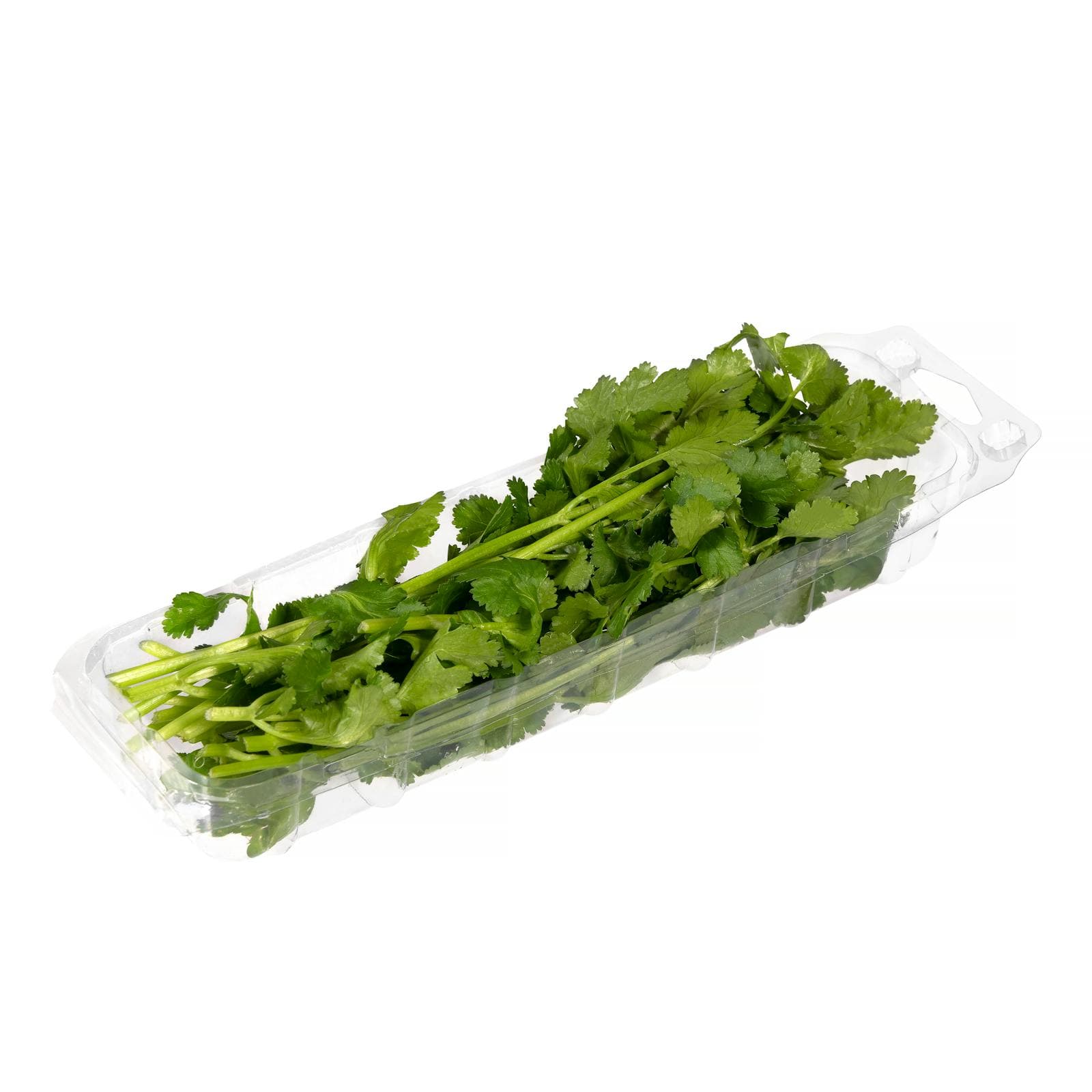
€1.25Cilantro
0.02 100 g · Mercadona
 €1.49
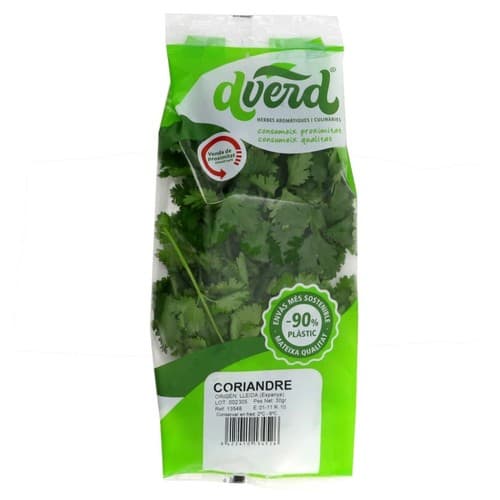
€1.49Fresh Coriander Km0
DVERD · kg · Bonpreu
Good to know
- Botanical source
- Dried ripe seeds of Coriandrum sativum, the same plant that yields fresh cilantro/coriander leaf
- Origin
- Native to a broad region spanning Southern Europe, the Mediterranean, and South Asia; cultivated for several thousand years
- Form
- Fine to medium powder, pale tan to sandy brown
- Key aroma compounds
- Linalool (citrus/floral), pinene and terpinene (herbal/warm), with smaller amounts of geraniol, camphor, and decanal
- Flavor profile
- Warm, nutty, faintly sweet, with citrus-peel and a slight sage/pepper note; no heat (0 Scoville)
- Toasting
- A 30–60 second dry toast deepens nuttiness and opens the citrus oils
- Yield
- 1 teaspoon whole seed yields roughly 3/4 teaspoon ground
- Storage
- Airtight, cool, and dark; ground form keeps 6–9 months, whole seeds 1–3 years
- Allergens
- No major allergens; rare sensitivities occur within the Apiaceae (umbellifer) family
Substitutes
- Ground cumin — The closest single substitute; warmer and earthier, less citrusy. Use equal amount, then add a pinch of orange zest to mimic coriander's brightness
- Ground caraway — Similar warm, slightly sweet profile with anise notes; good in rustic braises and rye dishes, but the anise can dominate, so start at about 3/4 the amount
- Garam masala — Contains coriander along with cumin, cardamom, cinnamon, and clove; a convenient stand-in in curries — use roughly 1.5 times the amount called for
Pairs with
Also called
coriander powder · ground coriander seed · dhania powder