Spices
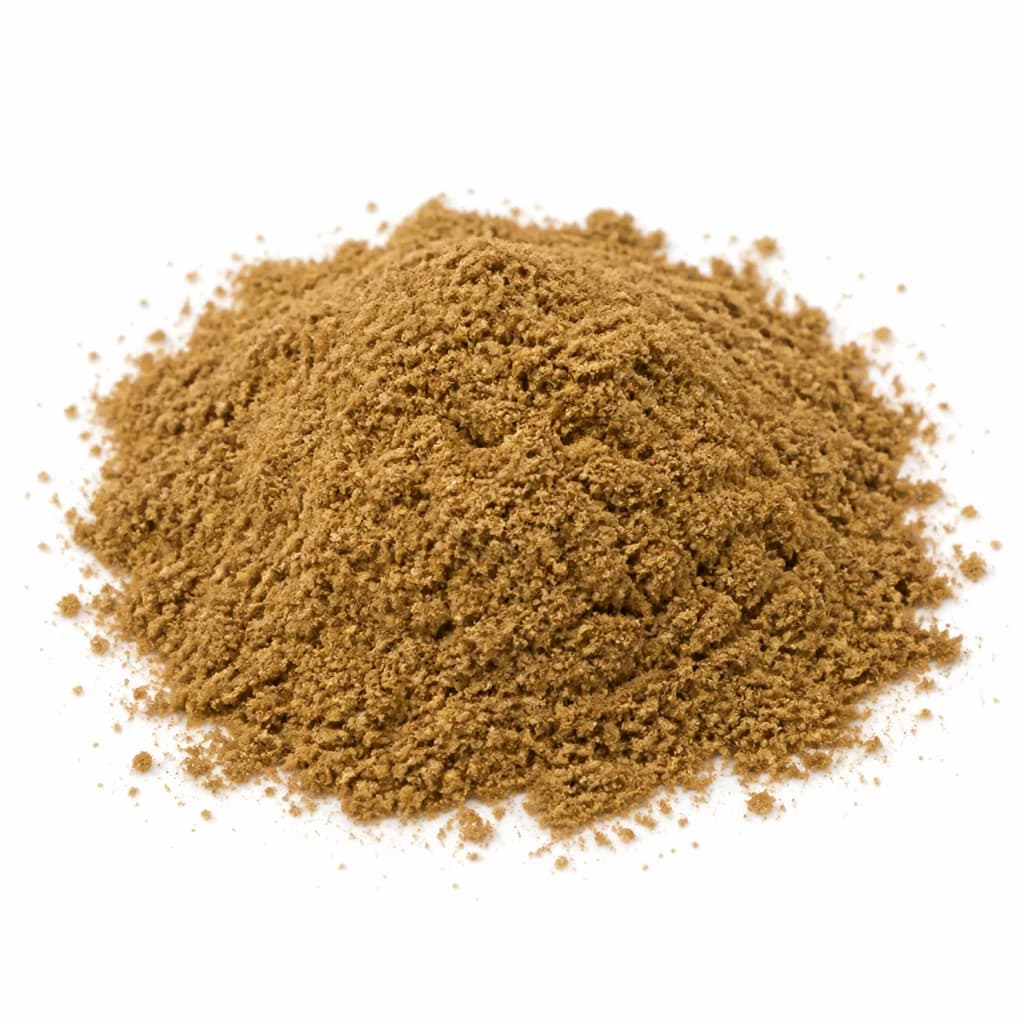
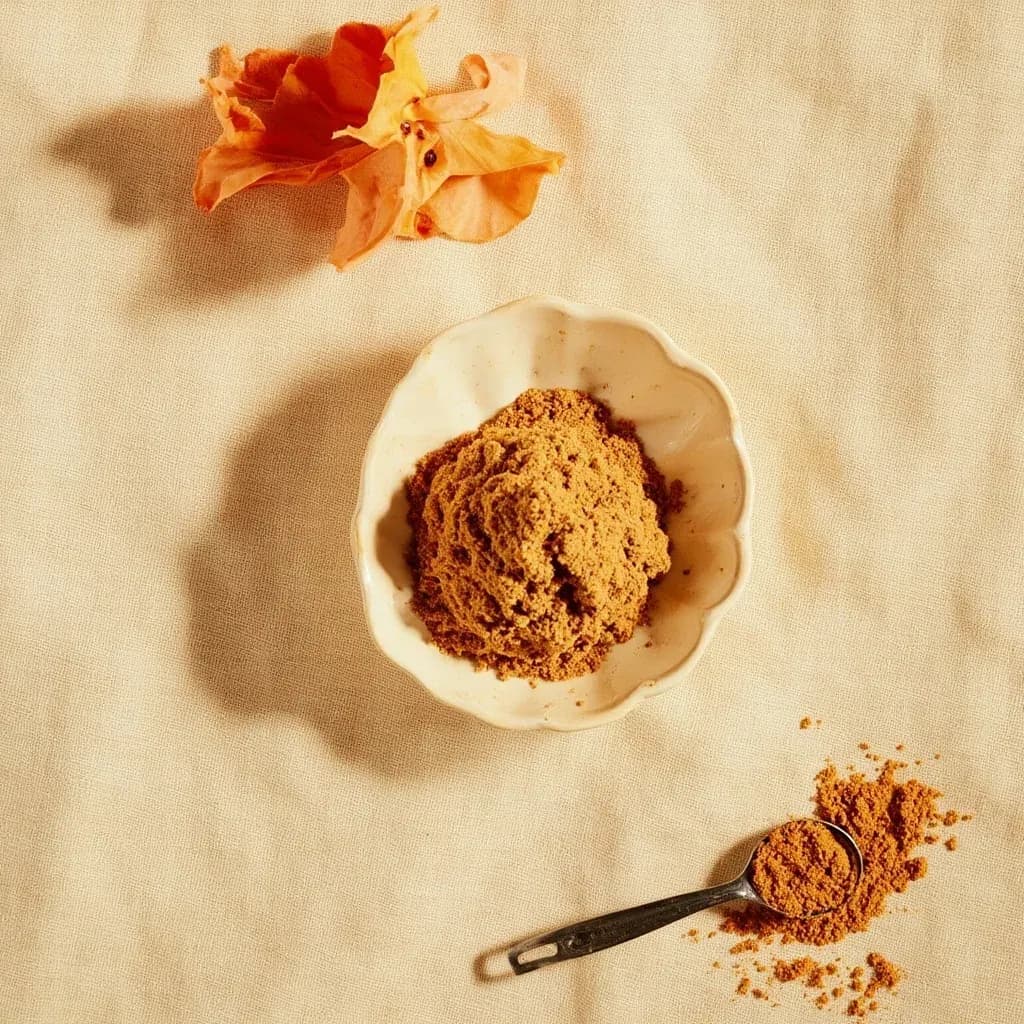
Ground Cumin
Pre-milled cumin for instant earthy, warm depth in chilli, curry and taco seasoning. More convenient but fades faster than whole seed; bloom in hot oil to revive its aroma before adding liquid.
Ground cumin is the pre-milled powder made from the dried ripe seeds of Cuminum cyminum, a small annual in the parsley family (Apiaceae). It delivers a warm, earthy, faintly bitter flavor with a peppery, almost citrus edge — the kind of savory depth that quietly anchors chili, curry, dal, tagine, and taco seasoning. Few spices do as much cross-cultural work: cumin is equally at home in north Indian tandoori marinades, Moroccan tagines, and Tex-Mex chili, and cooks in all those traditions lean on it for the same reason — it amplifies chiles, tames tomato acidity, and cuts through the flatness of legumes and braised meats.
The trade-off for convenience is shelf life. Once the seed coat is broken, the volatile oils that define cumin's aroma oxidize and dissipate within roughly six months, leaving a dusty, faintly bitter ghost of the original. A short sizzle in hot oil or ghee — the technique cooks call blooming — revives much of what time has stolen by re-dispersing those oils into the fat. Buying whole seeds and grinding them to order is the more reliable path, but a well-stored jar of pre-ground cumin, used with the bloom in mind, is a perfectly serviceable workhorse in almost any kitchen.
- Measured in
- g
- Storage
- Pantry
Find it in
Suits
Types & varieties
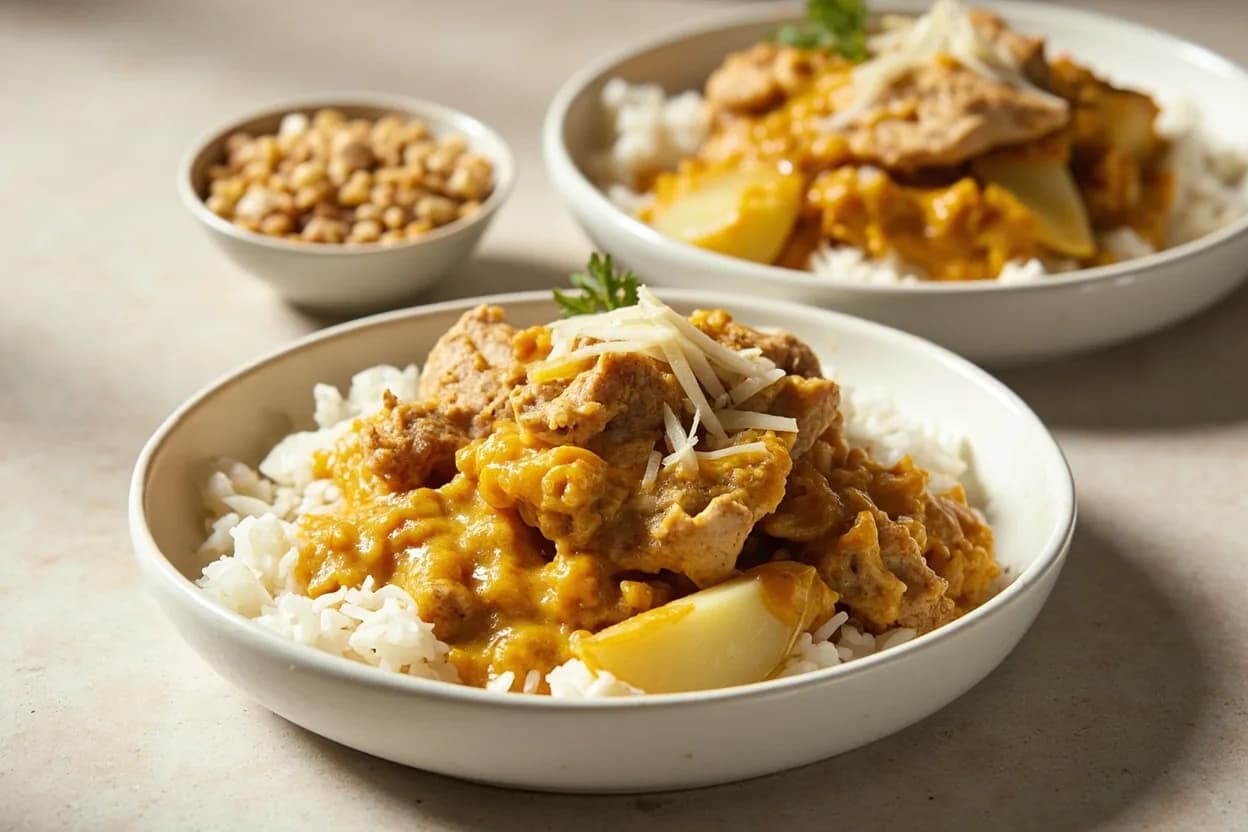
Often a finer grind and lighter brown; the backbone of garam masala, curry powder, and dals.
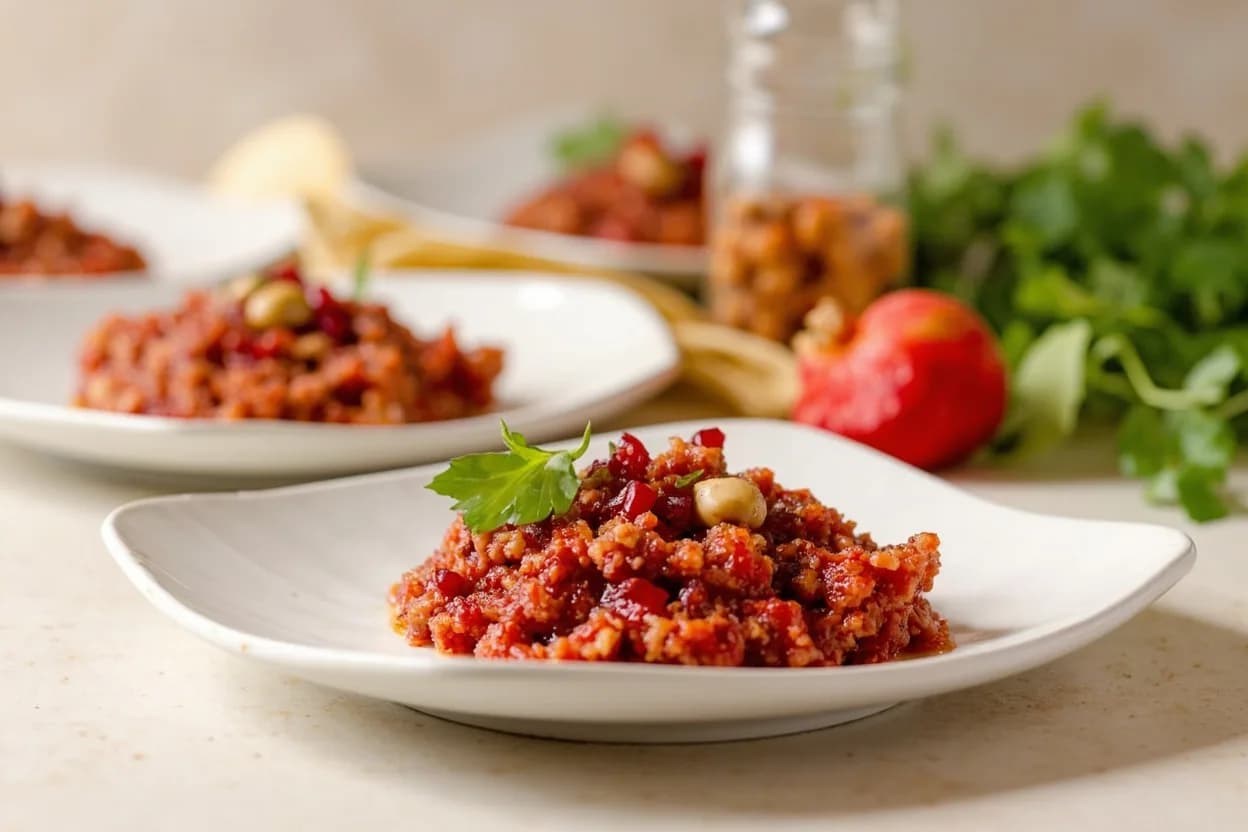
Typically a coarser grind and deeper brown; central to chili powders, adobos, and taco seasoning.
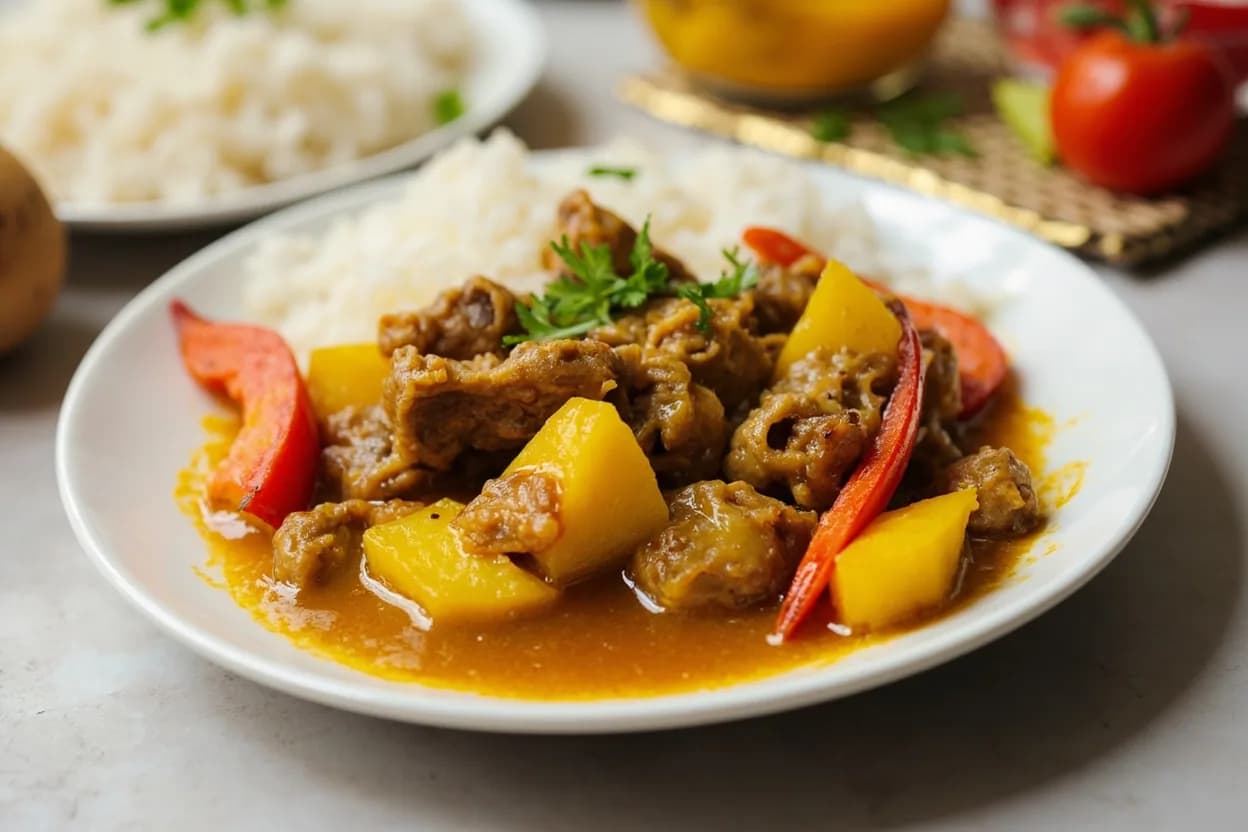
Indian style where seeds are dry-roasted dark and nutty before grinding; deeper, smokier, and less grassy than the raw-ground form.
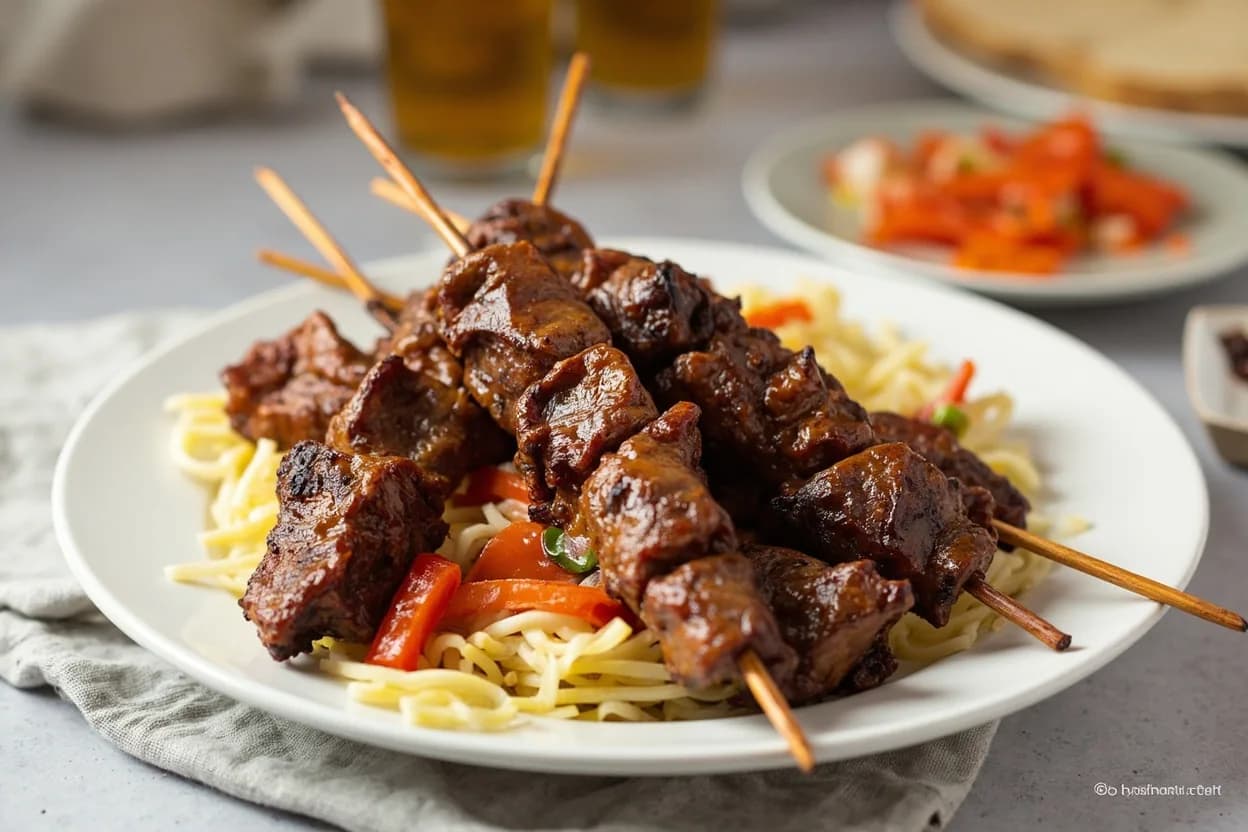
Used in kebab koobideh and rice dishes; usually freshly ground from seed for maximum aroma.
Bunium persicum (Persian) or Nigella sativa — botanically distinct, with sharper, more bitter or oniony notes; not a 1:1 swap.
Ground vs. Whole Seed
Whole cumin seeds keep their volatile oils sealed inside the seed coat and stay potent for one to two years; once ground, that clock shrinks to roughly six months. The practical difference is unmistakable — freshly cracked seed smells of warm hay, pepper, and citrus zest, while a tired jar of pre-ground smells of dusty earth. If you cook cumin-forward food often, keeping a small jar of whole seeds and a dedicated grinder (or a mortar and pestle) pays for itself in aroma alone. If you only reach for cumin occasionally, a fresh small jar of pre-ground, used within a few months, is the more convenient choice.
- Toast whole seeds in a dry skillet over medium heat, stirring constantly, for 1–2 minutes until fragrant and one shade darker; cool before grinding.
- Grind in a mortar, microplane, or dedicated blade grinder; spice-dedicated tools prevent flavor transfer from coffee or pepper.
- For a quick bloom with pre-ground, use about 1 teaspoon per pound of meat or per 4 cups of liquid and cook in oil for 20–40 seconds before adding other ingredients.
When to Add Cumin in a Recipe
Cumin's top aromatic notes are volatile and fade with time and wet heat. In long, wet braises (tagines, chili, dal), add it early so the earthy base has time to settle into the sauce — the bright top notes will cook off, leaving exactly the deep savory backbone you want. In quick sautés, stir it in late, after the aromatics are soft, and bloom it for under a minute in the fat before any liquid goes in. A two-stage approach — a small amount bloomed early for depth, a pinch stirred in at the end for aroma — gives the best of both worlds in soups and stews.
- Add early in long braises (30+ minutes of simmer) to build a deep base.
- Add late in quick sautés (under 15 minutes of cook time) to preserve the bright top notes.
- For a finishing lift, bloom a small pinch in warm ghee or oil off the heat and drizzle over the finished dish.
Common uses
Tips & pitfalls
- Bloom ground cumin in hot oil or ghee for 20–40 seconds before adding liquid — this revives the volatile oils and prevents a raw, dusty taste.
- Buy whole seeds and grind as needed with a mortar, microplane, or dedicated spice grinder; the difference in aroma is dramatic and worth the extra minute.
- Dry-toast seeds in a skillet over medium heat, stirring constantly, until fragrant and one shade darker; let them cool completely before grinding to preserve the aromatics.
- Add cumin early in long, wet braises but late in quick sautés — ground cumin loses its top notes after about 20–30 minutes of simmering.
- Store away from the stove; heat, light, and humidity are ground cumin's three enemies, and a jar parked next to the burner can go flat in weeks.
- Don't substitute caraway seeds 1:1 — they share some terpenes but lean distinctly anisey and sweeter, and will shift the dish's character.
- If a finished dish tastes flat, a small pinch of bloomed cumin (rather than more chili) often restores the depth you're missing.
- For taco seasoning, balance cumin with smoked paprika, garlic powder, oregano, and a touch of cayenne — straight cumin alone tastes one-dimensional.
Nutrition
Energy
1569 kJ · per 100 g
Where the calories come from
Protein
17.8g
36% DV
Carbs
44.2g
16% DV
Fat
22.3g
29% DV
Fiber
10.5g
38% DV
Sugars
2.3g
of which
Sodium
168mg
7% DV
Source · USDA FoodData Central · Spices, cumin seed
View on FDC →In the shops
Matched grocery products
 €0.79
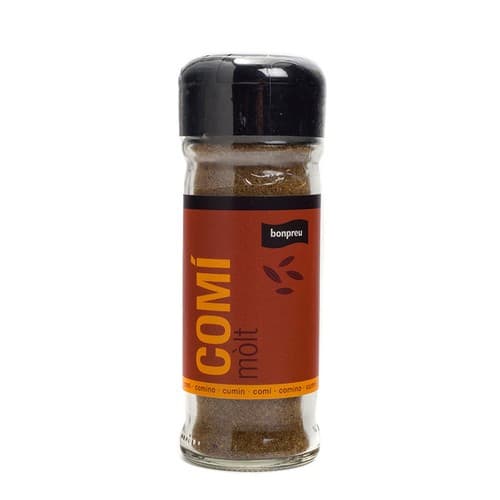
€0.79Bonpreu Ground Cumin
BONPREU · Bonpreu
 €1.15
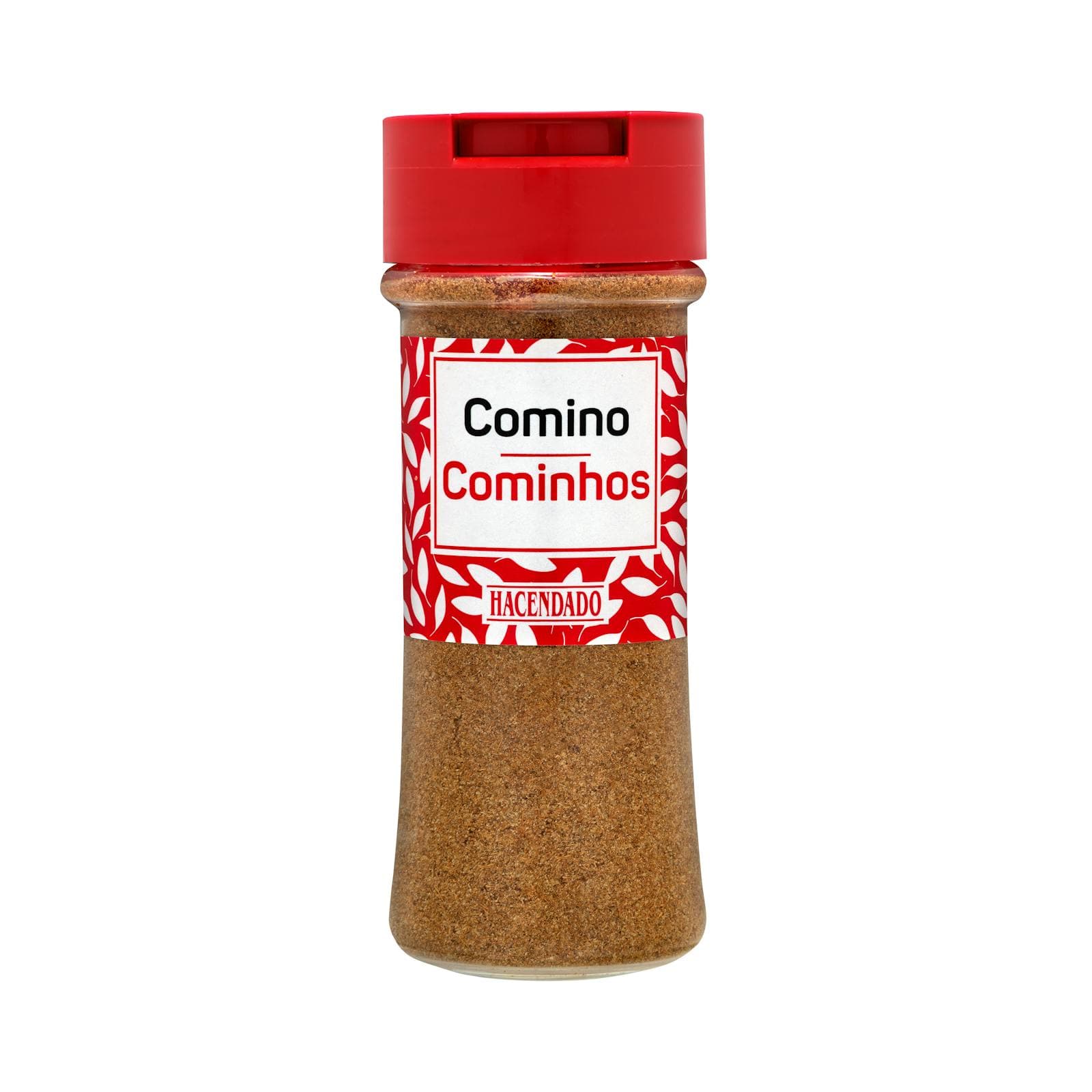
€1.15Ground Cumin
Hacendado · 58 g · Mercadona
Good to know
- Botanical name
- Cuminum cyminum (Apiaceae family, alongside parsley, carrot, and dill)
- Form
- Pre-milled dried ripe seeds, yellowish-brown to medium brown
- Flavor profile
- Warm, earthy, nutty, slightly bitter with a peppery, faintly citrus edge
- Origin
- Eastern Mediterranean to the Levant and India; among the oldest cultivated spices, found in Old Kingdom Egyptian tombs
- Top producers
- India, Mexico, Turkey, Iran, and Syria
- Shelf life
- Whole seeds 1–2 years; pre-ground loses volatile oils within about 6 months
- Storage
- Airtight container, cool, dark, away from the stove; 6–12 months for best potency
- Sterilization
- Most U.S. retail ground cumin is steam-sterilized or irradiated to meet FDA Salmonella standards, which slightly mutes aroma
Substitutes
- Toasted and freshly ground cumin seed — Best substitute — same spice with dramatically better aroma; use equal measure by volume.
- Caraway seeds, toasted and ground — Closest in earthy bitterness but adds anise/licorice notes; reduce by about 25% in savory dishes.
- Ground coriander plus a pinch of black pepper — Not a true substitute but mimics the warm, citrusy edge in curry and dal blends when cumin is missing.
- Smoked paprika (partial) — Brings warmth and color but lacks the earthy citrus; works in chili and bean dishes at roughly half the amount of cumin called for.
- Garam masala — Contains cumin plus cardamom, cinnamon, and clove; use when you want a fuller Indian flavor profile and a touch of sweetness.
- Chili powder — Already contains cumin alongside chili peppers and garlic; reduce by half and adjust salt and heat to taste.
Pairs with
Also called
cumin powder · powdered cumin · jeera powder · milled cumin