Spices
Black Cumin (Nigella)
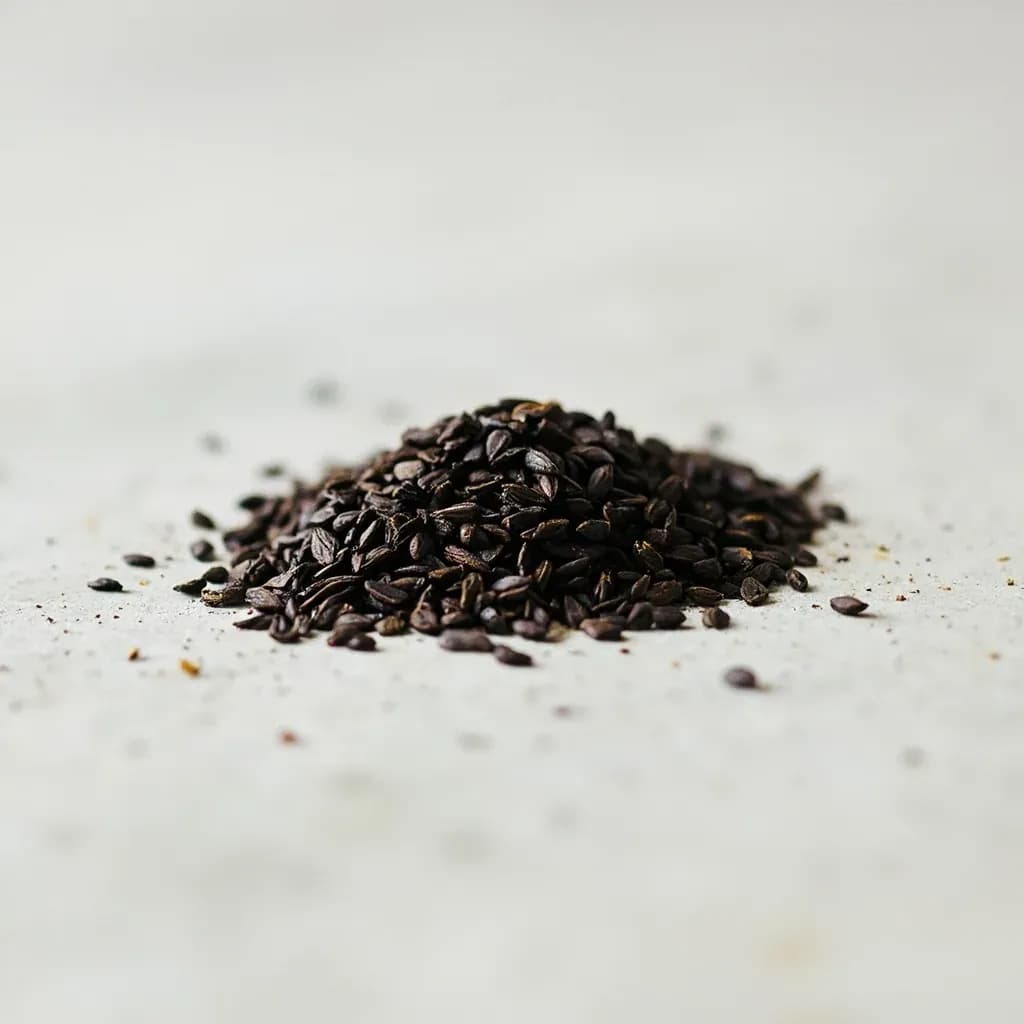
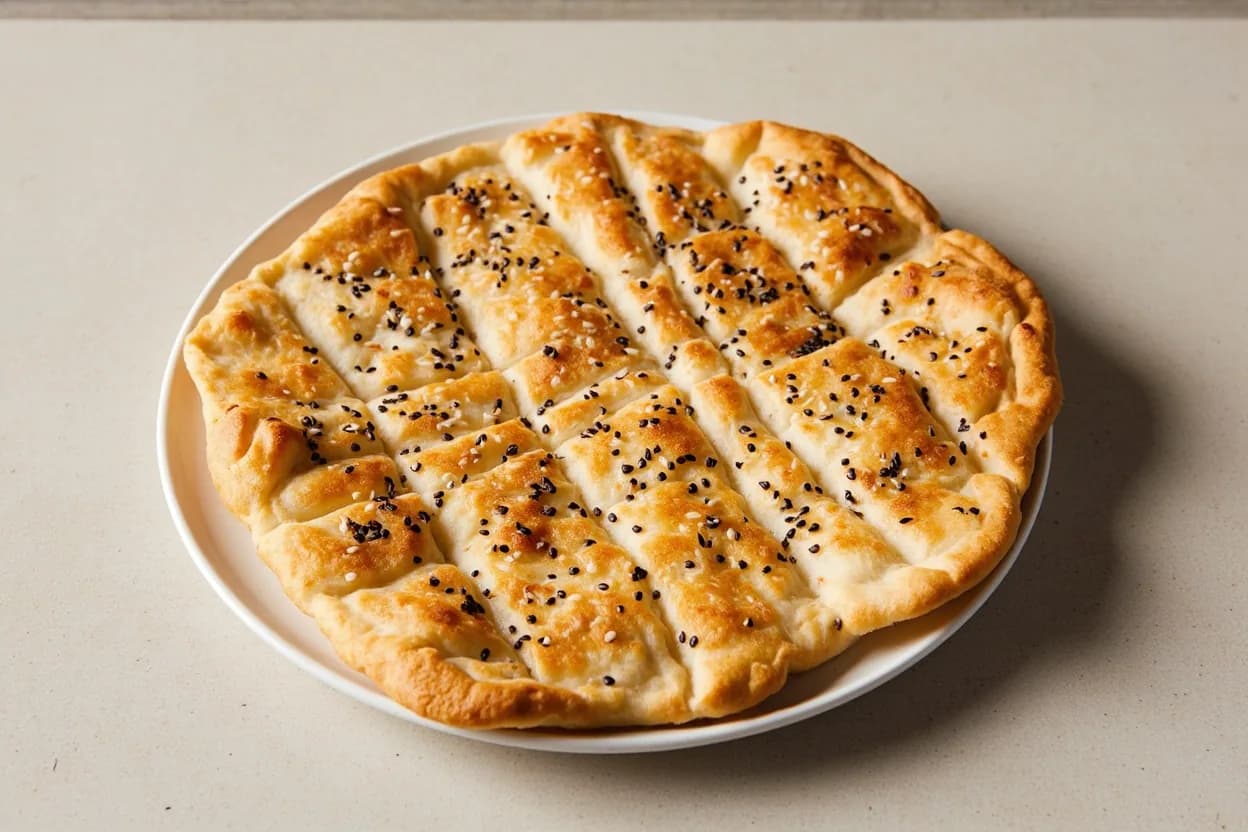
Tiny matte-black seeds with a peppery, oregano-like aroma; sprinkled on naan and flatbreads.
Black cumin, also called nigella or kalonji, is a small jet-black seed with a peppery, slightly bitter aroma reminiscent of oregano and onion. It is scattered over naan, flatbreads and pickles and folded into spice blends across South Asian and Middle Eastern cooking. Note it is distinct from true cumin despite the shared name.
Black cumin (Nigella sativa) is a small, matte-black, irregularly triangular seed from the buttercup family—botanically unrelated to the cumin most Western kitchens stock. Where standard cumin (Cuminum cyminum) delivers warm, earthy notes, black cumin brings a sharper, more oregano-like bitterness with a distinctly peppery edge, driven by thymoquinone and nigellone rather than cuminaldehyde. The seeds have a rough, pebbly texture and a high essential oil content that makes brief cooking in fat essential for releasing their full aroma. Used for over 3,000 years across ancient Egypt, the Near East, and South Asia, black cumin appears in everything from Indian naan and Persian lentil dishes to Egyptian cookies and Turkish breads. It functions as an accent spice—the handful that tops a flatbread or pops in hot ghee—not a bulk ingredient. The confusion with regular cumin is persistent and costly: they taste nothing alike, and substituting one for the other in a recipe will fundamentally alter the dish's character. In Indian markets, black cumin may be labeled shah jeera (imperial cumin) alongside regular cumin; verify by appearance: black cumin seeds are jet black and angular; regular cumin is brownish and more slender.
- Measured in
- g
- Storage
- Pantry
Types & varieties
The standard culinary and medicinal species; the variety most commonly sold as black cumin worldwide
Regional Indian subcontinent name for N. sativa; specifically the seeds used in naan, pickles, and vegetable dishes
Arabic for 'blessed seed'; same botanical species, often highlighted in traditional medicine contexts
How Black Cumin Behaves in Cooking
The high essential oil content in black cumin seeds means flavor compounds are fat-soluble, not water-soluble. This is why simply tossing raw seeds into a wet curry rarely extracts their full potential. When bloomed in hot oil or ghee, the seeds swell slightly, release their oils, and perfume the fat within seconds. That aromatized fat then carries the flavor into the dish. In baked goods, the seeds are either pressed into the dough surface or scattered just before the bread goes into the oven, where they toast and char slightly at the edges. The rough surface gives them good grip on dough and in spice rubs. Because the flavor is assertive and slightly bitter, black cumin works best where it can punctuate rather than dominate—a finishing scatter on hummus, a sizzle in a tadka, a handful pressed into bread dough.
- Fat-soluble: always bloom in oil or ghee for full flavor extraction
- Rough texture grips dough and surfaces well
- Brief cooking (30–60 seconds in hot fat) is sufficient—overcooking turns them bitter and acrid
- Seeds should sizzle and pop when added to hot fat, not sit silent
Buying and Storing
Black cumin is widely available in Middle Eastern, Indian, and Mediterranean grocery stores, as well as well-stocked spice shops. Look for seeds that are uniformly jet black with a slight iridescence; avoid packages showing brown or gray seeds, which indicate age or improper storage. Because the essential oils degrade with light and heat, transfer seeds to an airtight glass jar (opaque preferred) immediately after opening the original packaging. Stored this way in a cool, dark pantry, whole seeds remain potent for 1–2 years. For maximum freshness, especially in warm climates, the refrigerator is worthwhile. Never grind black cumin ahead of time; do so only if a recipe explicitly requires it, and use immediately.
- Buy from high-volume stores with fast turnover for freshest stock
- Reject any package with brown, gray, or clumped seeds
- Airtight, opaque container is essential for shelf life
- Grinding destroys texture and aroma—grind only on-demand if needed
Common uses
Tips & pitfalls
- Always bloom seeds in hot fat before using—their flavor compounds are fat-soluble and more pronounced with brief cooking
- Store in airtight, light-proof containers; the pantry works, but refrigeration extends potency significantly
- Never grind black cumin unless the recipe specifically requires it—powder turns pasty and loses aroma within minutes
- Do not confuse with regular cumin; they belong to different botanical families and taste nothing alike
- When tempering, add seeds to oil just before it reaches smoking point—they should sizzle and pop within seconds, not sit and brown
- In Indian markets, black cumin may be labeled 'shah jeera' alongside regular cumin; verify by appearance (jet black, angular) before buying
- Use sparingly—they are an accent spice, not a bulk ingredient like sesame
- Add to baked goods just before or during baking; raw seeds on unbaked dough may burn before the bread cooks through
Nutrition
Energy
372 kJ · per 100 g
Where the calories come from
Protein
4.1g
8% DV
Carbs
17.3g
6% DV
Fat
0.5g
1% DV
Sodium
1mg
0% DV
Source · USDA FoodData Central · approx. Seeds, lotus seeds, raw
View on FDC →In the shops
Matched grocery products
 €0.79
€0.79Whole Cumin
BONPREU · Bonpreu
 €1.95
€1.95Cumin Seeds
Hacendado · 56 g · Mercadona
Good to know
- Scientific name
- Nigella sativa
- Also called
- Black Seed, Kalonji, Habbatul Barakah, Fennel Flower, Devil in the Bush
- Primary flavor compounds
- Thymoquinone, nigellone, limonene (not cumin's cuminaldehyde)
- Typical form
- Whole seeds only; ground black cumin turns pasty and loses aroma rapidly
- Shelf life
- 1–2 years whole in an airtight, light-proof container; refrigerate to extend
- Origin
- South and Southwest Asia; cultivated throughout the Mediterranean and Middle East
- NOT to be confused with
- Regular cumin (Cuminum cyminum)—entirely different species and flavor
Substitutes
- Caraway seeds — Closest in shape and mild peppery bite; use in equal measure as a direct swap
- Regular cumin (ground) — Different flavor profile—sweeter and more earthy—but acceptable in cooked dishes when black cumin is unavailable; not a visual substitute
- Black sesame seeds — No flavor similarity, but provides comparable visual/textural contrast on flatbreads and garnishes; use only as visual garnish, not flavor substitute
Pairs with
Also called
nigella · kalonji · kalo-jeera · nigella-seed
Appears in these dishes

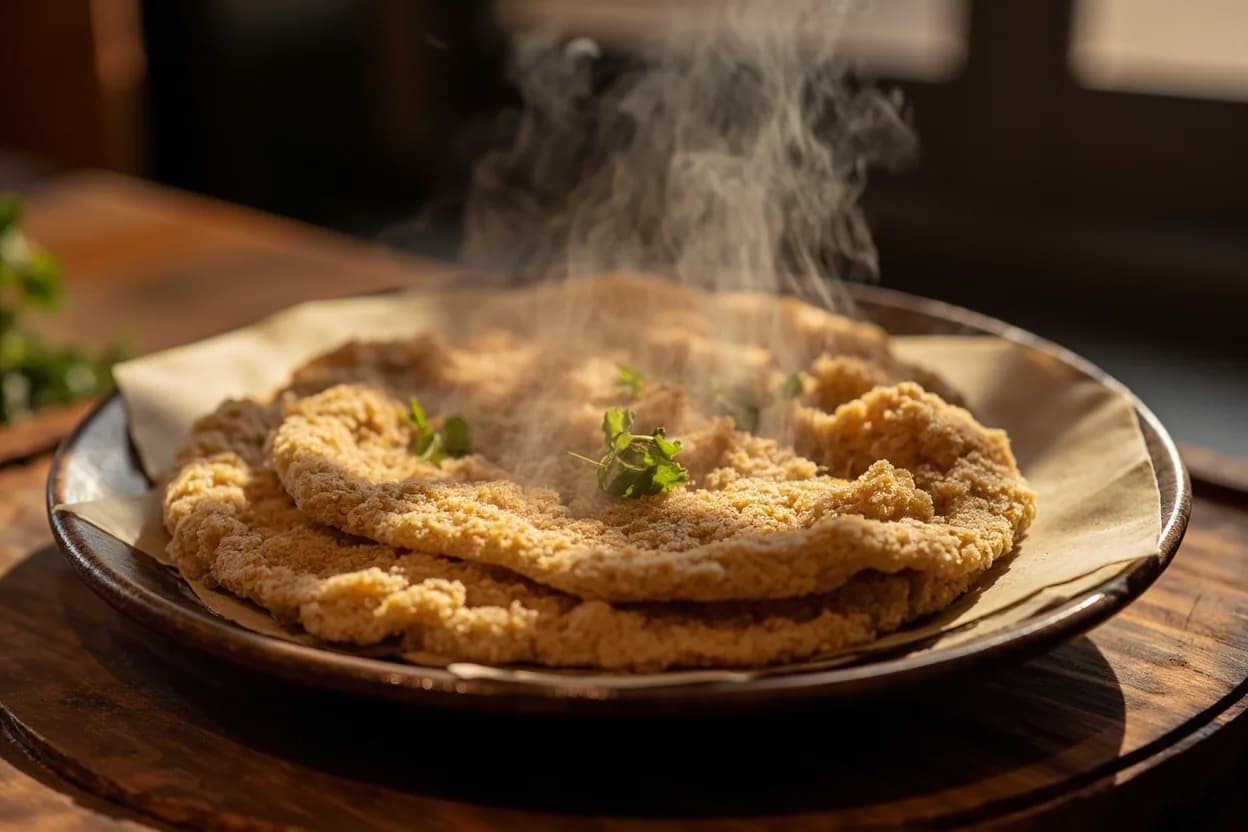
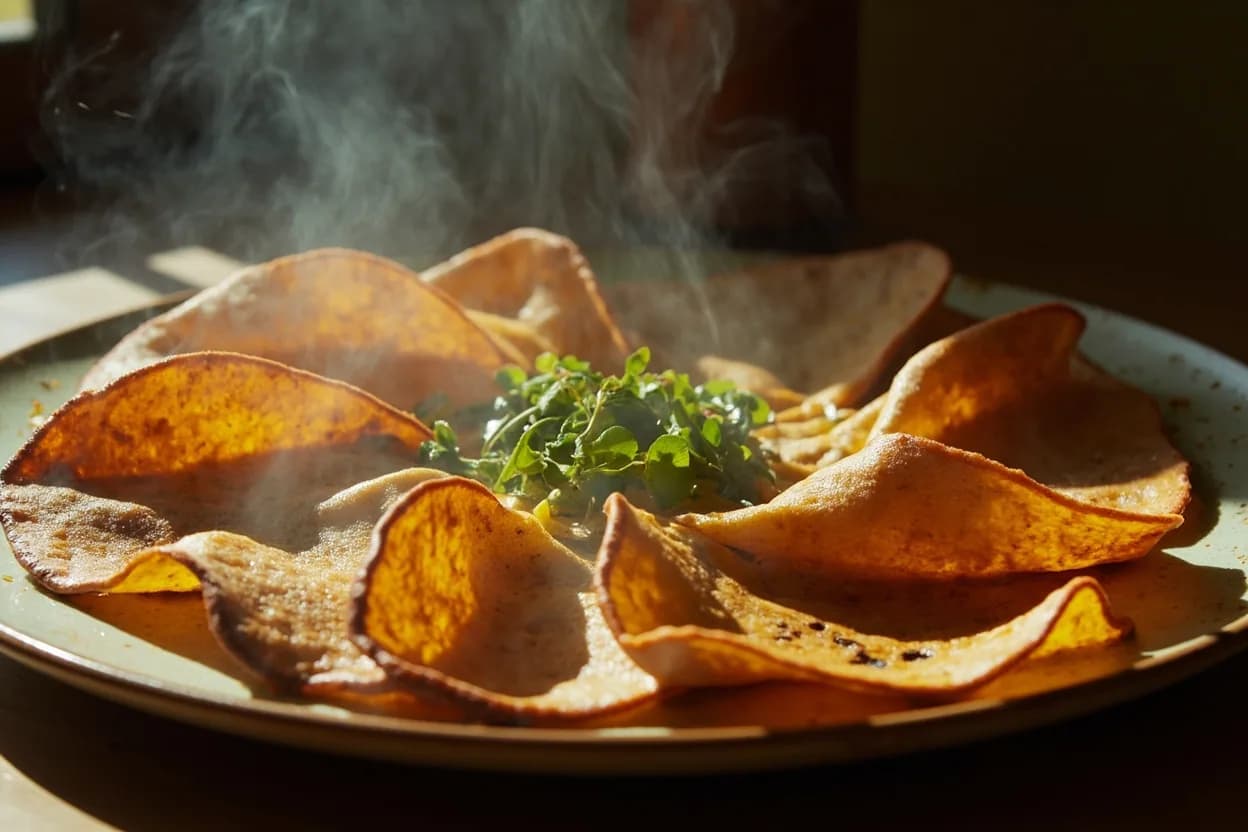
Related
Salt
The one seasoning that makes everything else taste like itself

Black Pepper
Pungent, woody heat — best cracked fresh over anything savory
Amchur
Dried unripe mango ground to a tart, fruity souring powder
Paprika
Sweet, vivid ground pepper for color and gentle warmth
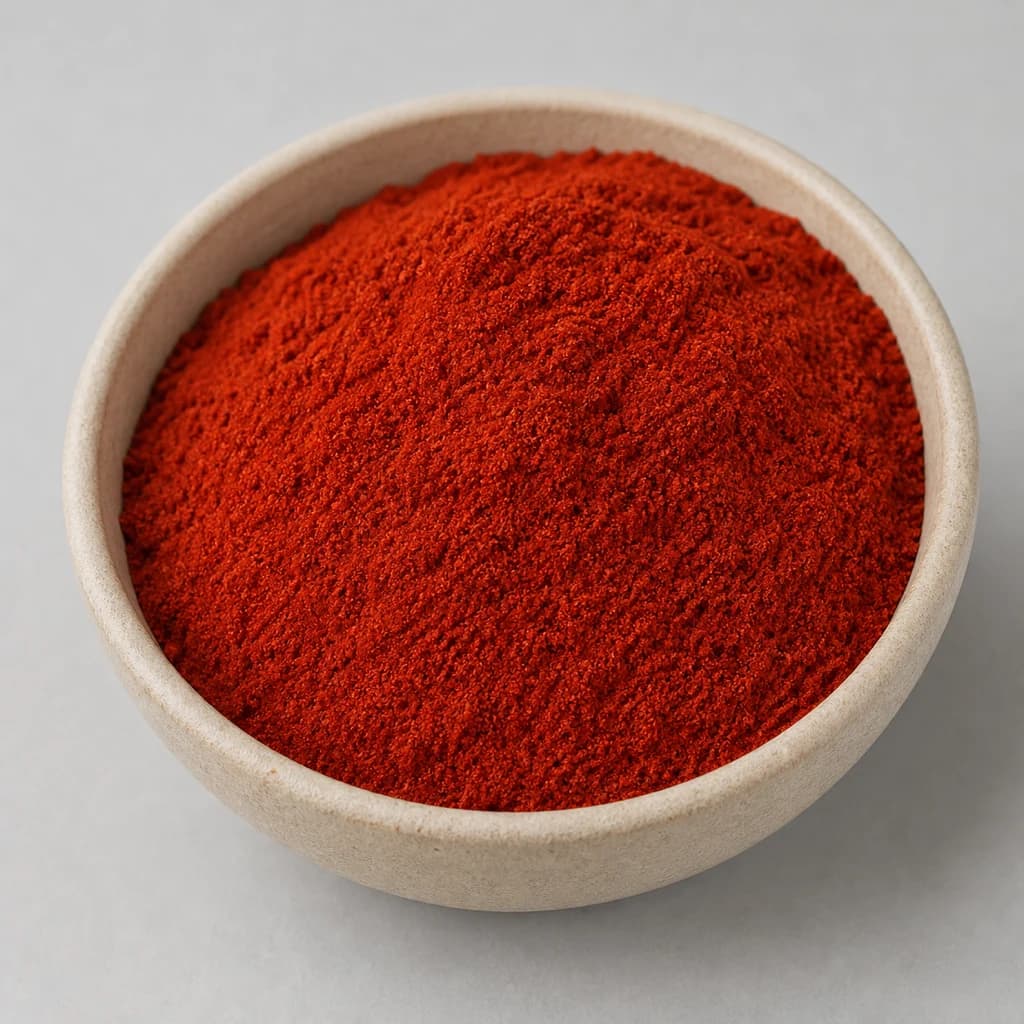
Smoked Paprika
Deep, smoky ground pepper for a campfire warmth
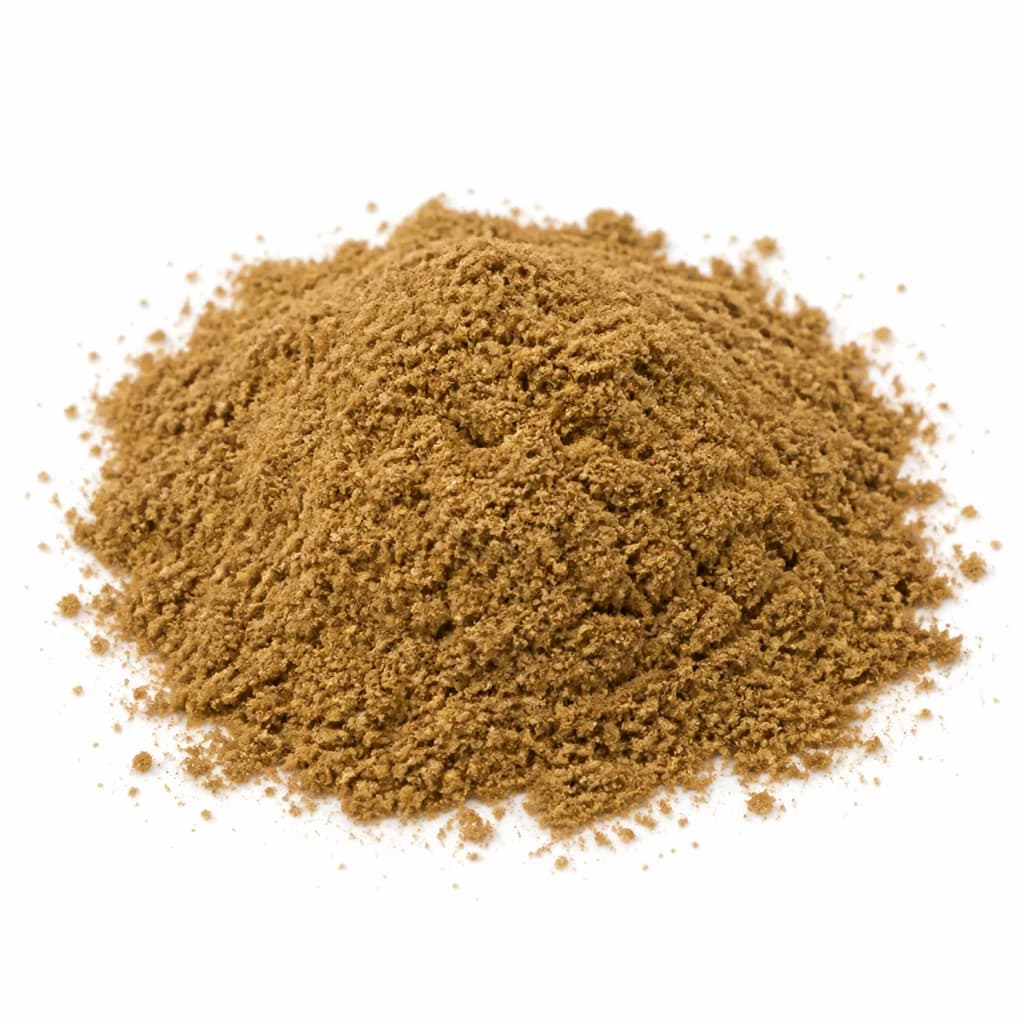
Cumin
Warm, earthy spice central to curries, chili, and tacos
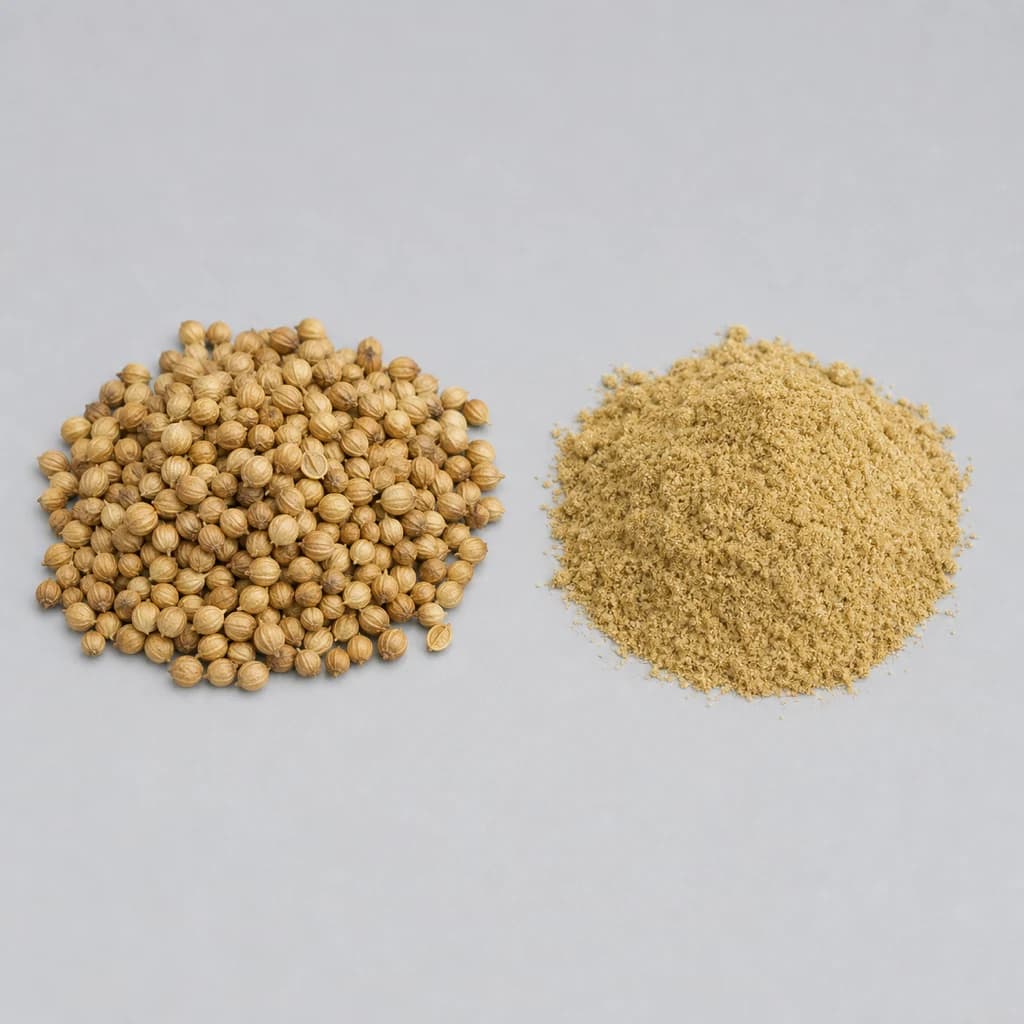
Coriander Seed
Citrusy, warm seed for curries, pickles, and rubs
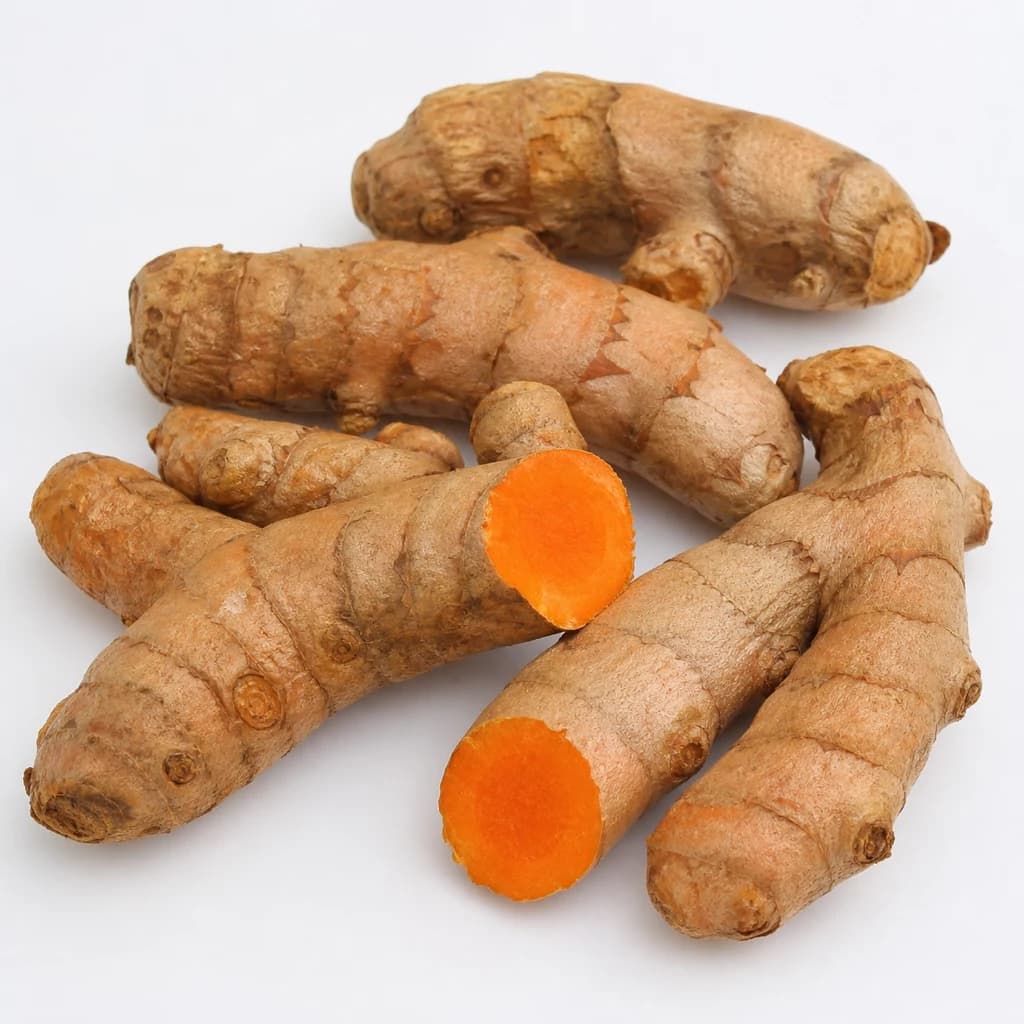
Turmeric
Golden, earthy spice for curries, rice, and color