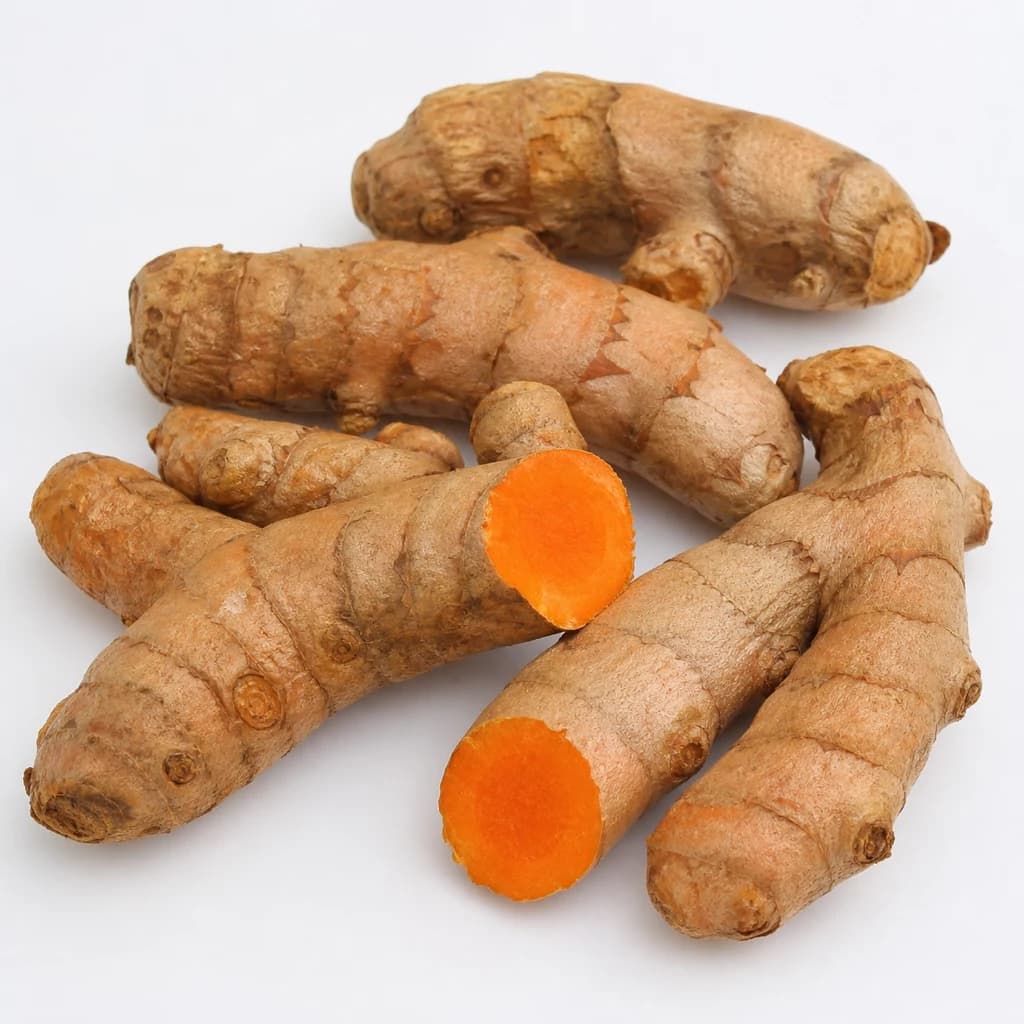
Natural form
Fresh turmeric rhizomes showing their knobby, orange-fleshed, ginger-family roots.
Shows the plant source so readers recognize turmeric before processing and understand it is a root, not a berry or seed.
Spices
Turmeric
Golden, earthy spice for curries, rice, and color
Vivid gold and earthy, turmeric colors curries and rice and brings a warm, slightly bitter note. A little stains everything yellow. Keep it airtight and dark.
Turmeric is a vivid golden-orange rhizome, sold mostly ground, with an earthy, slightly bitter, faintly peppery flavor and an almost neon pigment that colors curries, rice, and pickles. It's a foundation of Indian and Southeast Asian cooking and the base color of curry powder and prepared mustard. Its flavor is mild and best as a supporting note — too much turns bitter and medicinal. Bloom it in oil to mellow the rawness and deepen the color. A word of caution: turmeric stains everything yellow, from cutting boards to fingertips to grout.
- Measured in
- g
- Storage
- Airtight
Find it in
Types & varieties
The everyday form for curries, rice, and color.
Brighter and more aromatic; grate like ginger (stains hands).
Provides the signature golden color of the blend.
How to use
Bloom ground turmeric in hot oil at the start of a curry to mellow its rawness and bloom the color, then build the dish. Use it as a supporting note for warmth and color — a little stains and flavors a whole pot of rice or dal.
- Bloom in oil to deepen color and tame bitterness
- Use a measured hand — too much turns bitter
- A pinch golden-tints rice, eggs, and roasted vegetables
Fresh vs ground
Ground turmeric is the standard and what most recipes mean; fresh rhizome is brighter, juicier, and more aromatic, grated like ginger. Both stain intensely — work on surfaces you don't mind tinting yellow.
Common uses
Tips & pitfalls
- Bloom in oil to mellow the raw, bitter edge and deepen the color.
- Use sparingly — too much turns dishes bitter and medicinal.
- It stains everything; protect cutting boards, cloth, and fingertips.
- A pinch turns plain rice golden and fragrant.
- Pair with black pepper and fat, which aid its compounds.
Nutrition
Energy
1305 kJ · per 100 g
Where the calories come from
Protein
9.7g
19% DV
Carbs
67.1g
24% DV
Fat
3.3g
4% DV
Fiber
22.7g
81% DV
Sugars
3.2g
of which
Sodium
27mg
1% DV
Source · USDA FoodData Central · approx. Spices, turmeric, ground
View on FDC →In the shops
Matched grocery products
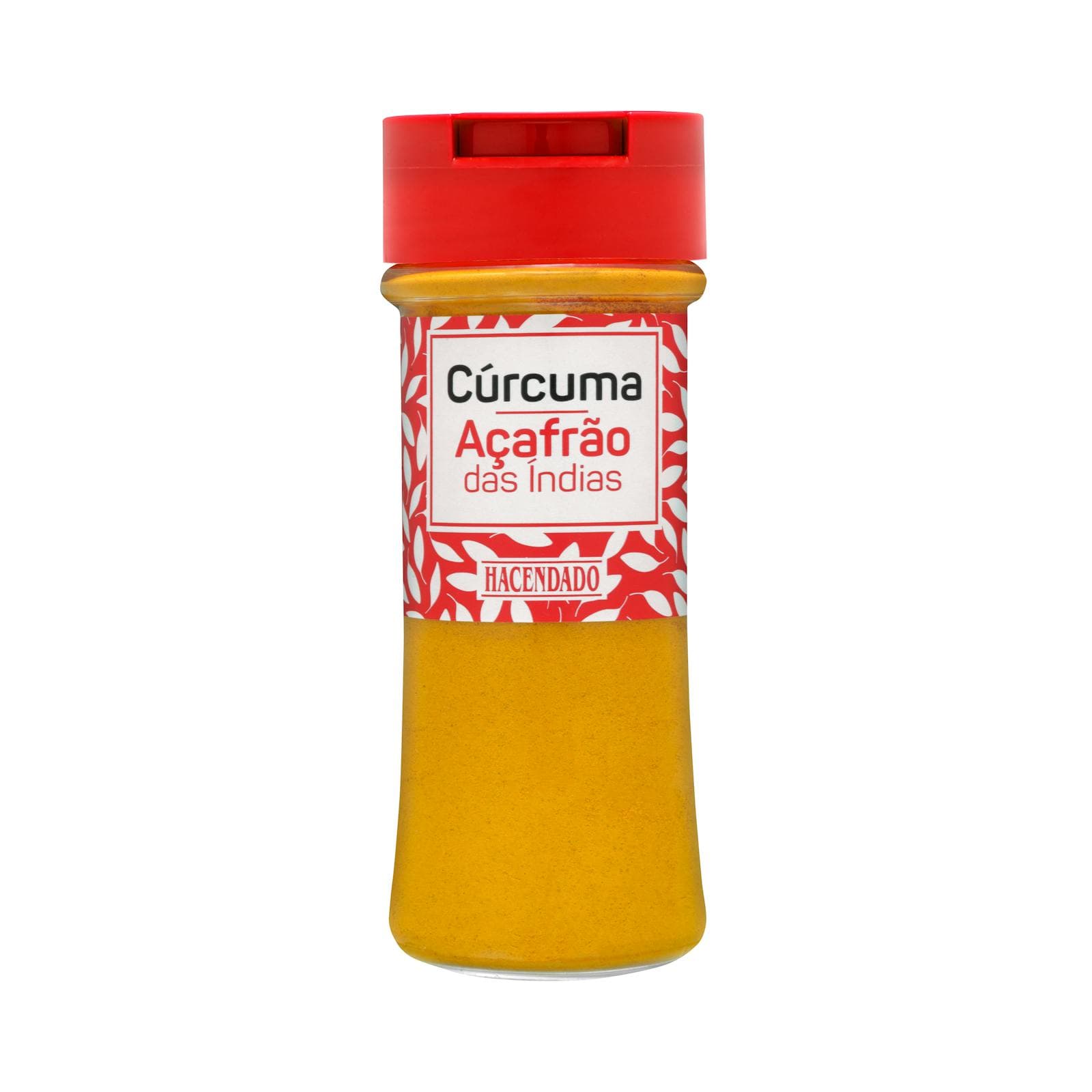 €1.30
€1.30Turmeric
Hacendado · 60 g · Mercadona
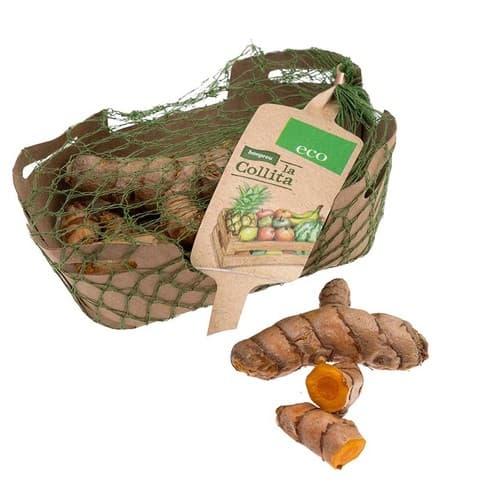 €1.99
€1.99Organic Turmeric Terrine 125 g
LA COLLITA · kg · Bonpreu
Good to know
- Flavor
- Earthy, mildly bitter, faintly peppery; mostly color
- Form
- Ground (most common); fresh rhizome
- Add when
- Bloom early in oil; cook out the raw edge
- Cuisines
- Indian, Southeast Asian, Middle Eastern, Persian
- How to buy
- Bright golden and fragrant ground; firm fresh rhizome
- How to store
- Airtight, dark; the color fades with light over time
Substitutes
- Curry powder — Contains turmeric, but brings other spices too.
- Saffron or annatto — For golden color, though flavor and cost differ greatly.
Also called
cúrcuma
Appears in these dishes
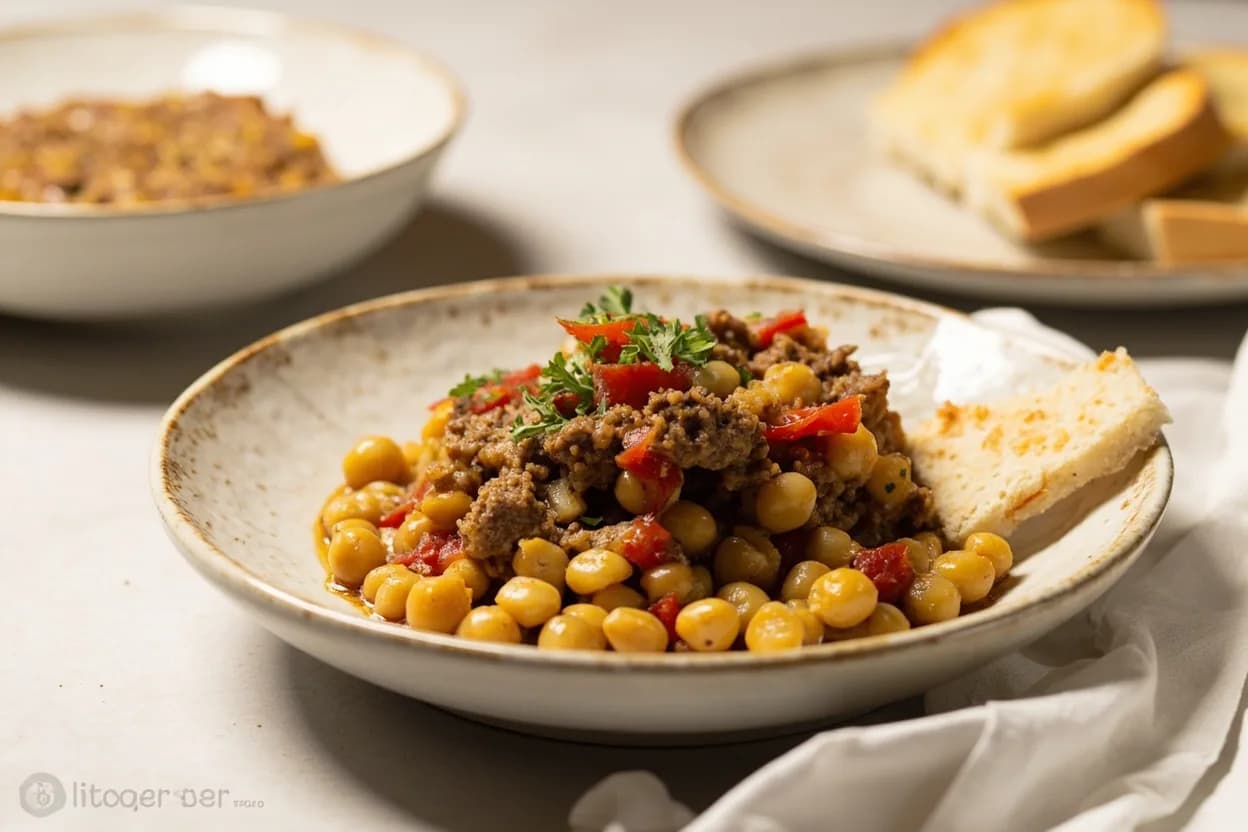
Related
Salt
The one seasoning that makes everything else taste like itself

Black Pepper
Pungent, woody heat — best cracked fresh over anything savory
Amchur
Dried unripe mango ground to a tart, fruity souring powder
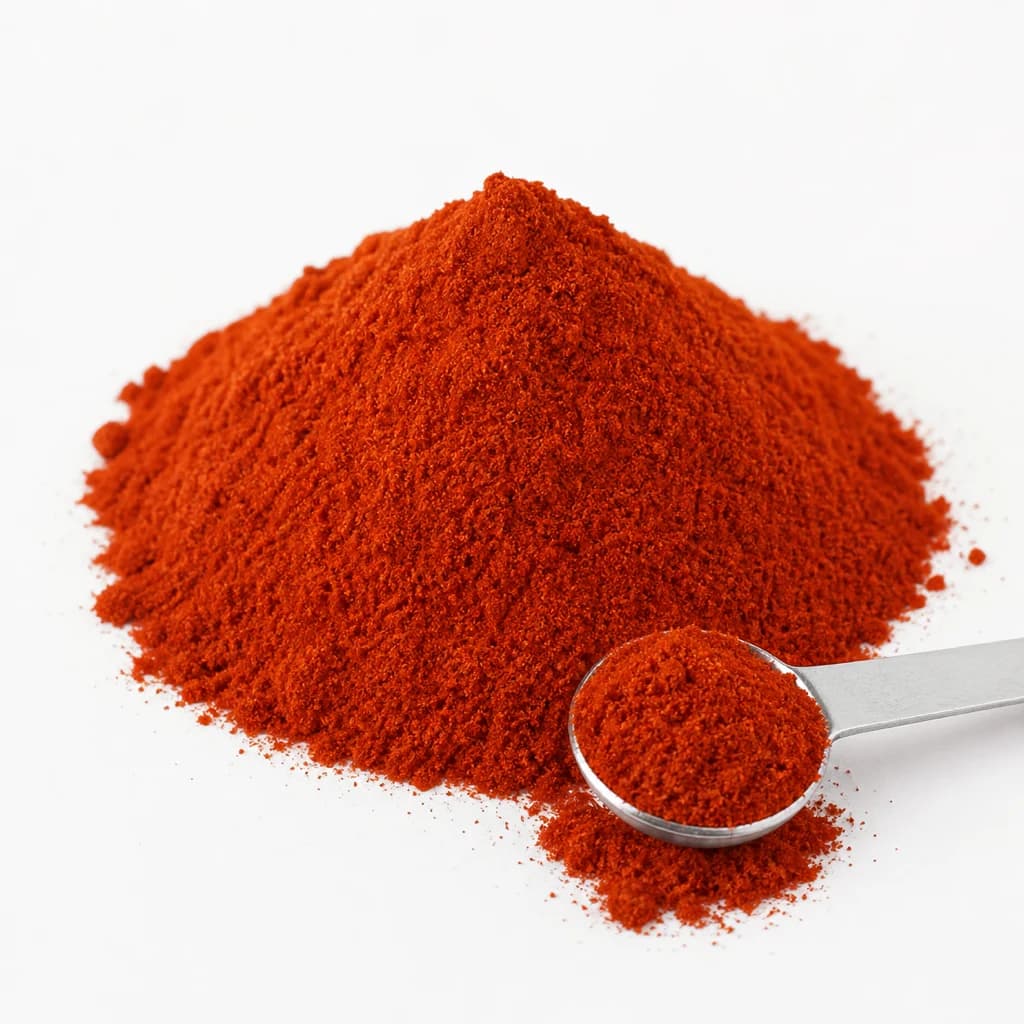
Paprika
Sweet, vivid ground pepper for color and gentle warmth
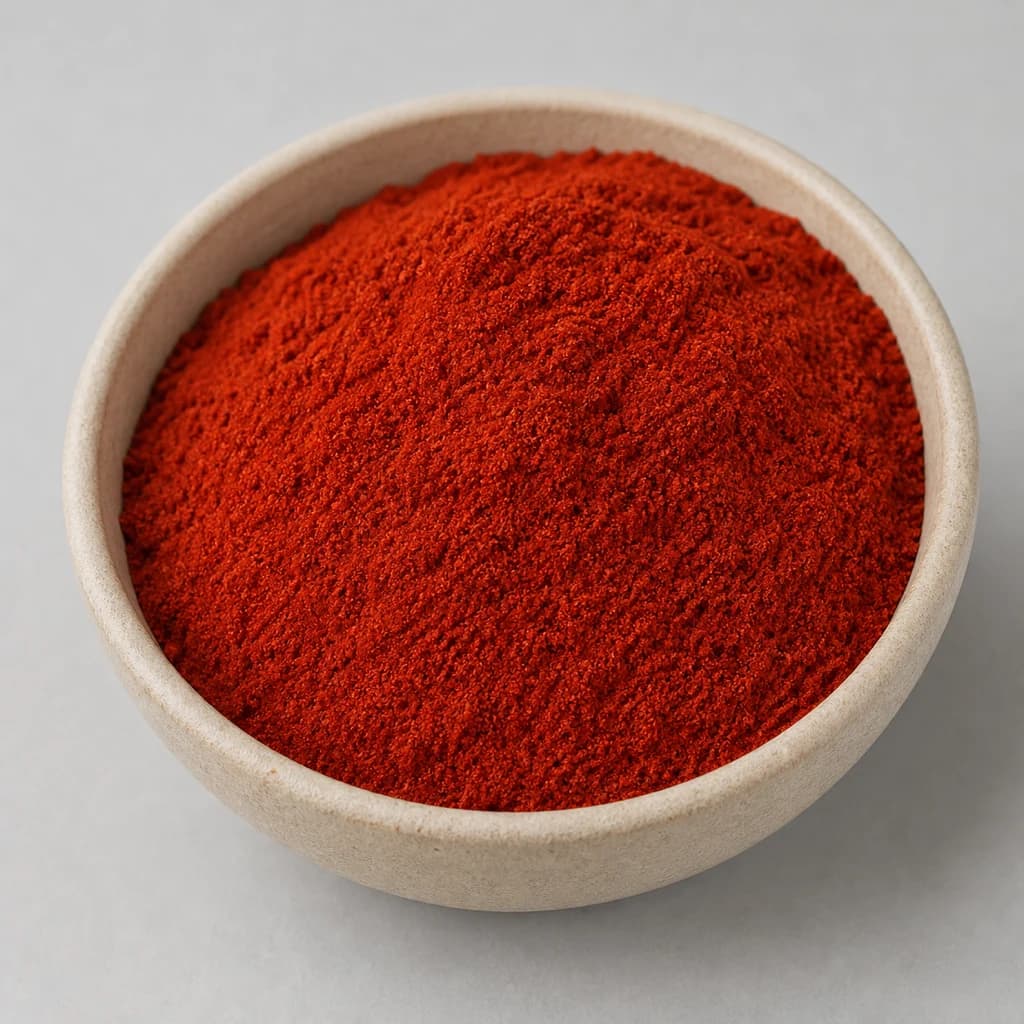
Smoked Paprika
Deep, smoky ground pepper for a campfire warmth
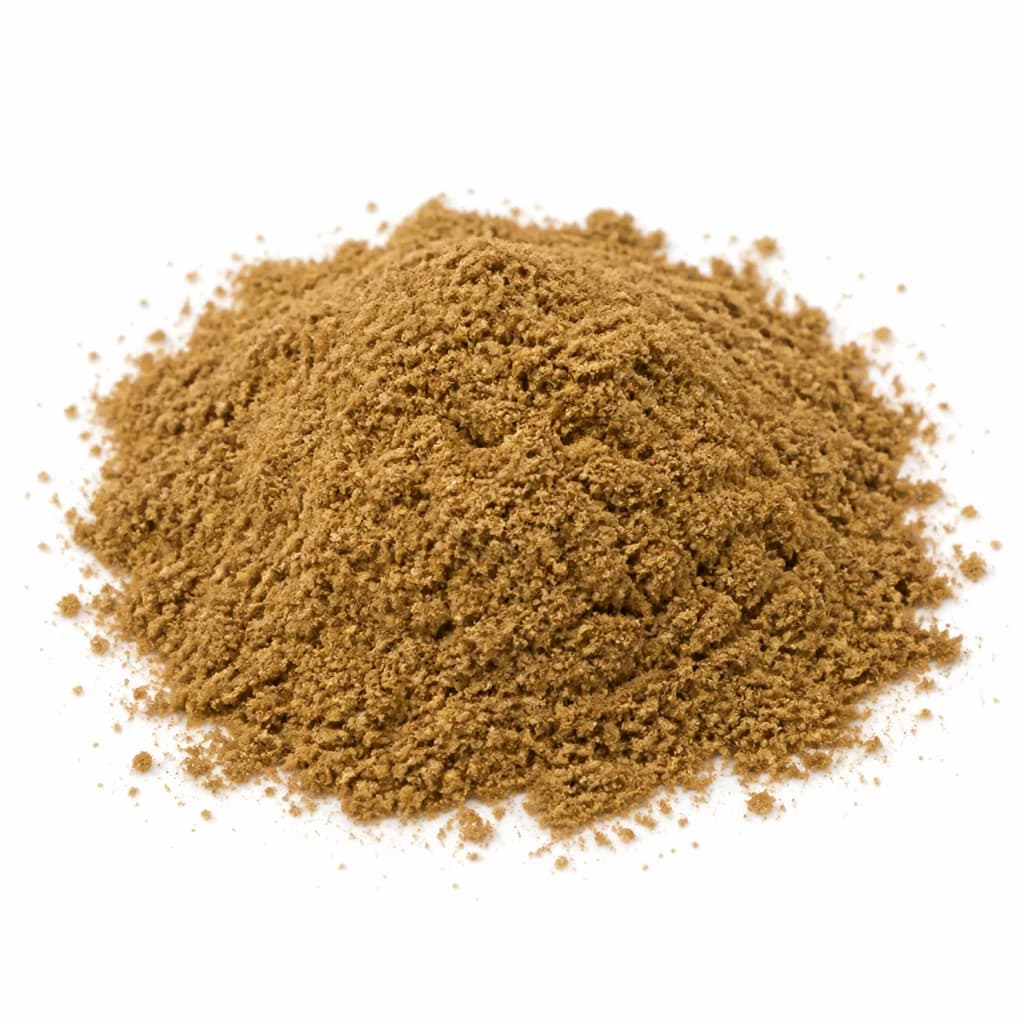
Cumin
Warm, earthy spice central to curries, chili, and tacos
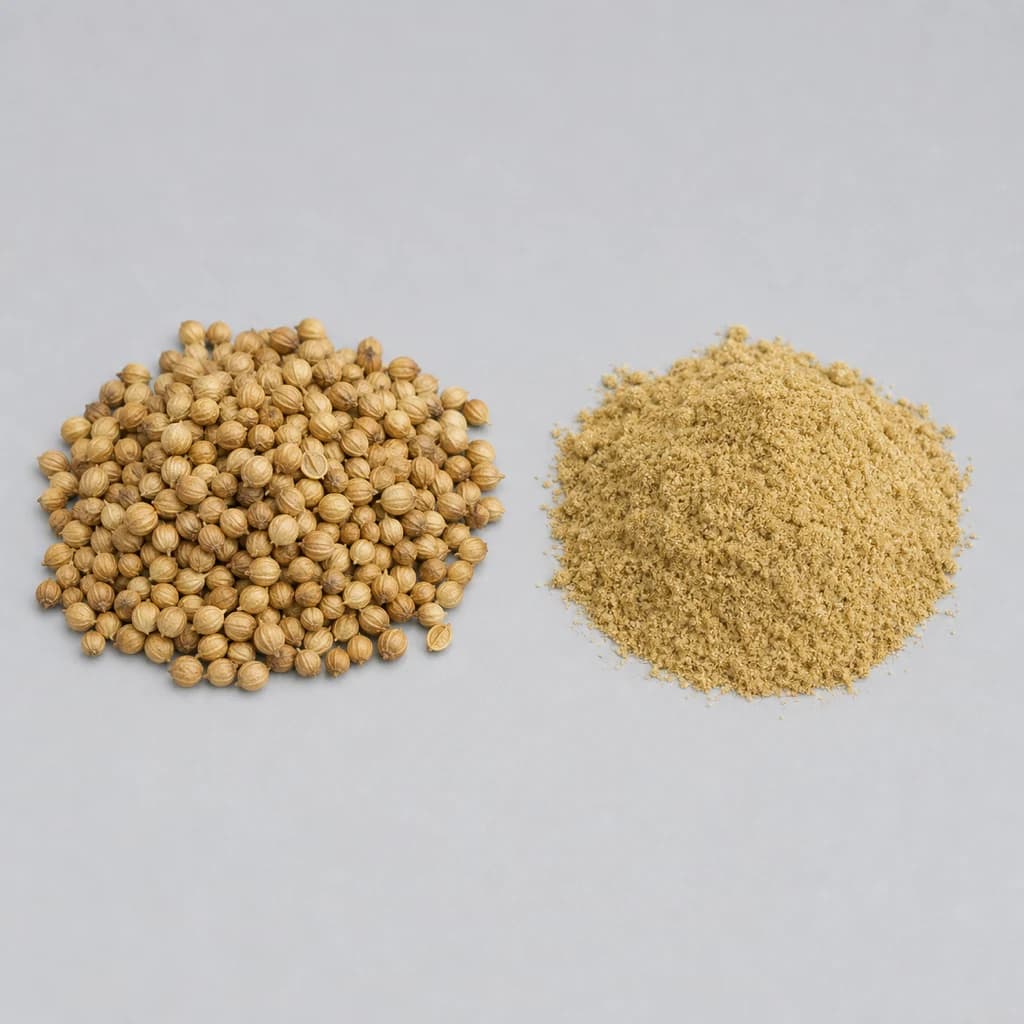
Coriander Seed
Citrusy, warm seed for curries, pickles, and rubs
Cinnamon
Warm, sweet spice for baking, oatmeal, and tagines