Spices
Curry Powder
Blended spice mix of turmeric, coriander, cumin and more; the workhorse of curries and stews.
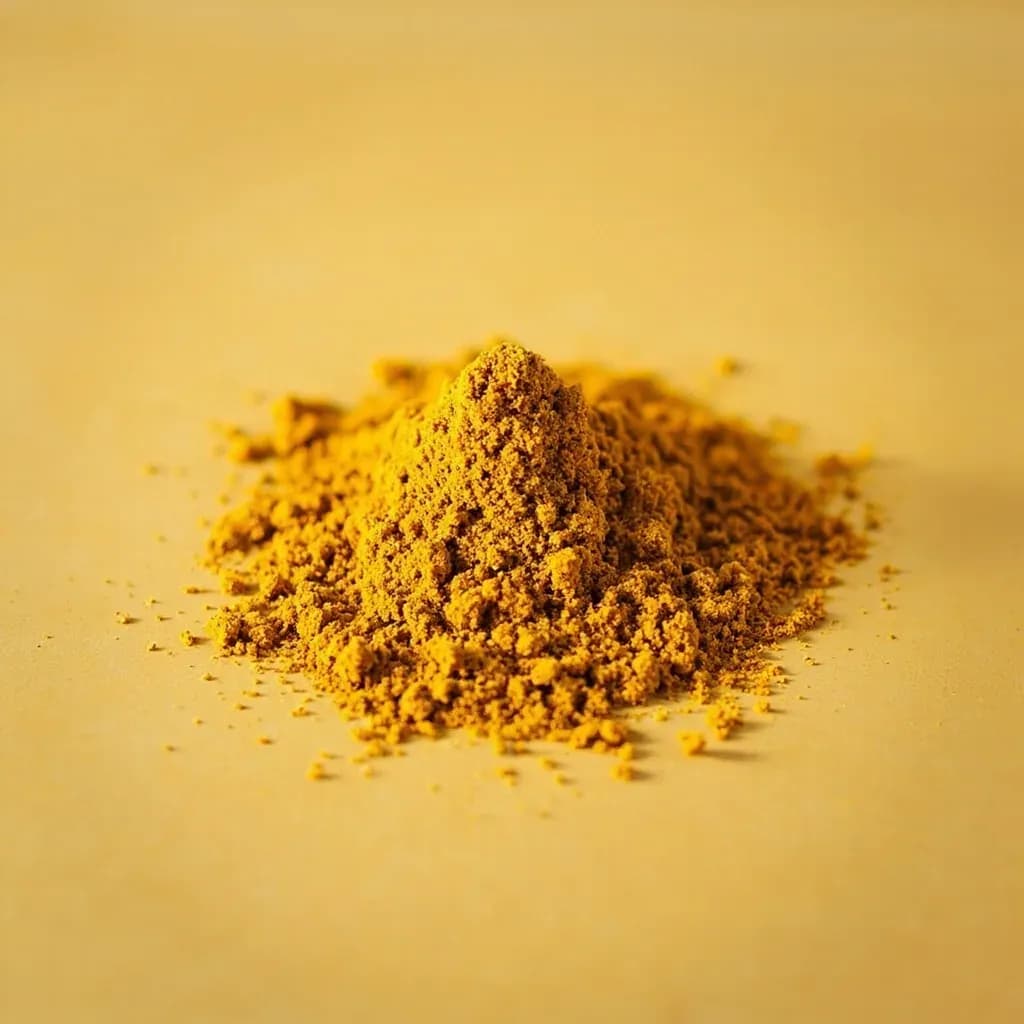
Curry powder is a ground blend usually built around turmeric, coriander, cumin, fenugreek and chili, giving it a golden color and warm, earthy aroma. Developed for the British market, it is now a global pantry staple for quick curries, stews, rubs and rice. Bloom it in hot oil at the start of cooking to release its full flavor.
Curry powder is a pre-blended ground spice mixture created by British traders in 18th-century colonial India as a simplified, one-size-fits-all approximation of the complex regional masalas used throughout the subcontinent. Its core identity comes from turmeric, which provides the signature yellow-orange color, balanced by coriander and cumin as the aromatic backbone. Heat comes from chili, while fenugreek, black pepper, and ginger add depth and complexity. Because there is no fixed formula, blends vary dramatically by manufacturer and intended use, making each brand a distinct product with its own character.
The invention of curry powder reflects British colonial history more than authentic Indian culinary tradition. The Tamil word "kari" (meaning sauce) gave us the English word "curry," but in India itself, cooks traditionally compose specific spice blends fresh for each dish—garam masala for warmth, sambar powder for lentil stews, chaat masala for street foods. Curry powder occupies a useful middle ground: it delivers competent, consistent flavor without the labor of toasting and grinding whole spices. For home cooks preparing Western-style curries, it remains a genuine convenience, even if it lacks the vibrancy of freshly made masalas.
In cooking, curry powder behaves like most ground spices—its fat-soluble compounds release their full aroma only when briefly bloomed in hot oil or ghee before liquid is added. Heat coaxes out volatile aromatics and deepens the overall flavor profile. Because the blend contains turmeric, it will stain cookware and fabrics a persistent yellow. The powder is prone to losing potency over time; aroma fades noticeably within months of opening, which is why small quantities and proper storage matter.
- Measured in
- g
- Storage
- Pantry
Types & varieties
Medium-hot with tangy notes; named for the city now called Chennai
Very hot and heavily spiced; designed specifically for vindaloo curries
Low or no chili content; dominated by warm, earthy spices for sensitive palates
Higher chili content; heat levels are not standardized—verify before using
Includes annatto seeds and sometimes thyme; milder and more herbal in character
Sweeter and milder; often contains apple or honey notes; used with roux for mild curries
Regional variation from Goa and coastal India; often includes asafoetida and curry leaves
Common uses
Tips & pitfalls
- Bloom curry powder in hot oil or ghee for 30–60 seconds before adding any liquid—this activates fat-soluble compounds and produces a noticeably deeper, more complex flavor
- Buy small quantities and use them up; aroma and flavor diminish substantially after 6–12 months of opening, even when stored properly
- Taste the blend before cooking—brands vary wildly in heat, earthiness, and balance, so adjust quantities accordingly rather than following recipes blindly
- Do not rely on curry powder alone for authentic depth; layer with fresh ginger, garlic, garam masala, or fresh herbs like cilantro to build complexity
- Common mistake: adding curry powder too late or in excessive amounts at the end of cooking—most curries benefit from having the spice cook with the dish from the start
- If your curry tastes bitter, you have likely burned the spice or used too much; remove from heat immediately and add acid (tomato or lemon juice) to balance
- Store whole spices separately and grind your own blend if you want fresher, more vibrant results than commercial powders provide
- For a quick finishing boost, add a small pinch of garam masala in the last 5 minutes of cooking to layer warmth on top of the curry powder base
Nutrition
Energy
1360 kJ · per 100 g
Where the calories come from
Protein
14.3g
29% DV
Carbs
55.8g
20% DV
Fat
14g
18% DV
Fiber
53.2g
190% DV
Sugars
2.8g
of which
Sodium
52mg
2% DV
Source · USDA FoodData Central · approx. Spices, curry powder
View on FDC →In the shops
Matched grocery products
 €0.79
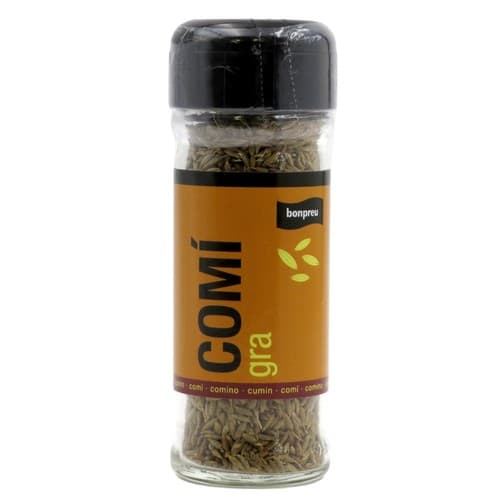
€0.79Whole Cumin
BONPREU · Bonpreu
 €1.95
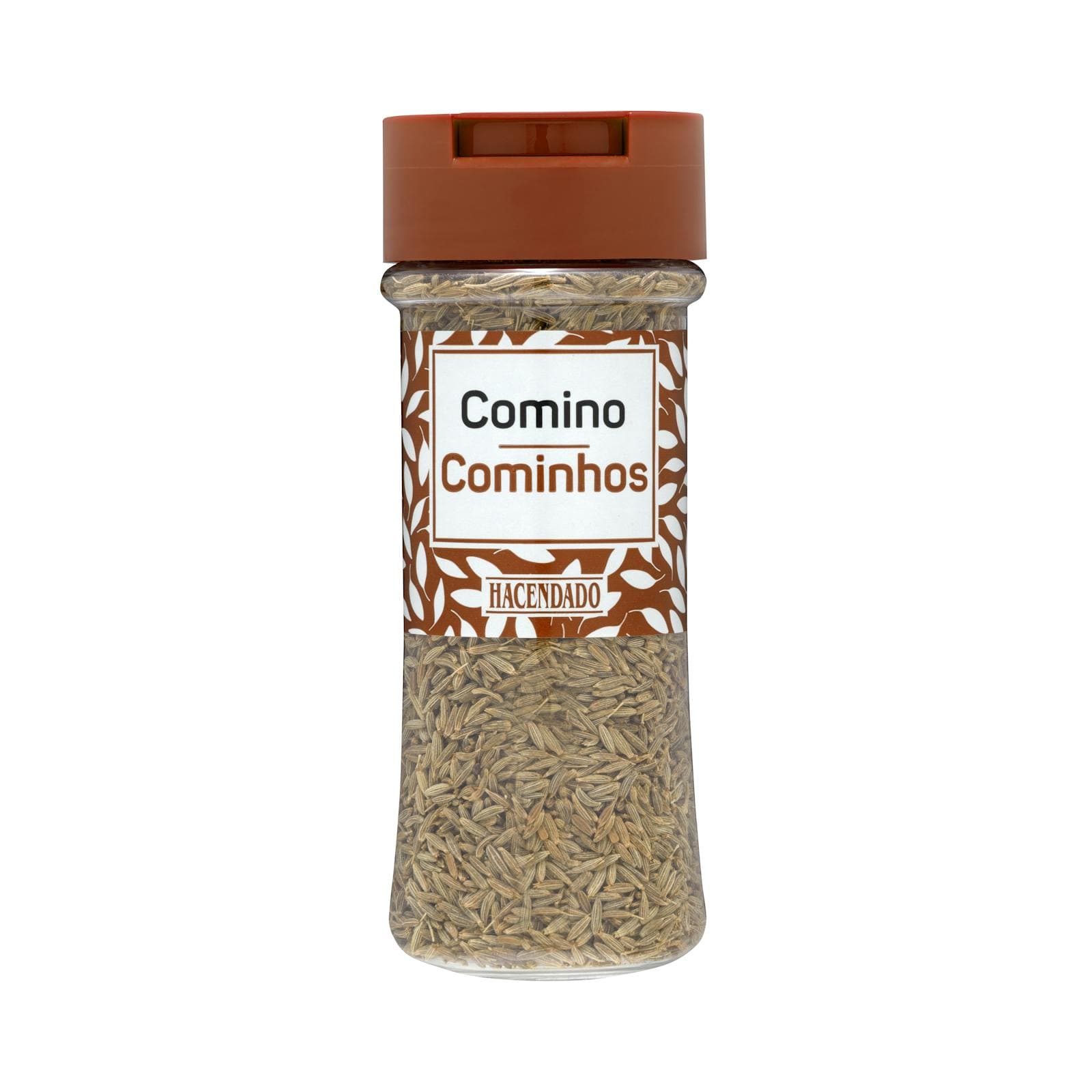
€1.95Cumin Seeds
Hacendado · 56 g · Mercadona
Good to know
- Origin
- British traders, 18th-century colonial India; a Western invention, not an authentic Indian product
- Core Ingredients
- Always includes turmeric (color), coriander, and cumin; typically contains chili, fenugreek, black pepper, and ginger
- Heat Level
- Varies significantly by brand from mild to hot; taste before cooking to gauge intensity
- Color
- Yellow-orange from turmeric; intensity does not indicate quality or strength
- Shelf Life
- 2–3 years sealed; best used within 6–12 months after opening; aroma fades predictably over time
- Storage
- Airtight container in cool, dark place; freezer storage extends potency of volatile aromatics
- Form
- Ground dry spice blend; no fixed formula—blends vary by manufacturer and intended use
- Staining
- Contains turmeric, which stains skin, fabric, and cookware permanently if not cleaned promptly
Substitutes
- Garam Masala — Different warmth profile but acceptable in a pinch; add less than the curry powder amount and taste as you go
- Curry Leaves + Mustard Seeds + Turmeric — More authentic South Indian approach; bloom curry leaves and mustard seeds in oil first, then add turmeric
- Individual Spices — Combine cumin, coriander, turmeric, and chili powder to approximate; adjust ratios to match your heat preference
Pairs with
Also called
madras-curry-powder
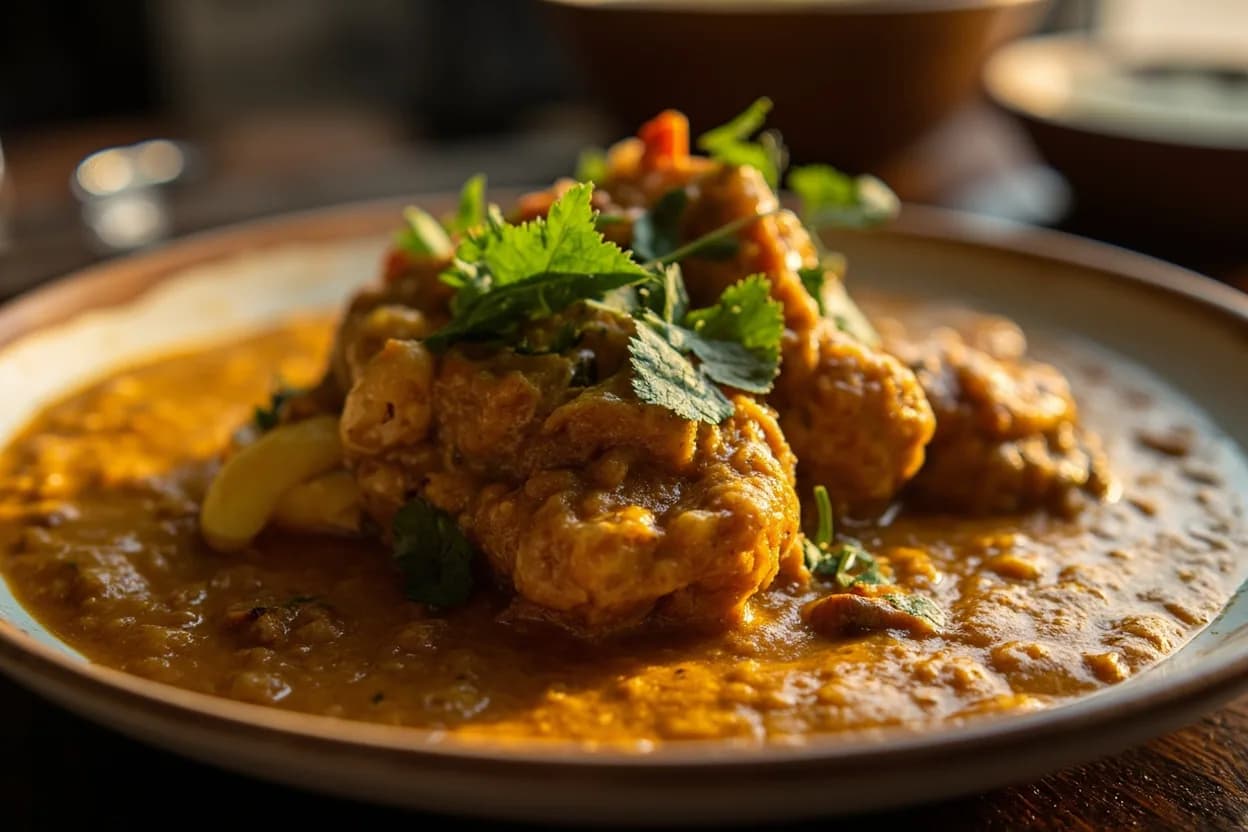
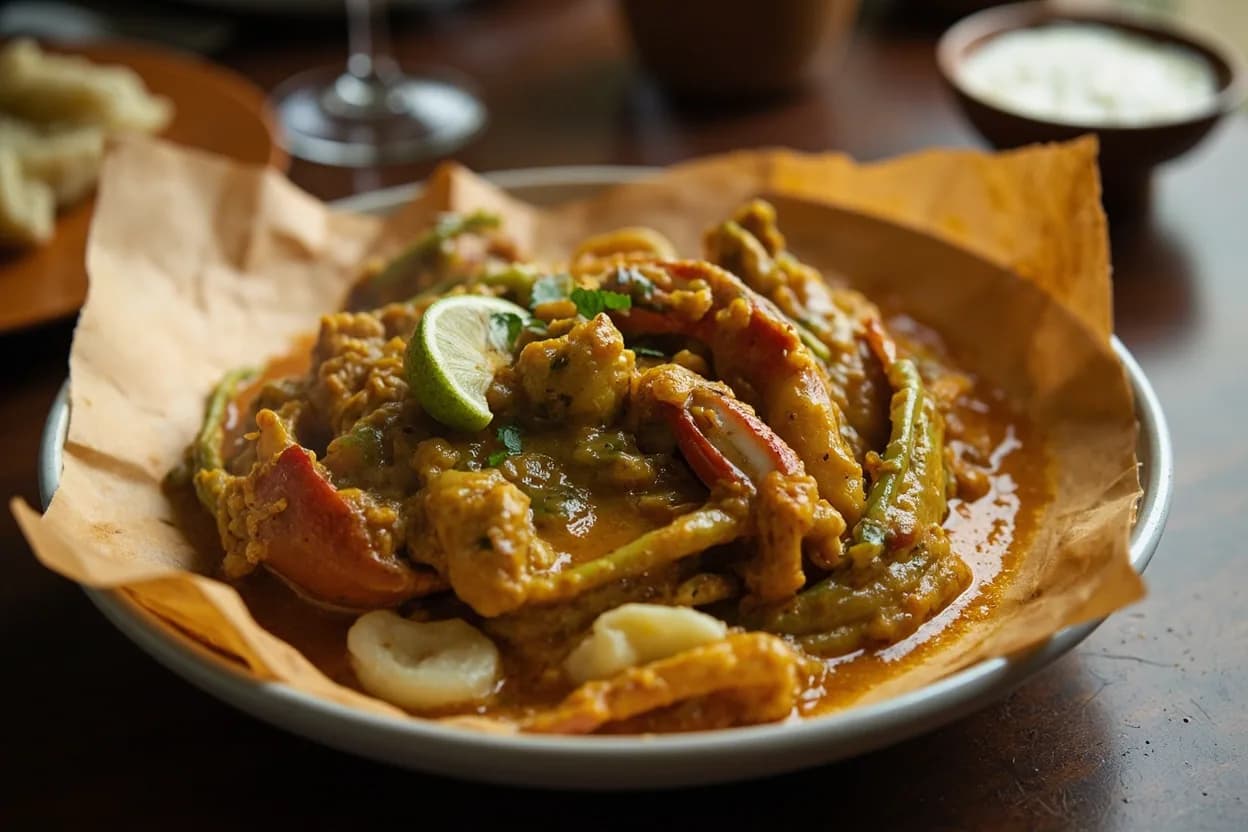
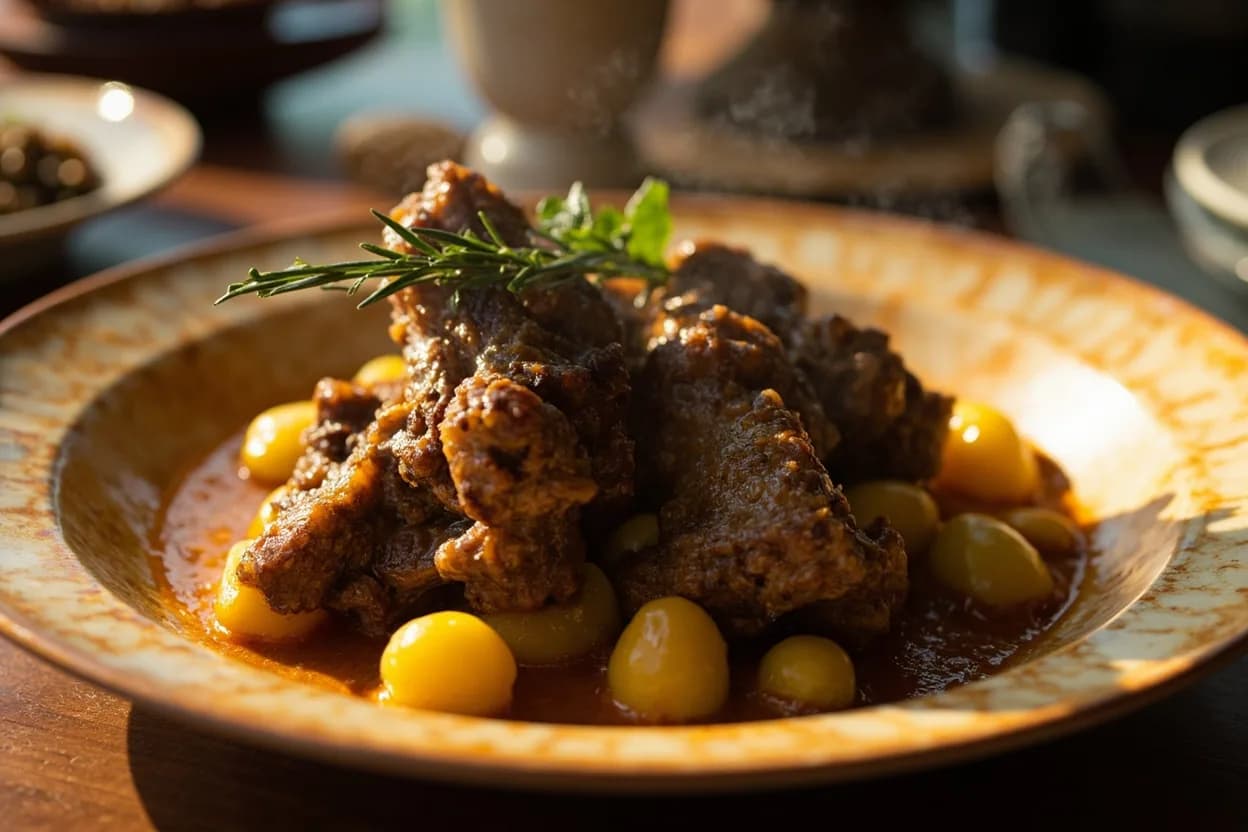
Appears in these dishes
Related
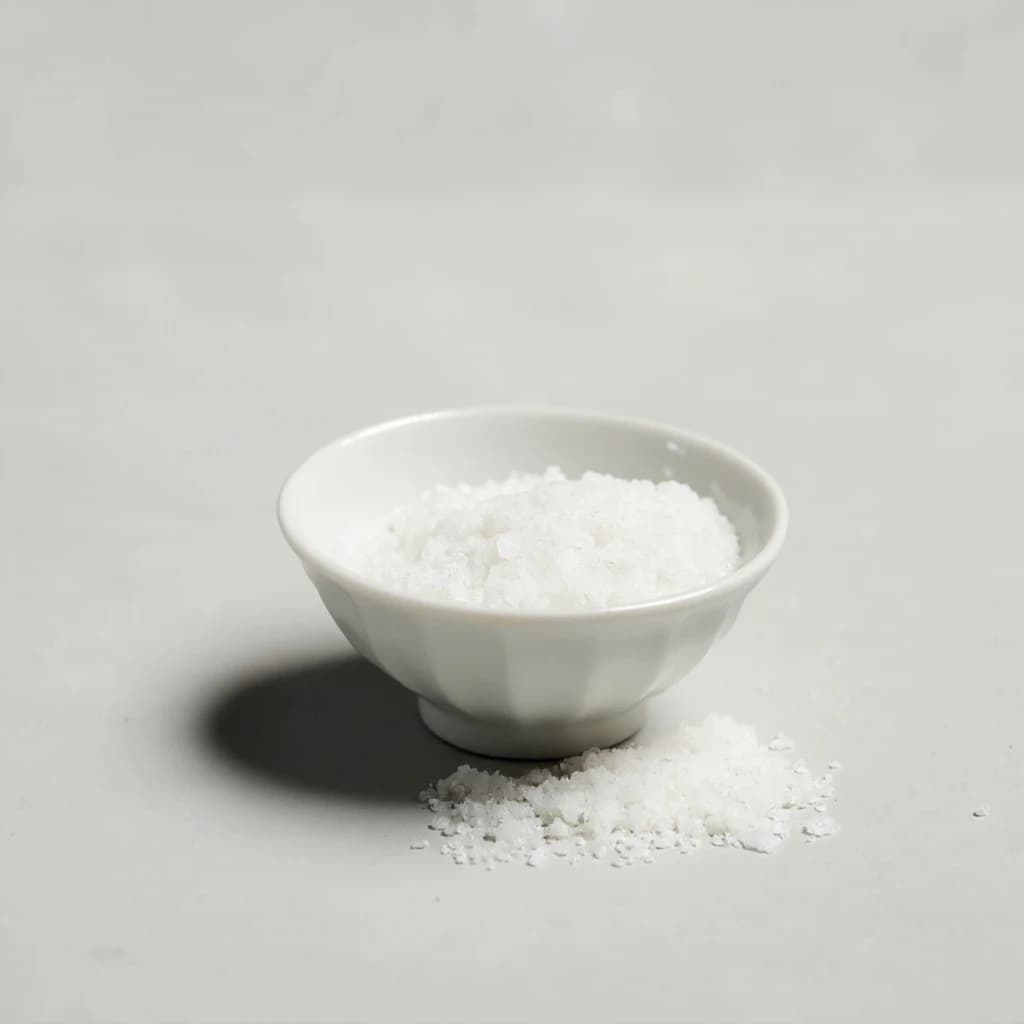
Salt
The one seasoning that makes everything else taste like itself

Black Pepper
Pungent, woody heat — best cracked fresh over anything savory
Amchur
Dried unripe mango ground to a tart, fruity souring powder
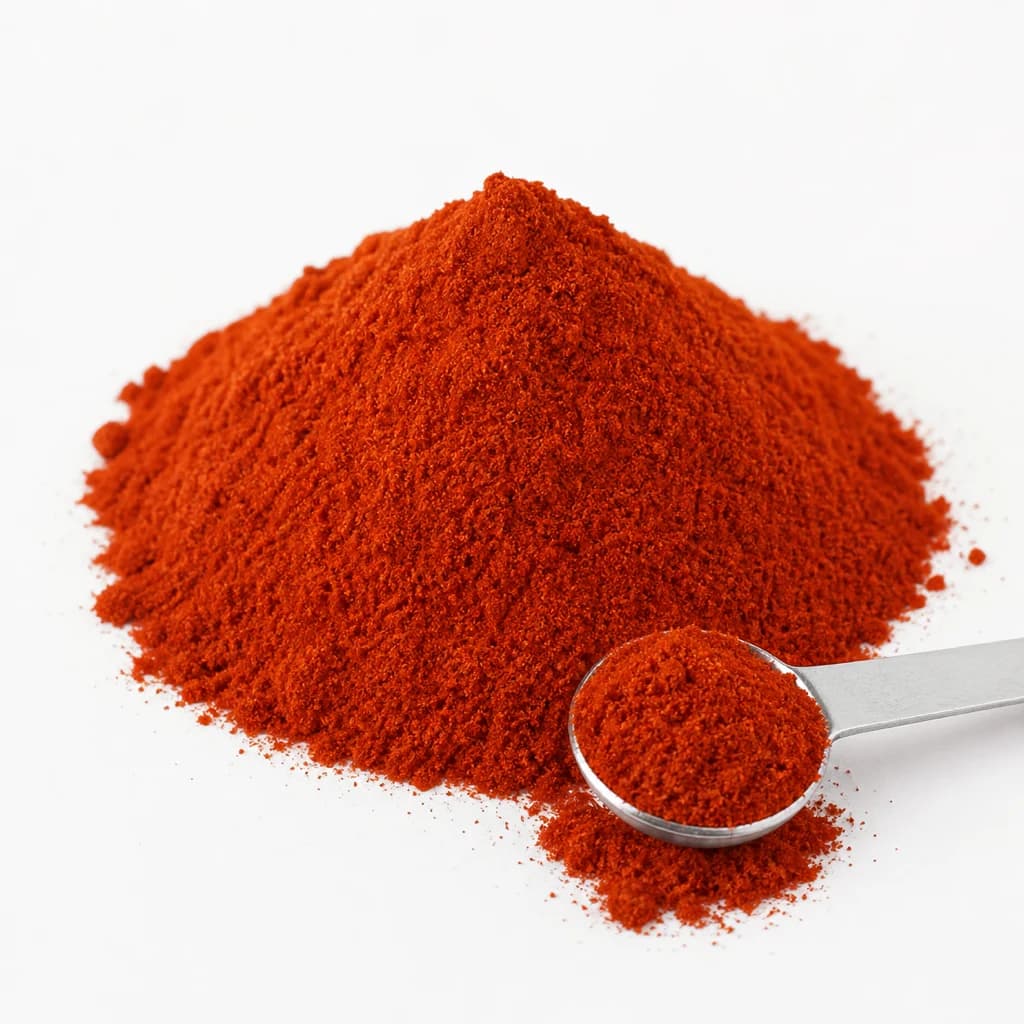
Paprika
Sweet, vivid ground pepper for color and gentle warmth
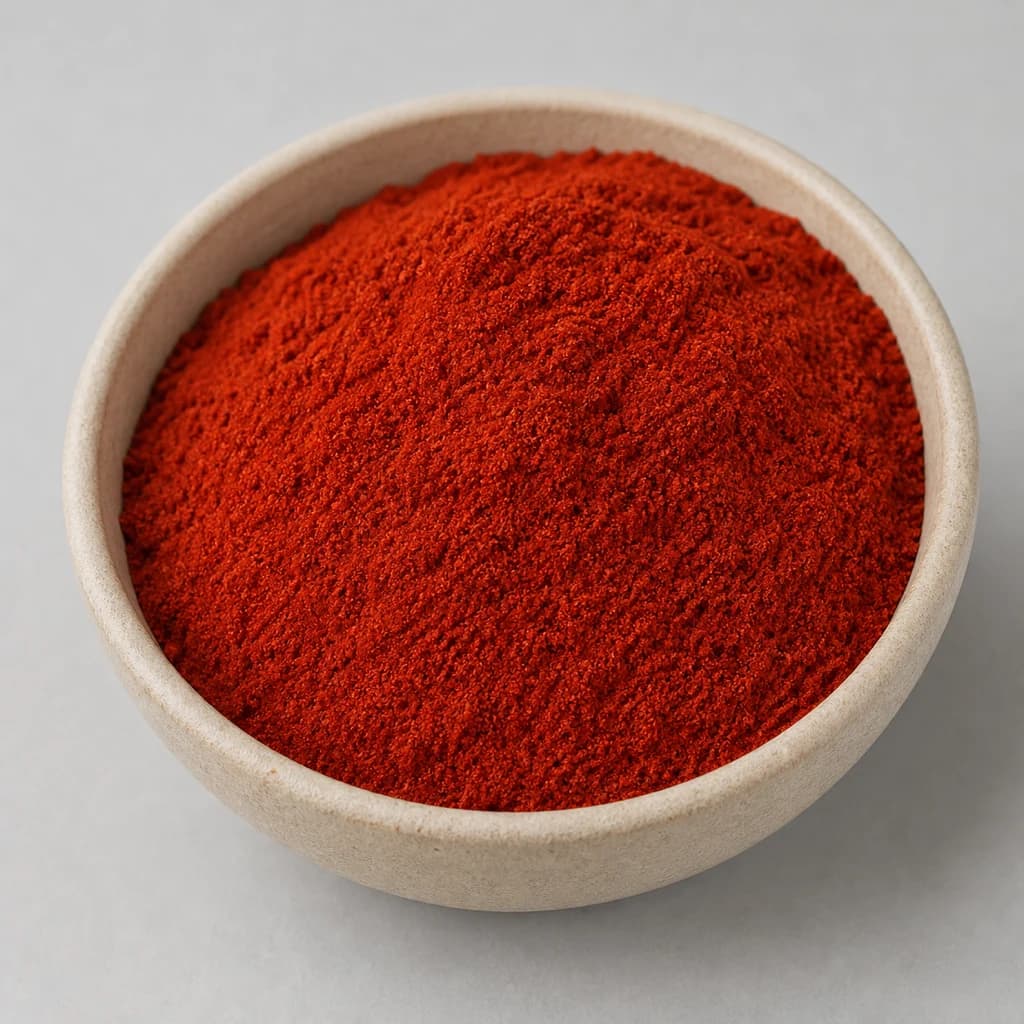
Smoked Paprika
Deep, smoky ground pepper for a campfire warmth
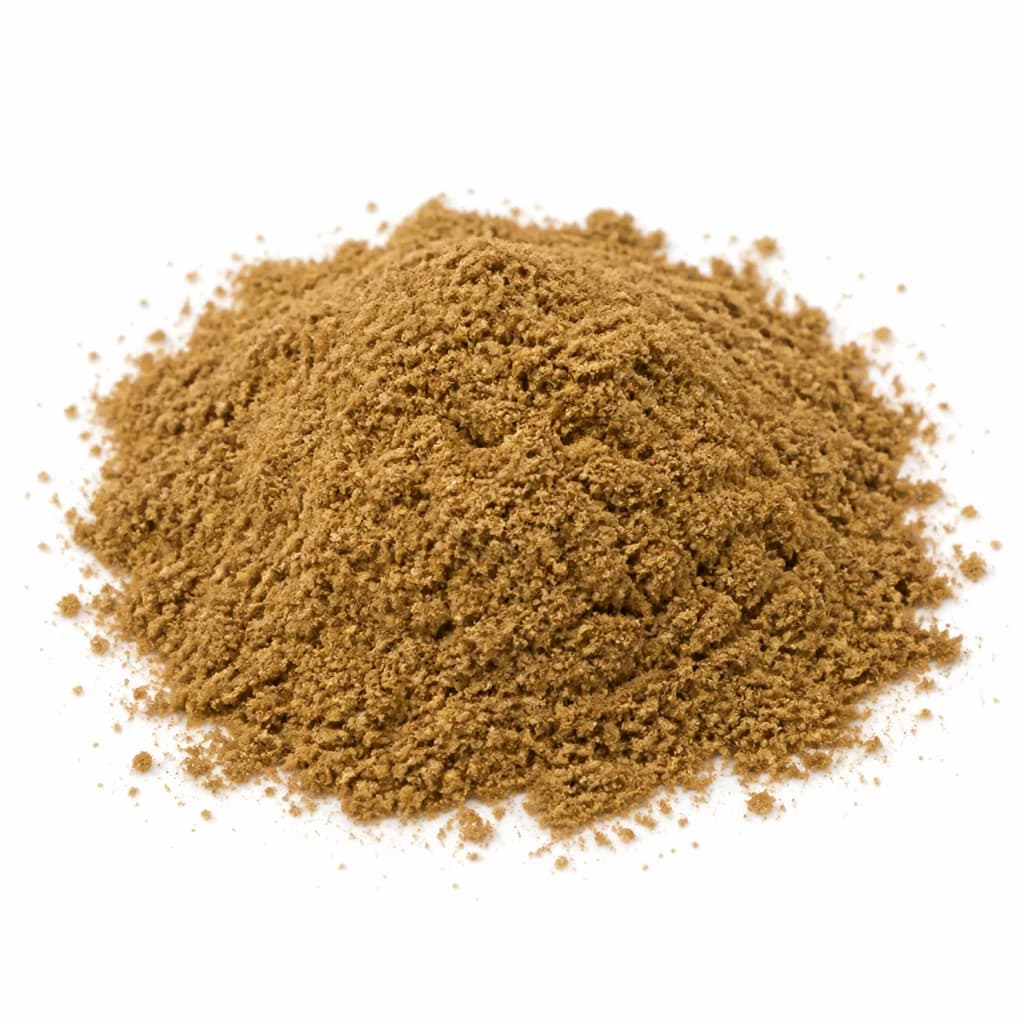
Cumin
Warm, earthy spice central to curries, chili, and tacos
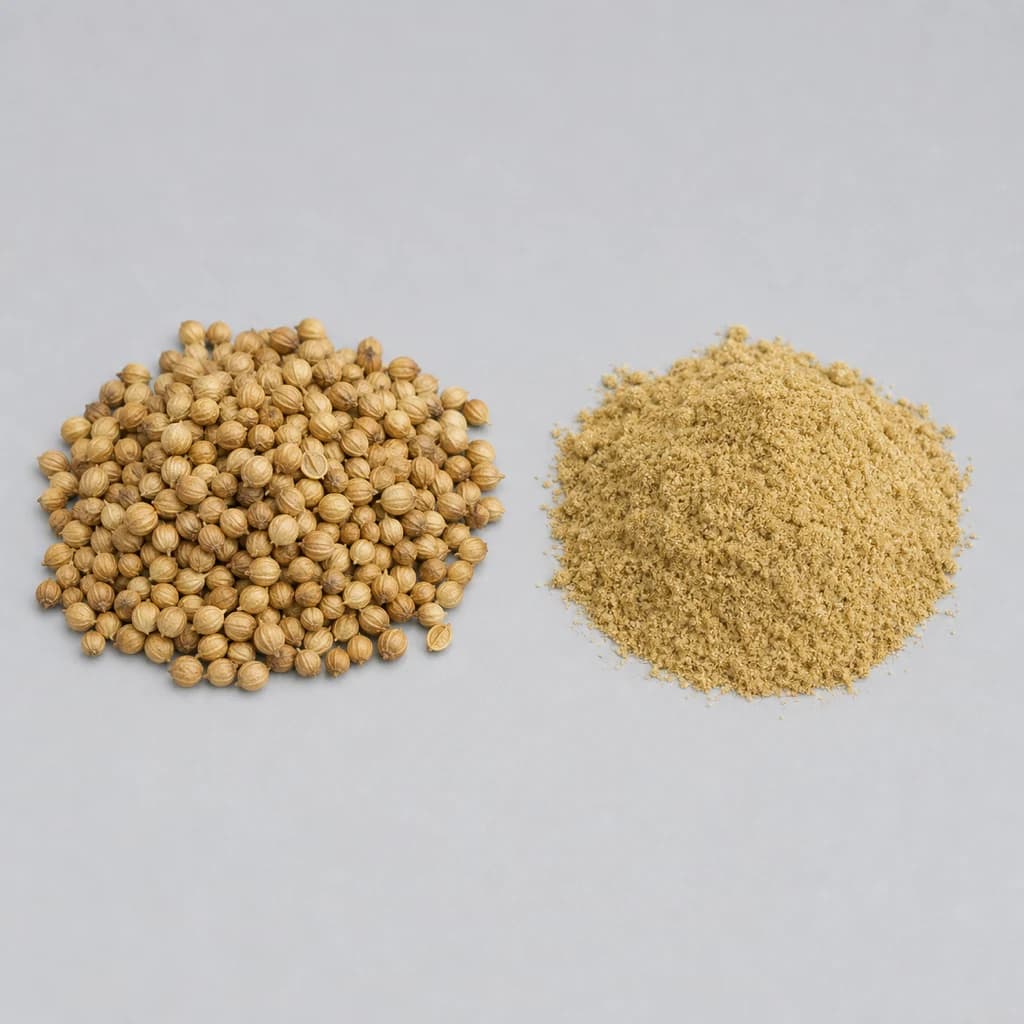
Coriander Seed
Citrusy, warm seed for curries, pickles, and rubs
Turmeric
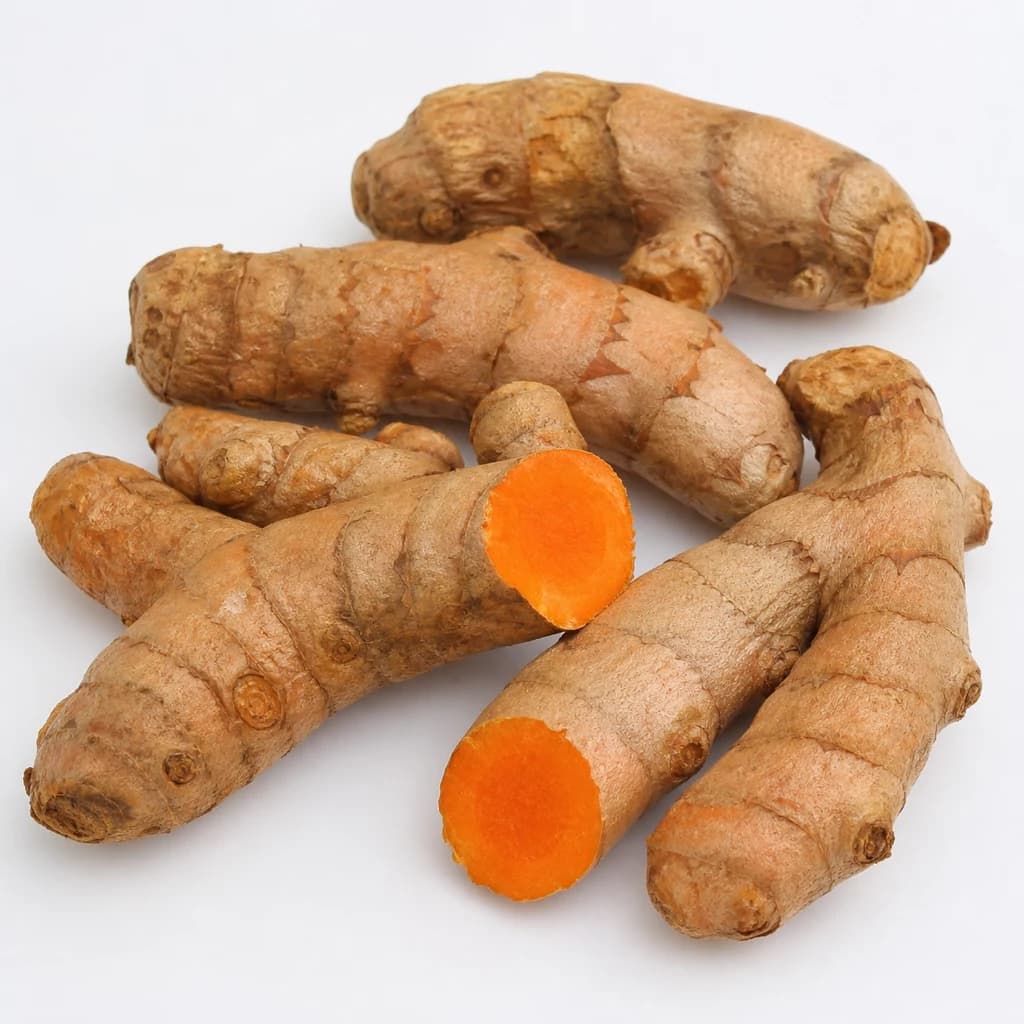
Golden, earthy spice for curries, rice, and color