Spices
Garam Masala
Warming North Indian blend of cardamom, cinnamon, clove and cumin added to finish curries.
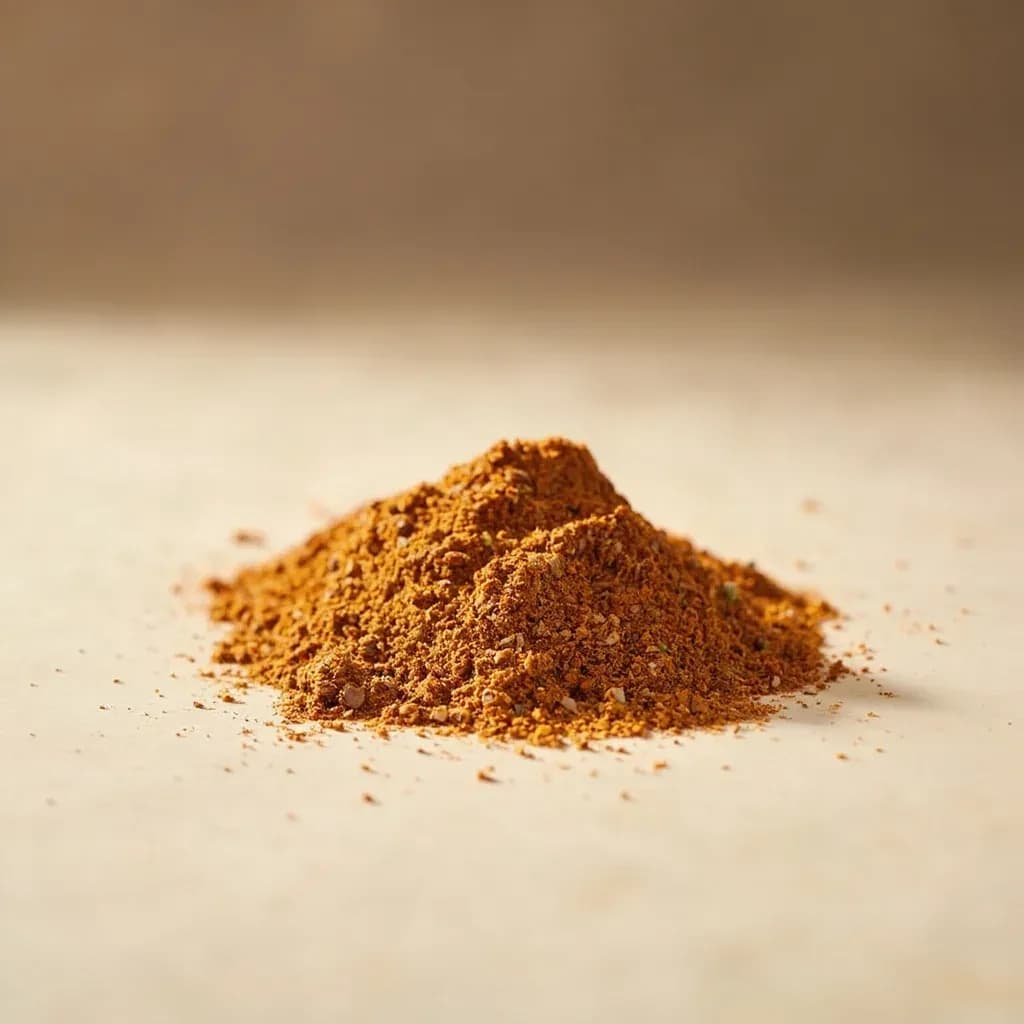
Garam masala is a warming ground spice blend typically built from cardamom, cinnamon, cloves, cumin, coriander and black pepper. Central to North Indian cooking, it is often stirred in near the end of cooking to add fragrance to curries, dals and rice. Recipes vary by region and family, and freshly toasted, ground spices give the best aroma.
Garam masala is not a single recipe but a family of warming spice blends fundamental to North Indian and subcontinental cooking. The name comes from the Hindi words garam (warming to the body, in the Ayurvedic sense of generating metabolic heat) and masala (spice blend). Unlike curry powder, which is typically toasted and added early in cooking, garam masala is almost always added toward the end—the volatile aromatic compounds in cardamom, clove, and cinnamon (linalool, eugenol, cinnamaldehyde) are quick to evaporate under prolonged heat, so late addition preserves their bright, complex fragrance. The blend varies enormously by region and household: there is no standard formula, only a shared philosophy of balancing warming spices that complement rather than overwhelm the dish. Understanding garam masala as a category rather than a fixed product is key to using it well.
- Measured in
- g
- Storage
- Pantry
Types & varieties
Heavy on black pepper and cumin; bold and assertive
Subtle; primarily cardamom, cloves, and cinnamon; used sparingly
Often includes coriander, cumin, black pepper, cardamom, cloves, cinnamon
Mild—no black pepper; heavy on cardamom; may include fennel
May include star anise, nutmeg, kalpasi (stone flower), dried red chilies
Commercial blends often stale; homemade from freshly ground spices is markedly superior
Regional Character and Freshness
Northern and southern Indian preparations differ significantly—northern blends emphasize black pepper and cumin for a more assertive, warming profile; southern versions incorporate star anise, curry leaves, and sometimes dried chilies for deeper complexity. Regional usage also varies: Bengali cooks use garam masala sparingly as a finishing accent, while Punjabi cooks employ it more liberally throughout cooking. Professional Indian cooks routinely make their own blends daily or weekly rather than relying on pre-made packages, which are almost universally stale by the time they reach Western supermarkets. The difference between fresh and stale is immediately apparent—fresh garam masala smells bright and immediate; stale blends smell flat and papery. Make small batches (enough for 2–4 weeks) to ensure you always work with the freshest possible product.
Common uses
Tips & pitfalls
- Always add garam masala late in cooking—heat destroys volatile aromatics quickly
- Bloom garam masala in fat (ghee, oil) for 30–60 seconds before adding liquid for deeper flavor integration
- Use sparingly: it is potent and can overwhelm a dish
- Grind your own from whole spices for significantly better results—pre-ground supermarket versions are often stale
- Toast whole spices dry in a pan before grinding to wake up essential oils
- When substituting a single spice for garam masala, use half the amount called for
- Make small batches (enough for 2–4 weeks) rather than large quantities to ensure freshness
- Smell test: fresh garam masala smells bright and immediate; stale blends smell flat and papery
- Different regional blends suit different dishes—use a Kashmiri-style blend for milder preparations, Punjabi for bolder dishes
- The same blend used in a meat dish will read differently in a vegetable dish due to fat content and base aromatics
Nutrition
Energy
1586 kJ · per 100 g
Where the calories come from
Protein
13g
26% DV
Carbs
45g
16% DV
Fat
15g
19% DV
Fiber
22g
79% DV
Sugars
3g
of which
Sodium
80mg
3% DV
Source · USDA FoodData Central · approx. curated estimate (USDA SR Legacy lacks this item)
In the shops
Matched grocery products
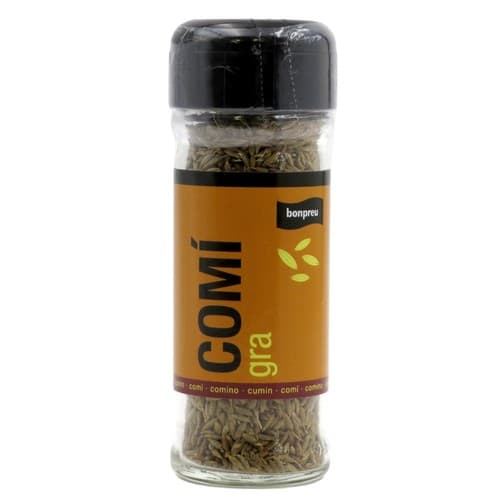 €0.79
€0.79Whole Cumin
BONPREU · Bonpreu
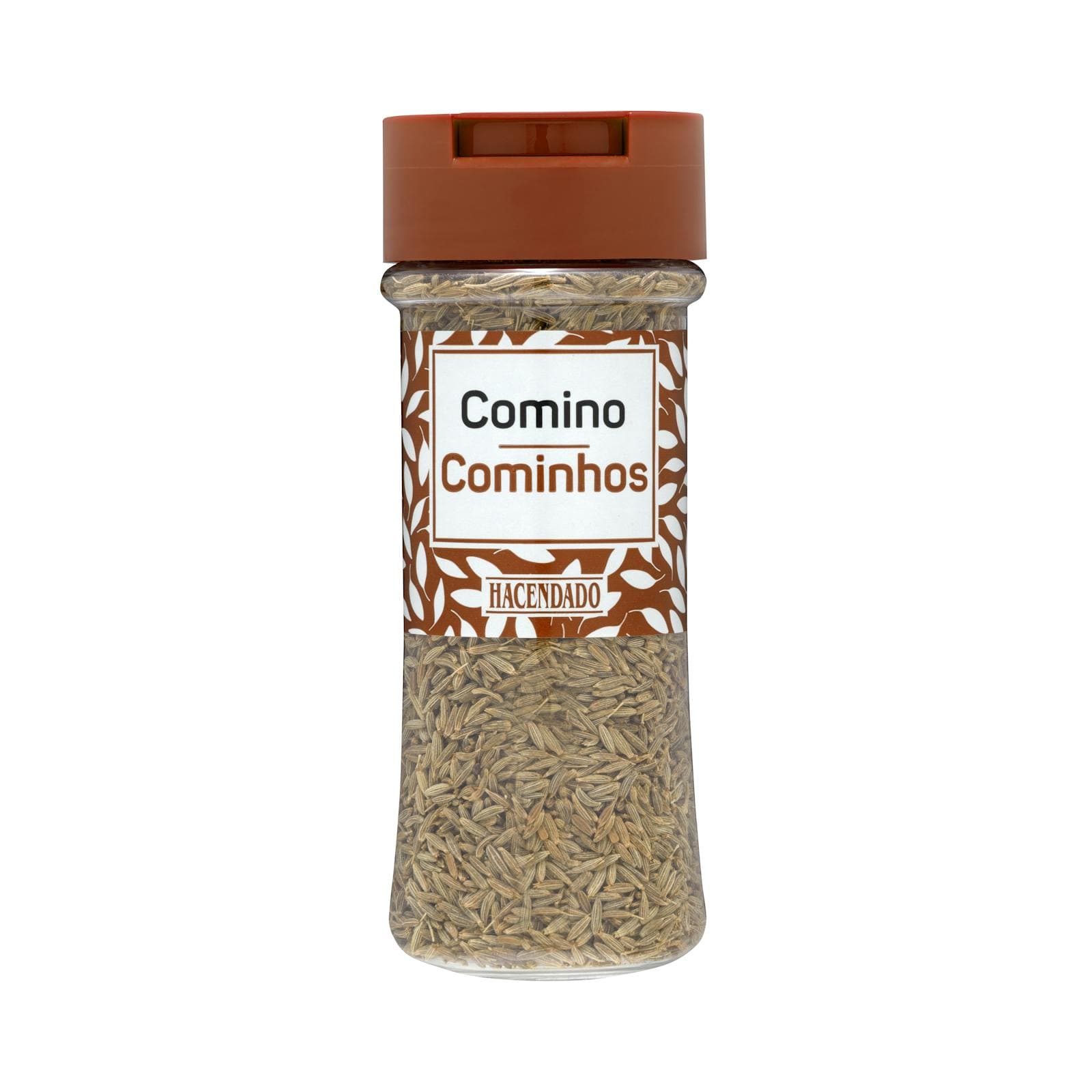 €1.95
€1.95Cumin Seeds
Hacendado · 56 g · Mercadona
Good to know
- Origin
- North India; used throughout the subcontinent and South Asian diaspora
- Name meaning
- Hindi for "hot spice blend" (garam = warming to the body, not capsaicin heat)
- Typical ingredients
- Green cardamom, black cardamom, cinnamon, cloves, cumin, black pepper, often coriander, nutmeg, bay leaf
- Form
- Ground powder; whole-spice versions also common (removed before serving)
- Shelf life
- Ground: 4–6 months; whole spices: up to 1 year; all from freshest available stock
- Storage
- Airtight container, cool dark pantry; never near heat or sunlight
- Standard ratio
- No fixed formula; recipes vary by region, household, and personal preference
Substitutes
- Cumin + coriander + cardamom + cinnamon + cloves — Combined in roughly equal parts; closest approximation but requires blending your own
- Ras el hanout — North African blend with some overlapping aromatics; not a true substitute but acceptable in a pinch
- All-purpose curry powder — Weaker and more toasted than garam masala; use 1.5× the amount if substituting
Pairs with
Also called
masala · garam masala
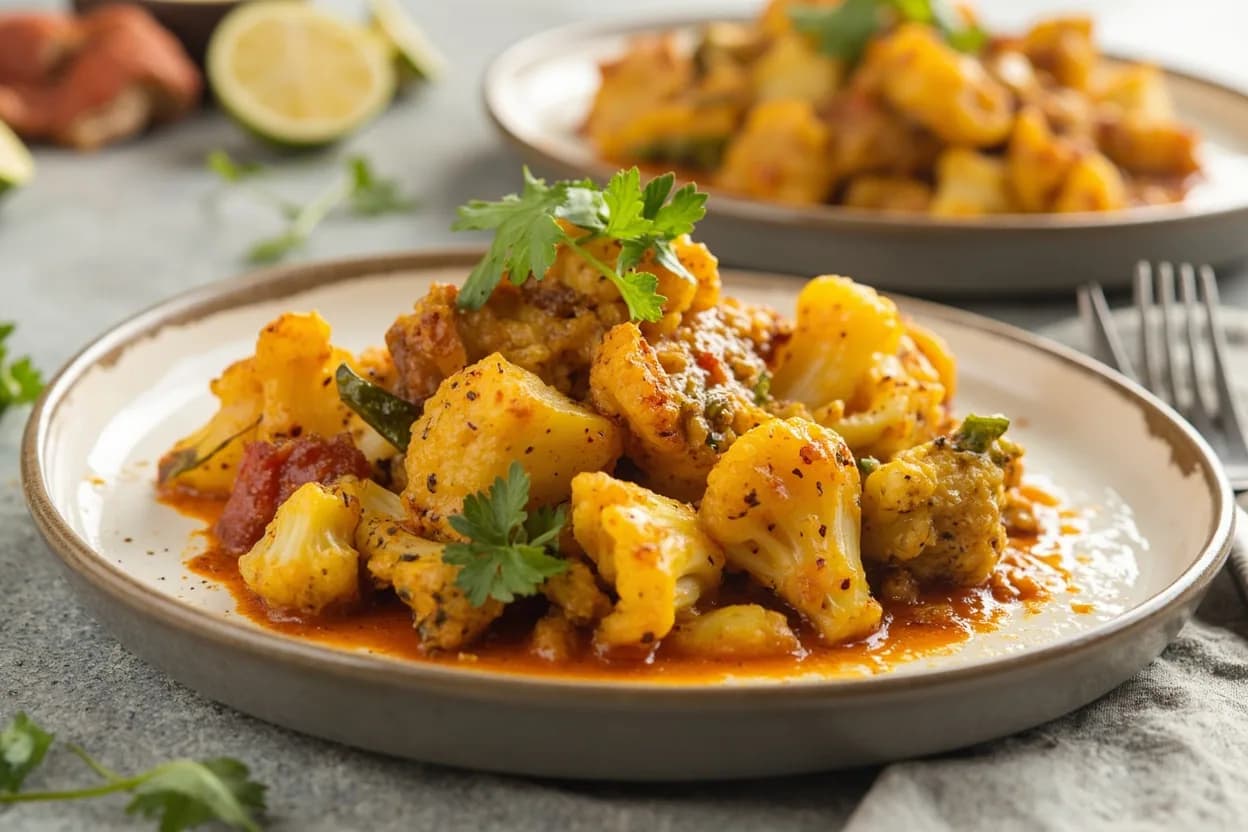
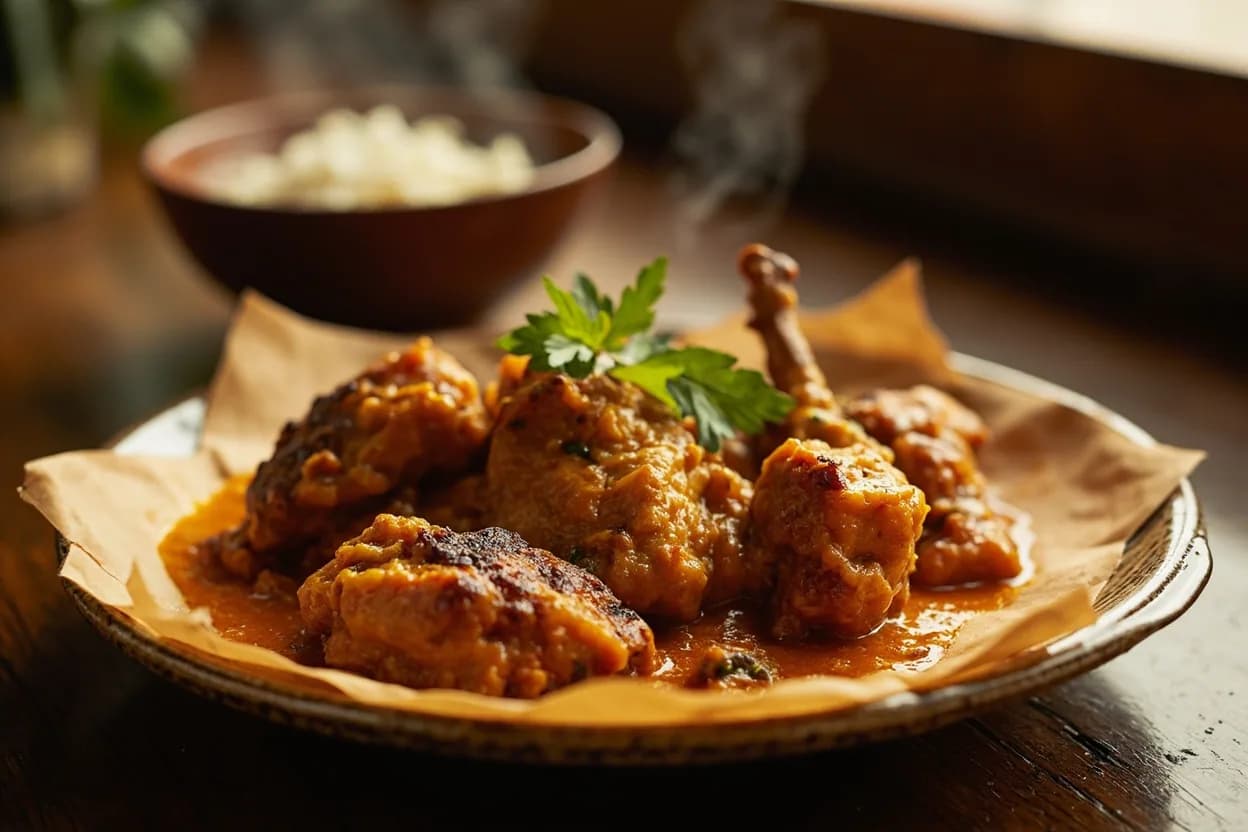
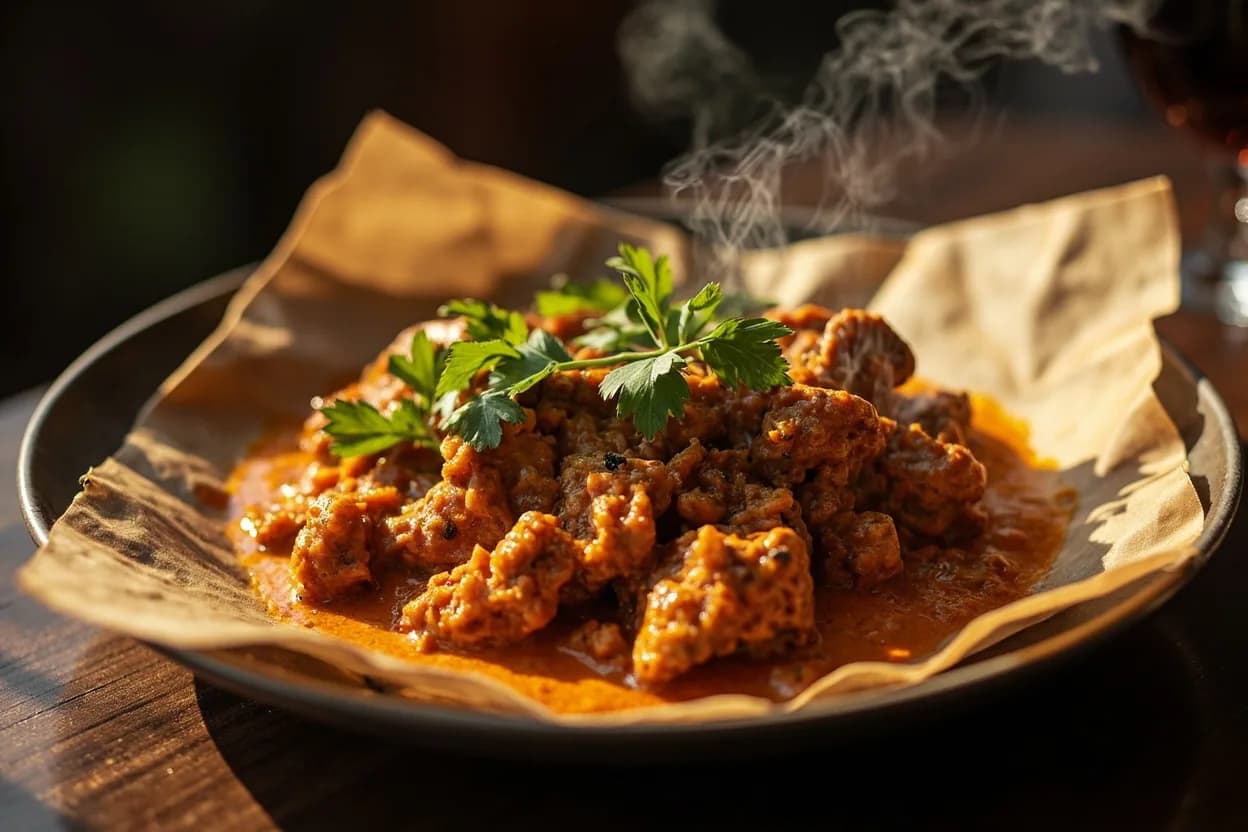
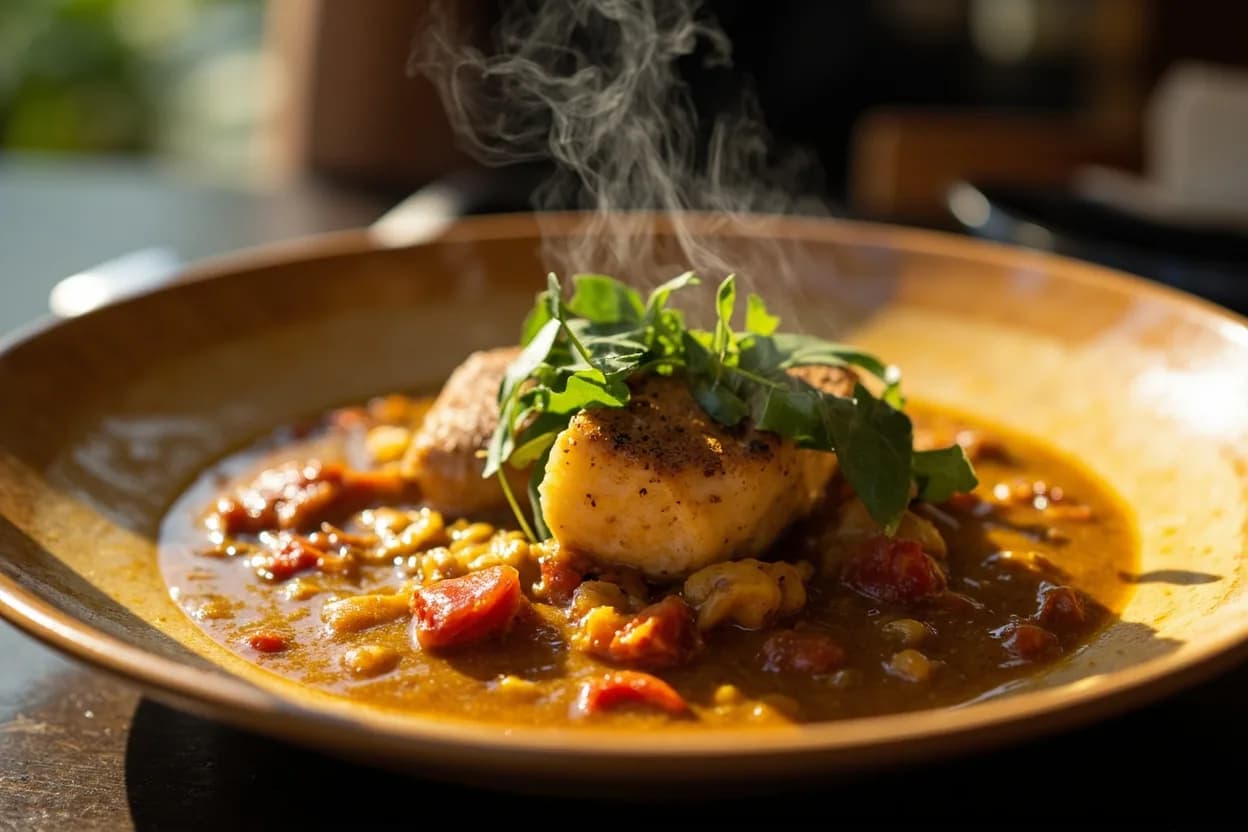
Appears in these dishes
Related
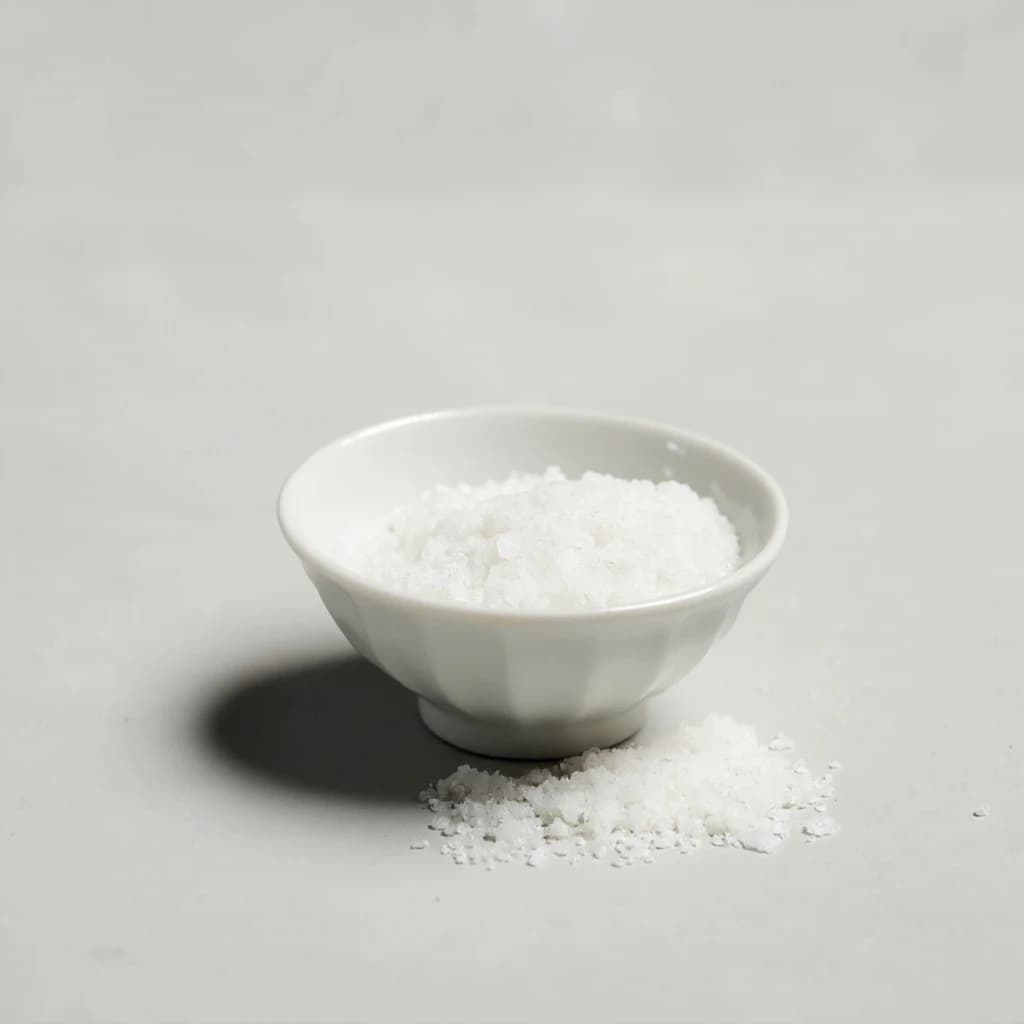
Salt
The one seasoning that makes everything else taste like itself

Black Pepper
Pungent, woody heat — best cracked fresh over anything savory
Amchur
Dried unripe mango ground to a tart, fruity souring powder
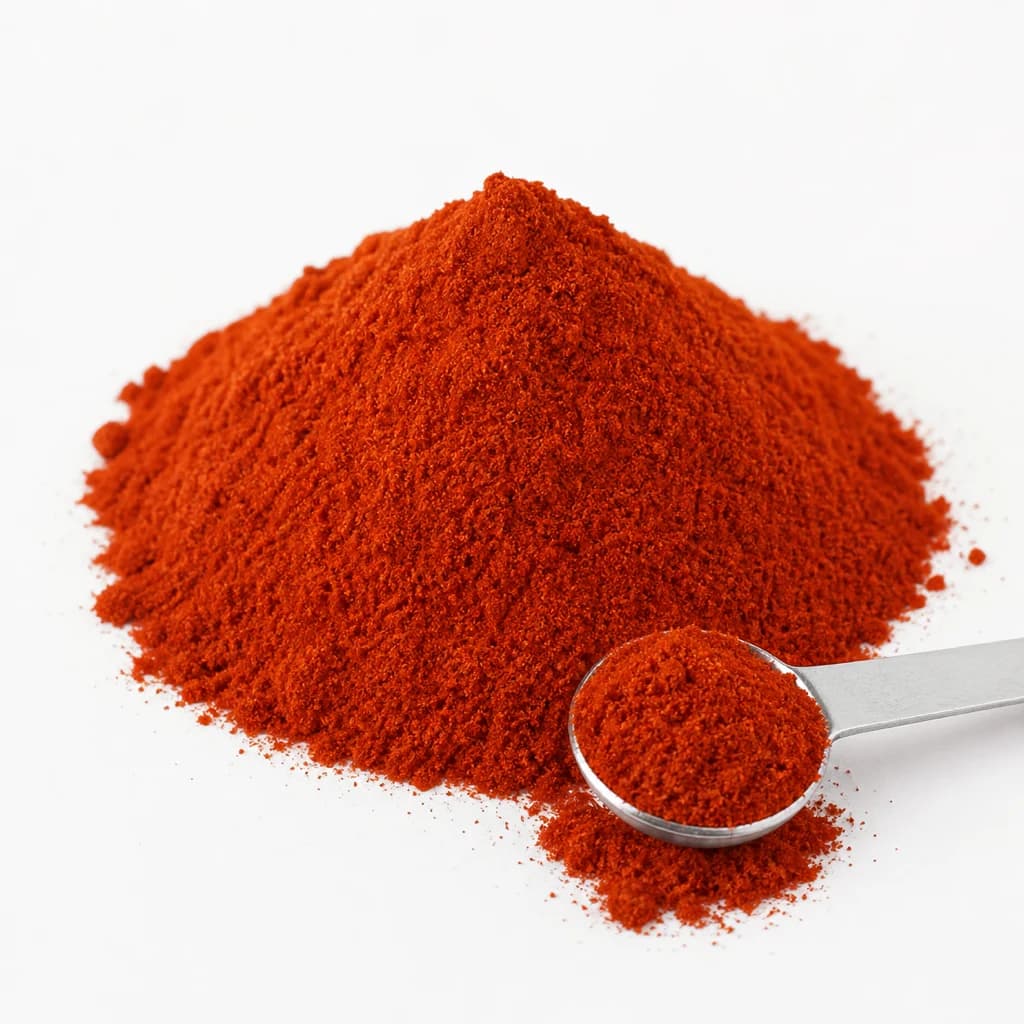
Paprika
Sweet, vivid ground pepper for color and gentle warmth
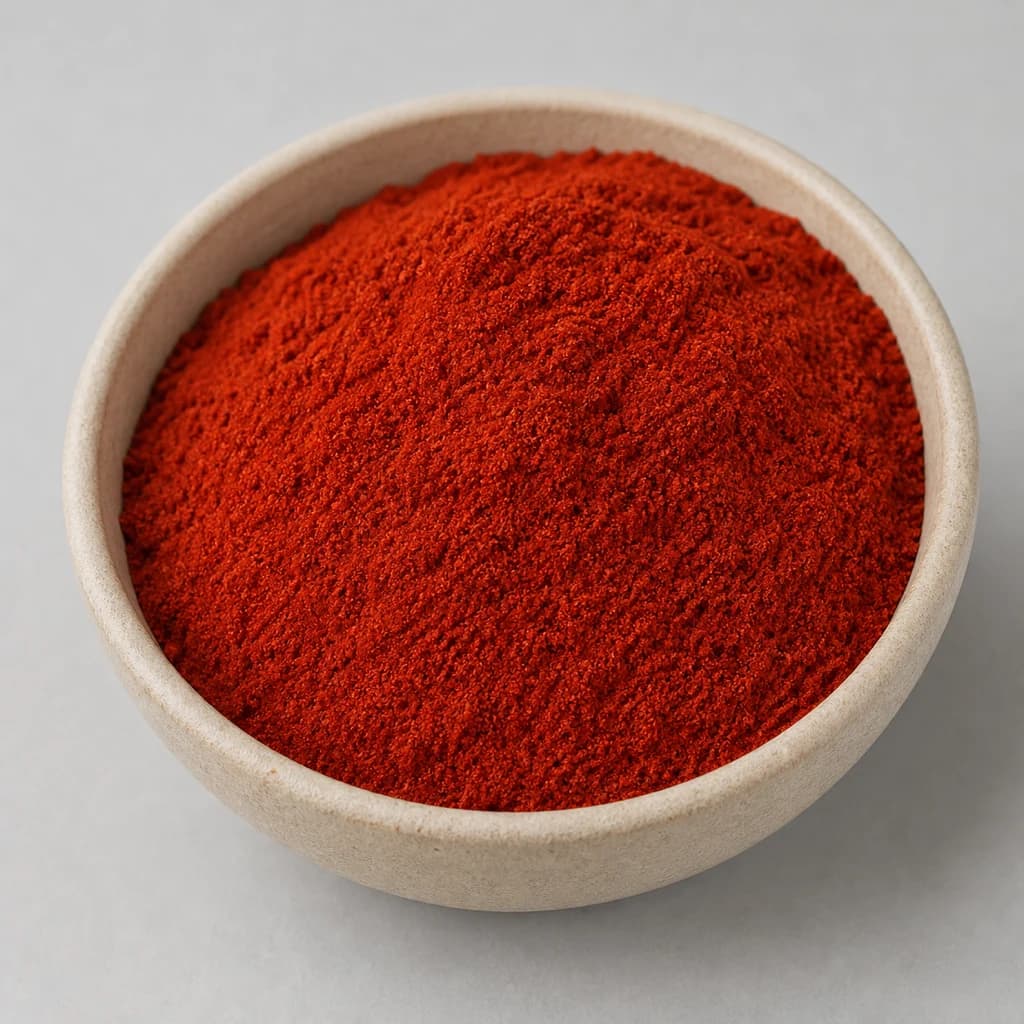
Smoked Paprika
Deep, smoky ground pepper for a campfire warmth
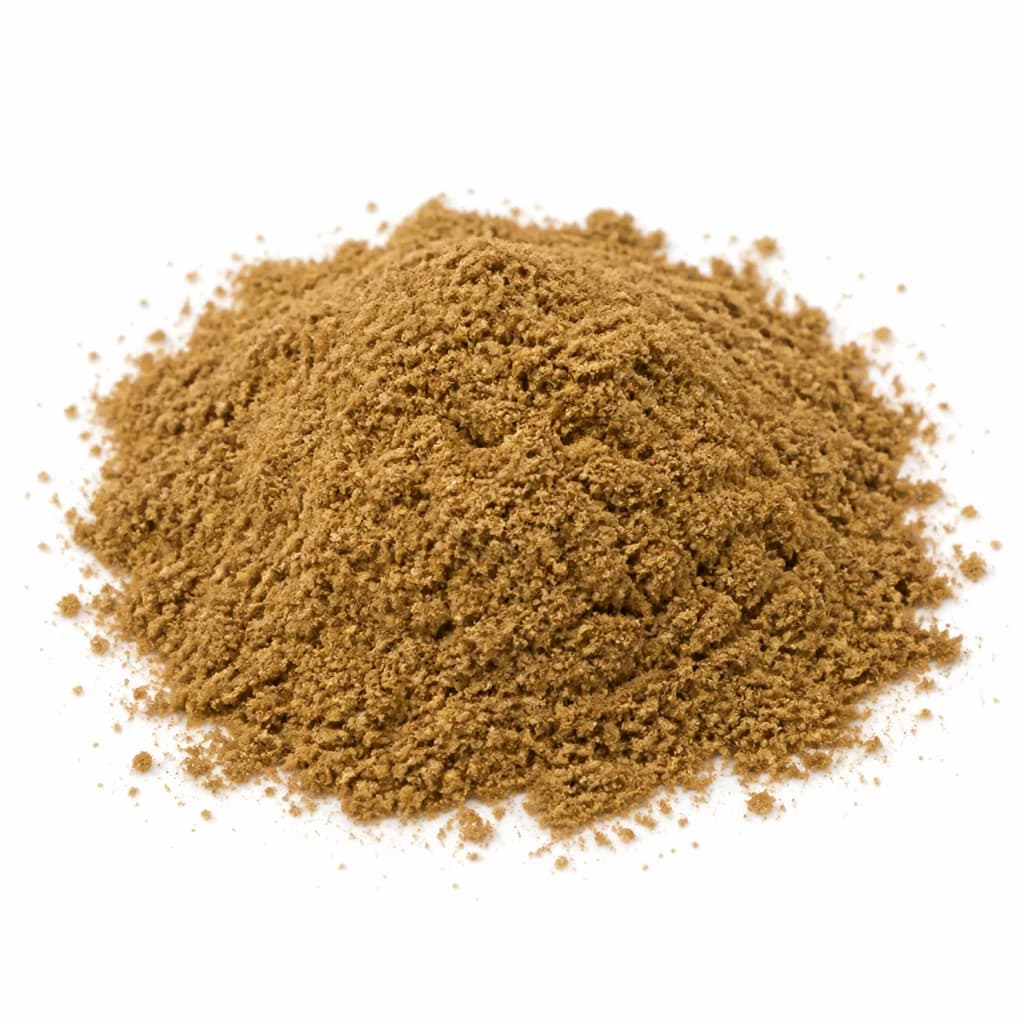
Cumin
Warm, earthy spice central to curries, chili, and tacos
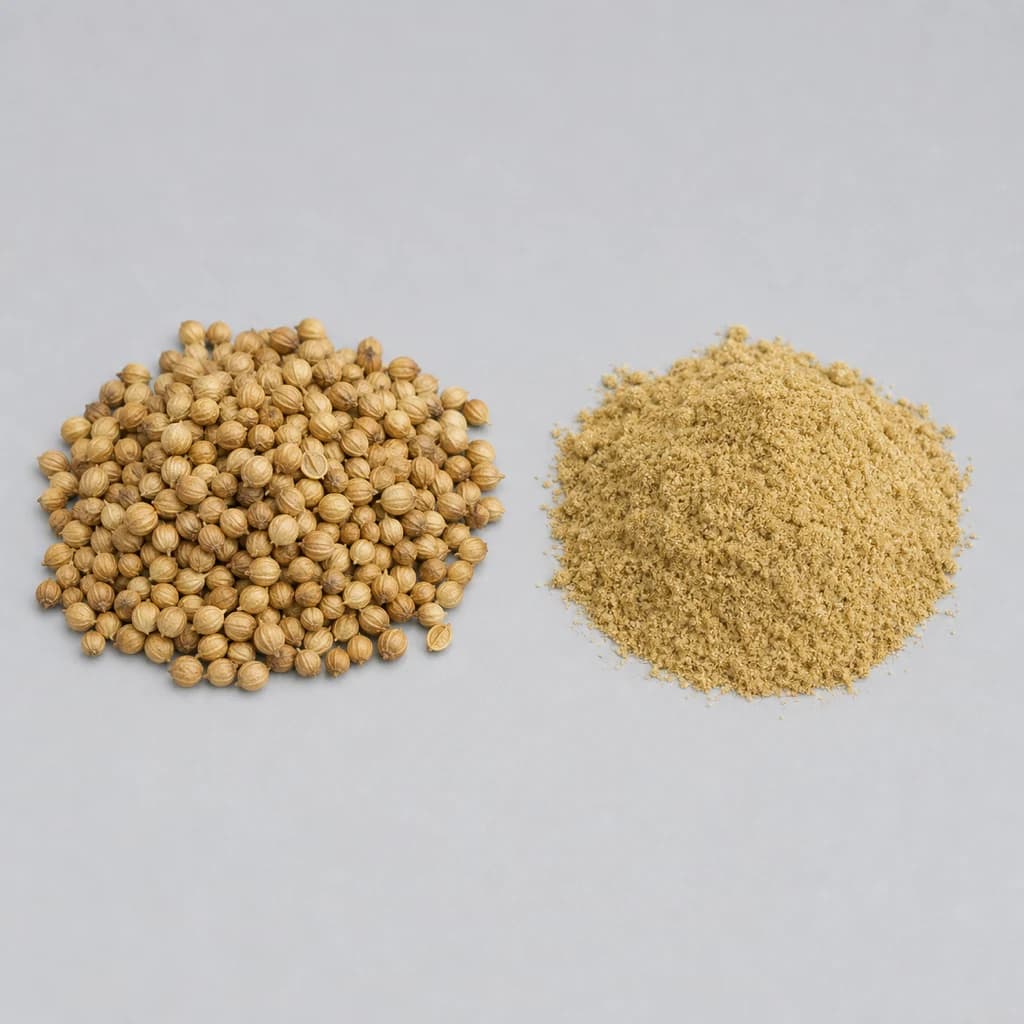
Coriander Seed
Citrusy, warm seed for curries, pickles, and rubs
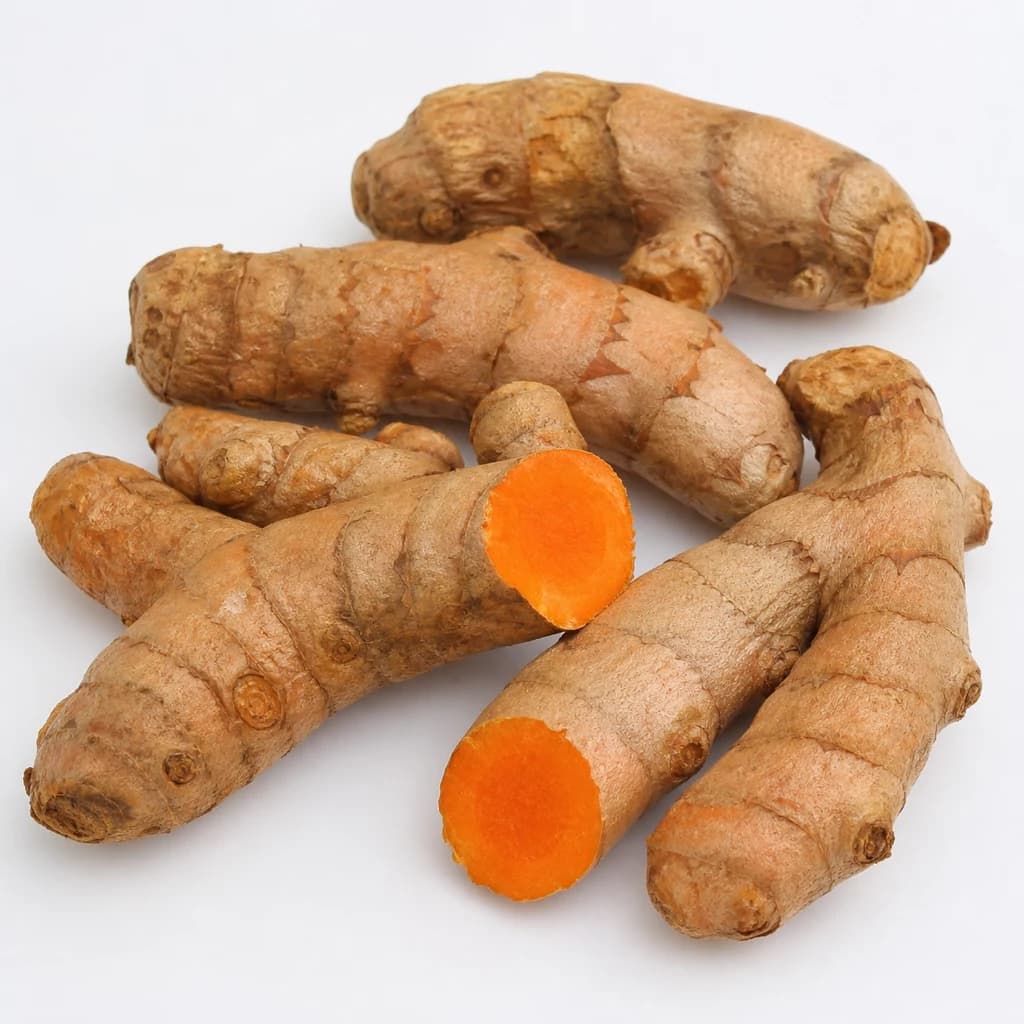
Turmeric
Golden, earthy spice for curries, rice, and color