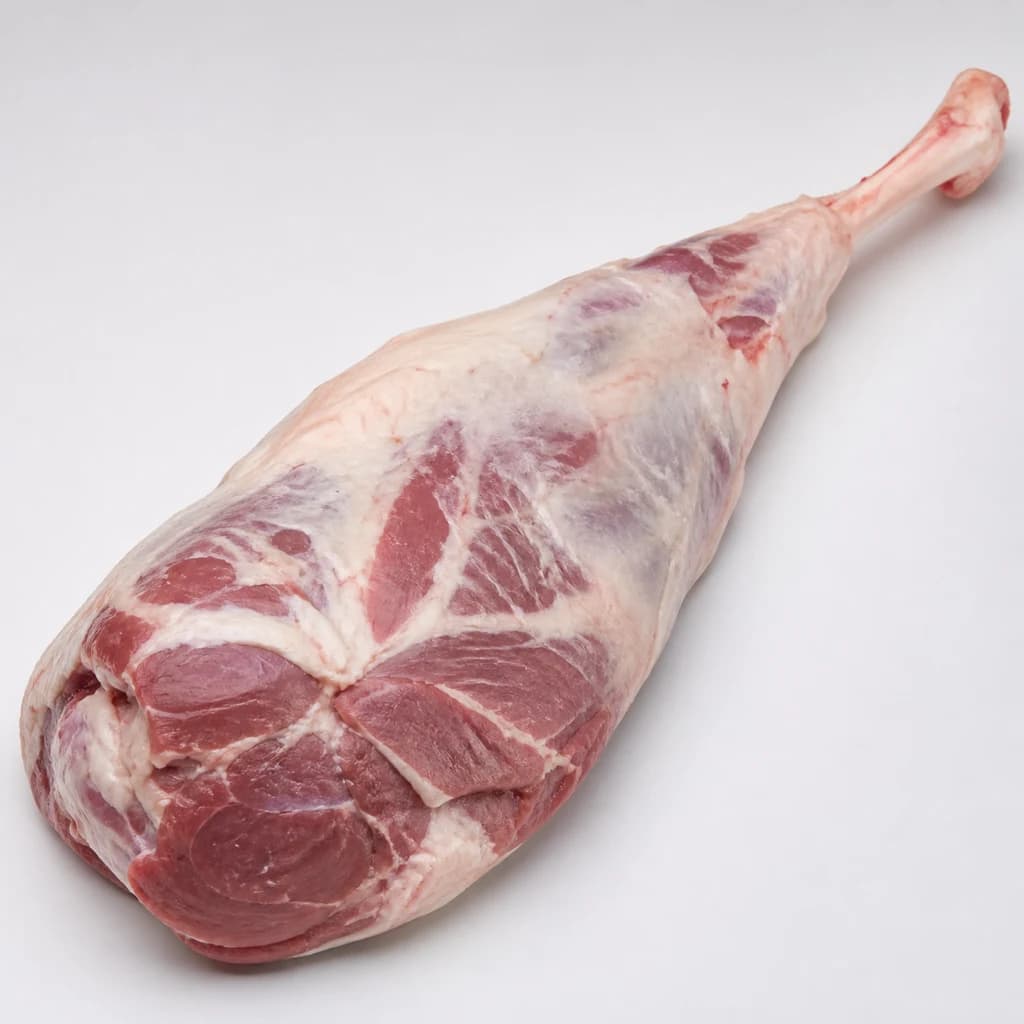
Natural form
A whole bone-in lamb leg, uncooked, showing the pale pink meat and white fat cap.
Shows readers the raw whole cut they are most likely to encounter at a butcher or market.
Proteins
Lamb
Tender, richly flavored meat from young sheep — roasted, grilled into kebabs, or braised in spiced stews.
Lamb is the meat of young sheep, prized for its tender texture and a distinctive, slightly grassy richness. It is roasted as legs and racks, ground for koftas and kebabs, or slow-braised in tagines and curries. The fat carries much of the flavor, so it pairs well with bold spices, garlic, and mint.
Lamb is the meat of sheep under 12 months old, distinguished from mutton by its finer grain, superior tenderness, and a flavor that is mildly gamey with subtle sweetness rather than the pronounced earthiness of older animals. This difference matters in the kitchen: lamb's delicate fat, which has a lower melting point than beef or mutton fat, contributes to its characteristic rich mouthfeel and means the meat responds best to cooking methods that preserve moisture rather than render out fat. The animal's diet shapes flavor significantly—grass-fed lamb carries a more pronounced, slightly herbaceous character, while grain-finished lamb tends toward a milder, more consistently beef-like profile. Cultural traditions around lamb span the globe: from Australian lamb chops and North African mechoui to British navarin and Greek avgolemono, from Indian biryani to Tibetan momo, the meat anchors everything from elegant crown roasts to humble street-food skewers.
- Measured in
- g
- Storage
- Fridge
Types & varieties
Milk-fed lamb slaughtered at 3–5 months; prized for exceptional tenderness and mild flavor; available late winter through spring in the Northern Hemisphere
Fed exclusively on mother's milk; extremely pale, buttery meat; specialty product from Spain, Argentina, and New Zealand
Sheep 12–24 months old; more developed flavor than lamb, firmer texture; valued in Australia, New Zealand, and UK traditional cooking
Sheep over 24 months; strong, distinctly gamey flavor; requires long, moist cooking methods like braising or stewing; traditional in South Asian, Middle Eastern, and British cuisines
8-rib section of the loin; the most prized roast cut; also cut into individual chops
Cut from the short loin; contains the tenderloin and top loin; ideal for quick, high-heat cooking
Versatile, bone-in or boneless; good for roasting, braising, or grinding; benefits from slow, moist cooking to break down connective tissue
Large, lean primal; versatile for roasting, braising, or cut into kebabs; can be bone-in or frenched (tied)
Fore and hind leg portions; extremely collagen-rich; requires braising or slow roasting; yields tender, gelatin-rich results
Typically 80/20 lean-to-fat ratio; made from shoulder and trimmings; essential for kofta, burgers, and ragus
Inexpensive, well-exercised cut full of connective tissue and deep flavor; braised whole or as rounds until fall-apart tender for stews, tagines, and ragus.
Understanding Lamb Cuts
Lamb cuts fall into two broad categories that determine cooking method. The loin and rack are the most tender muscles, carrying minimal connective tissue and requiring high, fast heat—grilling, pan-searing, or quick roasting. The leg and shoulder bear more work and connective tissue; these benefit from low, slow, moist cooking that breaks down collagen into silky gelatin. The shank is almost entirely collagen and demands the longest cooking time. Ground lamb, typically 80/20 lean-to-fat, is made from shoulder and trimmings; its fat content keeps patties and kofta moist but means burger applications cook differently than beef.
- Tender cuts (rack, loin): 130–145°F internal, 8–12 minutes per pound for roasting
- Tough cuts (shoulder, shank): 275–325°F, 2–4 hours until fork-tender
- Trimming fat to 1/4 inch provides flavor and protection without excessive richness
- Reserve trimmed fat for roasting potatoes or building flavor in braises
Common uses
Tips & pitfalls
- Remove lamb from refrigerator 30–45 minutes before cooking to allow it to come to room temperature for more even cooking.
- Use a probe thermometer to monitor internal temperature—lamb is best served medium-rare to medium (145–160°F), as extended cooking quickly yields dry, tough meat.
- Rest roasted or grilled lamb for 10–15 minutes tented loosely with foil; this allows juices to redistribute throughout the meat.
- Season simply with salt and pepper, or use bold marinades and spice rubs; lamb's strong flavor handles assertively seasoned preparations.
- For braised shanks and shoulders, cook low (275–325°F) and slow (2–4 hours) until a fork inserts with no resistance and collagen has fully converted to gelatin.
- Avoid overcooking—the single most common mistake with lamb. Even 5 degrees past medium-rare significantly degrades texture and juiciness.
- When grinding lamb for kofta or burgers, chill the meat and grinder parts; warm lamb fat makes grinding difficult and results in greasy output.
- Lamb fat (tail fat in some cultures) is prized for pastry and dumpling fillings in Central Asian, Middle Eastern, and Balkan cuisines.
Nutrition
Energy
1180 kJ · per 100 g
Where the calories come from
Protein
16.6g
33% DV
Carbs
0g
0% DV
Fat
23.4g
30% DV
Fiber
0g
0% DV
Sugars
0g
of which
Sodium
59mg
3% DV
Source · USDA FoodData Central · Lamb, ground, raw
View on FDC →In the shops
Matched grocery products
No matched grocery products for Lamb yet.
Good to know
- Type
- Red meat from young sheep (under 12 months)
- Primary Cuts
- Rack, loin chop, T-bone, shoulder, leg, shank, ground, stew meat
- Flavor Profile
- Rich, slightly sweet, mildly gamey; more delicate than mutton
- Texture
- Tender to firm depending on cut; loin and rack most tender, shoulder and shank require longer cooking
- Refrigerator Storage
- 3–5 days raw; 3–4 days cooked
- Freezer Storage
- 6–9 months at 0°F (-18°C)
- Internal Temp (Safe)
- 145°F (63°C) for medium-rare; 160°F (71°C) well done
- Yield (Bone-in)
- Approximately 50–55% of hanging weight becomes edible meat
Substitutes
- Beef — Similar texture and cooking methods; less gamey flavor; use in stews, braises, and ground applications; cook times may need adjustment as beef is generally tougher at equivalent cuts
- Veal — Closest in flavor and tenderness to lamb; excellent substitute for rack and loin preparations; more expensive and milder in flavor
- Goat — Similar mild gamey flavor; slightly leaner; requires similar cooking methods; primary protein in many Caribbean, Middle Eastern, and South Asian cuisines
- Ground Turkey or Chicken — Only for ground lamb applications; significantly leaner and milder; add lamb fat or oil for moisture and richness; best in kofta or burger applications with bold seasoning
Pairs with
Also called
Lamb (Goshte Gosfand) · Smoked Lamb (Hangikjöt) · Goshte Gosfand
Appears in these dishes
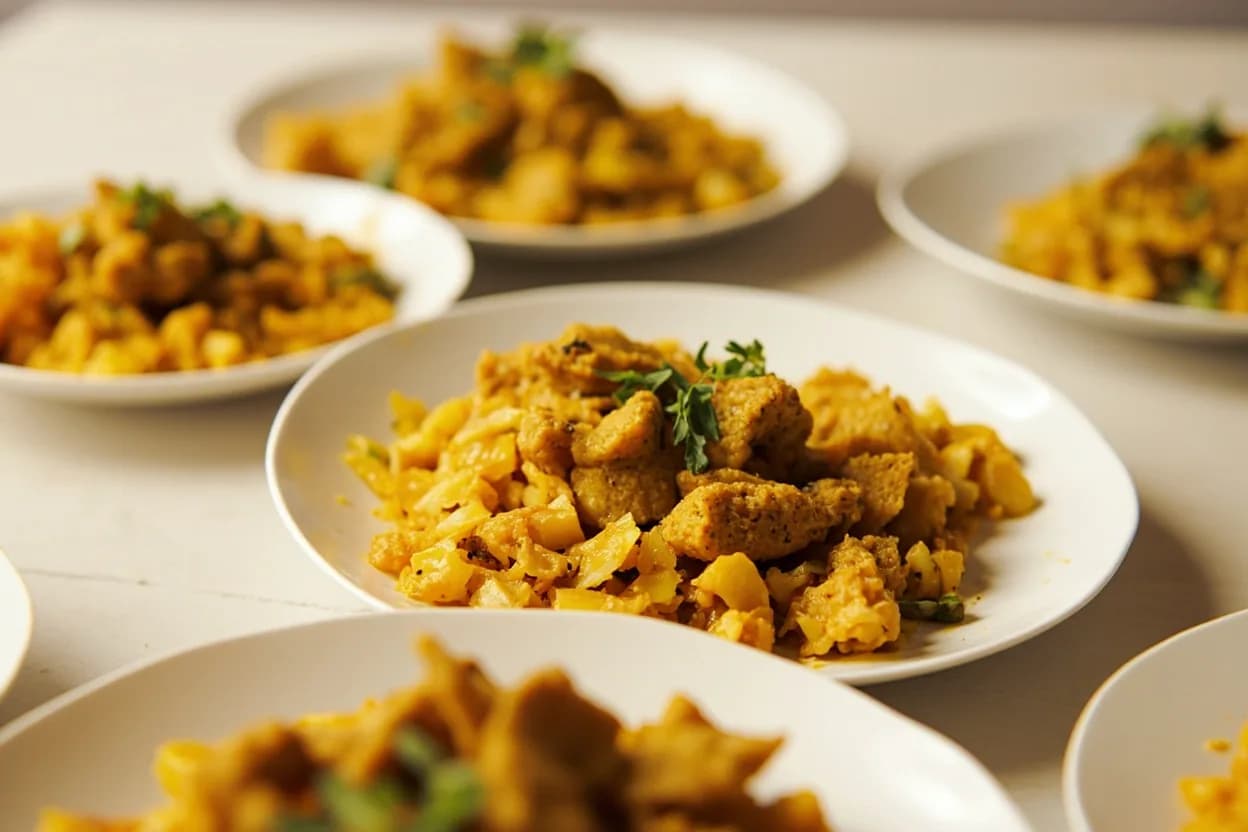
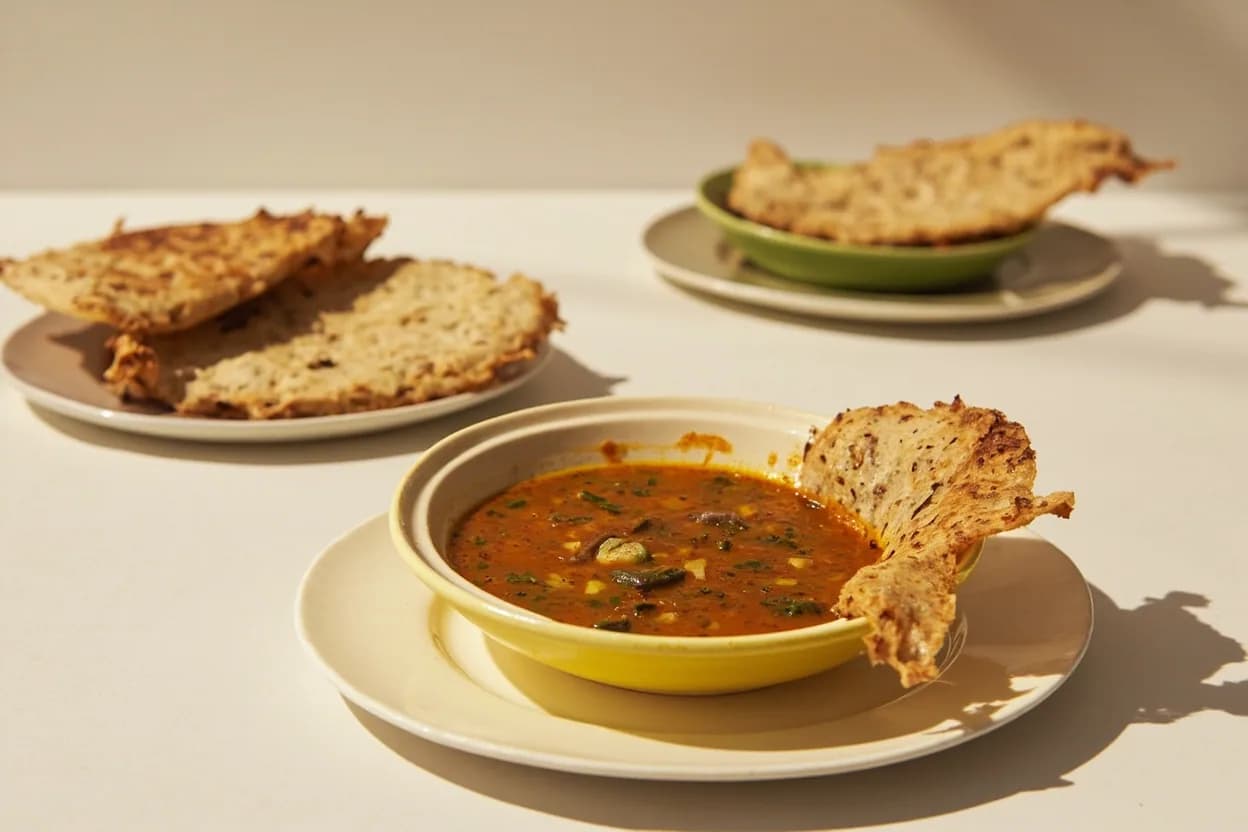
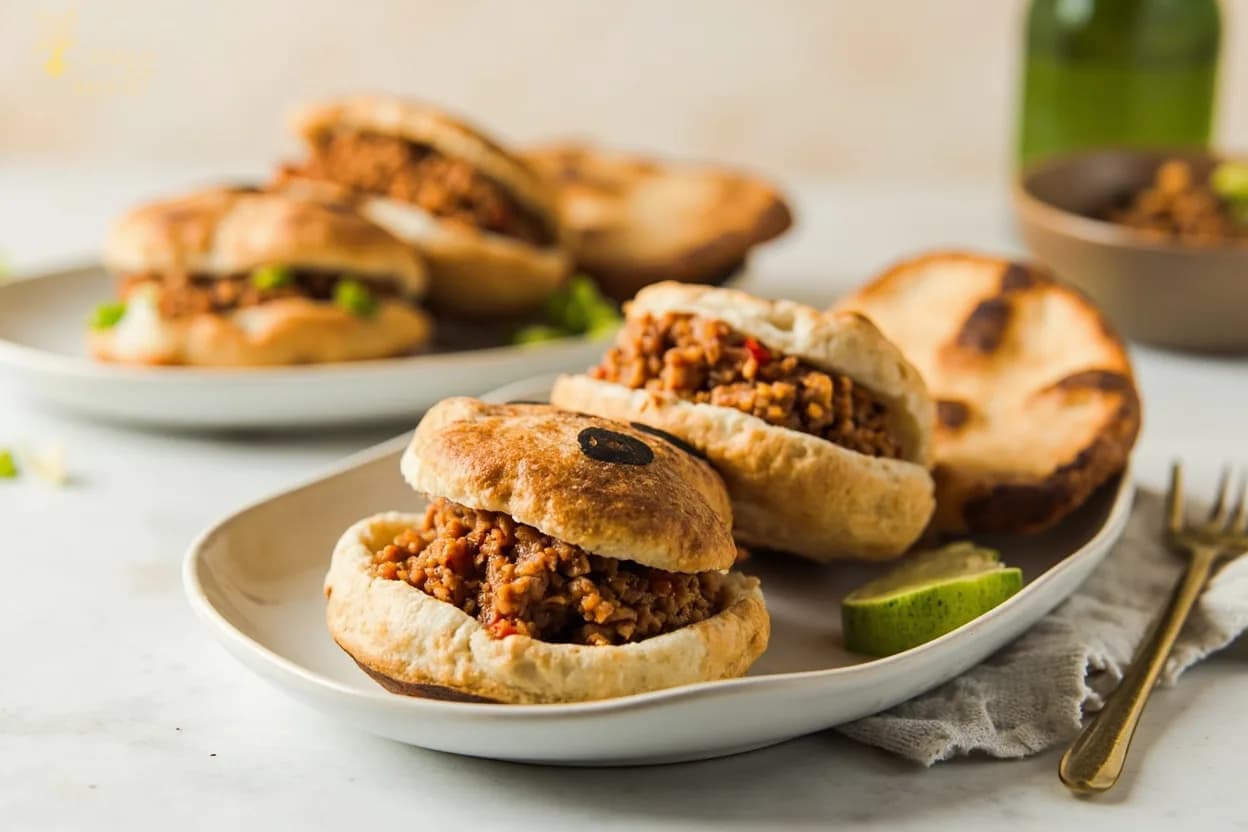
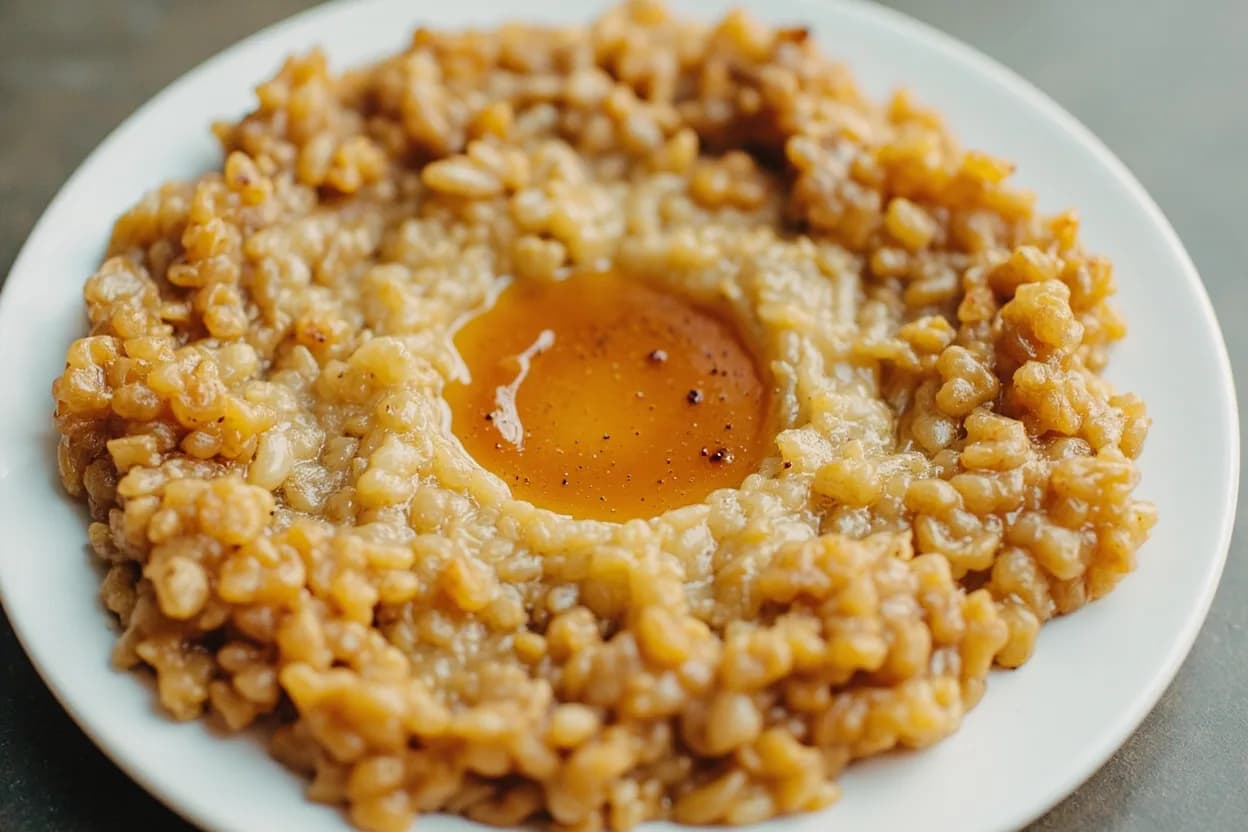
Related
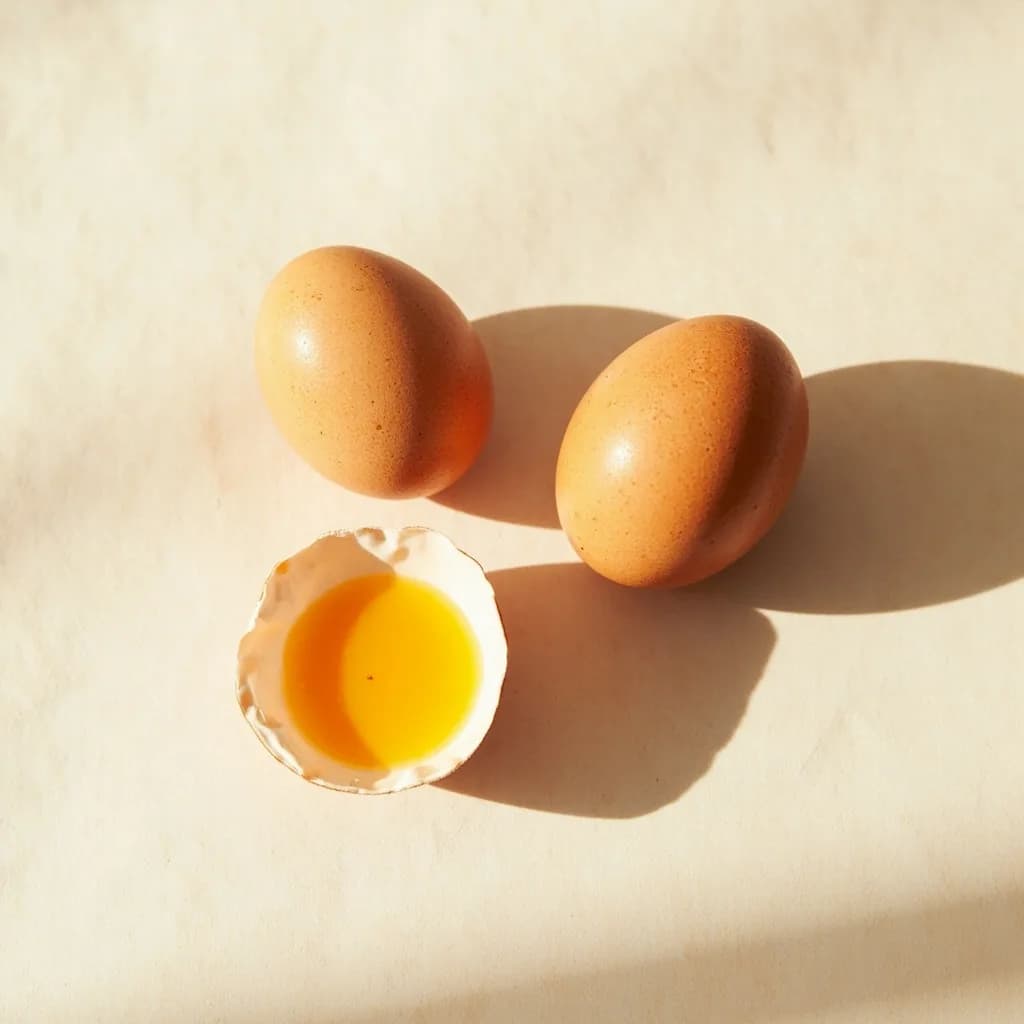
Egg
The kitchen's everything ingredient — bind, leaven, enrich, or fry
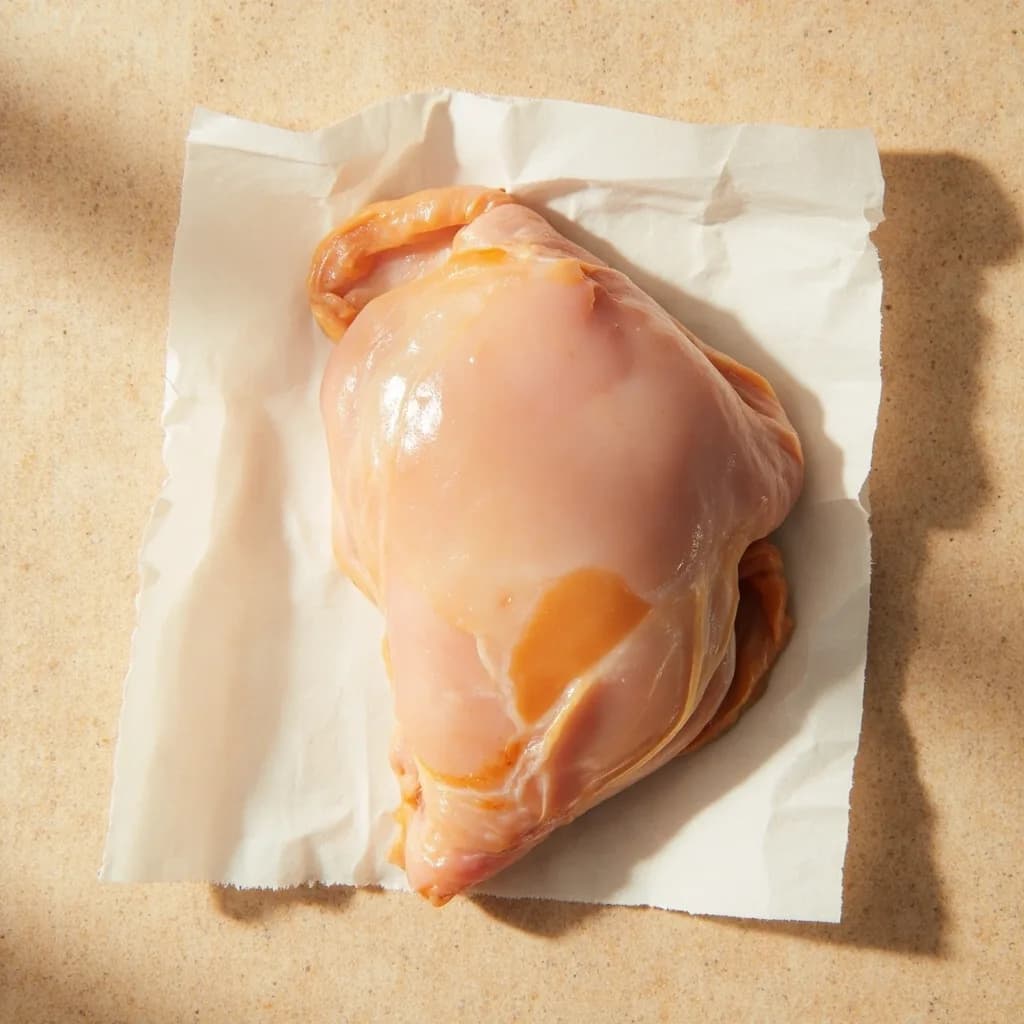
Chicken Breast
Lean, quick-cooking white meat for everyday dinners

Ground Beef
Versatile minced beef for burgers, ragù, tacos, and meatballs
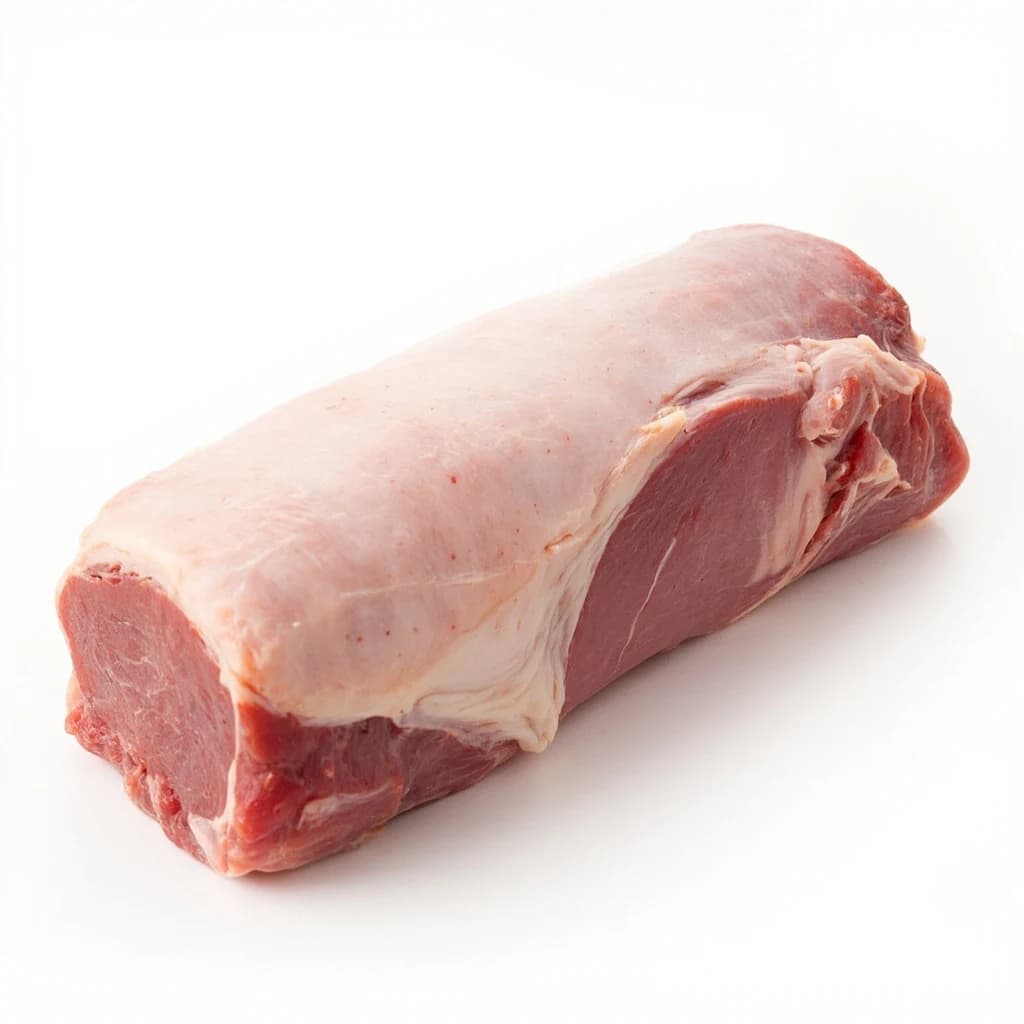
Pork Loin
Lean, tender roasting cut that stays juicy with care
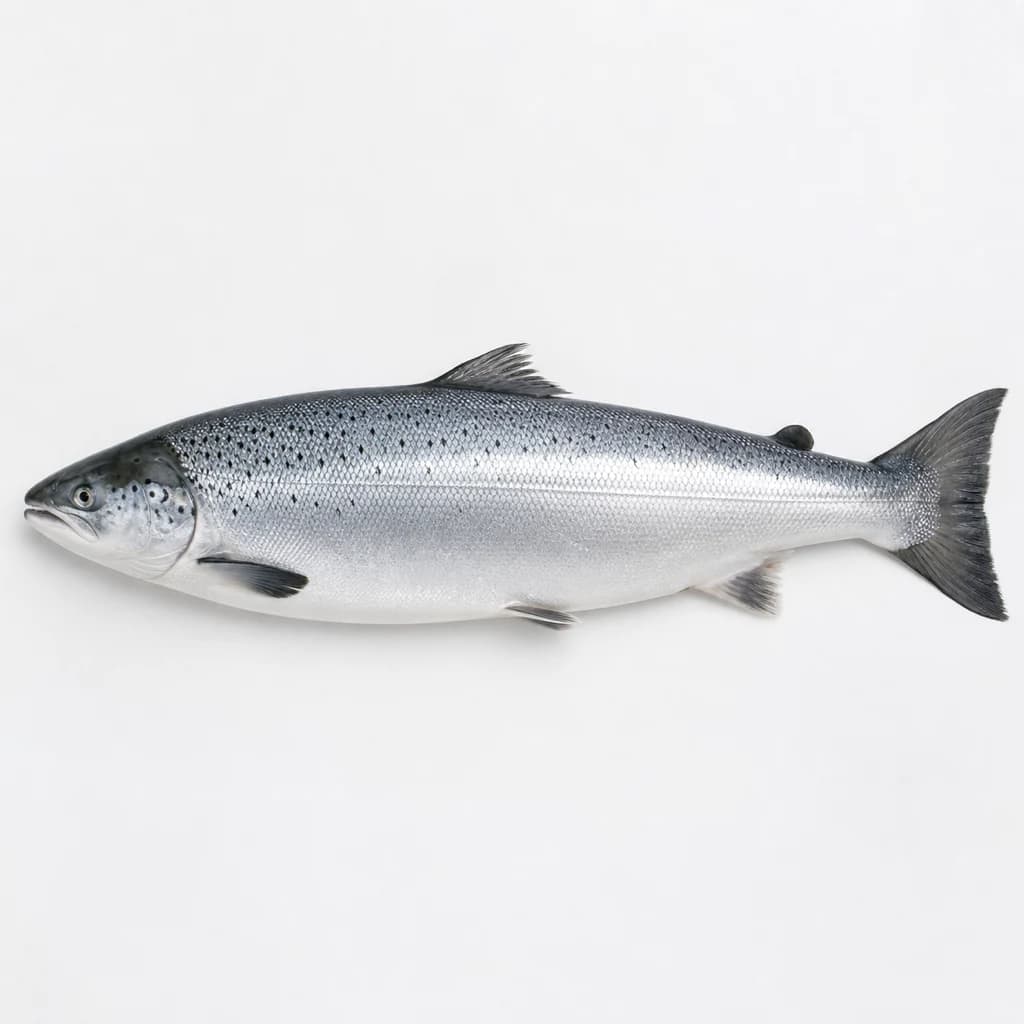
Salmon
Rich, rosy fish that roasts, grills, or cures beautifully

Egg White
Pure protein that whips to airy peaks for meringue and more
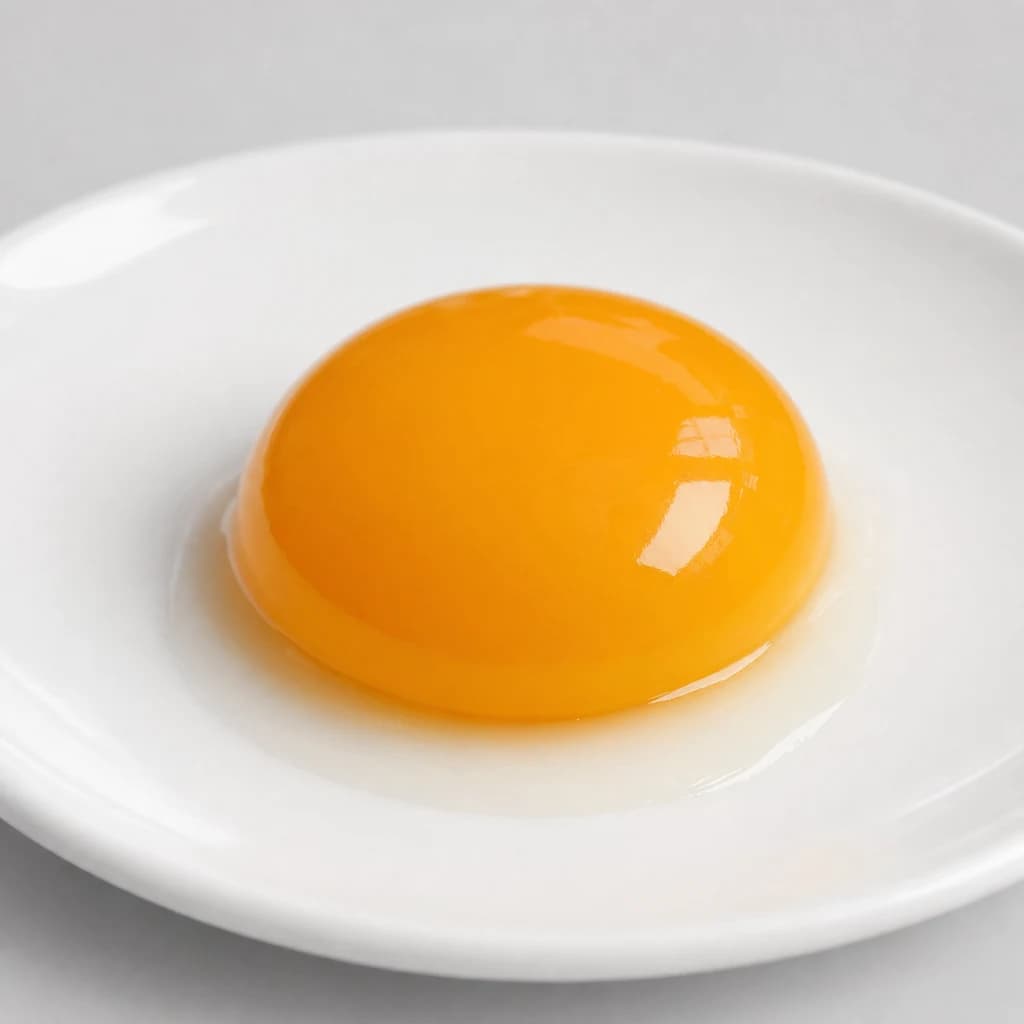
Egg Yolk
Rich, golden yolk for custards, mayonnaise, and pasta

Quail Egg
Tiny, speckled eggs for garnishing and elegant bites