Proteins
Ground Lamb
Minced lamb for koftas, kebabs, meatballs and spiced fillings across the Middle East and Mediterranean.
Ground lamb is minced lamb meat with a rich, slightly gamey flavor and good fat content. It is the base for koftas, kebabs, kibbeh, moussaka and spiced meat sauces throughout the Middle East, Mediterranean and South Asia. It binds well with onion, herbs and warm spices like cumin and cinnamon.
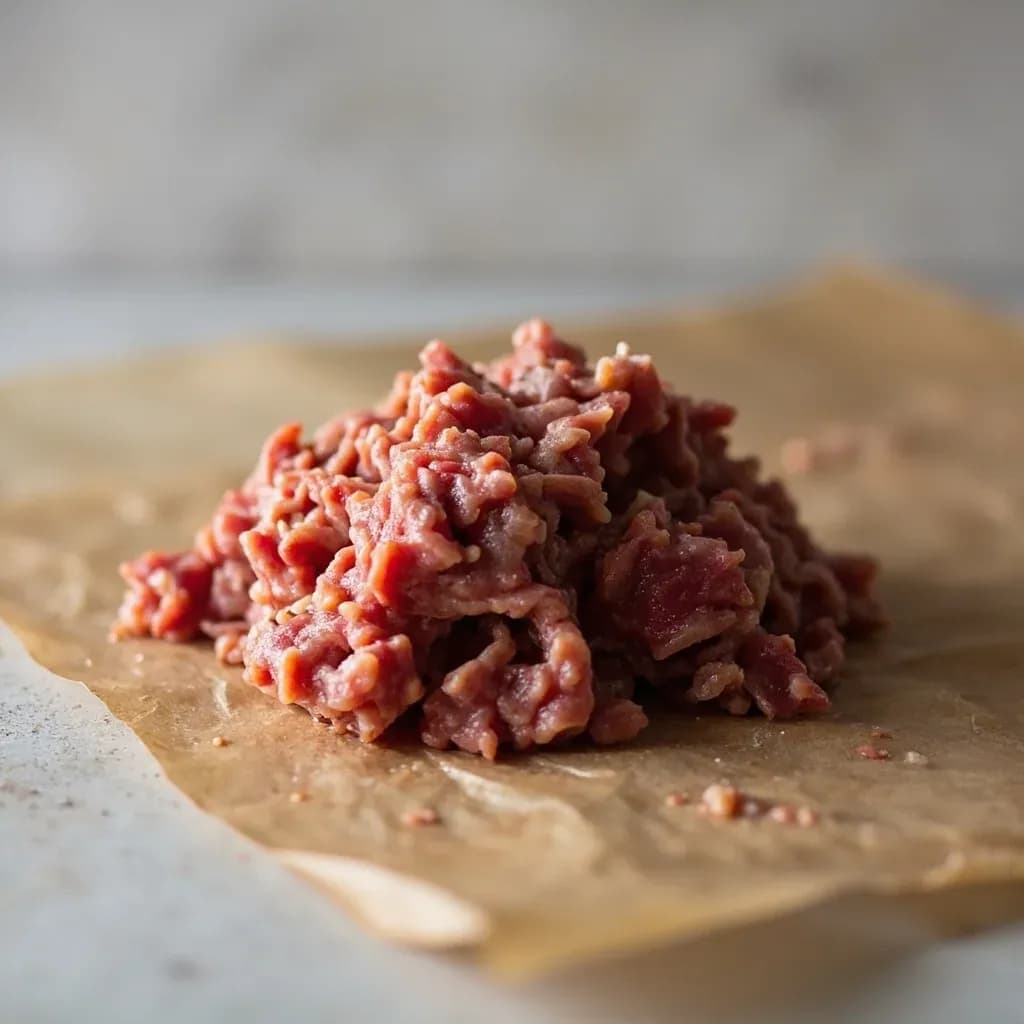
Ground lamb is minced or finely chopped lamb, typically sourced from the shoulder, neck, and trimmings. The ideal fat content runs 15–20%, which provides enough fat to carry flavor and bind the meat for koftas, kebabs, and meatballs without becoming greasy. It is central to the cuisines of the Eastern Mediterranean, Middle East, the Balkans, Greece, and South Asia—where lamb's distinctive richness defines iconic dishes from Moroccan kefta tagines to Indian kofta curry. The fat in lamb oxidizes faster than beef fat, making freshness the single most important quality factor: ground lamb is best cooked within 24–48 hours of purchase, and any sour, ammonia-like, or gamey odor indicates spoilage. For superior results, grind lamb at home using a 50/50 mix of shoulder and leg with fat trimmings—this yields better flavor and fat distribution than most commercial ground lamb, which often comes from older, less desirable cuts. Always select packages with bright cherry-red to pinkish-red color, avoiding any with brown or gray discoloration or pooling liquid at the bottom, which signals age or improper temperature handling.
- Measured in
- g
- Storage
- Fridge
Types & varieties
Most common and economical; good fat content, robust lamb flavor, slightly tougher texture than premium cuts
Leaner option (90/10); milder flavor; best for burgers and applications where less fat is desired
Highest fat content; used in traditional emulsified preparations like Armenian-style kofta for moisture retention
Ground lamb blended with cumin, coriander, paprika, and sometimes cinnamon; sold in Middle Eastern markets
Identical product; regional naming difference common in UK, Australia, and Commonwealth nations
Spiced, cured ground lamb sausage; used crumbled in cooking but not interchangeable with fresh ground lamb
Home Grinding for Superior Results
While pre-ground lamb is convenient, grinding at home yields better flavor and texture control. Use a 50/50 mix of shoulder and leg with fat trimmings added as needed to hit your target ratio. Chill all equipment and meat thoroughly before grinding—cold fat binds better and prevents a gummy, overworked texture. For a rough grind ideal for koftas, use the coarse die on your meat grinder. A food processor works for quick rough grinding but produces less consistent results. After grinding, use the meat immediately or refrigerate for no more than 24 hours.
- Grind in small batches for even, consistent texture
- Keep meat at 35–40°F throughout the process
- Season after grinding, just before cooking
Seasoning Strategy
Lamb's robust flavor pairs with bold spices, but timing matters. Salt draws moisture from meat, so season just before shaping or cooking—never hours ahead. Toast whole spices like cumin and coriander before grinding to unlock their aromatic oils. For Middle Eastern koftas, add spices to the raw meat along with a binder like ice-cold water, soaked bread, or chickpea flour. For Greek and Mediterranean preparations, a touch of cinnamon and allspice (¼ teaspoon per pound) is classic but use sparingly to avoid overwhelming the lamb's natural flavor.
- Taste and adjust seasoning of raw mixture before cooking
- Build spice layers: bloom aromatics first, add meat second
- Balance fattiness with acid—lemon juice, pomegranate molasses, or sumac
Common uses
Tips & pitfalls
- Refrigerate all equipment and meat until ready to use; cold fat binds better and prevents gummy texture
- Mix gently and minimally—overworking develops gluten and creates dense, tight-textured koftas or meatballs
- Salt draws moisture; add seasoning just before shaping and cooking, not hours ahead
- Incorporate ice-cold water (1–2 tablespoons per pound) or soaked bread for juicy, tender koftas that hold on skewers
- If grinding at home, use 80/20 shoulder-to-fat trimmings for best results; pre-ground packages vary widely
- Roll meatballs or form kofta cylinders uniformly so they cook at the same rate
- Press patties firmly only once and resist pressing during cooking to retain juices
- After browning, tilt the pan and spoon off rendered fat before adding liquids or sauces
Nutrition
Energy
1180 kJ · per 100 g
Where the calories come from
Protein
16.6g
33% DV
Carbs
0g
0% DV
Fat
23.4g
30% DV
Fiber
0g
0% DV
Sugars
0g
of which
Sodium
59mg
3% DV
Source · USDA FoodData Central · Lamb, ground, raw
View on FDC →In the shops
Matched grocery products
No matched grocery products for Ground Lamb yet.
Good to know
- Source
- Minced or finely chopped lamb from shoulder, neck, and trimmings; fat content typically 15–20% for flavor and binding
- Color
- Bright cherry-red to pinkish-red; avoid packages with brown or gray discoloration
- Odor
- Mild, clean, slightly sweet; sour, gamey, or ammonia-like smells indicate spoilage
- Fat Content
- Ideal ratio is 80/20 or 85/15 lean-to-fat; too lean yields dry, dense texture; too fatty causes greasiness
- Fresh Storage
- Refrigerate at 40°F or below; use within 1–2 days of purchase date
- Frozen Storage
- Up to 3–4 months in airtight freezer bags; thaw overnight in refrigerator
- Yield
- 1 pound raw ground lamb yields approximately 12–14 ounces cooked
- Common Cuts Used
- Shoulder (most common, flavorful, economical); neck (richer); leg (leaner); breast (higher fat)
Substitutes
- Ground Beef — Most neutral substitute; use 80/20 or 85/15 for similar fat content; flavor is milder, less distinctly lamb-like
- Ground Turkey or Chicken — Leaner and blander; add fat (olive oil or butter) and stronger spices to compensate; turkey works better than chicken for savory applications
- Ground Pork — Higher fat content; different flavor profile; acceptable in European preparations but culturally incorrect for Middle Eastern dishes
- Ground Veal — Similar texture but milder flavor; acceptable for Mediterranean preparations where lamb flavor is not essential
Pairs with
Also called
Minced Lamb
Appears in these dishes
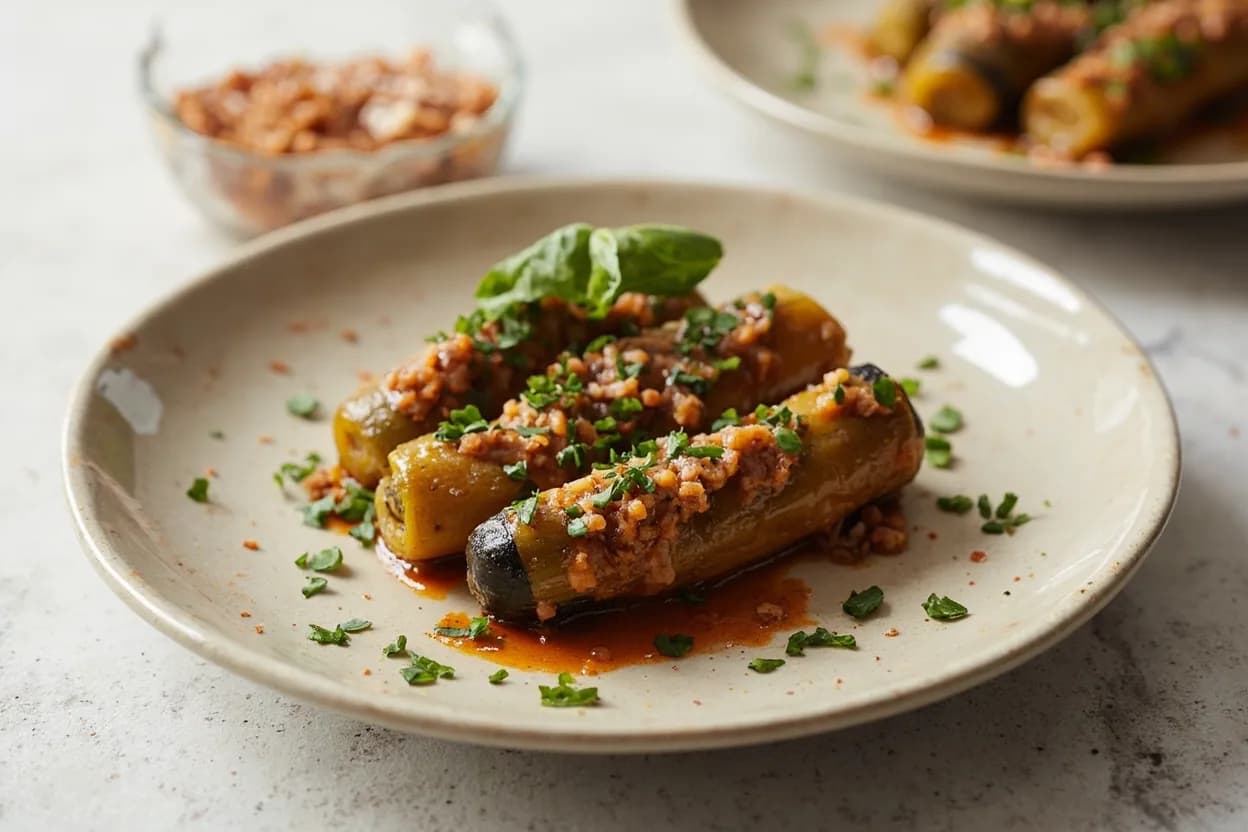
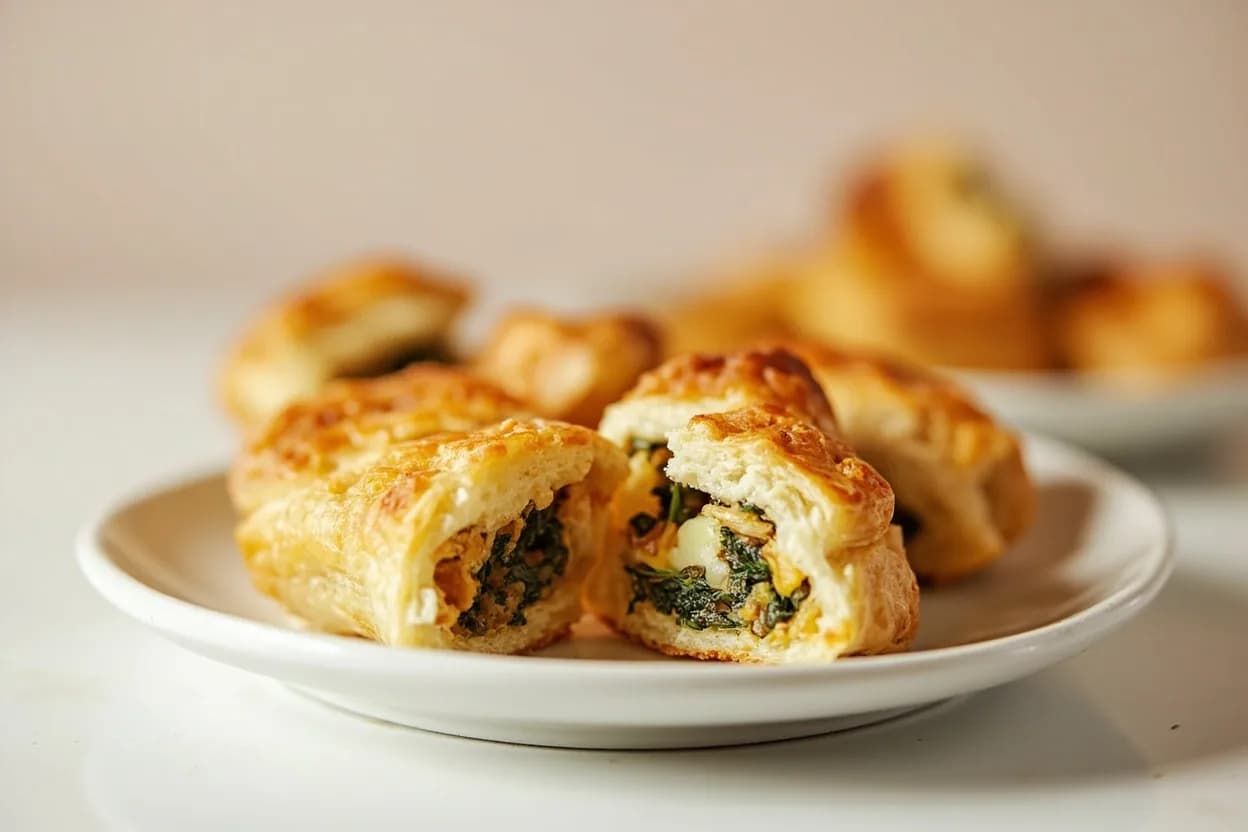
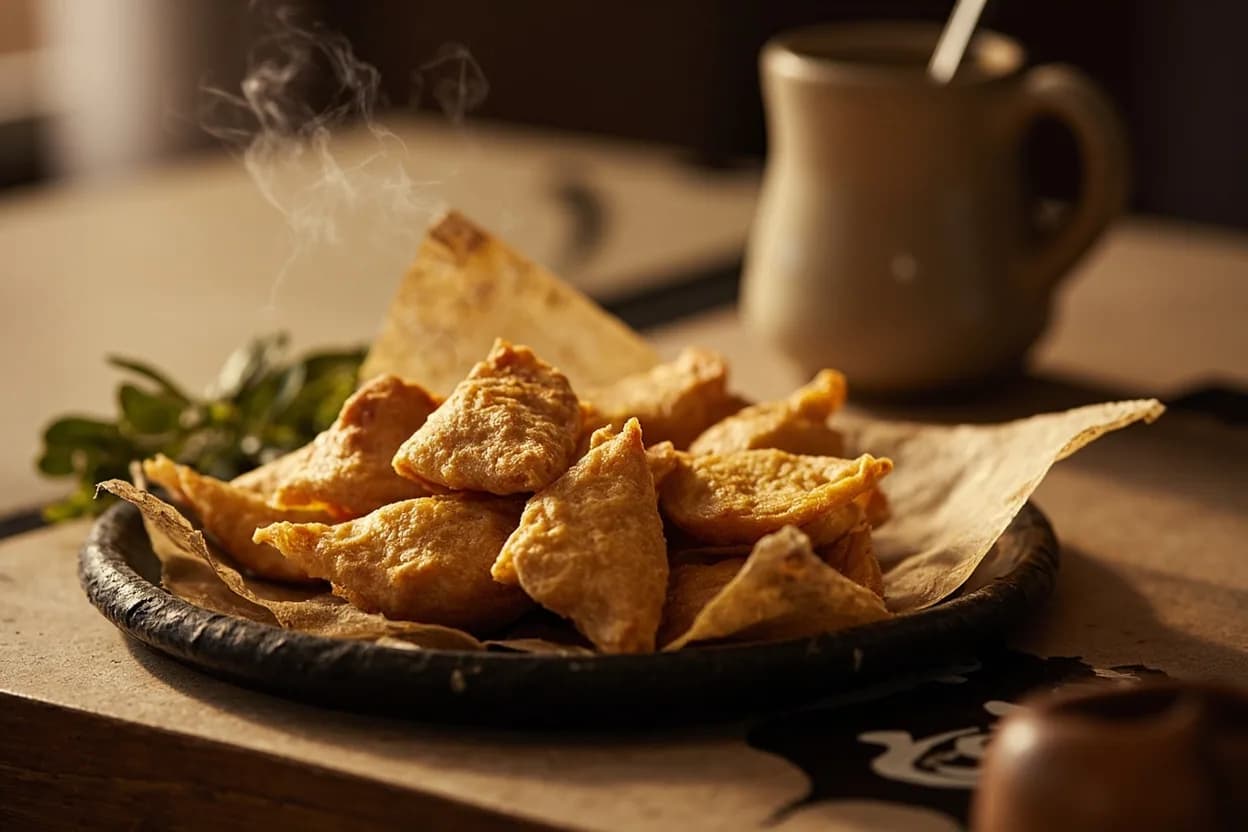
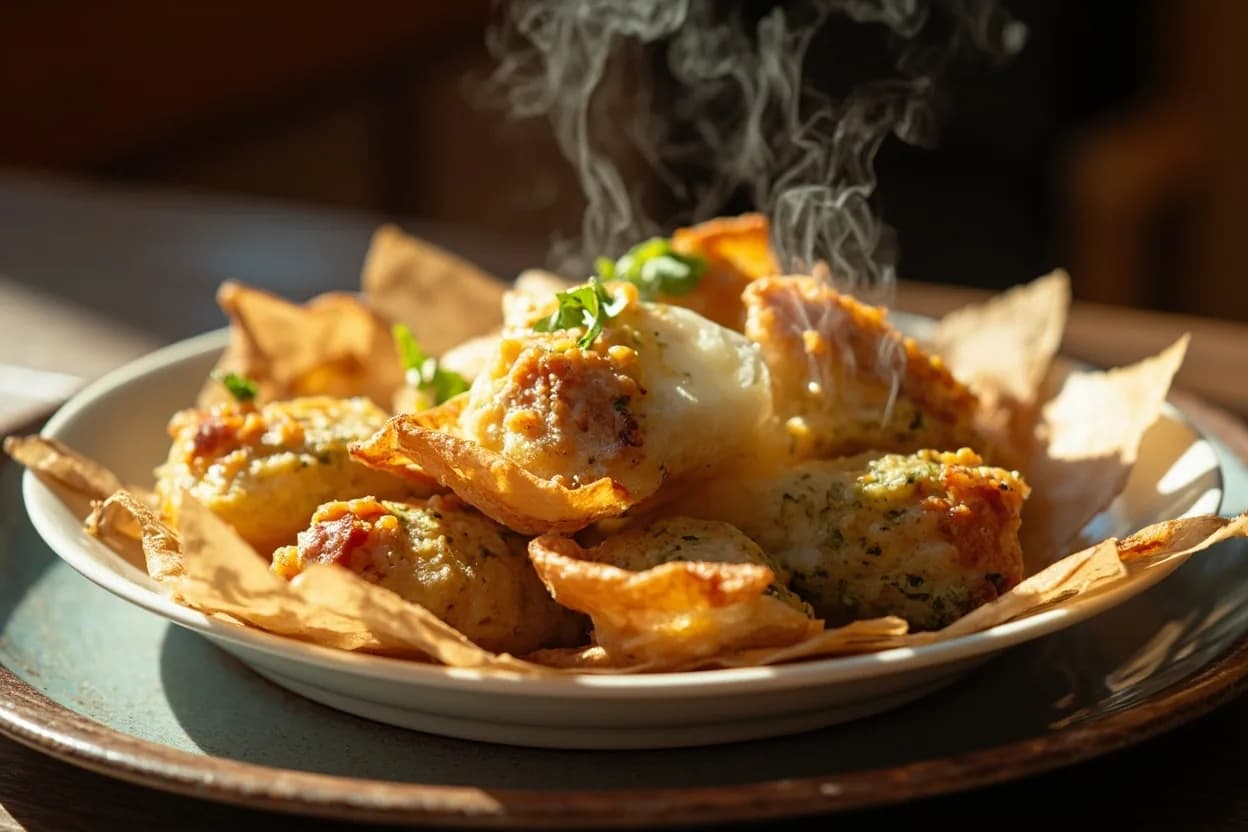
Related
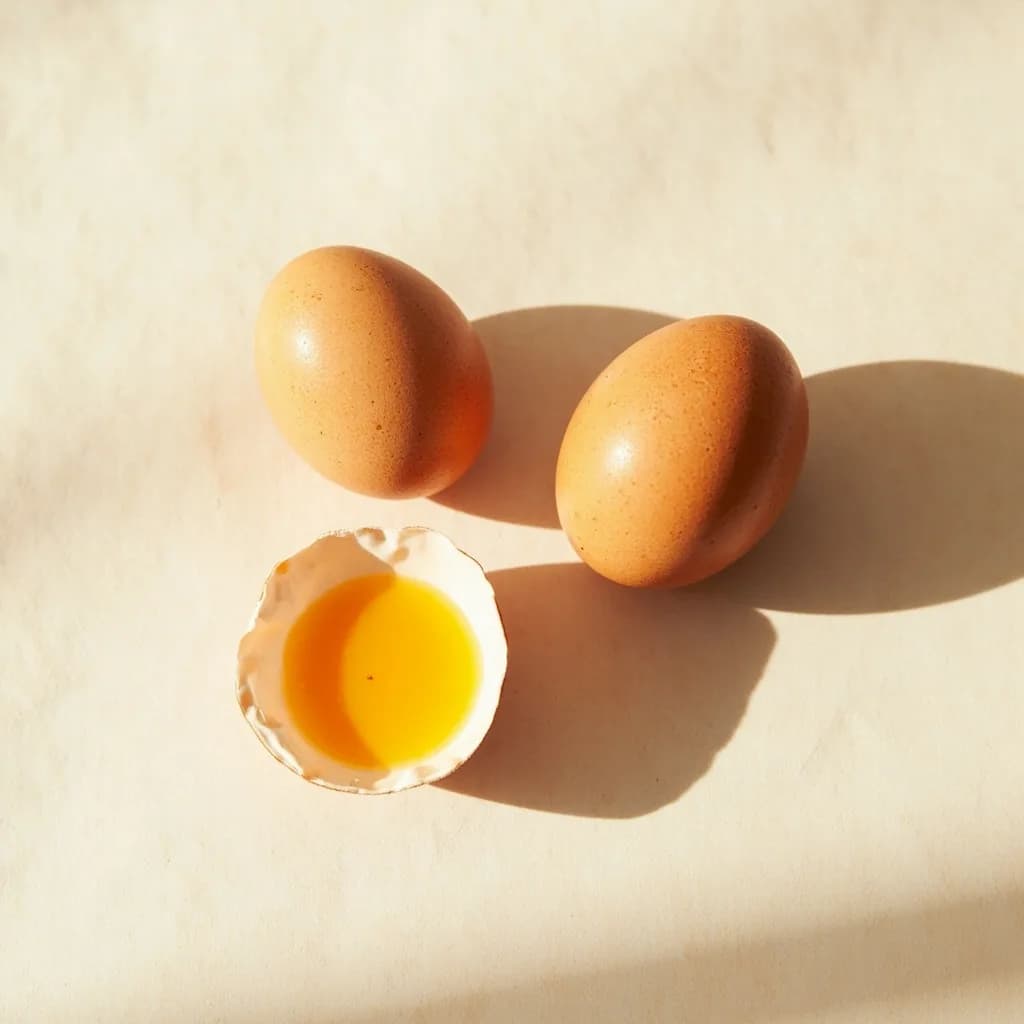
Egg
The kitchen's everything ingredient — bind, leaven, enrich, or fry
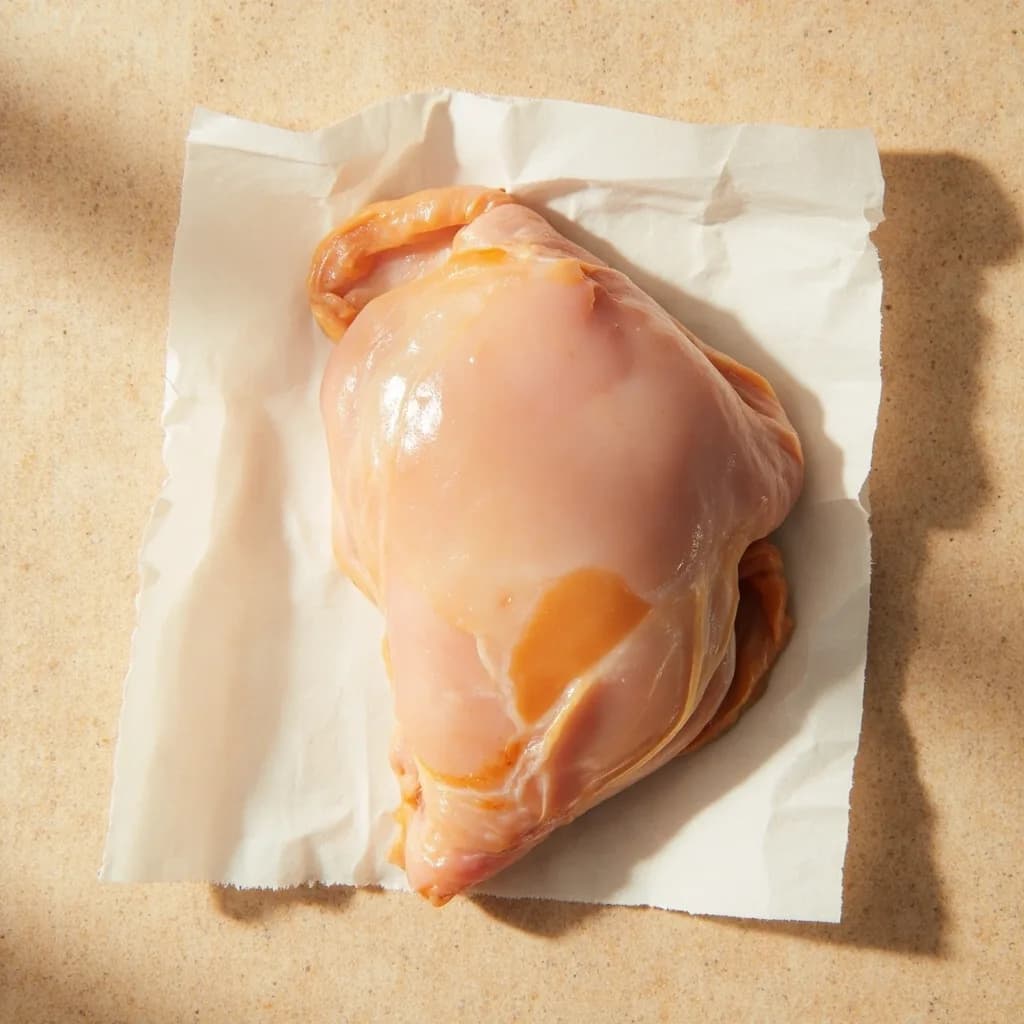
Chicken Breast
Lean, quick-cooking white meat for everyday dinners

Ground Beef
Versatile minced beef for burgers, ragù, tacos, and meatballs
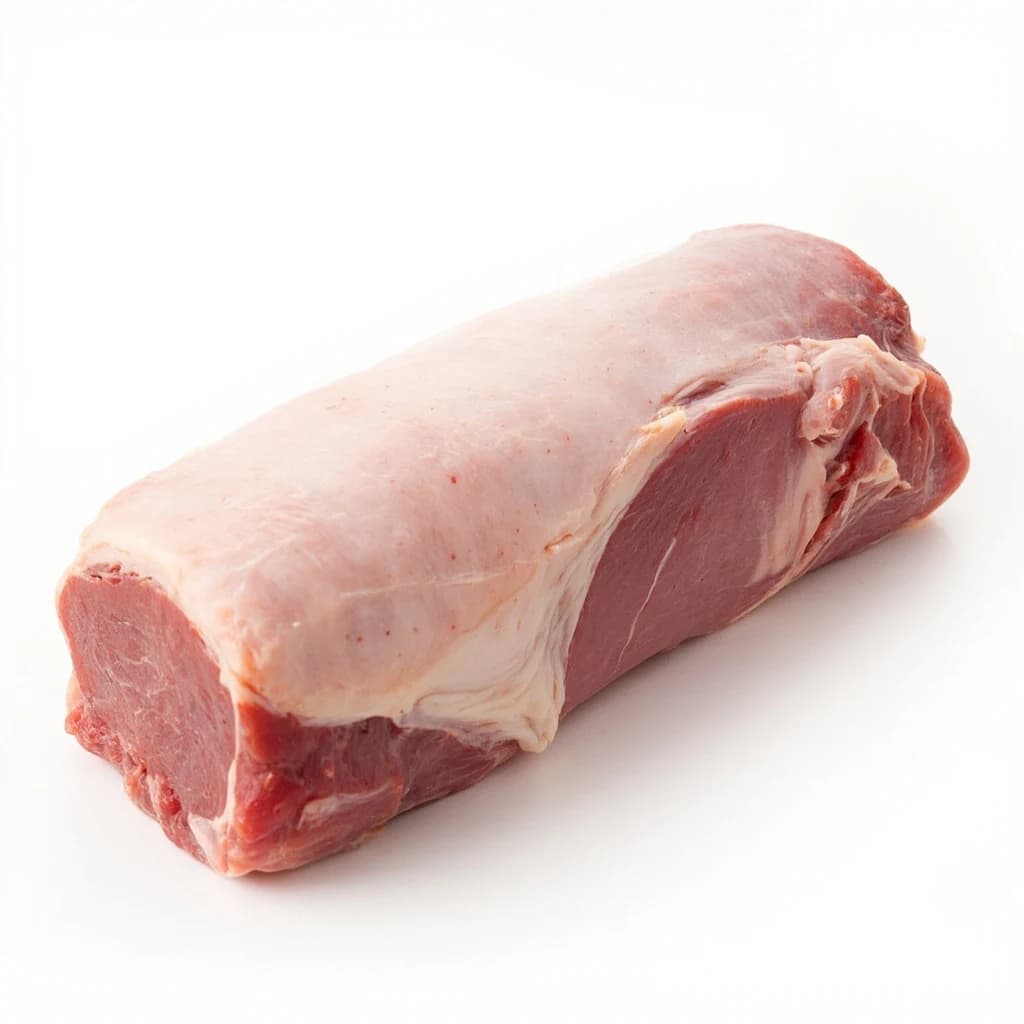
Pork Loin
Lean, tender roasting cut that stays juicy with care
Salmon
Rich, rosy fish that roasts, grills, or cures beautifully

Egg White
Pure protein that whips to airy peaks for meringue and more
Egg Yolk
Rich, golden yolk for custards, mayonnaise, and pasta

Quail Egg
Tiny, speckled eggs for garnishing and elegant bites