Proteins
Ground Pork
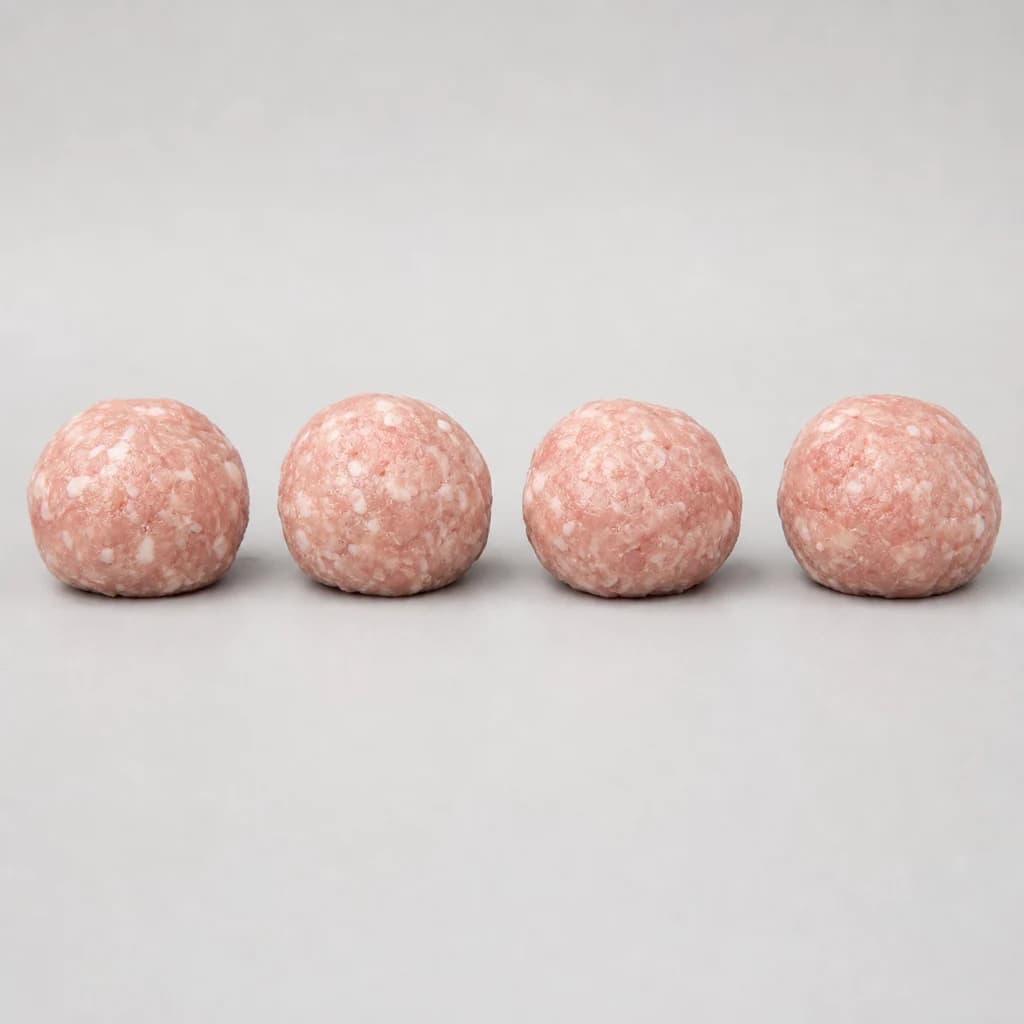
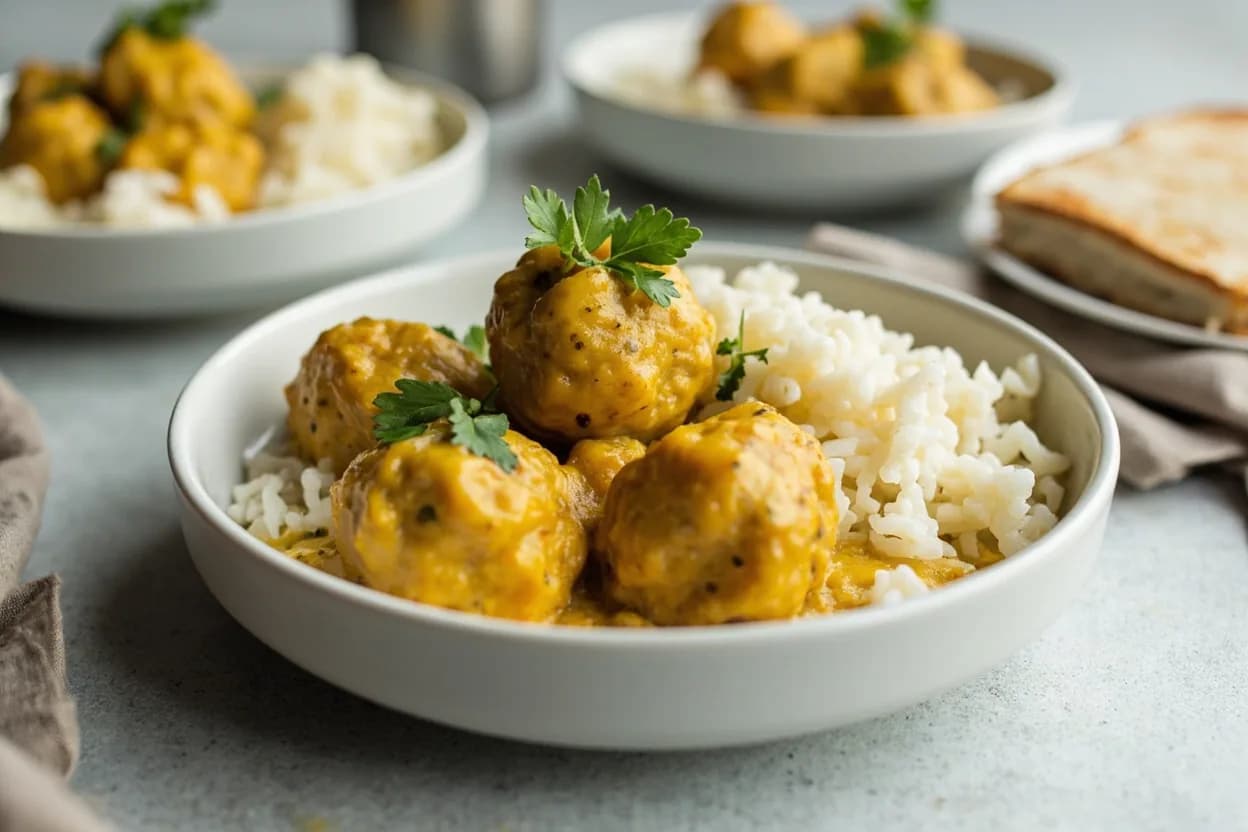
Minced pork, the versatile base for dumplings, meatballs, ragùs, and braised rice toppings.
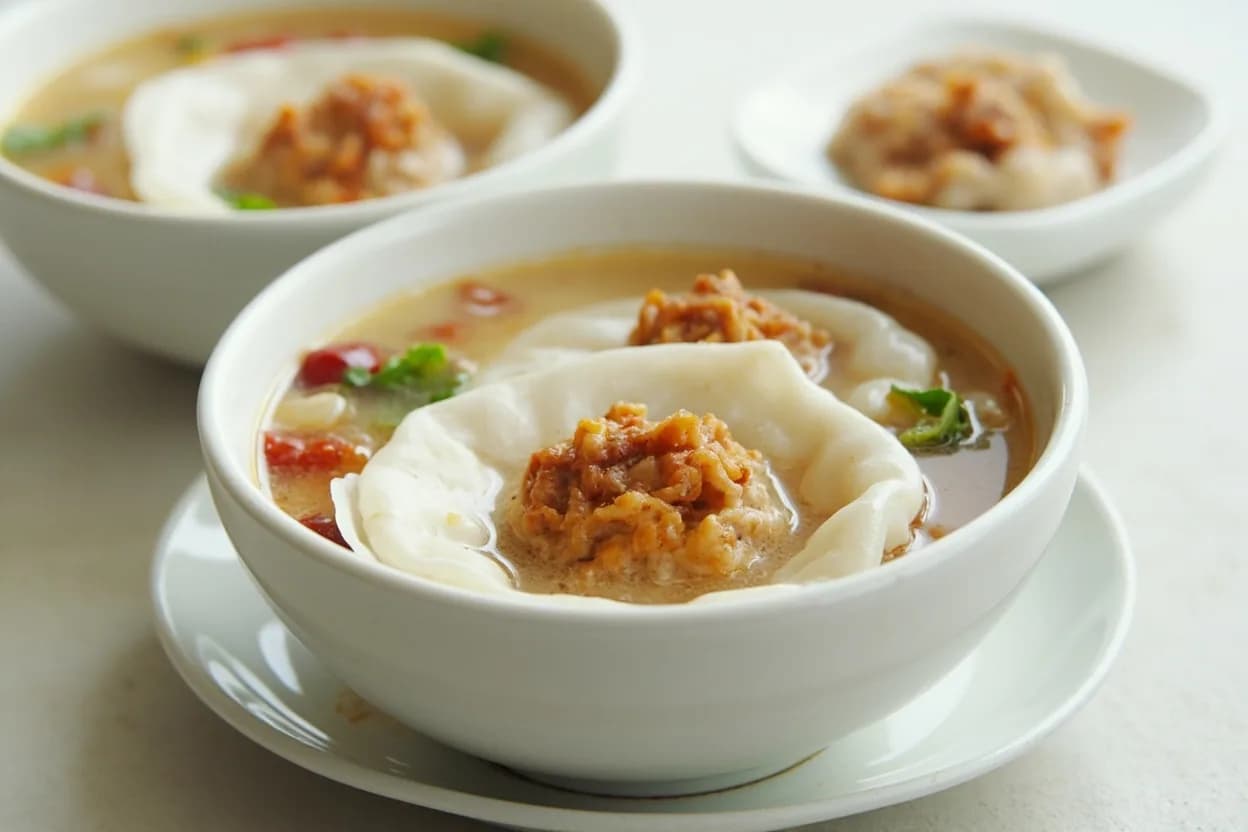
Ground pork is pork meat (often shoulder) run through a mincer, valued for its fat content that keeps dishes juicy. It is the workhorse protein for dumplings, wontons, meatballs, Italian ragù, and Taiwanese lu rou fan (braised minced pork over rice). It browns well and readily absorbs marinades and aromatics.
Ground pork is pork shoulder or butt that has been coarsely or finely minced, and it is one of the most adaptable proteins across global cuisines. The fat-to-meat ratio is paramount—fat carries flavor and keeps the meat juicy during cooking, while lean pork dries out quickly and loses its characteristic richness. Standard ground pork runs 80/20 (meat to fat), but higher fat content (70/30) is essential for juicy dumplings and meatballs where the pork is the centerpiece rather than a background player.
Freshly ground pork from a trusted source with visible fat and a pinkish-red color will outperform pre-packaged varieties, which often contain added water, binding agents, or excess liquid that dilutes flavor and ruins texture in applications like meatball mixtures. The mild, slightly sweet porky flavor absorbs seasonings well, making it the foundation for everything from Italian ragù to Chinese jiaozi to German bratwurst. Control heat carefully when cooking—enough to render the fat and build fond, but not so high that the lean proteins seize before the fat melts.
- Measured in
- g
- Storage
- Refrigerate
- Shelf life
- 2 days
Find it in
Types & varieties
All-purpose blend for most applications; balanced fat for browning and moisture retention
Lower fat; works in healthier preparations but can dry out if overcooked
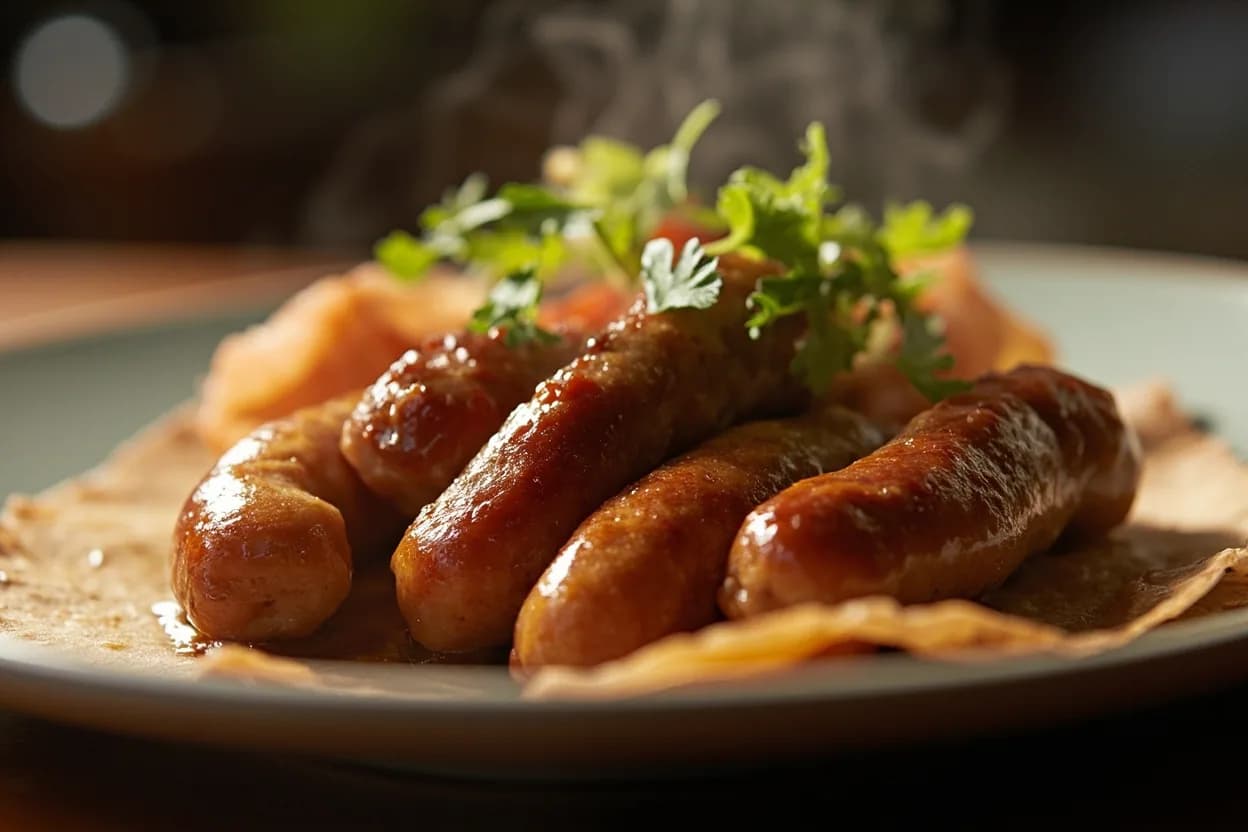
Pre-seasoned with salt, pepper, and often fennel, sage, or paprika; casings removed or left on
Coarsely ground with visible fat; seasoned with garlic, fennel, and red pepper flakes
70/30 or higher fat content; sold at Chinese and Southeast Asian markets for dumplings and stir-fries
Cured, very fatty pork back-fat used in Italian cooking; not interchangeable with fresh ground pork
The Fat Question
Fat content determines everything in ground pork. At 80/20, you have enough fat to brown properly, stay juicy in sauces, and bind into meatballs without becoming dense. Leaner blends (85/15 or 90/10) work when the pork is a supporting player—scattered over fried rice, mixed with cabbage in dumplings—but will disappoint in any dish where the meat is the star. For dumplings, meatballs, or meatloaf, specifically request 70/30 fat content from your butcher or Asian market. The fat melts during cooking, keeping the interior succulent and preventing the exterior from overcooking before the center is done.
- 80/20 is the baseline for versatility
- 70/30 produces superior dumplings and meatballs
- Lean blends work when pork is a supporting ingredient, not the star
- Higher fat content forgives overcooking
Sourcing Fresh Ground Pork
The difference between freshly ground pork and pre-packaged is significant. When pork is ground in-house at a butcher shop or supermarket, it has no added water, binding agents, or stabilizers. Pre-packaged ground pork often contains added liquid, which dilutes flavor and causes meatballs to fall apart and dumplings to weep steam and make the wrappers soggy. Always smell the pork before buying—it should smell clean and faintly sweet, never sour, sulfuric, or ammonia-like. If your source doesn't grind daily or you can't smell the pork before purchase, ask when it was ground.
- Smell test: clean, faintly sweet, no sourness
- Ask your butcher what cut they use and when it was ground
- Pre-packaged pork may contain added water and binding agents
- Asian markets often carry higher-fat fresh ground pork ideal for dumplings
Common uses
Tips & pitfalls
- Choose 80/20 or higher fat content for dumplings—fat keeps the filling juicy and prevents the wrapper from becoming soggy during steaming or boiling
- For meatballs and meatloaf, handle minimally—overworking compresses the proteins and yields dense, tough results
- Season with salt 10–15 minutes before cooking (or the night before for large batches) to allow proteins to properly hydrate and bind
- When browning for sauces, use medium-high heat and resist stirring too often—contact with the pan surface develops fond for deeper flavor
- Partially freeze pork for 30 minutes before grinding at home for cleaner, more consistent results
- For fresh sausage-making, cold temperatures are essential—chill meat, equipment, and your hands to prevent fat from smearing
- Rest cooked ground pork dishes for 5 minutes before serving to allow carryover cooking and juices to redistribute
- Common mistake: adding pork to cold oil and cooking on low—you want the fat to render and the protein to brown, not steam
- Common mistake: using pre-packaged ground pork for dumplings without draining excess liquid during assembly
Nutrition
Energy
1100 kJ · per 100 g
Where the calories come from
Protein
16.9g
34% DV
Carbs
0g
0% DV
Fat
21.2g
27% DV
Fiber
0g
0% DV
Sodium
56mg
2% DV
Source · USDA FoodData Central · Pork, fresh, ground, raw
View on FDC →In the shops
Matched grocery products
 €2.20
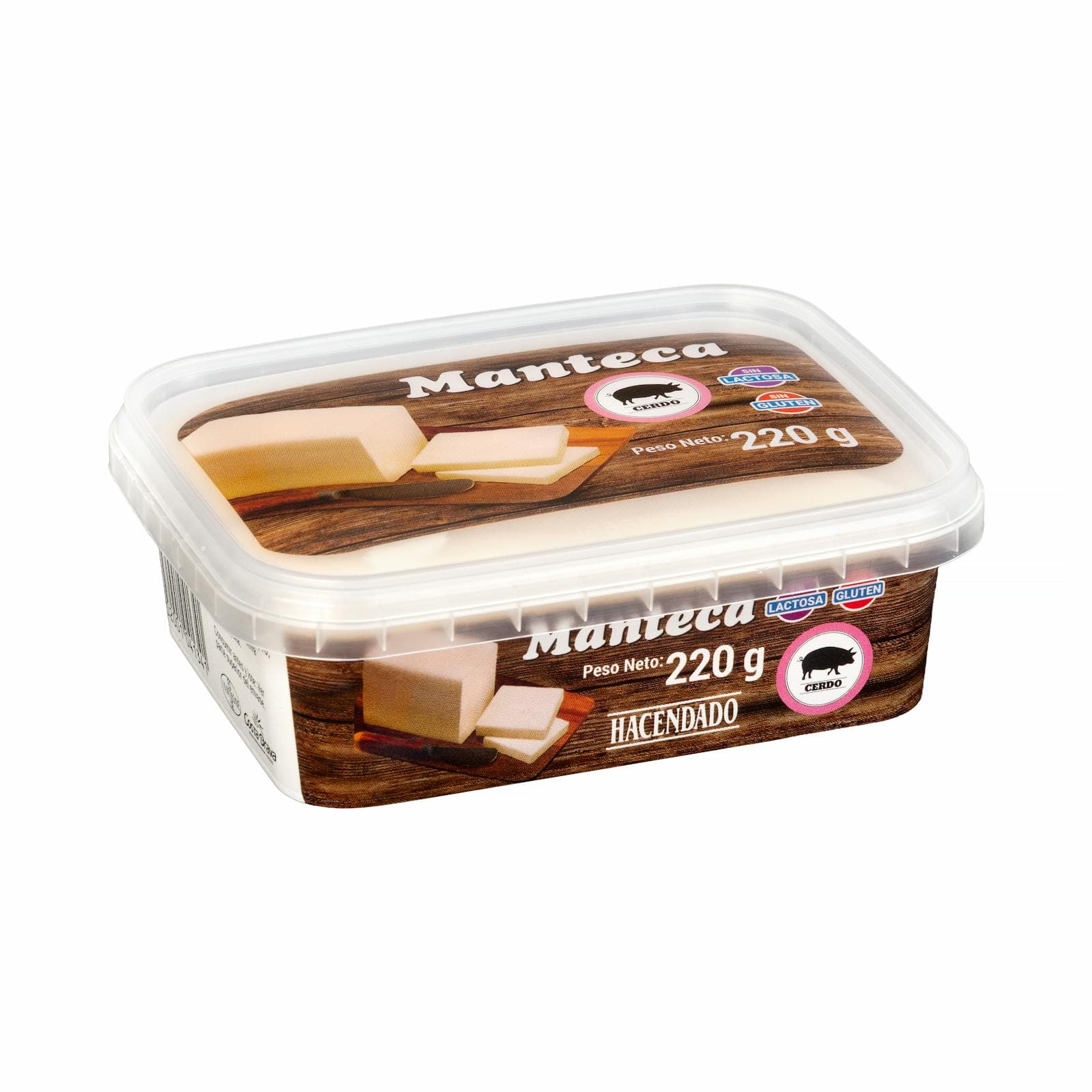
€2.20Pork Lard
Hacendado · 220 g · Mercadona
 €3.40
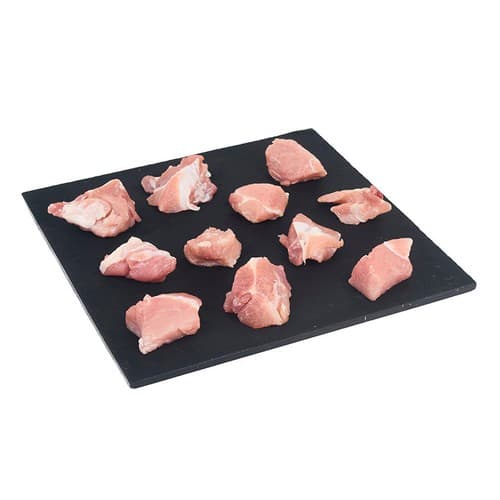
€3.40Pork Stew
BONPREU · ud · Bonpreu
 €3.45
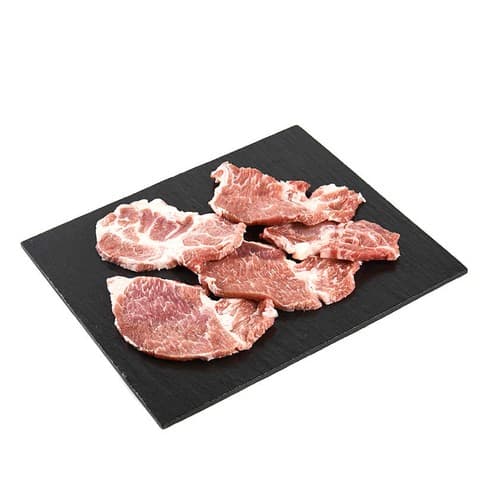
€3.45Lean Pork
BONPREU DE L'ERA · ud · Bonpreu
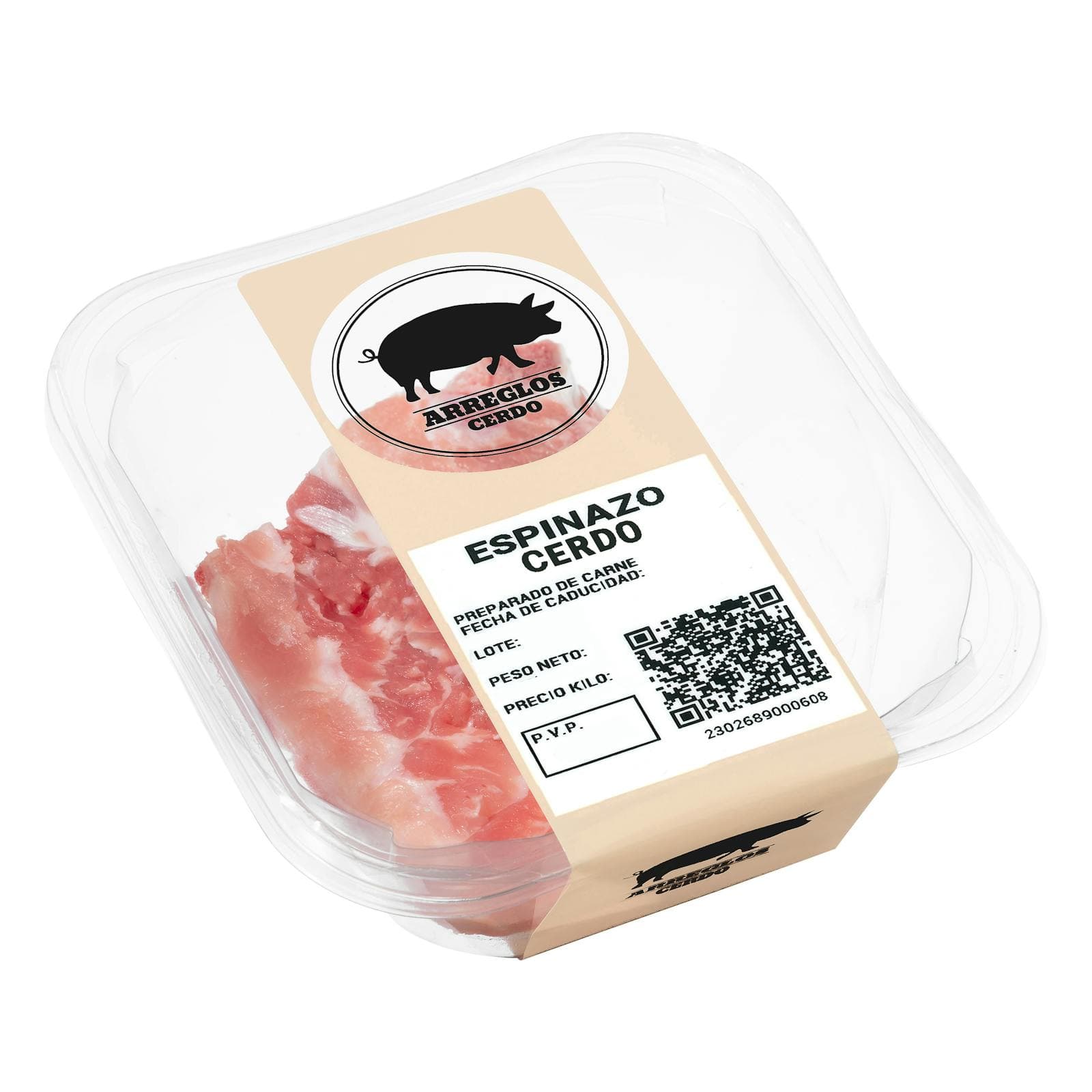 €2.10
€2.10Pork Spine
300 g · Mercadona
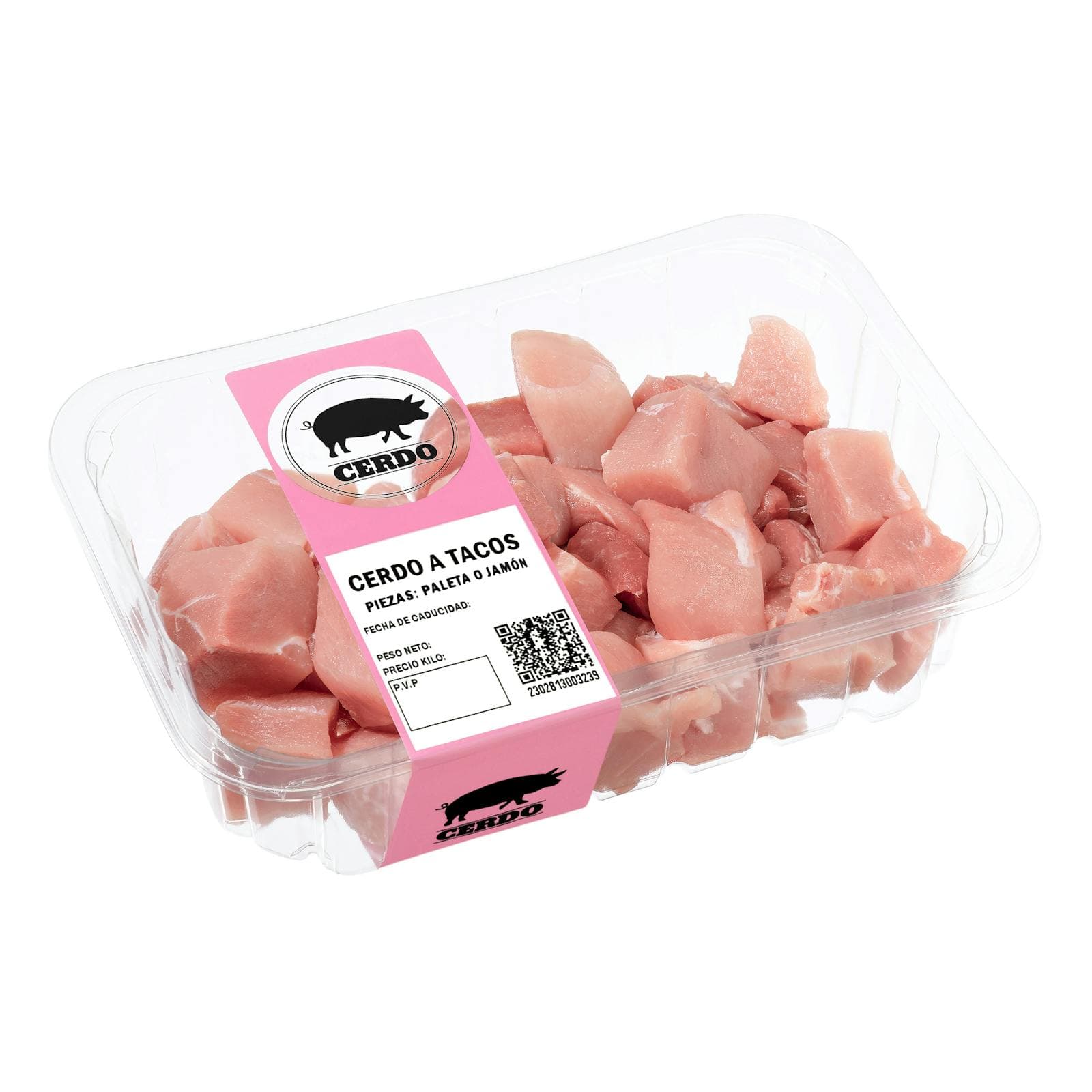 €3.22
€3.22Diced Pork
560 g · Mercadona
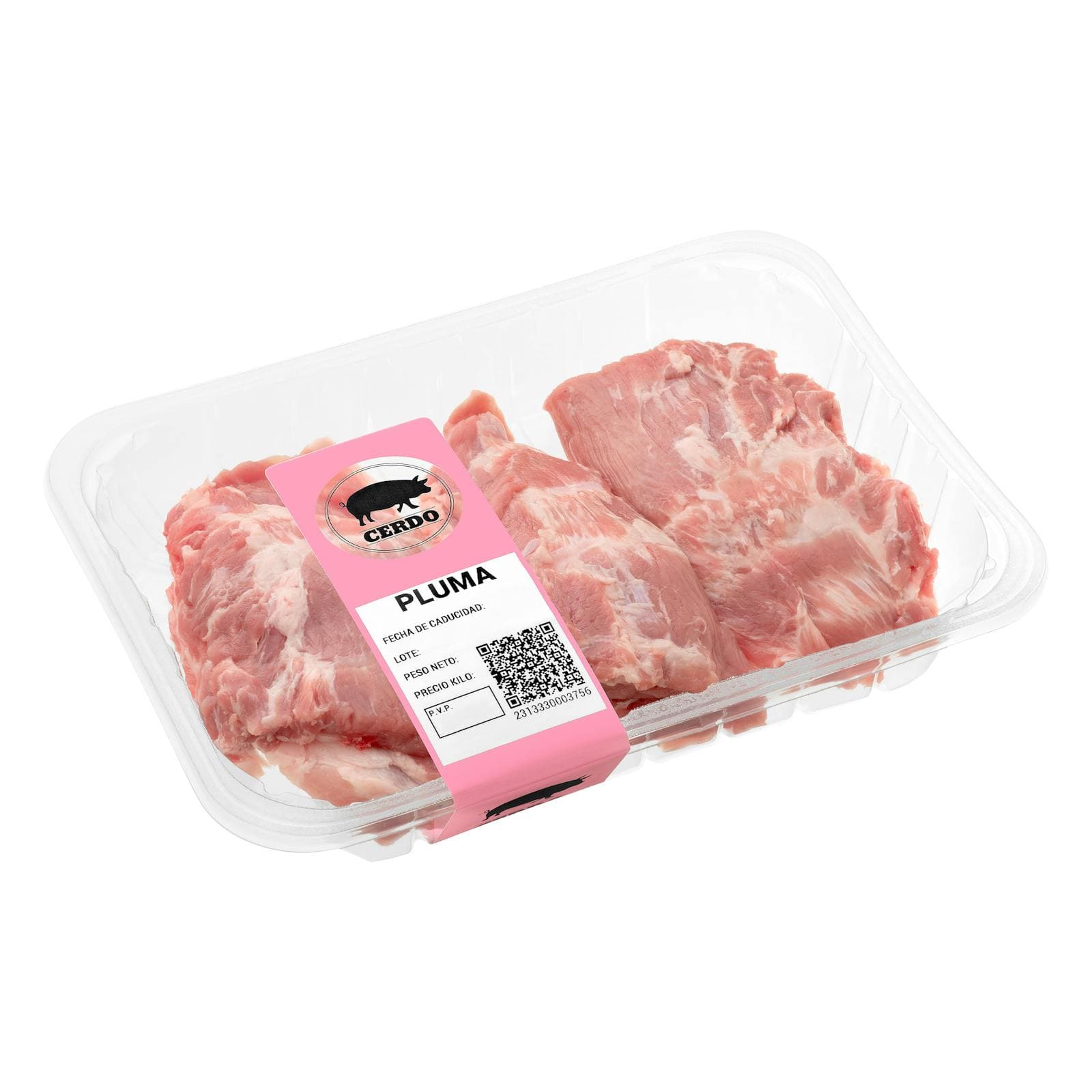 €3.75
€3.75Pork Pluma
300 g · Mercadona
Good to know
- Typical Source
- Pork shoulder or butt, 20–30% fat content standard; fat content determines most cooking properties
- Standard Grind Sizes
- ⅛ inch (3mm) for general use; ¼ inch (6mm) for chunkier applications like sausage or Bolognese
- Color When Fresh
- Pinkish-red with white fat flecks; gray-brown when oxidized or past peak
- Flavor Profile
- Mild, slightly sweet, porky; fat carries the majority of flavor and succulence
- USDA Safe Minimum
- 160°F (71°C) internal temperature for ground pork; fattier blends are more forgiving than lean proteins
- Refrigerated Shelf Life
- 1–2 days from purchase date; use-by date starts from packaging, not grinding date
- Frozen Shelf Life
- 3–4 months at 0°F (-18°C); wrap tightly to prevent freezer burn and flavor transfer
- Yield After Cooking
- Approximately 70–75% weight retention; fat renders down significantly, reducing volume
Substitutes
- Ground Turkey — Leaner (often 93/7); add 1 tablespoon neutral oil per pound and avoid overcooking to prevent dryness; flavor is milder
- Ground Chicken Thigh — Similar fat content to pork shoulder; best dark-meat substitute with comparable richness and texture
- Ground Beef (80/20) — Different flavor profile (beefy vs. porky); acceptable in most savory applications; cook to 160°F for safety
- Italian Sausage (casings removed) — Pre-seasoned with fennel and spices; adds flavor but must account for seasoning when adding to dishes
- Ground Lamb — Similar fat content; stronger flavor—use in Mediterranean or Middle Eastern applications rather than Asian or Italian
Pairs with
Also called
minced pork · pork mince · carne picada de cerdo · picada de cerdo · carn picada de porc · Minced Braised Pork · 滷肉
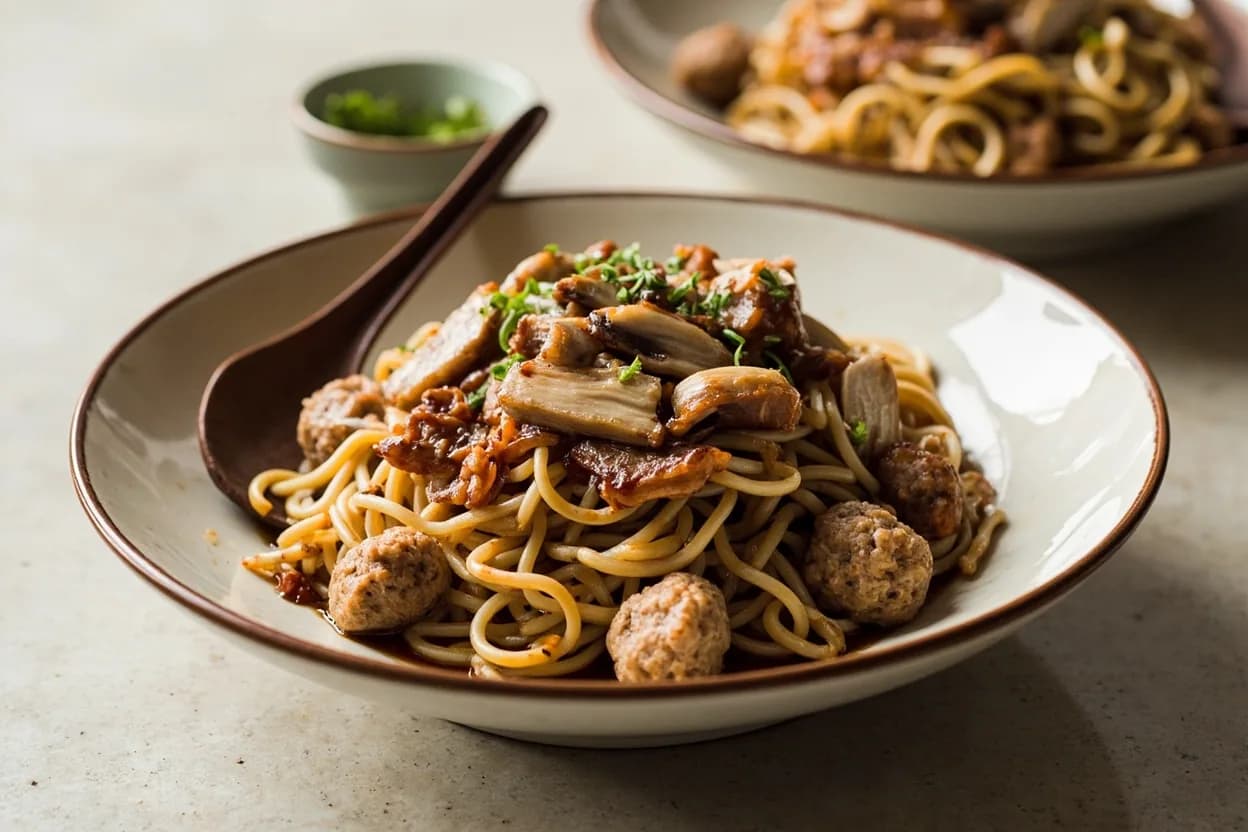
Appears in these dishes
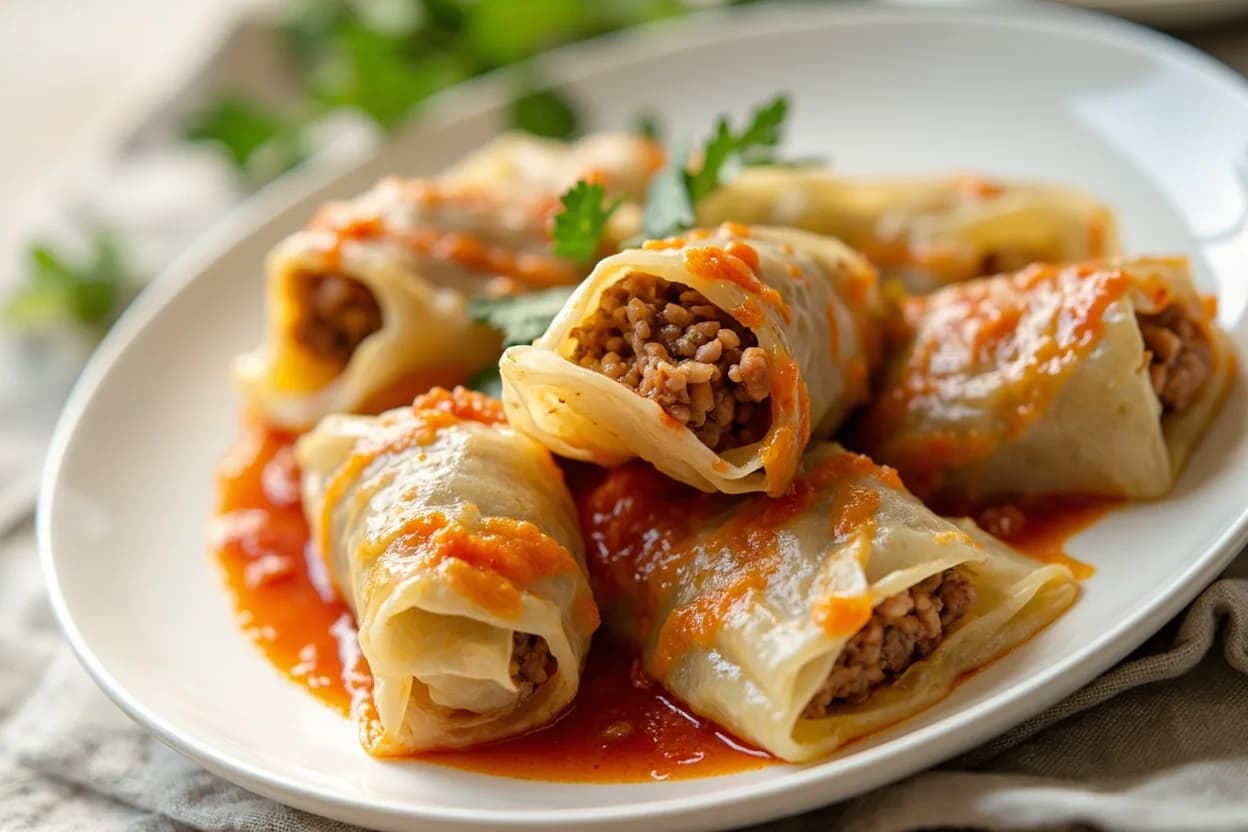
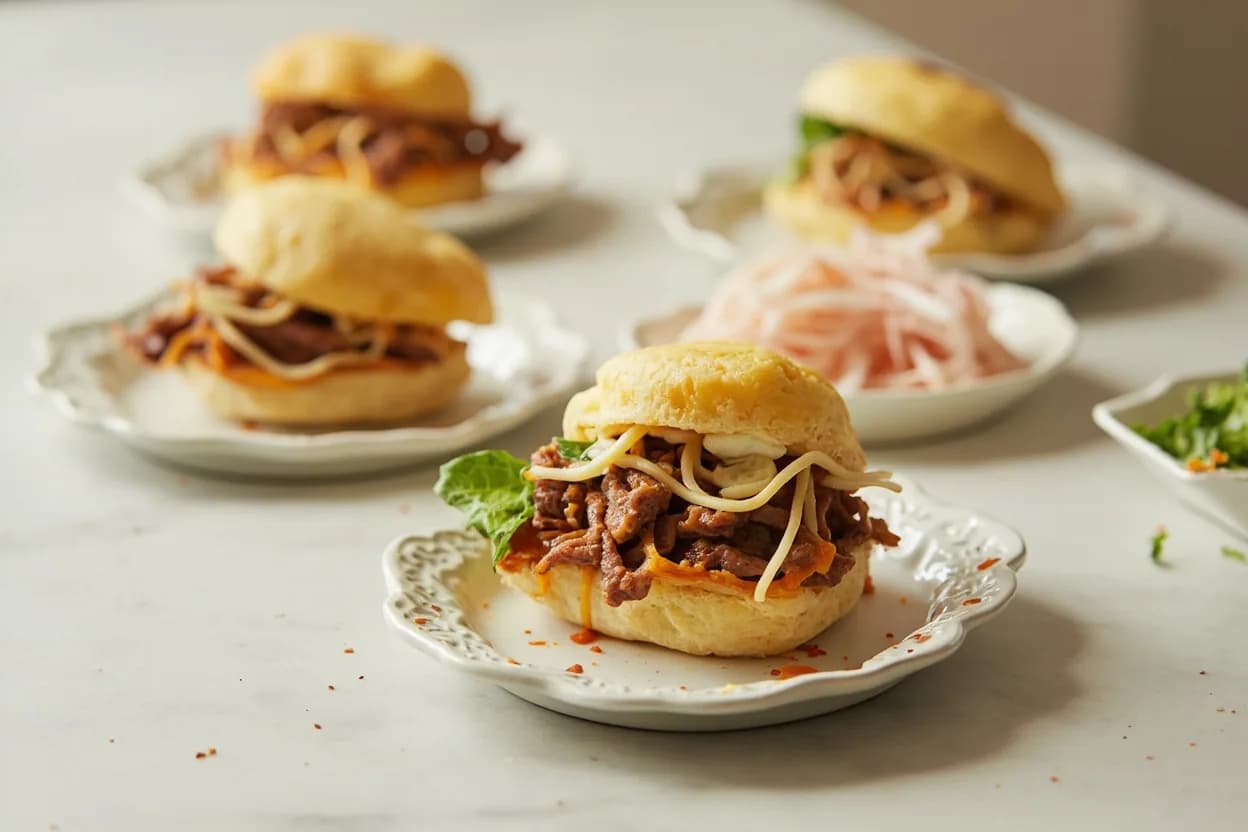
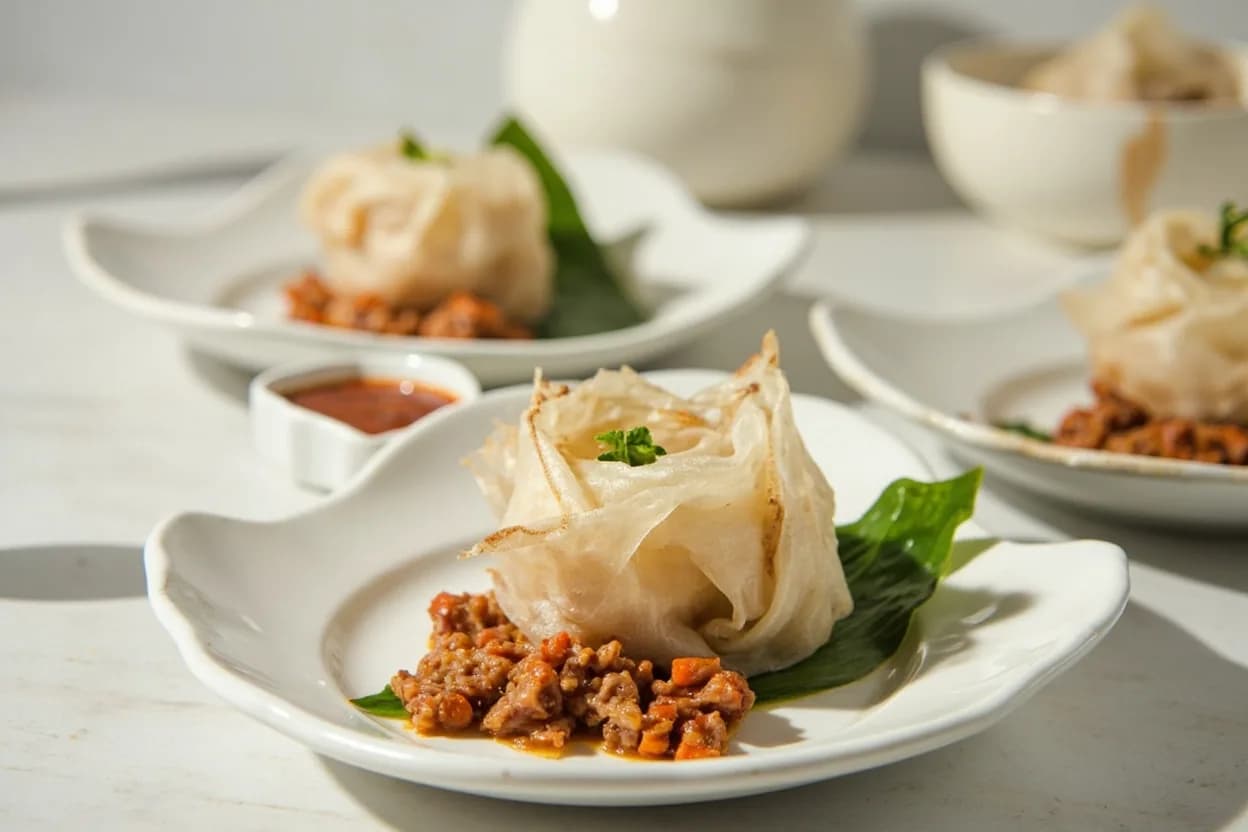
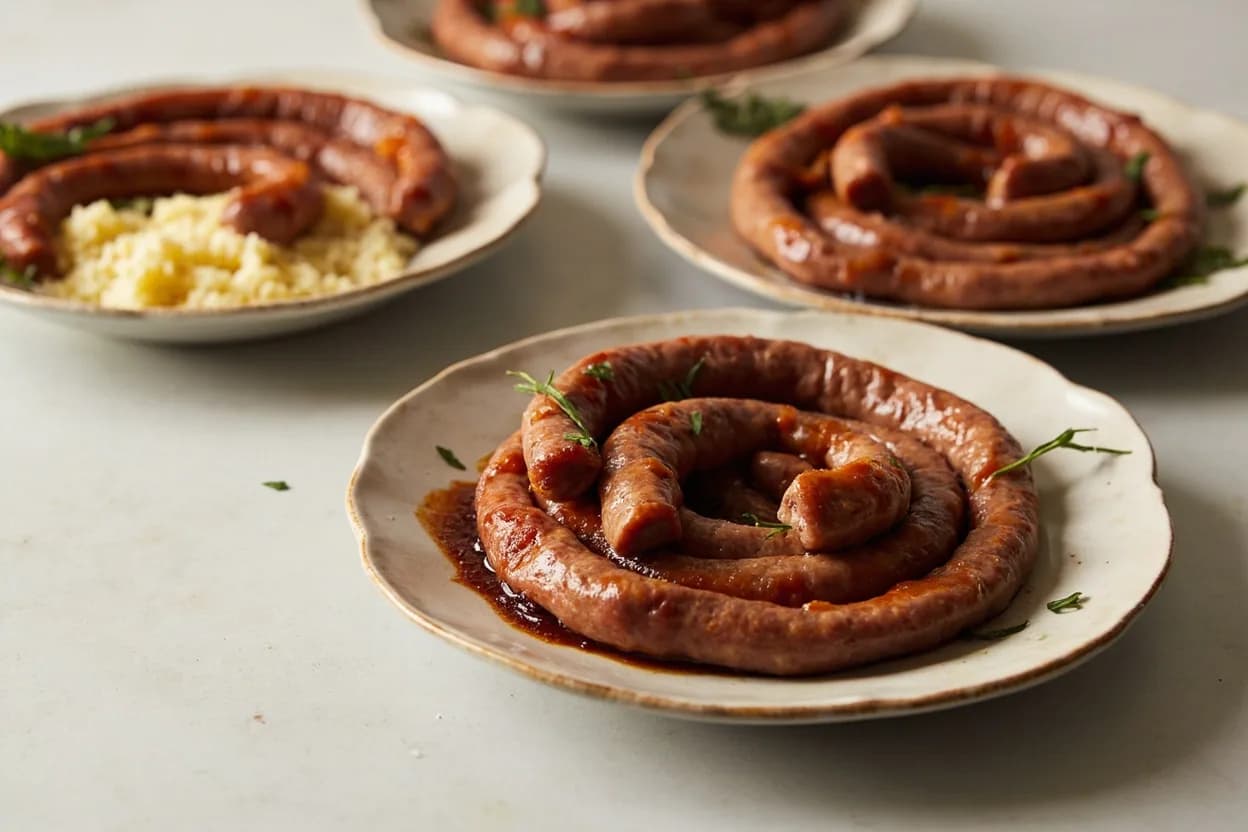
Related
Egg
The kitchen's everything ingredient — bind, leaven, enrich, or fry
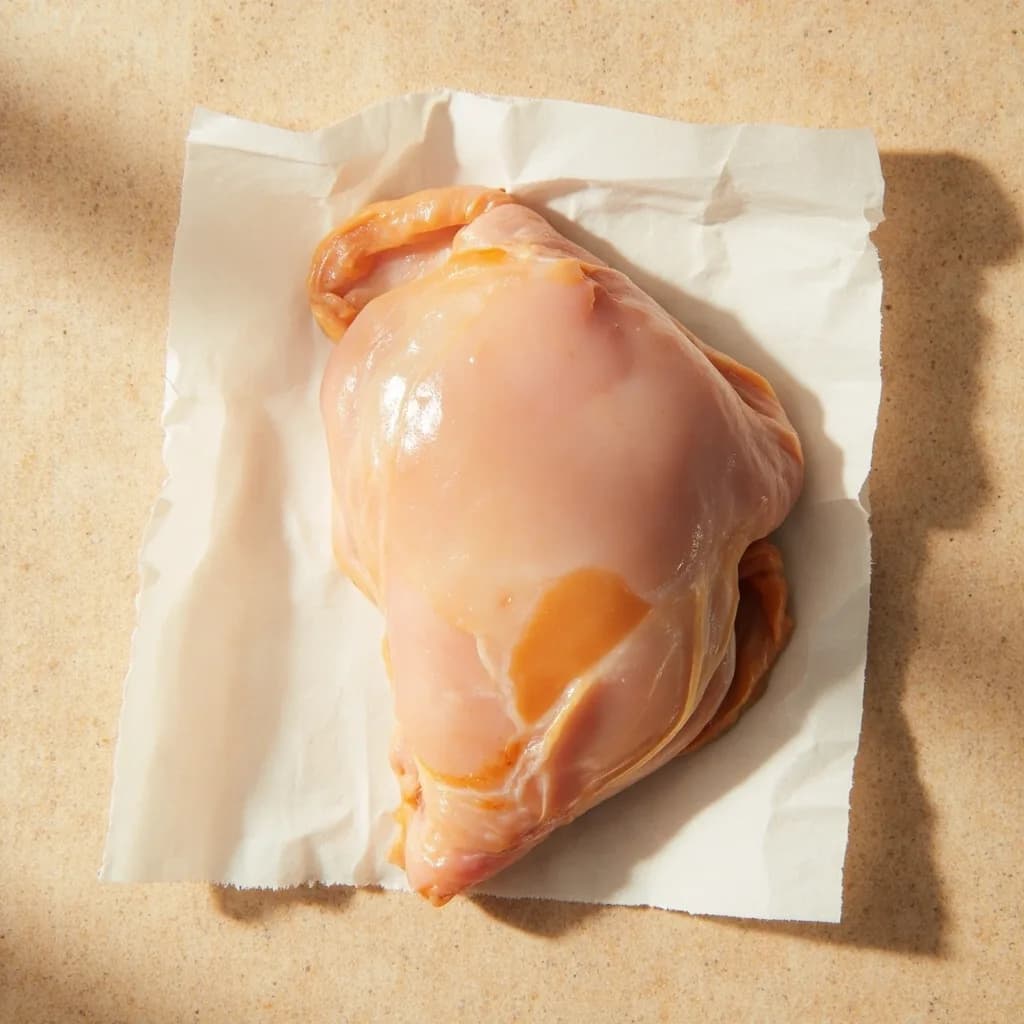
Chicken Breast
Lean, quick-cooking white meat for everyday dinners

Ground Beef
Versatile minced beef for burgers, ragù, tacos, and meatballs
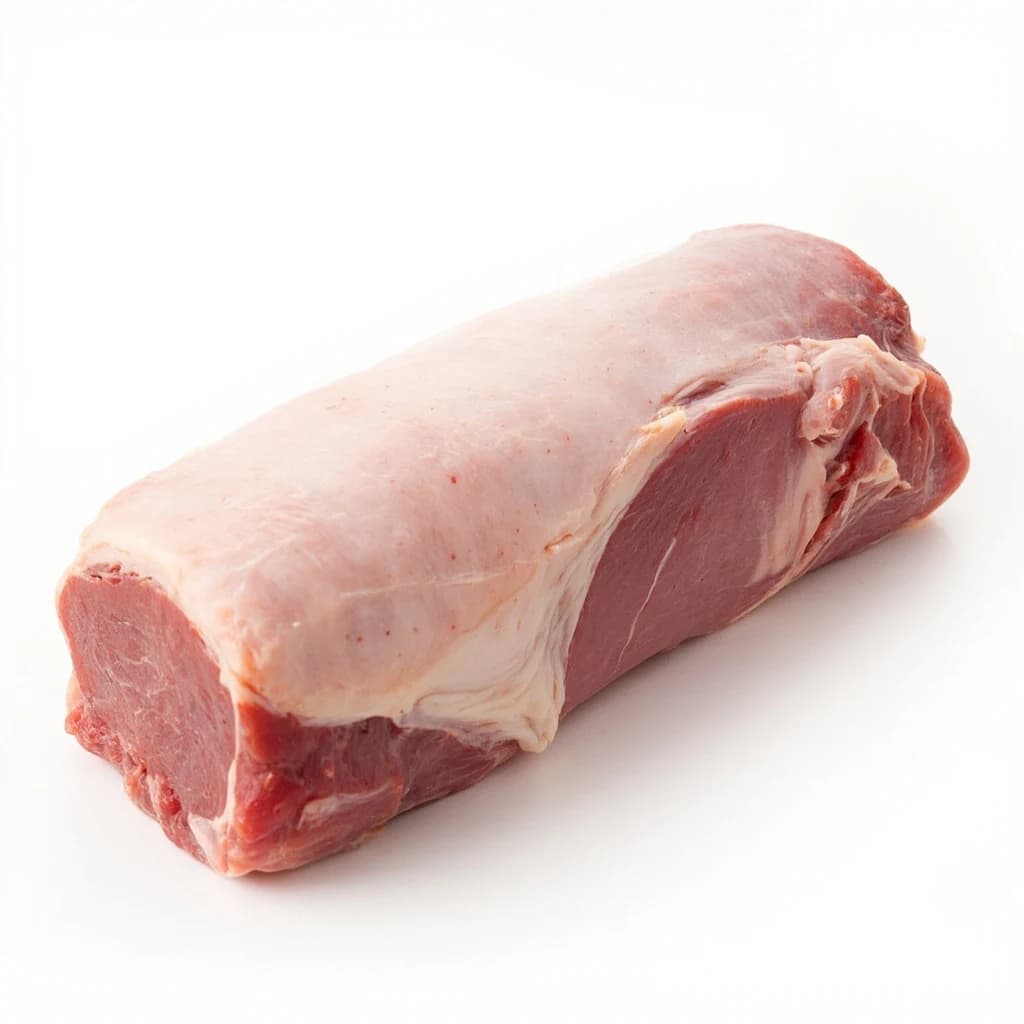
Pork Loin
Lean, tender roasting cut that stays juicy with care
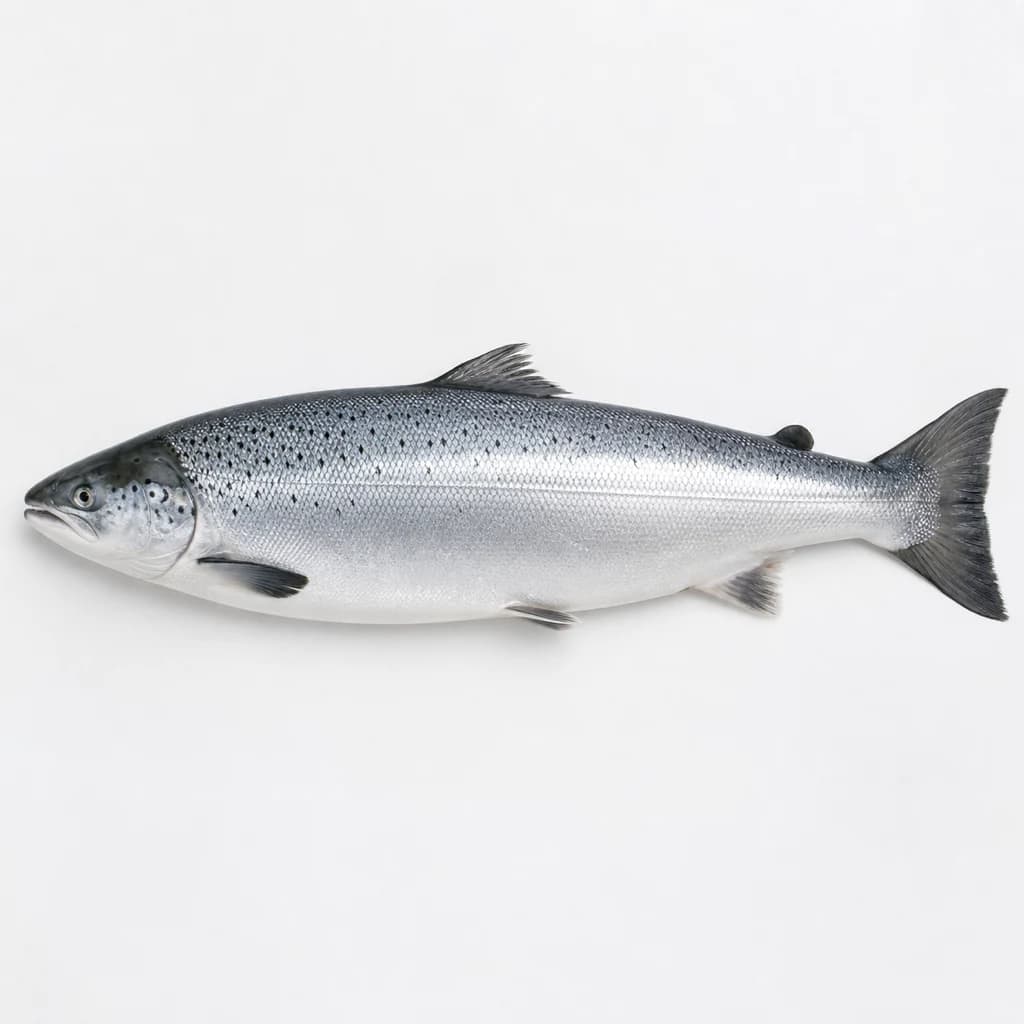
Salmon
Rich, rosy fish that roasts, grills, or cures beautifully

Egg White
Pure protein that whips to airy peaks for meringue and more
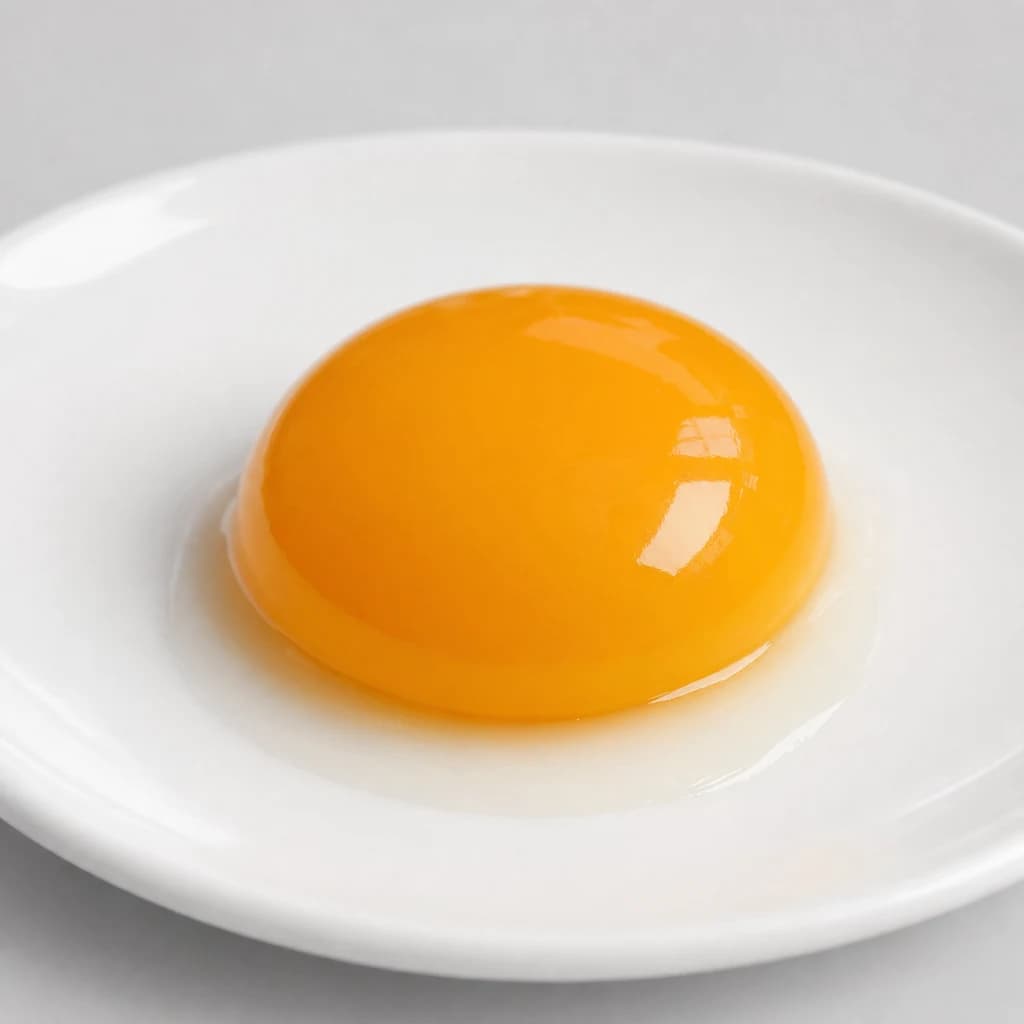
Egg Yolk
Rich, golden yolk for custards, mayonnaise, and pasta

Quail Egg
Tiny, speckled eggs for garnishing and elegant bites