Proteins
Salo (Cured Pork Fat)
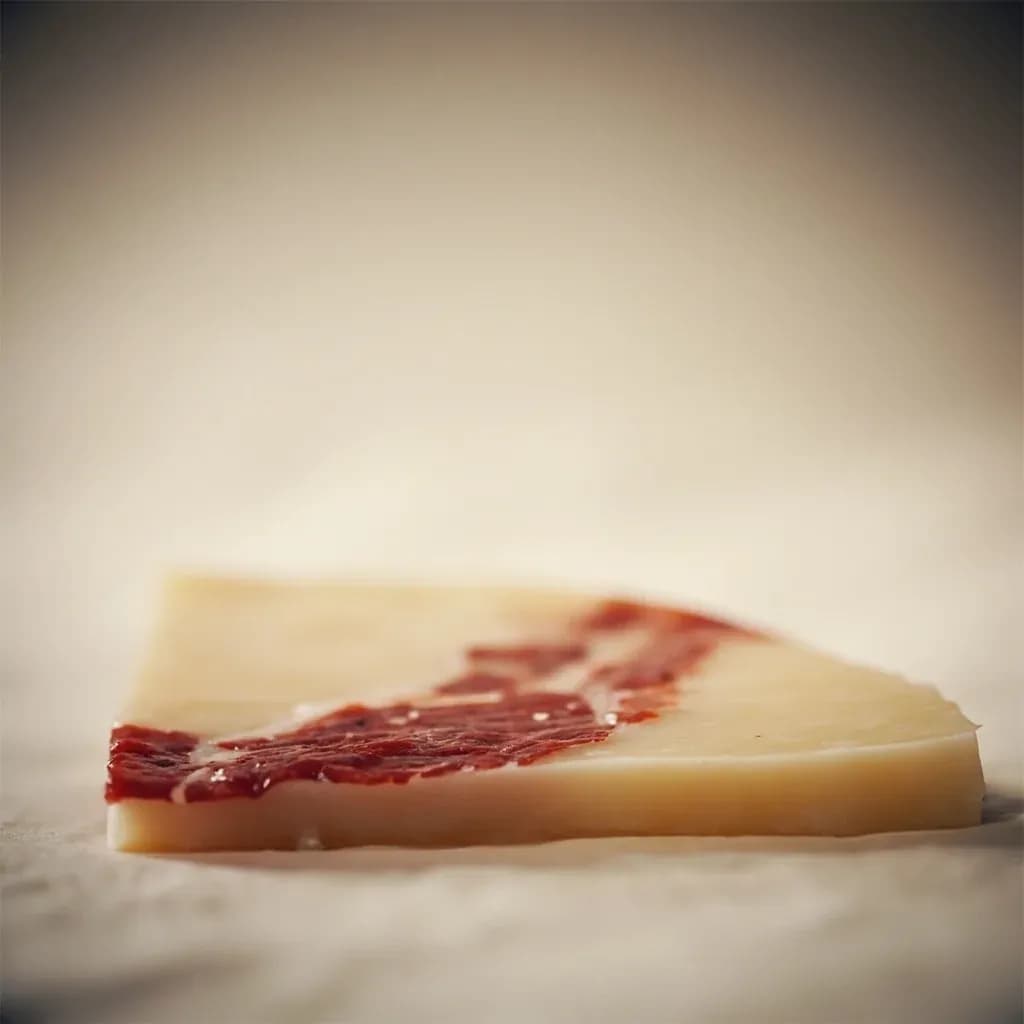
Slabs of salt-cured pork back fat, sliced thin on rye bread or rendered for cooking in Eastern Europe.
Salo is cured slabs of pork back fat, a traditional food across Ukraine, Russia, the Baltics, and the Balkans, salted and sometimes seasoned with garlic and pepper or smoked. It is eaten raw in thin slices on dark rye bread, often with garlic and pickles, or diced and rendered to fry other foods. Firm and rich, it carries a clean, savory pork flavor and was historically prized as a high-energy staple.
Salo is a traditional Eastern European salt-cured pork fat, primarily from the back of the pig, that has been a dietary staple across Ukraine, Russia, Belarus, Poland, Romania, and Lithuania since at least the 16th century. Unlike bacon or pancetta, salo is not smoked and relies solely on dry salt curing—sometimes with garlic, black pepper, or bay leaves—to develop its character. The result is a slab of firm, white-to-cream fat that ranges from sliceable-soft when young-cured to firm and intensely flavored when aged for several weeks.
In Eastern European cuisine, salo occupies a position of genuine reverence: it appears in folklore, served as a zakuska alongside vodka, and historically functioned as a preserved fat source in climates where refrigeration was unavailable. The raw fat is roughly 90% lipid and renders down to approximately 80% of its weight as shmaltz, making it a productive source of cooking fat. Its fat composition—approximately 45% oleic, 25% palmitic, and 15% stearic acids—gives it a moderate saturation profile and a smoke point suitable for frying when properly rendered.
When sliced thin (nearly translucent), quality salo should be tender and almost melt on the tongue; thick cuts become chewy and unpleasantly rich. The thin meat layer sometimes left attached on one side adds authenticity and textural variety. Beyond the raw cured slab, salo transforms into shmaltz through slow rendering, yielding a deeply savory cooking fat that anchors dishes from fried potatoes to borscht. Whether served on dark rye with garlic or used as a functional cooking fat, salo is not a bacon substitute or a lard alternative—it is its own ingredient with specific cultural identity and culinary purpose.
- Measured in
- g
- Storage
- Fridge
Types & varieties
Plain salt-cured, no added spices; the baseline variety against which all others are measured
Cured with garlic; the most common flavored variety in Ukraine and Russia
Cured with black peppercorns; added bite, traditional in western Ukraine
Smoked variant; technically a separate product with distinctly smoky flavor not present in true salo
Wet-cured in brine rather than dry-salted; shorter cure time, lighter flavor profile
Cured 3–5 days; pale, soft, mild; intended for immediate use
Aged 3–6 weeks; firmer, deeper yellow tint, more concentrated flavor
Selecting and Storing Salo
Quality salo should be firm, white to cream-colored, and odorless when fresh. Slight yellowing in aged varieties indicates depth of flavor and is acceptable. Avoid any slab with off-odors, pronounced yellowing beyond the expected age, or surface slime. The skin side should be scraped clean but the thin meat layer, if present, may be left for authenticity. After opening, always refrigerate salo wrapped tightly or sealed in a container. For longest storage, freeze in portions—properly wrapped frozen salo keeps 6+ months with no loss in quality for cooking purposes.
- Look for firm, white-to-cream colored fat without yellowing, off-odors, or slime
- Slight yellowing in aged varieties is acceptable and indicates depth of flavor
- Always refrigerate after opening; freeze for storage beyond 4 weeks
- Source from Eastern European butcher shops, Russian/Ukrainian grocery stores, or specialty mail-order suppliers
Rendering Shmaltz from Salo
Shmaltz is the rendered fat of pork—distinct from chicken schmaltz, though both serve similar culinary roles in Eastern European cooking. Render slowly to preserve flavor and achieve a clean, golden fat. High heat scorches the protein impurities and ruins the taste. The fat can be seasoned during rendering: add fried onions for onion shmaltz, diced apples for subtle sweetness, or bay leaves for aromatic depth. Strain through fine mesh or cheesecloth into clean jars. Properly rendered shmaltz, when strained and stored in sealed containers refrigerated, keeps for several weeks without going rancid. Discard any batch that smells off or shows discoloration.
- Use medium-low heat (150–160°C) and render slowly for 45–90 minutes
- Add a tablespoon of water to the pot when first rendering to prevent exterior browning before interior melts
- Strain through fine mesh or cheesecloth; store in sealed jars refrigerated
- Season during rendering with fried onions, apples, or herbs for flavored cooking fats
Common uses
Tips & pitfalls
- Use a very sharp knife or deli slicer; salo must be sliced thin—nearly translucent—to be palatable; thick cuts are chewy and unpleasantly fatty
- Briefly freeze salo (30–45 minutes) before slicing to firm it up for cleaner, thinner cuts
- Do not confuse salo with bacon or pancetta—they are cured differently, have different textures, and salo is not smoked
- Work quickly once the slab firms up in the freezer; overly frozen salo becomes too hard and difficult to slice evenly
- The skin side should be scraped clean but the thin meat layer (if present) may be left—it adds authenticity and textural variety
- When rendering shmaltz, add a tablespoon of water to the pot initially to prevent the exterior from browning before the interior melts
- Common mistake: serving raw salo too thick—it becomes a chewy rubbery slab rather than the melting, delicate texture proper thin-sliced salo delivers
- Look for firm, white-to-cream colored fat without yellowing, off-odors, or slime; slight yellowing in aged varieties is acceptable
- Classic accompaniments are not optional—garlic, rye bread, and pickles are integral to the traditional experience; serve them together
- Strain rendered shmaltz through fine mesh or cheesecloth; store refrigerated and discard any batch that smells rancid or shows discoloration
Nutrition
Energy
2423 kJ · per 100 g
Where the calories come from
Protein
5.7g
11% DV
Carbs
0.1g
0% DV
Fat
61.4g
79% DV
Fiber
0g
0% DV
Sugars
0g
of which
Sodium
505mg
22% DV
Source · USDA FoodData Central · approx. Pork, cured, separable fat (from ham and arm picnic), unheated
View on FDC →In the shops
Matched grocery products
No matched grocery products for Salo (Cured Pork Fat) yet.
Good to know
- Origin
- Ukraine, Russia, Belarus, Poland, Romania, Lithuania; documented in Eastern Europe since at least the 16th century
- Primary Cut
- Pork back fat (lardo), sometimes with thin meat layer attached
- Curing Method
- Dry salt cure, typically 3–14 days; sometimes with garlic, black pepper, bay leaves; not smoked
- Typical Size
- Rectangular slabs, 1–3 cm thick; sold in 0.5–2 kg pieces
- Flavor
- Rich pork fat with pronounced porky savoriness; aged versions develop deeper, more complex salt and umami notes
- Shelf Life
- Refrigerated: 2–4 weeks; frozen: 6+ months; historically preserved in cold cellars
- Yield
- Back fat is roughly 90% lipid; renders down to approximately 80% shmaltz by weight
- Fat Composition
- Approximately 45% oleic, 25% palmitic, 15% stearic acids
Substitutes
- Bacon Fat / Drippings — Closest flavor match with smoky notes; comes pre-cooked so requires no rendering
- Leaf Lard — Pure pork fat from around the kidneys; milder flavor, excellent for frying, but lacks salo's savory intensity
- Duck Fat — Comparable richness and high smoke point; distinctly different flavor but works for the same culinary applications
- Schmaltz (rendered chicken fat) — Traditional Eastern European alternative with similar culinary role; lighter, less porky flavor
- Salt Pork — Different product (belly, heavily salted); can be used but requires soaking to remove excess salt and is not the same
Pairs with
Also called
Cured Pork Fat (Šoninė) · Šoninė · Lardo · Salt Pork Fat
Appears in these dishes

Related
Egg
The kitchen's everything ingredient — bind, leaven, enrich, or fry
Chicken Breast
Lean, quick-cooking white meat for everyday dinners

Ground Beef
Versatile minced beef for burgers, ragù, tacos, and meatballs
Pork Loin
Lean, tender roasting cut that stays juicy with care

Salmon
Rich, rosy fish that roasts, grills, or cures beautifully

Egg White
Pure protein that whips to airy peaks for meringue and more

Egg Yolk
Rich, golden yolk for custards, mayonnaise, and pasta

Quail Egg
Tiny, speckled eggs for garnishing and elegant bites