
Natural form
Whole dried bay leaves showing the oval shape, matte surface, and pale olive-green color.
Establishes the dried whole form — the primary commercial and culinary form — so readers recognize bay leaves as sold and stored.
Herbs
Bay Leaf
Aromatic leaf that infuses depth into soups and braises
Tossed whole into a simmering pot, bay leaf lends a subtle, herbal depth to soups, stews, and stocks — then fished out before serving. Always used dried; store airtight.
The bay leaf is the leathery, aromatic leaf of the bay laurel, used whole to lend a subtle herbal, faintly menthol-and-eucalyptus depth to anything that simmers long — soups, stews, stocks, braises, beans, and tomato sauce. It works in the background: you rarely taste bay directly, but its absence leaves a dish flatter and less rounded. Because the stiff leaf never softens, it's always fished out before serving. Mediterranean (Turkish) bay is gentler and rounder than the medicinal, eucalyptus-heavy California bay. Used dried more often than fresh, as drying mellows its harsher edge.
- Measured in
- g
- Storage
- Airtight
Find it in
Types & varieties
Gentle, rounded, slightly floral — the everyday culinary leaf.
Much stronger, eucalyptus-forward — use less.
A different leaf with a cinnamon-clove aroma for biryani and curries.
How to use
Drop one or two whole leaves into a simmering pot at the start and let them infuse over the long cook, then remove before serving. Score or crack a leaf to release a bit more aroma. It works best as a supporting note, not a lead flavor.
- Add at the beginning of a long simmer
- Always remove before serving — it never softens
- One or two leaves is usually plenty
Fresh vs dried
Bay is one of the rare herbs typically used dried, since drying mellows a harsh, almost bitter edge in the fresh leaf. Fresh bay is more potent and slightly different — use a bit less if substituting.
Common uses
Tips & pitfalls
- Always remove bay leaves before serving — the stiff leaf is a choking hazard.
- Crack or score a dried leaf to coax out a touch more aroma.
- You notice bay most when it's missing, not when it's there.
- Turkish bay is milder; California bay needs a lighter hand.
- Replace dried bay yearly — old leaves are flavorless cardboard.
Nutrition
Energy
1310 kJ · per 100 g
Where the calories come from
Protein
7.6g
15% DV
Carbs
75g
27% DV
Fat
8.4g
11% DV
Fiber
26.3g
94% DV
Sodium
23mg
1% DV
Source · USDA FoodData Central · approx. Spices, bay leaf
View on FDC →In the shops
Matched grocery products
No matched grocery products for Bay Leaf yet.
Good to know
- Flavor
- Subtle, herbal, faintly menthol and eucalyptus
- Form
- Whole leaf, usually dried
- Add when
- Early — needs long, slow simmering to release flavor
- Cuisines
- Mediterranean, French, Indian, Latin American
- How to buy
- Turkish (mild) over California (strong); whole, intact leaves
- How to store
- Airtight and dark; loses potency after about a year
Appears in these dishes
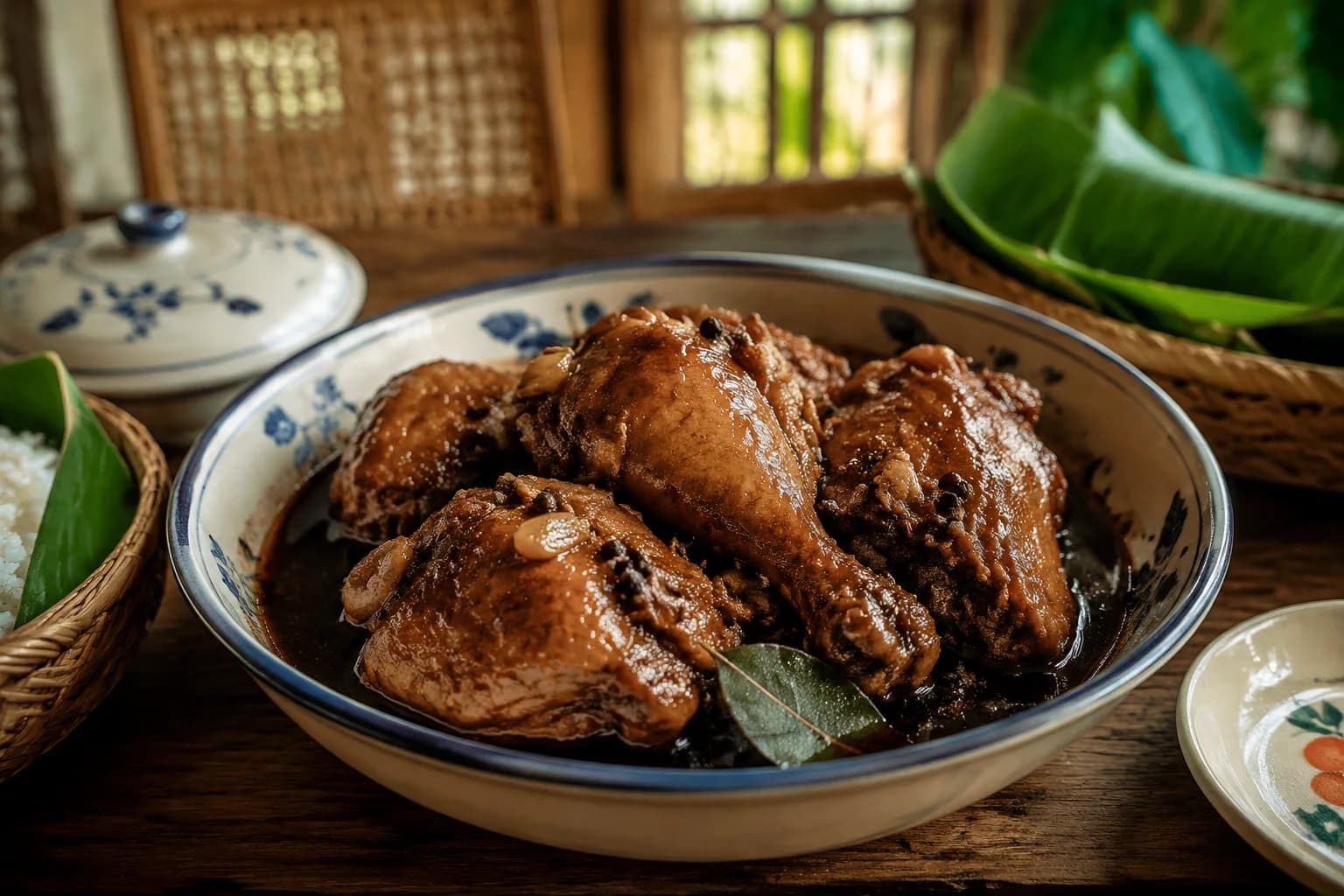
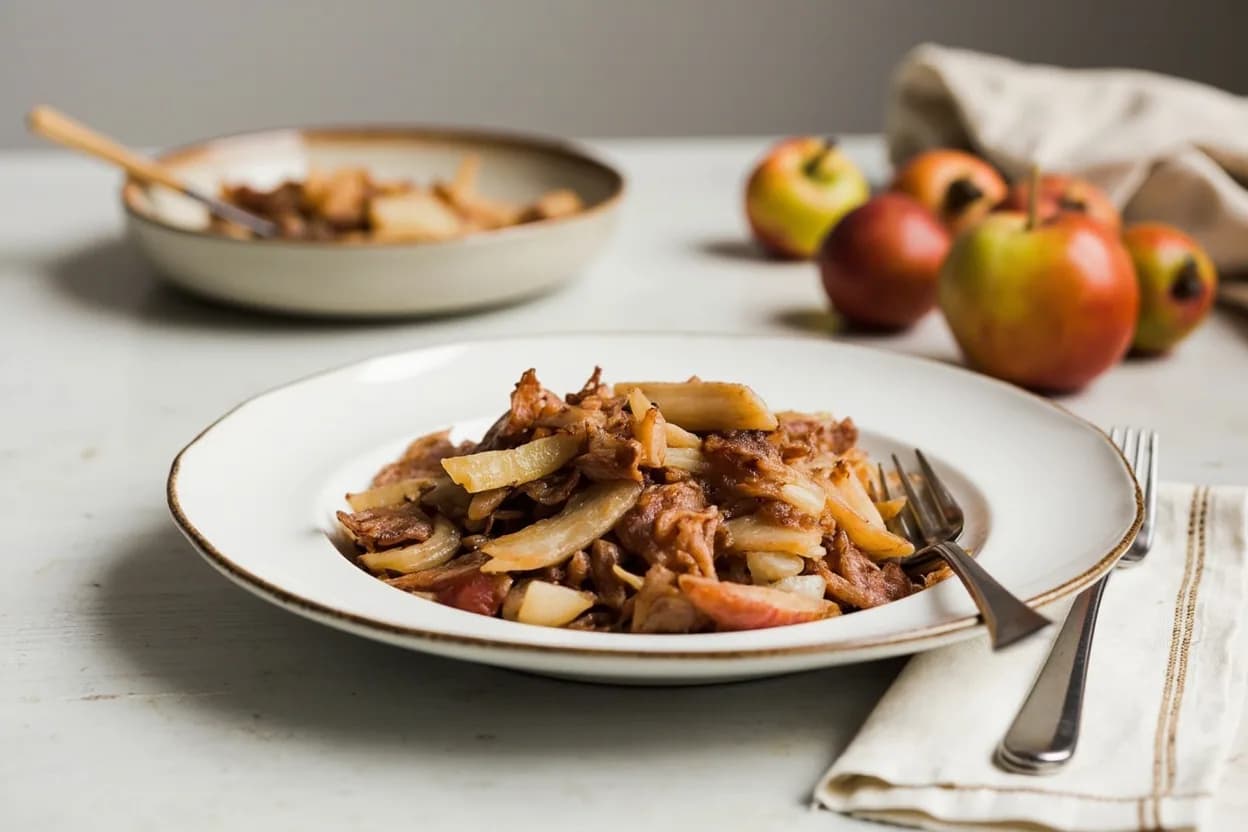
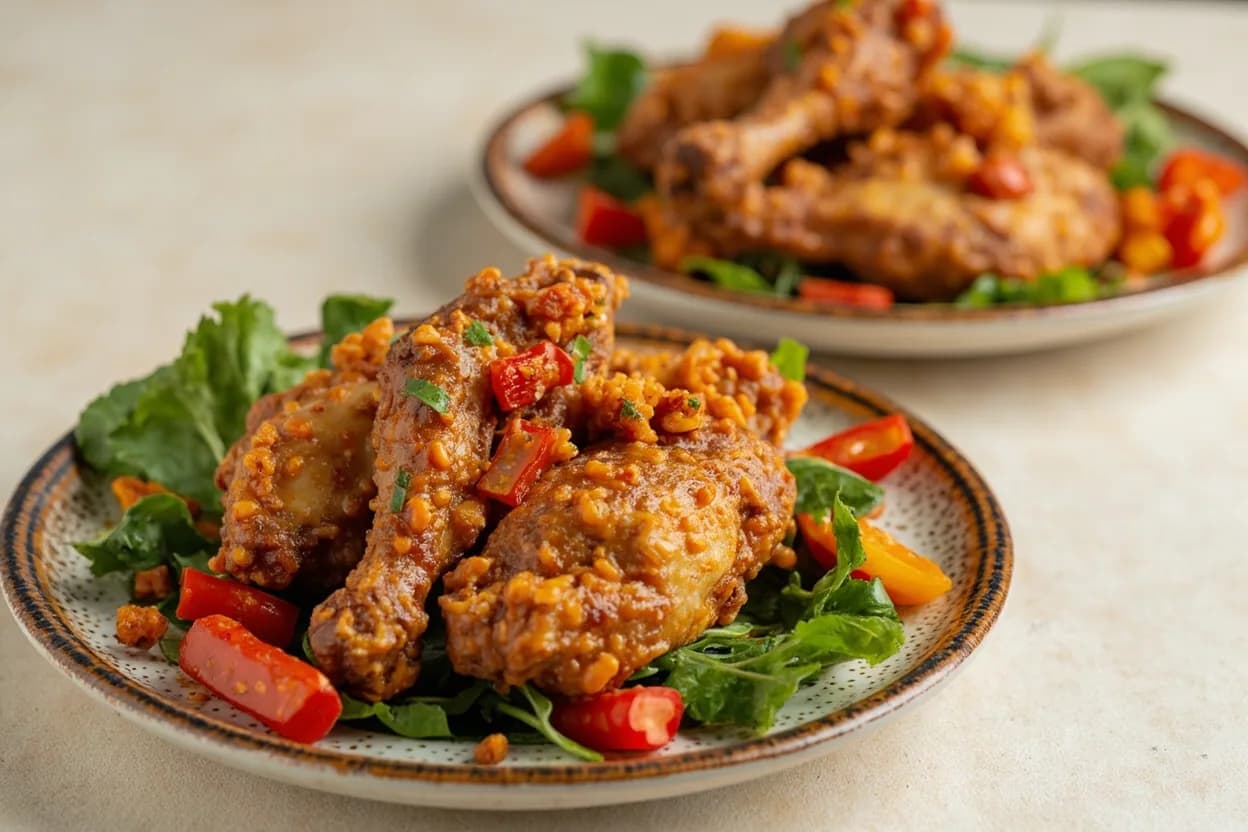
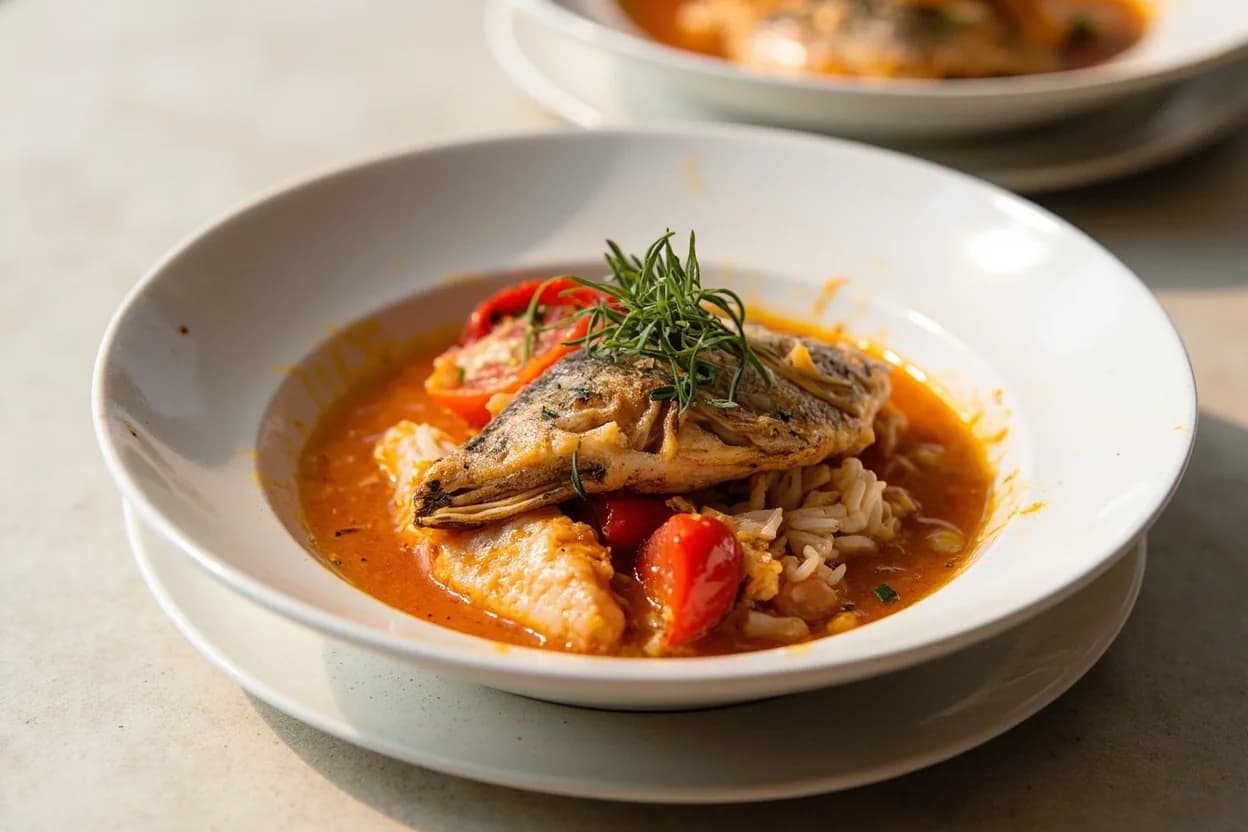
Related

Basil
Sweet, fragrant leaves for pesto, pasta, and caprese

Parsley
Fresh, grassy herb for finishing nearly any savory dish

Cilantro
Bright, citrusy herb for salsas, curries, and tacos

Mint
Cool, fragrant herb for teas, salads, and desserts
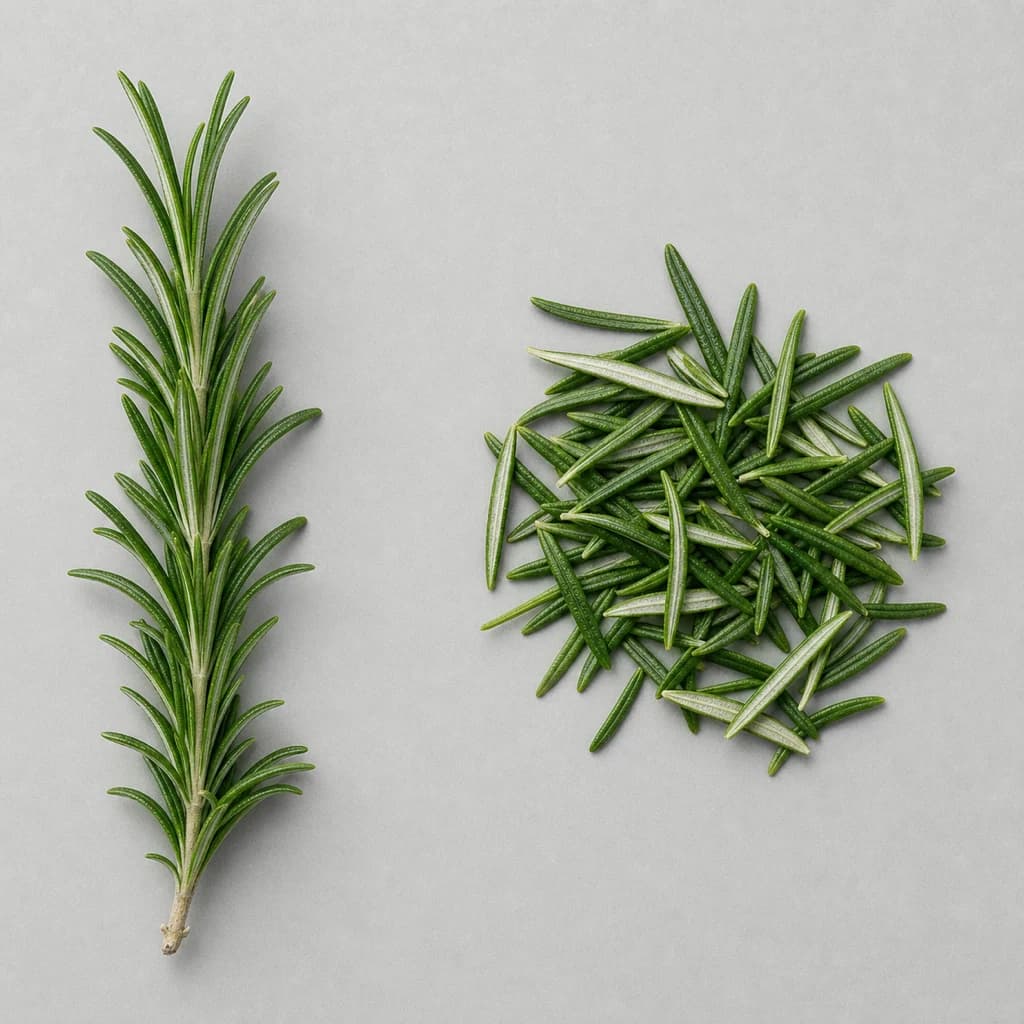
Rosemary
Piney, resinous herb for roasts, breads, and potatoes

Thyme
Earthy, floral herb for braises, roasts, and stocks

Sage
Savory, velvety herb for butter sauces and stuffings

Oregano
Pungent, peppery herb for tomato sauces and grilling