Legumes & Beans
Dried Bean (Mixed)
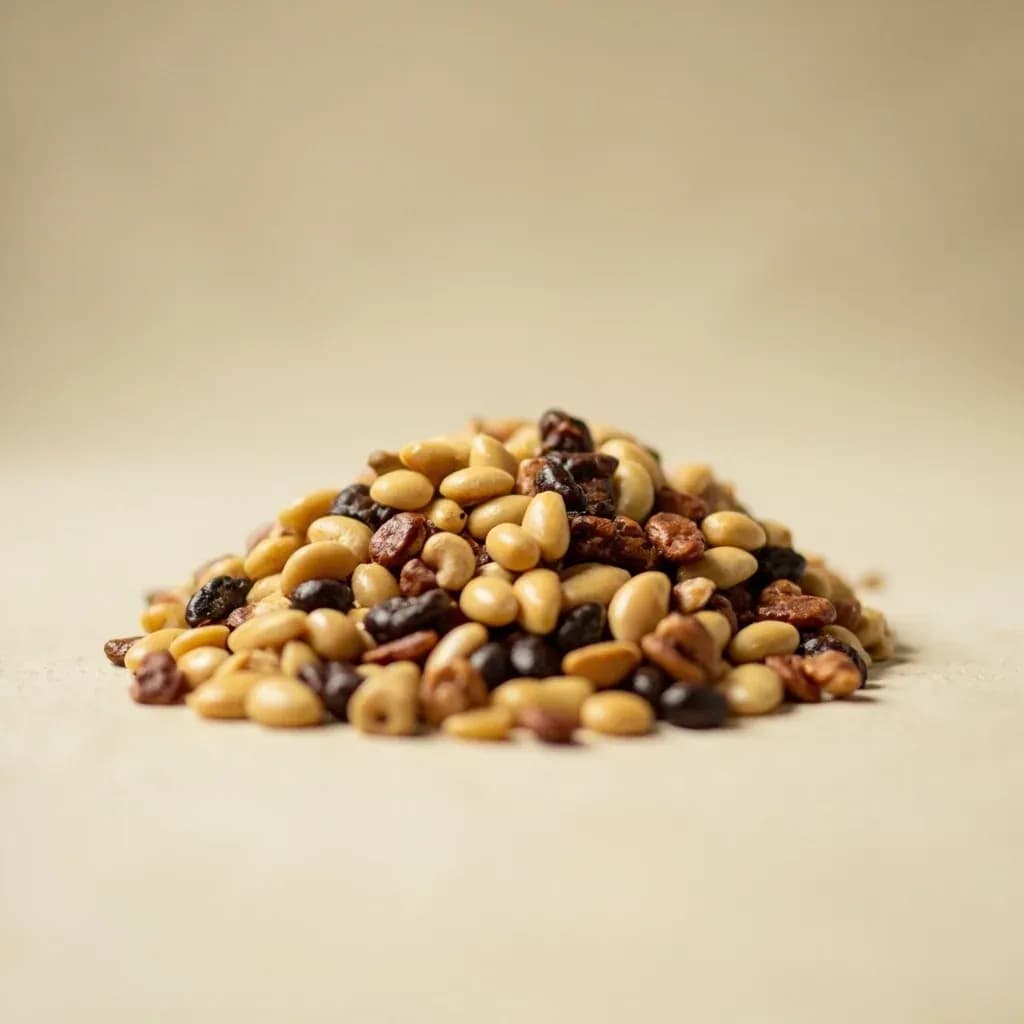
Assorted dried beans, soaked and simmered for stews and bean dishes.
Dried beans is a catch-all for assorted shelf-stable legumes that are soaked and simmered before use across nearly every cuisine. They are the economical, long-keeping form of beans used in soups, stews, and pottages worldwide. Soaking and slow cooking soften them and improve digestibility.
Dried beans are the pantry foundation of countless global cuisines—inexpensive, shelf-stable, and packed with plant protein and fiber. A mixed dried bean blend combines several varieties—typically pinto, kidney, navy, black, cannellini, and sometimes garbanzo or lima—into a single container offering color, texture, and flavor diversity in one package. The appeal is practical: one purchase covers multiple culinary needs, from a hearty chili to a refined white bean salad. The trade-off is in the cooking, because different bean varieties have different densities, skin thickness, and cooking times, so they do not all reach tenderness simultaneously. Understanding this behavior is the key to cooking mixed beans well.
Dried beans behave differently from their canned counterparts. In their dried state they contain hard, insoluble starches and proteins that must hydrate fully and then break down under sustained, gentle heat to become creamy inside while keeping a defined skin. The soaking step hydrates the exterior and leaches some of the oligosaccharides that cause flatulence, but soaking alone does not cook the interior. Simmering—never boiling, which breaks the skins before the interior tenderizes—completes the transformation. The cooking liquid is not waste; it is a starchy, flavorful broth that carries the beans' own savory depth and should be reserved for soups, stews, or sauces.
Mixed bags deserve more attention than they often receive. Their visual variety makes them excellent for dishes where color and texture contrast matter—grain bowls, salads, soups with multiple components. They also teach a cook something important: beans are not interchangeable. A cranberry bean and a black bean cook at different speeds and have different personalities. Working with mixed blends builds that intuition.
- Measured in
- g
- Storage
- Pantry
Types & varieties
Speckled tan/brown; holds shape well; used in refried beans, chili, and Mexican dishes
Large, kidney-shaped; firm texture; classic for chili and salad bowls
Small, white, dense; ideal for baked beans and soups; mild flavor
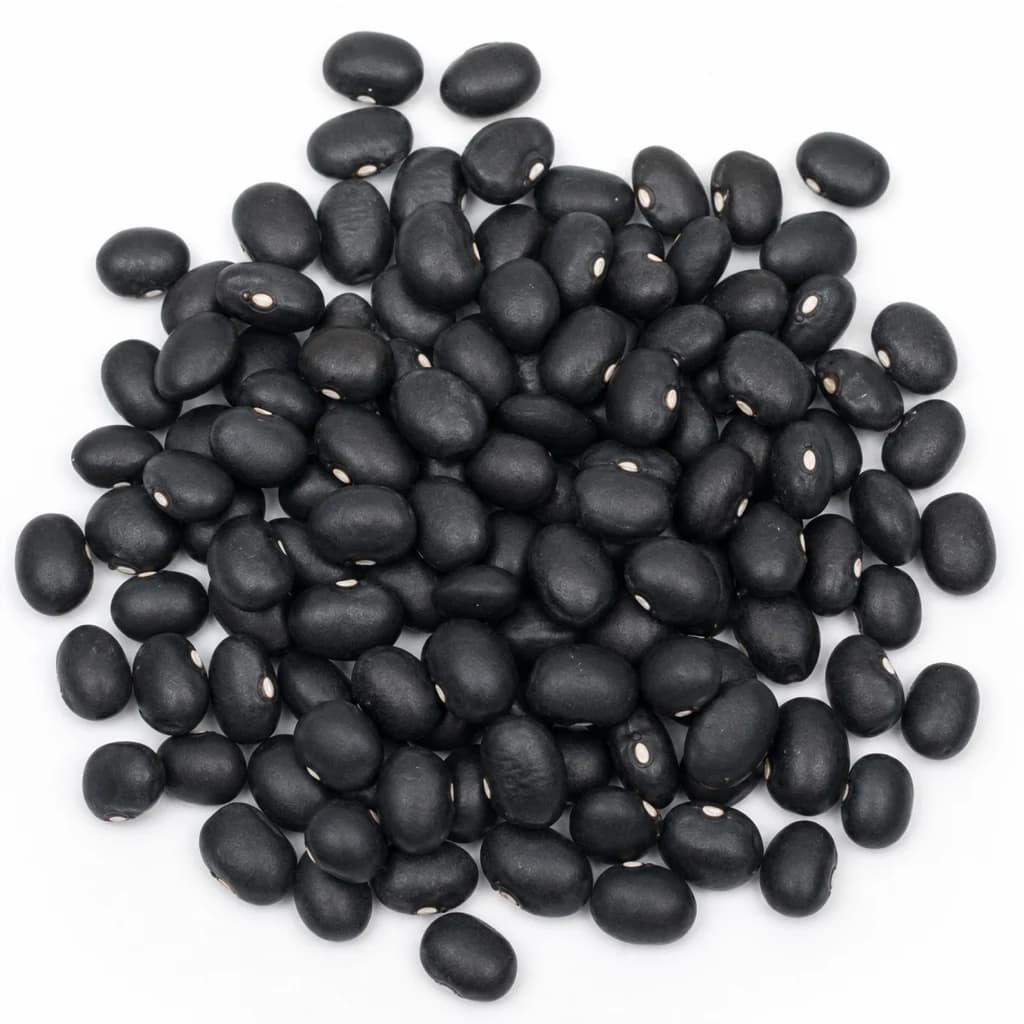
Small, shiny black; creamy interior; essential for Latin American and Caribbean cooking
Large white kidney shape; nutty, slightly earthy; central to Italian dishes like minestrone
Medium white bean; mild, delicate; holds shape in soups and cassoulets
Round, tan, nut-like flavor; used in Mediterranean and Middle Eastern dishes
Cream-colored with dark eye; slightly nutty; traditional in Southern U.S. cuisine
Flat, broad, pale green-white; buttery texture; good in soups and succotash
Small, pink, similar to pinto; used in Mexican cuisine and stews
Speckled with red accents; creamy texture; good for salads and side dishes
Sorting: The Step Nobody Skips
Before soaking, spread beans in a single layer on a clean kitchen towel or baking sheet. Pick out small stones, dirt clods, off-color beans, and any foreign debris. A single stone left in the pot grinds against teeth and ruins the dish. This takes two minutes and is not optional, no matter how clean the package looks.
- Spread beans on a light-colored surface to see debris clearly
- Remove any beans that are cracked, shriveled beyond others, or discolored
- Check the bottom corners of the bag for material that settles there
Soaking Methods
Standard overnight soaking is reliable: cover beans with cold water by at least 3 inches, cover the pot, and leave at room temperature for 8–12 hours. The quick-soak method is useful when time is short: boil beans for 2 minutes, remove from heat, cover, and soak for 1 hour. Either way, drain and rinse the beans before cooking. Do not soak longer than 24 hours, as the beans will begin to ferment and develop off flavors.
- Always use cold water for overnight soaking—hot water leaches flavor
- Discard soaking water; it contains released oligosaccharides that cause flatulence
- Some cooks add a tablespoon of vinegar or lemon juice to the soak to help soften the bean skins gently
The Salt Question
Add salt to the cooking water only after beans are nearly tender—typically the last 20–30 minutes of cooking. Salt added early can prevent beans from softening, particularly in hard water or with older beans, because the sodium ions compete with the magnesium and calcium ions that help the cell walls break down. Once the beans are soft, salt them freely.
- Test tenderness from the center of the pot, not the edges, where beans cook fastest
- Beans are done when they are fully tender but still hold their shape when pressed gently
- Overcooked beans that fall apart are still fine for purées and refried beans
Mixed Bags: Cooking Strategy
Because mixed bags contain beans with different cooking times, you have two practical approaches. For soups and stews where uniform texture is not critical, cook all beans together and accept that some varieties will be softer than others—the broth ties everything together. For dishes where texture matters—salads, side dishes, cassoulets—cook each bean type separately to its proper doneness and combine at the end. A black bean reaches tenderness in roughly 45–60 minutes; a kidney bean may need 90 minutes or more; garbanzos can take 1½–2 hours. Know which varieties are in your mix.
- Sort beans by size and approximate cook time before cooking together
- Add quicker-cooking beans to the pot 20–30 minutes before the end if cooking together
- Beans continue to firm up slightly as they cool; cook to just-tender if serving warm
Common uses
Tips & pitfalls
- Sort beans before soaking: pick out small stones, debris, and discolored beans. A single stone ruins a pot.
- Rinse beans thoroughly under cold water before soaking.
- Use plenty of water for soaking and cooking—beans expand significantly and need to stay submerged.
- Cook beans until fully tender but not falling apart; test individual beans from the center of the pot.
- Add salt only after beans are nearly tender. Salt added early can prevent beans from softening, especially in hard water.
- Add acidic ingredients (tomatoes, citrus, vinegar) only in the last 30 minutes of cooking.
- Adding a bruised or torn bay leaf while simmering helps beans soften evenly.
- Aromatics like halved onion, garlic cloves, or a ham bone added to cooking water build flavor throughout the pot.
- Do not discard cooking liquid prematurely—it is starchy and flavorful; reserve it for soups.
- Old beans (more than 1–2 years) may never fully soften; date your stock when you buy it.
- If beans cause digestive discomfort, increase intake gradually and drink the cooking liquid, which contains prebiotics.
- Mixed bags contain beans with different cooking times; cook longest-cooking variety first, then add quicker-cooking beans later, or sort and cook separately.
Nutrition
Energy
130 kJ · per 100 g
Where the calories come from
Protein
1.8g
4% DV
Carbs
7.1g
3% DV
Fat
0.1g
0% DV
Fiber
3.4g
12% DV
Sugars
3.3g
of which
Sodium
6mg
0% DV
Source · USDA FoodData Central · Beans, snap, yellow, raw
View on FDC →In the shops
Matched grocery products
No matched grocery products for Dried Bean (Mixed) yet.
Good to know
- Type
- Dried legume mix (multiple bean varieties)
- Shelf Life
- 1–2 years in cool, dry, airtight container
- Yield
- 1 cup dried yields 2½–3 cups cooked (approx. 2–3× volume increase)
- Soak Time
- 8–12 hours (overnight) or quick-soak 1 hour after 2-minute boil
- Simmer Time
- 45 minutes to 2 hours depending on variety and age
- High in
- Protein, dietary fiber, iron, folate, complex carbohydrates
- Fat
- Negligible; beans are naturally fat-free
- Sodium
- Zero when dry; no added salt unless seasoned
- Gluten-free
- Yes
Substitutes
- Canned mixed beans (drained and rinsed) — Use cup-for-cup in soups, salads, and tacos; rinse well to remove excess sodium and residual canning liquid, which has a flat, tinny flavor.
- Single dried bean variety — Substitute based on color, size, and texture requirements of the dish; cooking times may vary slightly between varieties.
- Cooked lentils — Work for soups and salads where beans do not need to hold shape; lentils cook in 20–30 minutes and do not have the same creamy interior as beans.
Pairs with
Also called
Madesu · Linaoa · Ibishyimbo · Bijanjaalo · Dry Beans · Canned Bean · Beans
Appears in these dishes


Related
Black Beans
Earthy, creamy beans for bowls, soups, and tacos
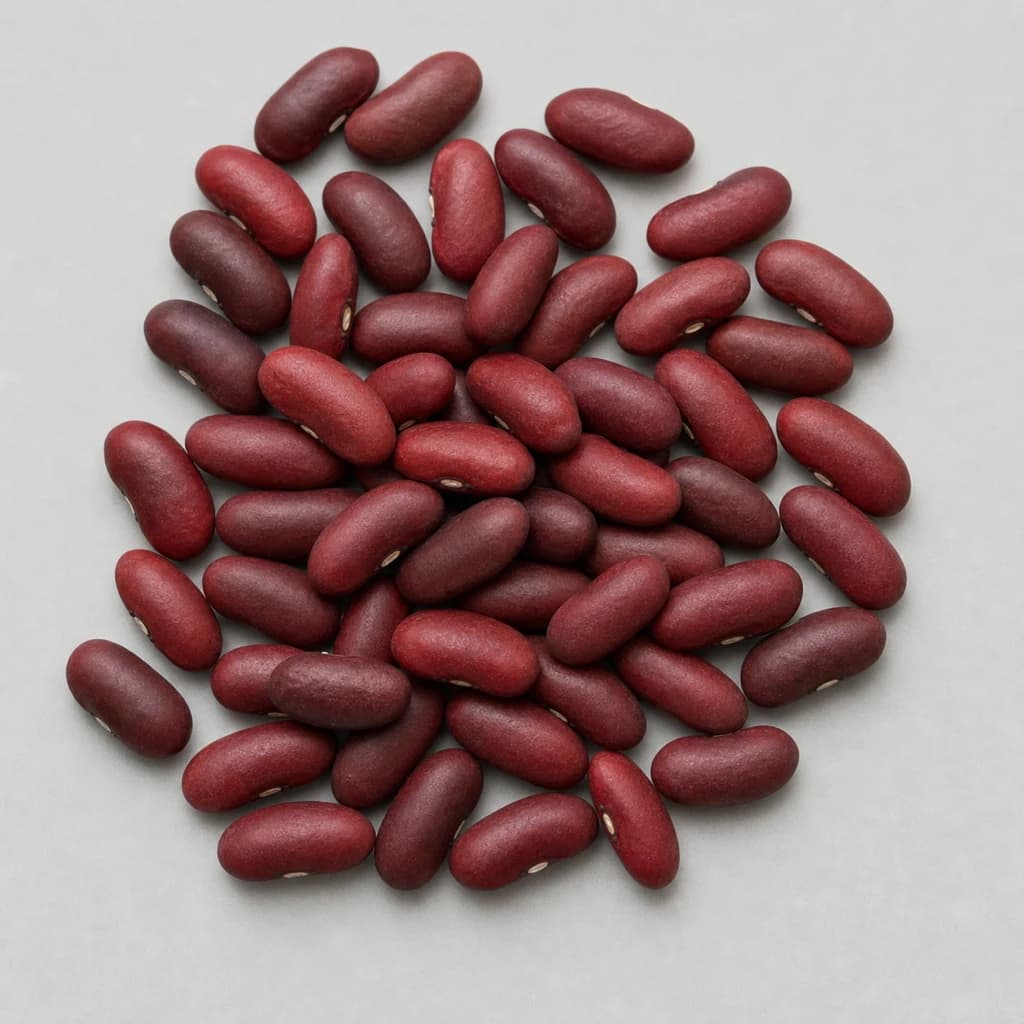
Kidney Beans
Hearty red beans that hold their shape in chili and stews
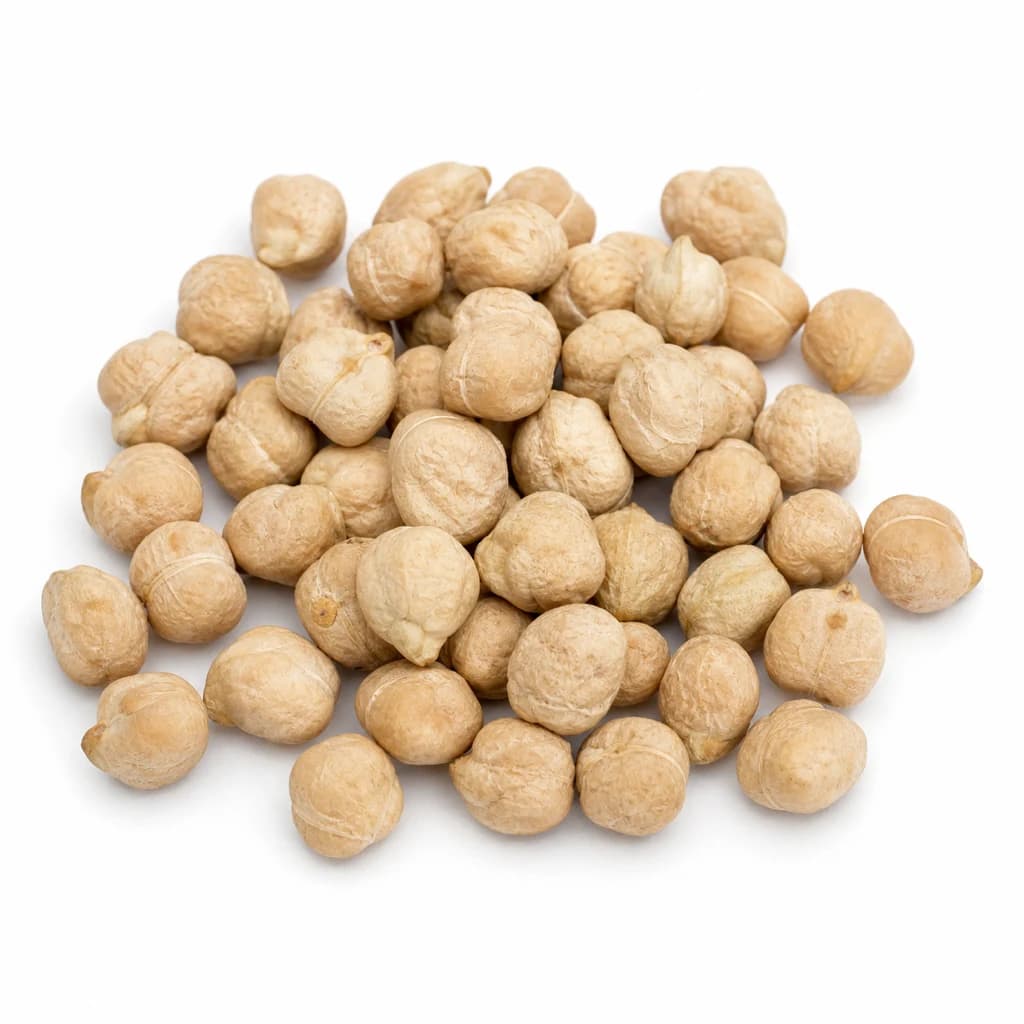
Chickpeas
Nutty, versatile beans for hummus, curries, and roasting
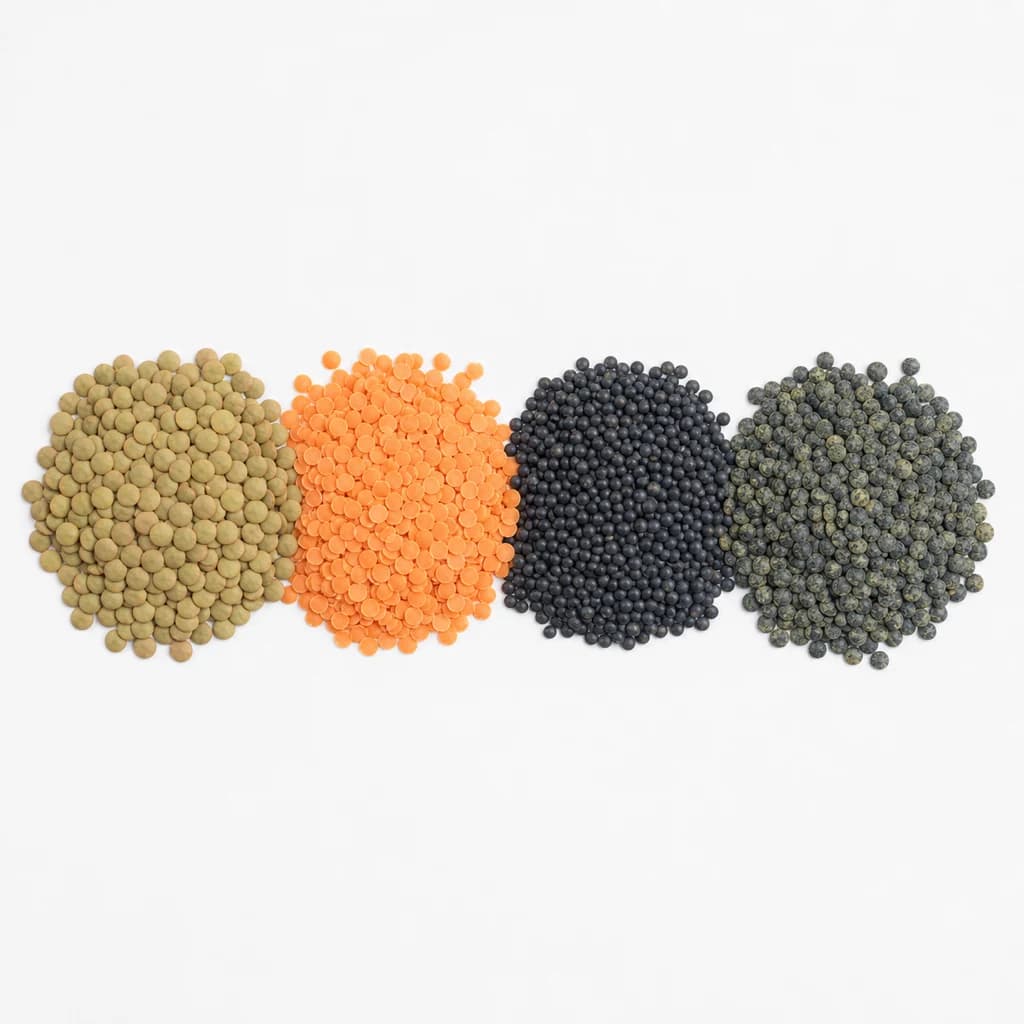
Lentils
Quick-cooking pulses for soups, dals, and hearty salads

White Beans
Creamy, mild beans for soups, stews, and silky purées
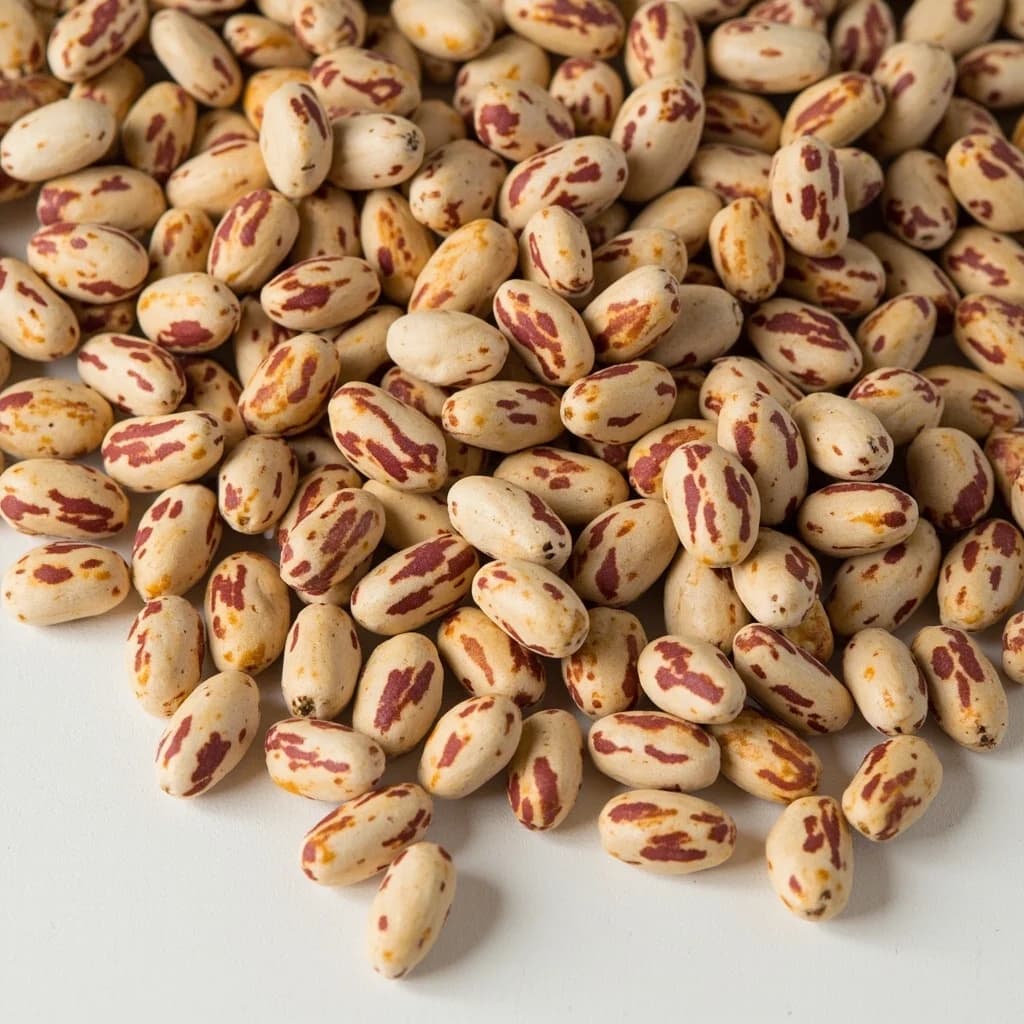
Pinto Beans
Creamy, speckled beans for refried beans and stews

Split Peas
Quick-cooking peas that melt into thick, comforting soups
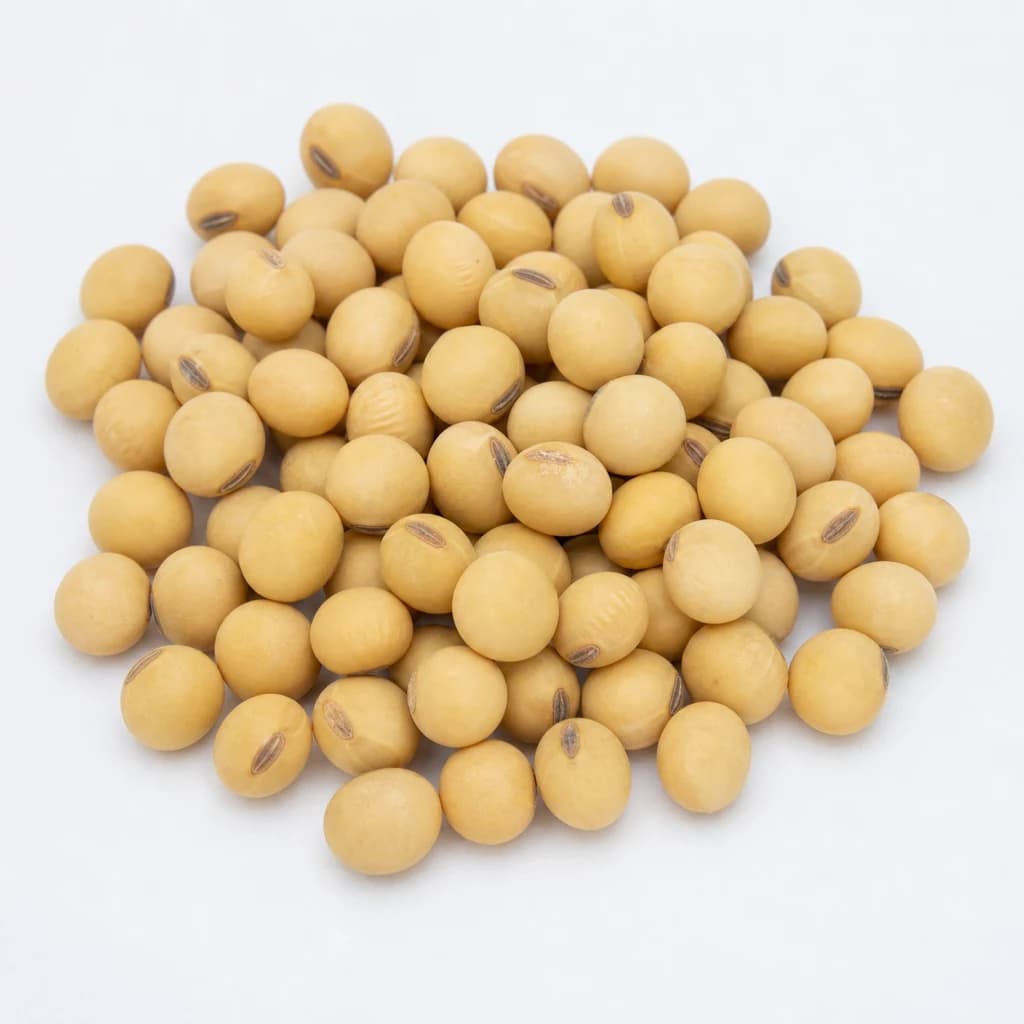
Soybeans
Protein-packed beans, the base for tofu and miso