Legumes & Beans
Black-Eyed Pea
Cream-colored cowpea with a black eye that cooks quickly without soaking; earthy and tender in Southern stews, Hoppin' John, and West African dishes.
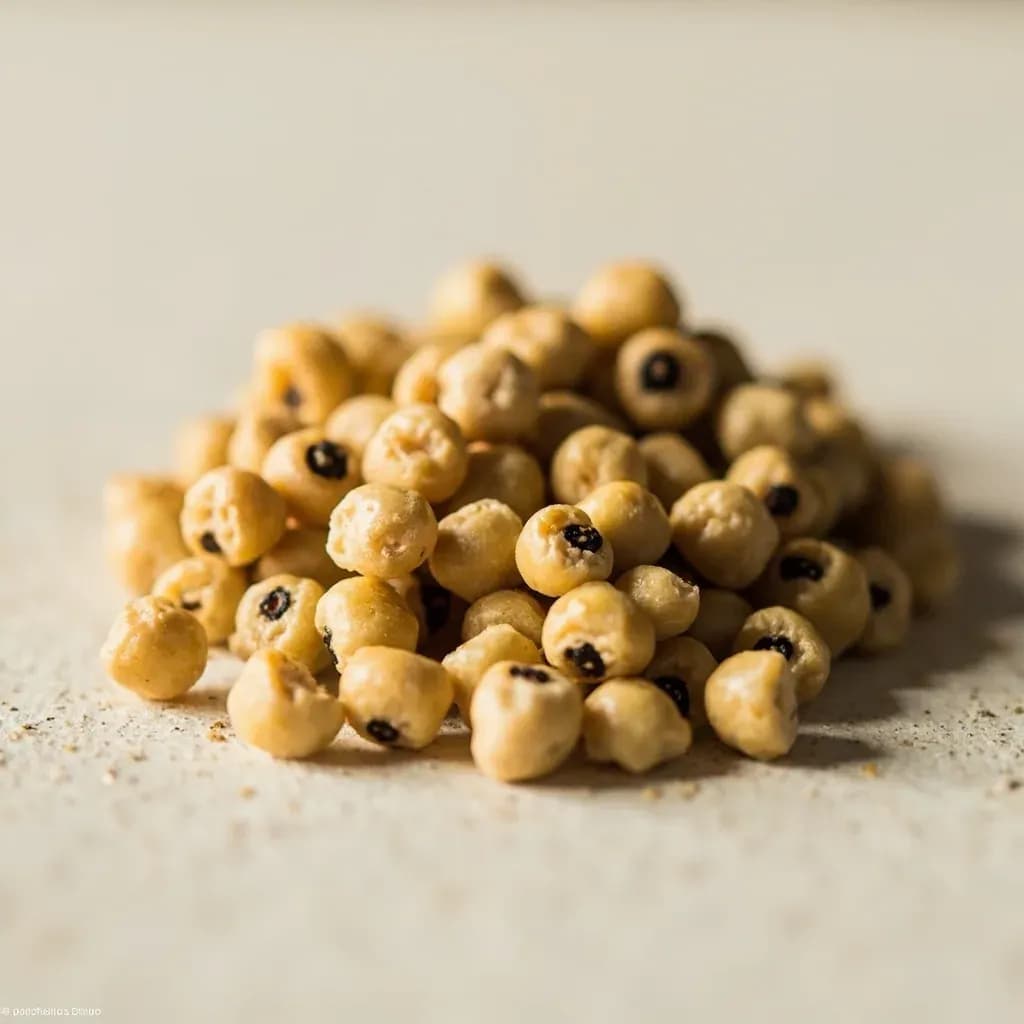
Black-eyed peas are not peas at all but a type of cowpea (Vigna unguiculata), which is why they cook in a fraction of the time of true beans and lack the heavy, starchy reputation of pintos or kidneys. Each seed is a pale cream to ivory oval with a single dark spot — the hilum, the scar where it was attached to the pod — that gives the bean its name. The texture is the real gift: a thin, tender skin that yields to a creamy interior, with enough structural integrity to hold up in salads and stews when watched carefully. Flavor is earthy and gently sweet with a faint grassy edge, especially in fresh-shelled peas, and the cooking liquid (pot liquor) is rich enough to anchor a rice or a braise on its own.
The bean travels under several names depending on where you find it. In West Africa, where it has been cultivated for thousands of years, it is simply the cowpea — niebe, ewa, or wake — and forms the daily backbone of dishes like Nigerian akara (spiced fritters) and moi moi (steamed pudding). In the American South it sits at the head of a larger family called field peas, and it is the star of Hoppin' John, the rice-and-pea dish eaten on New Year's Day for luck and coins. Its dual identity is the best thing to know about it: this is a quick weeknight bean in a soup or a salad, and it is also a centuries-old cultural staple worth treating with the same respect as any heritage grain.
- Measured in
- g
- Storage
- Pantry
Find it in
Suits
Types & varieties
The dominant commercial variety in the U.S.; classic black spot, reliable cooking, the one you usually find dried in stores.
Closely related Southern cowpea with a pink or purple eye and purple-tinged pod; slightly sweeter and more delicate skin.
Small, very pale, extra-tender pea with a creamy texture; a favorite in Southern and Caribbean home cooking.
Larger-seeded black-eyed type; mild flavor, holds shape well, suited to salads and side dishes.
Heirloom Southern field pea grown for both fresh shell beans and as a forage or cover crop.
Cowpea with a reddish-brown seed coat (no black eye); richer, earthier flavor, common in Southern stews.
Small, pale, nearly white pea with no prominent eye; tender and delicate, often cooked Southern-style with bacon.
Choosing Dried vs. Fresh
Dried black-eyed peas give you deeper, more savory flavor and a richer pot liquor — the choice for Hoppin' John, long stews, and anything where the cooking liquid matters. They are also forgiving, since the bean holds its shape even if you push the simmer a few minutes past done. Fresh peas, available shelled or in the pod from roughly July through September in the U.S., are sweeter, grassier, and more perishable; cook them the day you shell them for the best flavor and texture. Canned peas are a fair shortcut for salads and quick sides, but they carry less character and almost no pot liquor of their own, so plan to season them assertively.
The Hoppin' John Tradition
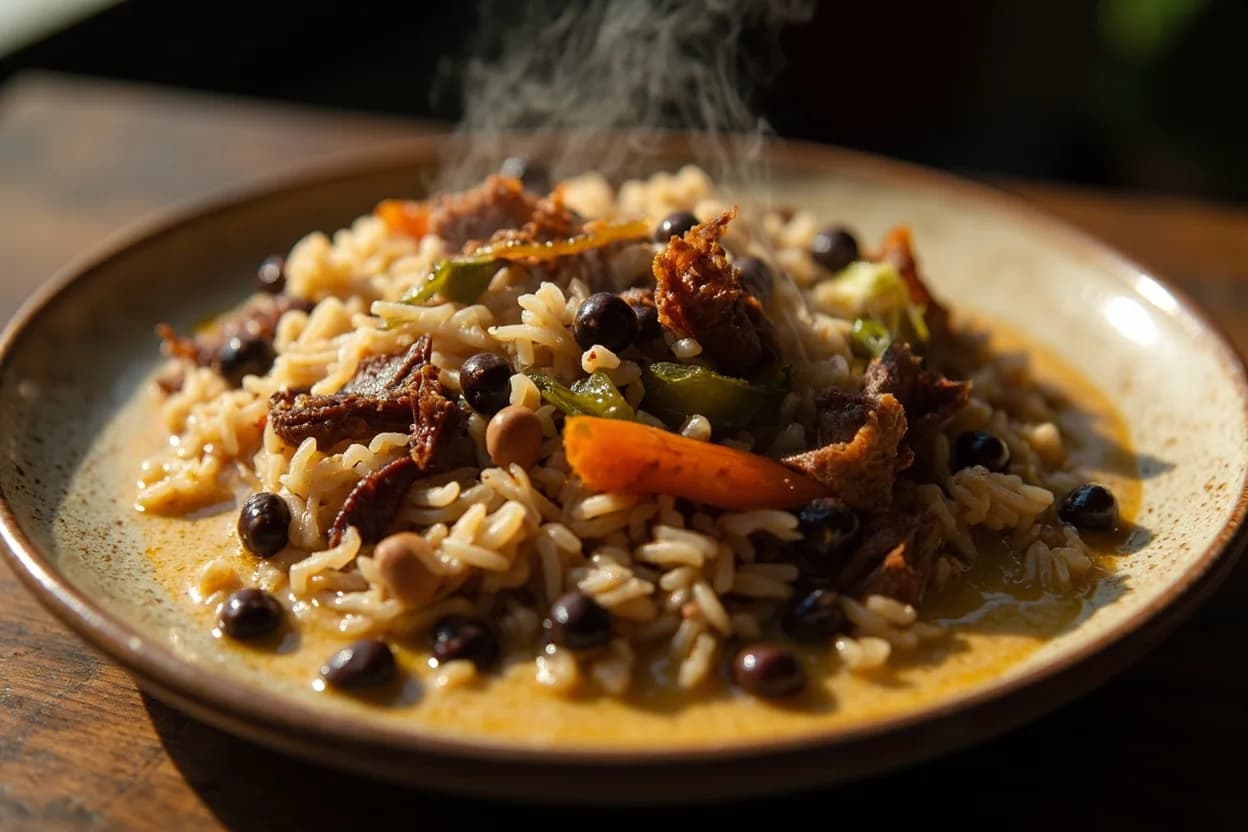
On New Year's Day across the American South, black-eyed peas are eaten for luck — the peas standing in for coins, collard or mustard greens for paper money, and often cornbread for gold. Hoppin' John itself is a simple dish built on rice, peas, onion, and a smoked pork hock or bacon, and the leftover peas are traditionally fried with rice the next day as 'Skippin' Jenny.' The dish is rooted in West African rice-and-cowpea cookery brought across the Atlantic, and it remains the most common introduction many non-Southern cooks have to the bean.
- Peas = coins, greens = paper money, cornbread = gold.
- Classic version: simmer peas with a smoked ham hock, onion, garlic, and bay; serve over long-grain rice.
- Next-day leftovers become Skippin' Jenny, fried rice with the peas stirred in.
West African Forms Worth Knowing
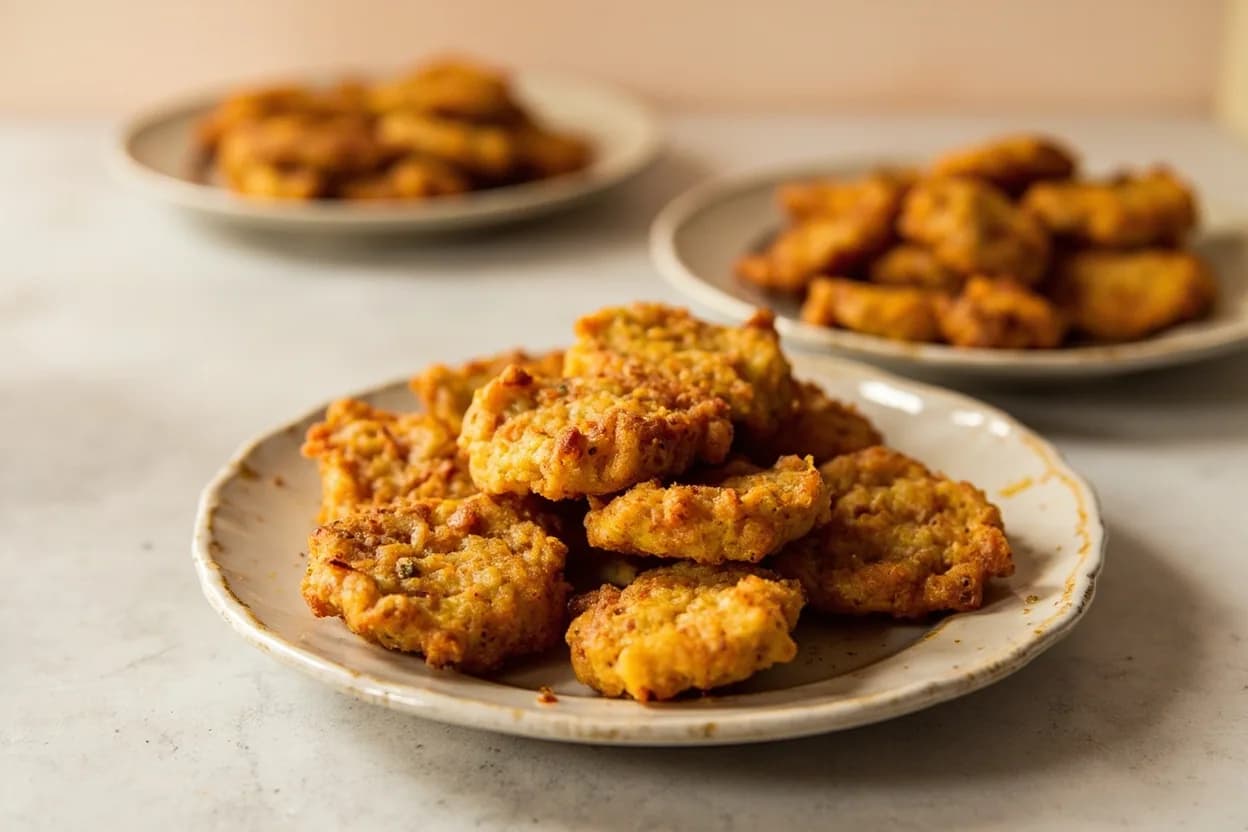
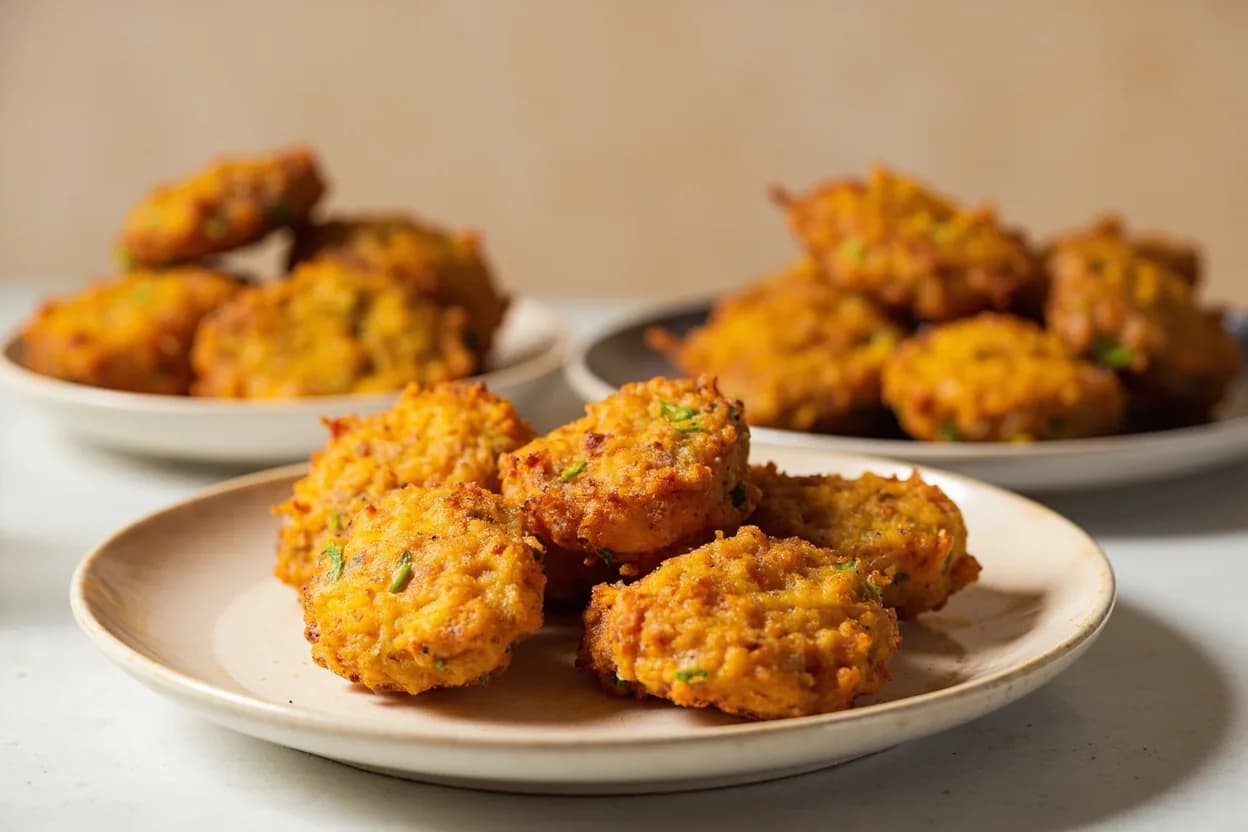
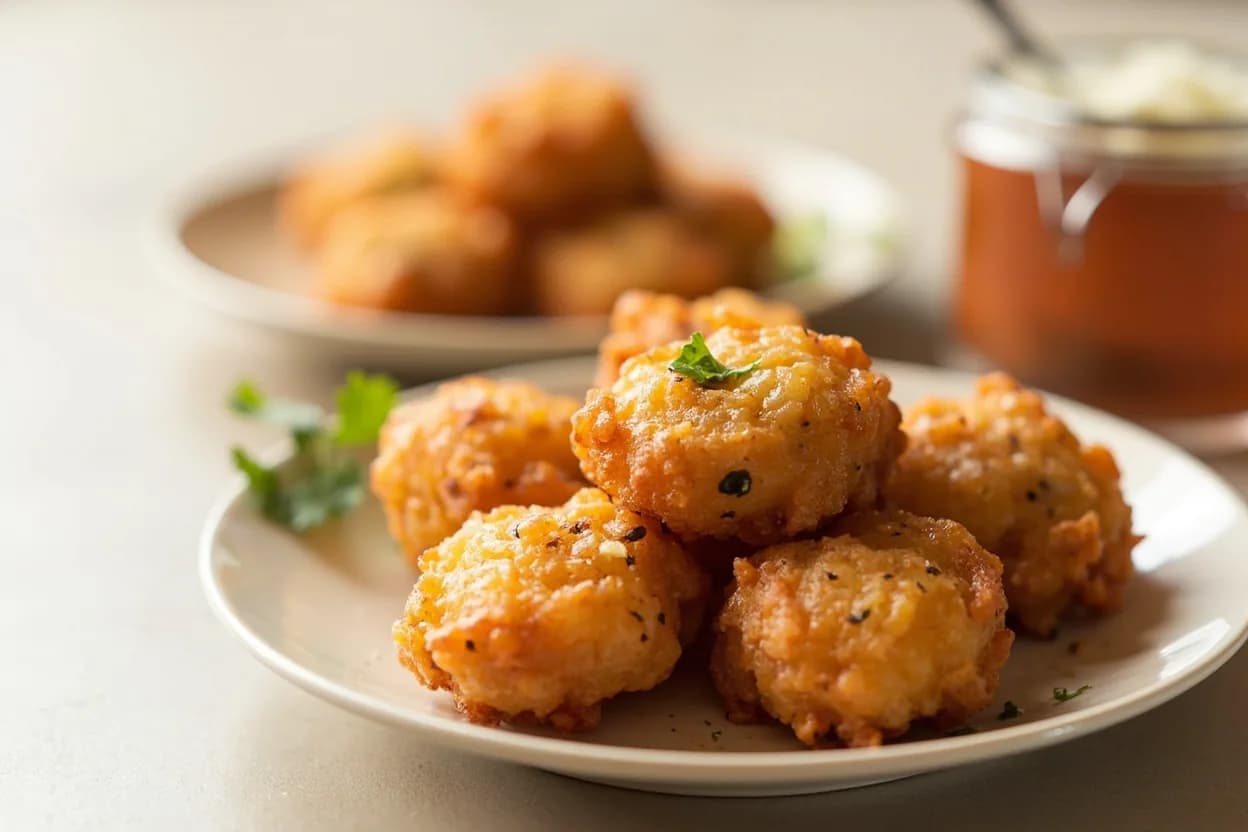
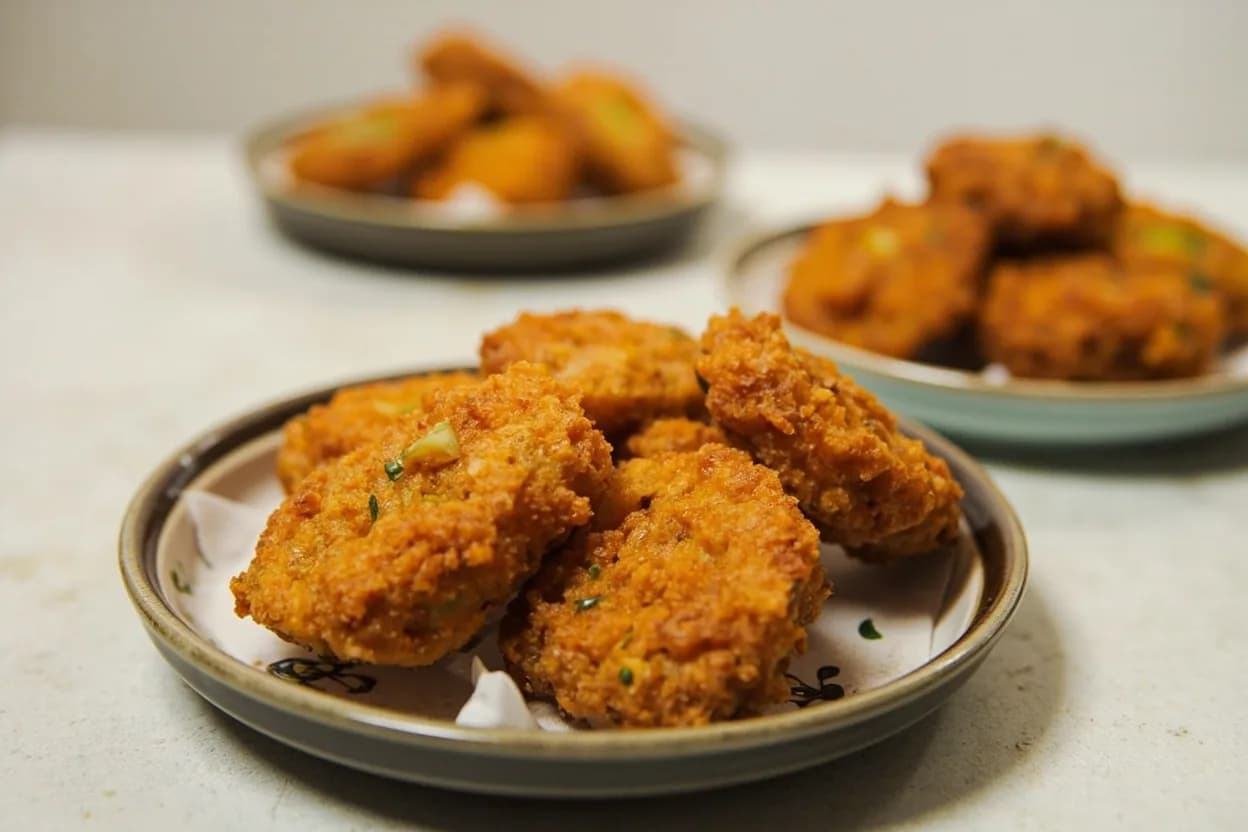
Black-eyed peas are a daily staple across West Africa, where they are usually just called cowpea. The two most recognizable preparations have spread worldwide: akara, the seasoned fritter made from a whipped bean batter, and moi moi (or alele), a savory steamed pudding bound with eggs or fish and cooked in banana leaves or ramekins. Both rely on peeled, blended beans and bold seasoning with scotch bonnet, onion, ginger, and sometimes smoked fish. Palm oil gives the red stews of Nigeria and Ghana their color and depth. These dishes reward cooks willing to peel the skins after soaking — a step that yields a silken texture you cannot get any other way.
- Akara: whipped bean batter, deep-fried, eaten for breakfast or as a street snack.
- Moi moi: seasoned bean batter, steamed in leaves or tins, served as a main or side.
- Red stew base: palm oil, scotch bonnet, tomato, onion — the seasoning spine for many West African bean dishes.
Common uses
Tips & pitfalls
- Sort dried peas before cooking: spread them on a sheet pan and pick out shriveled beans, stones, and any debris, then rinse under cold water until it runs clear.
- A short soak in salted water (1–4 hours) shortens cooking and improves digestibility, but skipping it is fine — this bean does not demand an overnight soak the way pintos do.
- Salt the cooking water generously; black-eyed peas absorb seasoning as they cook and reward a well-salted pot with deeper flavor.
- Skim the gray foam that rises in the first few minutes of simmering; it carries off bitterness and keeps the pot liquor clearer.
- Hold acid (vinegar, tomatoes, citrus) until the last 10–15 minutes of cooking — adding it early can toughen the skins and slow softening.
- Test for doneness by pressing a pea against the side of the pot or biting into it; the center should feel creamy, not chalky or mealy.
- Reserve the pot liquor. It is intensely flavorful and makes a natural braising liquid, soup base, or even rice-cooking water.
- If you want peas that hold their shape for salads, err on the side of slightly underdone and shock them in cold water; overcooking turns them to mush.
- Older dried beans (over a year old) may stay stubbornly firm; soak them longer and simmer at the gentlest possible heat, and they will usually come around.
- For fresh peas, shell just before cooking — the pod is not eaten, and shelled peas lose sweetness quickly.
Nutrition
Energy
377 kJ · per 100 g
Where the calories come from
Protein
3g
6% DV
Carbs
18.8g
7% DV
Fat
0.4g
0% DV
Fiber
5g
18% DV
Sugars
3g
of which
Sodium
4mg
0% DV
Source · USDA FoodData Central · Cowpeas (blackeyes), immature seeds, raw
View on FDC →In the shops
Matched grocery products
No matched grocery products for Black-Eyed Pea yet.
Good to know
- Species
- Vigna unguiculata, cowpea group — not a true bean or pea.
- Appearance
- Cream to ivory oval seed with a single dark black, purple, or brown hilum (the 'eye').
- Size
- Medium-small, roughly 7–10 mm long, slightly kidney-shaped.
- Cooking time (dried)
- 30–60 minutes simmered; no soaking required. Soaking cuts time by about a third.
- Cooking time (fresh)
- 20–30 minutes simmered until tender but not bursting.
- Yield
- About 1 cup dried yields roughly 2–2.5 cups cooked.
- Storage (dried)
- 1–2 years in an airtight container, cool and dark; older beans cook more slowly.
- Key nutrients
- Good source of plant protein, fiber, folate, iron, magnesium, and potassium; very low fat.
Substitutes
- Crowder peas — Closest match — denser and more starchy with a fuller earthy flavor; swap in freely for Hoppin' John and Southern stews.
- Pink-eyed purple hull peas — Same family; slightly sweeter and more delicate skin — a near drop-in in most recipes.
- Cannellini beans — Work in salads and soups where the bean is a background ingredient; blander flavor and creamier texture, so season more assertively.
- Great Northern beans — Hold shape like black-eyed peas and take seasoning well; a serviceable substitute in soups and warm sides.
- Black beans — Different color and a deeper, sweeter flavor, but a similar firm texture; reach for these only when color is not critical.
- Pinto beans — Use in cooked dishes where they are allowed to break down; not the right call when you want the distinct eye and intact shape.
Pairs with
Also called
cowpea · black-eyed bean · goongo pea