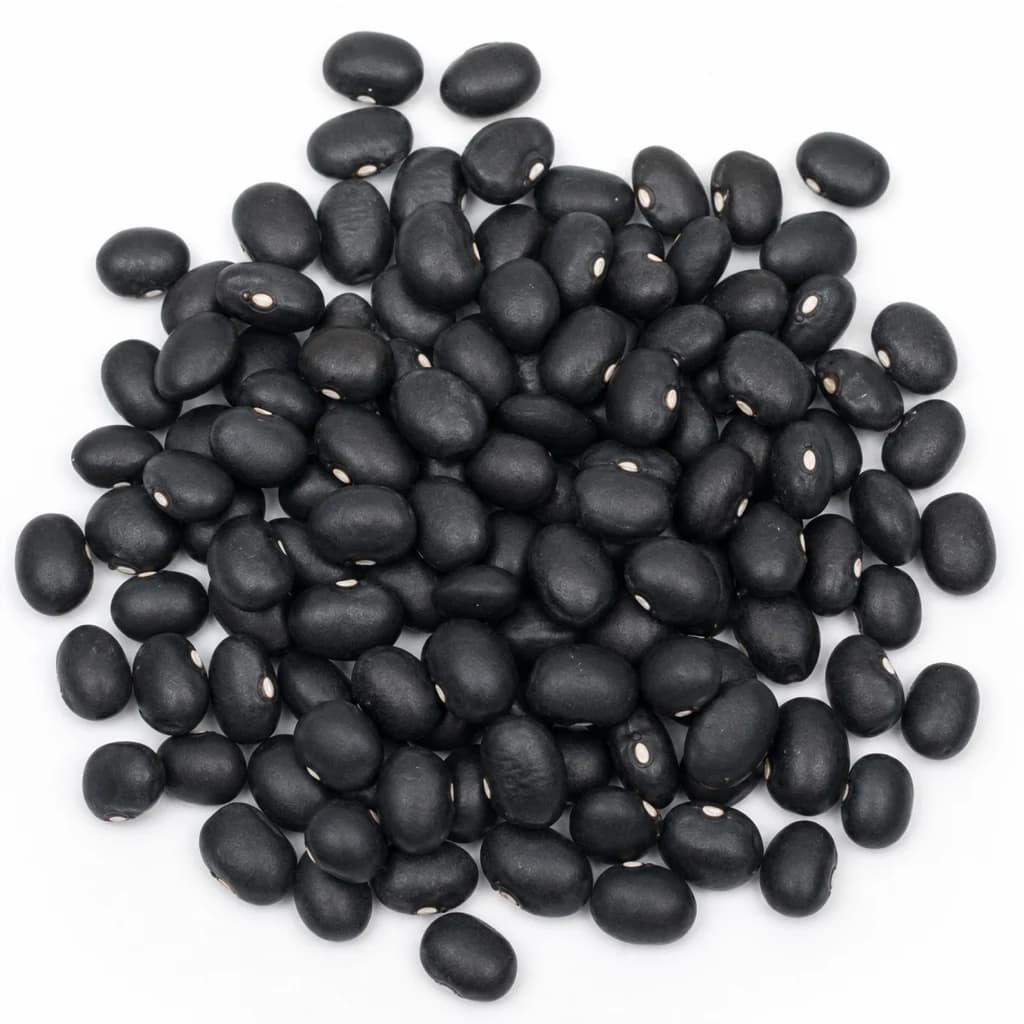
Natural form
Dried black beans: small, glossy, jet-black ovals with a cream-colored hilum.
Shows the distinctive color, size, shape, and surface sheen that identify raw dried black beans before any preparation.
Legumes & Beans
Black Beans
Earthy, creamy beans for bowls, soups, and tacos
Soft and earthy, black beans star in burritos, soups, and rice bowls, and bring plant protein to any meal. Dried keep for ages airtight; canned are a speedy shortcut.
Black beans (frijoles negros, also called turtle beans) are small, glossy, jet-black legumes with a dense, creamy interior and a mild, faintly sweet, earthy flavor — the backbone of Latin American and Caribbean cooking. They hold their shape well while turning meltingly soft inside, which makes them equally at home whole in a salad or simmered down into a thick, soupy stew. Like all dried beans they're a nutritional bargain: high in plant protein and fiber, cheap, and shelf-stable for ages. Canned black beans are one of the great pantry shortcuts — drained and rinsed, they're ready in seconds — but dried beans simmered from scratch with aromatics give a creamier texture and a flavorful cooking liquid worth keeping. Their deep color comes from antioxidant anthocyanins, the same pigments in blueberries.
- Measured in
- g
- Storage
- Airtight
Find it in
Types & varieties
Best texture and a flavorful broth; need soaking and simmering.
The fast pantry option — drain and rinse; ready instantly.
The classic variety name — small, dense, glossy.
How to cook (from dried)
Soak, then simmer gently with aromatics until creamy. Salt toward the end-of-cook camp is largely a myth — salting the soak or early actually seasons throughout — but acid (tomato, vinegar) should wait until the beans are tender or it keeps them firm.
- Soak overnight (or quick-soak: boil 2 min, rest 1 hr), drain
- Simmer in fresh water with onion, garlic, bay, and cumin 1–1.5 hr
- Keep at a gentle simmer — a hard boil splits the skins
- Add acidic ingredients (tomato, lime) only after the beans are tender
How to store & use the broth
The dark, savory cooking liquid is liquid gold — don't pour it away. Cooked beans keep well and freeze beautifully in their broth.
- Save the cooking liquid to thicken soups and rice
- Cooked beans: refrigerate ≤5 days, freeze up to 3 months
- Rinse canned beans to wash off the tinny, salty liquid
- Mash some beans against the pot to thicken a pot of frijoles
Common uses
Tips & pitfalls
- Save the inky bean broth — it's flavor you'd otherwise throw away.
- Add acid (tomato, lime, vinegar) only after the beans are tender, or they'll stay tough.
- Cook with a bay leaf, onion, garlic, and cumin for the classic Latin flavor base.
- Mash a ladle of beans into the pot to thicken without flour.
- A pinch of baking soda in the soak softens stubborn old beans (use sparingly).
Nutrition
Energy
1427 kJ · per 100 g
Where the calories come from
Protein
21.6g
43% DV
Carbs
62.4g
23% DV
Fat
1.4g
2% DV
Fiber
15.5g
55% DV
Sugars
2.1g
of which
Sodium
5mg
0% DV
Source · USDA FoodData Central · Beans, black, mature seeds, raw
View on FDC →In the shops
Matched grocery products
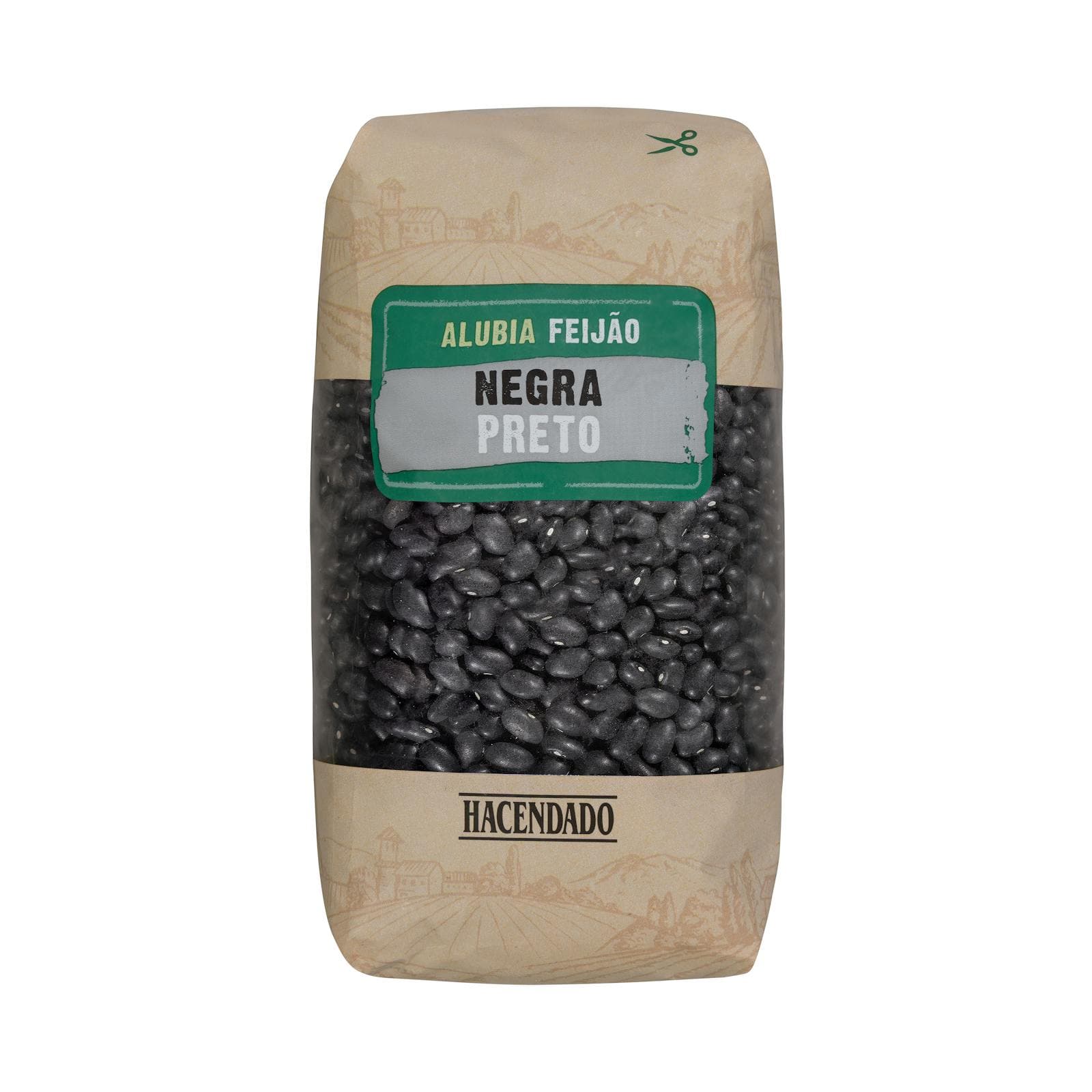 €2.50
€2.50Black Beans
Hacendado · 1 kg · Mercadona
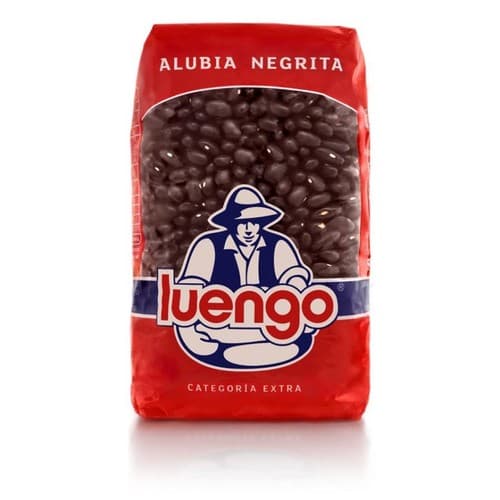 €1.56
€1.56Luengo Black Beans
LUENGO · kg · Bonpreu
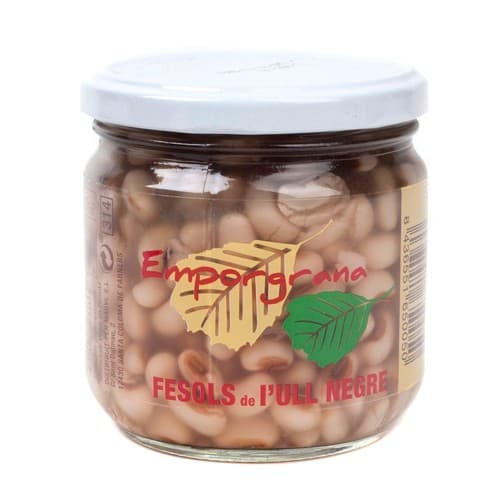 €2.15
€2.15Empograna Black Beans
EMPOGRANA · kg · Bonpreu
Good to know
- Flavor & texture
- Mild, earthy, slightly sweet; creamy inside, holds its shape
- Cook ratio & time
- Dried: simmer 1–1.5 hr (or ~60 min after soaking) until tender
- Soak?
- Recommended — overnight or quick-soak for even cooking & easier digestion
- Nutrition
- ~132 kcal/100g cooked; ~8.9g protein, ~8.7g fiber; rich in folate & iron
- How to store
- Dried airtight ~1–2 years; cooked refrigerate ≤5 days or freeze
Substitutes
- Pinto beans — Similarly creamy and earthy; the Tex-Mex stand-in.
- Kidney beans — Hold their shape well in stews and chili.
- White beans — Milder but interchangeable for soups and salads.
Also called
frijoles negros · alubias negras
Appears in these dishes
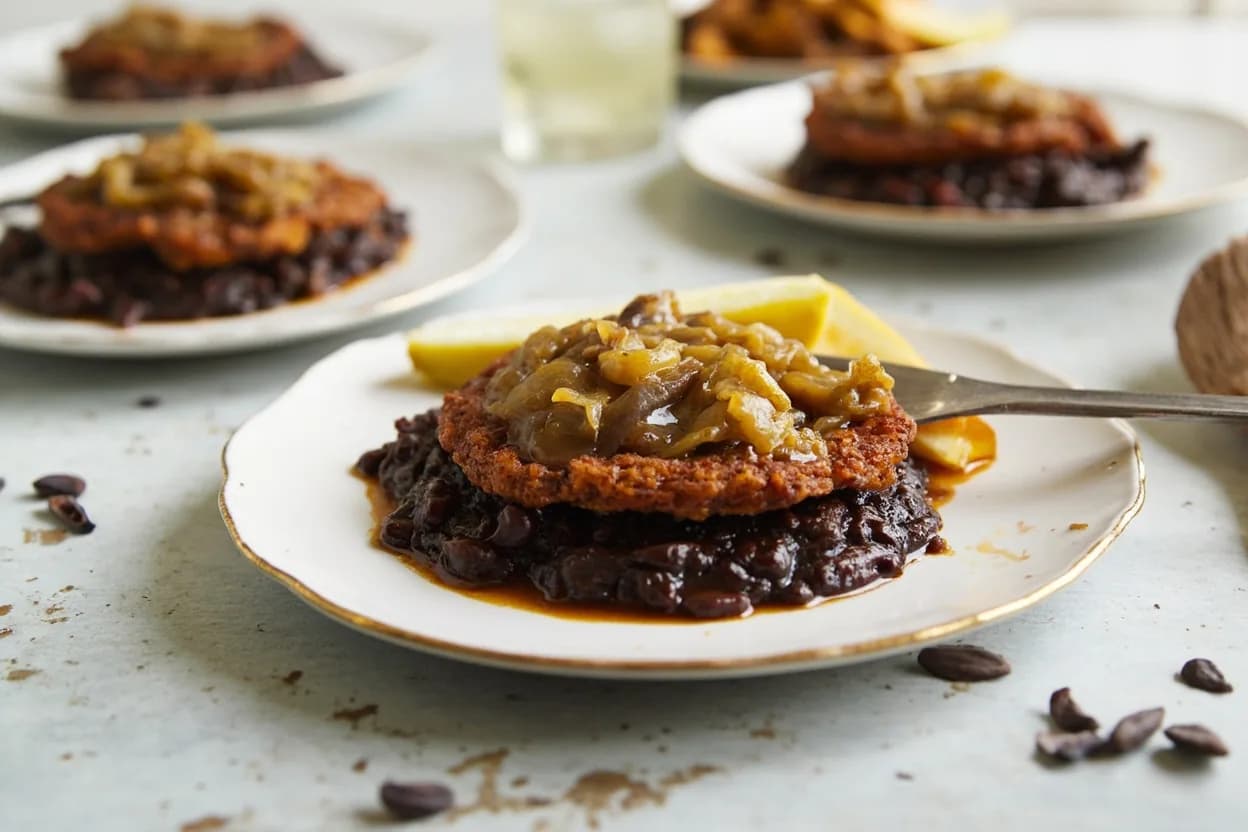

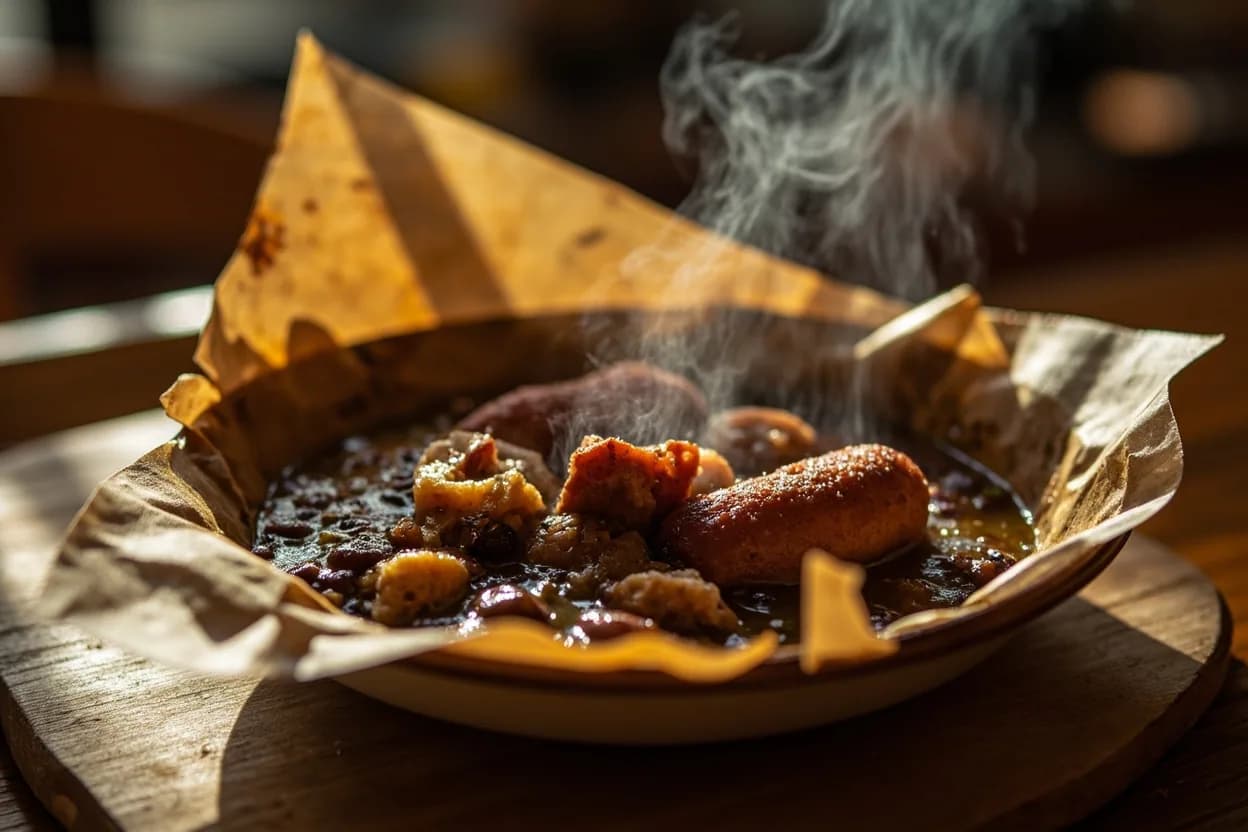
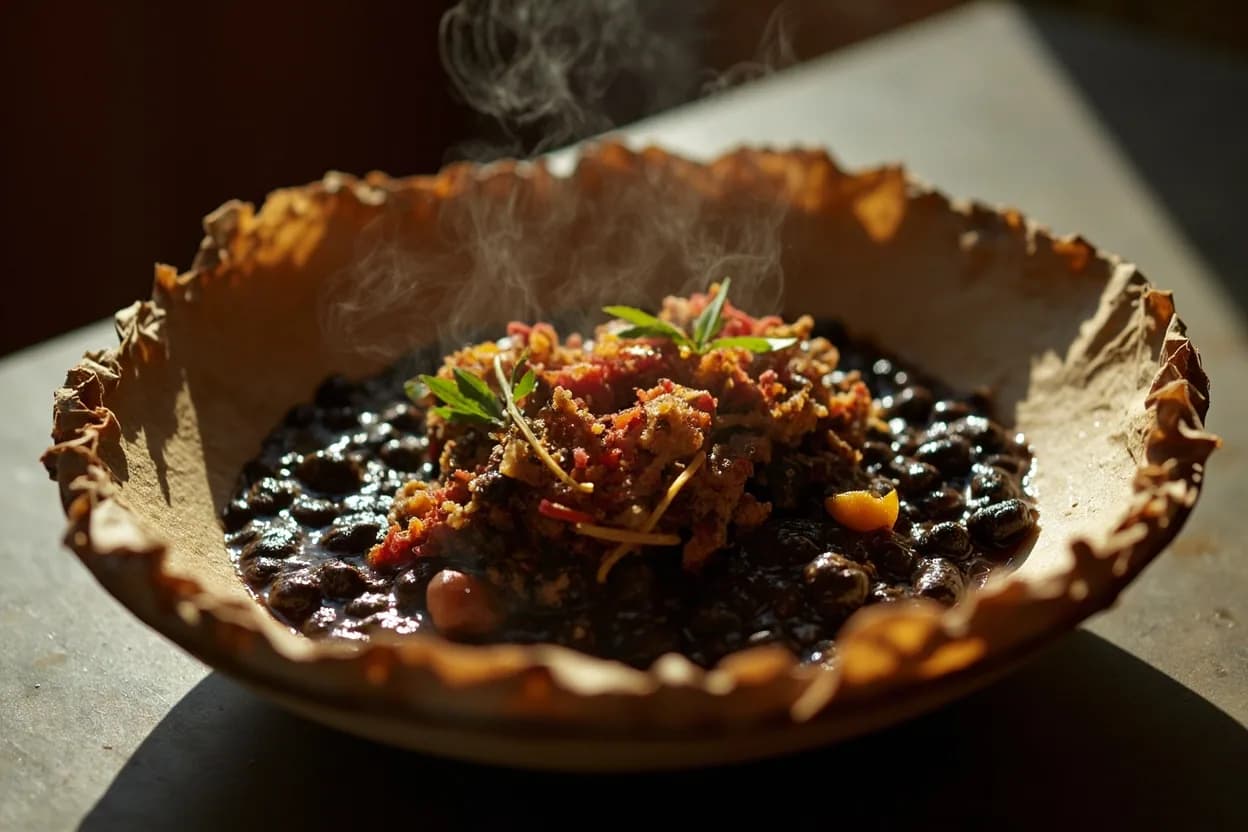
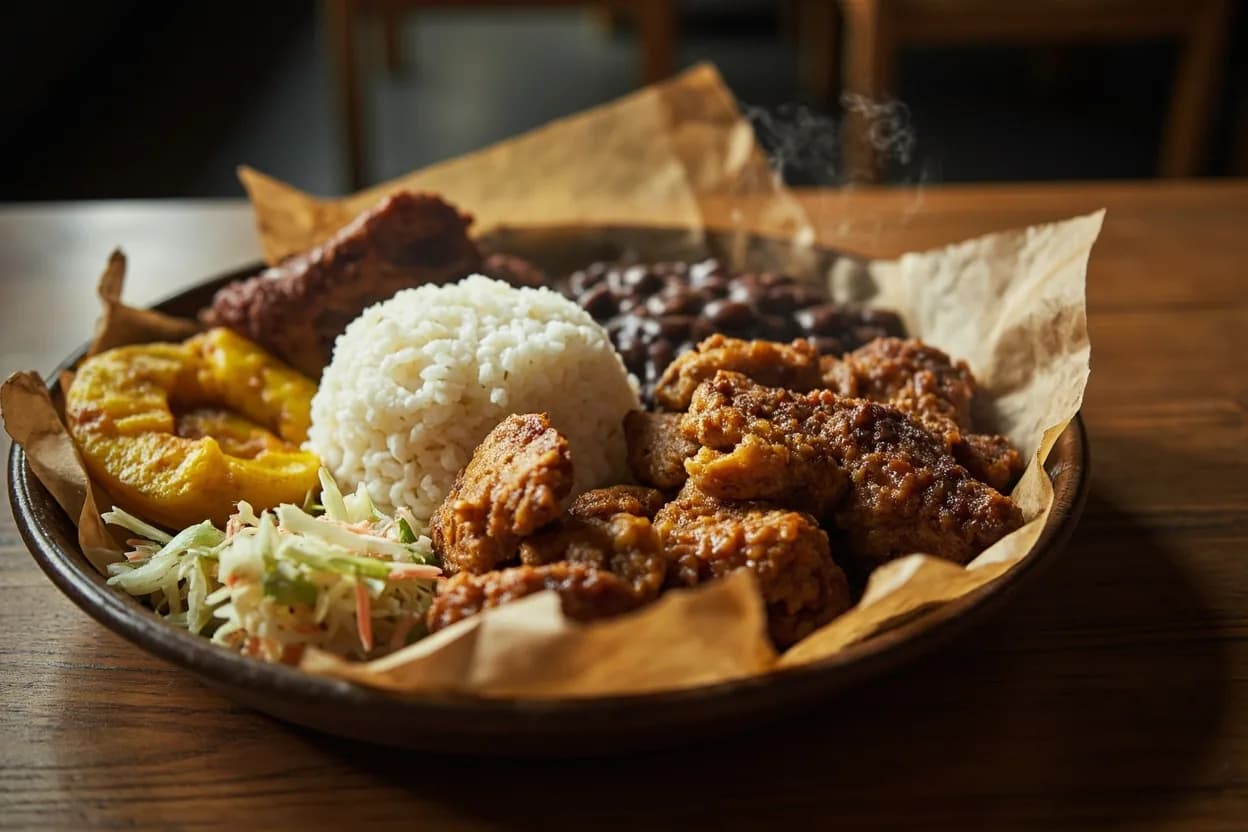
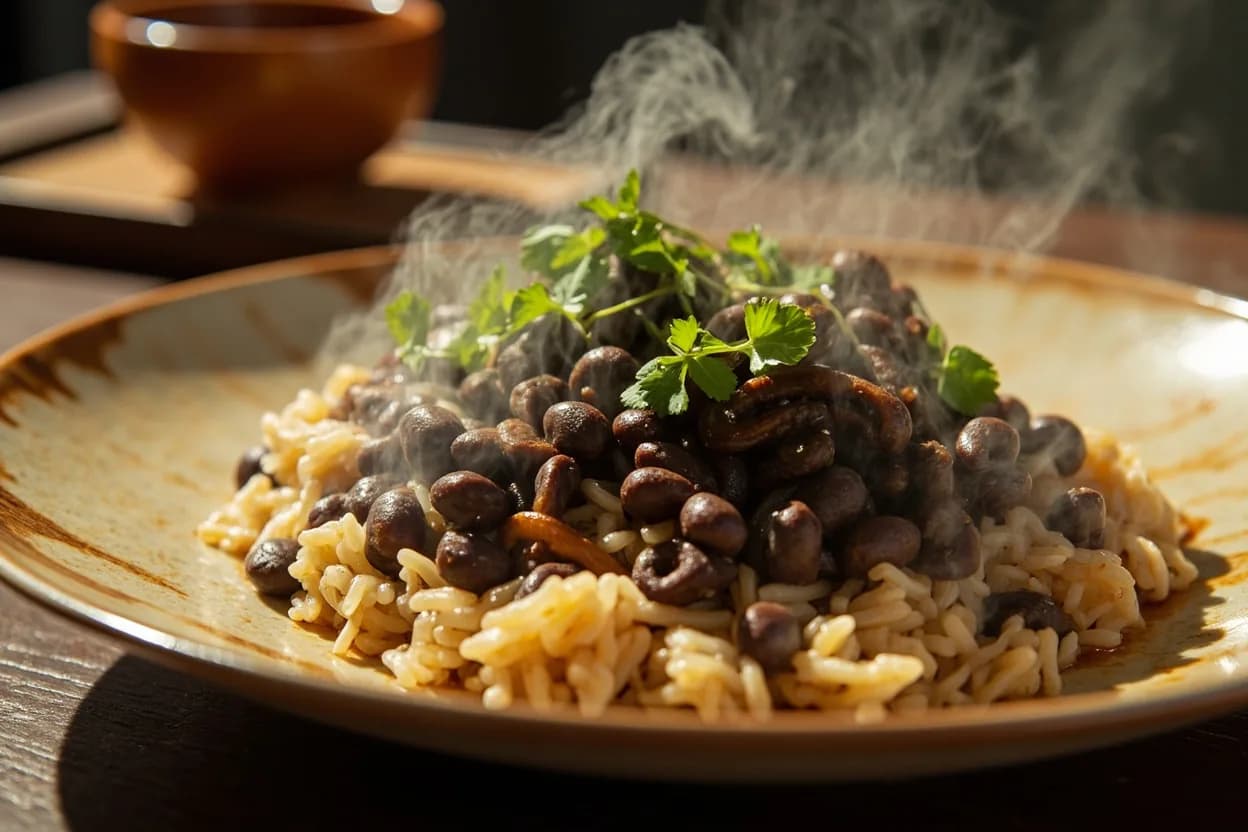
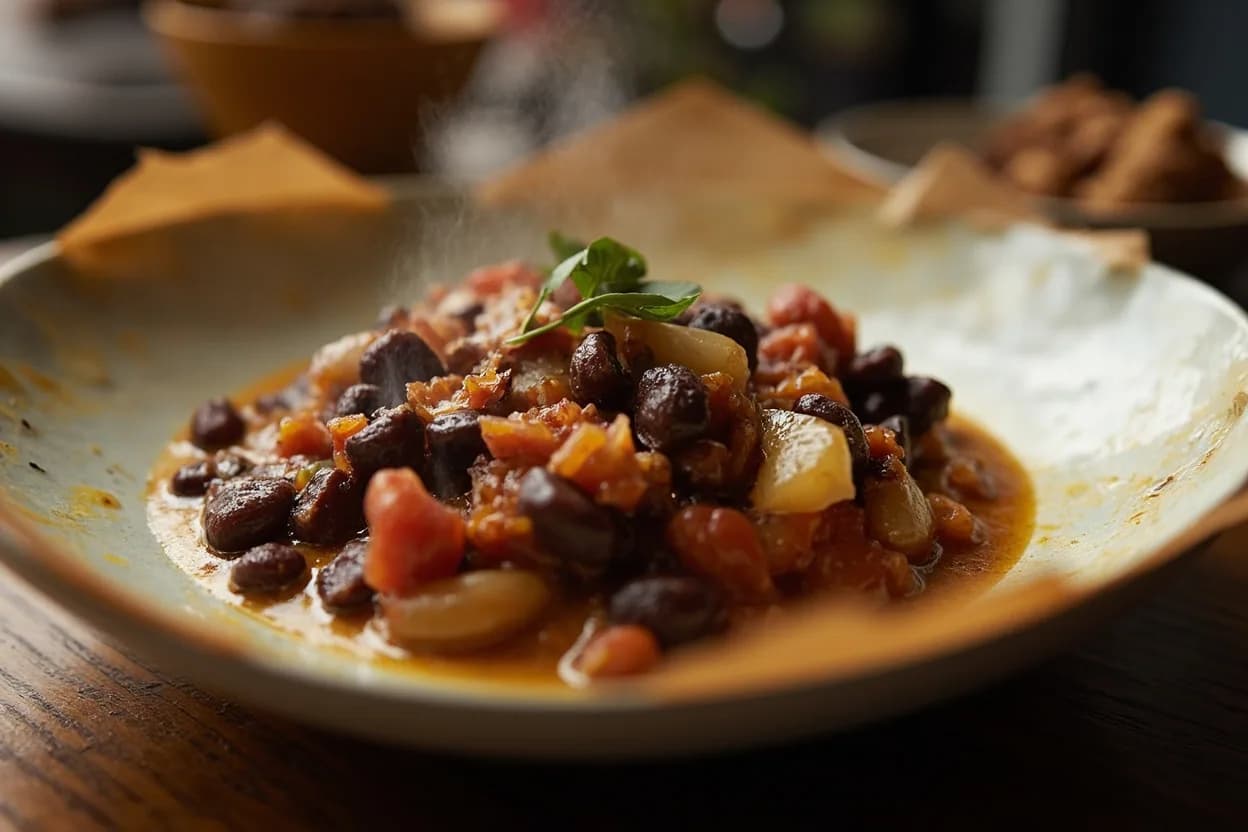
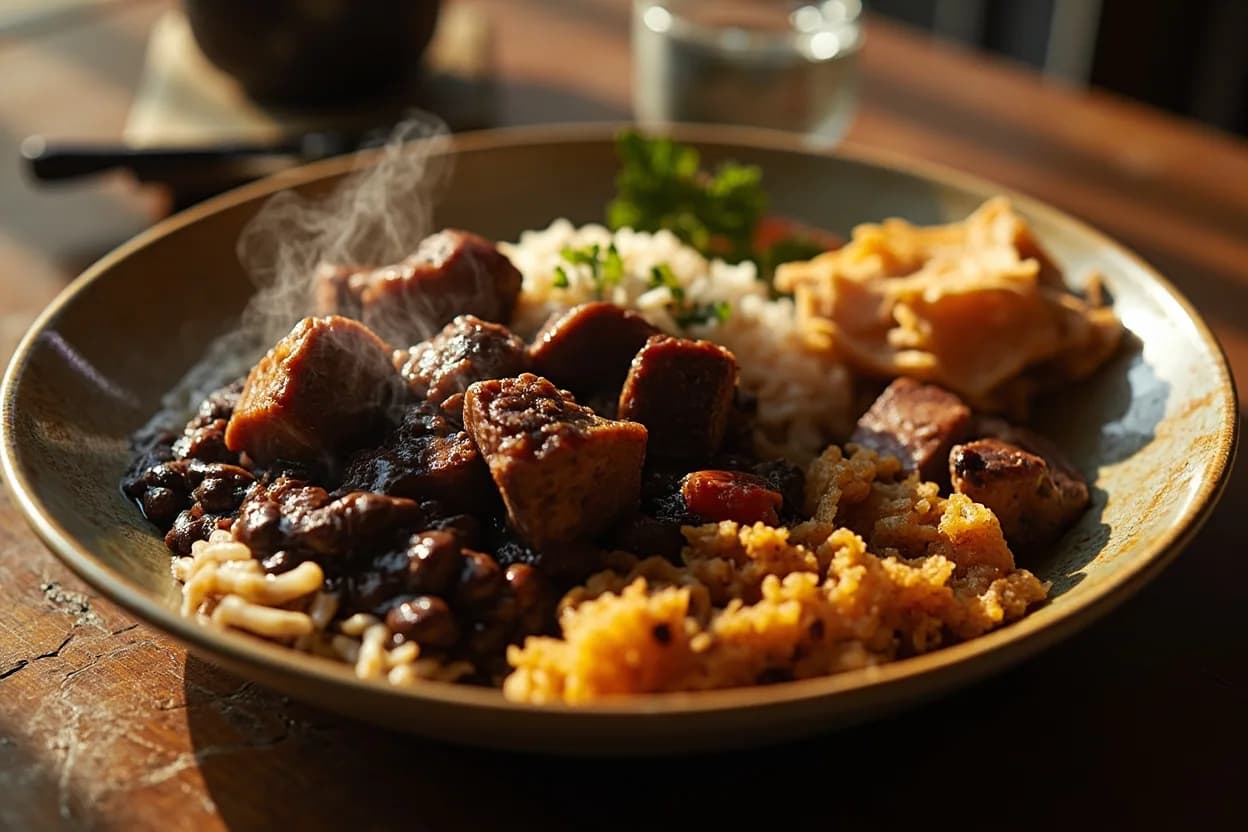
Related
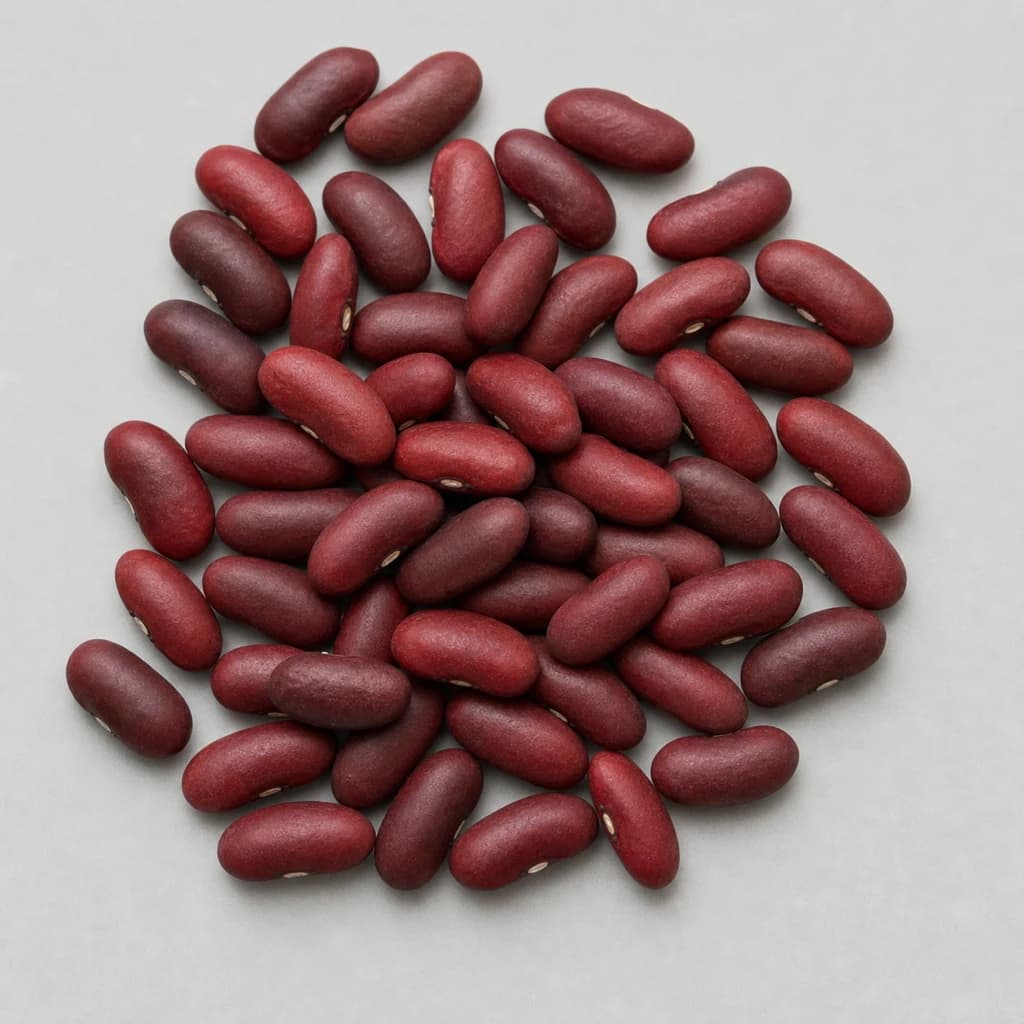
Kidney Beans
Hearty red beans that hold their shape in chili and stews
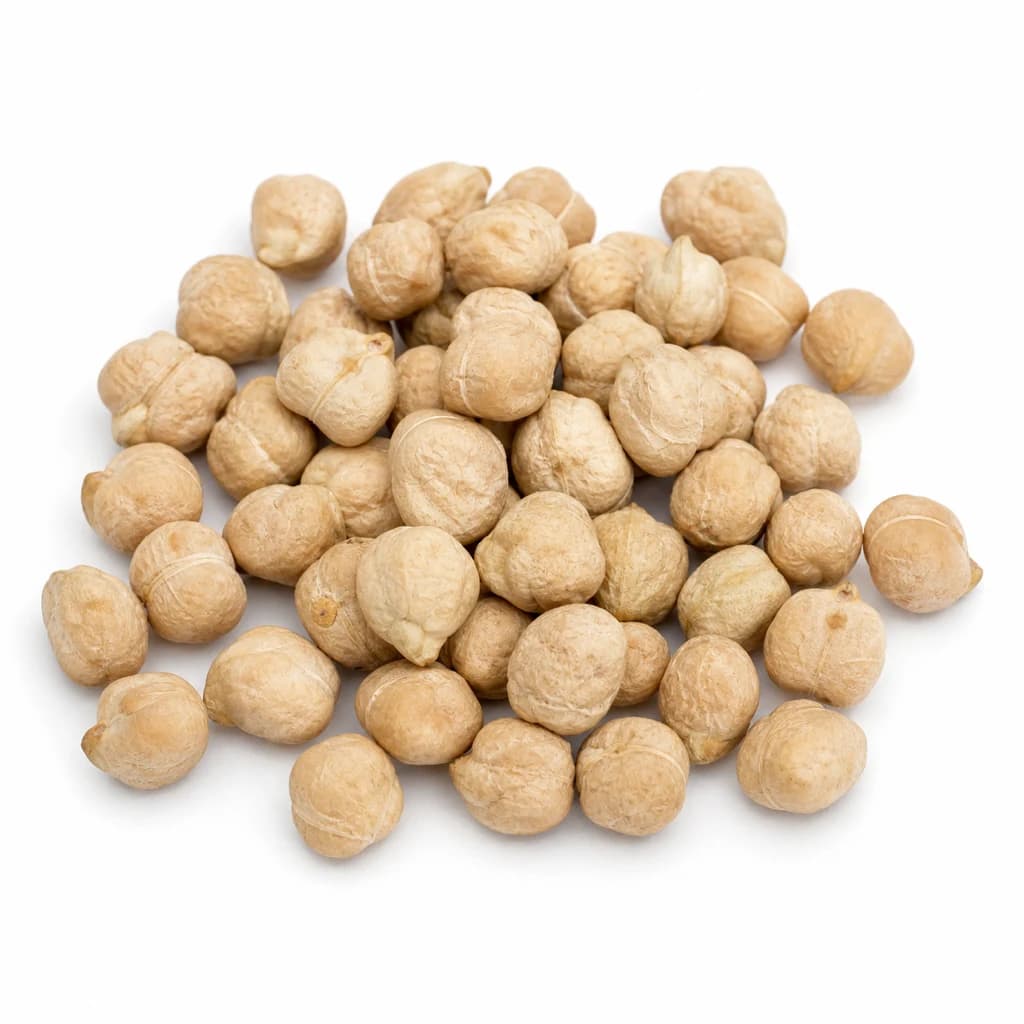
Chickpeas
Nutty, versatile beans for hummus, curries, and roasting
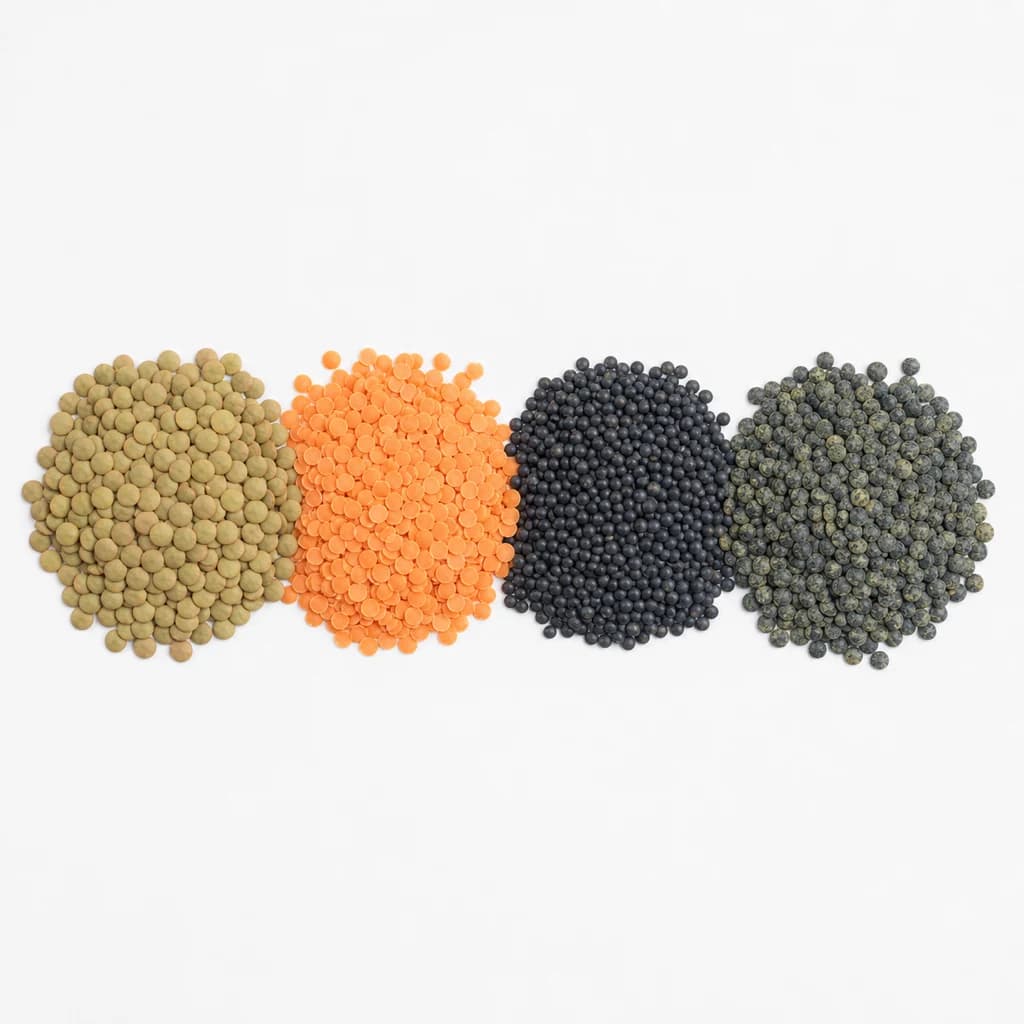
Lentils
Quick-cooking pulses for soups, dals, and hearty salads

White Beans
Creamy, mild beans for soups, stews, and silky purées
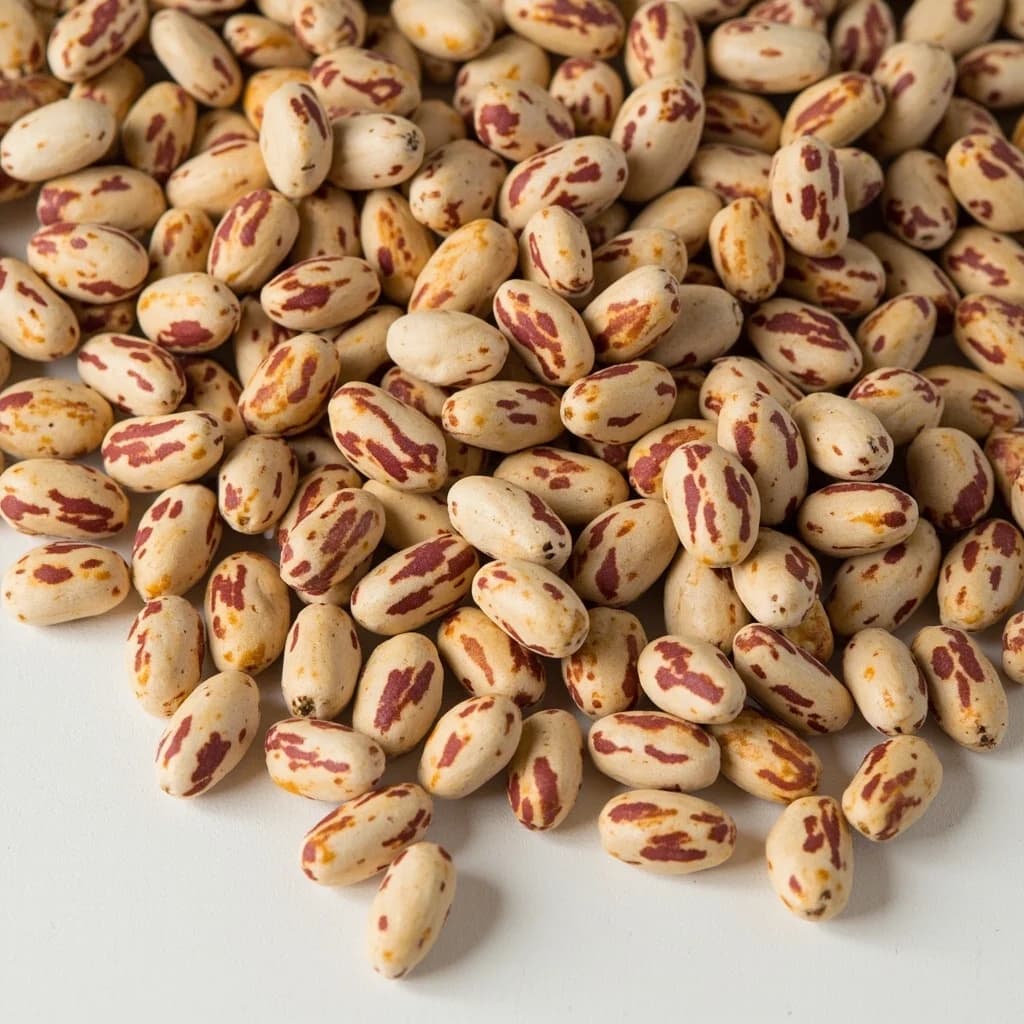
Pinto Beans
Creamy, speckled beans for refried beans and stews

Split Peas
Quick-cooking peas that melt into thick, comforting soups
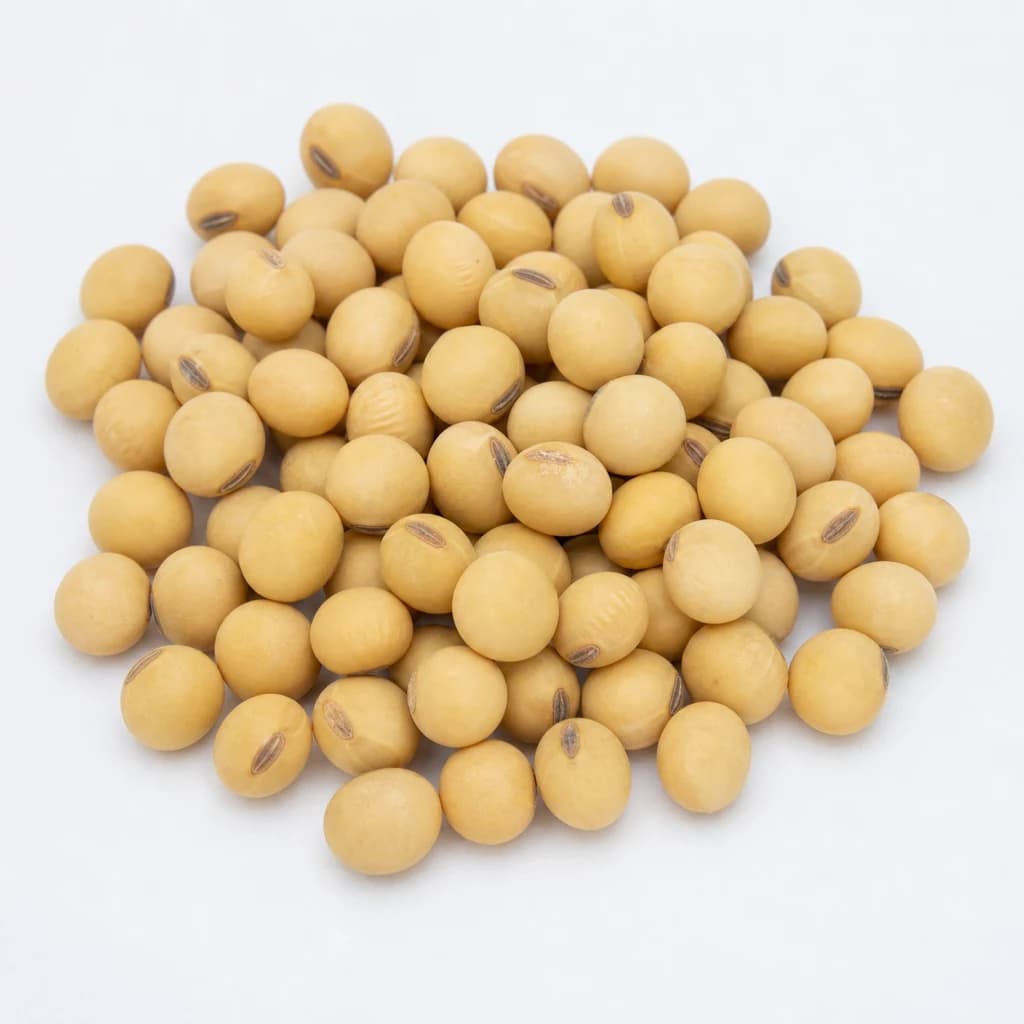
Soybeans
Protein-packed beans, the base for tofu and miso
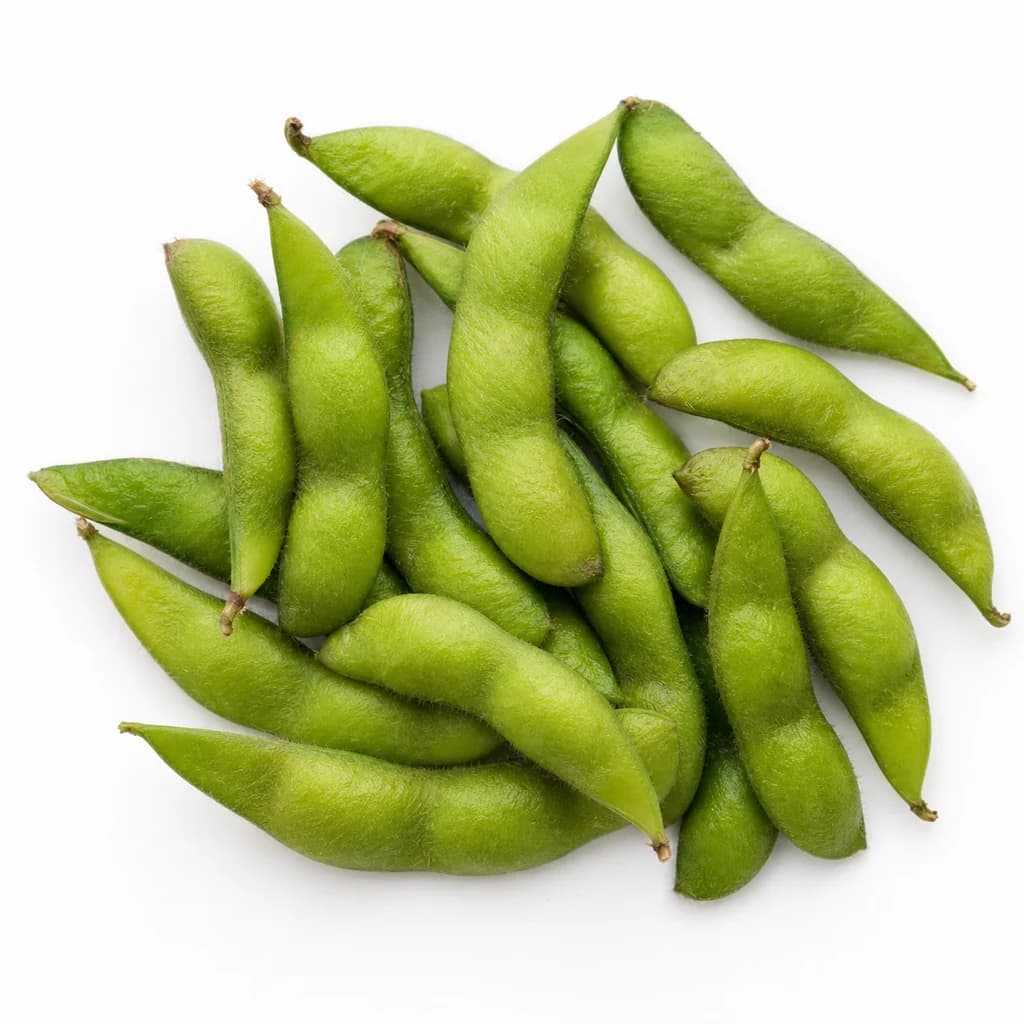
Edamame
Young soybeans in the pod — a bright, snackable protein