Legumes & Beans
Kidney Bean
Kidney-shaped beans for rajma, chili, and bean stews.
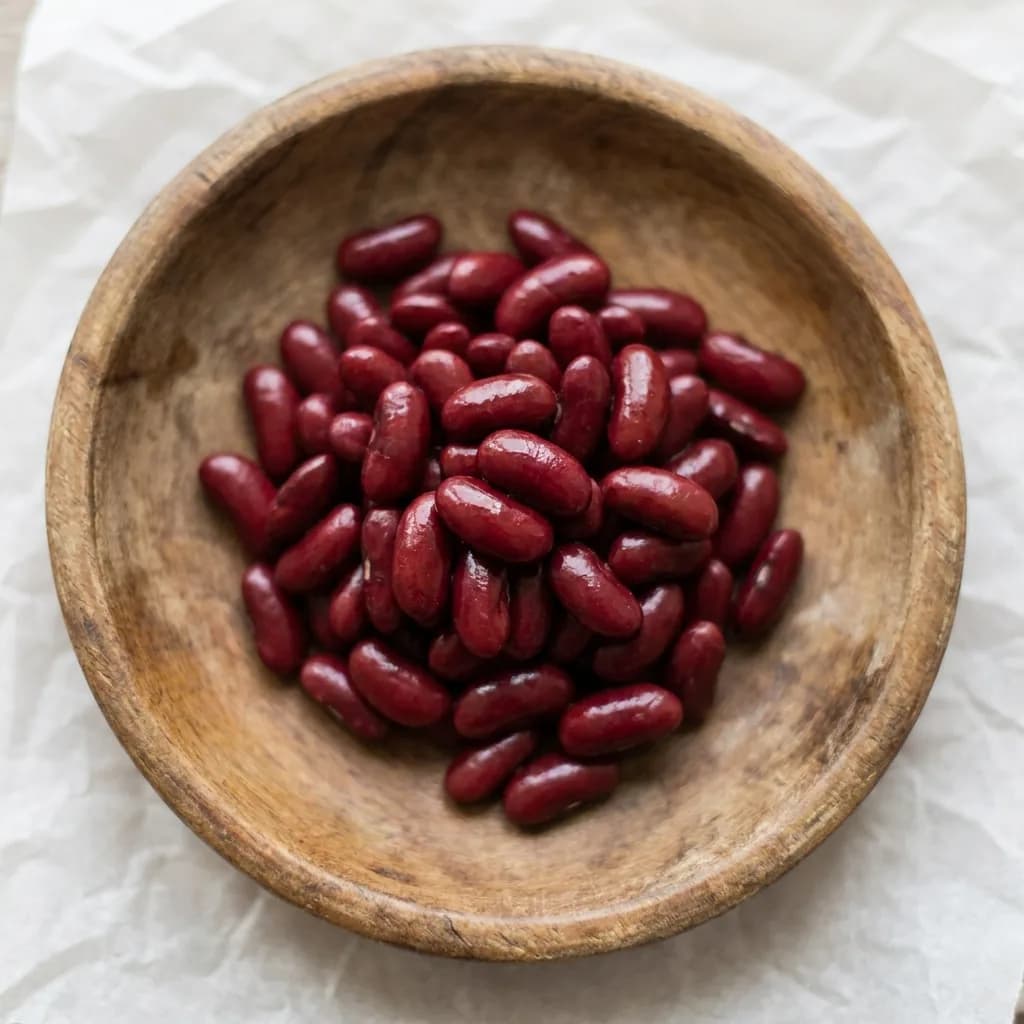
Kidney beans are firm, kidney-shaped legumes with a robust, slightly sweet flavor that hold their shape through long cooking. They are the star of North Indian rajma, chili, and many bean stews and salads. Dried kidney beans must be boiled hard after soaking to neutralize a natural toxin.
Kidney beans are the large, distinctive legume distinguished by their pronounced kidney or elongated oval shape, typically measuring 1–2 cm in length. Belonging to the Phaseolus vulgaris species, they were first cultivated by indigenous peoples of Central and South America thousands of years ago and spread globally through trade and colonial routes. Their meaty, slightly nutty flavor and creamy interior with a firm exterior that holds shape in liquid have made them a cornerstone of cuisines from Texas chili to Indian rajma curry.
Their culinary significance lies in both texture and exceptional versatility. Kidney beans absorb surrounding flavors—aromatics, spices, acids, and fats—while maintaining structural integrity in long-simmered stews and soups. The dark red variety is particularly prized for its intense color that bleeds beautifully into gravies and broths, while white kidney beans (cannellini) offer a milder, sweeter profile preferred in Mediterranean dishes. With approximately 24–26% protein by dry weight, they provide substantial nutrition when properly prepared.
No discussion of kidney beans is complete without addressing their critical safety requirements. They contain phytohaemagglutinin, a lectin that causes severe gastrointestinal distress if consumed undercooked. This toxin is destroyed only by boiling at a rolling boil for at least 10 minutes—the low temperatures of slow cookers are insufficient and dangerous. This safety principle is non-negotiable and separates properly prepared kidney beans from potentially hazardous ones.
- Measured in
- g
- Storage
- Pantry
Types & varieties
Most common variety; firm texture that holds shape well in chili and curries; intense color bleeds into cooking liquid
Softer texture than dark red; creamier interior; popular in traditional Louisiana and Creole cooking
Milder, sweeter flavor; smoother texture; preferred for Italian minestrone, salads, and dishes where bean color matters
White with maroon speckles; cooks to creamy texture; used in Southwestern and Mexican cuisine
Standard commercial variety; uniform deep red color; most widely available in canned and dried forms
The Lectin Safety Imperative
Phytohaemagglutinin is present in all kidney beans but is particularly concentrated in red varieties. Symptoms of poisoning include severe nausea, vomiting, and diarrhea, typically appearing 1–3 hours after consumption. The toxin is destroyed at temperatures above 100°C (212°F) when maintained for 10 minutes at a rolling boil. Slow cookers typically reach only 85–95°C (185–200°F) on low settings—insufficient to neutralize the lectin. Commercial canned kidney beans are safe because the canning process applies proper heat treatment. If pressure canning kidney beans at home, follow USDA guidelines precisely: raw-pack kidney beans require 75 minutes at 10 PSI for pints and 90 minutes for quarts; adjust times for altitude above 2,000 feet per USDA guidelines. The soaking step, regardless of duration, does not destroy lectins—only heat treatment does.
- Never add unboiled kidney beans to a slow cooker on low heat
- Discard soaking water without consuming it
- Properly cooked beans are tender throughout with no chalky center
- Canned beans are fully cooked and safe to use directly
Dried versus Canned
Dried kidney beans offer superior texture control, more affordable bulk pricing, and the ability to season the cooking liquid precisely. Canned kidney beans are pre-cooked and convenient, but typically contain added sodium and may have softer, more fragile skins from the canning process. For dishes where bean shape integrity matters—chili, rajma, bean salads—dried beans prepared with attention to texture yield noticeably better results. For weeknight soups and stews where beans will break down anyway, well-rinsed canned beans perform admirably.
- Rinse canned beans to reduce sodium by approximately 40%
- Canned beans are already fully cooked—add them near the end of cooking
- Dried beans give you control over final texture and seasoning
- Sort dried beans carefully, removing any stones or discolored specimens
Common uses
Tips & pitfalls
- Always sort through dried beans before cooking: discard discolored, wrinkled, or damaged beans and any small stones common in bulk bins.
- Soak beans in cold water for 8–12 hours; discard the soaking water as it contains oligosaccharides that cause gas.
- Add acid (tomatoes, lemon juice, vinegar) only after beans are fully tender—acid hardens cell walls and prevents softening.
- Never cook kidney beans in a slow cooker on low without pre-boiling for at least 10 minutes—the slow temperature is insufficient to destroy lectins and can cause food poisoning.
- Season cooking water with aromatics (bay leaf, garlic, onion) but hold back salt until the beans are nearly done—salt can toughen the skins early in cooking.
- Test doneness by biting: properly cooked kidney beans should be tender throughout with no chalky center, not split or mushy.
- For firmer beans that hold their shape in chili, use dark red kidney beans and do not overcook.
- Canned kidney beans are already fully cooked; rinse them and add directly to dishes without extended cooking.
Nutrition
Energy
121 kJ · per 100 g
Where the calories come from
Protein
4.2g
8% DV
Carbs
4.1g
1% DV
Fat
0.5g
1% DV
Sodium
6mg
0% DV
Source · USDA FoodData Central · Beans, kidney, mature seeds, sprouted, raw
View on FDC →In the shops
Matched grocery products
No matched grocery products for Kidney Bean yet.
Good to know
- Scientific Name
- Phaseolus vulgaris
- Origin
- Central and South America; cultivated by indigenous peoples for millennia
- Primary Colors
- Dark red, light red, white, and speckled
- Shape
- Distinctive kidney or elongated oval, 1–2 cm long
- Flavor Profile
- Meaty, slightly nutty, mild; absorbs surrounding flavors well
- Texture (cooked)
- Creamy interior with slightly firm exterior that holds shape in liquid
- Protein Content
- 24–26% protein by dry weight
- Cook Time (dried, soaked)
- 30–60 minutes after boiling 10 minutes
- Critical Safety
- Must boil vigorously for 10 minutes before any other cooking method to destroy phytohaemagglutinin (lectin)
- Dried Storage
- 2–3 years in cool, dry, airtight container; discard if hard or discolored
- Cooked Storage
- 3–5 days refrigerated; freeze up to 3 months
- Yield
- Approximately 2 cups cooked beans from 1 cup dried
- Sodium (canned)
- 200–500 mg per ½ cup; rinsing reduces by 40%
Substitutes
- Pinto Bean — Similar size and meaty texture; works in chili and Mexican dishes; slightly earthier flavor
- Black Bean — Smaller but similar meaty quality; acceptable in Tex-Mex chili and bean salads; different color impact
- Cannellini Bean (White Kidney) — Direct substitute for white kidney beans; identical shape, milder flavor
- Borlotti Bean — Creamy interior, similar cooking properties; speckled appearance; good in Mediterranean soups
Also called
Rajma · Kidney Beans
Appears in these dishes
Related
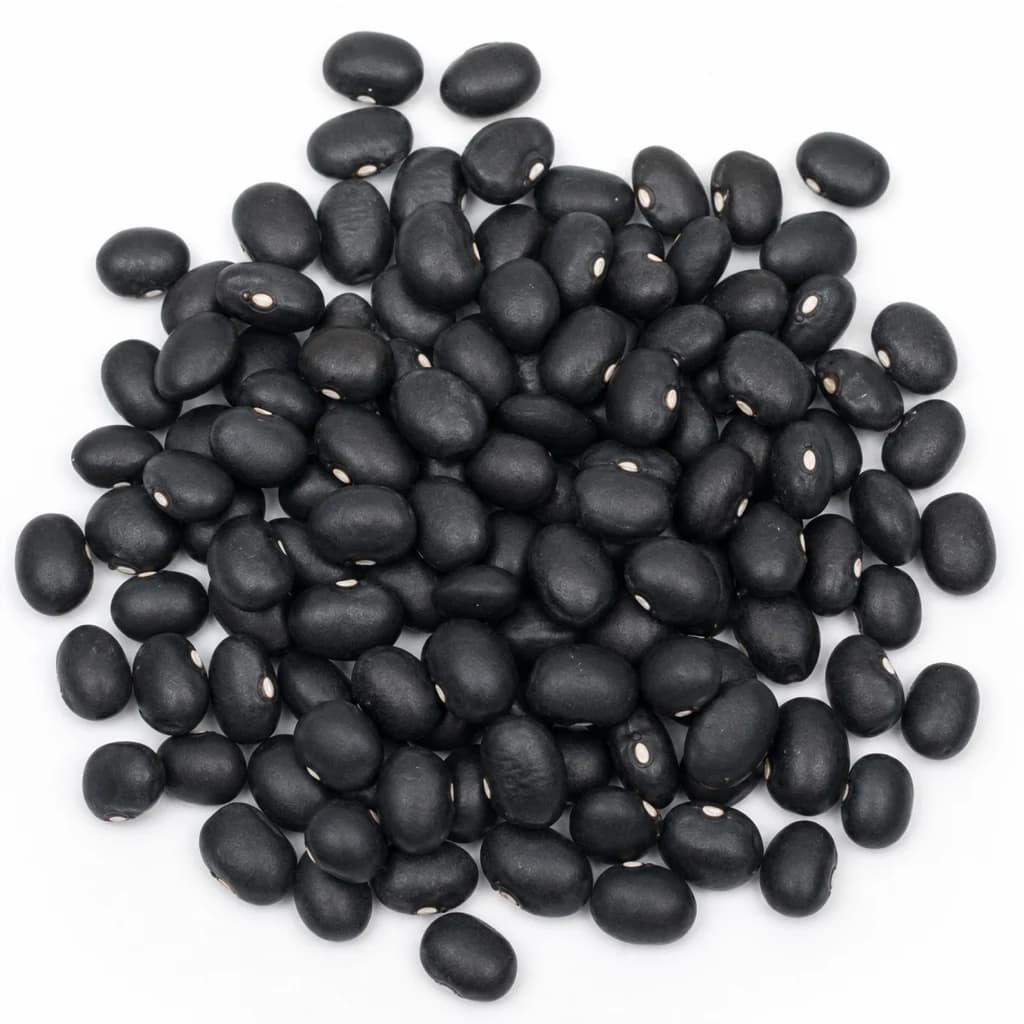
Black Beans
Earthy, creamy beans for bowls, soups, and tacos
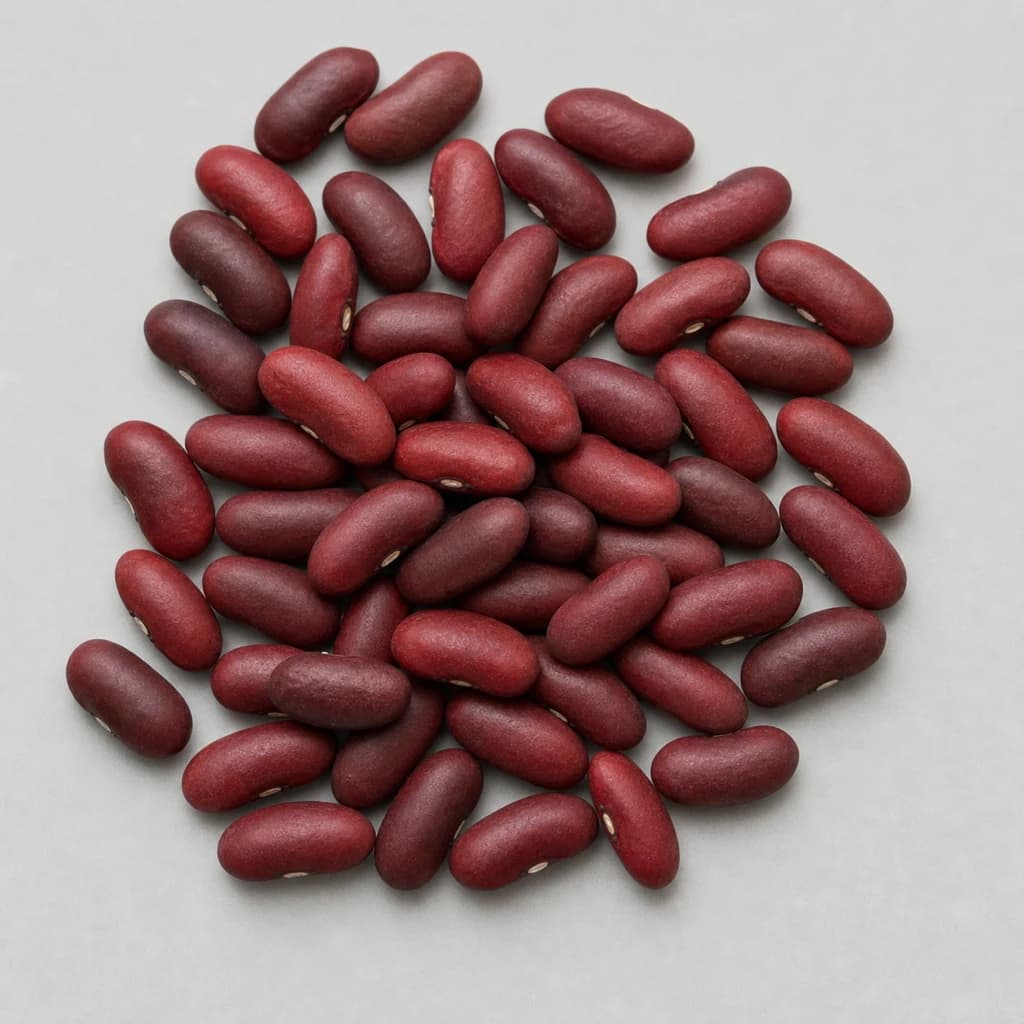
Kidney Beans
Hearty red beans that hold their shape in chili and stews
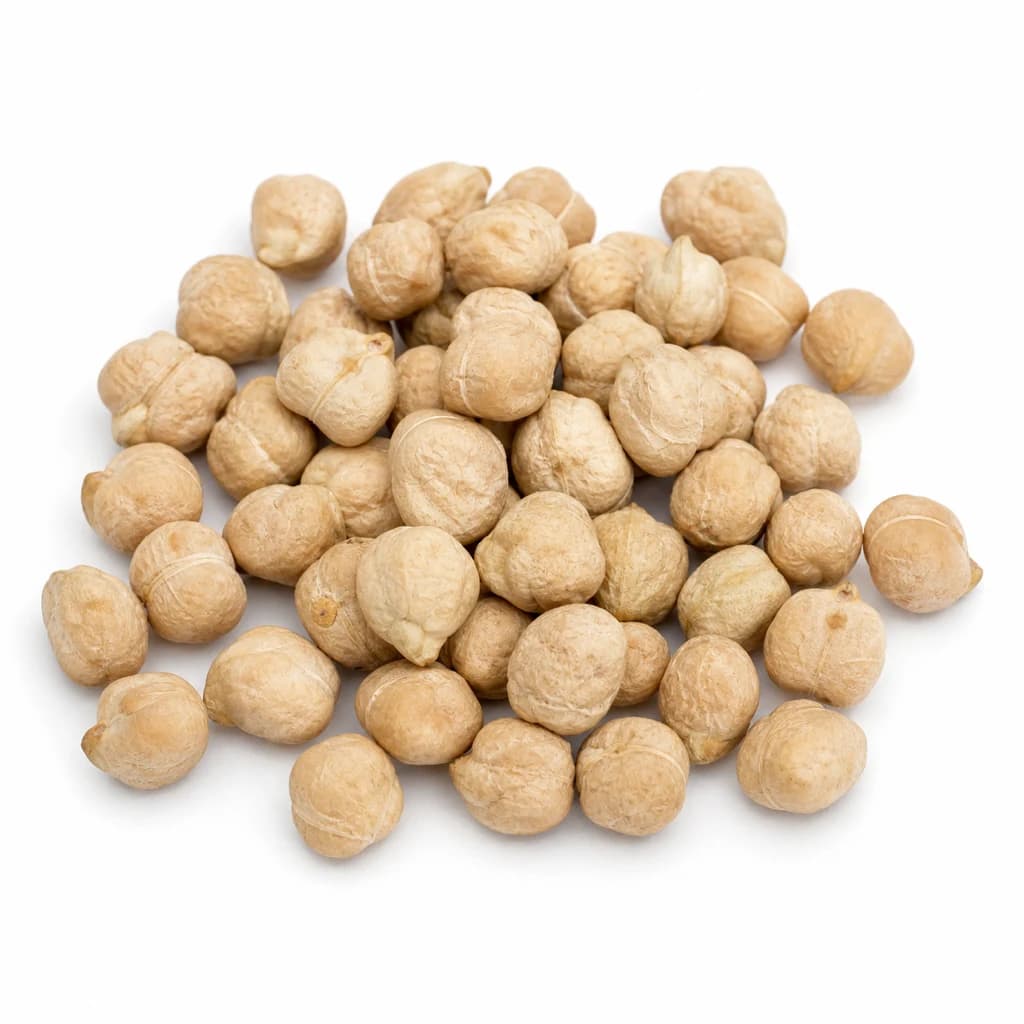
Chickpeas
Nutty, versatile beans for hummus, curries, and roasting
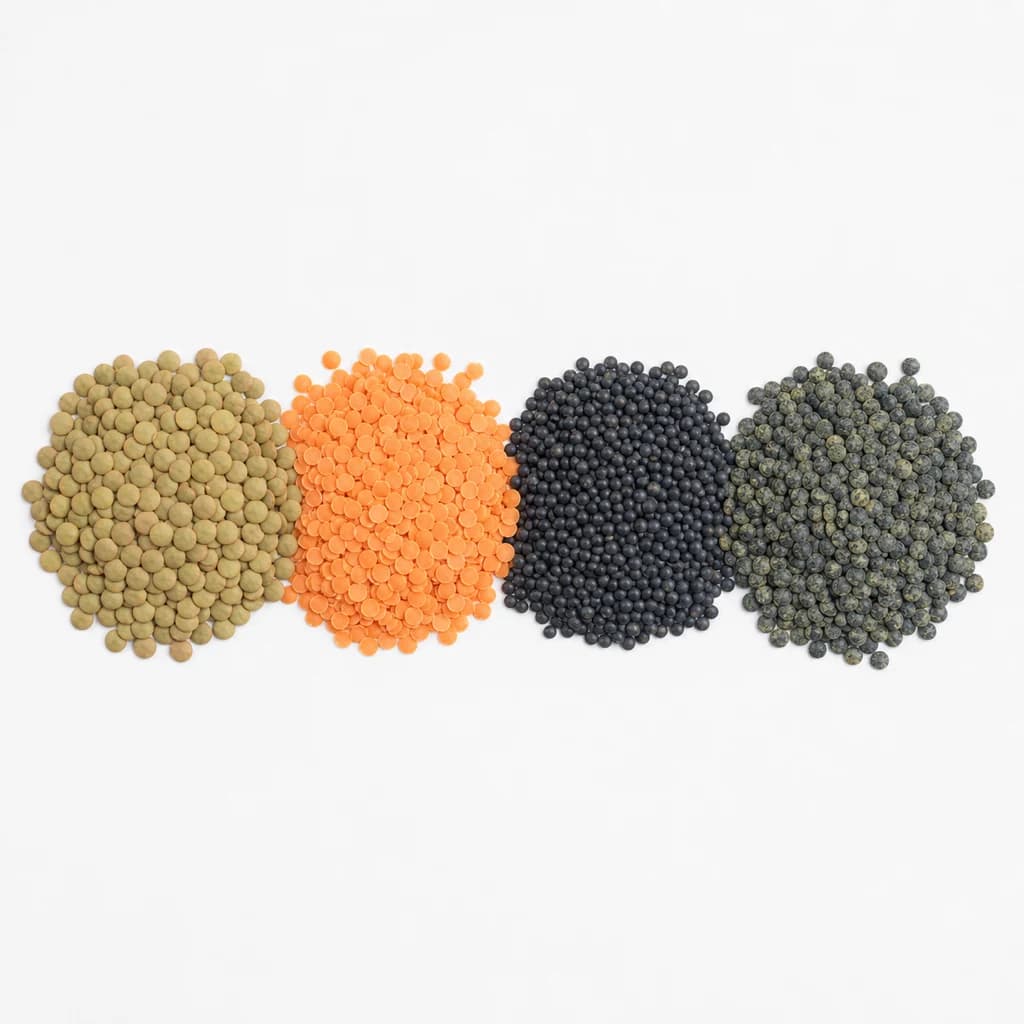
Lentils
Quick-cooking pulses for soups, dals, and hearty salads

White Beans
Creamy, mild beans for soups, stews, and silky purées
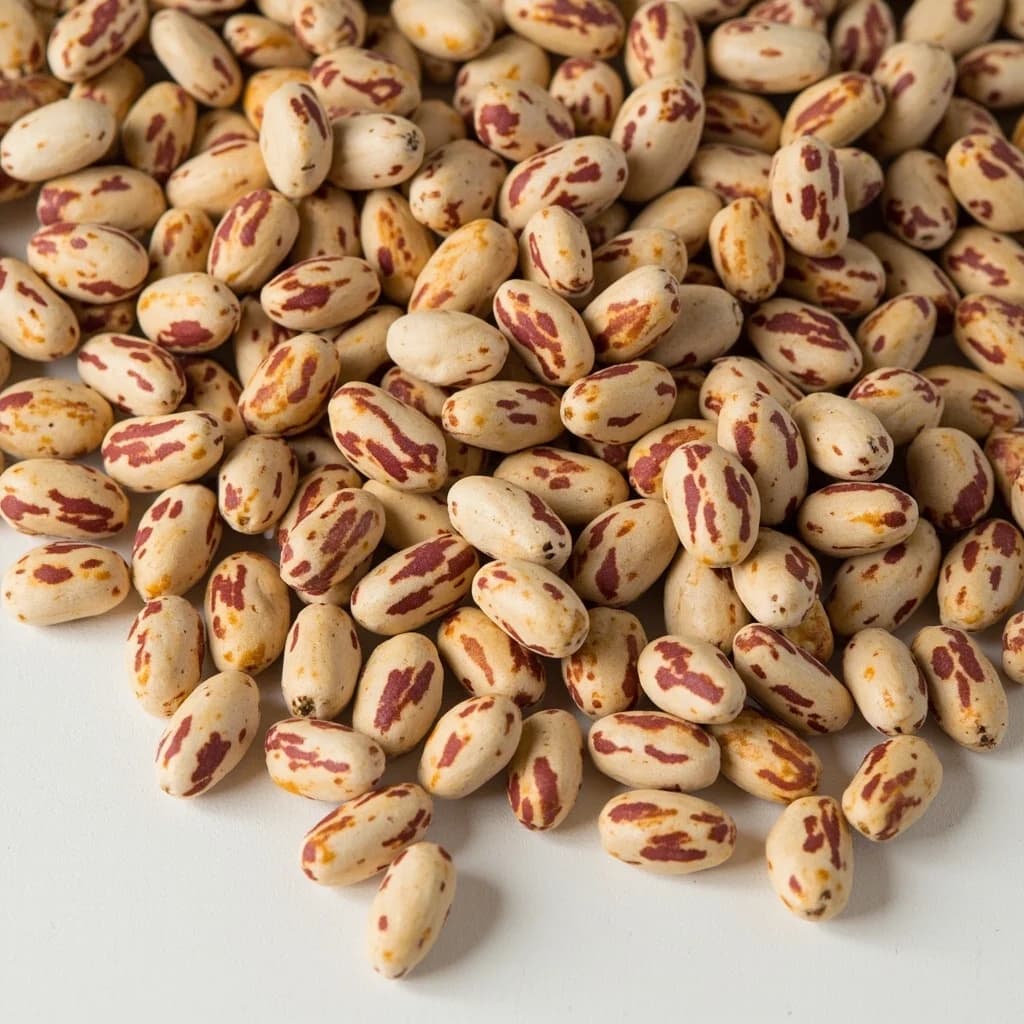
Pinto Beans
Creamy, speckled beans for refried beans and stews

Split Peas
Quick-cooking peas that melt into thick, comforting soups
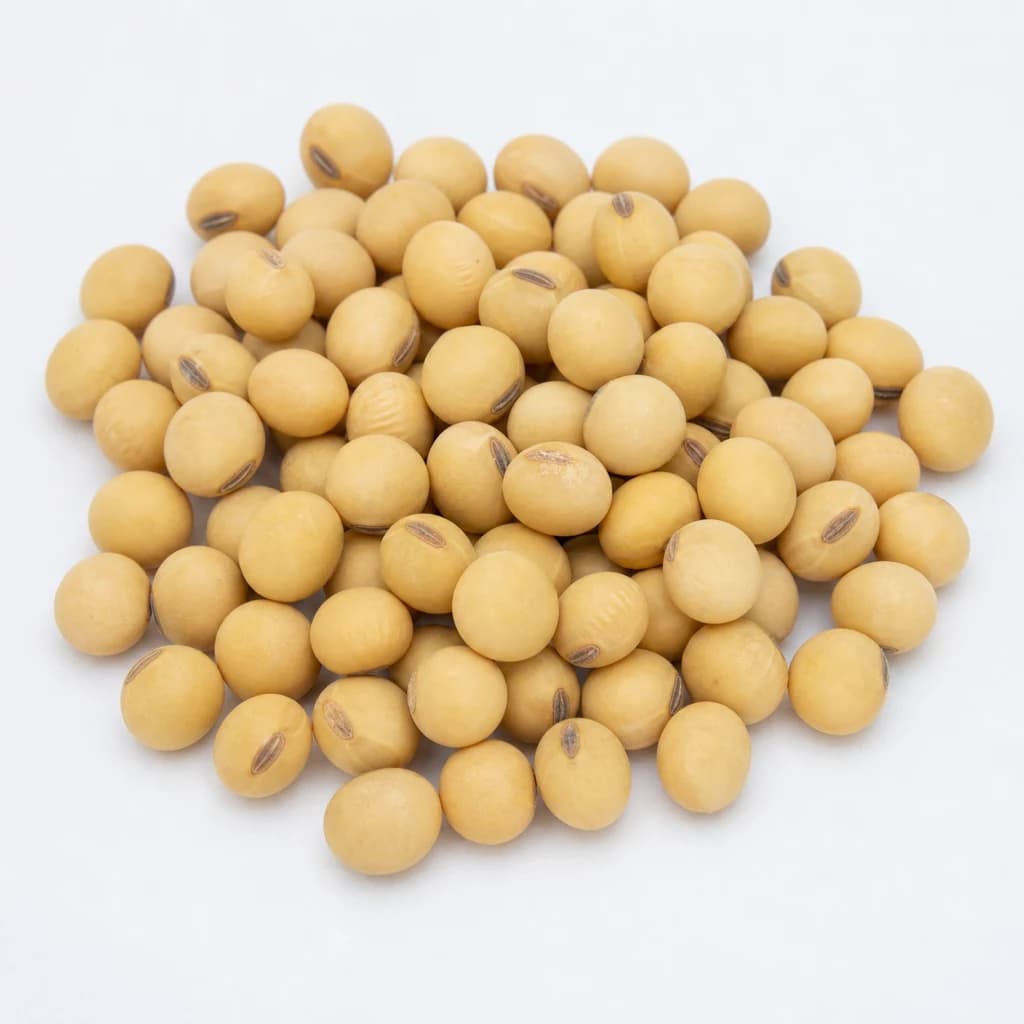
Soybeans
Protein-packed beans, the base for tofu and miso